Florida's long cooling season can make air conditioning the largest electric expense in your home. A search for "central AC electricity use Florida" usually comes from a homeowner trying to explain a high bill or budget for a new system.
The answer depends on your unit's size, efficiency, runtime, thermostat setting, ductwork, and weather. Once you know how many kilowatts your system draws and how long it runs, you can estimate its monthly energy use with reasonable accuracy.
Central AC Electricity Use Florida Homeowners Can Estimate
A practical "central AC electricity use Florida" estimate starts with the air conditioner's tonnage and efficiency rating.
An AC ton doesn't describe weight. It measures cooling capacity. One ton equals 12,000 British thermal units, or BTUs, of cooling per hour. Therefore, a 3-ton system provides about 36,000 BTUs of cooling per hour.
You can use this basic formula for a rough planning estimate:
Cooling capacity in BTUs per hour / efficiency rating / 1,000 = approximate running kilowatts
For example, a 3-ton system with a 16 efficiency rating would calculate like this:
36,000 / 16 / 1,000 = 2.25 kilowatts
That figure represents a simplified estimate. The compressor, outdoor fan, indoor blower, startup demand, and operating conditions affect the actual draw. A 3-ton central AC may use roughly 2.5 to 3.5 kilowatts while running, depending on its design and condition.
This table shows rough cooling-input estimates using a 14 efficiency ratio for simple comparison:
| AC size | Cooling capacity | Approximate running demand |
|---|---|---|
| 2 tons | 24,000 BTUs per hour | 1.7 kW |
| 2.5 tons | 30,000 BTUs per hour | 2.1 kW |
| 3 tons | 36,000 BTUs per hour | 2.6 kW |
| 4 tons | 48,000 BTUs per hour | 3.4 kW |
| 5 tons | 60,000 BTUs per hour | 4.3 kW |
These numbers help compare equipment sizes, but they don't predict your exact bill. A unit doesn't run continuously every hour of the day. It cycles on and off as the thermostat reaches its setting.
A larger AC doesn't automatically use more electricity every month. Poor sizing, duct losses, and long runtimes can matter just as much as tonnage.
How to Calculate Monthly AC Electricity Use
Your monthly energy use depends on the unit's average running demand and total runtime. Use this formula:
Kilowatts x running hours per day x days in the billing period = monthly kilowatt-hours
Suppose a central AC averages 3 kilowatts while operating. If it runs for eight total hours each day during a 30-day billing period, the calculation is:
3 kW x 8 hours x 30 days = 720 kWh
At an electric rate of $0.16 per kilowatt-hour, that cooling use would cost about $115.20 for the month. Check your utility bill for your actual rate because charges differ by provider, plan, taxes, and fees.
The eight hours in this example means total compressor runtime. It doesn't mean the system must run eight uninterrupted hours. A thermostat may call for cooling for 20 minutes, shut off for 15 minutes, then repeat that cycle throughout the day.
Here are three planning examples using different system demands and runtimes:
| Operating pattern | Average demand | Daily runtime | Monthly use | Cost at $0.16/kWh |
|---|---|---|---|---|
| Mild weather | 2.5 kW | 4 hours | 300 kWh | $48 |
| Typical summer demand | 3 kW | 8 hours | 720 kWh | $115.20 |
| Heavy cooling demand | 4.5 kW | 12 hours | 1,620 kWh | $259.20 |
These figures describe the AC portion of your bill, not total household electricity use. Your refrigerator, water heater, pool equipment, lighting, appliances, and other systems add their own consumption.
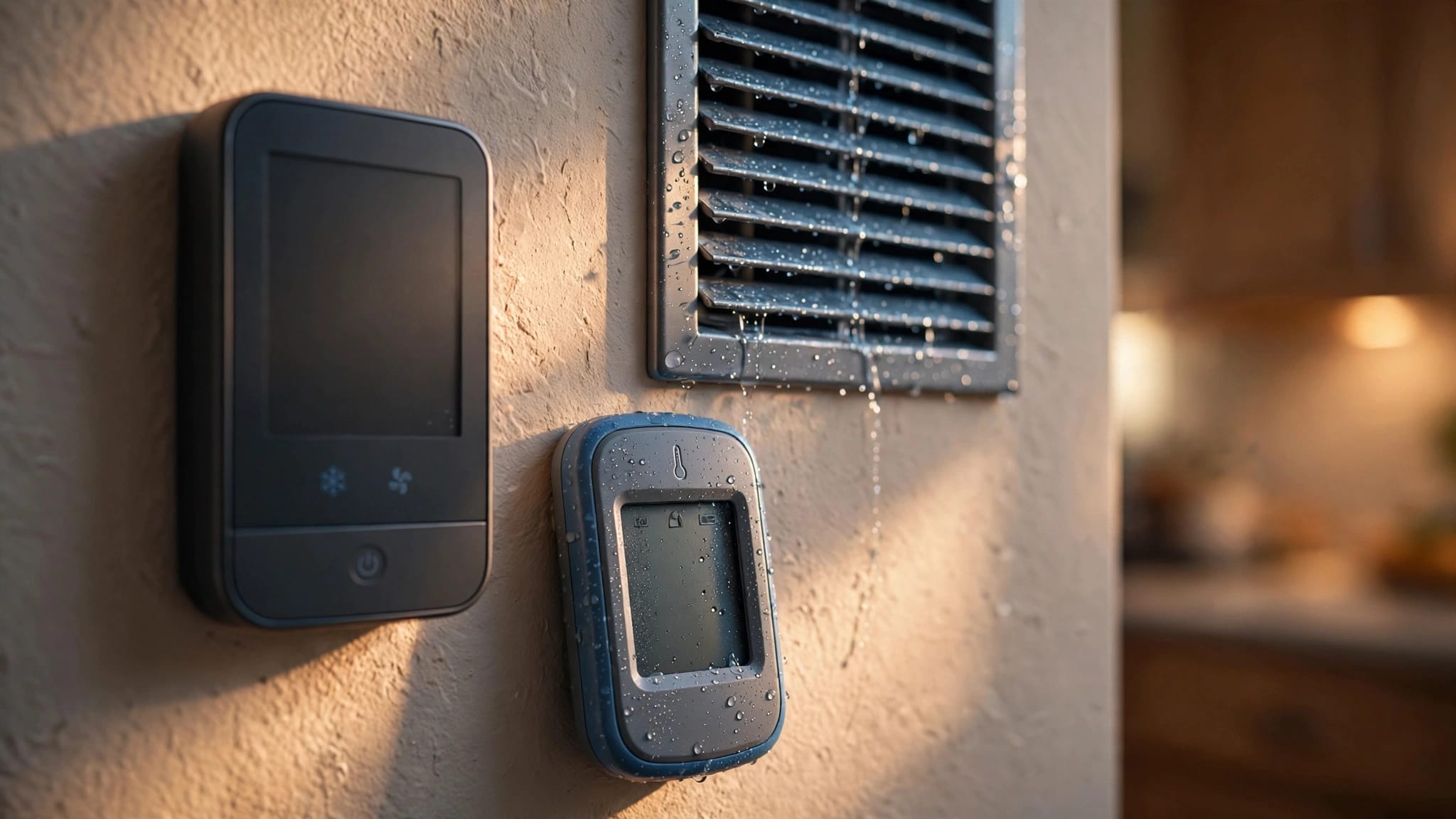
A smart thermostat can help you identify runtime. Many models show daily or monthly cooling hours. Compare that information with your electric bills, but also compare billing days and outdoor temperatures. A longer billing period or a heat wave can raise usage without indicating equipment failure.
Why Florida Homes Often Use More AC Electricity
Florida's cooling season lasts much longer than in many parts of the country. In Southwest Florida, homeowners may use air conditioning during spring, summer, and fall, with occasional cooling needs during winter.
Outdoor heat is only part of the load. High humidity also affects comfort. The AC must remove moisture from indoor air while lowering the temperature. On muggy days, the system may run longer even when the thermostat temperature changes little.
Thermostat settings have a direct effect on runtime. A home kept at 72°F generally requires more cooling than one kept at 76°F or 78°F. Many homeowners choose a higher setting while away and lower it when they return. However, setting the thermostat far below the current temperature won't cool the house faster. It can make the system run longer.
Your home also gains heat through the roof, windows, walls, doors, and air leaks. West-facing windows can add a heavy afternoon load. Older insulation, damaged weatherstripping, and open doors increase the work your AC must do.
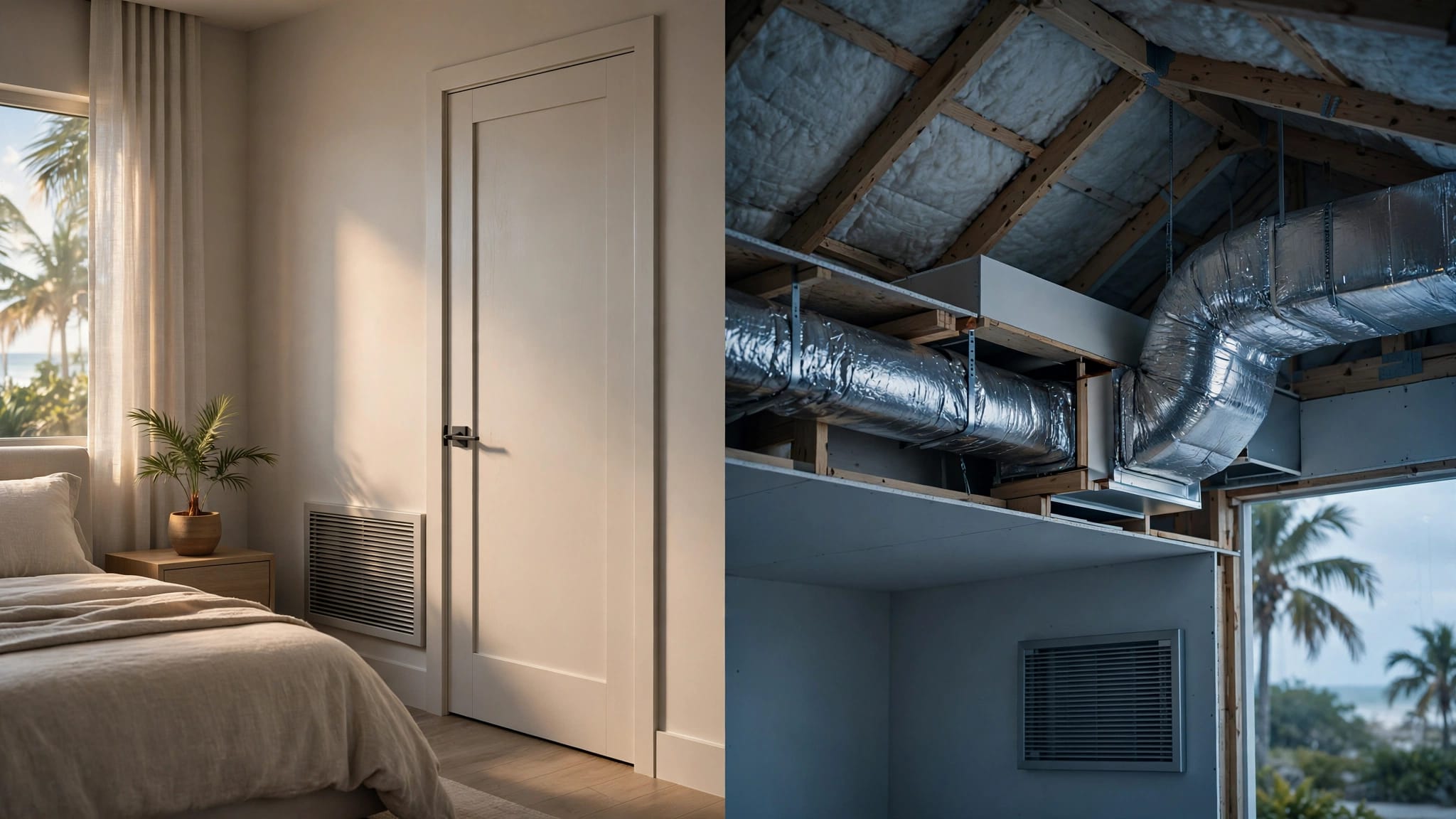
Ductwork is another common source of waste. Leaky or poorly insulated ducts in a hot attic can lose conditioned air before it reaches the rooms. A system may appear to run normally while the house stays warm because cooled air is escaping or airflow is restricted.
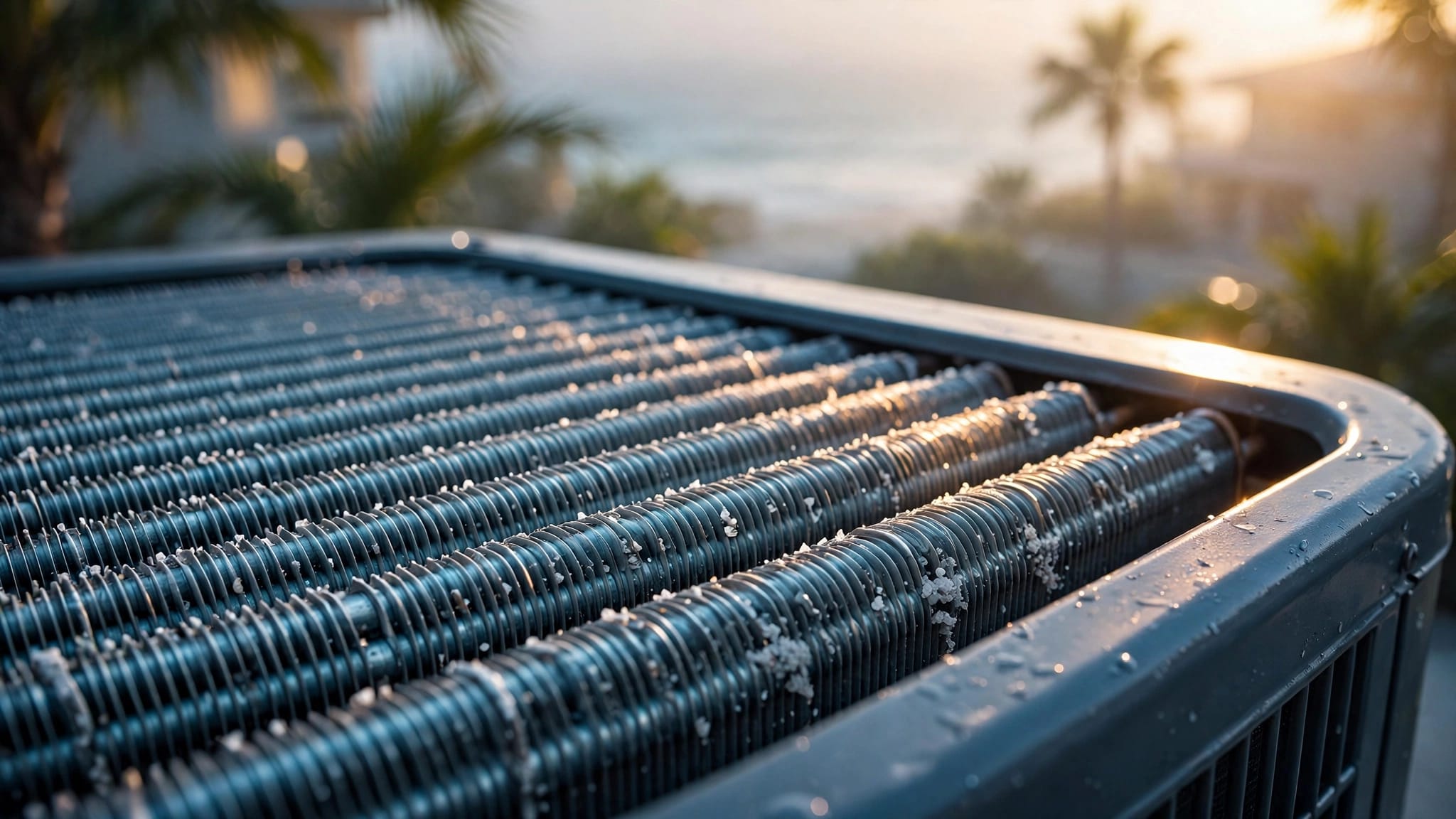
The condition of the equipment matters, too. A clogged filter, dirty outdoor coil, failing capacitor, low refrigerant charge, or weak blower motor can reduce performance. When the system runs longer to reach the thermostat setting, electricity use rises.
Ways to Lower Central AC Power Use
Small operating changes can reduce runtime without making your home uncomfortable. Start with the settings and maintenance tasks you can control:
- Set the thermostat higher when the home is empty, then return it to a comfortable setting when you arrive.
- Keep the thermostat fan on "Auto" unless you have a specific reason to run the blower continuously.
- Replace or clean the air filter on the schedule recommended for your filter and household conditions.
- Keep furniture, curtains, and other obstructions away from supply vents and return grilles.
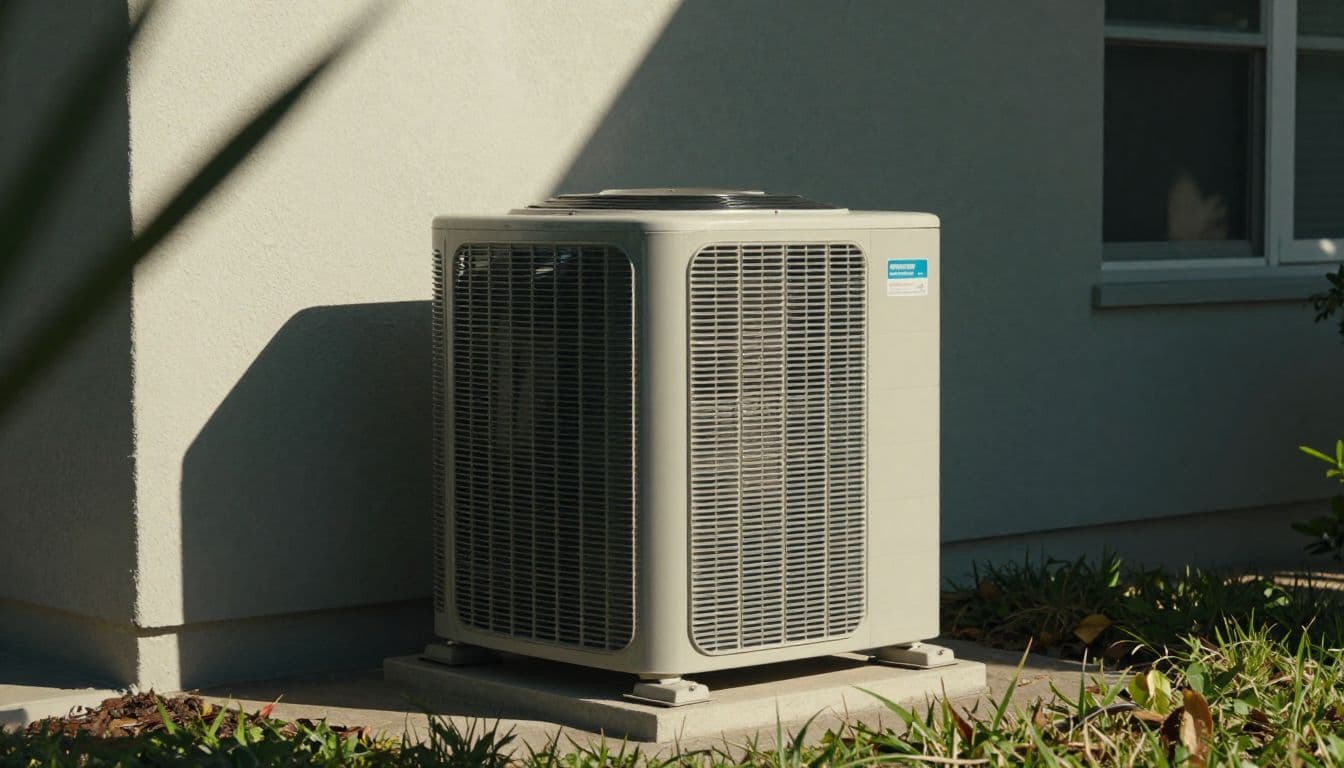
- Keep the outdoor condenser clear of grass, leaves, storage items, and other obstacles.
- Close doors and windows while the AC operates, especially during humid weather.
- Use ceiling fans in occupied rooms so you can choose a slightly higher thermostat setting.
A ceiling fan doesn't lower the room's actual temperature. It moves air across your skin, which can improve comfort while the AC runs less often.
Routine service also helps catch problems before they become expensive electrical loads. A technician can inspect airflow, electrical components, coils, refrigerant performance, and drain operation. You can review typical AC maintenance cost in Cape Coral before scheduling service.
When High AC Use Points to a Problem
A high bill doesn't always mean your system needs replacement. First, compare the current bill with the same month's usage from the previous year. Check the number of billing days and the weather during both periods.
A sudden jump deserves closer attention when your habits and weather haven't changed. Watch for these signs:
- The AC runs almost constantly on a moderately hot day.
- Some rooms remain warm while others feel comfortable.
- The system starts and stops every few minutes.
- Ice forms on the refrigerant lines or indoor coil.
- The outdoor unit makes unusual sounds.
- Airflow from the vents feels weak.
- Indoor humidity stays high even when the thermostat reaches its setting.
Turn off the system and arrange service if you see ice, smell burning, or hear a serious electrical noise. Don't keep resetting a tripped breaker. Repeated trips can point to an electrical or compressor problem.
A repair may restore normal energy use when the issue involves a worn part, restricted airflow, or a dirty coil. Older equipment with repeated repairs, poor comfort, and high power consumption may justify a replacement comparison. New equipment should be selected using the home's cooling load, ductwork, and electrical requirements, not by tonnage alone.
For homeowners in Cape Coral and nearby communities, air conditioning repair Cape Coral service can address performance problems before they lead to longer runtimes or a complete breakdown.
Does a More Efficient AC Always Lower the Bill?
A higher SEER2 rating generally means the system can provide the same amount of seasonal cooling with less electricity. The rating is a seasonal efficiency measure, not a guarantee of a particular monthly bill.
Actual savings depend on how much cooling your home needs. A new, efficient system can still use a great deal of electricity if it is oversized, the ducts leak, the home has weak insulation, or the thermostat stays at a low setting.
Proper sizing matters. An oversized unit may cool the air quickly but shut off before it removes enough humidity. An undersized unit can run for long periods and struggle on the hottest afternoons. A qualified contractor should evaluate the home's layout, insulation, windows, ductwork, and cooling load before recommending equipment.
Variable-speed technology can adjust output instead of operating only at full capacity. This may improve humidity control and comfort, but the equipment and installation cost more. Ask for expected operating costs based on your home's conditions rather than relying on the efficiency label alone.
The most useful comparison includes the installed price, efficiency rating, system size, warranty, maintenance needs, and estimated runtime. That approach gives you a clearer view of long-term value than comparing sticker prices.
Conclusion
Central AC electricity use in Florida can range from a few hundred kilowatt-hours to well over 1,000 per month, depending on runtime, system size, efficiency, weather, and the home itself. A 3-ton system running at an average of 3 kilowatts for eight hours a day would use about 720 kWh in a 30-day period.
Track your thermostat runtime, compare billing periods, and keep up with filters and maintenance. If a sudden increase in usage comes with weak airflow, uneven cooling, or unusual sounds, Contact Us to schedule service. The best way to control your bill is to keep the system operating correctly before long runtimes become the norm.