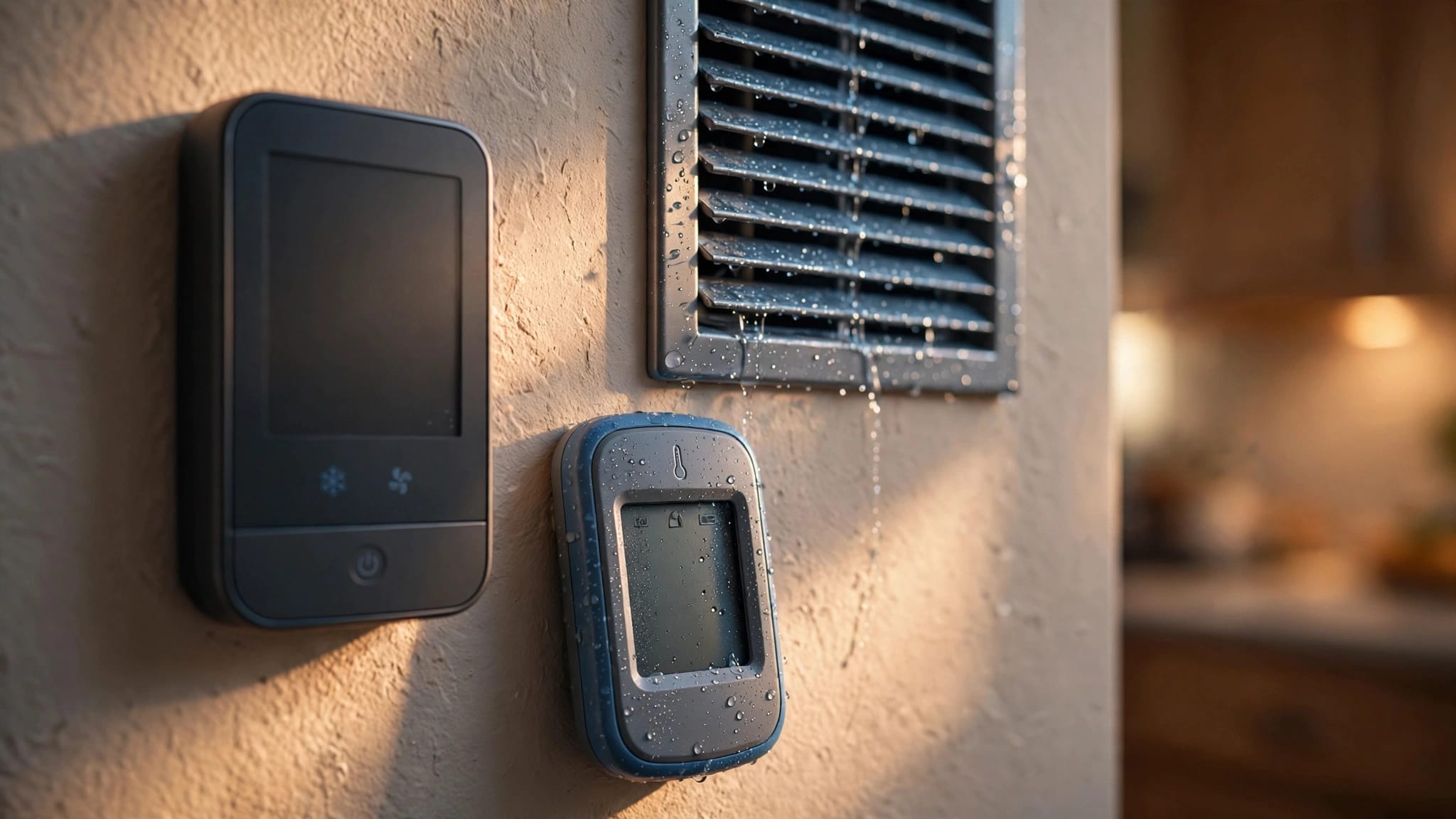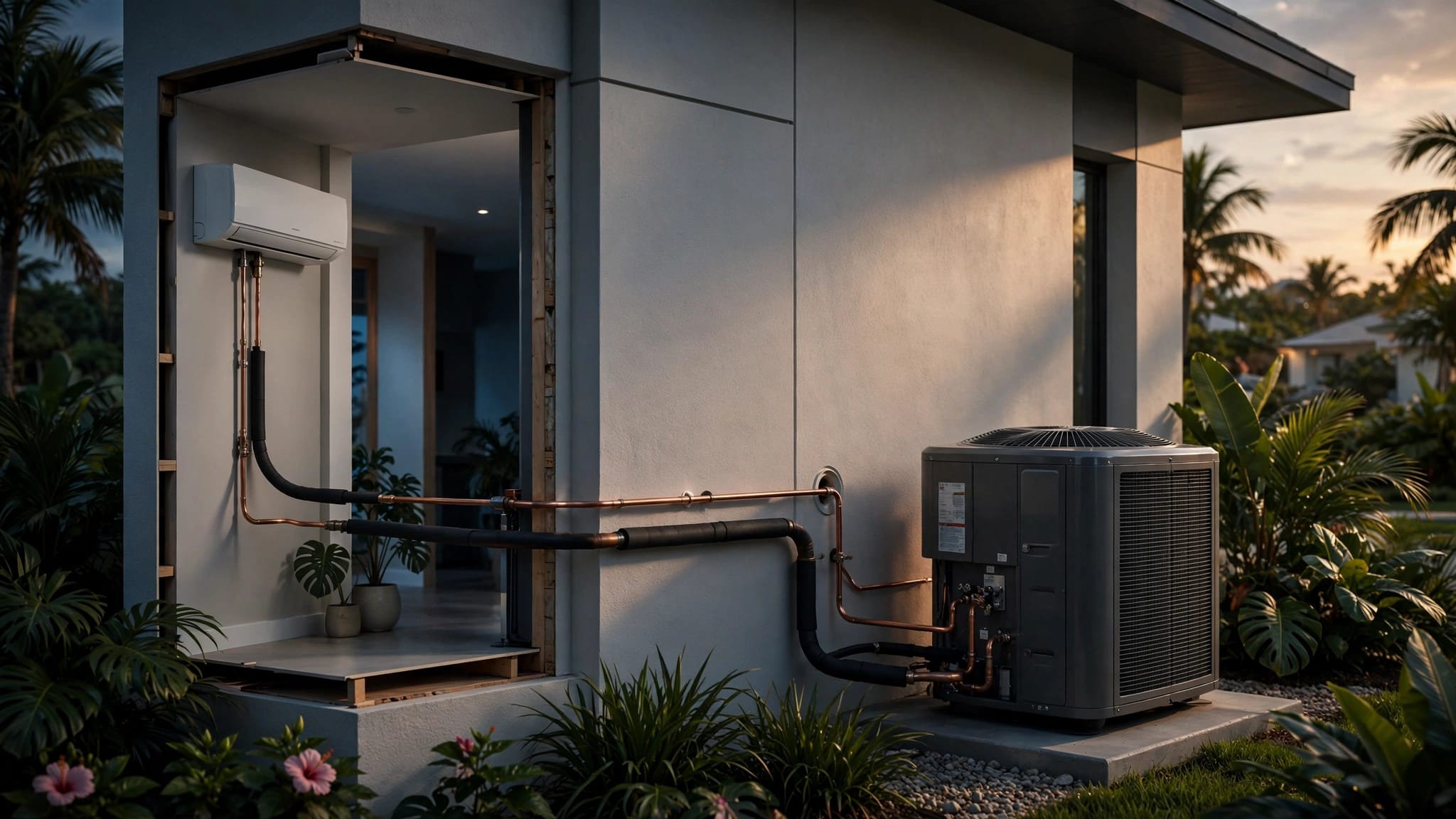
When your AC runs for hours and the house still feels sticky, something is off. In Cape Coral, long cooling seasons and heavy humidity can make refrigerant problems show up fast.
One point matters most: refrigerant doesn't get "used up" in a sealed air conditioner. If levels are low, the system usually has a leak. The signs below can help you know when it's time to stop guessing and call for help.
The clearest signs of an AC refrigerant leak
Weak cooling is often the first clue. The AC may still turn on, yet the air feels less cold than usual. Some rooms may stay warm, and the system may take much longer to reach the thermostat setting.
You might also notice warm air from the vents while the unit keeps running. Because the system can't move heat well with low refrigerant, it runs longer and works harder. That extra strain often shows up on your electric bill.
Cooling can also become uneven. Rooms near the air handler may feel somewhat better, while farther rooms stay uncomfortable. That pattern doesn't prove a leak, but it often appears when the system is already struggling.
If your AC is low on refrigerant, there is usually a leak. Refrigerant is not fuel, so it should stay inside the system.
Humidity can rise indoors too. Your AC doesn't only cool the air, it also removes moisture. When refrigerant is low, the house can start to feel damp or clammy, even if the thermostat says the temperature is fine.
Sounds matter as well. A soft hissing noise can mean refrigerant is escaping from a small hole or loose connection. Bubbling can happen when refrigerant and air move through a leak together. Those noises don't confirm the problem by themselves, but they shouldn't be ignored.
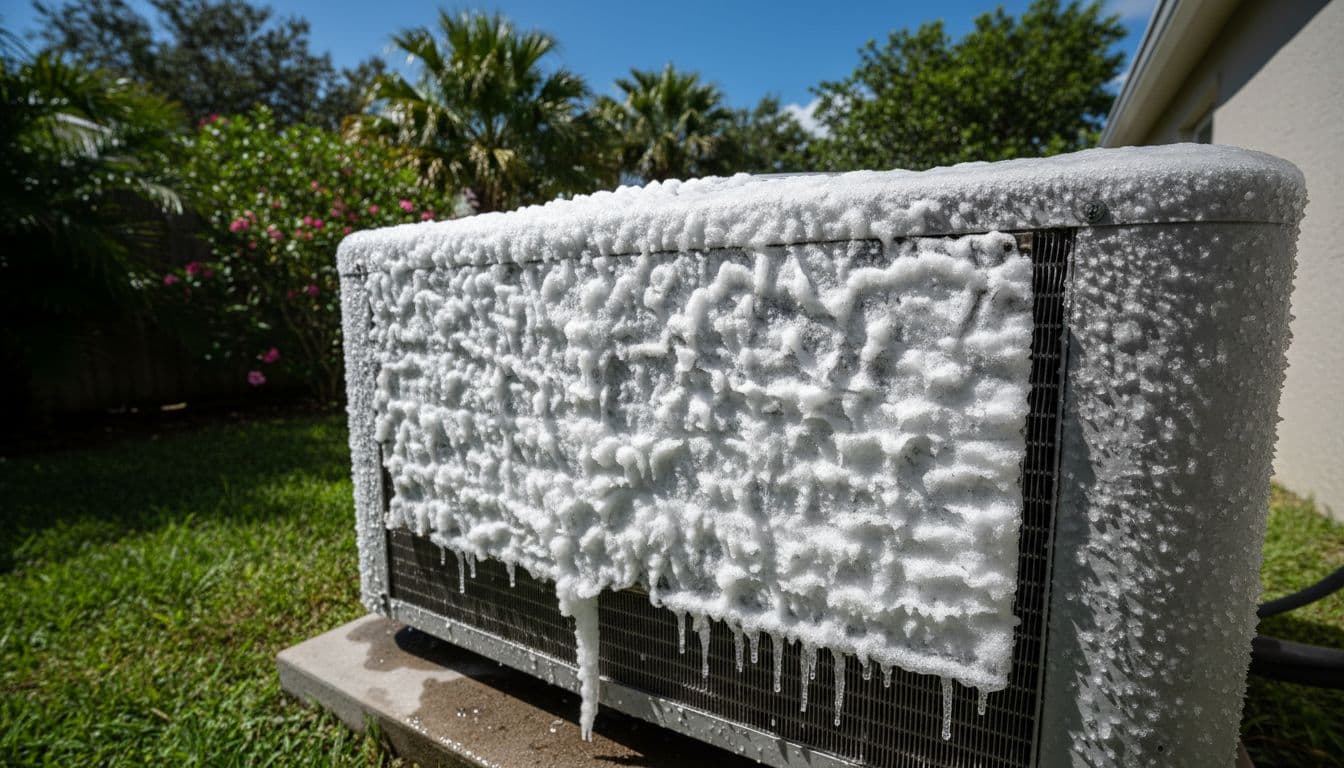
Ice is another common warning sign. Frost can build up on the refrigerant line or the indoor evaporator coil because pressure drops when refrigerant leaks out. Many homeowners assume ice means the unit is cooling extra well. Usually, the opposite is true. A frozen system often cools worse, not better.
Some leaks are slow, so the change can sneak up on you. You may first notice longer run times or a higher bill, then warm air later. When warm vents, rising humidity, strange sounds, ice, and higher energy costs show up together, an AC refrigerant leak moves high on the list.
What you can check safely before you call
A few simple checks can help you rule out easier problems. Start with the thermostat. Make sure it's set to "cool" and the temperature is below the room temperature. Then check the air filter. A clogged filter can restrict airflow and create symptoms that look a lot like low refrigerant.
Next, walk through the house and compare vents. If airflow feels weak in several rooms, make note of it. If only one room feels warm, the problem may be airflow or duct-related instead. In Florida heat, long cycles happen. Still, a system that seems to run almost nonstop without cooling well needs attention.

From a safe distance, look at the indoor line set or the outdoor unit for ice. If you see frost, turn the system off and switch the fan to "on" if your thermostat allows it. That can help thaw the coil before a technician arrives. Don't scrape the ice, open panels, or touch refrigerant lines if they are extremely cold.
It also helps to write down what you've noticed. Note when the warm air started, whether you heard hissing, and if your last power bill jumped. That gives the technician a clearer picture. If you want more general warning signs beyond leaks, these 7 telltale signs your AC needs maintenance can help you spot trouble early.
What you should not do is try to add refrigerant yourself. DIY recharge kits can hide the real leak, damage the system, and create safety issues. Refrigerant handling belongs to a licensed HVAC technician.
What a technician should handle, and why fast service matters
Once low refrigerant is suspected, the next step is not a simple top-off. A good technician checks pressures, finds the leak, repairs the failed spot, and then recharges the system to the correct amount. Without fixing the leak, the problem comes right back.
That diagnosis matters because several AC issues can overlap. Low airflow, a dirty coil, or a failing blower can also affect cooling. A licensed pro can sort out the cause instead of guessing. Older systems can develop pinhole leaks, while line connections and coils can fail over time.
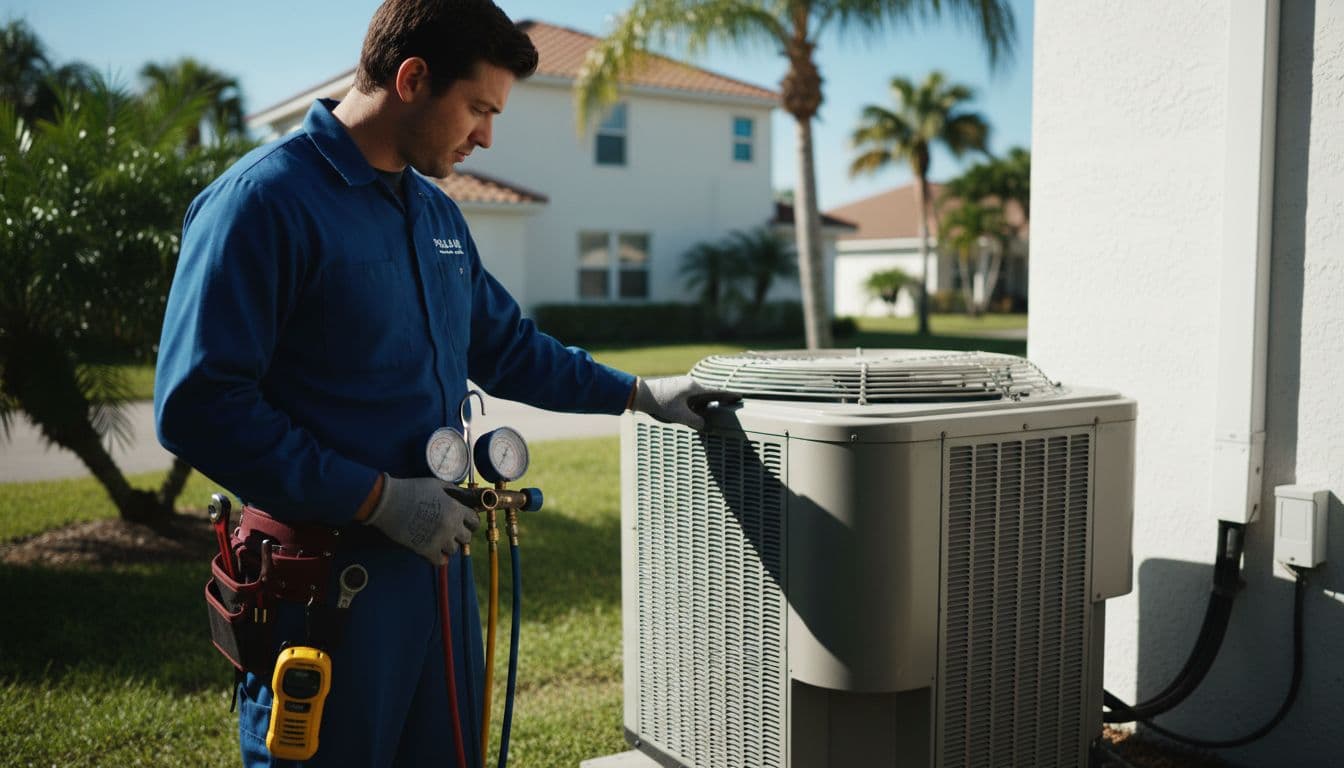
Fast service matters in hot, humid weather because the AC may run almost nonstop while struggling to keep up. That constant strain can wear down the compressor, which is one of the most expensive parts to replace. If your system is blowing warm air or freezing up, prompt air conditioning repair in Cape Coral can prevent more damage.
If your home feels uncomfortable and the symptoms keep piling up, don't wait for a full breakdown. Contact Us to schedule service and get the system checked before the problem gets worse.
Conclusion
The biggest clue is simple: if your AC seems low on refrigerant, it probably has a leak . A sealed system should not lose refrigerant during normal use.
Weak cooling, warm vents, long run times, ice, higher bills, and sticky indoor air all point to a system that needs attention. When you act early and have a licensed technician inspect it, you protect both your comfort and your AC.