Walking into one bedroom and feeling a wall of heat is common in Southwest Florida. If you're dealing with hot rooms in Cape Coral , the problem usually isn't random.
Cape Coral homes fight strong sun, high humidity, and long cooling seasons. Because of that, small issues with airflow, insulation, or ductwork show up fast. The good news is that uneven cooling often leaves clues, and those clues point to the fix.
Why Cape Coral homes develop hot spots so easily
A house doesn't warm up evenly. Afternoon sun pounds one side harder than the other, especially in west-facing bedrooms. Meanwhile, humidity makes warm rooms feel even worse because your body can't shed heat as well.
That is why a room can feel stuffy even when the thermostat reads 74. The thermostat only measures the air near it, not the bedroom over the garage or the back addition at the end of a long duct run.
In Cape Coral, one warm room often means the house is cooling unevenly, not that the whole system has failed.
Some rooms are more likely to become hot spots than others. A bonus room above the garage picks up heat from the roof and the garage below. An addition may have been tied into older ductwork that was never rebalanced. A guest room farthest from the air handler can lose cooling before enough air reaches the vent.
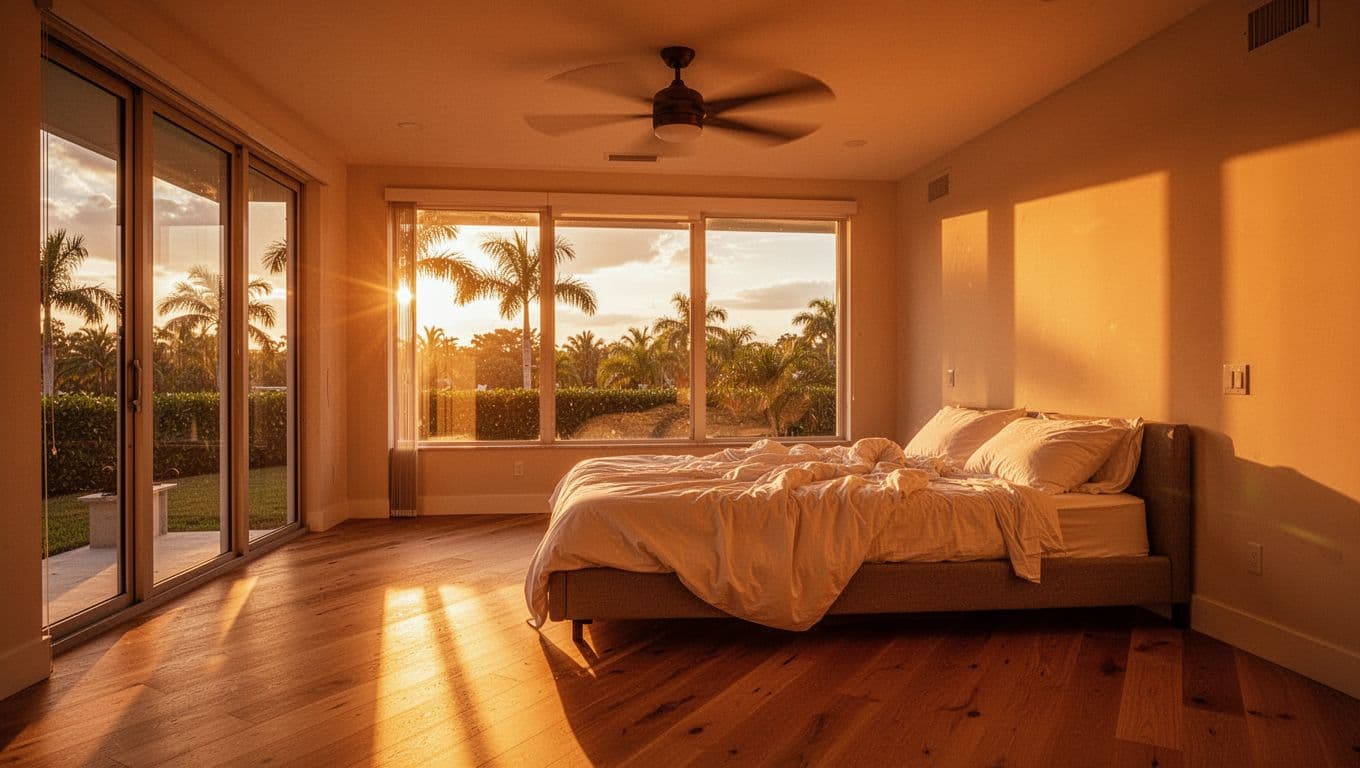
Large windows can make things worse. Late-day sun pours through glass and heats floors, walls, and furniture. Then those surfaces keep releasing heat after sunset. If blinds stay open, the room acts like a parked car in a Florida lot.
Insulation matters too. Many comfort problems start in the attic. When attic heat pushes through thin insulation or tiny air leaks around can lights, attic hatches, or window trim, one room gets overloaded while the rest of the house stays close to normal.
Airflow and duct issues are often the real cause
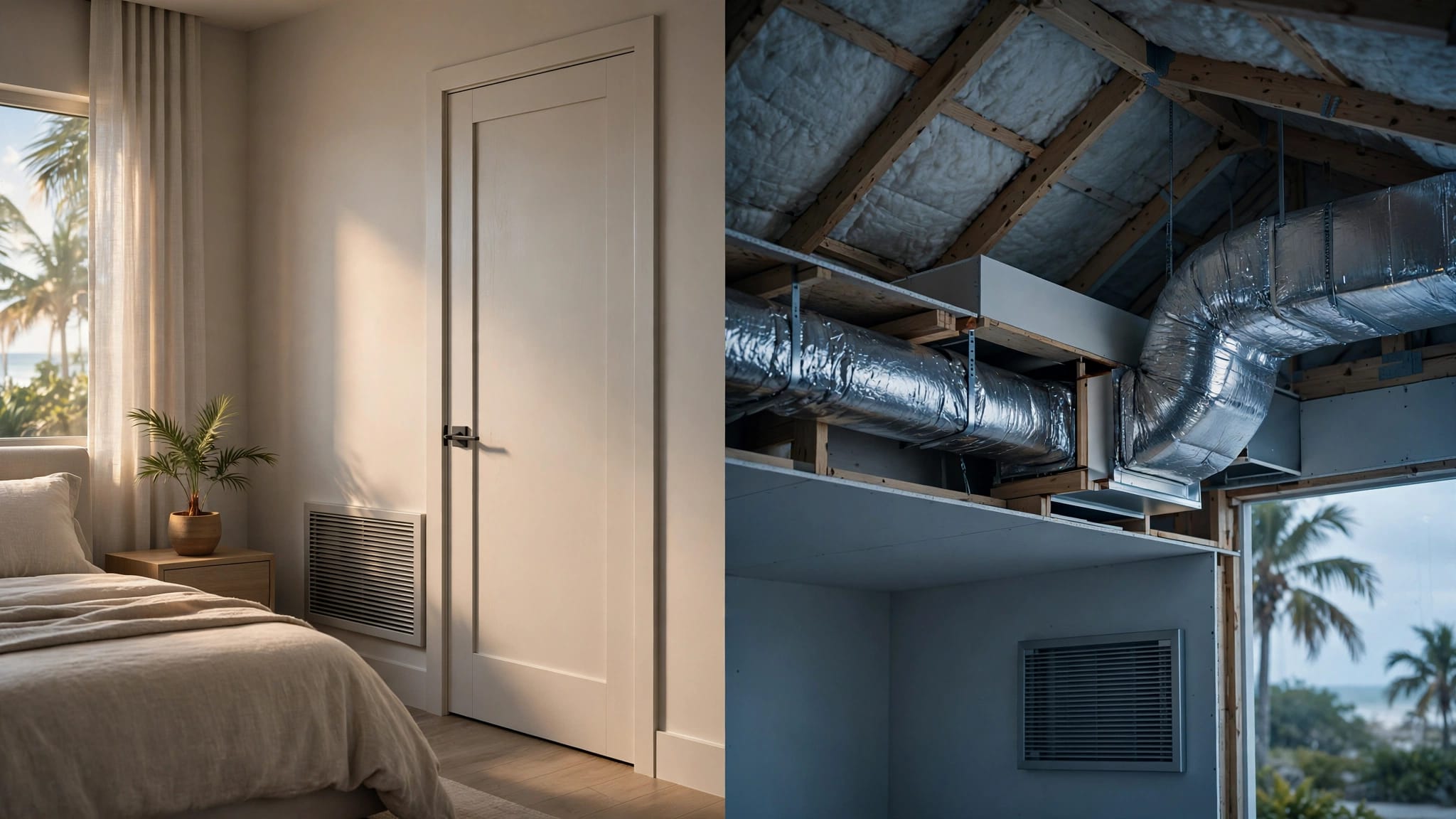
When one or two rooms stay warm all day, airflow is a strong suspect. Supply ducts may leak in the attic. Return air may be limited. In some homes, a closed bedroom door cuts off air circulation, so the room gets stuffy even though the vent still blows.
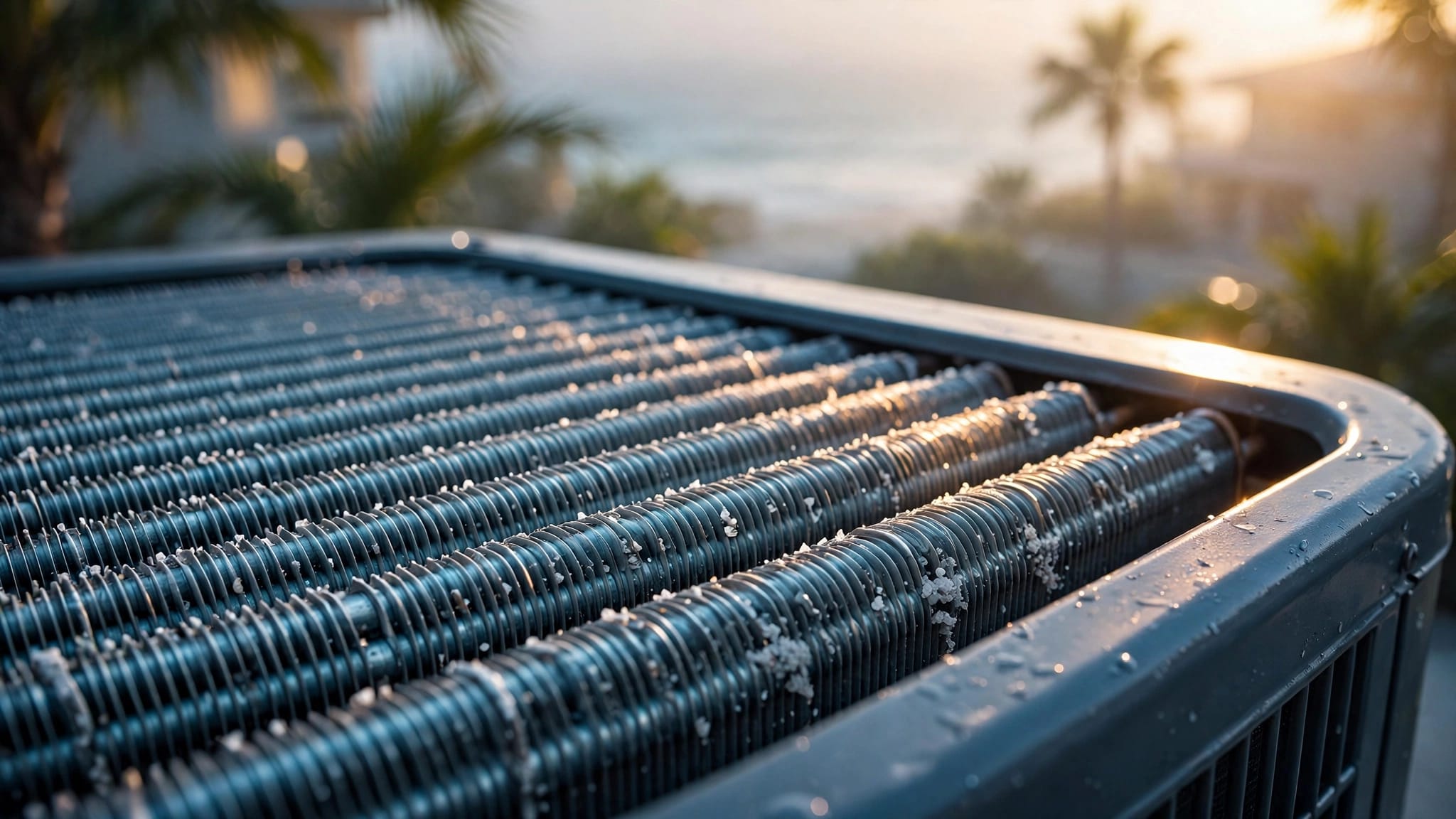
A dirty filter can also reduce total airflow. So can a weak blower motor, a clogged coil, or a system that hasn't had recent service. If several rooms feel a little warmer, and one feels much warmer, the issue may start at the equipment and show up most in the farthest room.
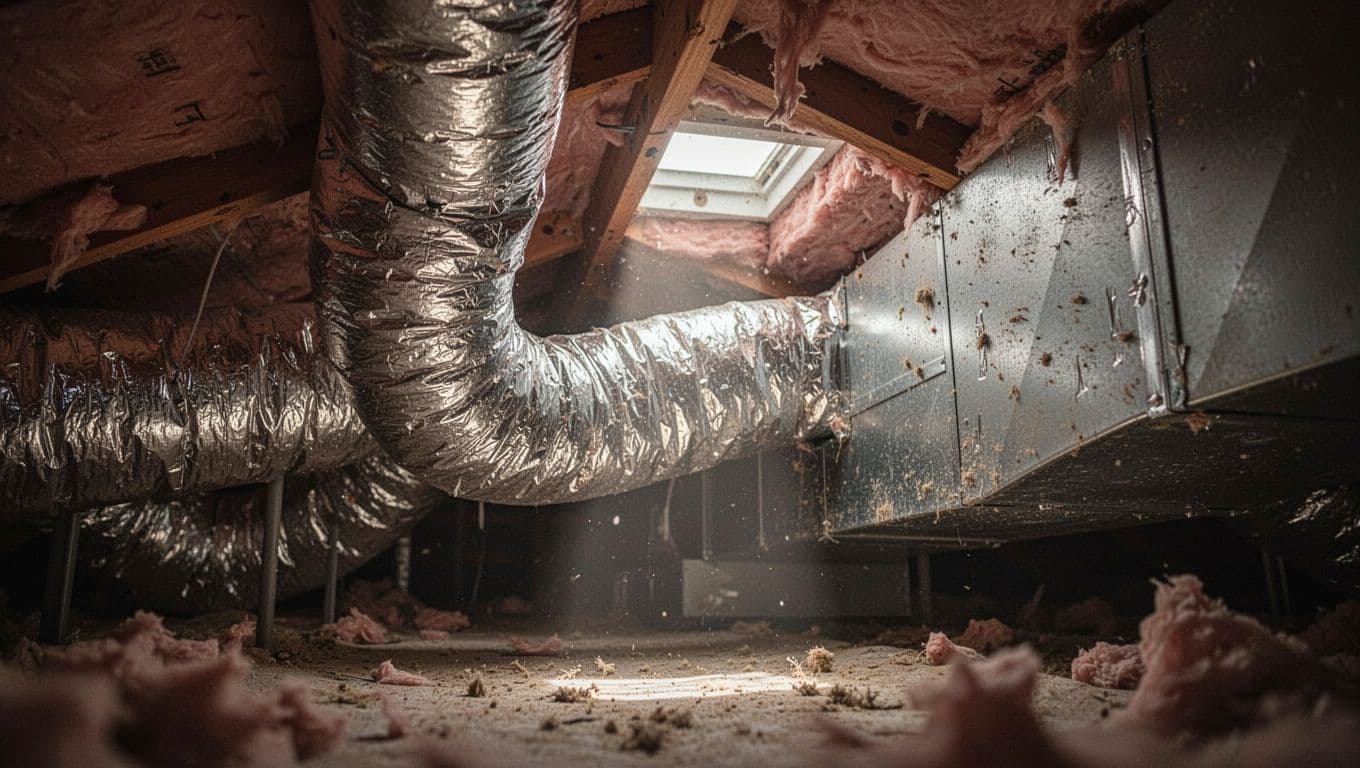
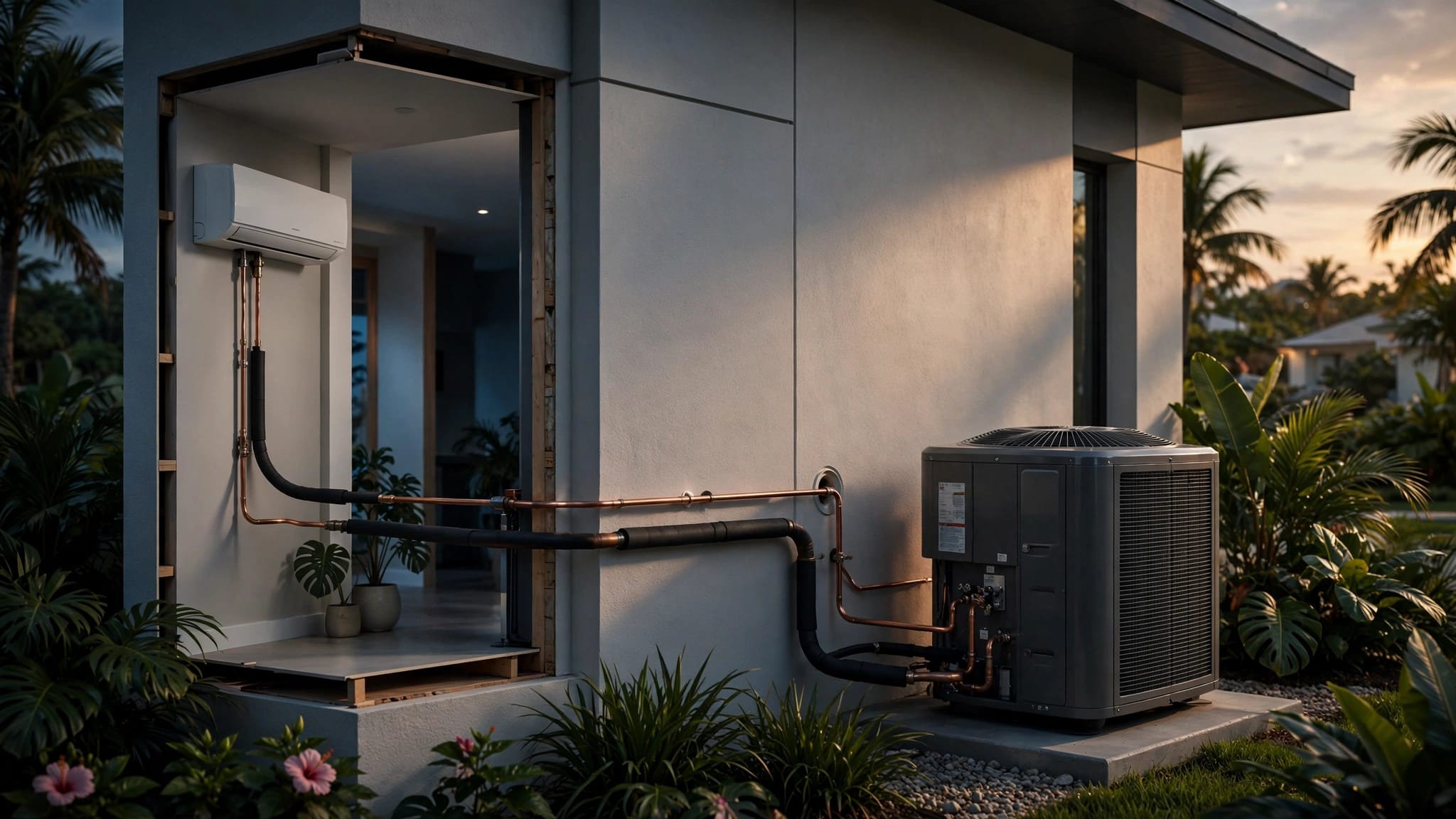
Duct layout matters in Southwest Florida. Long runs through a hot attic give cool air more time to pick up heat. Poorly sealed joints let conditioned air escape before it reaches the room you care about. If the duct insulation is damaged, the problem grows during peak afternoon heat.
This is also where indoor air quality enters the picture. Leaky ducts can pull dusty attic air into the system. Humid rooms may feel clammy instead of cool, and that sticky feeling often makes homeowners lower the thermostat even more. As a result, the system runs longer, energy bills climb, and the hot room still doesn't feel right.
If a comfort issue seems tied to attic ducts or weak vent flow, Cape Coral ductwork experts can check for leaks, poor insulation, and bad airflow balance. That kind of inspection often finds problems you can't see from the living room.
Practical fixes that help, and signs you need a pro
Start with the easy checks first. Replace a dirty filter. Open supply vents fully. Move rugs or furniture away from returns. Keep interior doors open for a day or two and see whether the room feels less stuffy. Those steps won't solve every case, but they can reveal whether airflow is part of the problem.
This quick guide helps narrow it down:
| Hot-room pattern | Likely cause | Best next step |
|---|---|---|
| West-facing bedroom heats up late day | Solar gain through windows | Add shade, solar curtains, or better blinds |
| Room above garage stays warm all day | Heat load plus weak insulation | Check attic and garage ceiling insulation |
| Back bedroom feels weak airflow | Long duct run or duct leak | Have ducts inspected and balanced |
| Addition never matches the main house | Original system wasn't sized or balanced for the added space | Get a full HVAC evaluation |
Window treatments make a real difference in Cape Coral. So does sealing small leaks around windows, doors, and attic access points. If the hot room is on the sunny side of the house, exterior shade, lined curtains, or solar screens can lower the load before your AC has to fight it.
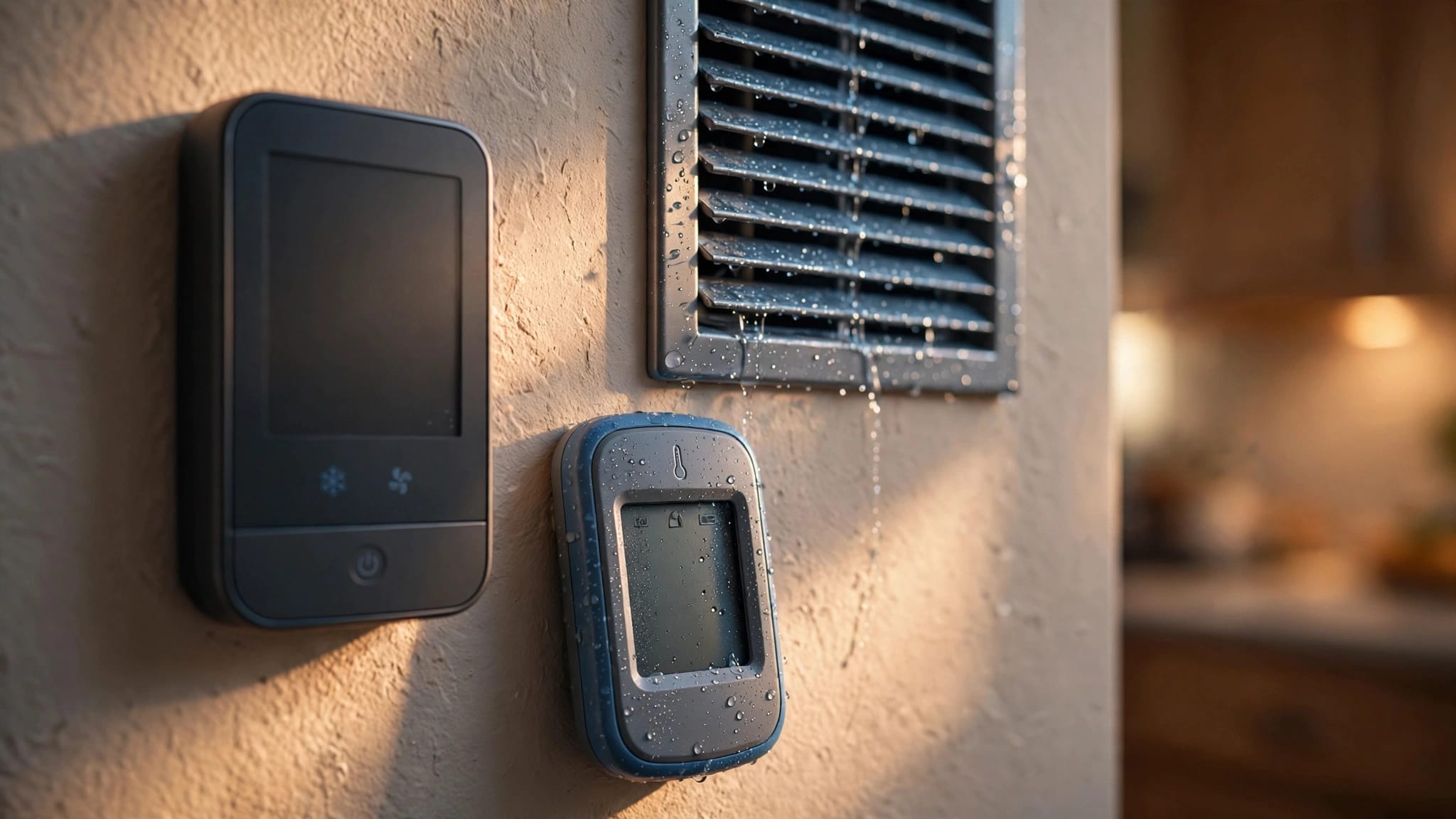
Still, some fixes need more than DIY effort. Balancing airflow, checking static pressure, testing duct leakage, and judging system size are jobs for a trained tech. The same goes for thermostat problems. If the thermostat sits near a cool return or shady hallway, it may shut the system off before the warm rooms catch up.
Regular air conditioning services in Cape Coral can catch these issues early, especially before summer peaks. If you notice weak airflow, musty smells, warm air, or rising bills, you may also need air conditioning repairs in Cape Coral. When a room stays hot no matter what you try, Contact Us to schedule a service call and get the cause pinned down.
A stubborn hot room usually points to a clear cause . In Cape Coral, that cause is often sun, airflow loss, duct problems, or poor insulation working together.
When the warmest room keeps dragging down comfort in the rest of the house, the best fix is the one that targets the source. That saves energy, improves indoor air, and makes the whole home feel more even.