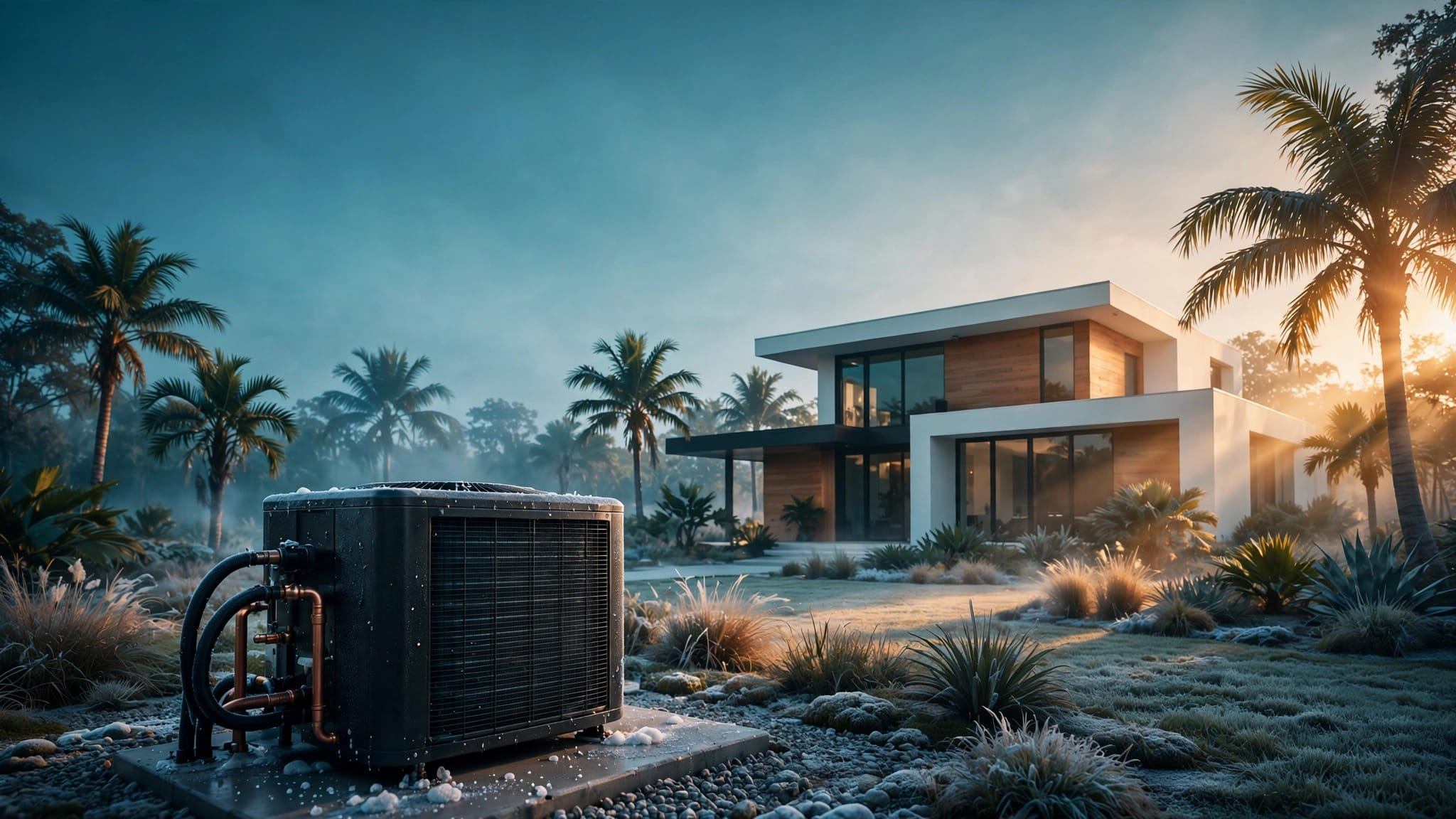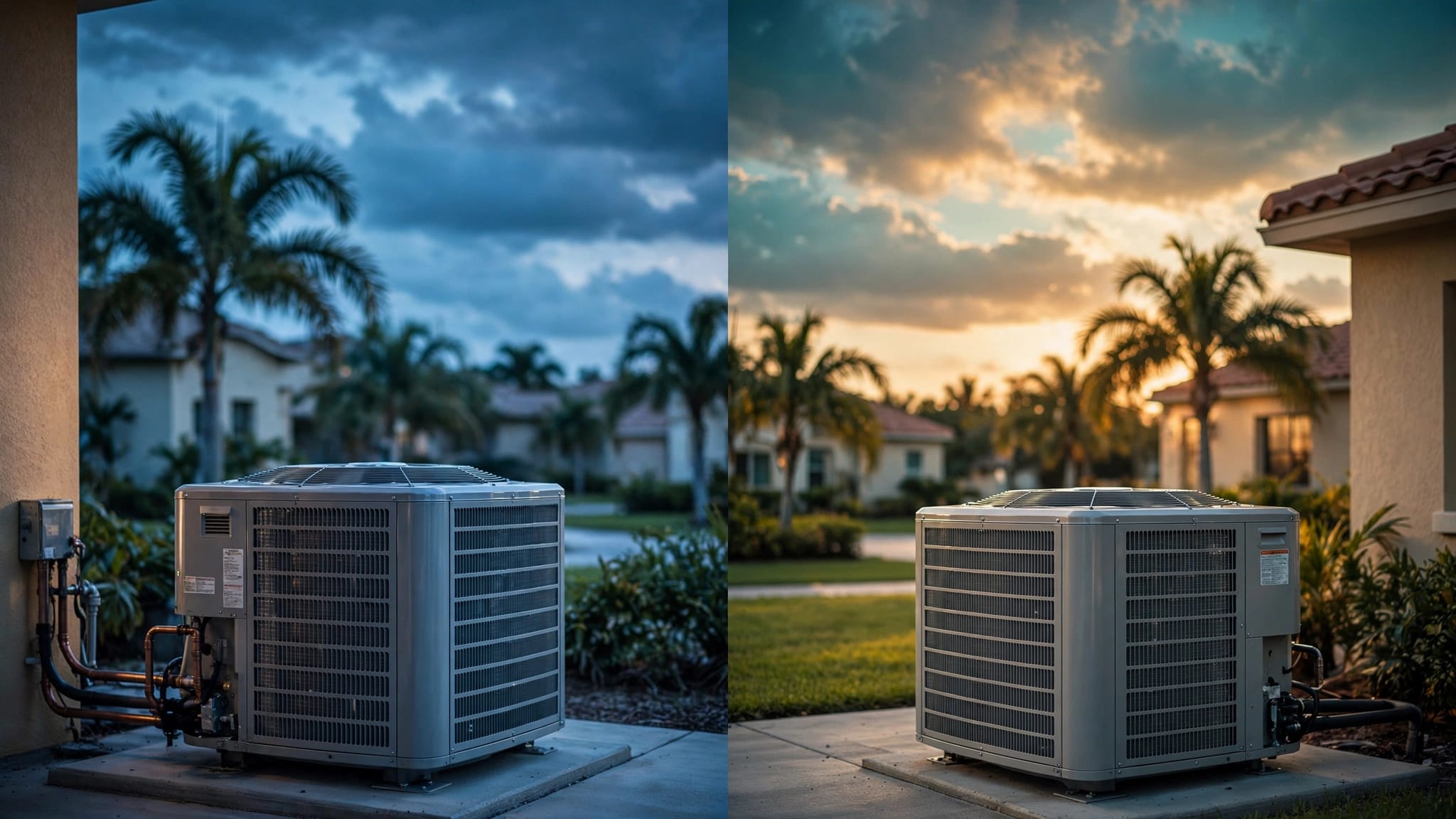
When your AC clicks, hums, and still won't cool the house, a small part may be causing a big problem. In many Cape Coral homes, a bad AC capacitor is one of the first things a technician checks.
That makes sense here. Southwest Florida heat, sticky air, salt exposure, and long run times wear AC parts down fast. If you catch the warning signs early, you may avoid a much larger repair.
Why AC Capacitors Fail Faster in Cape Coral
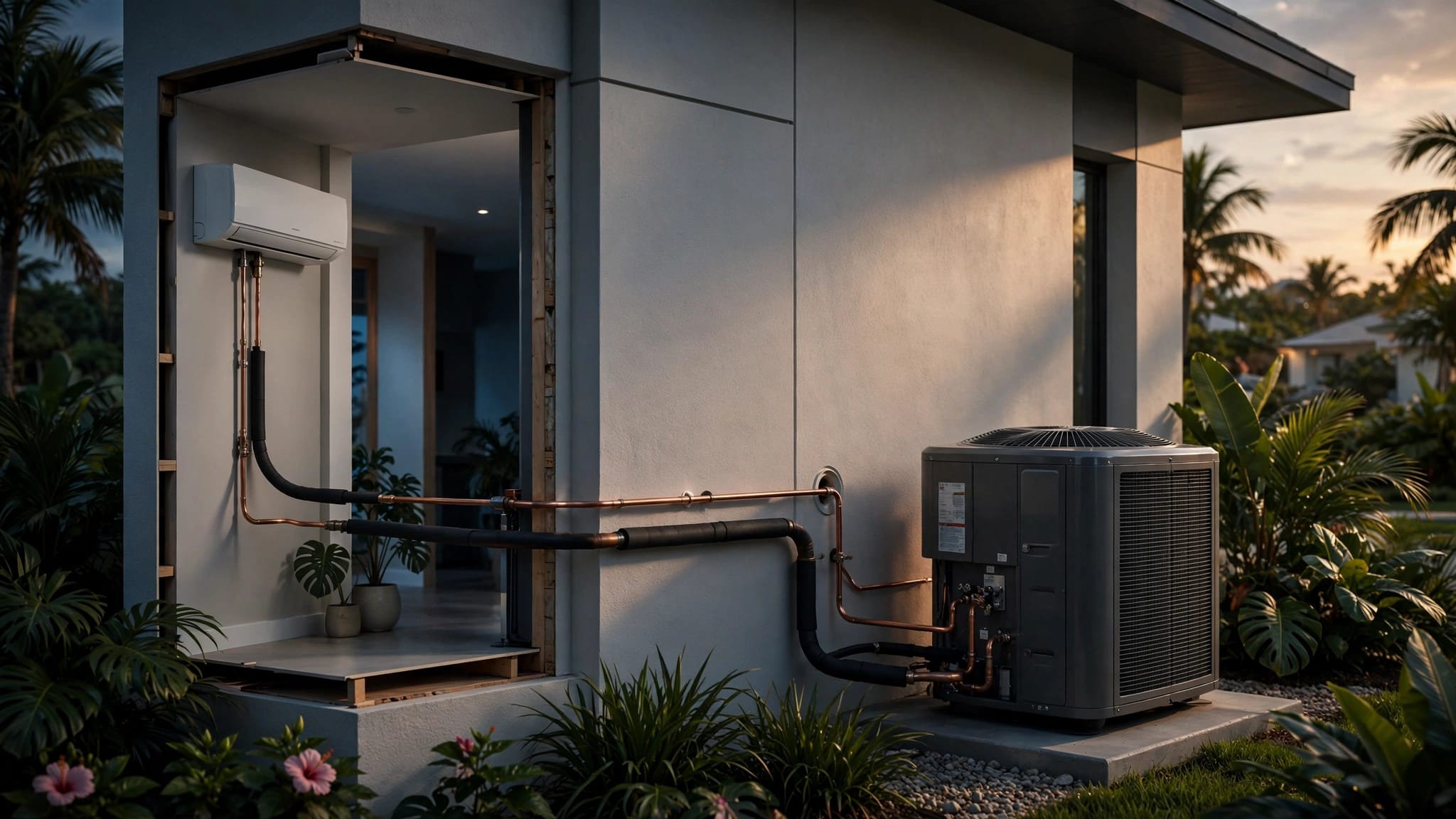
An AC capacitor stores electrical energy and releases it when the system needs an extra push. In plain terms, it helps the compressor and fan motor start, and on many systems, it also helps them run smoothly. Most outdoor units use a dual-run capacitor, which supports both major components.
Cape Coral puts that part under heavy stress. High outdoor temperatures raise electrical load. Long cooling seasons mean the AC starts and runs over and over. Power surges during storms can weaken the capacitor's internal materials. On top of that, coastal salt air can speed up corrosion around terminals and metal parts.
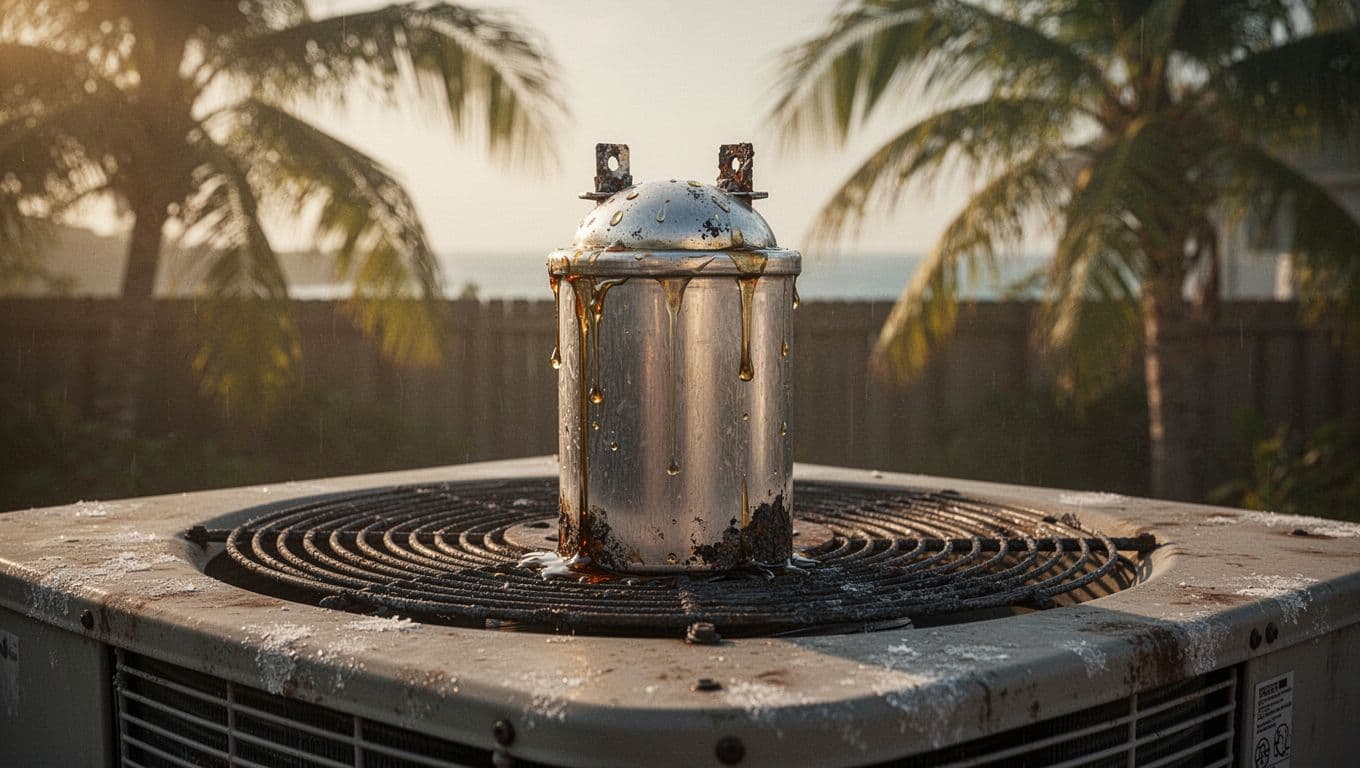
Because of that mix, capacitors often fail before homeowners expect it. The part may weaken slowly, then fail on the hottest afternoon of the week. If you're seeing more age-related issues with your system, it also helps to read about how long AC units last in Cape Coral.
Common Signs Your AC Capacitor Is Going Bad
A failing capacitor doesn't always shut the system down right away. Sometimes it acts like a tired car battery. The unit tries to start, struggles, then either limps along or gives up.
Clicking, humming, and hard starting
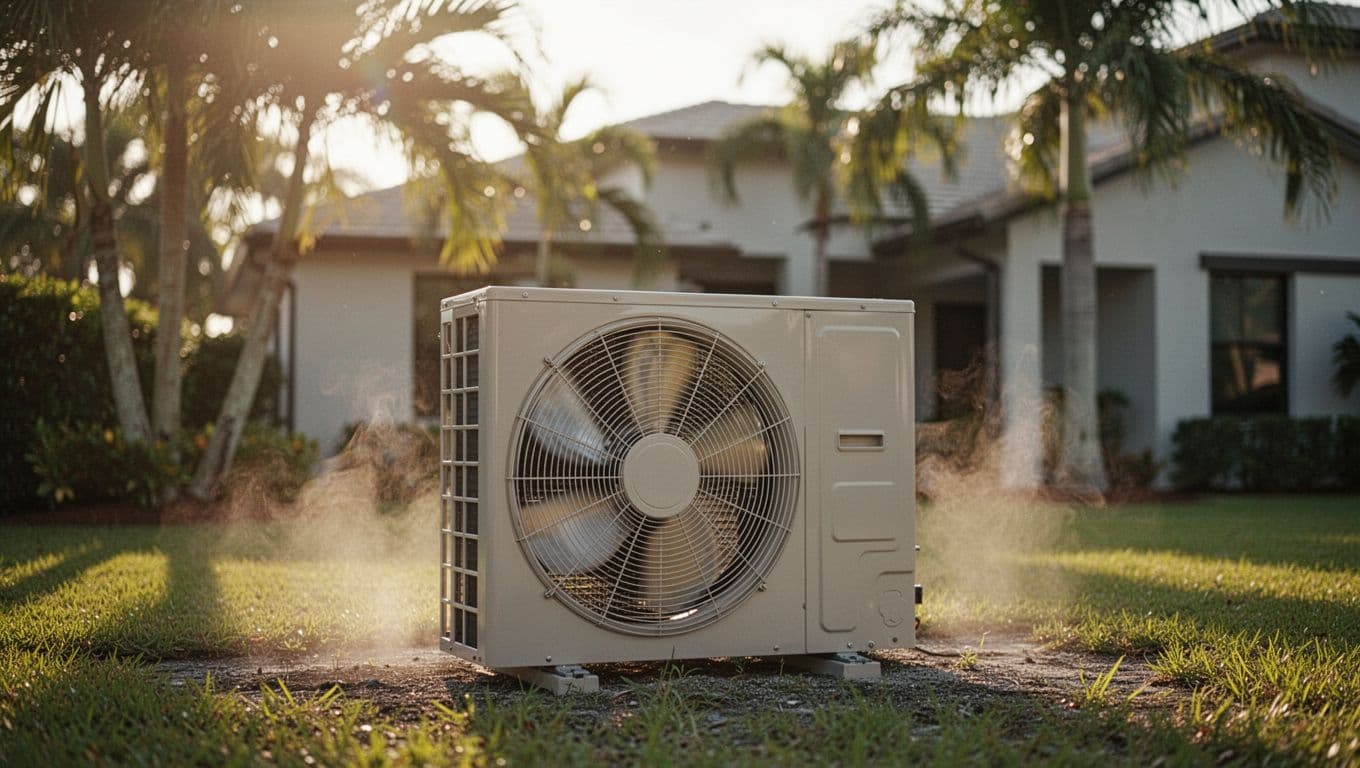
One of the most common signs is a clicking sound from the outdoor unit, followed by nothing. You may also hear a steady humming noise . That hum often means the motor has power but can't get the boost it needs to start.
Hard starting is another red flag. The AC may hesitate for several seconds before it kicks on. You might notice lights dim slightly when the unit tries to start. Over time, that extra strain can wear out other parts, especially the compressor.
Warm air, weak cooling, and fan problems
A bad capacitor can also show up as intermittent cooling . The system may cool fine in the morning, then blow warm air later in the day. That happens because the capacitor may be weak enough to work sometimes, but not under heavier afternoon heat.
You may also notice the outdoor fan acting strangely. It might start late, spin slowly, stop before the cycle ends, or fail to spin at all. When the fan motor can't run right, the condenser can't shed heat well. Then your home feels warmer, and indoor humidity creeps up.
A weak capacitor can fail little by little, so the AC may run one cycle and stall on the next.
Short cycling or a unit that won't start at all
Another symptom is short cycling , when the AC turns on and off too often. That repeated stop-and-go pattern adds stress to the whole system. It also drives up power use, which is the last thing you want during a Cape Coral summer.
In more severe cases, the condenser won't start at all. The thermostat calls for cooling, but the outdoor unit stays silent or only hums. Indoors, the blower may run without cold air, or nothing may happen.
These symptoms can overlap with other electrical problems, so guessing isn't safe. A contactor, fan motor, or compressor issue can look similar. If the signs are stacking up, schedule professional AC repair services instead of hoping it clears up on its own.
Why You Shouldn't Try to Replace a Capacitor Yourself
This is the part that matters most: don't handle an AC capacitor yourself . Even after the power is off, a capacitor can hold a dangerous electrical charge . Touching the wrong terminal can cause a serious shock.
That risk is why this repair doesn't belong in the DIY category. Opening the panel, testing the part, or trying to discharge it with a tool can put you in harm's way. It can also damage the unit if the wrong replacement is installed.
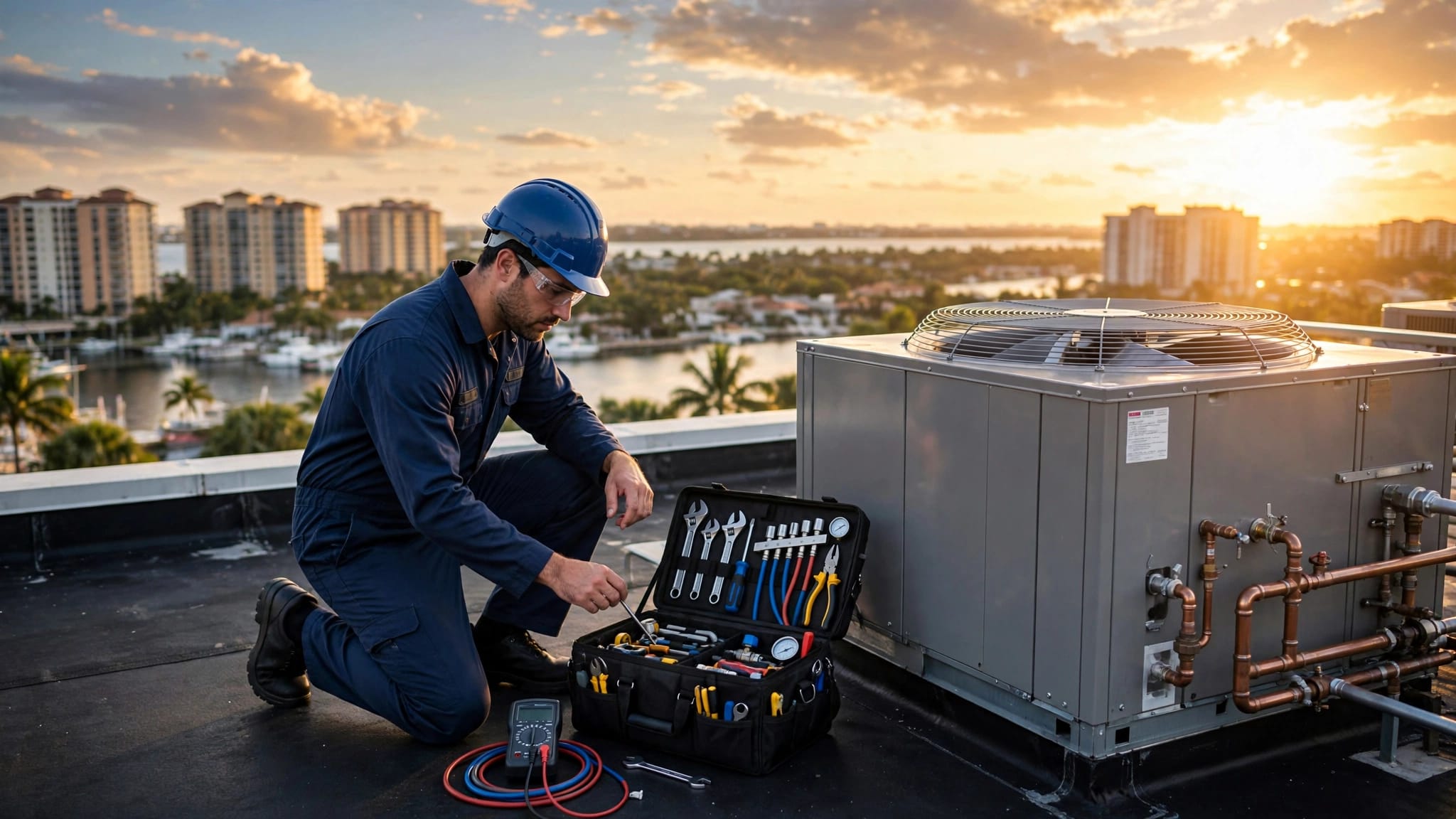
A licensed HVAC technician will confirm whether the capacitor is bad, then check why it failed. That includes testing voltage, checking microfarad rating, inspecting wire connections, and making sure the fan motor or compressor wasn't damaged by the failed start. In other words, the part gets replaced, and the cause gets checked too.
If your system is clicking, humming, short cycling, or not starting, turn the thermostat off and call for service. Don't keep forcing the unit to run. For fast help in Cape Coral, Contact Us to schedule a service call.
A bad capacitor may be a small part, but it can make your whole AC act unreliable. In Cape Coral's heat and salt-heavy air, those failures show up fast and often without much warning.
When you hear the clicking, notice the humming, or feel warm air where cool air should be, trust the pattern. Early diagnosis protects your comfort, and it may protect the compressor too.