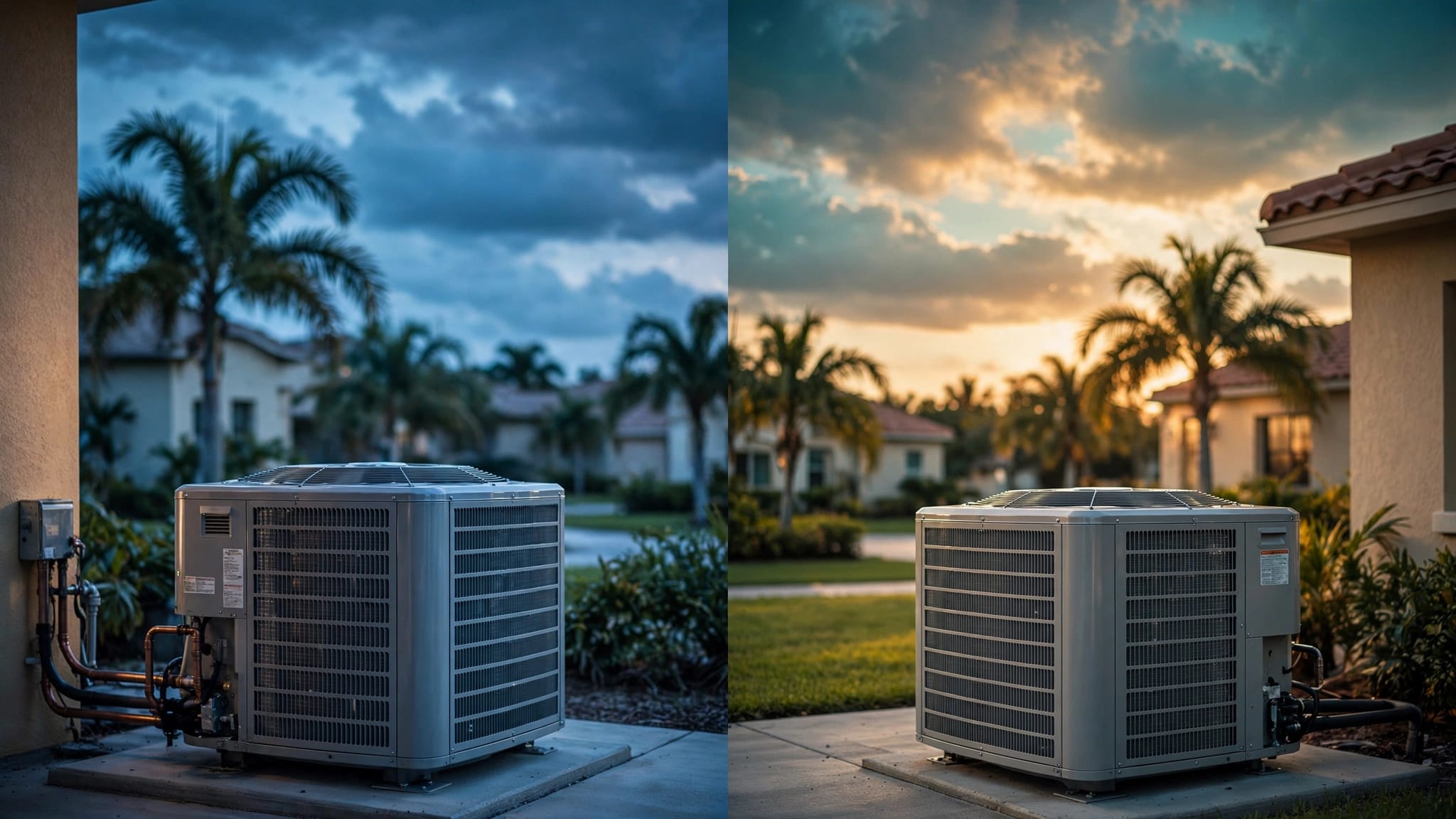
Salt air drifts in from the Gulf, and it spells trouble for your AC unit. In Cape Coral, that constant salty mist mixes with high humidity. It eats away at metal parts fast. Your condenser coils rust. Fans corrode. Systems fail years early.
You run AC year-round here. Neglect salt damage, and repair bills climb. Energy use spikes too. Good news? Simple steps boost AC salt air protection . Homeowners handle some tasks. Pros tackle the rest. Follow these tips. Keep cool without breakdowns.
Why Salt Air Damages AC Units in Cape Coral
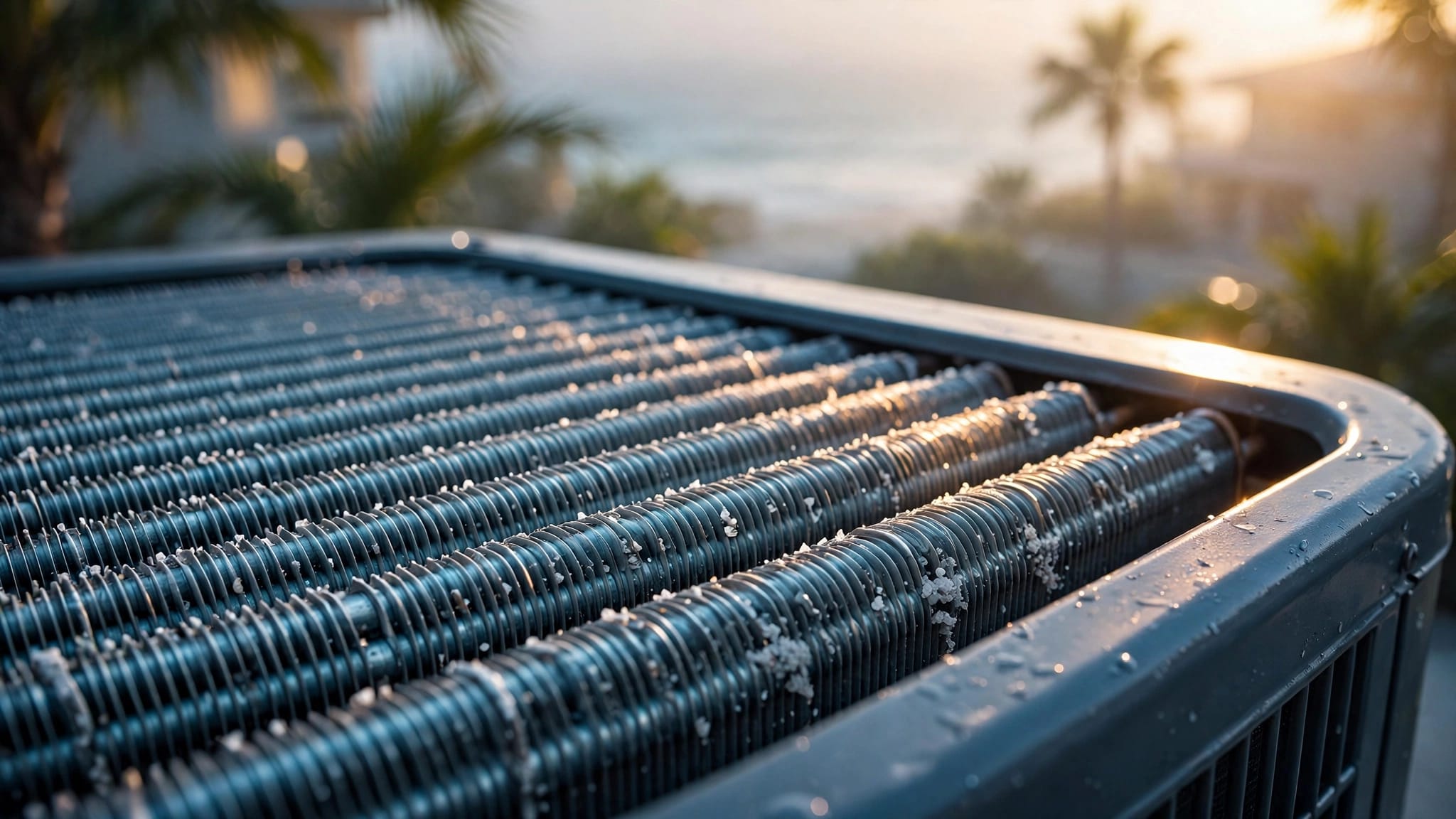
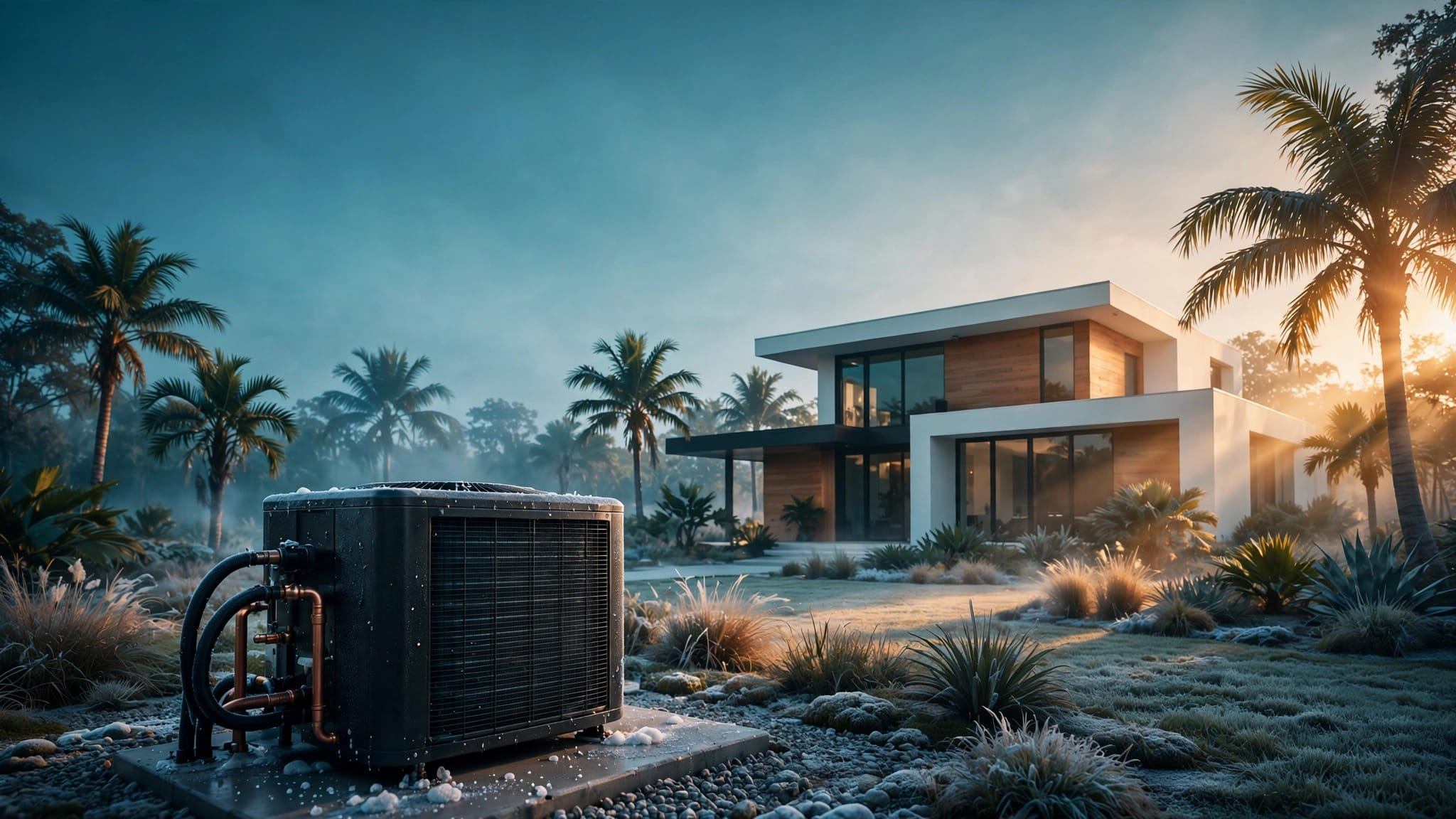
Cape Coral sits right on the coast. Sea breezes carry salt particles inland. They stick to your outdoor condenser. Over time, salt corrodes aluminum fins and copper tubing.
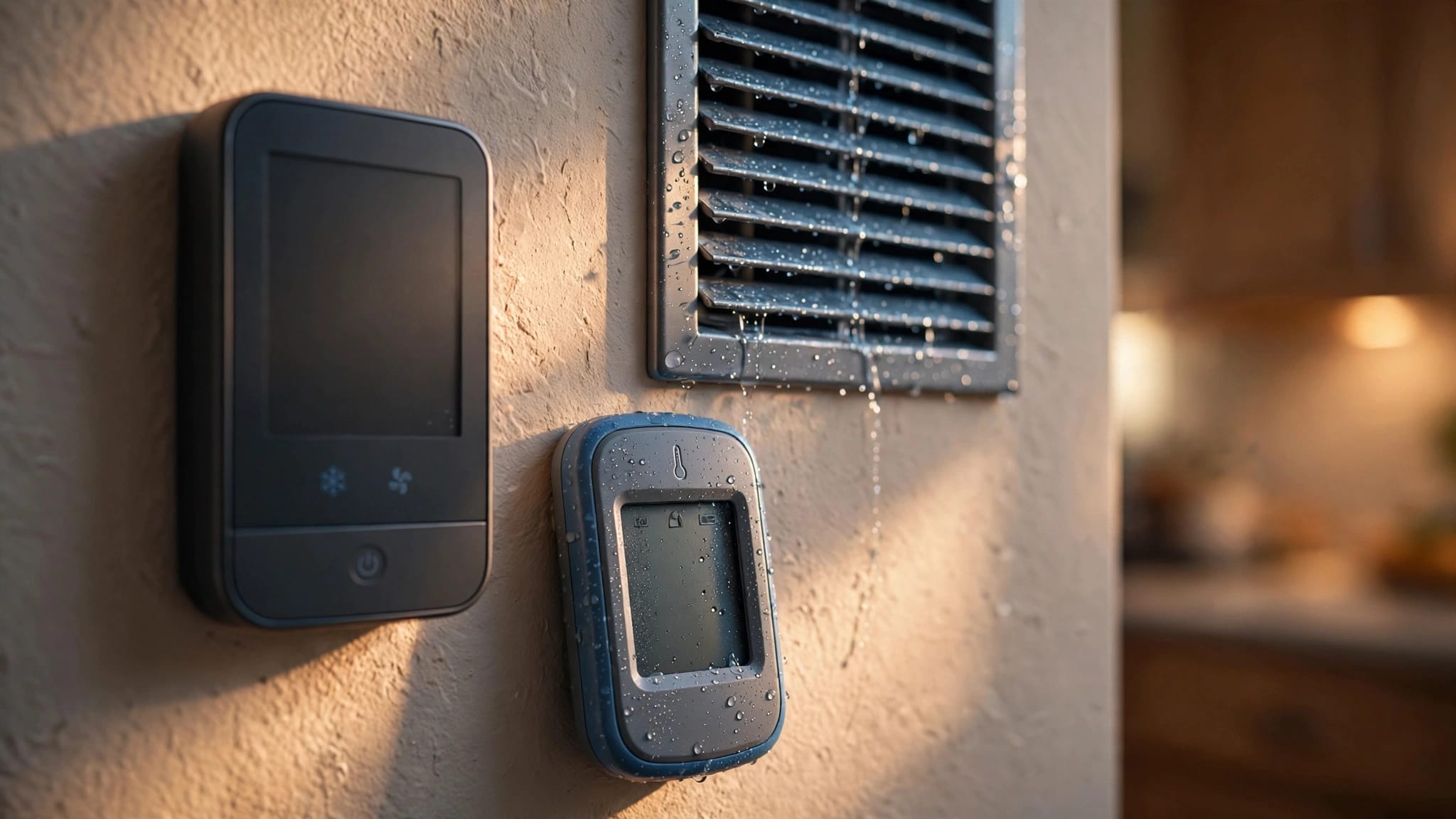
Humidity makes it worse. Water condenses on coils. Salt dissolves. It forms acid. That pits metal surfaces. Your AC loses efficiency. It works harder to cool. Bills rise 20-30% in bad cases.
Proximity matters. Homes near the Caloosahatchee River or beaches see more exposure. Storms kick up salt spray. Without care, units last 10 years instead of 15-20. Check common air conditioner problems in Cape Coral homes. Spot issues early. Act now.
Routine checks prevent most damage. Salt shortens life because it attacks from outside in. Indoor parts suffer less. Focus on the condenser first.
Rinse Your Condenser Coils Regularly
Salt builds up quick on fins. Rinse it off weekly during humid months. Turn off power at the breaker. Use a garden hose with spray nozzle.
Start at the top. Spray down gently. Water removes salt without bending fins. Avoid high pressure. It crushes delicate parts. Do this in early morning. Let dry before running AC.
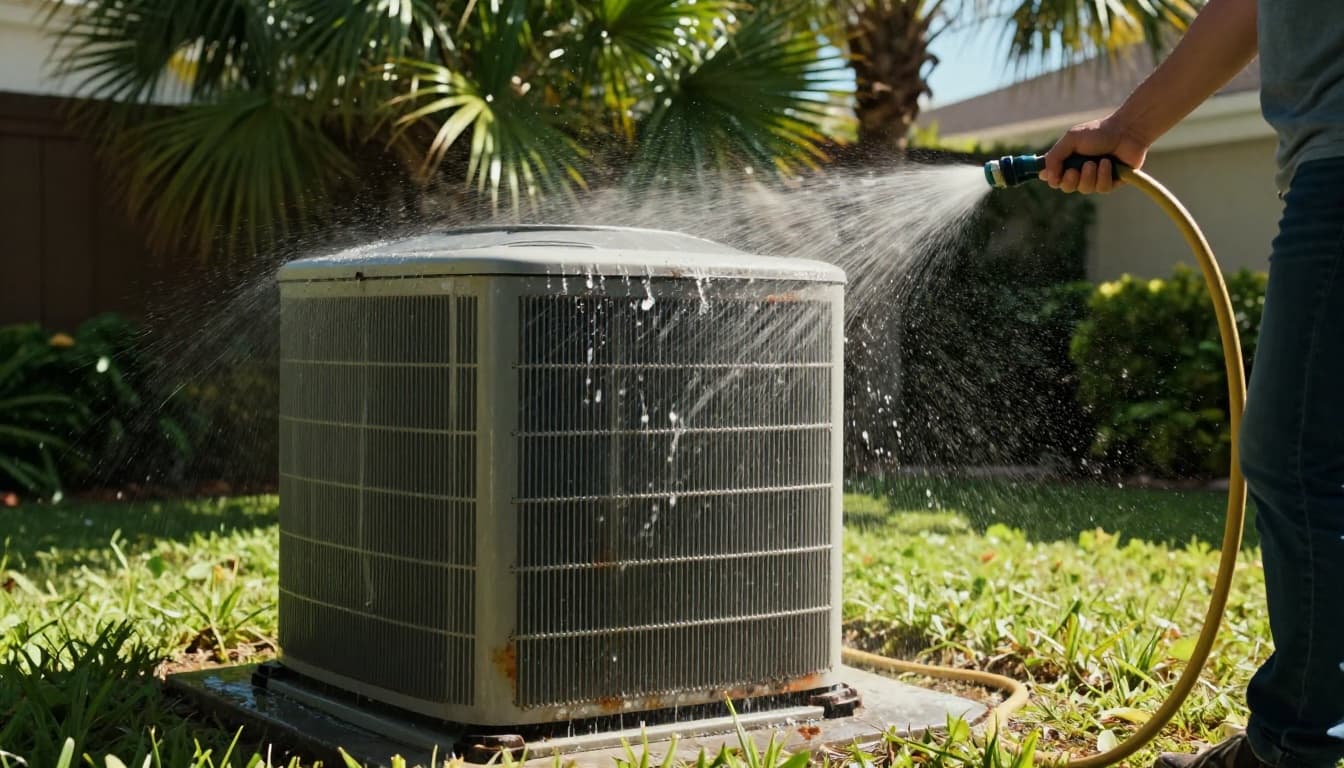
Homeowners manage this safely. Pros clean deeper buildup. Rinsing cuts corrosion risk. Your unit breathes easier. Cooling improves right away.
Change Air Filters Every Month
Dirty filters trap salt-laden dust. They block airflow. Coils ice up. Efficiency drops. Swap filters monthly in Cape Coral.
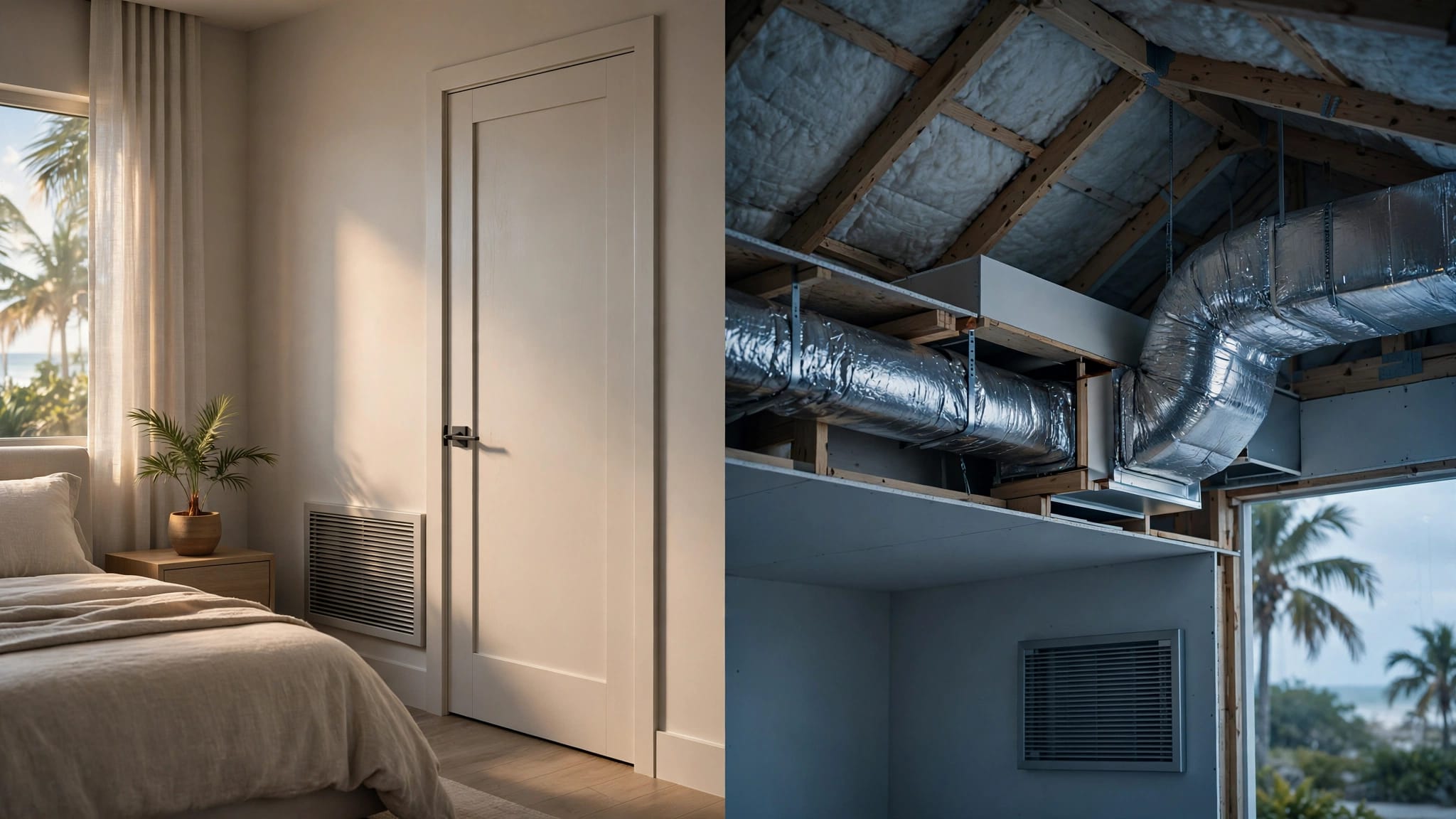
Buy MERV 8-11 rated ones. They catch particles without strain. Check indoor return vents. Slide out old filter. Note airflow arrow. Install new one same way.
High humidity clogs filters faster. Clean ones let air flow free. Salt stays out of coils. Energy savings add up. Pair this with rinsing. Protection doubles.
Trim Vegetation and Clear Debris
Bushes crowd your unit. They trap salt moisture. Trim plants 2-3 feet back. Rake leaves weekly. Salt hides in dirt piles.
Debris blocks airflow. Fans strain. Heat builds. Corrosion speeds up. Keep ground bare around base. Mulch helps but sweep often.
Storms drop palm fronds. Clear fast. Good spacing lets salt blow away. Unit stays dry. Lifespan grows.
Spot Rust and Corrosion Early
Look for white powder on fins. That's salt residue. Orange rust spots signal trouble. Check monthly. Feel for pitted metal.
Early rust means act now. Wipe residue. Rinse coils. Ignore it, and holes form. Leaks follow.
 Photo by EmK Shutterman
See 7 telltale signs your AC needs maintenance in Cape Coral. Rust tops the list. Catch it. Save thousands.
Apply Protective Coatings to Coils
Coatings shield fins from salt. They form a thin barrier. Pros apply them during service. DIY sprays exist but hire experts.
Choose epoxy or heresite types. They withstand acid. Reapply yearly. Shiny coat repels salt. Fins stay straight.
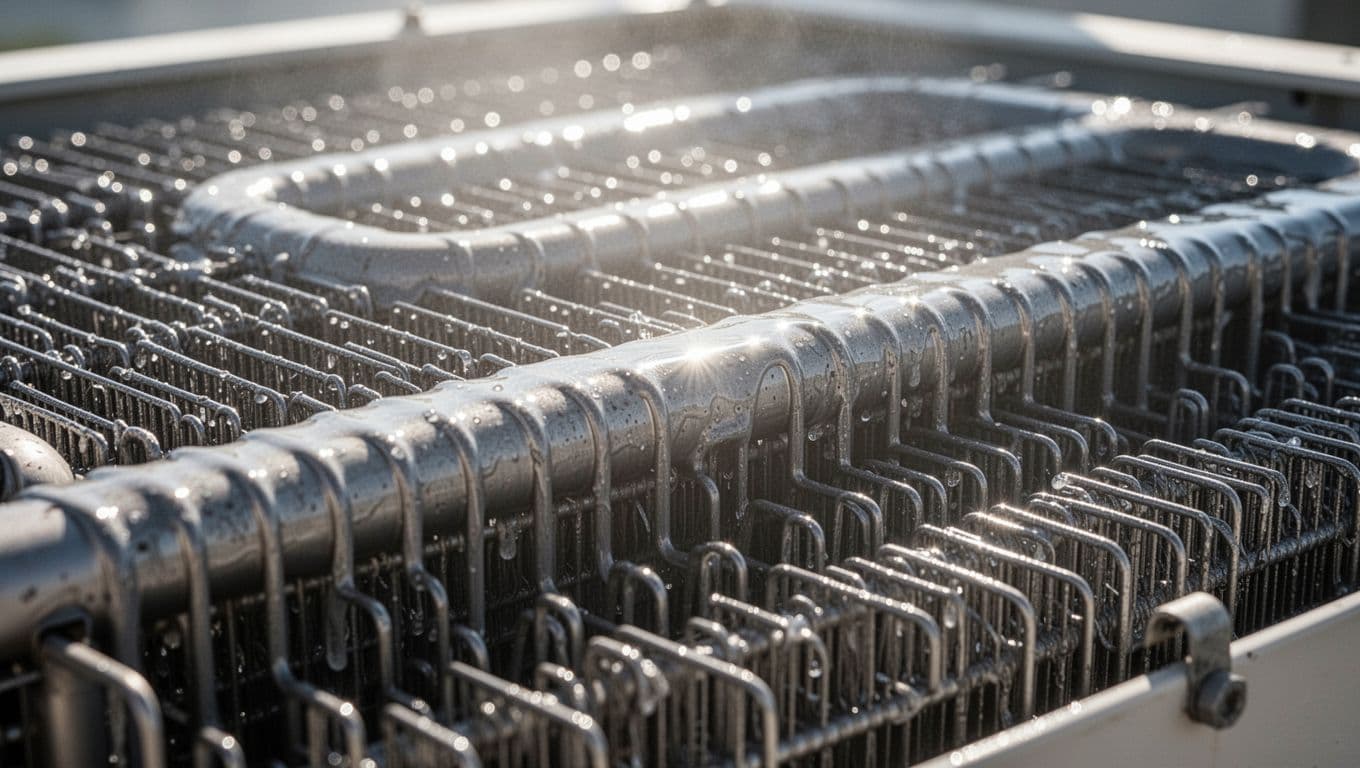
Coated units run 30% longer here. Humidity can't penetrate. Best for beach homes.
Schedule Professional Maintenance Twice a Year
DIY goes far. But pros clean evaporator coils. They check freon. Inspect cabinets for hidden rust.
EPA techs handle refrigerant. They spot salt pitting inside. Book spring and fall visits.
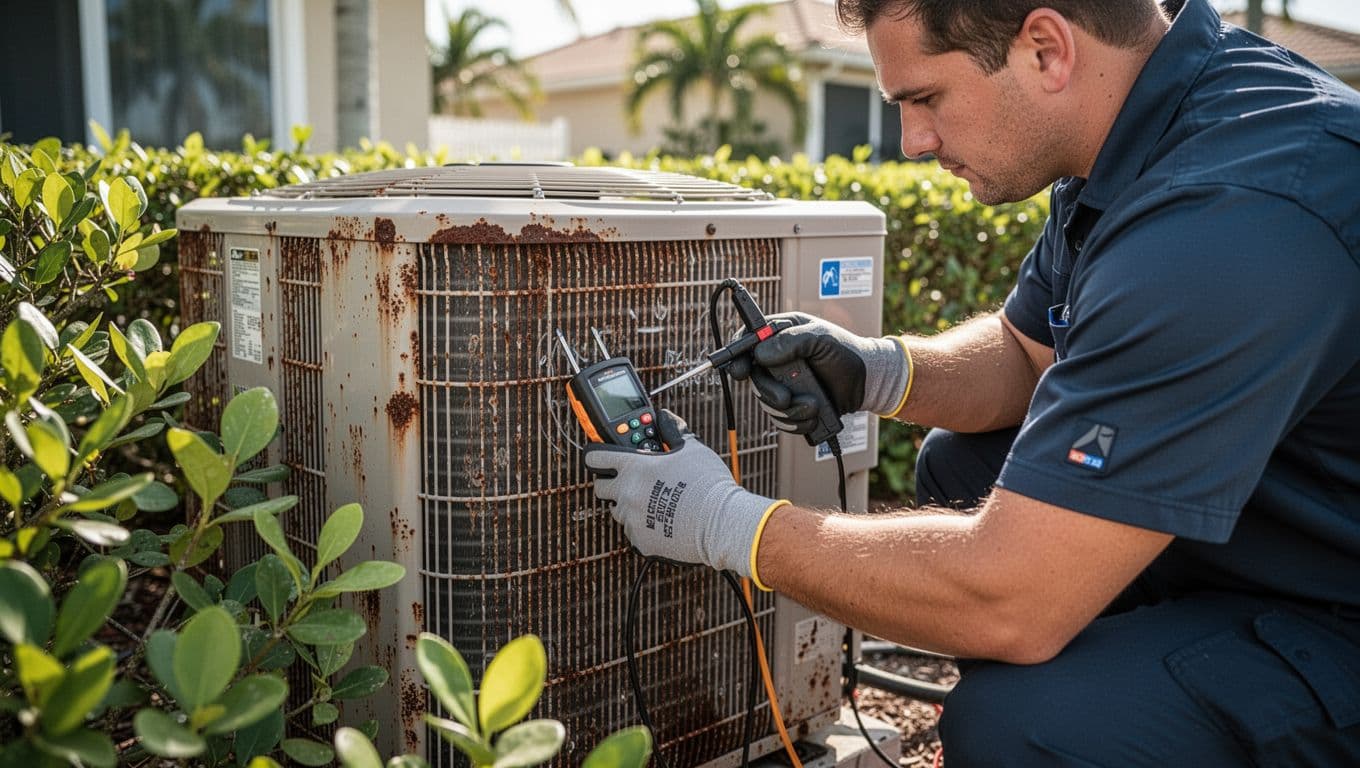
See HVAC maintenance agreements Cape Coral. Plans save 10% on repairs. Priority service too.
Pick Salt-Resistant Features for Replacements
Old unit? Upgrade. Look for coastal-rated models. They use coated coils stock. Fans resist corrosion.
Size right for your home. Pros calculate load. New ones pay back in five years. Efficiency beats salt woes.
Contact Us for a free check. We serve Cape Coral fast.
Salt air challenges every AC in Cape Coral. Rinse coils. Change filters. Trim plants. Coat for defense. Check rust. Get pro tune-ups.
These steps extend life. Bills drop. Comfort stays. Act before summer hits. Your unit thanks you. Stay cool.