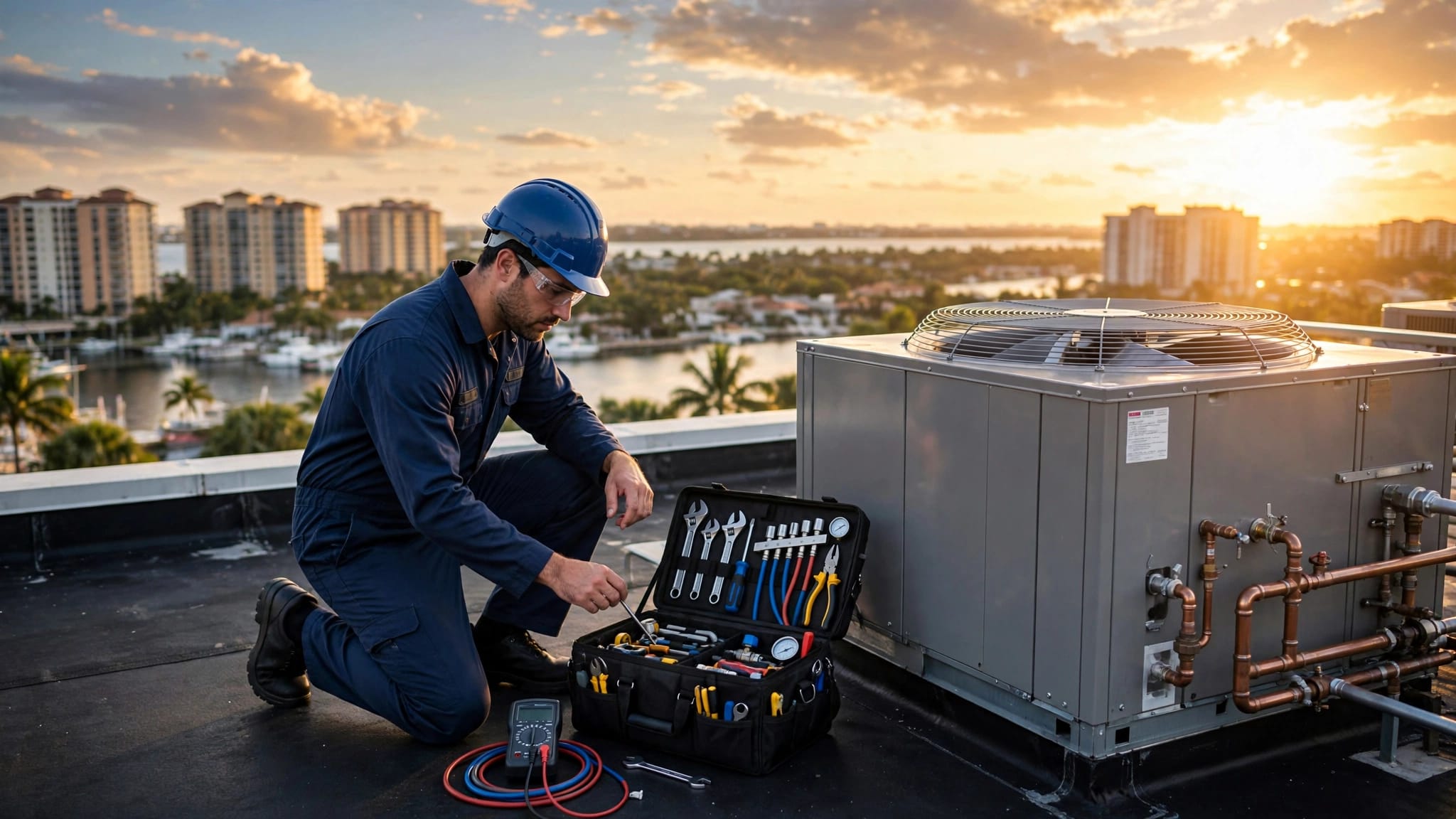
7 Telltale Signs Your AC Needs Maintenance in Cape Coral
Unusual Noises: Early Warning of Mechanical Problems
When your air conditioning system starts making strange sounds like grinding, squealing, bubbling, or hissing, it’s a sign that something isn’t right. These noises often indicate mechanical issues such as worn-out parts, loose components, or refrigerant leaks. Ignoring these early warnings can lead to more severe damage and costly repairs down the line. Addressing the problem promptly not only saves money but also extends the life of your AC system.
Noise is one of the clearest indicators that your AC needs professional attention. For instance, a grinding sound might suggest motor problems, while hissing could point to a refrigerant leak. Since identifying the exact cause requires expertise, it’s always best to call a technician when you notice unusual sounds. Doing so ensures your system runs smoothly and avoids further complications.
Inconsistent Cooling: Temperature Fluctuations Between Rooms
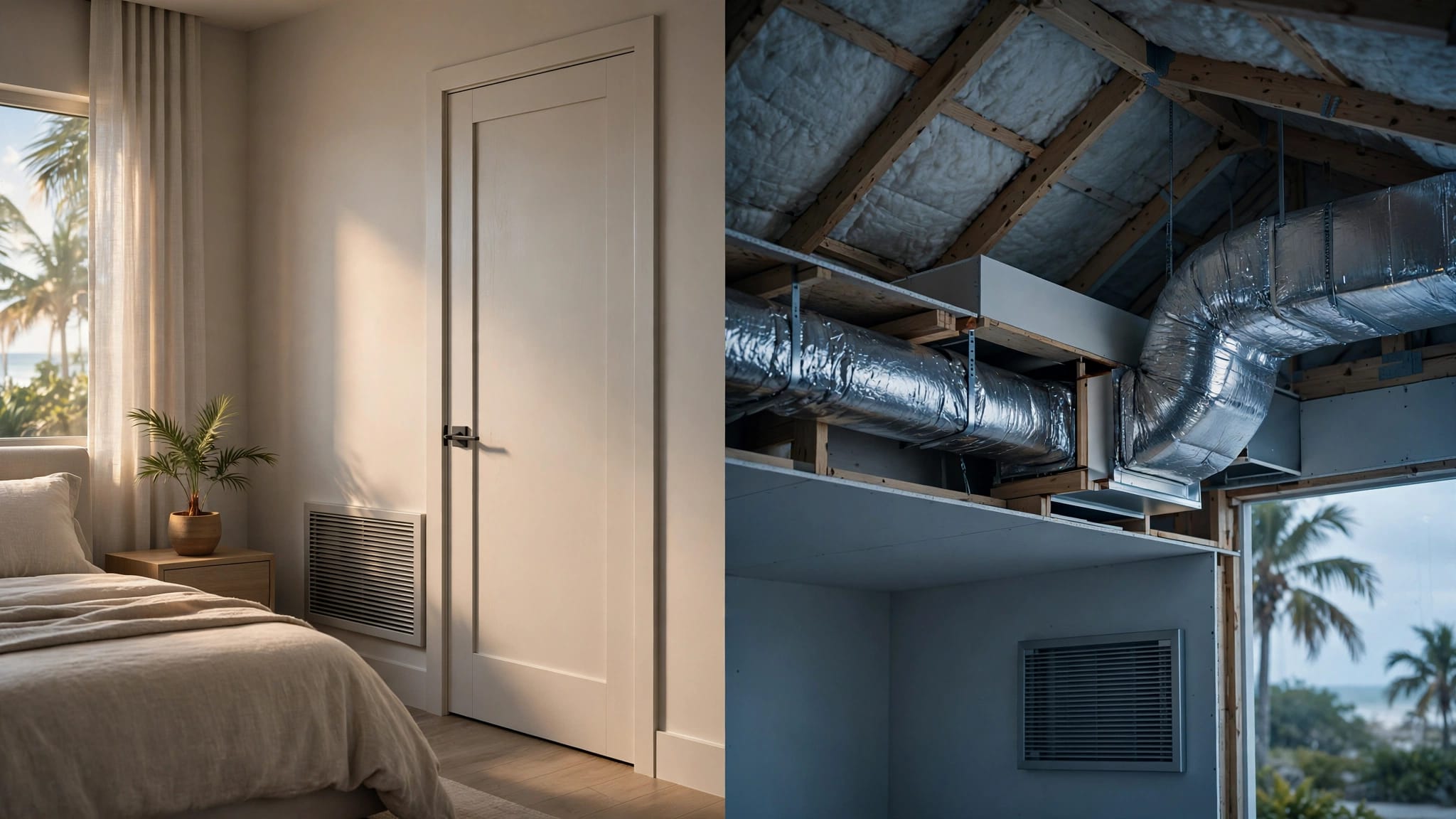
If some rooms in your home feel cooler than others, it’s a strong sign that your AC system is struggling with airflow or performance issues. Uneven cooling can stem from several causes, including clogged air filters, blocked vents, or problems with the ductwork. In Cape Coral’s hot climate, this issue can make your home uncomfortable and reduce energy efficiency.
Beyond inconvenience, inconsistent cooling signals deeper problems that need immediate attention. A failing compressor or refrigerant issues might also be at play. To restore comfort and avoid higher energy bills, schedule an inspection with a qualified HVAC technician. Fixing these issues early can save you from unnecessary stress during peak summer months.
Increased Energy Bills: Efficiency Signals of Trouble
A sudden spike in your energy bills is often a red flag that your AC is working harder than it should. This inefficiency can result from dirty filters, refrigerant leaks, or worn-out components. When your system struggles to maintain the desired temperature, it consumes more energy, leading to higher costs for homeowners in Cape Coral.
Routine maintenance plays a crucial role in restoring your AC’s efficiency and lowering utility expenses. Cleaning coils, checking refrigerant levels, and ensuring proper airflow can significantly improve performance. By addressing these issues early, you’ll enjoy better cooling and reduced energy consumption, which benefits both your wallet and the environment.
Frequent Cycling: Short or Long AC Run Times
Frequent cycling refers to your AC turning on and off too often, which can strain the system and reduce its lifespan. This behavior may stem from thermostat malfunctions, refrigerant leaks, or electrical problems. Not only does it affect your comfort, but it also increases wear and tear on critical components.
To prevent costly breakdowns, it’s essential to address frequent cycling as soon as possible. A professional technician can diagnose the root cause and perform necessary repairs. Early intervention not only restores normal operation but also ensures your AC remains reliable during Cape Coral’s sweltering summers.
Bad Odors Coming from Vents
Unpleasant smells coming from your vents are more than just a nuisance; they can indicate serious issues like mold growth, burned wiring, or dirty filters. Mold thrives in damp environments, and if your AC isn’t draining properly, it could become a breeding ground. Similarly, burning odors might suggest electrical problems that require immediate attention.
Ignoring bad odors poses health risks, especially for individuals with allergies or respiratory conditions. If you notice persistent smells, don’t hesitate to contact a professional. They can clean your system, replace filters, and address any underlying issues to ensure your indoor air quality remains safe and fresh.
High Indoor Humidity Levels
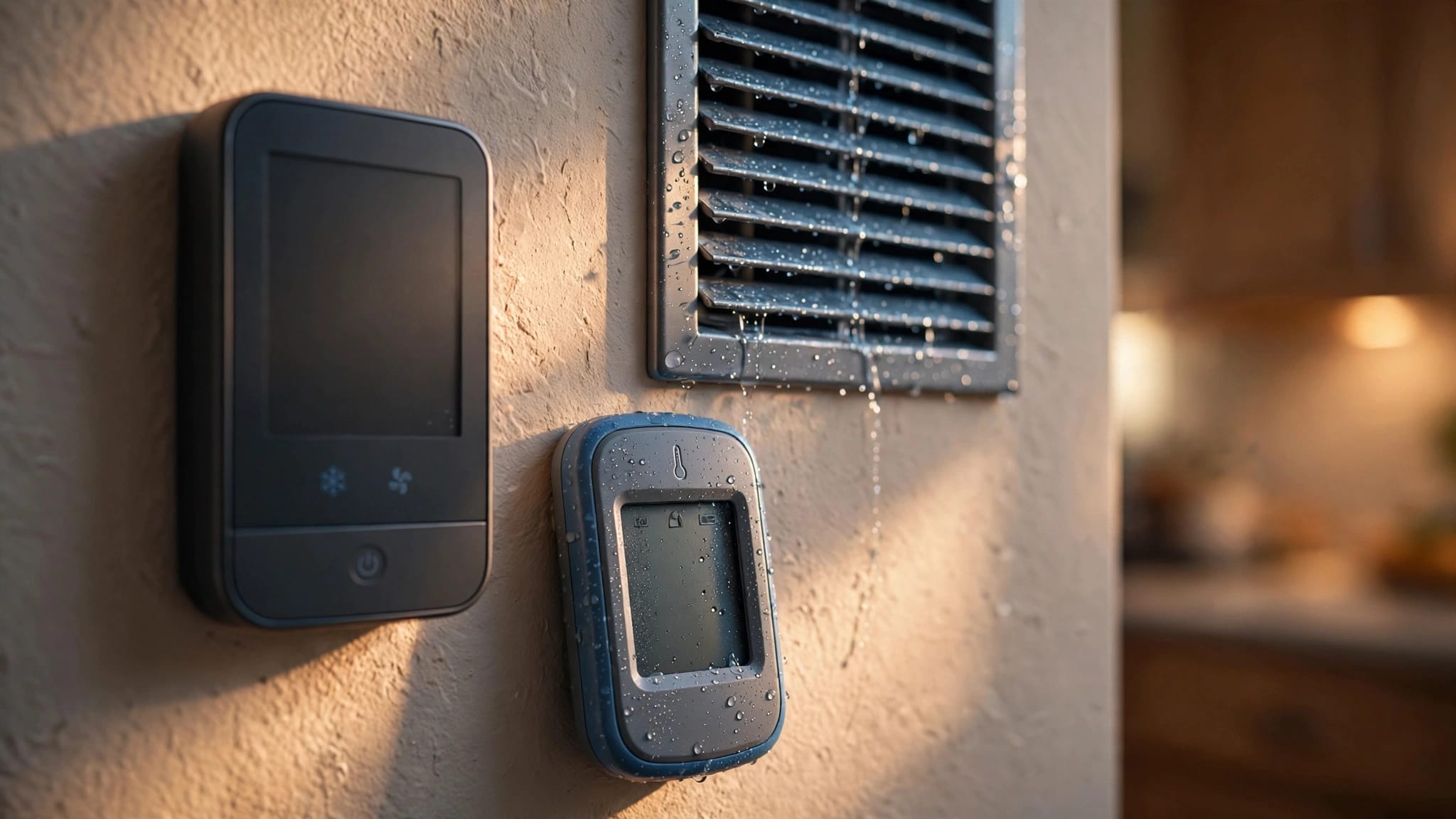
An air conditioner that fails to remove humidity effectively is a common problem in Cape Coral, where high humidity levels are the norm. Excess moisture indoors can lead to discomfort, mold growth, and even structural damage over time. This issue often points to drainage problems, low refrigerant levels, or a failing compressor.
Maintaining optimal humidity levels is vital for both comfort and health. Regular AC maintenance helps identify and resolve these issues before they escalate. By keeping your system in top shape, you’ll enjoy a cooler, drier home environment while avoiding potential damage caused by excessive moisture.
System Age and Warning Lights
Older AC systems, typically those over ten years old, are more prone to breakdowns and require frequent checks. Modern units come equipped with warning lights that alert homeowners to potential issues. These indicators can signal anything from minor glitches to major malfunctions, depending on the specific light displayed.
Paying attention to warning lights and acting quickly can prevent expensive repairs or replacements. If your system is aging, consider scheduling regular inspections to catch problems early. Proactive care ensures your AC continues to function efficiently, providing reliable cooling throughout Cape Coral’s demanding climate.
Refrigerant Problems: Leaks and Low Levels
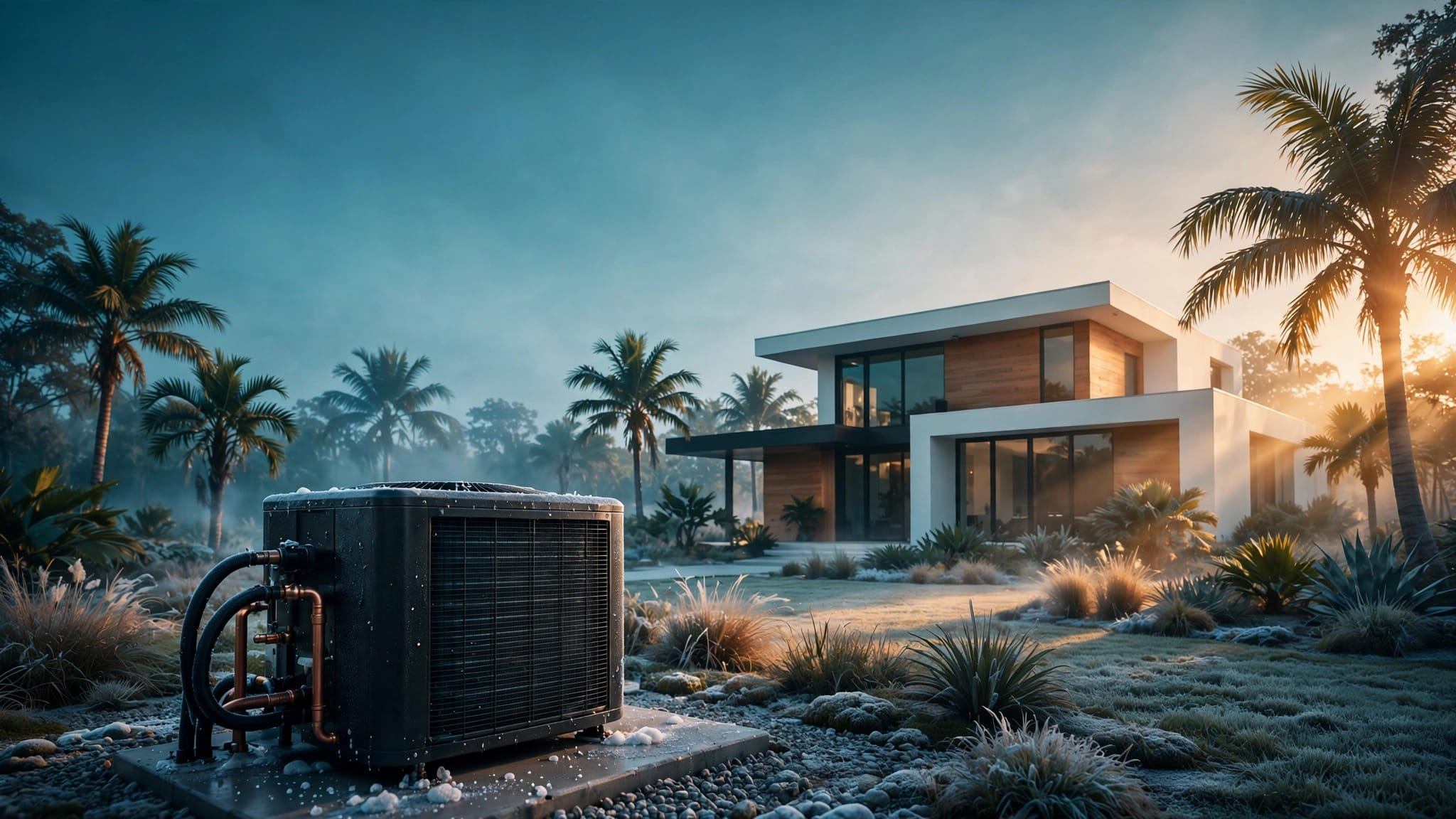
Symptoms like warm air blowing from vents, ice forming on refrigerant lines, or bubbling/hissing noises often point to refrigerant issues. Leaks not only reduce cooling efficiency but also harm the environment due to the release of harmful chemicals. Low refrigerant levels force your AC to work harder, increasing energy consumption and operational costs.
Addressing refrigerant problems requires expert inspection and repair. Technicians can locate leaks, recharge the system, and ensure it operates at peak performance. Ignoring these symptoms can lead to complete system failure, making timely intervention critical for maintaining comfort and minimizing expenses.
Common Causes of AC Issues in Cape Coral
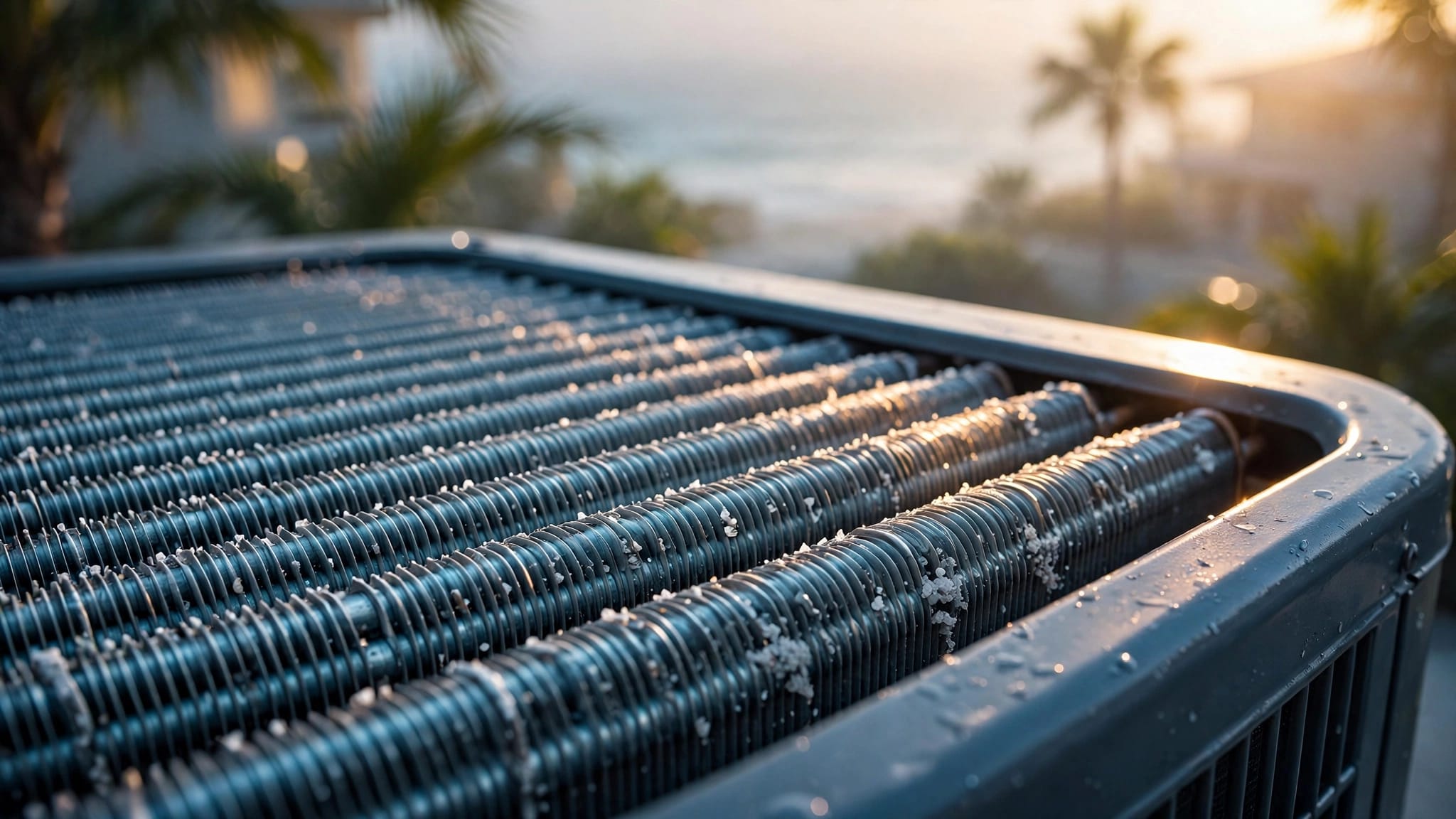
Cape Coral’s coastal climate, characterized by high humidity and frequent storms, takes a toll on air conditioning systems. Salt air corrosion, debris from storms, and constant moisture exposure contribute to wear and tear. These factors make regular maintenance particularly important for local homeowners.
To combat these challenges, prioritize tasks like cleaning coils, inspecting ductwork, and checking drainage systems. Scheduling seasonal tune-ups helps prepare your AC for extreme weather conditions. By staying proactive, you’ll keep your system running smoothly and avoid unexpected breakdowns during the hottest months.
Benefits of Regular AC Maintenance
Regular AC maintenance offers numerous advantages, including improved efficiency, lower energy bills, and extended equipment lifespan. A well-maintained system operates more reliably, reducing the likelihood of emergency repairs. Additionally, routine service enhances indoor air quality by removing dust and allergens from the system.
For Cape Coral residents, tailoring maintenance schedules to the local climate ensures maximum benefits. With consistent care, your AC will handle the region’s heat and humidity with ease, providing year-round comfort. Investing in professional service pays off through enhanced performance and peace of mind.
Professional Maintenance vs. DIY: What Cape Coral Homeowners Should Know
While simple tasks like changing air filters can be done by homeowners, many AC issues require professional expertise. Attempting complex repairs without the right tools or knowledge can worsen problems and pose safety risks. Certified technicians bring specialized skills and equipment to diagnose and fix issues accurately.
Local HVAC professionals understand Cape Coral’s unique challenges, such as salt air and humidity, and tailor their services accordingly. Relying on their expertise ensures your system receives comprehensive care. While DIY efforts have their place, trusting professionals guarantees long-term reliability and efficiency.
How to Choose an AC Maintenance Provider in Cape Coral
Choosing the right AC maintenance provider involves evaluating experience, certifications, and customer reviews. Look for companies with a proven track record in the area and technicians who are NATE-certified. Local knowledge is also key, as providers familiar with Cape Coral’s climate can offer tailored solutions.
Ask potential providers about their service plans, response times, and warranties. Reputable companies will answer your questions transparently and provide detailed explanations of their processes. By selecting a trustworthy provider, you’ll ensure your AC receives the care it needs to perform optimally.
FAQ: 5 Common Questions About AC Maintenance in Cape Coral
How often should I schedule AC maintenance in Cape Coral?
In Cape Coral, scheduling AC maintenance at least once a year is recommended, ideally before the cooling season begins. Regular tune-ups help identify and address minor issues before they escalate, ensuring your system operates efficiently throughout the year.
What is included in a professional AC tune-up?
A professional AC tune-up typically includes inspecting components, cleaning coils and filters, checking refrigerant levels, testing electrical connections, and assessing overall system performance. These steps ensure your unit runs smoothly and efficiently.
Will regular maintenance help prevent expensive AC repairs?
Yes, regular maintenance significantly reduces the risk of costly repairs by catching small problems early. Studies show that well-maintained systems experience fewer breakdowns and last longer, saving homeowners money in the long run.
Can high humidity affect my AC’s performance?
High humidity strains AC units by forcing them to work harder to cool and dehumidify the air. In Cape Coral, this challenge underscores the importance of regular maintenance to keep your system functioning optimally and prevent moisture-related issues.
How do I know if my AC needs to be replaced rather than repaired?
Signs your AC may need replacement include frequent breakdowns, being over ten years old, and repair costs exceeding half the price of a new unit. If your system consistently underperforms despite maintenance, it might be time for an upgrade.
Conclusion
Recognizing the seven telltale signs of AC trouble in Cape Coral empowers homeowners to act quickly and maintain comfort during the hottest months. From unusual noises to high humidity levels, each symptom highlights the importance of timely assessment and ongoing maintenance. By addressing these issues early, you’ll enhance your system’s efficiency and avoid costly repairs.
Being proactive about AC maintenance not only improves reliability but also ensures healthier indoor air quality. Don’t wait until a problem arises—schedule a professional inspection today if you notice any warning signs. Contact trusted HVAC specialists in Cape Coral to evaluate your system and provide thorough maintenance, ensuring your home stays cool and comfortable all year round.