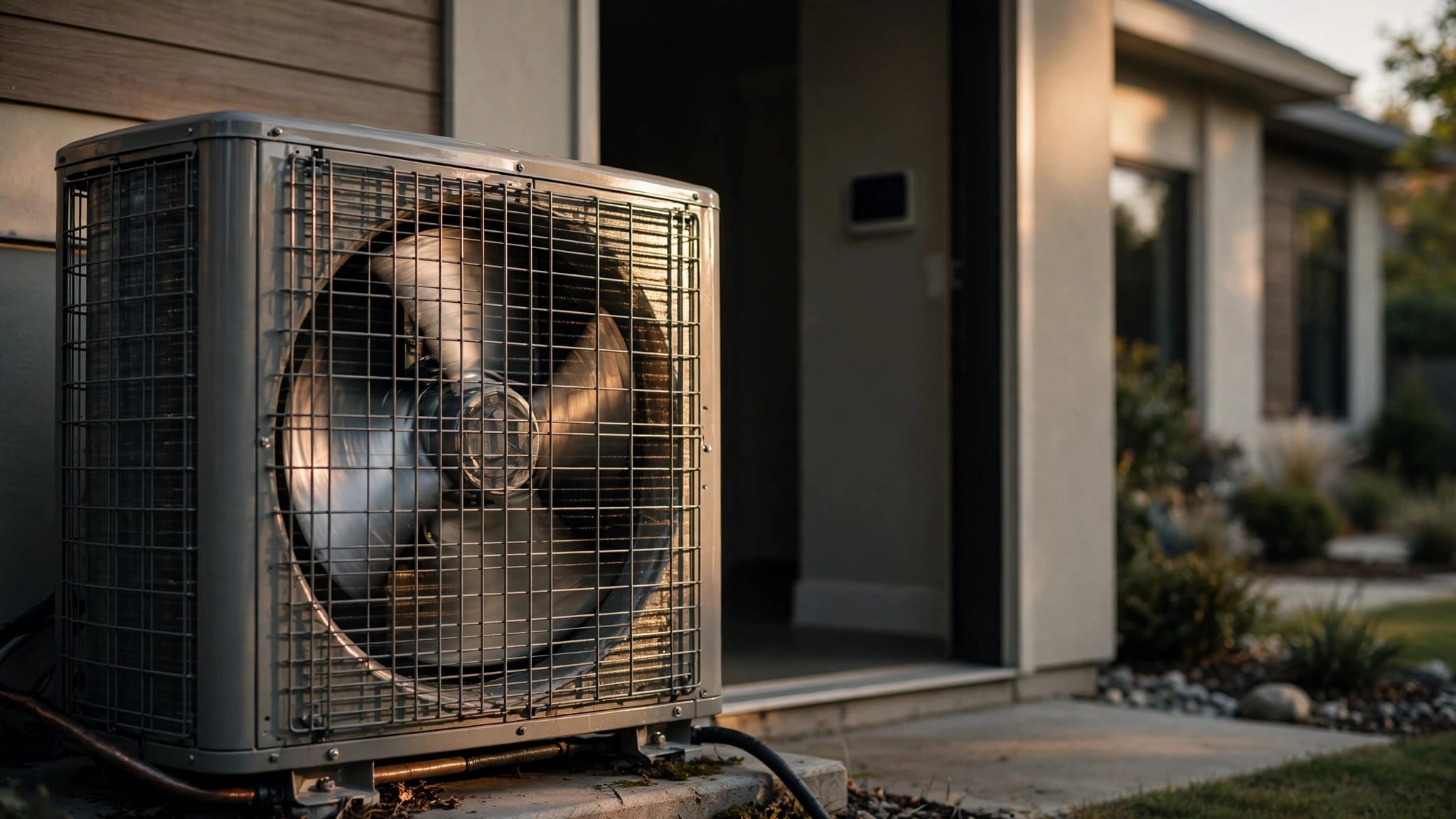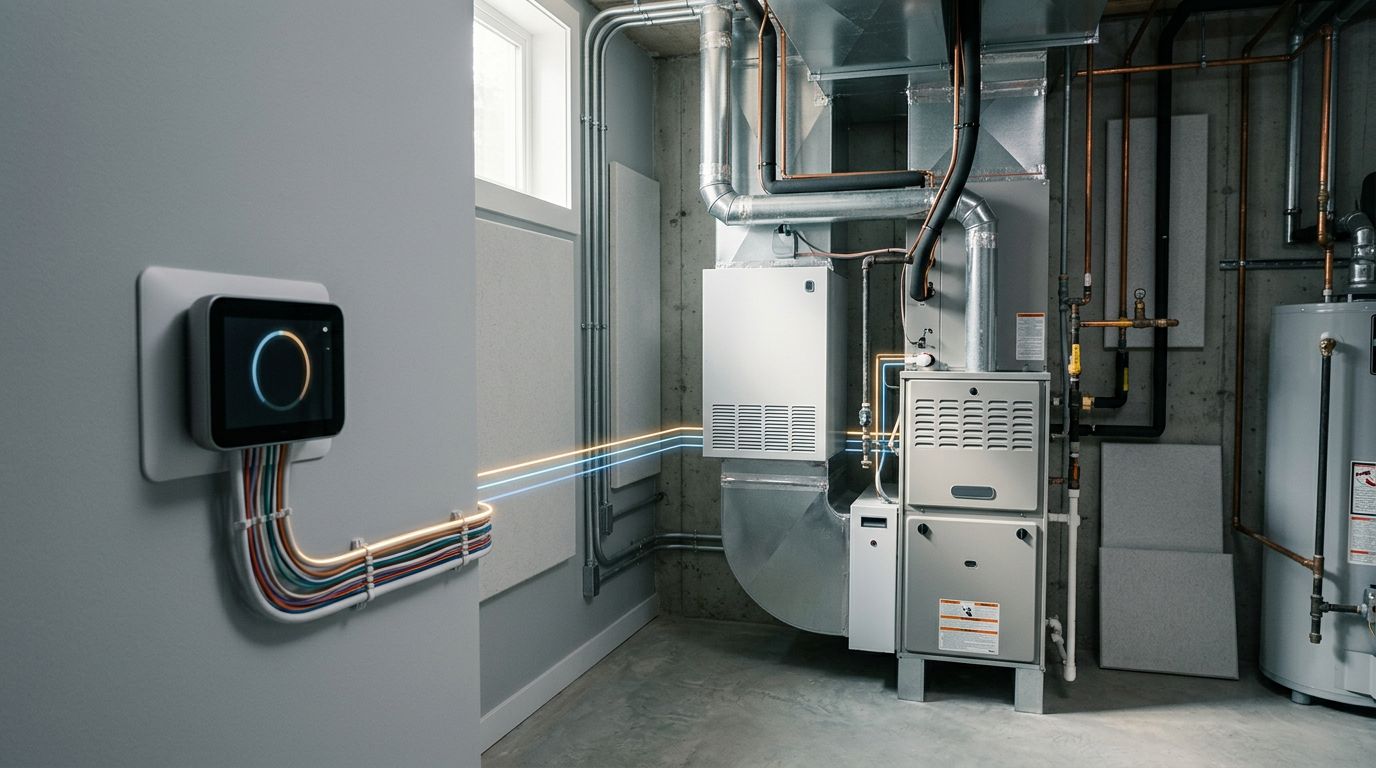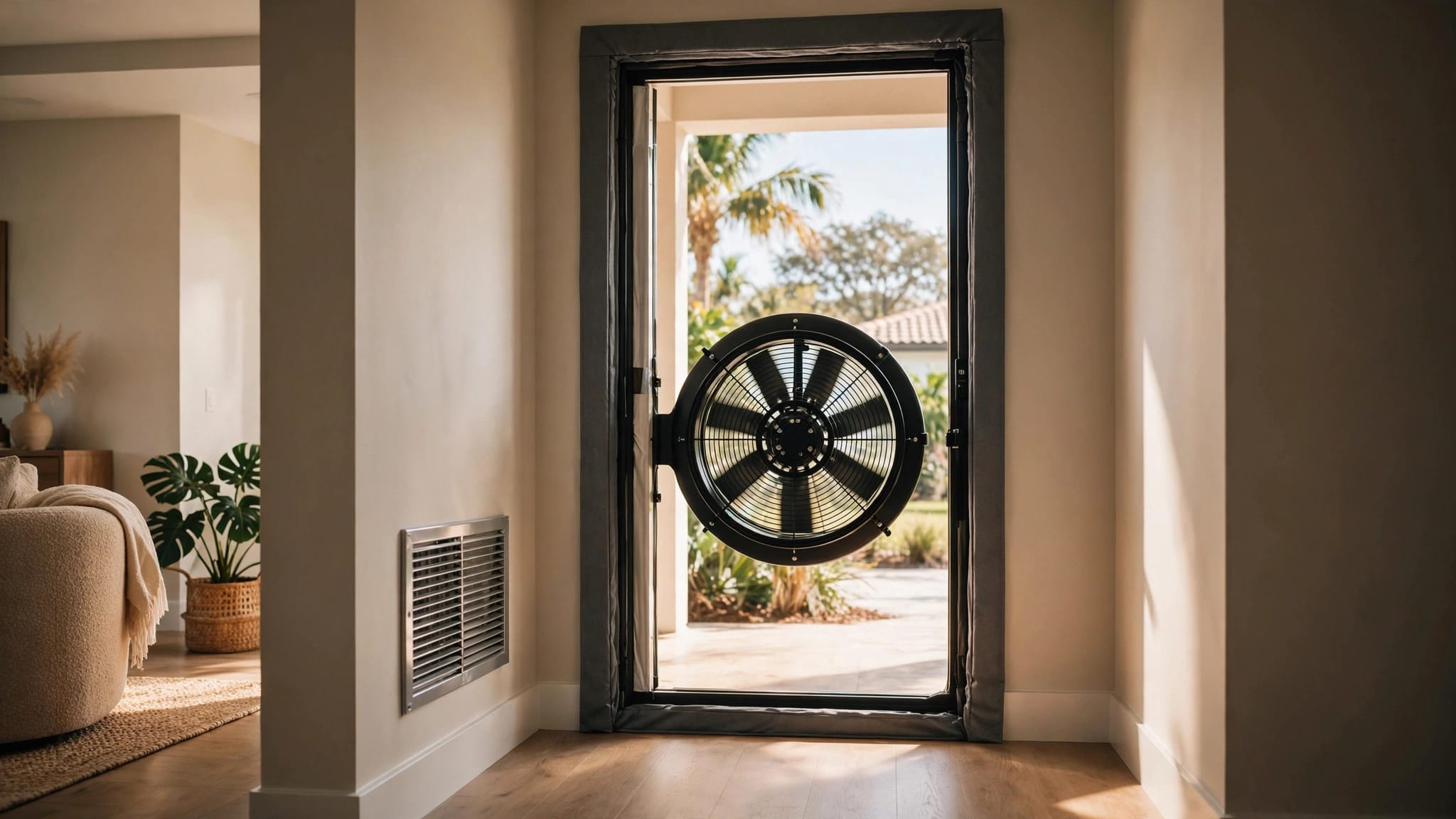
Cape Coral heat is one problem. The sticky air is the other. If your home feels cool but still damp, the fan setting on your thermostat may be part of the reason. The thermostat fan auto setting is usually the better everyday choice in humid Florida homes because it stops the fan when the cooling cycle ends.
That matters more here than in a dry climate. A fan that keeps running can move air across a wet indoor coil and send some of that moisture back into your rooms. The setting changes how long your blower runs, and in a place like Cape Coral, that can change how your house feels by late afternoon.
What the Thermostat Fan Settings Actually Do
When the fan is set to Auto, it runs only when the air conditioner calls for cooling. Once the thermostat is satisfied, the blower stops too. That gives the system a chance to remove heat and moisture without extra air movement afterward.
Fan On works differently. The blower runs all the time, even when the compressor is off. That can help keep air moving through the house, but it also keeps pushing indoor air across the coil and through the ducts.
Thermostat fan settings are about the HVAC blower, not a ceiling fan in the room. A ceiling fan helps people feel cooler. The thermostat fan changes how your cooling system handles air, moisture, and circulation.
Why Auto Usually Works Better in Humid Weather
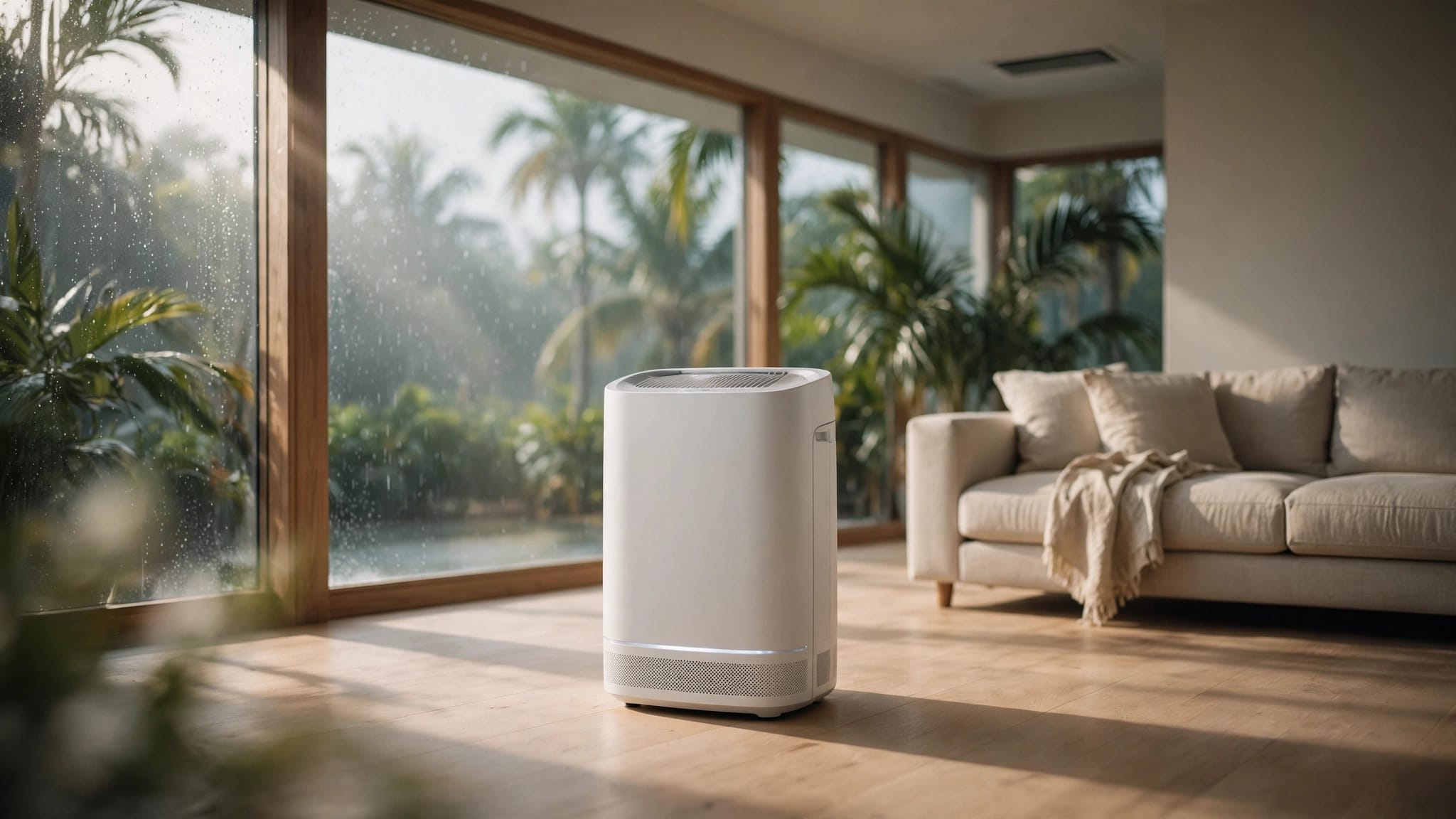
Humidity changes how a house feels. Two homes can sit at the same temperature and feel very different if one holds more moisture. That is why many Cape Coral homeowners notice a sticky feeling even when the thermostat looks fine.
When the fan stops with the cooling cycle, the wet coil has less chance to dry into the airflow. That helps limit the small but noticeable rise in indoor humidity that can happen when the fan keeps blowing. For most homes here, Auto gives the AC a better chance to cool and dry the air in one pass.
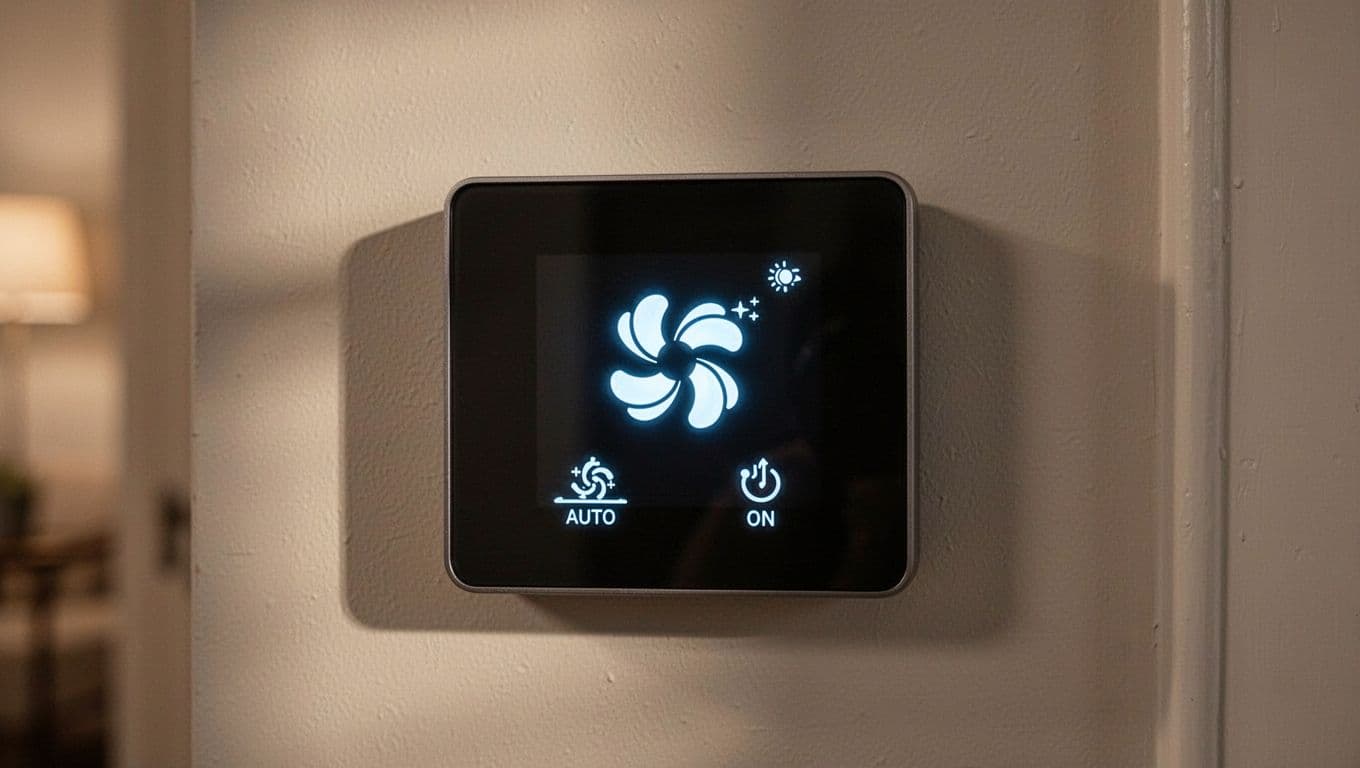
Auto also helps on rainy afternoons, after showers, and during long stretches of muggy weather. In those moments, the cooling system is already working against moisture. Extra fan time can make the house feel less crisp, not more.
In humid weather, extra fan time can mean extra time for damp air to move around your house.
If your system cools in short bursts, Auto is even more helpful. Short cycling can leave rooms uneven and can keep moisture from dropping enough. If that sounds familiar, the thermostat setting may be only part of the story, and professional air conditioning repair services may be needed.
When Fan On Makes Sense
Fan On is not a bad setting. It just works best in specific situations. If one room feels stuffy, the fan can help move air around for a while. If you want the filter to catch more dust or pet hair, constant air movement can help, as long as the filter is clean.
It can also help after a gathering, when cooking adds odors, or when you want a little more circulation upstairs. Some homeowners like the steadier feel of moving air, especially in homes with hot spots or rooms that cool slower than others. If your indoor air feels too still, Fan On can make the house feel more open.
Here is a quick side-by-side look.
| Setting | What it does well | Main downside | Best use |
|---|---|---|---|
| Auto | Lowers humidity, saves energy, lets the AC finish its cycle | Less constant air movement | Daily use in humid Cape Coral weather |
| On | Improves circulation, may help filtration, evens out some rooms | Can move moisture back through the house, uses more power | Short-term comfort or temporary air mixing |
The table tells the story clearly. Auto is the better default for most humid homes. On is useful when you want circulation more than dehumidification.
Fan On also depends on your filter and ductwork. A dirty filter can block airflow, and leaky ducts can pull in hot, damp air. In that case, constant fan use may spread the problem instead of solving it.
Signs Your AC Needs More Than a Fan Change
If your house still feels damp with the fan on Auto, the setting probably is not the real problem. Dirty filters, blocked drains, a clogged coil, duct leaks, or a worn blower can all hurt comfort. A thermostat cannot fix those issues.
Watch for a few warning signs. The AC may need service if you notice:
- Rooms that stay sticky after long cooling cycles.
- Water near the indoor unit or a drain line that backs up.
- A musty smell that returns after the system runs.
- Uneven temperatures from room to room.
- Ice on the indoor unit or very short run times.
If your system is short cycling, freezing up, or leaving parts of the house muggy, the issue may need a closer look from a trained technician. Small airflow problems often grow into bigger comfort problems when they are ignored.
If the same complaint keeps coming back, the next step is a real inspection, not a longer fan run time. That is when it helps to ask for service and get the system checked before the strain gets worse.
Conclusion
For most Cape Coral homes, Auto is the right everyday thermostat fan setting. It supports moisture removal, keeps the house from feeling damp after cooling cycles, and usually uses less energy.
Use Fan On when you want short-term circulation or a little extra filtration, then switch it back. If your home still feels muggy, uneven, or hard to cool, the issue is likely inside the system itself. Contact Us if comfort or humidity problems keep showing up, and get the system checked before a small annoyance turns into a bigger repair.