A damaged copper line set can leave your Cape Coral home without reliable air conditioning, but the total AC line set replacement cost isn't the same for every house. In 2026, homeowners should budget roughly $700 to $3,500 or more for this repair, depending on the tubing length, access, system size, refrigerant, and installation difficulty.
A short line set in an open attic may cost far less than tubing routed through finished walls or a concrete slab. Before accepting an estimate, make sure it includes refrigerant recovery, pressure testing, evacuation, insulation, permits when required, and cleanup.
Key Takeaways
- A practical 2026 budgeting range for AC line set replacement in Cape Coral is $700 to $3,500 or more.
- Factors such as line set length, copper tubing size, physical access, routing, refrigerant type, and local code requirements have the biggest effect on the total price.
- A small leak may be repairable, but corroded, kinked, contaminated, or incorrectly sized tubing often needs replacement.
- Compare written estimates by the scope of work, warranty coverage, testing procedures, and included repairs, rather than by the lowest total price alone.
- Coastal air and high humidity make proper insulation, support, and sealed wall penetrations especially important for protecting your system.
What an AC Line Set Does
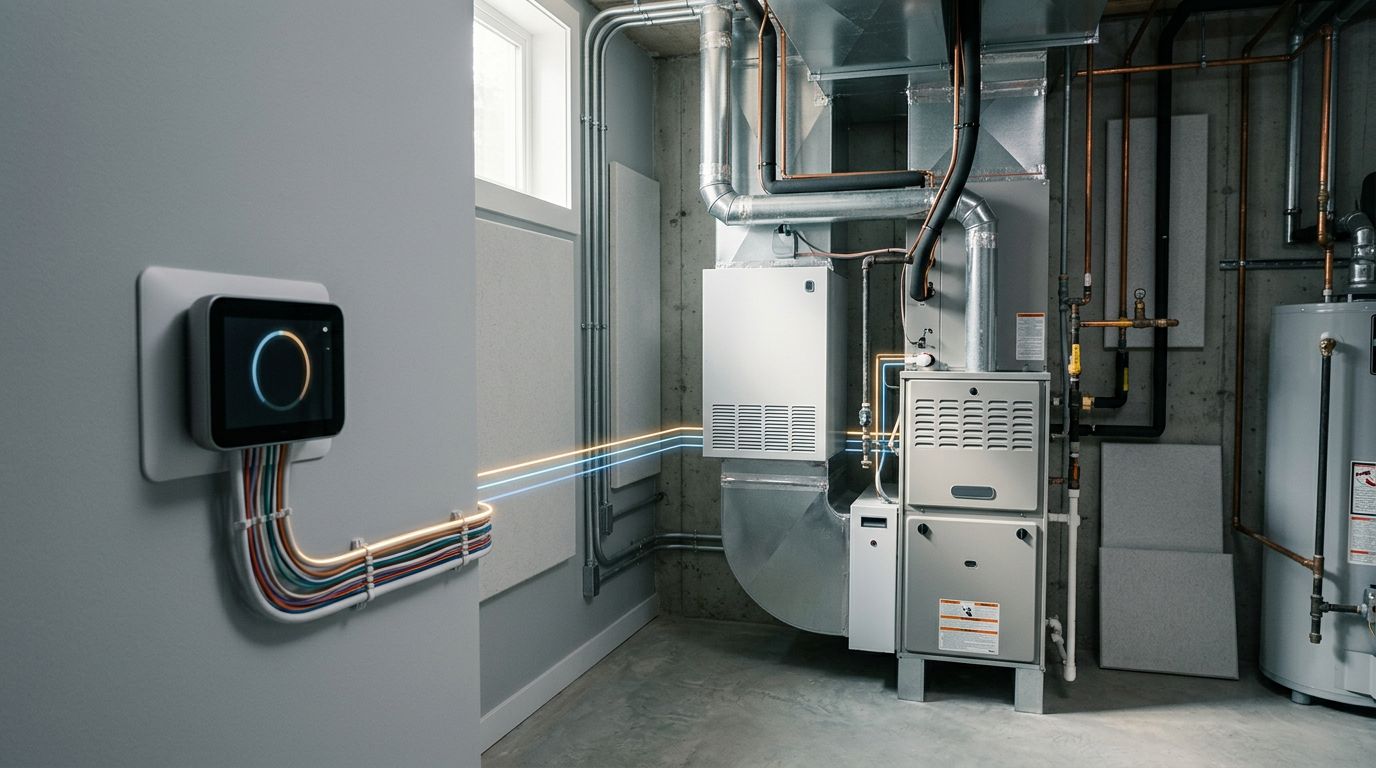
An AC line set serves as the vital connection between your indoor and outdoor units. It consists of two copper tubes that facilitate the cooling cycle. The larger suction line carries refrigerant vapor back to the outdoor condenser, while the smaller liquid line transports refrigerant toward the indoor evaporator coil.
These copper tubes are distinct from the condensate drain line, which is responsible for carrying moisture away from the indoor air handler. Confusing these two components can lead to incorrect repairs and an inaccurate service estimate.
The line set is a critical part of the sealed refrigeration system. If it develops a leak, the system loses refrigerant and struggles to cool your home. You might notice longer run times, warm air blowing from the vents, ice forming on the indoor coil, hissing sounds near the tubing, or the need for repeated refrigerant additions to keep the compressor running correctly.
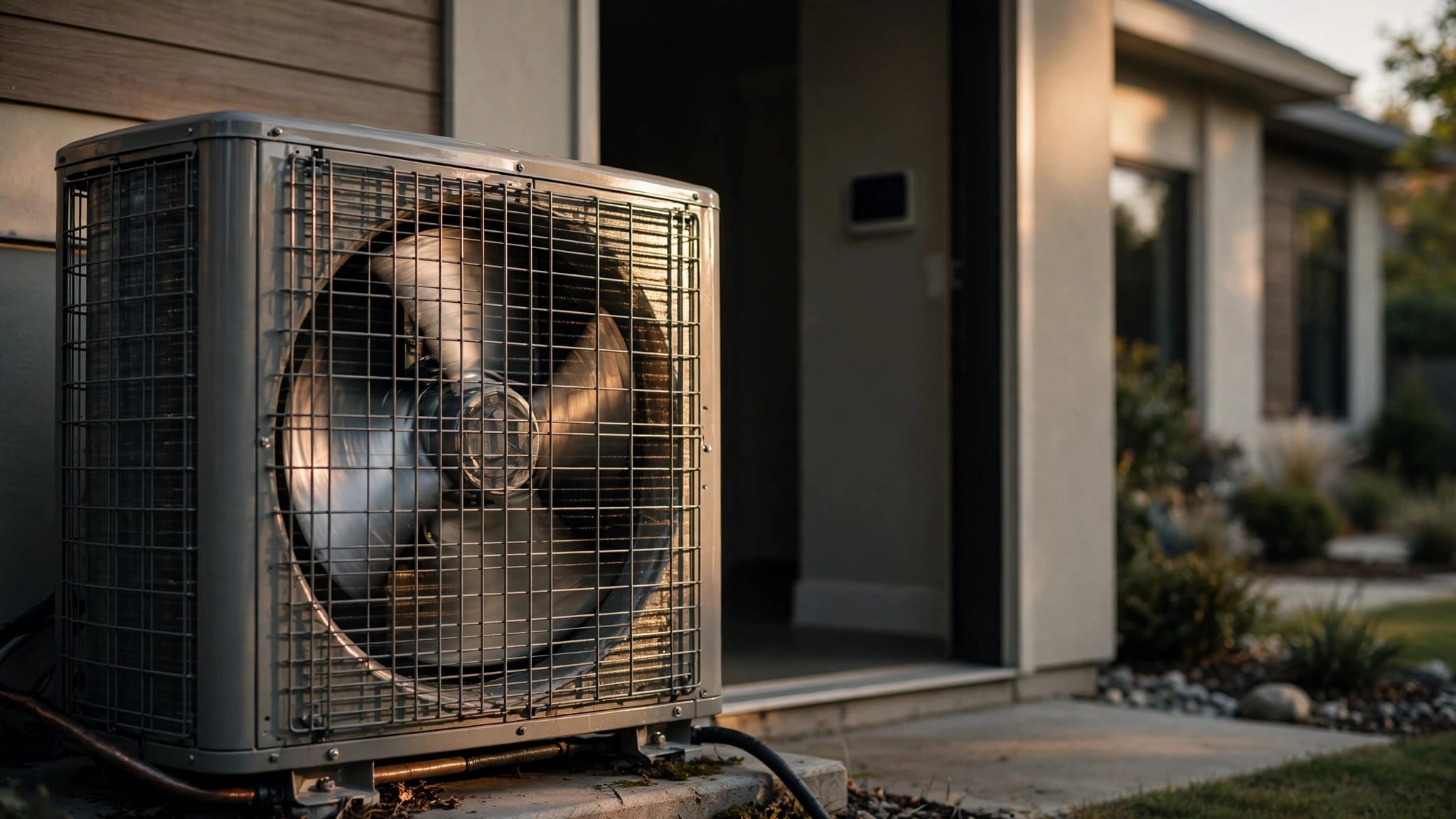
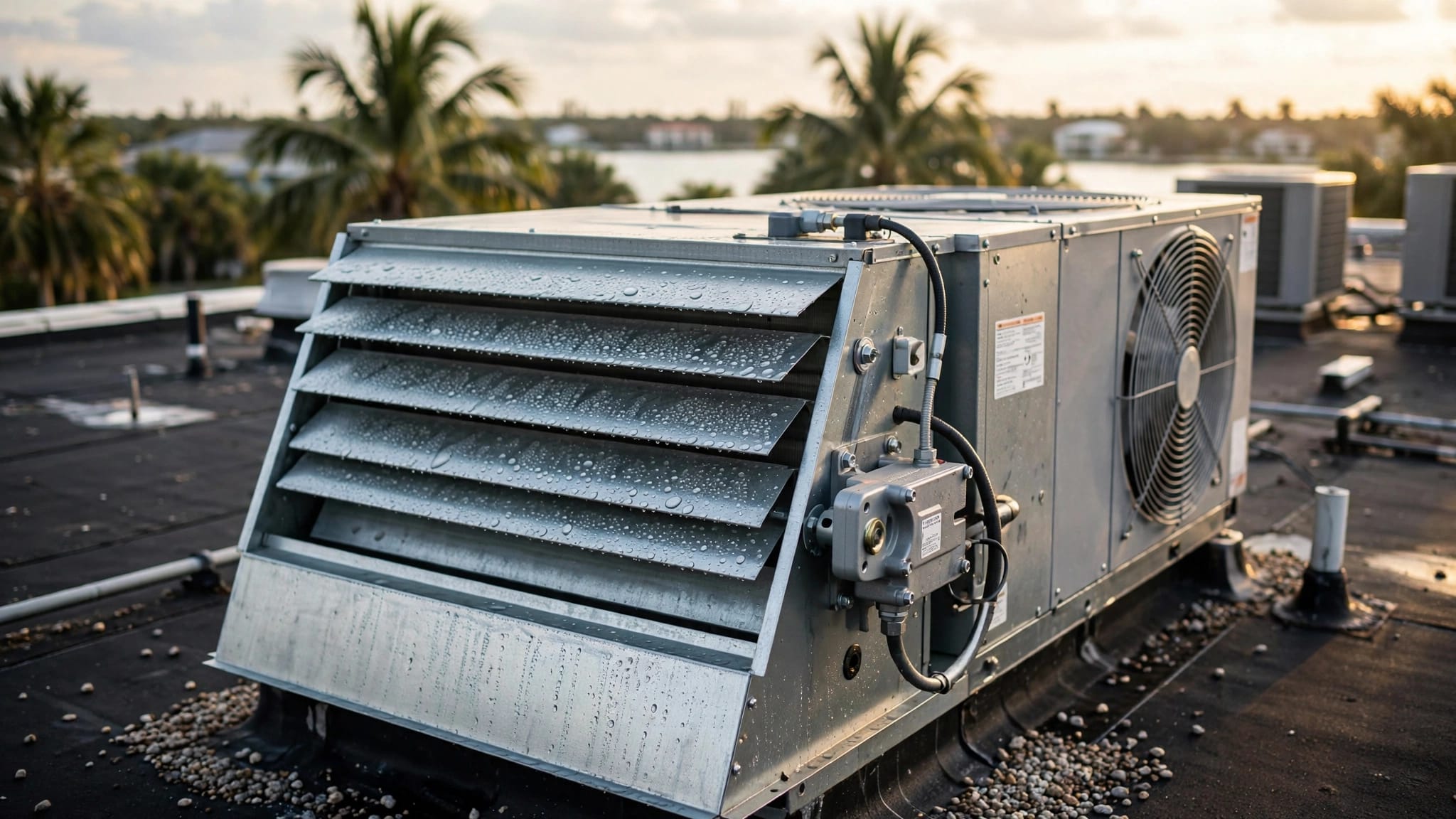
Cape Coral's intense summers put heavy demand on air conditioning systems. When an HVAC technician inspects your unit, they may find that the salt air near the Caloosahatchee River, local canals, and the Gulf coastline has accelerated corrosion around exposed copper, fittings, and insulation. Damaged insulation allows condensation to form on the suction line, which can stain surfaces or contribute to structural moisture damage.
Replacement becomes necessary when the line set shows signs of multiple leaks, severe corrosion, sharp kinks, crushed sections, or internal system contamination. An installer may also recommend a new line set during an AC replacement if the existing tubing is sized incorrectly or fails to meet the specific requirements of your new equipment manufacturer.
2026 AC Line Set Replacement Cost in Cape Coral
The following ranges provide a realistic planning estimate for the AC line set replacement cost in Cape Coral. Your final price depends on your home layout, the condition of your existing system, and the specific material costs and labor costs associated with your project.
| Service or installation condition | Typical 2026 planning range |
|---|---|
| Diagnostic visit and leak testing | $100 to $250 |
| Short, accessible line set, about 15 to 30 feet | $700 to $1,300 |
| Typical replacement, about 30 to 50 feet | $1,000 to $2,000 |
| Long or difficult route, about 50 to 100 feet | $1,800 to $3,500+ |
| Wall, ceiling, or finish repairs | $200 to $1,000+ |
| Line set replacement during full AC installation | Often priced as part of the complete system quote |
These figures generally include copper tubing, fittings, labor, refrigerant recovery, brazing, pressure testing, evacuation, and high-quality insulation materials. However, companies do not package services the same way. Always ask your contractor to state exactly what the quoted price includes to avoid confusion.
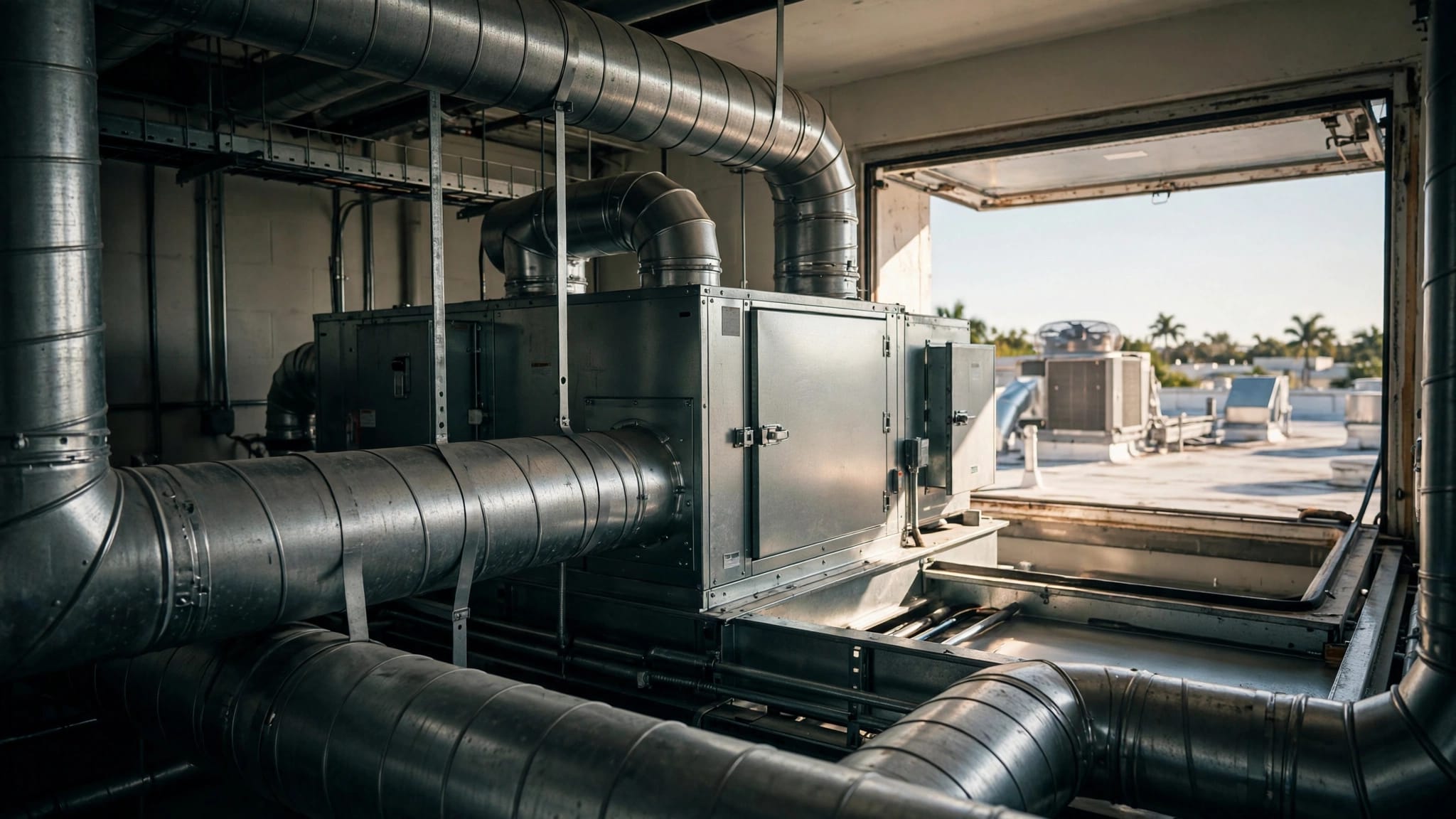
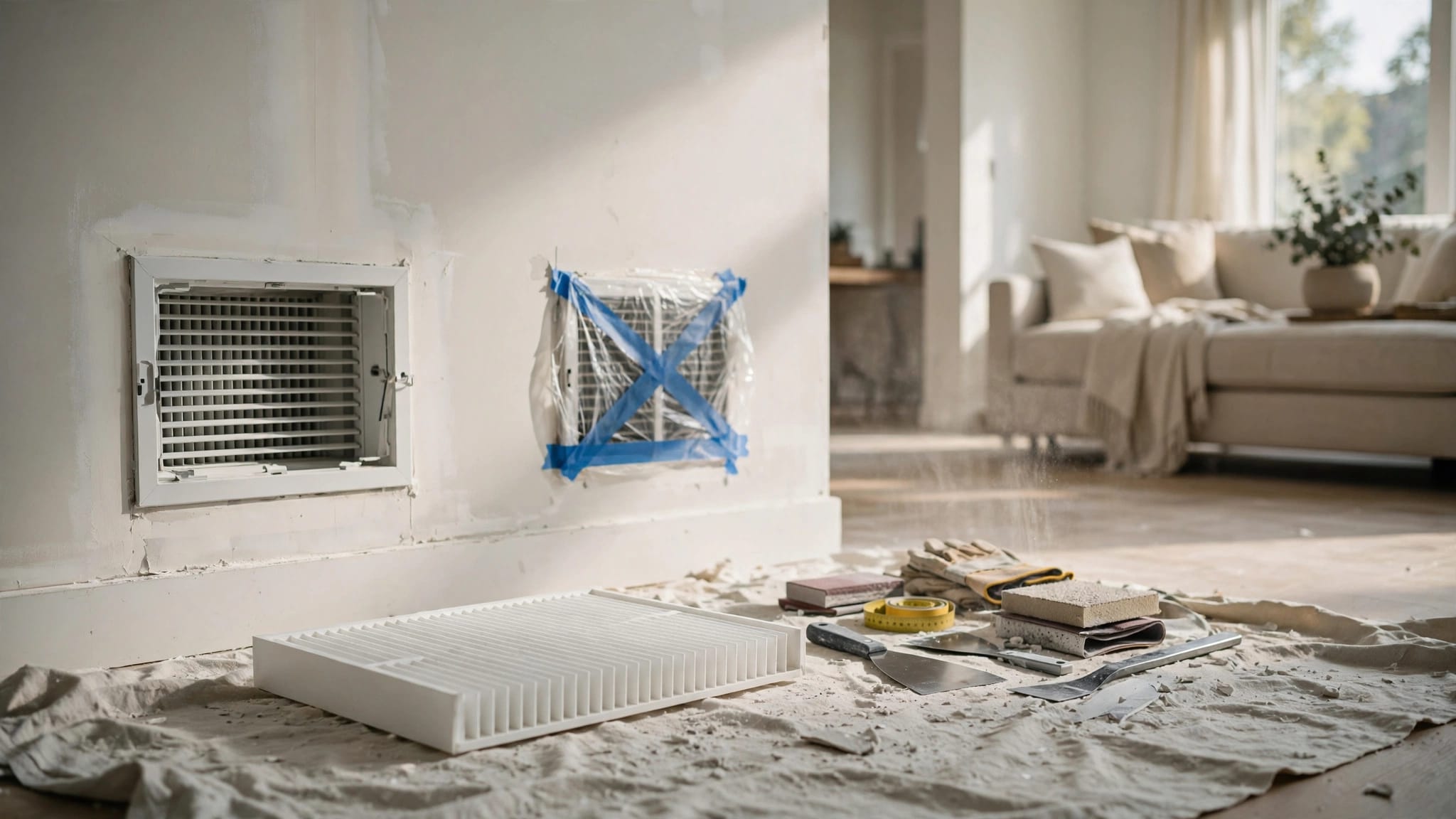
A replacement performed through an open attic is usually less expensive than one that requires cutting drywall, removing soffits, or accessing tight crawlspaces. A route that crosses multiple floors can also add to the final bill, even when the total tubing length seems modest.
The cheapest quote may exclude finishing work entirely. For example, an estimate might cover the copper installation but leave drywall repair, painting, electrical adjustments, or permit fees outside the stated price. Because accessibility plays such a major role in the final invoice, clarify whether the quote covers the full scope of work, including the restoration of walls or ceilings, to prevent an unpleasant surprise after the job begins.
What Changes the Price of a New Line Set?
Several variables determine your final AC line set replacement cost. Before a technician provides a firm price, they should inspect your specific HVAC system to account for these conditions.
Length and tubing size
Longer tubing requires more copper, insulation, supports, brazed joints, and labor. Larger air conditioning systems also need specific line diameters. Because the line set length affects refrigerant flow, the installer cannot price the job based on distance alone. A four-ton system may require different tubing diameters than a two-ton system to maintain proper performance.
The manufacturer's installation instructions set limits for maximum line length, vertical rise, and allowable refrigerant charge. If the path exceeds these requirements, the contractor may need to change the equipment location or redesign the installation to ensure proper function.
Access and routing
An exposed line set along an accessible attic path is relatively straightforward. However, finished walls, tile floors, built-in cabinets, low-clearance attics, and concrete construction require more time and protective measures. This is especially true if you are installing a mini split, where precise line routing is essential for both aesthetics and functionality.
Some homes have line sets hidden inside walls or under slabs. In these cases, the installer might create a new route instead of removing every inch of the old tubing. That choice can reduce demolition costs, though it may require surface-mounted covers, additional insulation, or a longer run.
Refrigerant and equipment compatibility
Refrigerant type affects the materials, procedures, and equipment involved. Older homes may use systems designed for R-22, while many modern systems use R-410A. New residential equipment manufactured under current federal regulations may use lower global warming potential options such as R-32 or R-454B.
The refrigerant currently in your system does not automatically determine whether the line set can stay. The manufacturer of your new equipment specifies approved tubing sizes, cleanliness standards, and installation procedures. Because proper brazing is critical to preventing leaks, a refrigerant change often makes replacing the lines the safest or required option. If an older system has a leaking line set and needs an expensive refrigerant charge, replacing the air conditioner may be more cost-effective than a repair.
Code requirements and repair complexity
Florida Building Code requirements, equipment specifications, and local permit rules dictate how the work is performed. To maintain high energy efficiency, the installer must carefully secure tubing, protect wall penetrations, and ensure all insulation is intact.
Strict attention to detail is required to preserve system efficiency and meet local inspection standards. If the system has moisture, acid, or debris contamination, the contractor may recommend a filter-drier change, a longer evacuation process, or additional cleanup before charging the system. These professional steps ensure the longevity of your cooling unit and help you get the most out of your investment.
Repair or Replace: Which Option Makes Sense?
When facing cooling issues, homeowners often weigh the pros and cons of replacement vs repair. A minor refrigerant leak at an accessible brazed joint may be repairable. In these cases, a qualified HVAC technician must locate the leak, recover the refrigerant properly, repair the joint, pressure test the system, evacuate the lines, and adjust the refrigerant charge to meet manufacturer specifications.
Replacement usually makes more sense when the copper tubing shows signs of corrosion in several areas, the leak location is hidden, the tubing is crushed, or the system has suffered repeated refrigerant loss. Attempting a patch can restore cooling for a short time, but often leads to failure when another weak section gives out.
Keeping an existing line set can be a reasonable choice during an equipment change when the tubing is clean, correctly sized, undamaged, and approved for the new HVAC system. This decision should be based on specific equipment requirements and inspection results rather than a standard rule that every line set must be replaced.
Ask for the professional's reasoning in writing. A useful estimate should identify the specific leak or defect, explain why repair or replacement is recommended, and state exactly what testing will follow the work.
A line set isn't ready for service after the copper is connected. The system still needs a pressure test, proper evacuation, and a verified refrigerant charge.
How to Compare Cape Coral HVAC Estimates
To ensure your system runs efficiently, you should always prioritize professional installation when comparing quotes. Get an itemized estimate from each contractor, as two totals can look different because one includes important steps that another leaves out.
Ask these questions before approving the work:
- What length and diameter of copper piping does the estimate include?
- Will the crew remove the old line set or abandon it safely in place?
- Does the price include refrigerant recovery, new refrigerant, brazing, nitrogen pressure testing, and system evacuation?
- Will the contractor install new insulation, supports, UV protection, and sealed wall penetrations?
- Are permits, disposal, drywall repair, and painting included?
- What warranty covers the materials, labor, and any refrigerant leaks?
- Will the contractor verify the final operating pressures, temperature split, and system performance?
A complete quote should describe the route, access points, equipment model, refrigerant type, and any work outside the line set itself. Be cautious when an estimate only says replace copper without listing specific procedures like pressure testing or system commissioning.
You should also confirm that the company carries the required licensing and insurance for the work. A low price has little value if the system leaks again because the installer skipped evacuation or used the wrong tubing size.
For a written estimate or service appointment, you can Contact Us with your home's system details and the symptoms you're seeing.
Protecting the Replacement Line Set
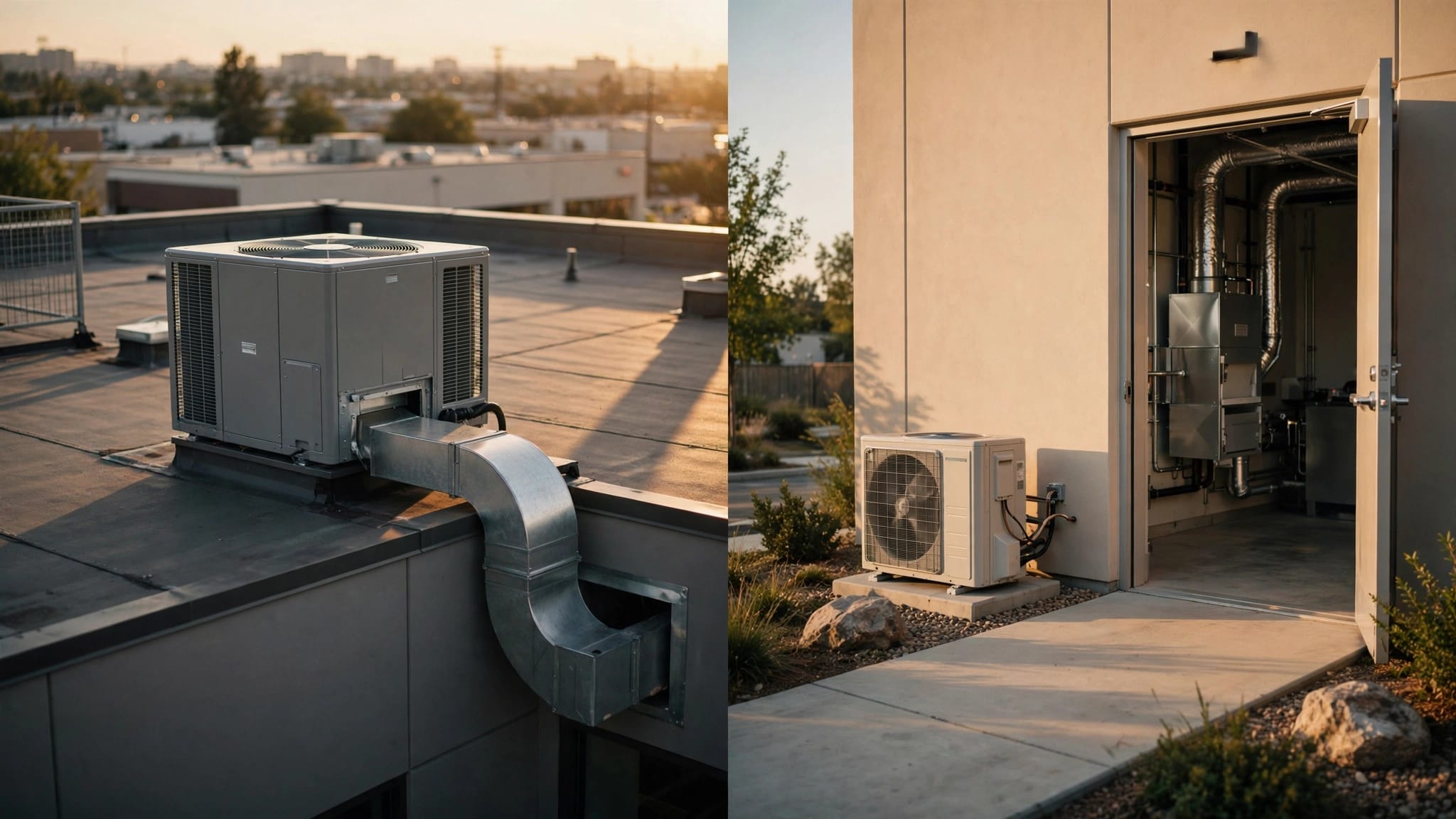
Proper installation is essential after the new copper is in place. The suction line requires continuous, high-quality insulation materials with tight, sealed joints to prevent energy loss. Any exposed insulation should be durable enough to resist sunlight and harsh weather, particularly along exterior walls, rooftops, or service areas.
The tubing should have solid support without sharp bends or crushed sections. Penetrations through walls and ceilings need to be sealed carefully to reduce air leakage and keep insects and moisture out. In coastal parts of Cape Coral, keeping copper and fittings away from standing water also helps limit corrosion, which is vital for maintaining long-term system efficiency.
Keep landscaping, stored items, and construction debris away from the outdoor service area. It is also wise to schedule regular AC maintenance. During these visits, a technician can inspect insulation, refrigerant performance, electrical components, and airflow. While this involves small maintenance costs, it is a proactive step that protects your investment and ensures your cooling system runs reliably before summer demand peaks.
Frequently Asked Questions
Is it always necessary to replace the line set when getting a new air conditioner?
Not always. If your existing tubing is the correct size, clean, undamaged, and compatible with the new equipment manufacturer's requirements, it may be kept. However, your technician must perform a thorough inspection to ensure the lines are free of contaminants and corrosion before deciding to reuse them.
Why does the cost vary so much for what seems like a simple pipe replacement?
The price is heavily influenced by how difficult it is to access the tubing path. Replacing lines that run through an open attic is significantly faster and cheaper than routing new copper through finished interior walls, crawlspaces, or concrete slabs where drywall repair and restoration are required.
How do I know if a refrigerant leak is in the line set or somewhere else?
A technician can perform a pressure test with nitrogen to pinpoint the location of the leak. If the leak is confirmed to be within the copper tubing due to corrosion, kinks, or physical damage, a line set replacement is usually the most reliable way to restore system integrity.
Does the quoted price typically include patching drywall or painting?
Usually, it does not unless explicitly stated in the scope of work. Most HVAC contractors focus on the refrigeration components, so you should clarify if the estimate covers "restoration services" or if you will need to hire a separate contractor to patch and paint walls once the new lines are installed.
Conclusion
For most Cape Coral homeowners, a realistic 2026 budget for AC line set replacement cost falls between $700 and $3,500 or more. The route, tubing size, access, refrigerant, system requirements, and related finish work determine where your project lands in that range.
A proper estimate should explain the failure, show the full scope, and include pressure testing and evacuation. When the first warning is warm air on a hot afternoon, a detailed quote helps you fix the problem without paying twice for incomplete work.