Florida AC systems don't get a mild season. They run through sticky mornings, blazing afternoons, and long stretches when the thermostat barely gets a break.
That is why SEER2 vs EER2 matters. SEER2 helps you judge seasonal efficiency, while EER2 shows how a system performs when the heat is high and steady. If you live in Florida, both numbers matter because your AC spends plenty of time handling humidity and peak summer load.
The right choice depends on how your home uses cooling, not just on the sticker on the box. The sections below make the comparison easier to read.
Key Takeaways
- SEER2 shows how efficiently an AC works across a cooling season, so it is the better number for typical operating cost.
- EER2 shows how efficiently a system performs under a fixed, heavy-load condition, which matters during Florida heat waves.
- Two systems can have similar SEER2 ratings and still perform differently on the hottest afternoons if their EER2 scores are not the same.
- In Florida, correct sizing, airflow, and humidity control matter as much as the efficiency label.
- The best choice usually balances seasonal savings, peak-day performance, and the way your home actually cools.
What SEER2 tells you about seasonal efficiency
SEER2 is the long-game number. It looks at how an AC system performs across a range of cooling conditions, not just one hot afternoon. That makes it useful in Florida, where your system spends months running, stopping, and starting again.
For homeowners, SEER2 is the better guide to typical energy use . It gives you a clearer picture of what the system may cost over an entire cooling season. If you are comparing replacement quotes, this is usually the first rating people notice.
Here is the fastest way to read the two ratings side by side.
| Rating | What it measures | Best use | Florida takeaway |
|---|---|---|---|
| SEER2 | Average efficiency across a cooling season | Estimating typical electric use | Helpful for comparing yearly operating cost |
| EER2 | Efficiency at one fixed, hot operating point | Judging peak-load performance | Helpful for brutal afternoon heat |
SEER2 matters because Florida cooling is not a one-day event. The air conditioner works hard for much of the year, so small efficiency gains can add up. A unit with a stronger SEER2 rating may trim your monthly bills in a way you can feel over time.
What EER2 shows when Florida heat peaks
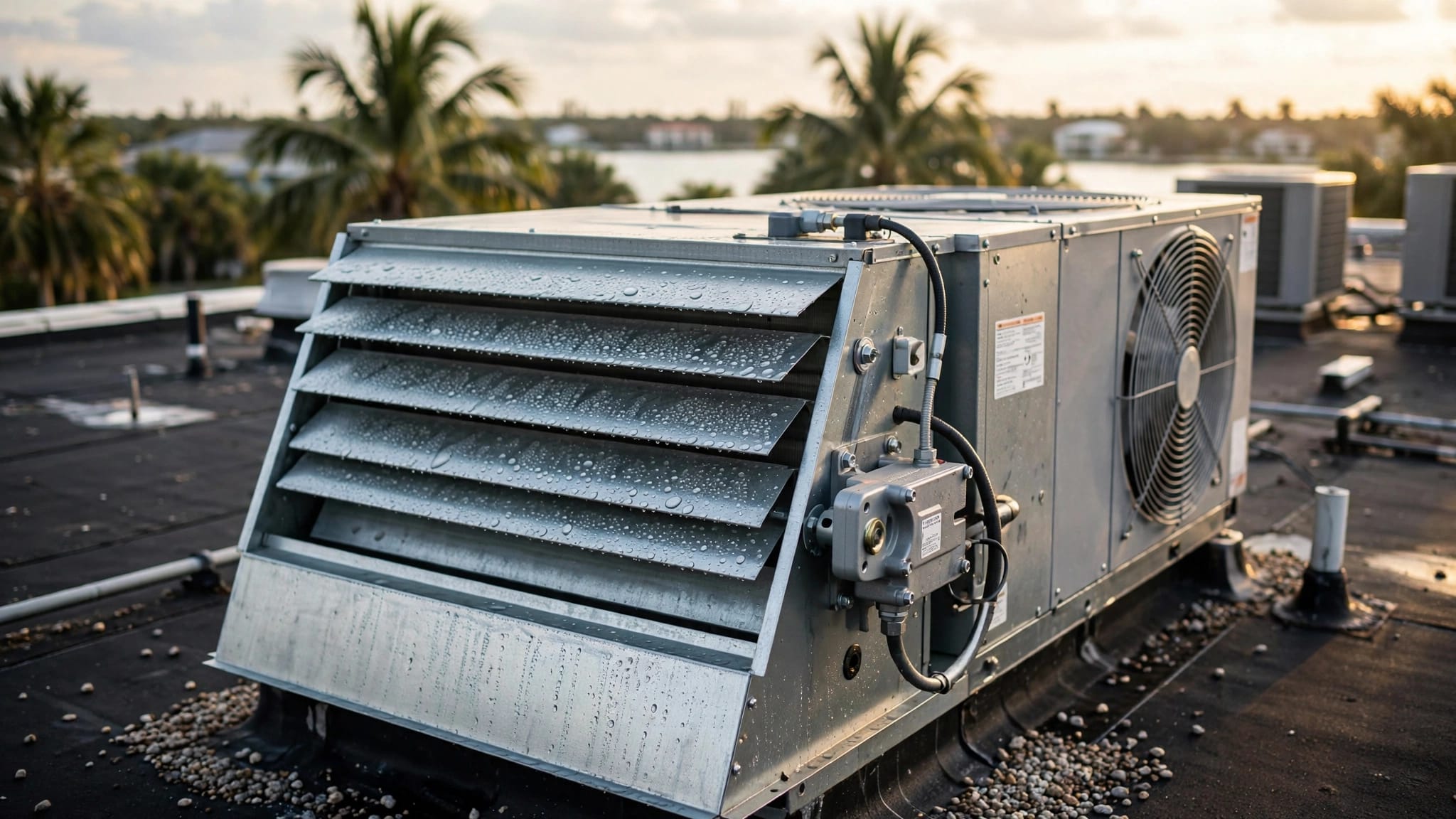
EER2 is the stress test. It measures efficiency at a fixed high-load condition, so it says more about what happens when the outdoor temperature is brutal and the compressor is working hard.
That matters in places like Cape Coral, Fort Myers, and Naples, where AC systems can run for hours during the hottest part of the day. If two units have similar SEER2 numbers, the one with the stronger EER2 can use less power when the weather is punishing.
A good example is two 16 SEER2 systems. One may post a stronger EER2 and hold the set temperature more comfortably during a long afternoon. The other may look just as good on paper, but draw more power when the sun beats down and the house load rises. The difference may not show up in mild weather, yet it can matter a lot in July and August.
That is why peak-day performance deserves attention. Florida homes do not cool in a vacuum. They fight roof heat, window sun, humidity, and long runtime. EER2 tells you how a unit handles that pressure.
Why Florida humidity makes both ratings matter
Humidity changes the picture. A Florida home can feel muggy even when the thermostat reads 74 degrees, because the air still holds too much moisture. When a system short-cycles, it cools fast and leaves moisture behind.
That is why choosing the right size AC unit matters as much as the efficiency label. A properly sized system runs long enough to remove moisture, and the efficiency ratings tell you how hard it works while doing it. If the unit is too large, it may shut off too quickly. If it is too small, it may never catch up on the hottest days.
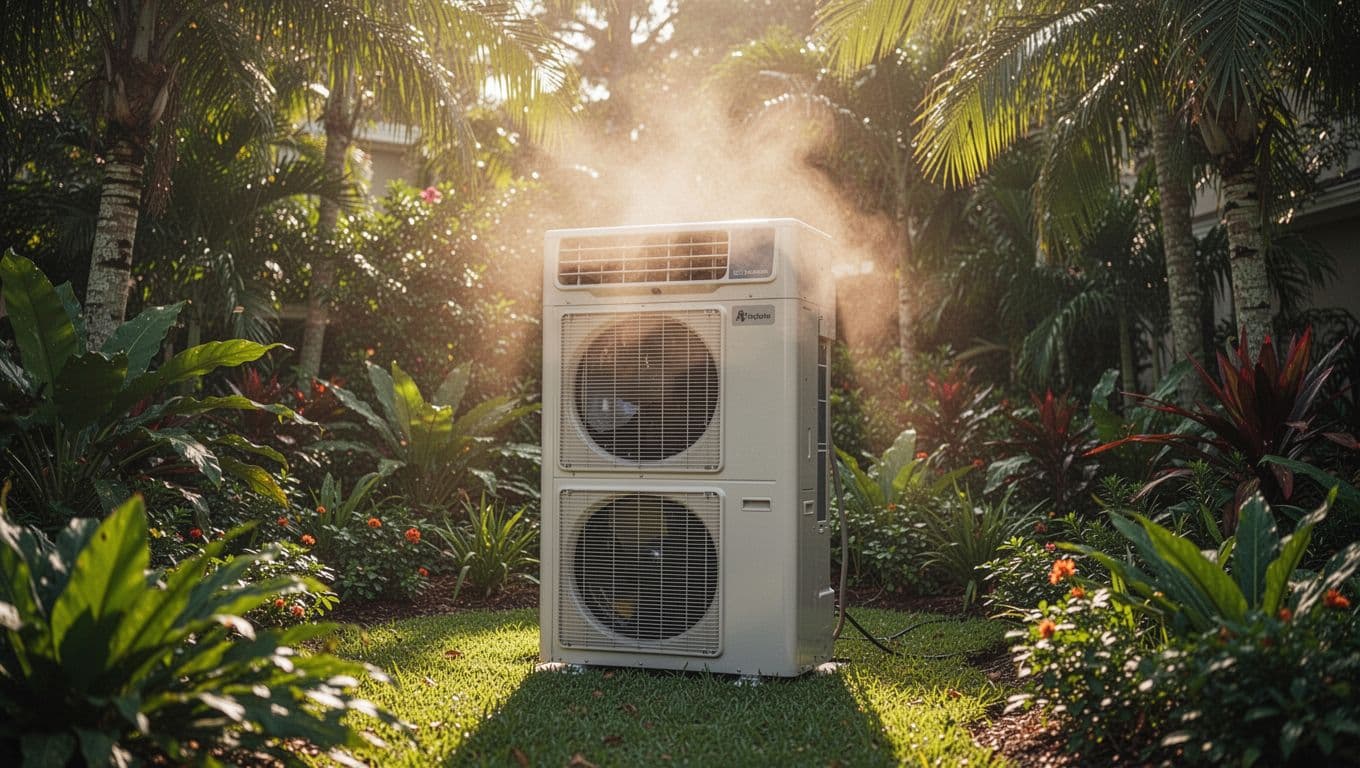
Routine AC tune-ups also protect real-world performance. Clean coils, clear drains, and steady airflow help the system keep both comfort and efficiency closer to what the specs promise. In Florida, a neglected system can lose comfort fast, even if the ratings looked strong at installation.
A high SEER2 score helps with the season, but a weak EER2 score can show up on the hottest afternoons.
When you add humidity to the mix, the goal is not just lower electric use. It is stable cooling, better moisture removal, and fewer hot spots in the house. That is where rating labels, sizing, and maintenance all meet.
How to compare two systems with similar SEER2
When two systems post similar SEER2 numbers, look beyond the headline figure. Compare EER2 first, then ask about compressor staging, blower control, and how the system matches your home's load. Two units can share the same seasonal score and still feel different on a 96-degree afternoon.
If you are budgeting for a replacement, AC installation cost estimates can help you weigh the upfront price against long-term energy use. A higher-performing unit sometimes costs more at the start, but the difference may pay off during the months when your AC runs the hardest.
Ductwork matters too. Leaky ducts or weak airflow can erase part of the benefit, even on a good system. A well-rated unit should work with the rest of the house, not fight it. If the air cannot move cleanly through the home, the best efficiency rating in the world will not deliver the comfort you expect.
When you compare options, ask these simple questions:
- Does the unit have a stronger EER2 rating, not just a strong SEER2 number?
- Is the size right for the home, or is it being used to cover up a bad fit?
- Will the system control humidity well during long summer runtimes?
- Do the ducts and airflow support the equipment you are buying?
Those questions keep the comparison grounded in real Florida conditions instead of sales talk.
Which number should guide your purchase?
For most Florida homeowners, SEER2 should lead the conversation because it affects seasonal operating cost. EER2 should be the tie-breaker when your home gets hard sun exposure, you keep the thermostat low, or your AC runs nearly all day.
If you live in a home that heats up fast after lunch, EER2 deserves more weight. If you want the best read on annual electricity use, SEER2 matters more. Most homeowners need both, because Florida cooling is about more than one number on a spec sheet.
The best purchase is the one that balances both ratings with the right size, solid airflow, and a home layout that supports even cooling. If you want help comparing replacement options for your home, Contact Us for 24/7 service and to schedule a service call.
Conclusion
SEER2 tells you what the system should do across the cooling season. EER2 tells you what it can do when Florida heat pushes it hardest. In a humid climate, that difference shows up in comfort, runtime, and your electric bill.
Start with the right size, compare both ratings, and look at how the system will behave on the hottest afternoon, not just on the sales sheet. That is the clearest way to choose an AC that fits a Florida home.