A sudden power surge can knock out an AC control board faster than most homeowners expect, and the repair bill is usually the painful part. The AC surge protector cost in Cape Coral is much lower, which is why many homeowners add one before storm season heats up.
In Southwest Florida, lightning, utility blips, and quick voltage swings are part of summer life. If you're budgeting for a new protector, the real questions are where it will be installed and how much work the electrician has to do. The price makes more sense once you break it into parts.
What Cape Coral homeowners pay in 2026
Most standalone AC surge protector installs in Cape Coral run from $75 to $200 in 2026. If the job is paired with disconnect work, the price often lands around $150 to $300 . A separate visit can push the bill near $300 to $330 , because the service call minimum matters as much as the part.
| Situation | Typical 2026 cost in Cape Coral | What it usually includes |
|---|---|---|
| Standalone AC surge protector | $75 to $200 | Device plus a simple install |
| Added during disconnect work | $150 to $300 | Lower labor cost while the tech is already on site |
| Separate trip for one small job | $300 to $330 | Minimum service charge and labor |
| Whole-home surge protection | $400 to $1,000 | Protection at the main panel for the entire house |
The part itself is cheap, usually $15 to $80 . Labor, travel time, and access drive most of the total. If the electrician is already at your home for other work, the bill usually stays closer to the low end.
Why some quotes are higher than others
Four things shape the final quote more than anything else.
- Panel access matters because a clear, easy-to-reach disconnect saves time. Tight attics, crowded closets, and blocked outdoor units slow the job down.
- Electrical condition matters too. Older wiring, damaged boxes, or missing space in the panel can add labor.
- Protector type changes the price. Basic models cost less than higher-rated units built for newer equipment.
- Trip charges can make a simple install look expensive if it needs a separate visit.
If your project needs a permit or inspection, ask whether that cost is included. Some quotes cover it, while others leave it out. That is how two homeowners on the same street can get very different numbers.
A clean install with good access is one thing. A cramped air handler, an older panel, or a long service call is another.
Where the protector gets mounted changes the job
The same device can cost more or less depending on where it goes. A surge protector at the disconnect is often the easiest install. Work near the condenser or air handler can take longer. A main panel setup can feel closer to whole-home protection.
At the disconnect
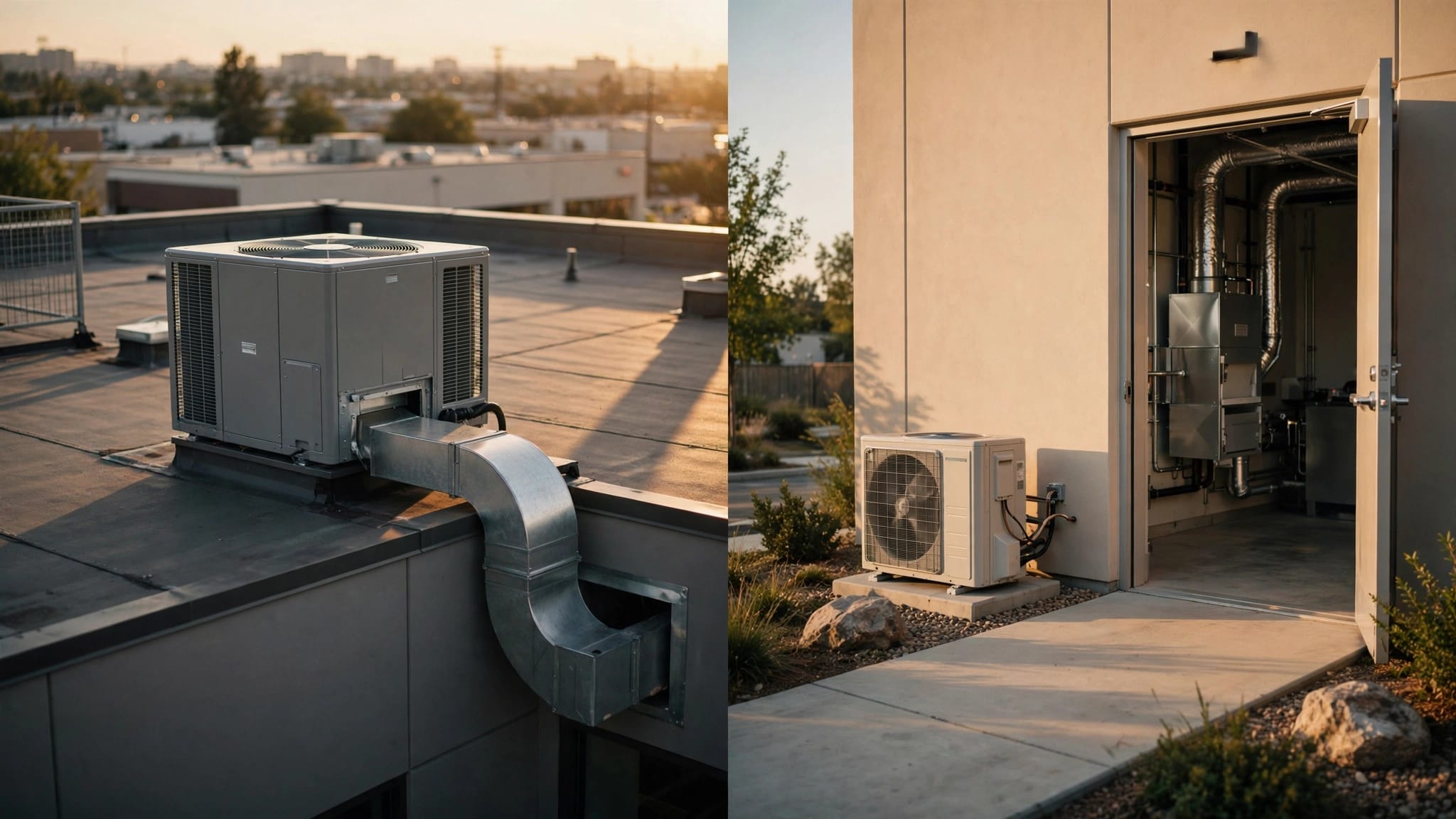
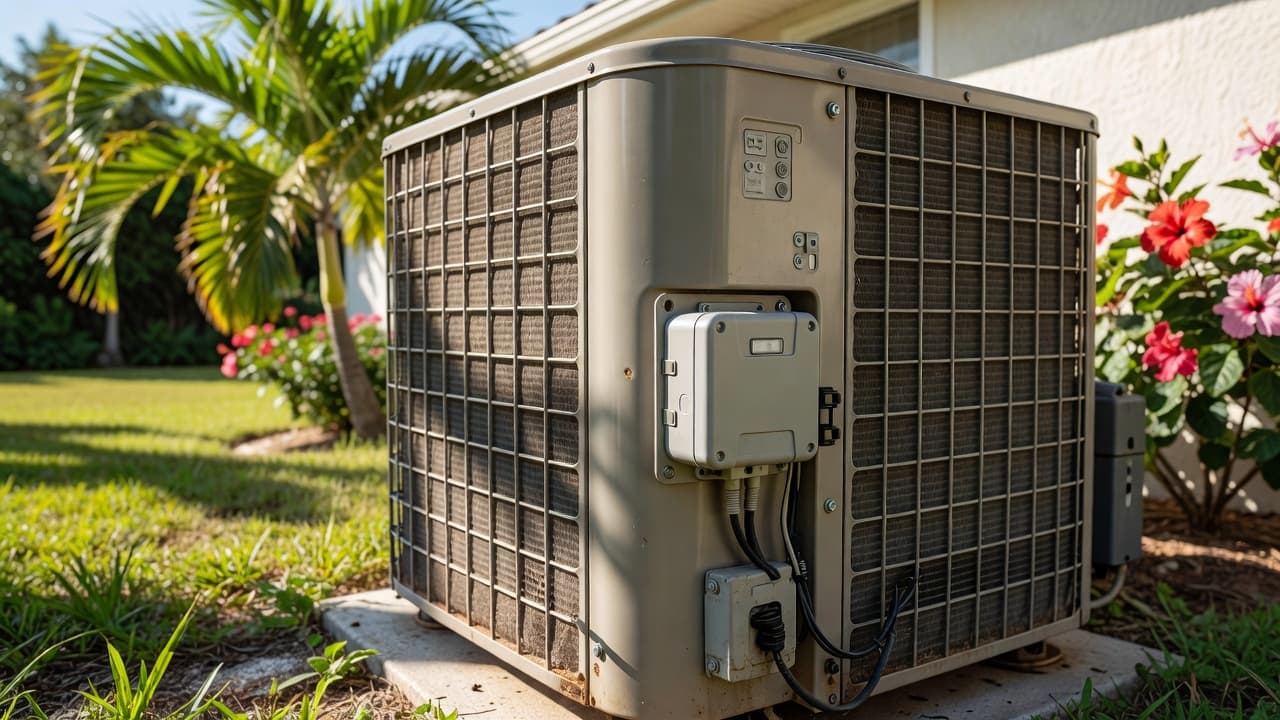
Many Cape Coral AC surge protectors are mounted at or near the outdoor disconnect. This is often the cheapest place to install one because the electrician is already working at the AC equipment. When access is easy, the labor stays close to the low end of the range.
At the condenser
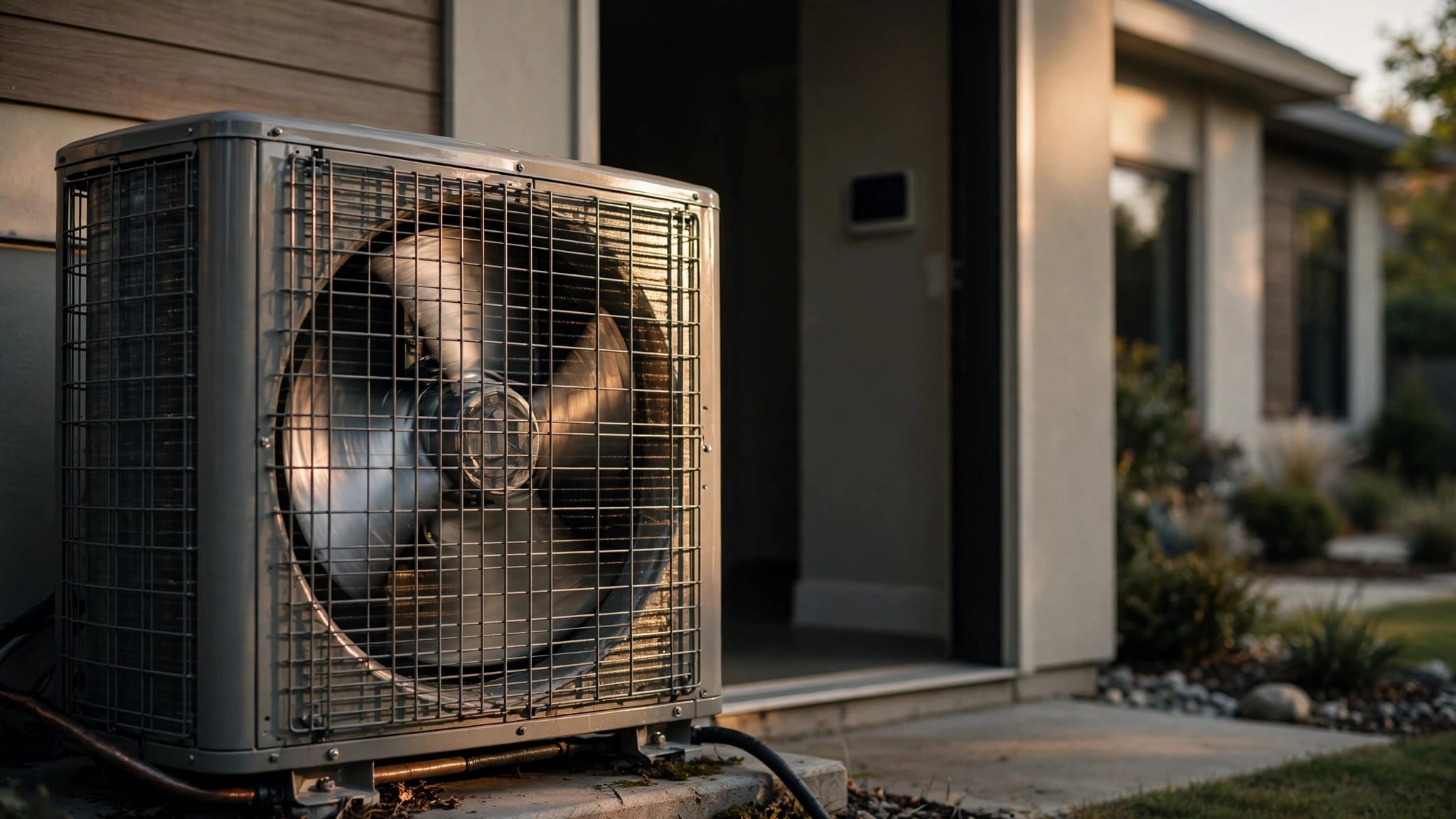
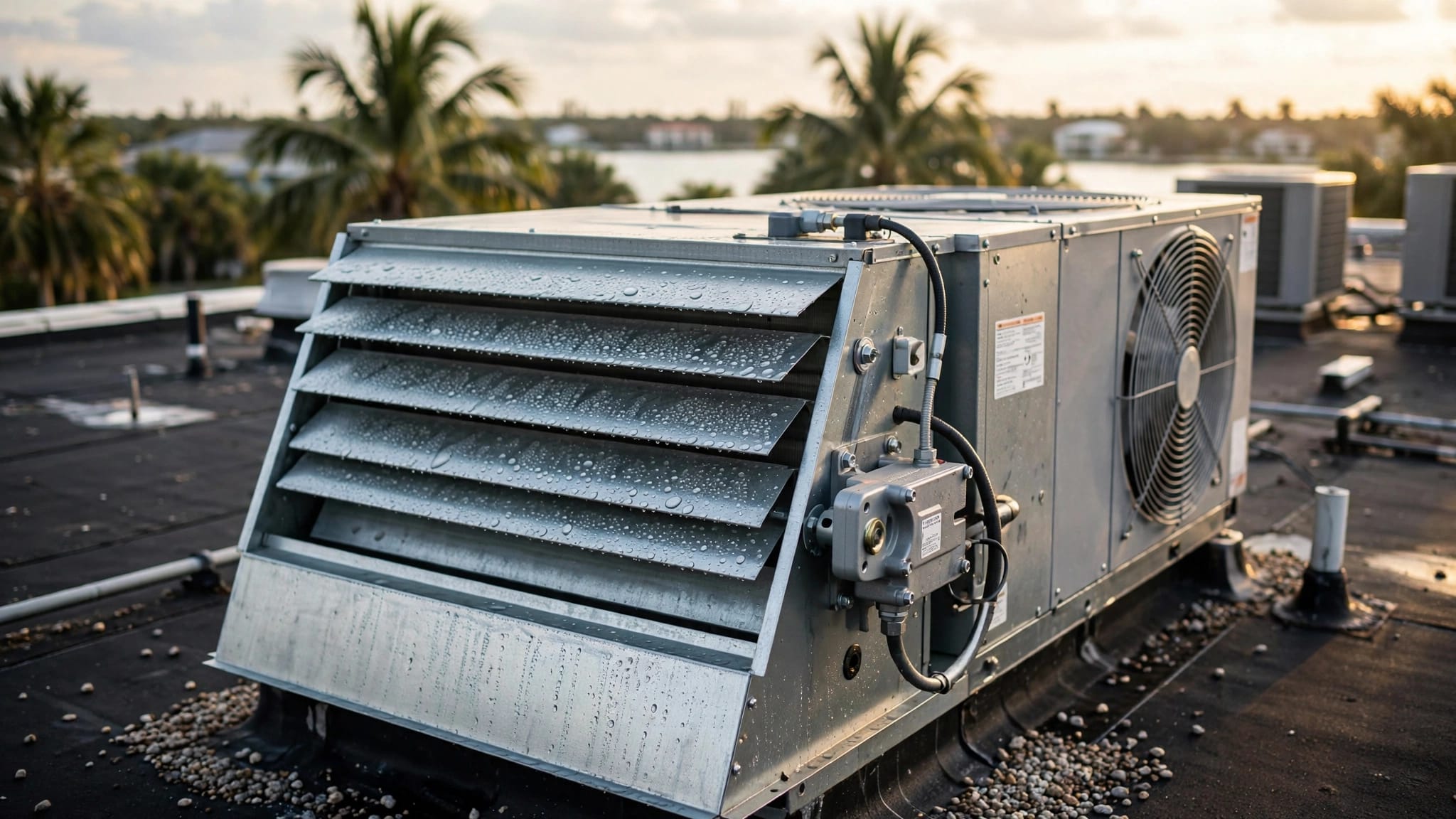
Mounting at the condenser can take a little more time, especially if the unit sits in a tight side yard or needs weatherproof routing. The added seal and wiring work can raise the price slightly. Still, this location gives the outdoor unit its own layer of defense.
At the air handler
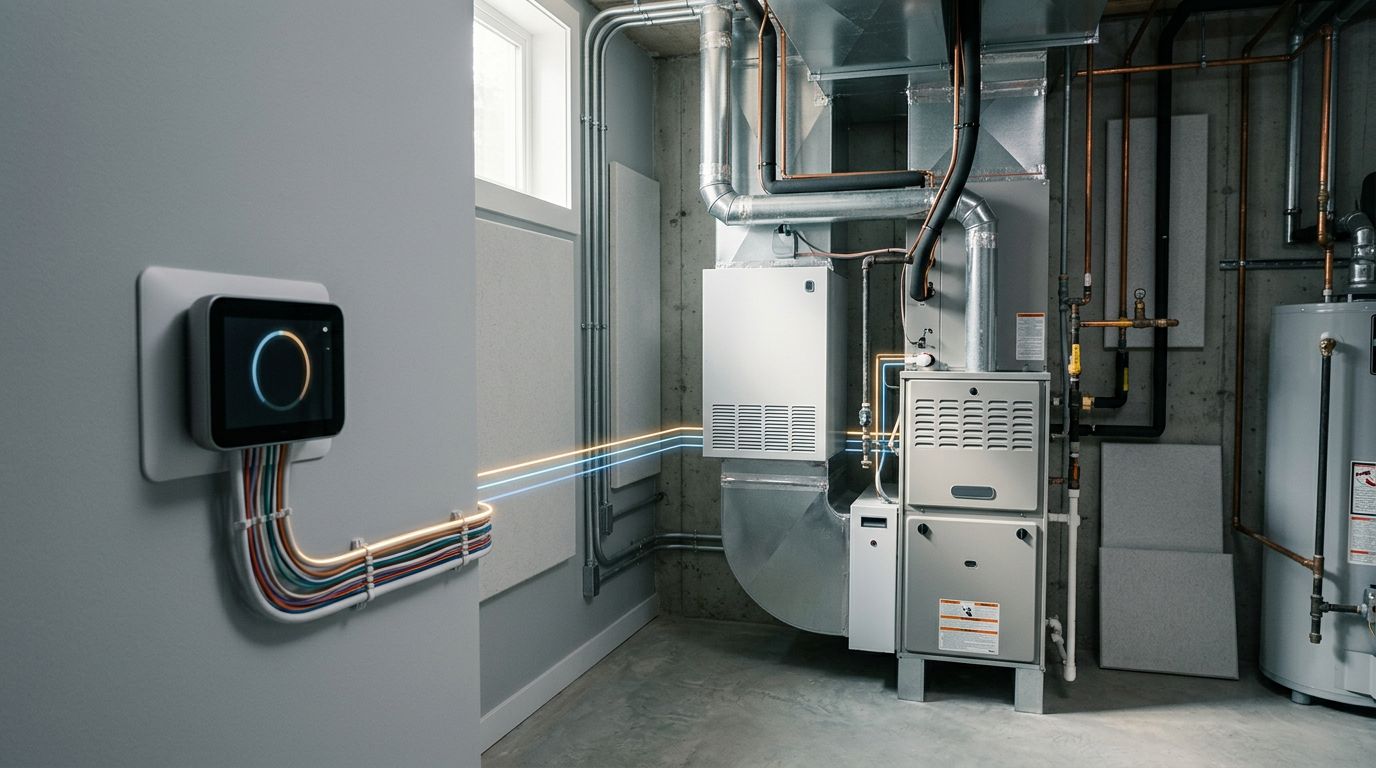
Air handler installs often happen in attics, closets, or laundry areas. Those spaces can be hotter, tighter, and slower to work in, so the bill often climbs. If the unit is hard to reach, that extra labor shows up fast.
At the main panel
A main panel install may protect the AC circuit from the house side, but it can involve more panel work. That is where the quote can start to look more like a whole-home protection job. If your electrical setup is crowded, expect the top end of the range.
Whole-home protection vs AC-only protection
Whole-home surge protection costs more, usually $400 to $1,000 , because it shields the entire electrical panel. An AC-only device costs less and focuses on one expensive system. In Cape Coral, both can make sense.
Whole-home protection is a broad first layer. A dedicated AC protector gives the cooling system its own defense.
That matters in Southwest Florida, where lightning and short utility dips can happen in the same week. A whole-home unit can catch many spikes before they reach appliances. A dedicated AC protector adds another layer for parts that are costly to replace.
If your system uses inverter technology or expensive controls, the dedicated protector becomes easier to justify. Older, simpler systems may not need the extra layer as urgently, but many homeowners still choose it for peace of mind.
If you're already planning comprehensive HVAC services in Cape Coral, adding surge protection is often easier than bringing someone back later.
When bundling the install saves money
Bundling is where homeowners often get the best value. If you're already scheduling AC installation and maintenance, adding a protector usually costs less than booking a second visit. The same goes for a disconnect swap, condenser replacement, or repair call.
That is when the AC surge protector cost usually stays near the lower end. The electrician or HVAC tech is already there, the wiring is open, and the trip fee is already built into the visit.
If you want a price tied to your panel, your condenser, and your access points, Contact Us to schedule a service call.
The bottom line for Cape Coral homeowners
A small AC surge protector can protect a system that costs thousands to replace. In Cape Coral, the install price is usually modest, but the final number depends on access, electrical layout, device type, and where the protector is mounted.
That matters even more during storm season. When lightning rolls through and the power flickers, a little protection can go a long way.
FAQ About AC Surge Protector Costs
Is an AC surge protector required?
Usually no, but it is a smart add-on. Homes in Cape Coral deal with storms, lightning, and power swings, so many homeowners choose one to lower the risk of board damage.
How long does an AC surge protector last?
Most units last for years, but a strong surge can wear one out sooner. Many models have an indicator light, and the device should be checked during regular HVAC service.
Is whole-home surge protection enough for an AC system?
It helps a lot, but a dedicated AC protector gives the cooling system its own layer of defense. For many homes, that extra layer is worth the small added cost.
Should I bundle the install with other electrical or HVAC work?
Yes, if you can. Bundling often cuts trip charges and keeps the install near the lower end of the range. It also makes sense during repair, replacement, or disconnect work.