Closing a vent in a spare room feels like an easy way to trim a utility bill. After all, why spend money heating or cooling a room no one is using?
In most modern forced-air systems, though, fully closing vents in unused rooms is usually not the best move. The answer depends on the duct layout, whether your home has zoning, and which vents you are talking about.
A few simple changes often work better, and they put less strain on the system.
Why closing vents feels like a smart shortcut
When a room sits empty, it makes sense to want to stop sending conditioned air there. The logic sounds clean, and sometimes it even seems to work for a day or two.
The problem is that your HVAC system was designed to move a certain amount of air. When you close too many supply vents, pressure can build in the ductwork. That can create noise, weaker airflow, and comfort problems in other parts of the house.
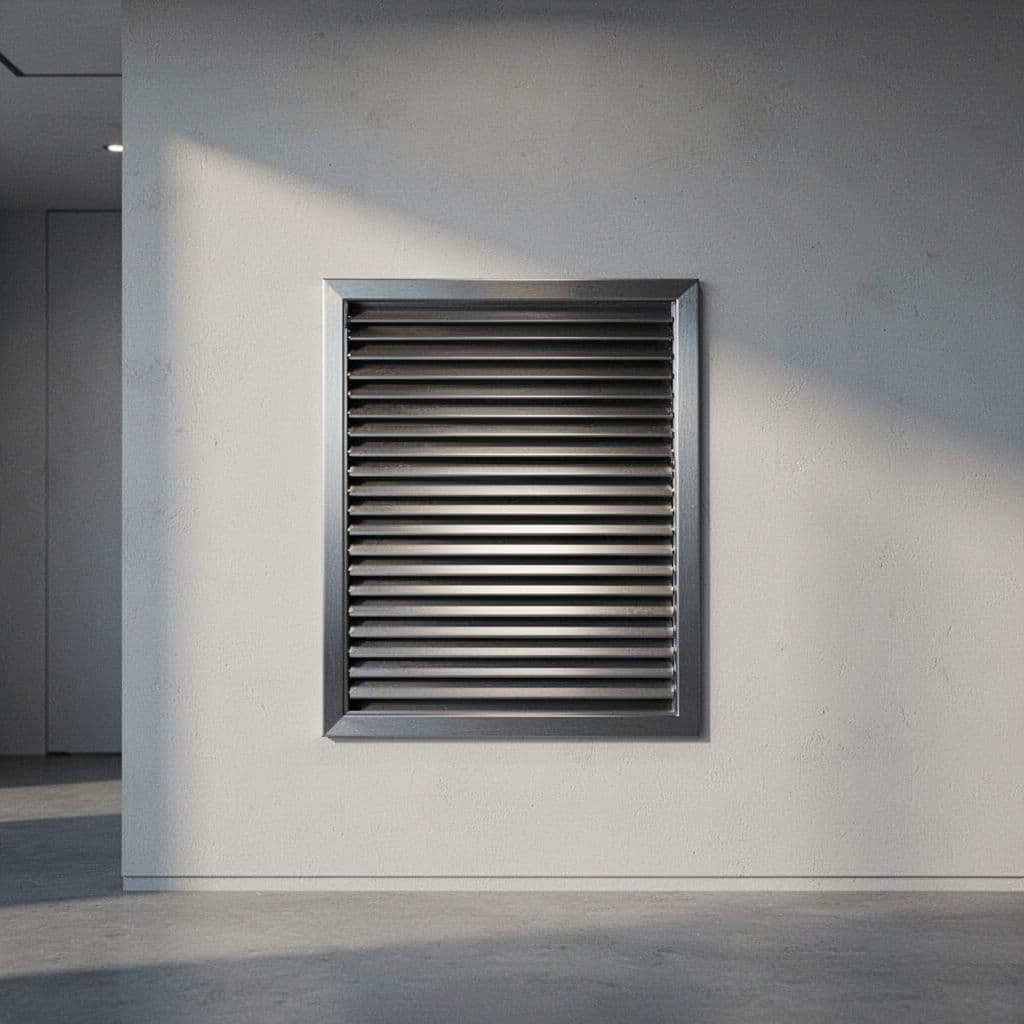
If a room feels wasteful to condition, the vent is often a symptom, not the real problem.
A bedroom that runs hot, for example, may need better insulation, a duct check, or a thermostat adjustment. Closing the vent only covers up the issue for a while.
Supply vents and return vents do different jobs
A lot of homeowners use "vent" as a catch-all term, but supply vents and return vents do not do the same thing. That difference matters.
Here is a simple breakdown:
| Vent type | What it does | Should you block it? |
|---|---|---|
| Supply vent | Sends heated or cooled air into a room | Usually not fully, unless a pro says it fits your system |
| Return vent | Pulls air back to the HVAC system | No, keep it open and clear |
Supply vents push air out. Return vents pull air back in so the system can keep moving air through the home. If you block a return vent with furniture, a curtain, or storage boxes, airflow drops fast.
That can make the system work harder than it should. It can also leave rooms stuffy and unbalanced. If you want to close vents unused rooms, focus on supply vents first, and leave return vents alone.
When closing a vent can cause trouble
A few vents closed for a short time may not trigger a dramatic problem, but a pattern of closed vents often does. The signs are easy to miss at first.
Watch for these issues:
- Whistling or rattling sounds near the vents or ducts
- Rooms that feel less comfortable after you close one or more vents
- Dust blowing from other registers more than usual
- Longer run times or more frequent cycling
- A system that seems louder than it used to be
If you notice those changes, opening the vents back up is the first step. The next step is to figure out why the room feels off in the first place.
Some homes have duct runs that are already tight, long, or poorly balanced. In those homes, closing vents can make the whole system harder to manage. In other homes, especially those with zoning, the results may be different because the system was built to control airflow by area.
The key point is simple. Closing a vent should not be your main energy-saving strategy.
Better ways to save energy in empty rooms
If the goal is lower bills, there are better places to start. These fixes help the whole house, not just one room.
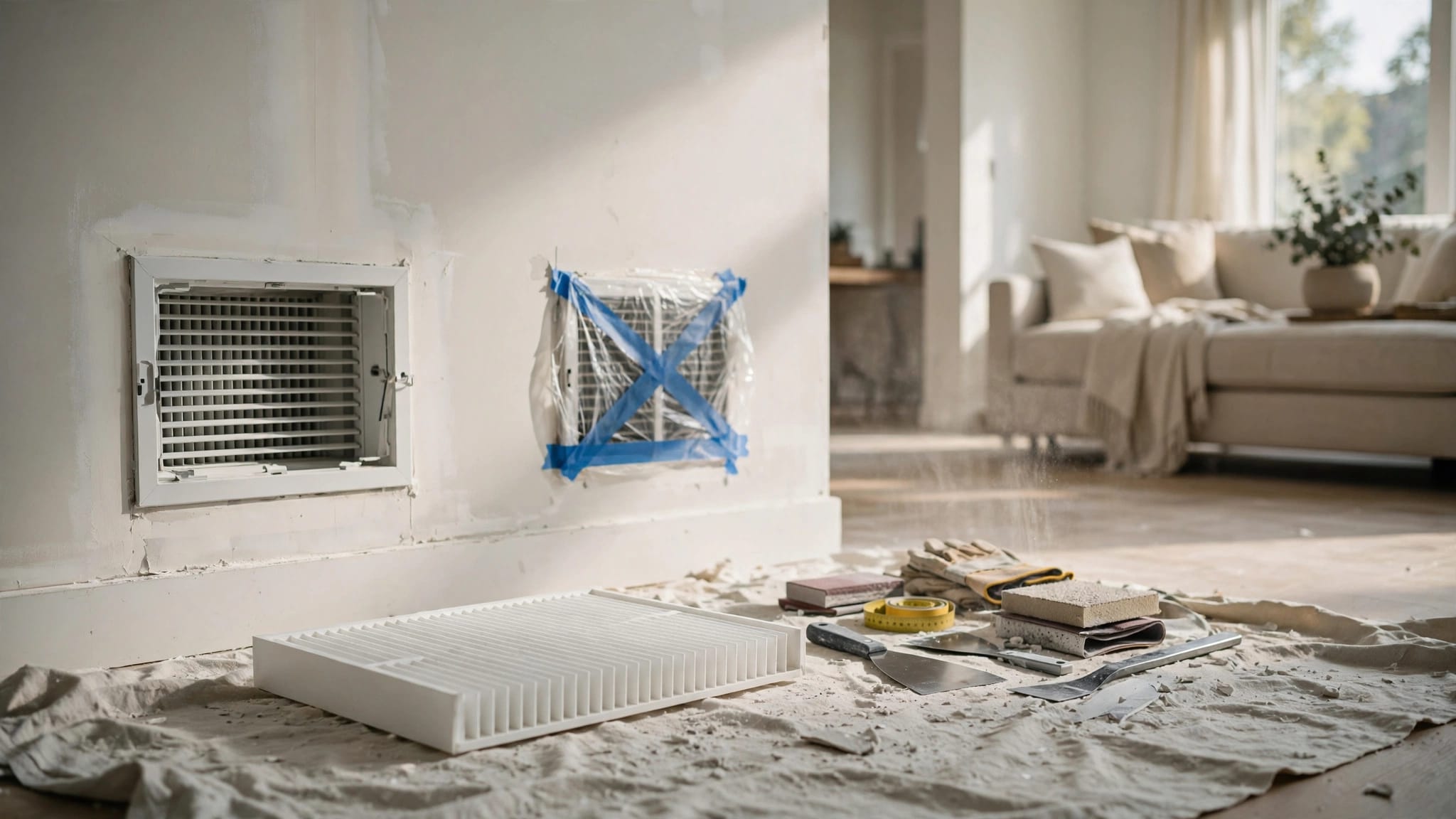
- Seal duct leaks so conditioned air reaches the rooms you actually use.
- Use a programmable thermostat so the system runs less when the house is empty.
- Improve insulation in rooms that heat up or cool down too fast.
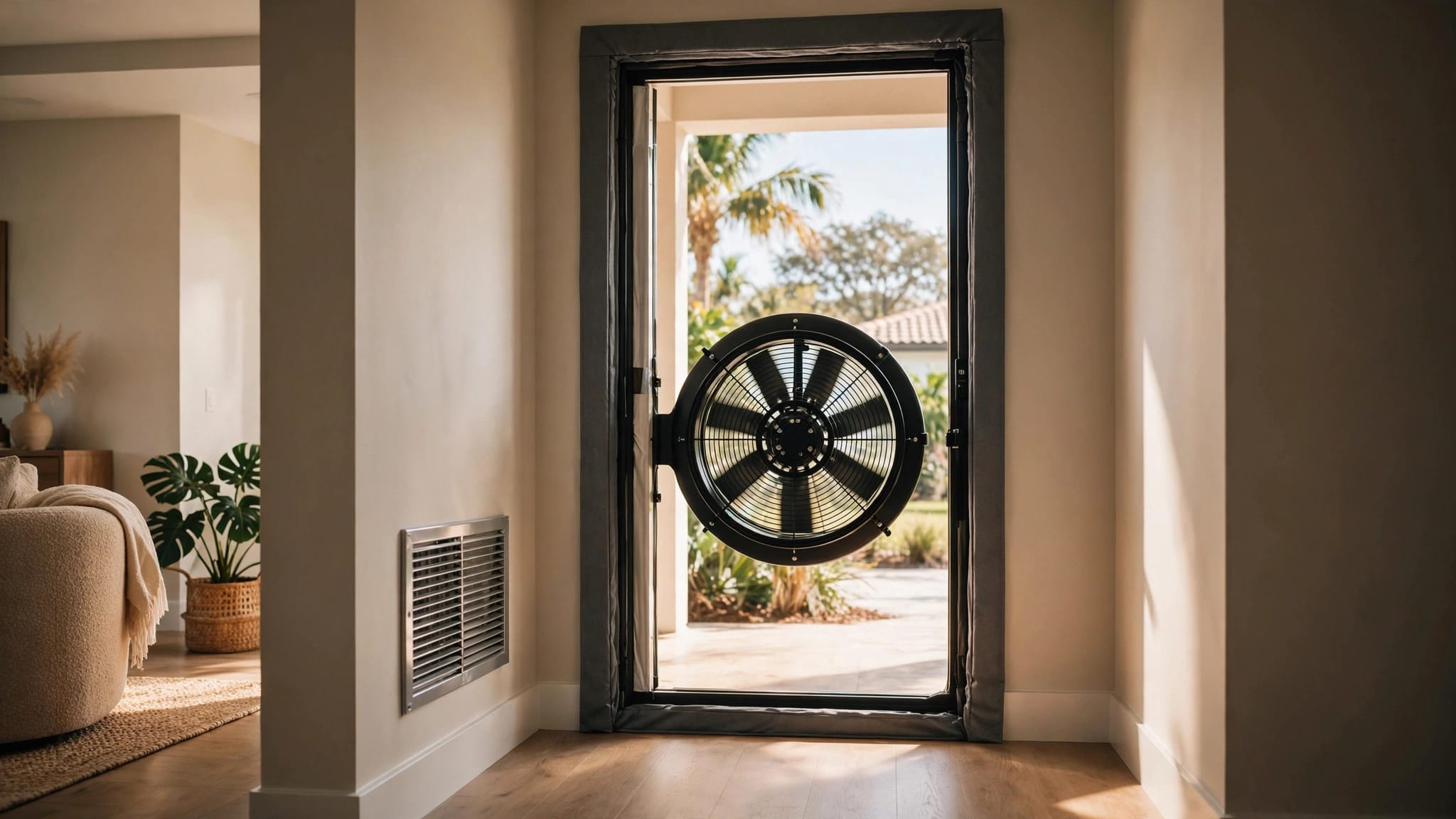
- Add weatherstripping around doors and windows to stop air leaks.
- Keep furniture, rugs, and storage away from return vents and supply registers.
Those steps usually do more than shutting a register ever will. They also make the comfort level more even from room to room.
Regular maintenance helps too. A technician can spot weak airflow, dirty coils, or duct problems before they turn into bigger issues. If you want ongoing care, HVAC maintenance agreement plans can make routine service easier to keep up with.
If one room still stays stubbornly hot or cold, the right answer may be balancing or zoning, not more vent closing. In that case, an HVAC professional can check the ductwork, look at airflow, and tell you whether the system can be adjusted safely. If you want a service call, Contact Us to schedule one.
When closing vents may fit a specific system
There are a few situations where partial vent closure can work, but they are the exception, not the rule. Homes with true zoning systems are designed to control different areas separately. In those systems, dampers and thermostats help direct airflow where it belongs.
Even then, it helps to be careful. A vent that stays shut all season is not the same as one you close for a short stretch during a mild week. The size of the duct, the number of registers, the blower strength, and the return layout all affect the result.
If your system only feels comfortable when several vents are shut, that usually points to a bigger issue. The home may need better duct balancing, insulation work, or a zoning upgrade.
Conclusion
For most modern forced-air systems, fully closing vents in unused rooms is not the best long-term fix. It can create pressure problems, uneven comfort, and extra wear on the equipment.
Keep return vents open, leave supply vents alone unless the system can handle adjustments, and focus on fixes that improve the whole house. Sealing leaks, upgrading insulation, using a programmable thermostat, and checking airflow will usually save more energy than shutting a register ever will.
If a room still feels wrong after those basics, the system needs a closer look, not more closed vents.