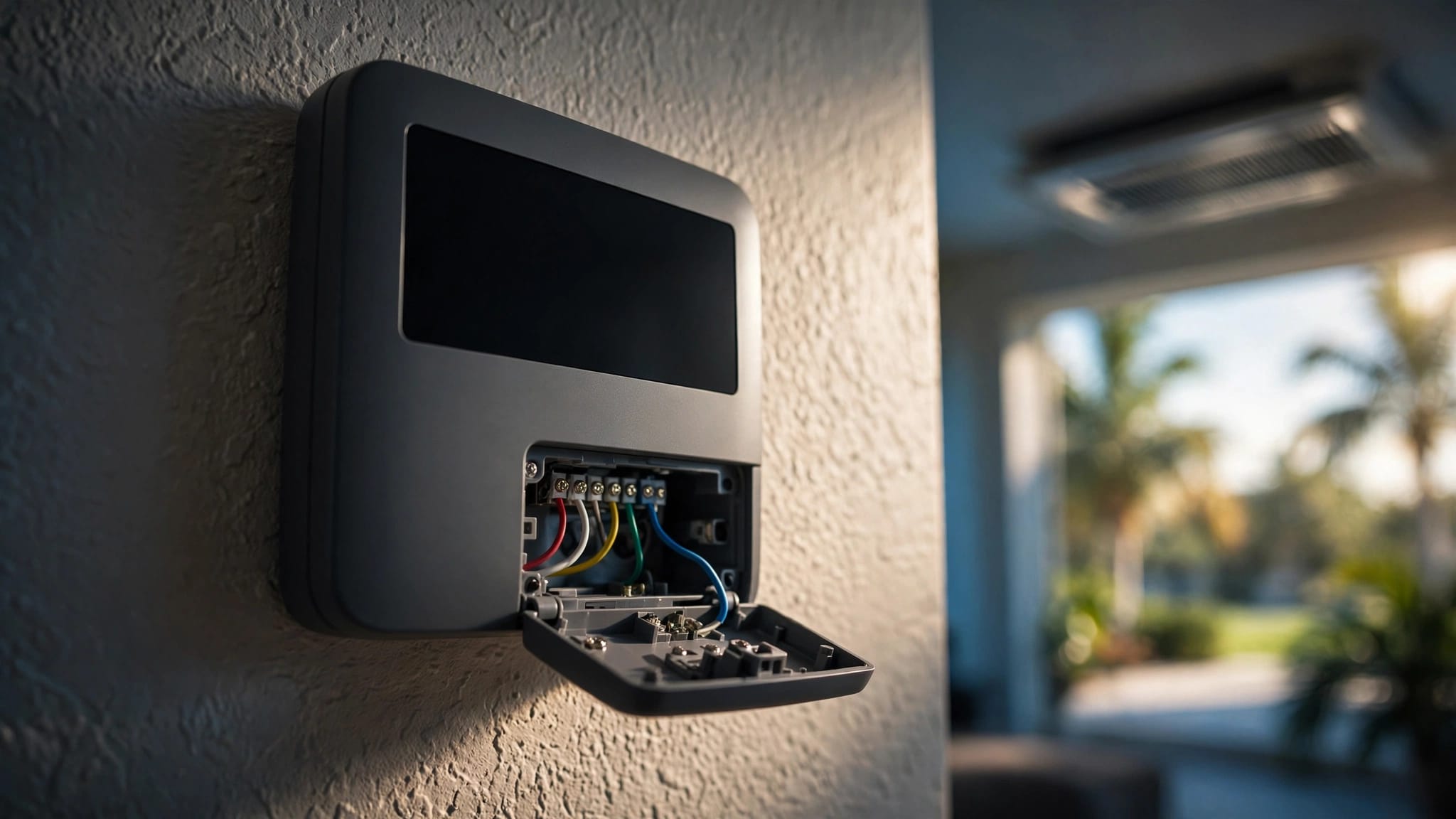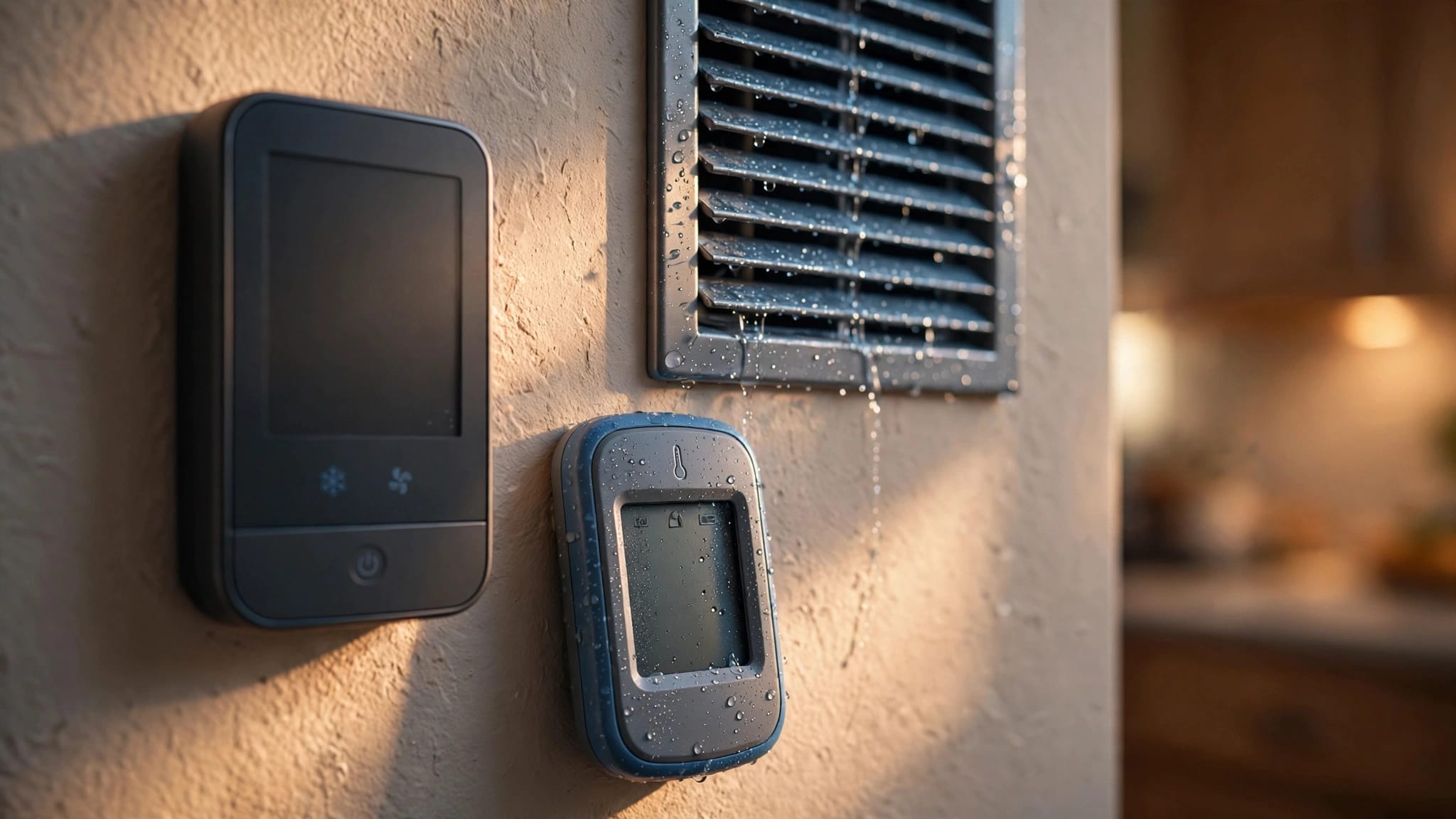
A weak TXV can turn a comfortable house into a sticky one fast. In Cape Coral, where cooling systems work hard כמעט year-round, that small valve matters more than most homeowners expect.
The TXV replacement cost in 2026 usually lands between $250 and $850 for most homes in Cape Coral. Many jobs come in near $500 , but the final price depends on the system, the diagnosis, access, refrigerant handling, and local labor conditions.
What a TXV Does Inside Your AC
A TXV, or thermostatic expansion valve, controls how much refrigerant enters the evaporator coil. That flow has to stay in the right range. Too little refrigerant makes the system struggle. Too much can cause poor cooling and coil issues.
When a TXV starts failing, the symptoms can look like other AC problems. You may notice weak airflow, warm rooms, ice on the coil, or short cycling. Sometimes the thermostat looks fine, but the house still feels humid.
That's why a good diagnosis matters before anyone orders parts. A TXV can fail because of wear, contamination, moisture in the system, or a bad sensing bulb. It can also be blamed when the real issue is airflow, low refrigerant, or a dirty coil.
If your system needs more than a simple part swap, a full check from reliable air conditioning system care can help sort out the real source of the problem.
TXV Replacement Cost in Cape Coral for 2026
Most Cape Coral homeowners should expect a total price between $250 and $850 . The valve itself often makes up a smaller part of the bill than the labor and refrigerant work around it.
Here's a simple breakdown of the usual price ranges.
| Cost item | Typical 2026 range | What affects it |
|---|---|---|
| TXV part | $80 to $400 | Brand, unit size, and system type |
| Labor | $170 to $450 | Hourly rate, access, and job complexity |
| Total replacement | $250 to $850 | Parts, labor, refrigerant handling, and testing |
The average homeowner will probably land near $500 for a straightforward replacement. That usually means the technician can reach the valve without major delays and doesn't uncover larger system problems.
If a quote is far above these ranges for a simple TXV job, ask for a written breakdown before you approve it.
Some quotes climb much higher when the work includes extra diagnostics, added refrigerant, coil access problems, or repairs beyond the valve itself. A number like $1,800 to $2,400 for only the TXV should raise questions. A quote above that with no clear explanation is even harder to justify.
Cape Coral's cooling demand matters here. Long run times put more stress on AC parts, and technicians often work in hot attics, tight closets, or cramped outdoor layouts. That adds time, and time adds cost.
What Pushes the Price Up or Down
The part itself is only one piece of the bill. A TXV job can look simple on paper and still turn into a slower repair in the field.
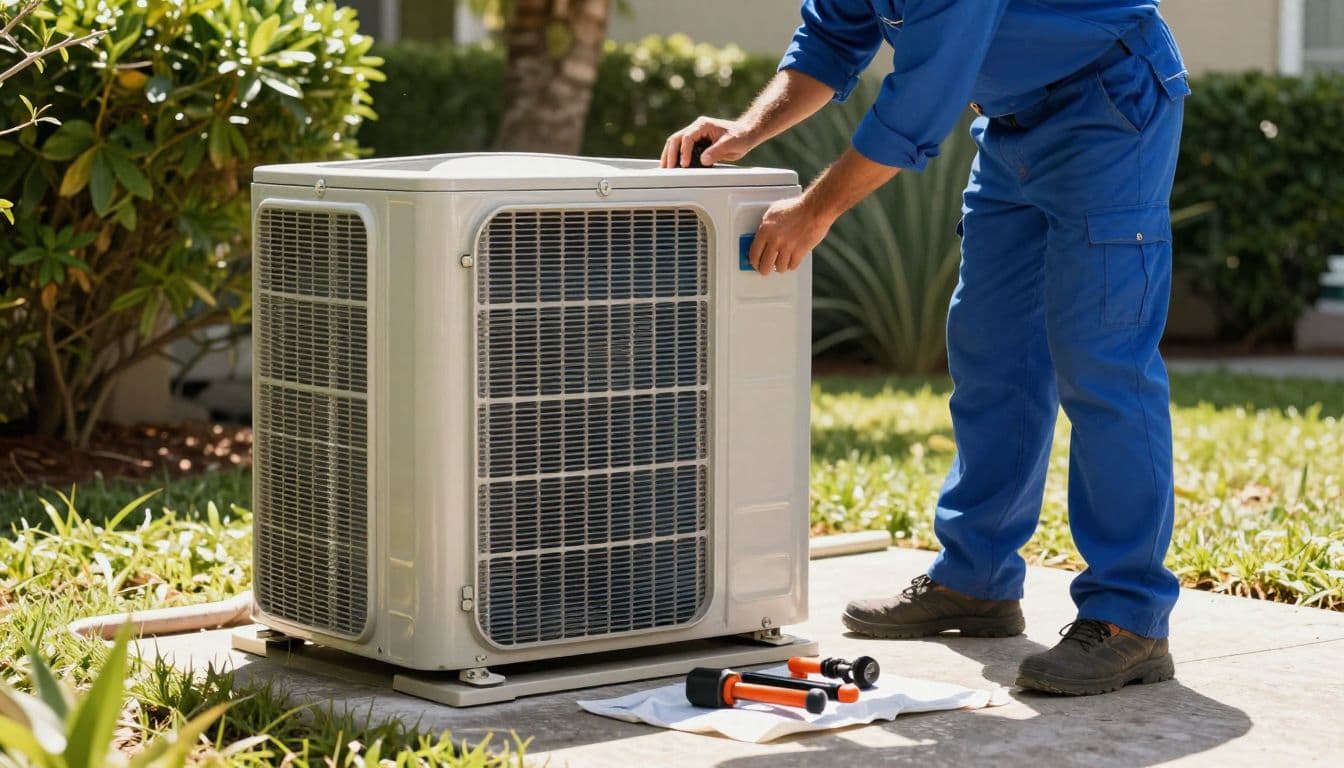
Several factors shape the final price:
- System type : A standard split system is often simpler than a packaged unit, a variable-speed setup, or a system with hard-to-reach components.
- Diagnosis time : If the technician has to sort through airflow problems, low refrigerant, or a dirty coil first, the visit takes longer.
- Accessibility : A TXV tucked inside an attic air handler or behind a tight coil cabinet takes more labor than one that is easier to reach.
- Refrigerant handling : The technician has to recover refrigerant, replace the valve, then recharge and test the system.
- Labor conditions : After-hours calls, weekend visits, and peak-summer service often cost more in Southwest Florida.
A Cape Coral home can also make the job harder than expected. Salt air, humidity, and heat can wear on outdoor parts and make fittings stubborn. When access is poor, labor is usually the biggest reason a quote moves upward.
If you want a company that can handle the full repair picture, HVAC services in Cape Coral is the kind of service page to look for before booking.
What a Good TXV Replacement Includes
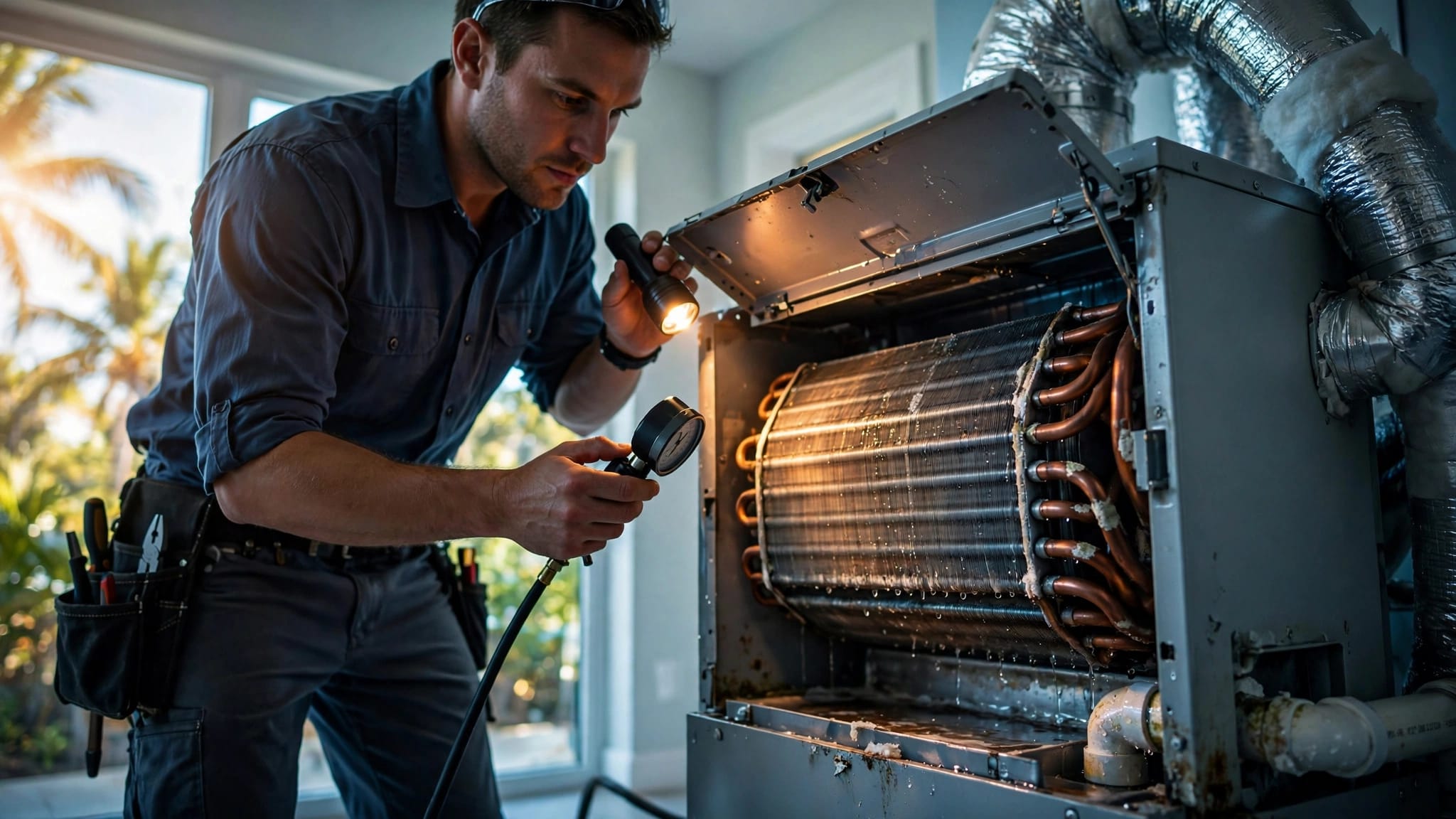
A fair quote should cover more than replacing a valve and walking away. The technician should confirm the diagnosis, handle refrigerant properly, and test the system after the repair.
A solid service visit usually includes:
- A full system check to confirm the TXV is the real problem
- Refrigerant recovery before the valve is removed
- Installation of the new TXV and any needed seals or connections
- Evacuation and recharge, when required
- Temperature, pressure, and superheat testing after the job
- A final check for leaks and proper cooling performance
That list matters because TXV symptoms often overlap with other AC issues. A quick swap without testing can leave you paying for the wrong fix.
A professional invoice should also show what part was used, how much refrigerant was added, and how the labor was priced. If a company gives you one flat number with no detail, ask for a line-by-line estimate. That alone can tell you a lot about the quality of the repair.
In a hot market like Cape Coral, it helps to work with a team that does repair, maintenance, and system checks on the same visit. That keeps the focus on the entire cooling system, not only one piece of it.
When a Repair Stops Making Sense
A TXV replacement makes sense when the rest of the system is in decent shape. It also makes sense when the problem is caught early and the compressor has not been damaged.
The math changes when the AC unit is older, has repeated refrigerant loss, or shows signs of bigger trouble. If the evaporator coil is badly corroded, or if the system has multiple failures at once, the repair can stop being the best use of your money.
That does not mean every older system needs replacement. It means the quote should match the condition of the equipment. A valve repair can buy time, but it should not hide a larger issue that is already building.
If you're unsure whether the TXV is the real issue, or just one piece of a bigger cooling problem, Contact Us to schedule a service call and get a clear diagnosis.
What Cape Coral Homeowners Should Expect in 2026
For most homes, a TXV replacement in Cape Coral should fall somewhere between $250 and $850 , with many jobs near $500 . The best way to judge a quote is to look at what it includes, not just the bottom line.
A fair estimate reflects the part, the labor, the refrigerant work, and the time needed to test the system. If the price is far outside that range, or the explanation feels thin, ask for a second opinion. A small valve should not lead to a giant surprise.