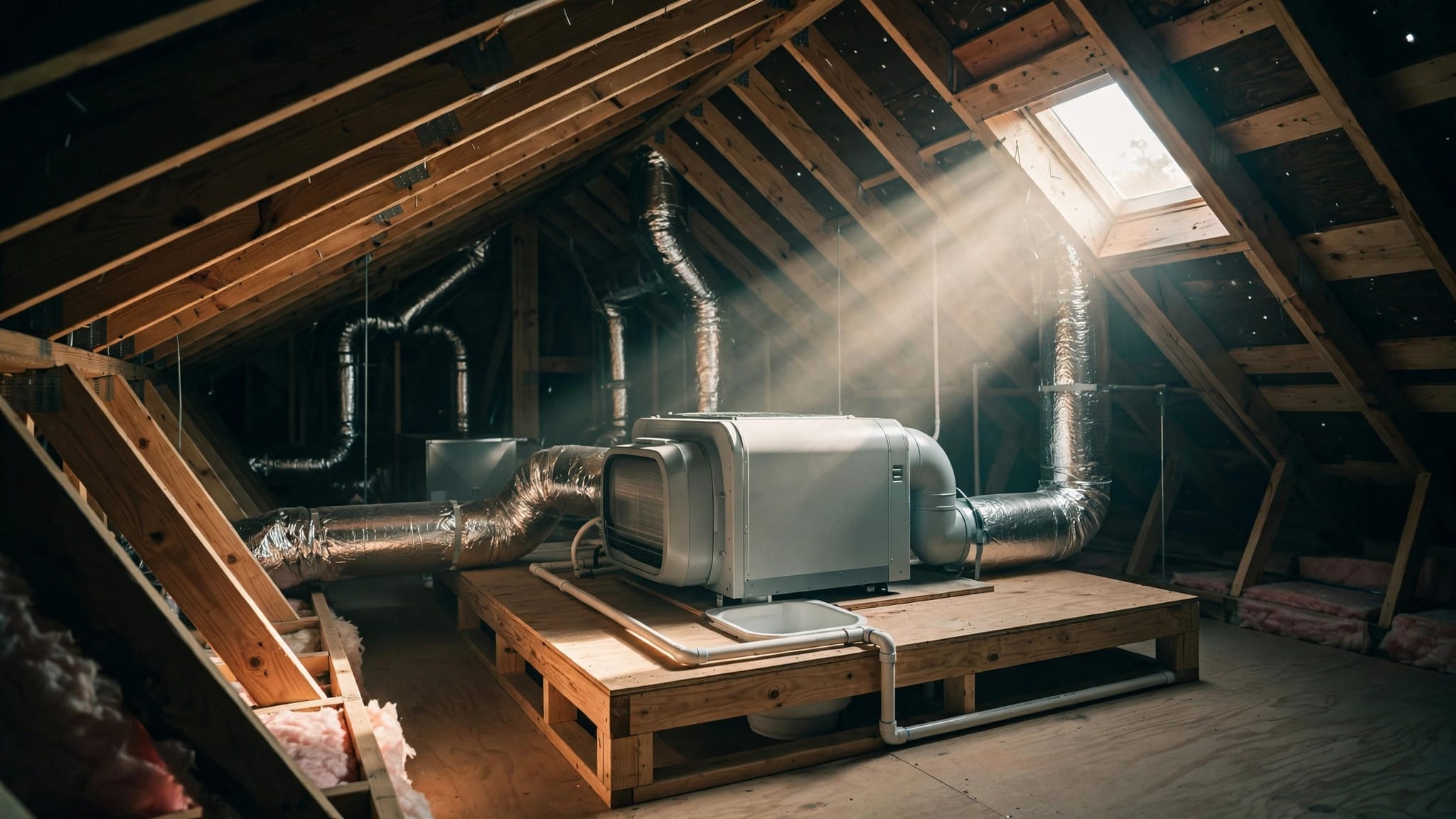
To restart HVAC after vacancy safely, inspect the home and equipment first, then bring the system back online and watch how it runs. In Florida, heat and humidity make a long period without cooling more than a comfort issue: moisture can linger, and a small drain or airflow problem can lead to water damage.
A careful restart helps you spot trouble before the air conditioner runs for hours. Use the steps below for basic checks, and stop if you see signs of electrical damage, leaks, or equipment failure.
Key Takeaways
- Look for water, storm damage, debris, and musty odors before turning on the system.
- Replace a dirty or questionable air filter, and keep vents and returns clear.
- Check the visible condensate drain area for signs of backup. Water near the indoor unit is a warning, while water dripping from the outdoor drain outlet can be normal in humid weather.
- Set the thermostat to Cool and keep the fan on Auto unless a technician has advised otherwise.
- Turn the system off and arrange service for burning odors, repeated breaker trips, ice, indoor leaks, loud mechanical noises, or cooling that doesn't return.
Inspect the Home Before Turning On the AC
A vacant home can develop problems that aren't obvious from the thermostat. Walk through the rooms before calling for cooling, and take note of moisture, damage, or unusual smells.
Look for water and signs of storm damage
Check ceilings, walls, floors, and areas around windows for water stains, damp materials, or visible mold. Pay close attention to the area around the indoor air handler. If the home flooded or water reached HVAC equipment, don't turn the system on. Keep away from wet electrical equipment and arrange professional help.
A persistent musty odor deserves attention, too. It can point to a moisture problem in the home or HVAC system, although the smell alone doesn't confirm mold. Our guide to musty AC odors in Cape Coral covers common causes in humid homes.
Check the outdoor unit from a safe distance
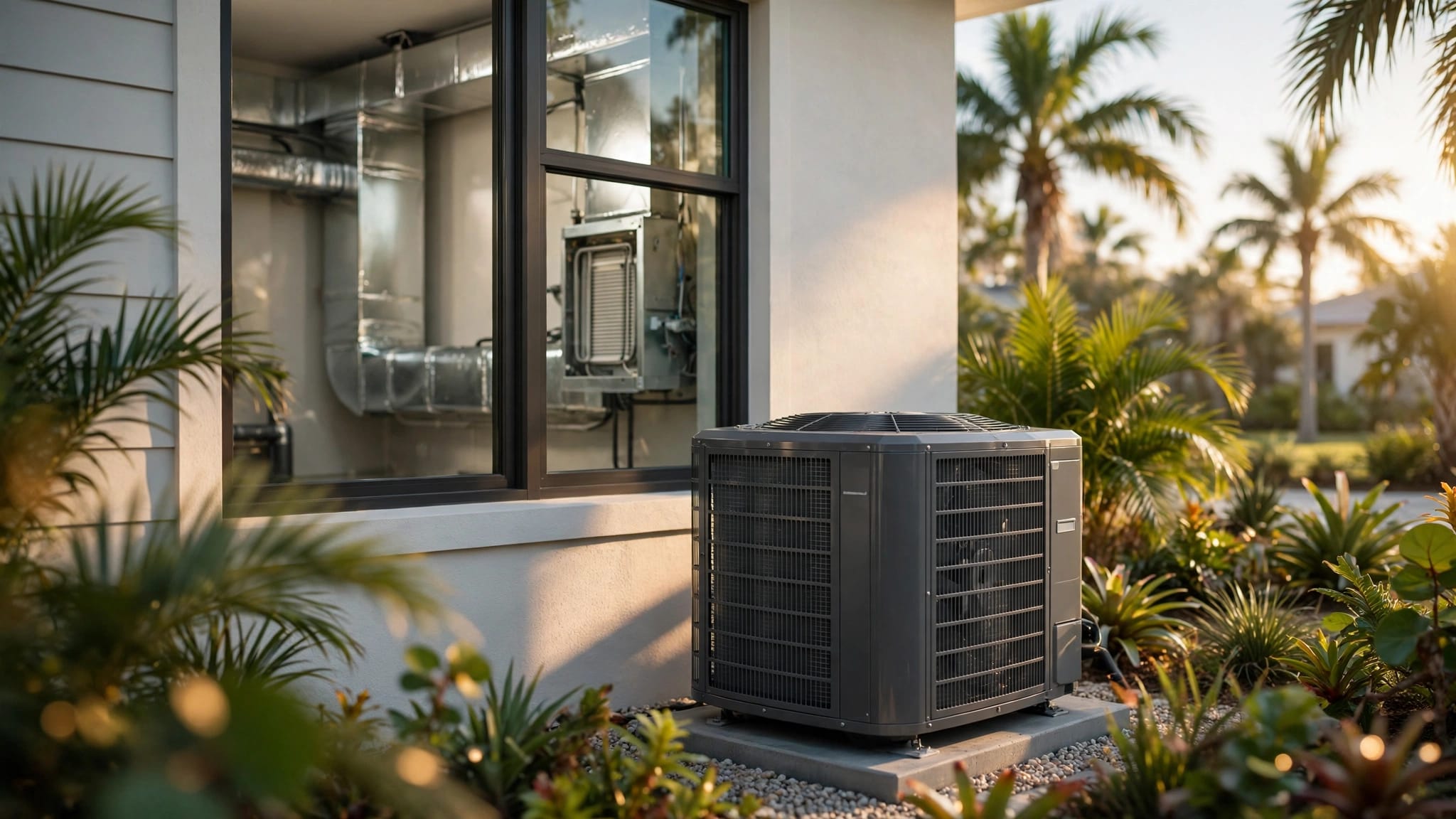
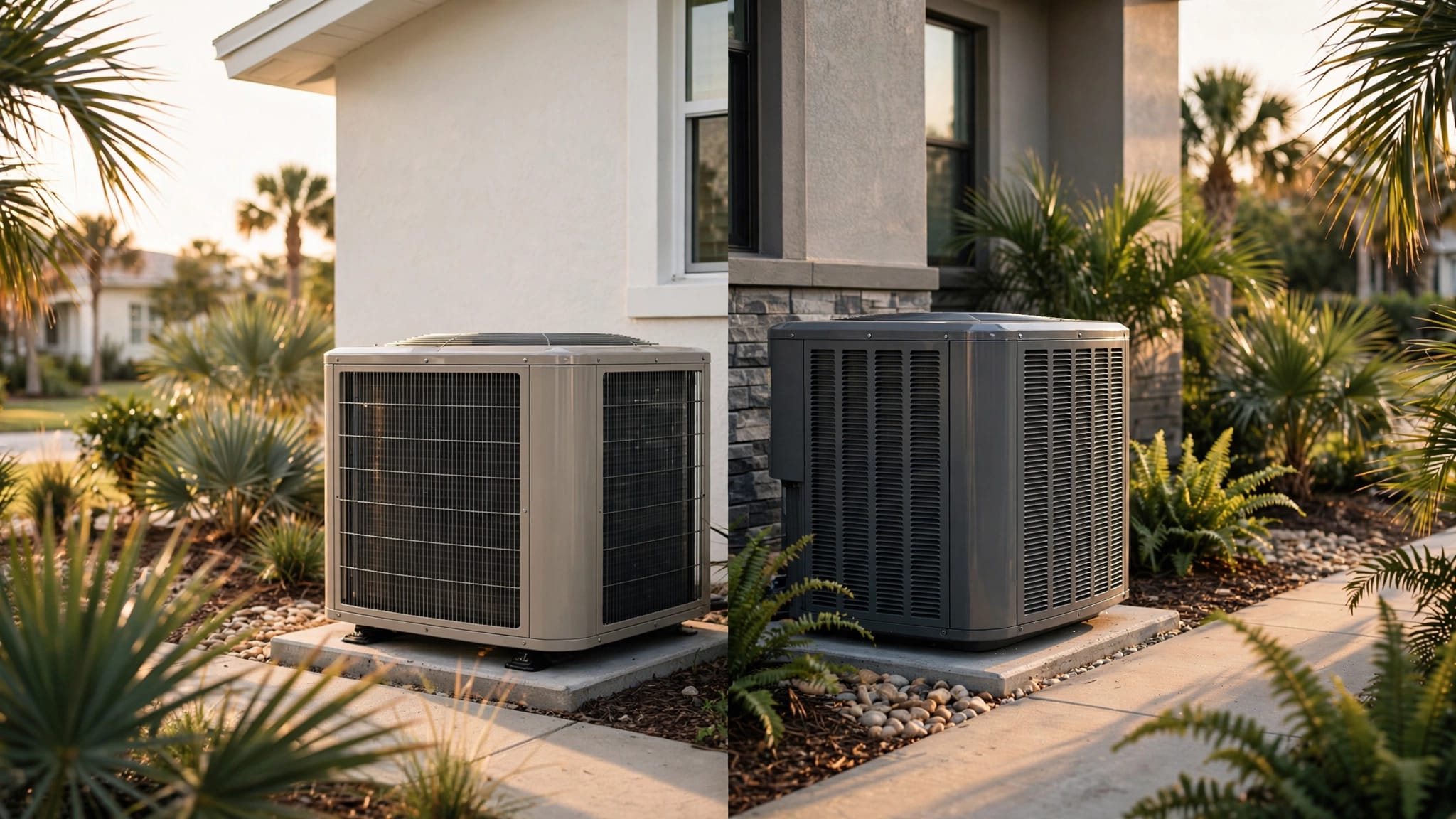
Look at the condenser outside without removing any panels. Clear loose leaves and other debris from around the unit, and look for visible damage, standing water, or anything that could block airflow. Don't reach into the equipment or touch wiring.
If you see damage, smell something burning, or notice water around electrical components, leave the system off and call an HVAC technician. Homeowners can handle simple visual checks, but sealed equipment and electrical parts require professional attention.
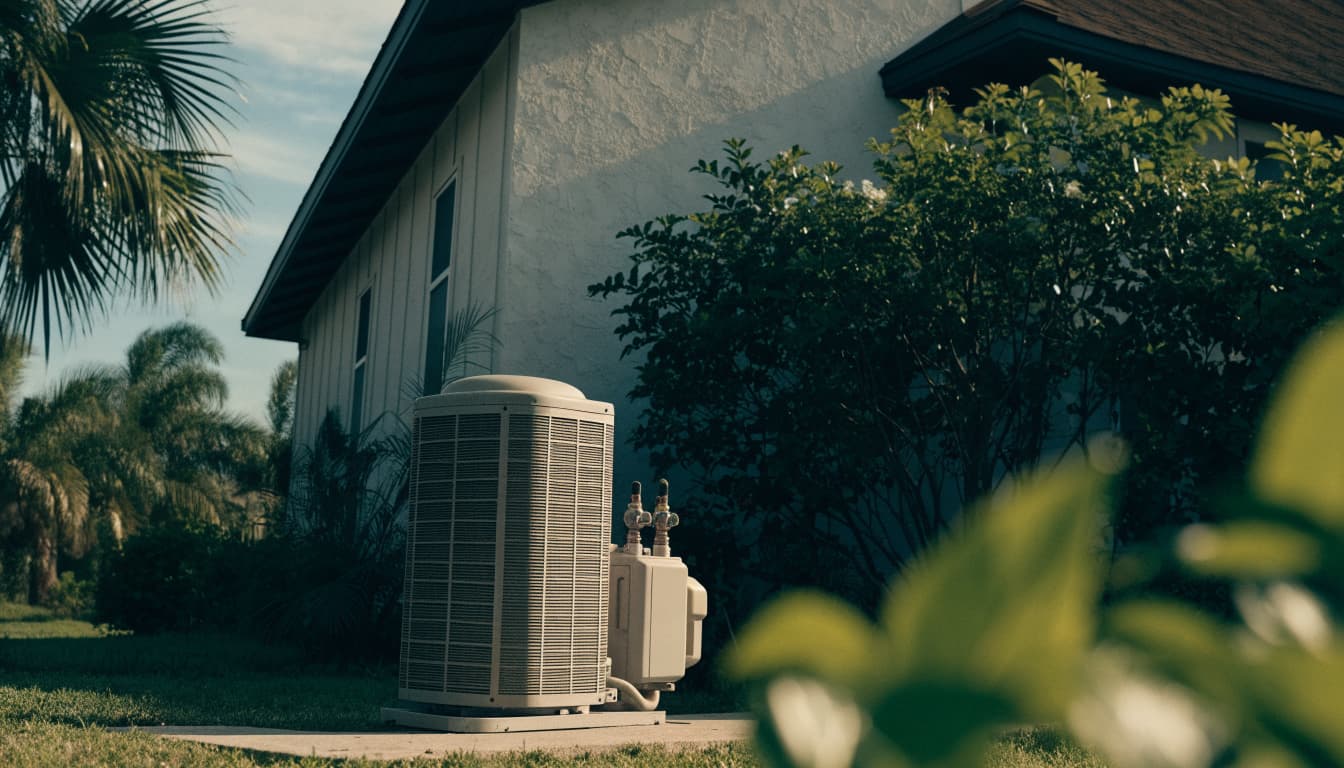
Replace the Air Filter and Clear the Airflow Path
A dirty filter can restrict airflow and make the system work harder. After a home has sat vacant, check the filter before the first cooling cycle, even if it was changed before you left.
Install a clean, correctly sized filter
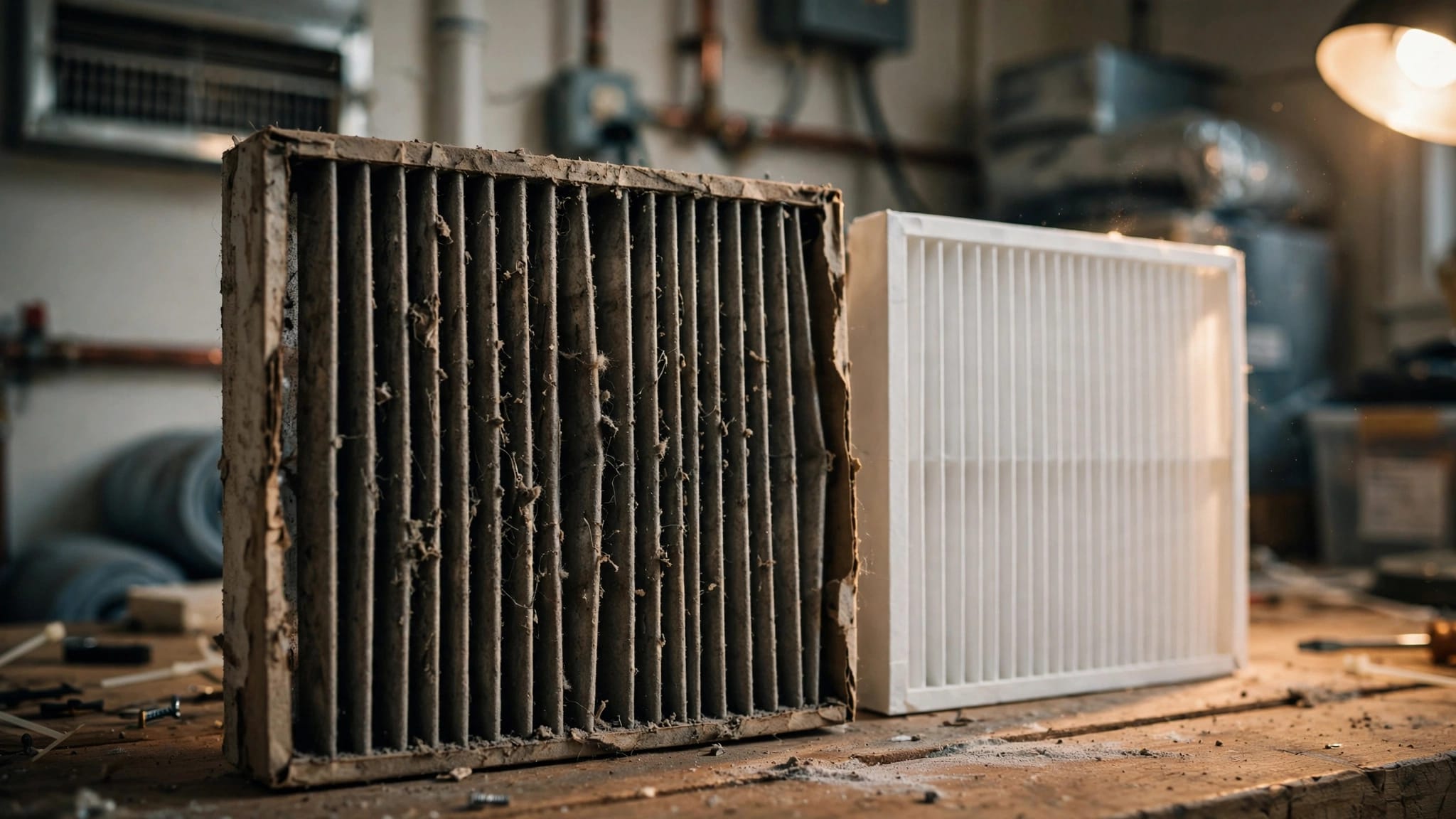
Turn the system off at the thermostat before accessing a filter in an easily accessible return grille or air handler slot. Replace it if it looks dusty, clogged, damp, bent, or damaged. Match the filter size, and point its airflow arrow in the direction indicated on the equipment or filter slot.
We recommend checking your filter monthly and replacing it when it's dirty. More safe AC maintenance tasks for Florida homeowners can help you keep up with basic care without opening electrical compartments or sealed equipment.
Make sure air can move through the rooms
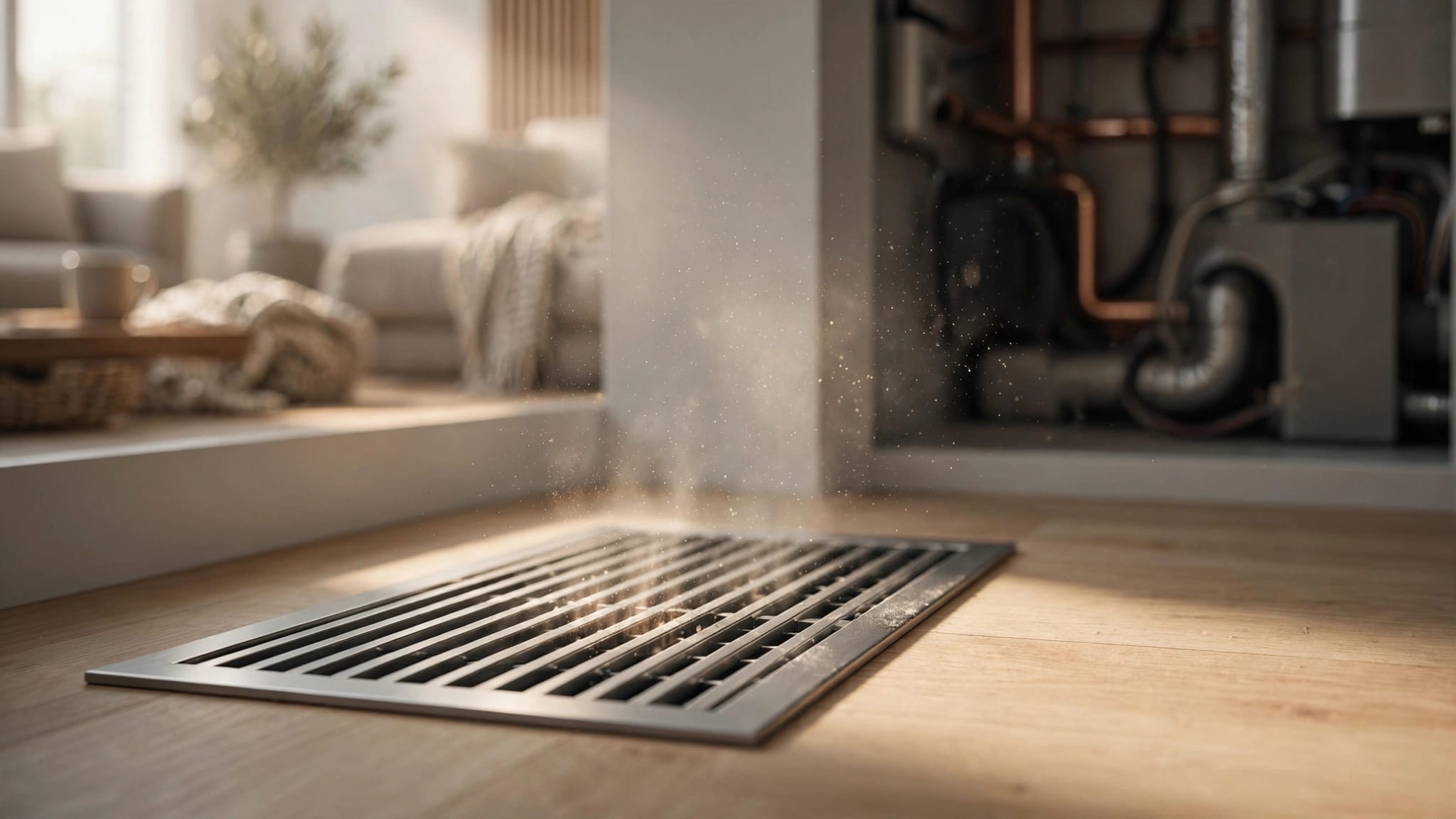
Check that supply vents and return grilles are open and not blocked by furniture, rugs, or stored items. A closed or covered return can restrict airflow even with a fresh filter. If the filter is clean but airflow still feels weak, don't adjust internal components. Weak airflow can have several causes, including a coil, blower, or duct issue that needs a technician's assessment.
Check the Condensate Drain and Indoor Humidity
Air conditioning pulls moisture from indoor air, so drainage matters in Florida's humid climate. A drain backup can lead to water around the air handler or trigger a safety switch that shuts the system down.
Look for visible signs of a drain problem
Check the accessible area around the indoor unit for standing water, a wet floor, or water stains. Don't open equipment panels to inspect internal parts. Outside, keep the condensate drain outlet free of leaves, plants, mulch, and debris. Don't cap or seal the outlet.
Water dripping from the outdoor drain during humid weather often means the system is removing moisture normally. Water collecting indoors or recurring dampness near the air handler is different. Turn the system off if you see an indoor leak, and arrange service rather than forcing it to run. Find more on condensate drain maintenance and flush costs in Cape Coral.
Notice whether the house still feels damp
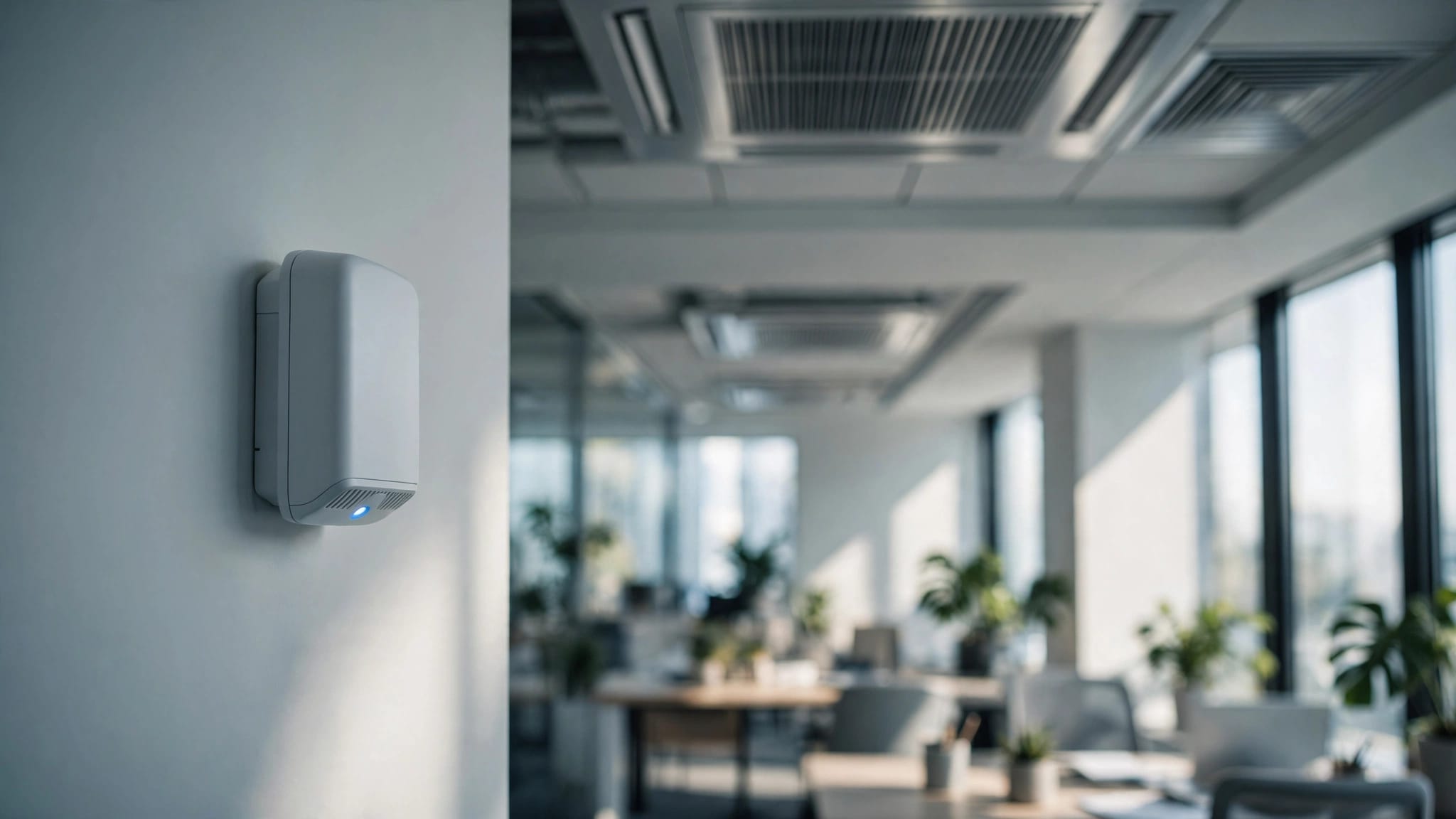
After the AC runs, pay attention to whether rooms feel less muggy or remain damp and stale. A basic humidity monitor can help you follow changes, but a reading can't locate a hidden leak or diagnose the HVAC system. Persistent dampness, recurring condensation, water stains, or a musty smell call for a closer inspection.
Florida's heat and humidity keep moisture problems relevant even when a home looks tidy. If the house stays clammy despite regular cooling, the cause could involve airflow, duct leakage, drainage, or humidity control. Read about humidity options for Florida homes.
Restart the System in a Controlled Order
Once the home and equipment pass a visual check, use the thermostat to request cooling. Don't bypass a built-in protection delay or repeatedly switch the system on and off to make it start.
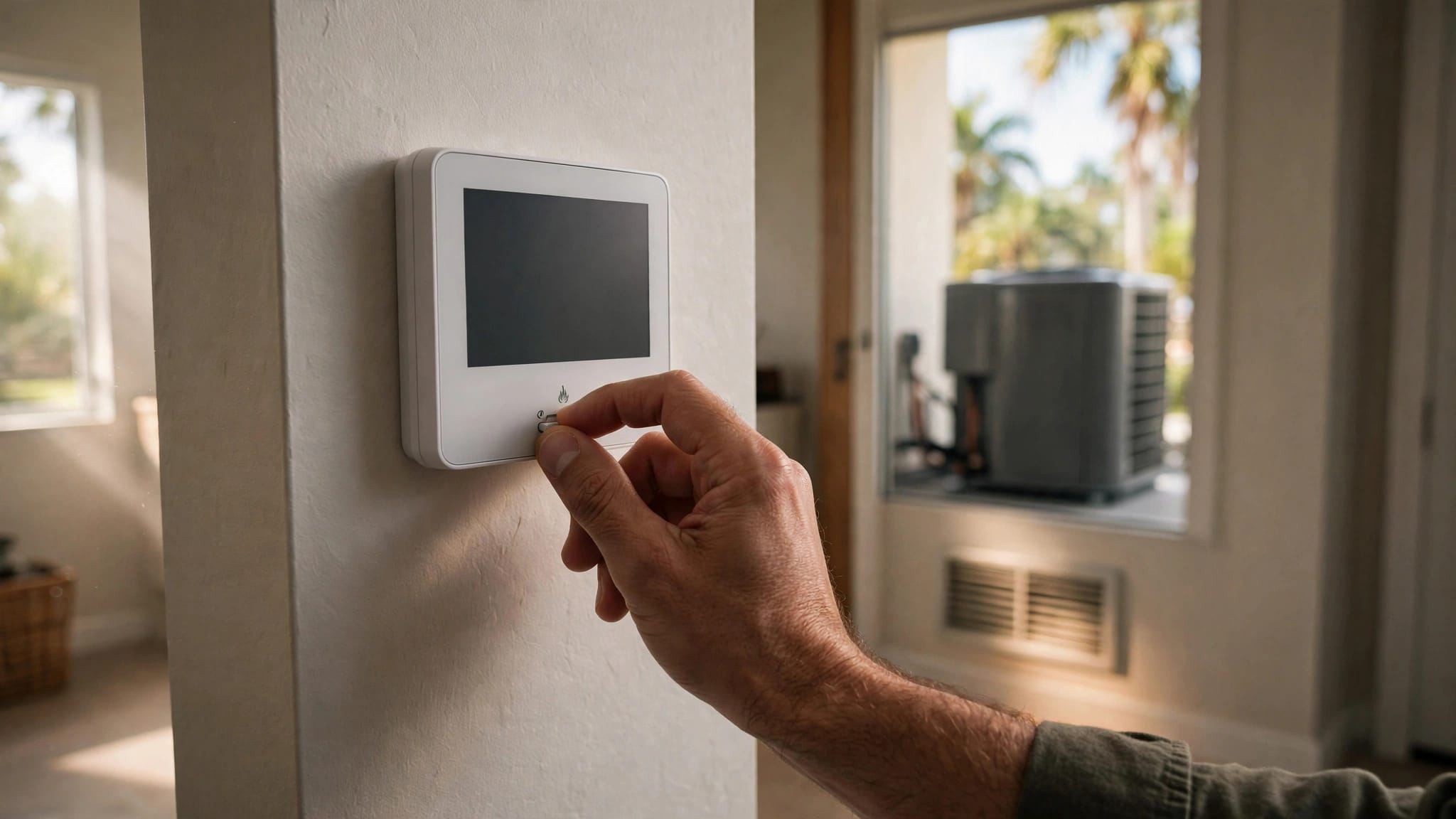
Set the thermostat for cooling
Set the mode to Cool and choose a temperature below the current room temperature. Keep the fan on Auto unless a technician has recommended another setting. With the fan on Auto, it runs with the cooling cycle; continuous fan operation can move moisture off a wet coil after cooling stops and may raise indoor humidity.
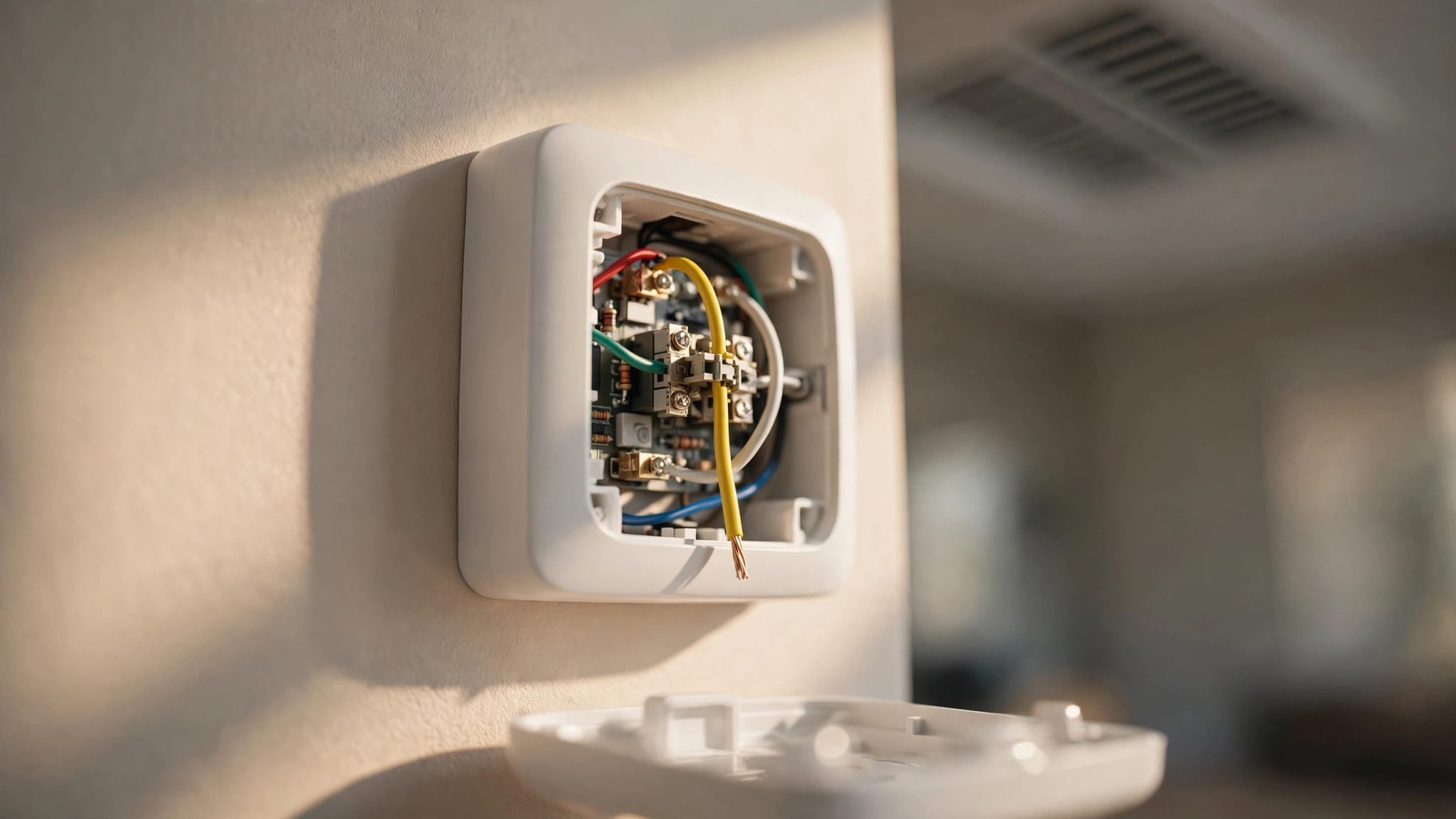
If the thermostat has a schedule, make sure it isn't set to change the temperature unexpectedly. A thermostat display can work even when the rest of the system has a problem, so listen and observe after requesting cooling.
Let the system start without forcing it
After setting the thermostat, give the system time to follow its normal startup sequence. Don't remove equipment covers, touch wiring, or try to start a fan by hand. If the indoor unit runs but the outdoor unit stays silent, or the system clicks without starting, stop troubleshooting and arrange service.
If an outage or storm preceded the vacancy, be alert to new problems. Surges can affect electrical and control components, and repeated attempts to restart a struggling system can make matters worse.
Monitor Cooling During the First Few Hours
Stay nearby while the system runs for the first time. Check the home more than once during the first few hours, and note changes in airflow, sound, odor, and moisture.
Check airflow and comfort from room to room
Supply vents should deliver steady airflow. The home should begin moving toward a comfortable temperature, although the time needed depends on the house and outdoor conditions. Notice whether one room stays much warmer or more humid than the others.
If airflow is weak, first make sure the filter is installed correctly and the vents are open. If the problem continues with a clean filter, or the system repeatedly starts and stops without making the home comfortable, turn it off and schedule service.
Listen and smell for changes
A new rattle, grinding sound, buzzing, squealing, repeated clicking, or hissing can point to a mechanical, electrical, or refrigerant-related problem. A brief stale odor after a long period without use may fade, but a persistent musty smell deserves attention. Burning or melting-plastic odors are urgent warning signs.
Don't spray fragrance into vents or open the blower cabinet to investigate. Record what you noticed, when it happened, and whether the system was starting or running. Those details can help a technician assess the issue.
Know When to Stop and Call for HVAC Service
Some signs call for more than a filter change or thermostat adjustment. Turn the system off if you can do so safely, keep away from damaged equipment, and arrange professional service.
Stop for leaks, ice, electrical smells, or loud noises
Water around the indoor unit, ice on the refrigerant line, repeated breaker trips, or a burning smell are reasons to stop operating the system. Don't keep resetting a breaker that trips again. If you see smoke or fire, leave the area and call 911.
Warm air, bubbling or hissing sounds, and ice on refrigerant lines can indicate a refrigerant problem, but no single symptom confirms the cause. Refrigerant work and electrical repairs aren't DIY tasks. See common air conditioner problems in Cape Coral for more warning signs.
Call if cooling doesn't return
If the system runs but continues to blow warm air, or if the outdoor unit doesn't resume normal operation, turn it off and request service. The cause could involve airflow, controls, drainage, or another equipment issue. A technician can assess the system without guesswork or unsafe testing.
We provide 24/7 service in Southwest Florida. If safe checks don't restore cooling or a warning sign appears, Contact Us to arrange a service call.
Frequently Asked Questions
Should I turn the AC on as soon as I return?
First inspect the home, filter, and accessible areas around the equipment. If you see flooding, indoor leaks, electrical damage, or a burning odor, leave the system off and get help. Otherwise, set the thermostat to Cool and let the system follow its normal startup process.
Is water dripping outside the house a leak?
Water at the condensate outlet can be normal during humid weather because the AC removes moisture from the air. Water near the indoor unit, a wet ceiling, or recurring indoor dampness needs attention. Don't cap the outdoor drain pipe.
What should I do if the AC smells musty?
A brief stale smell may fade after the system has been unused, but a persistent musty odor can point to moisture in the system or home. Turn the AC off if you also see water, visible growth, or damp materials, and arrange an inspection.
Why is the system running but not cooling?
A dirty filter or blocked vent can reduce airflow, but continued warm air may have other causes. If replacing a dirty filter and opening vents don't help, stop troubleshooting and schedule service. Don't open the equipment or attempt refrigerant repairs.
A Careful Restart Protects Your Home
Florida's humidity makes a vacant home more vulnerable to lingering moisture, so check for leaks and musty odors before cooling begins. A clean filter, clear airflow, and an unobstructed drain outlet support a safe restart, while warning signs call for professional service.
If the system behaves normally, keep monitoring how the rooms feel and smell after it starts. Catching a change early can help prevent a small HVAC problem from becoming a larger home repair.