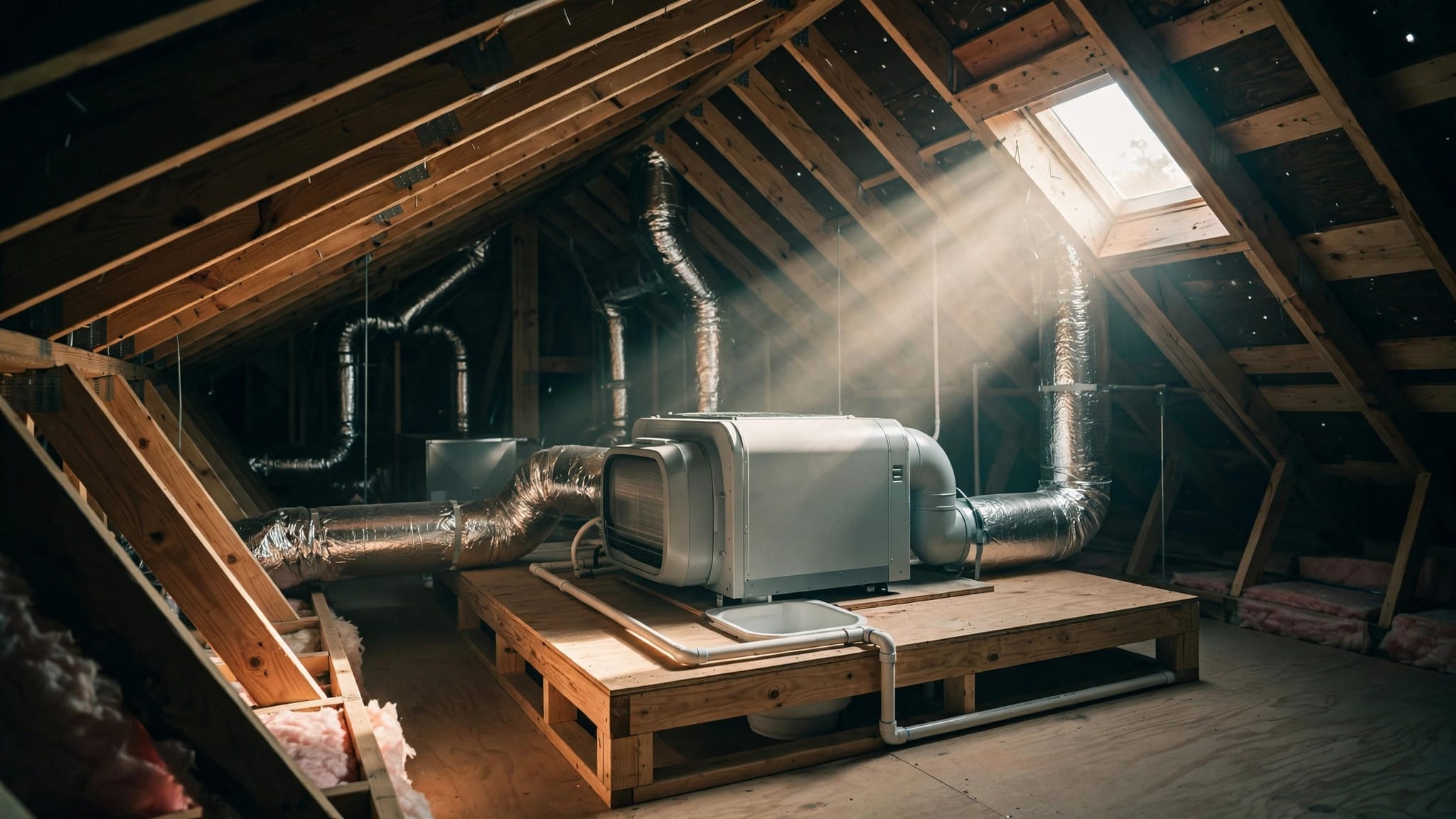
A commercial HVAC system needs to provide outdoor air even when the number of people inside changes throughout the day. Demand-controlled ventilation gives building operators a way to account for that changing occupancy.
For a business owner, the appeal is straightforward: ventilation that fits how a space is used can support indoor air quality without conditioning more outdoor air than necessary. The sensors and controls behind that approach are worth understanding before considering an upgrade.
How Sensors Support Ventilation Controls
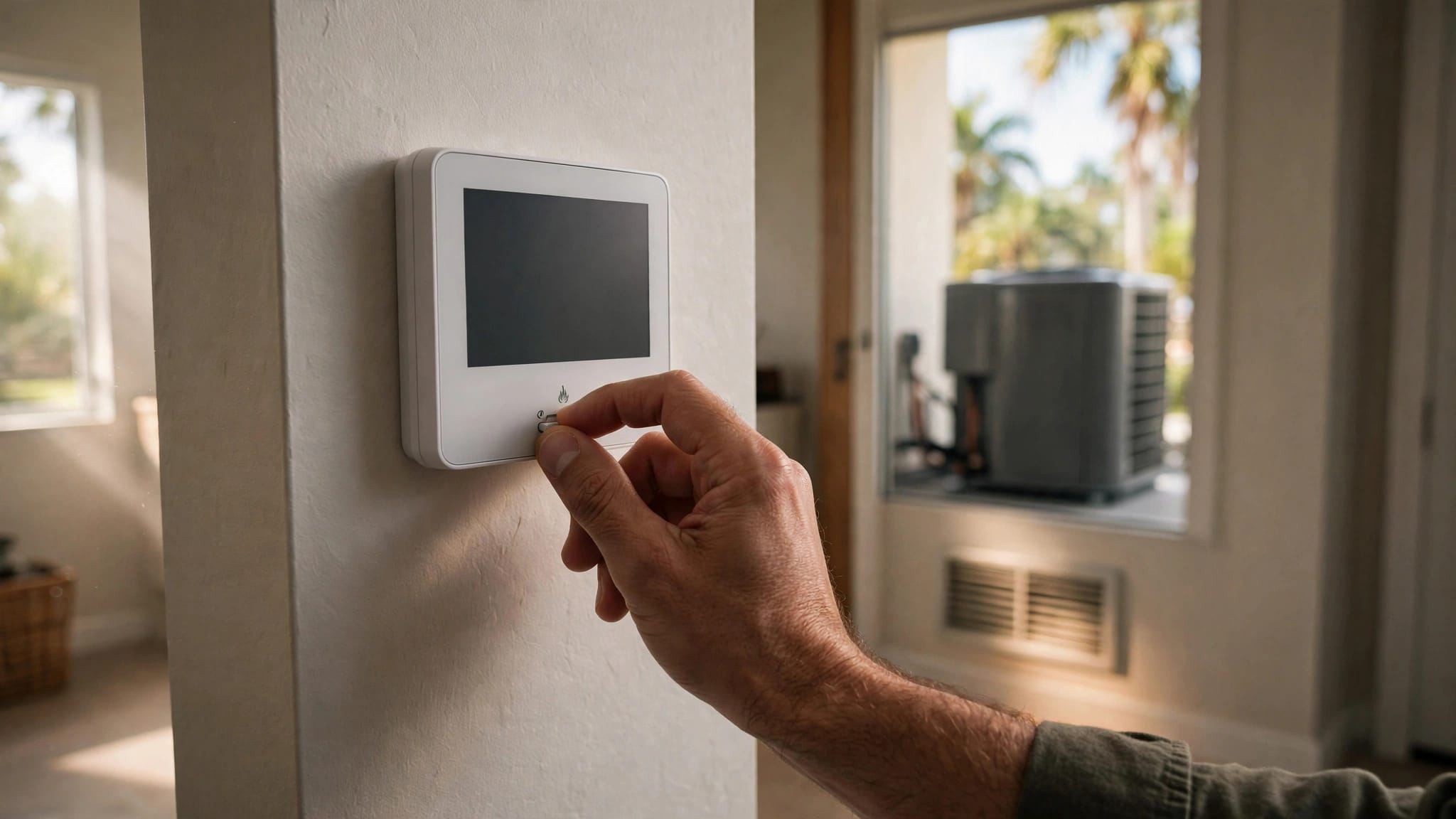
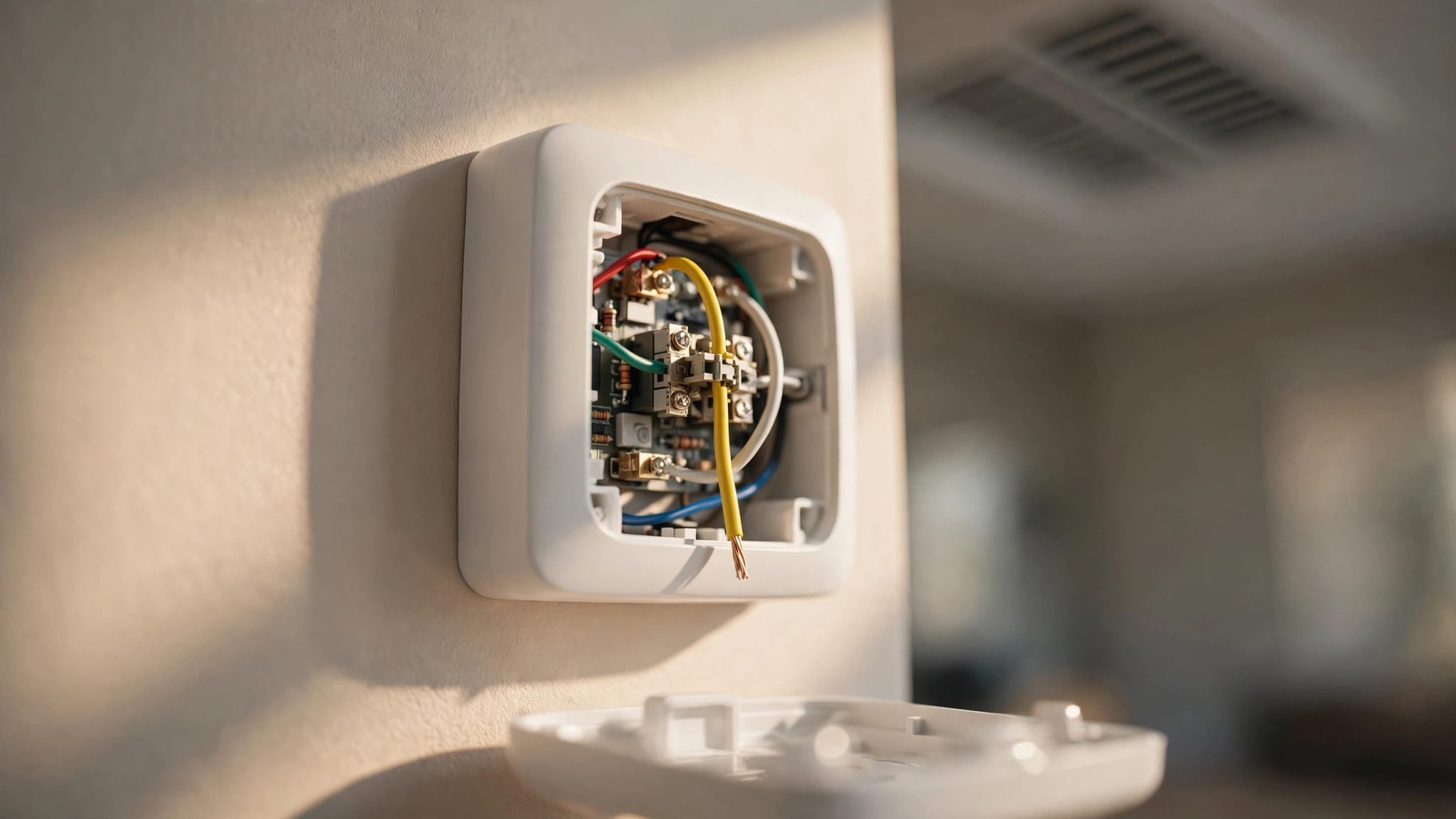
Commercial buildings use different types of sensors to give HVAC controls information about occupied spaces. The equipment can vary by building, but carbon dioxide and occupancy sensors are common options.
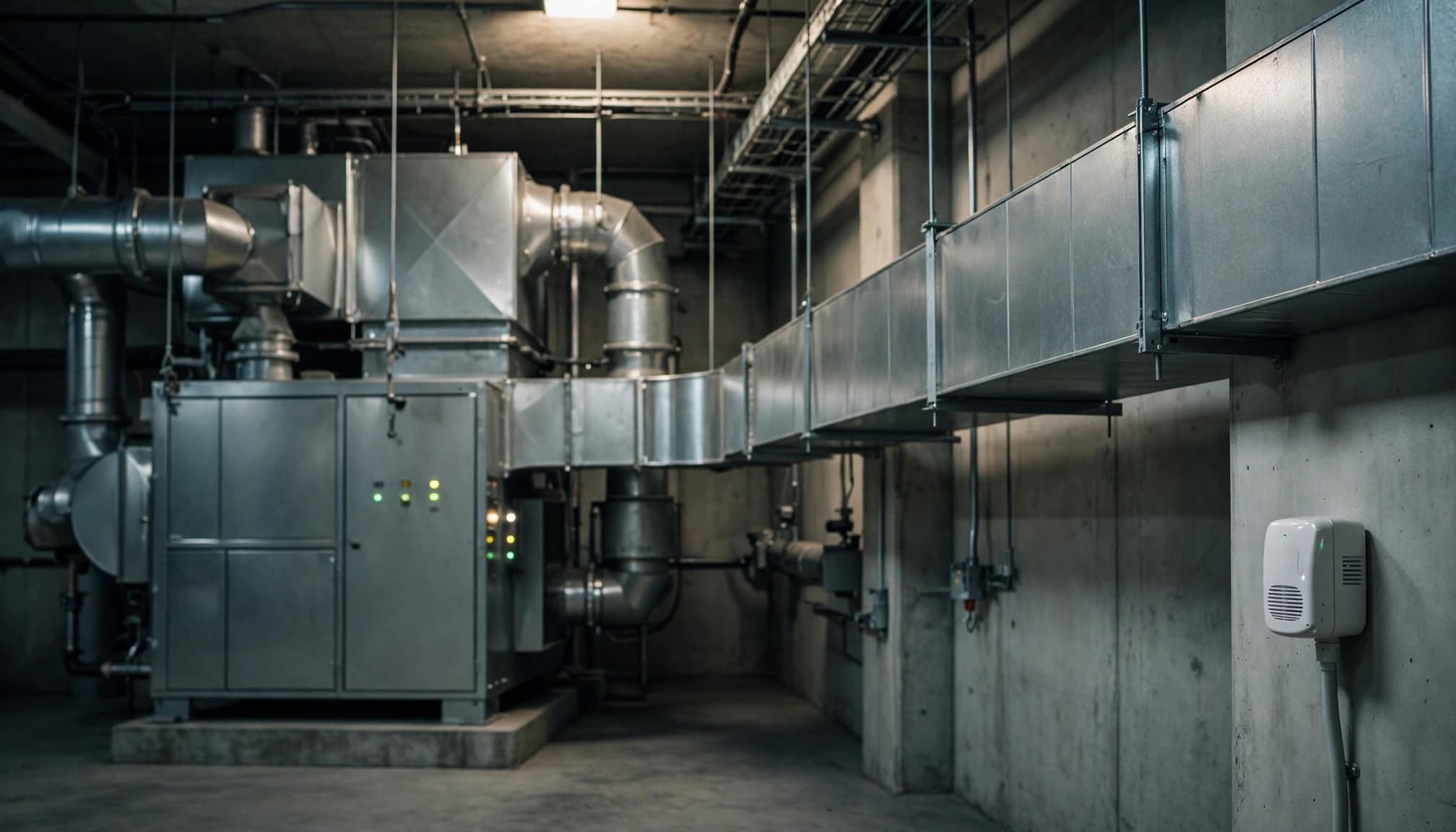
Carbon dioxide sensors
People release carbon dioxide, or CO2, when they breathe. In an occupied room, CO2 can build up when outdoor-air exchange is limited. A sensor measures its concentration and gives the HVAC controls information about conditions in that space.
A reading is a ventilation clue , rather than a complete measure of air quality. Room size, the number of occupants, air distribution, and outdoor conditions can all affect it. Placement and sensor accuracy matter, too: a reading should reflect the occupied area rather than a spot next to a supply vent.
Occupancy sensors
An occupancy sensor detects presence or movement in an area. It can provide useful information in a meeting room or another space that sits empty between uses.
However, a basic presence sensor may not tell the controls how many people are present. A room with one person and a room with a full meeting could look the same to that sensor. The ventilation design needs to account for how the space is used.
Energy and Air-Quality Considerations
Outdoor air helps dilute pollutants generated indoors. It also needs to be heated, cooled, or dehumidified as conditions require. Both sides of that equation matter in a commercial building.
Cooling and energy use
When a building takes in more outdoor air than it needs, the HVAC equipment may spend extra energy conditioning it. That can be especially relevant in Southwest Florida, where incoming air often carries heat and moisture.
Potential savings depend on the building, its operating hours, and how much occupancy varies. A space that's consistently full offers less opportunity to reduce excess ventilation than one with long, lightly occupied periods. Equipment and installation costs also affect whether an upgrade makes financial sense.
Indoor air quality and humidity
Ventilation can dilute pollutants associated with people and everyday building use. CO2 readings can help identify patterns, but they don't reveal every air-quality concern.
For example, a CO2 sensor doesn't detect mold, cleaning chemicals, or carbon monoxide. A clean HVAC filter supports airflow and can capture particles, but it doesn't lower CO2 by itself. Source control, appropriate filtration, and moisture management remain important.
Florida's humid weather adds another consideration. Bringing in outdoor air can increase the moisture load on cooling equipment, so ventilation and dehumidification need to work together.
Where Demand-Controlled Ventilation May Fit
Spaces with changing occupancy are natural candidates for this approach. A conference room, for example, may hold a large meeting in the morning and remain empty for much of the afternoon. Restaurants, classrooms, retail areas, and assembly spaces can also experience substantial changes in the number of people present.
A building's layout matters as much as its schedule. If one HVAC system serves several areas, their occupancy patterns and airflow needs may differ. Existing ductwork, equipment capacity, and control options all affect what a practical upgrade looks like.
Some spaces also have ventilation needs that aren't tied closely to the number of occupants. A workshop, for example, may need attention to pollutants generated by its activities. Occupancy data alone can't describe those conditions.
Equipment and Maintenance Matter
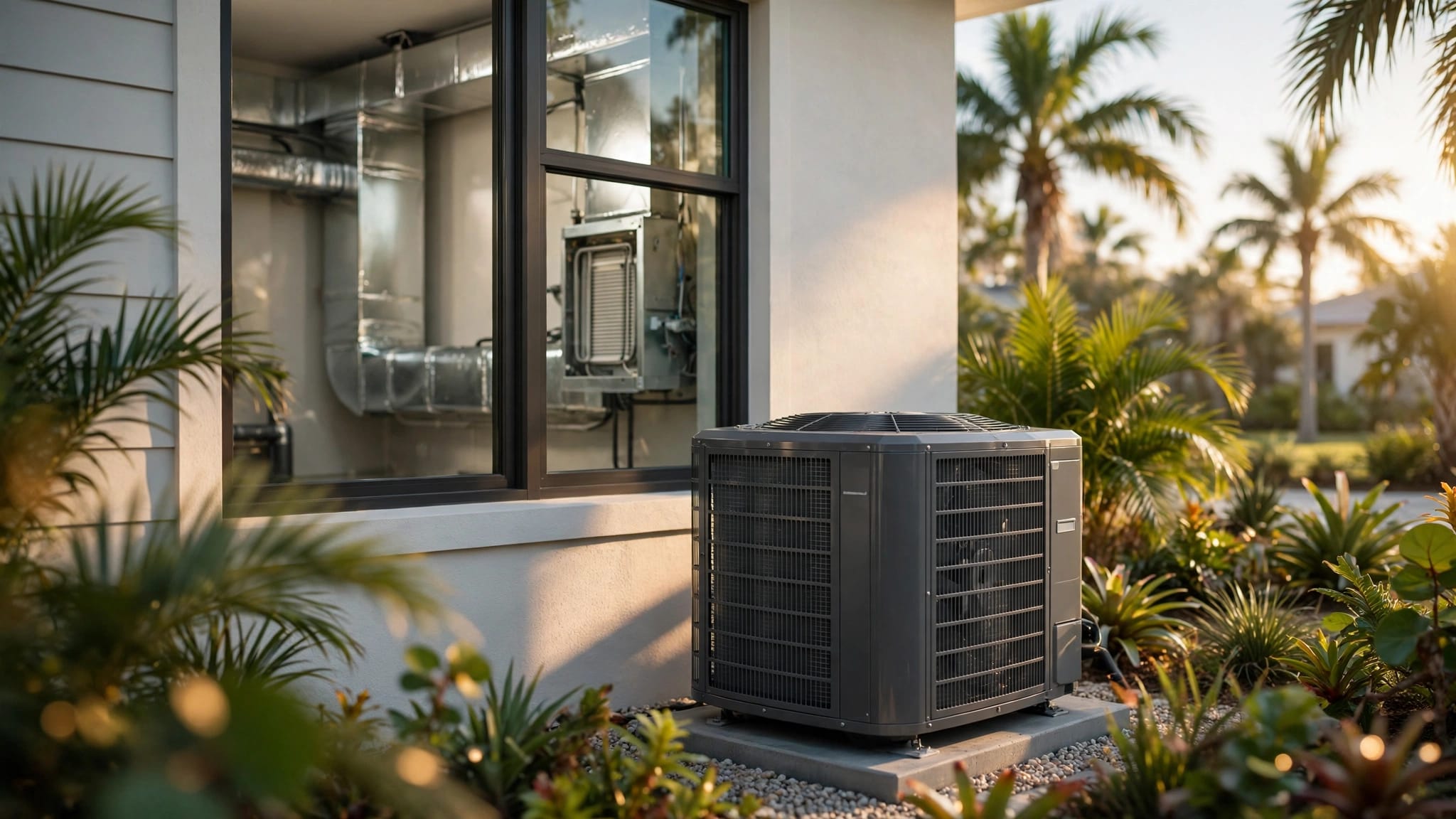
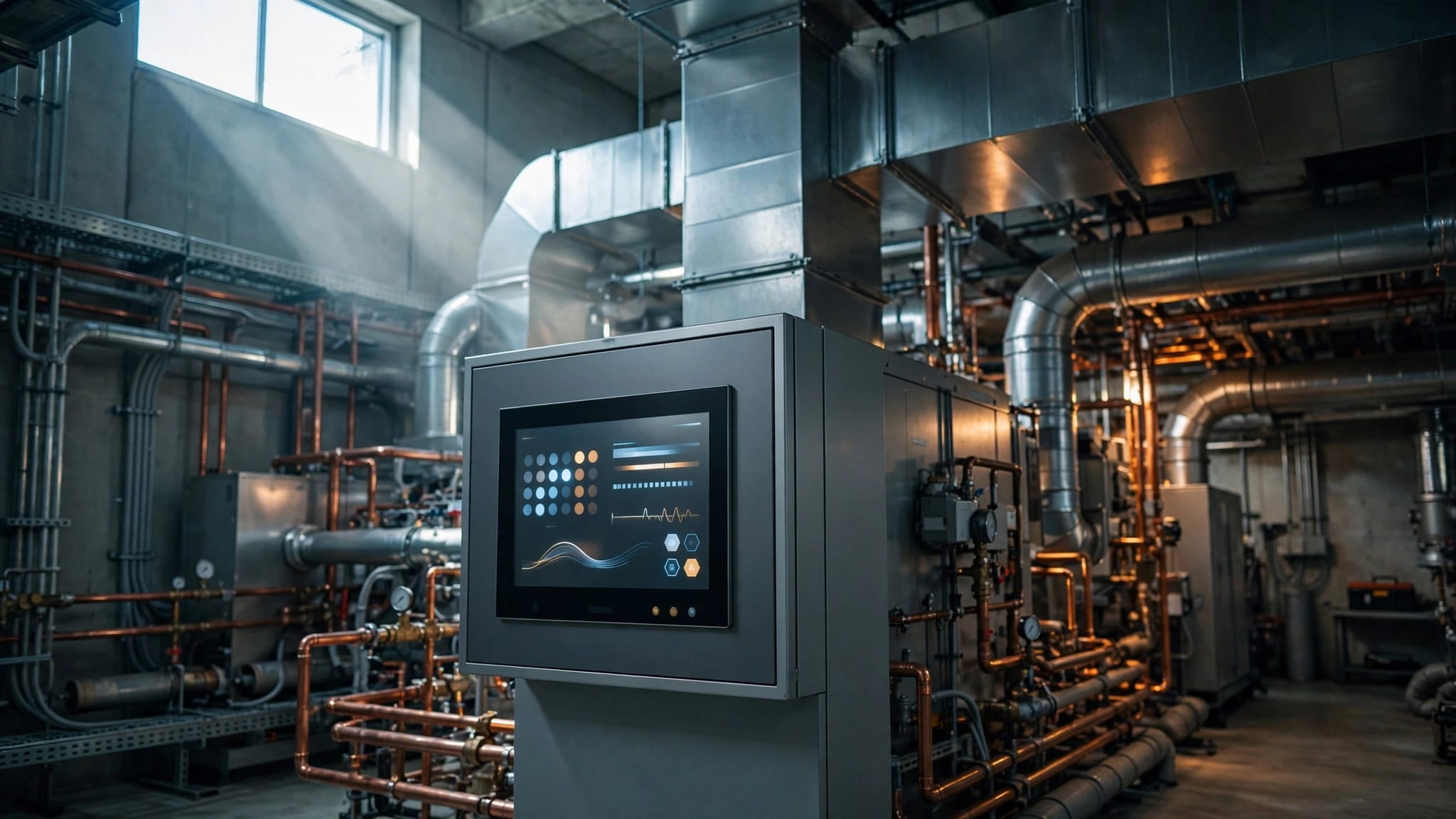
Sensors are only one part of a commercial ventilation system. Depending on the design, the equipment may include an outdoor-air damper, fans, ductwork, and a controller. The installation also needs a suitable plan for distributing air throughout occupied areas.
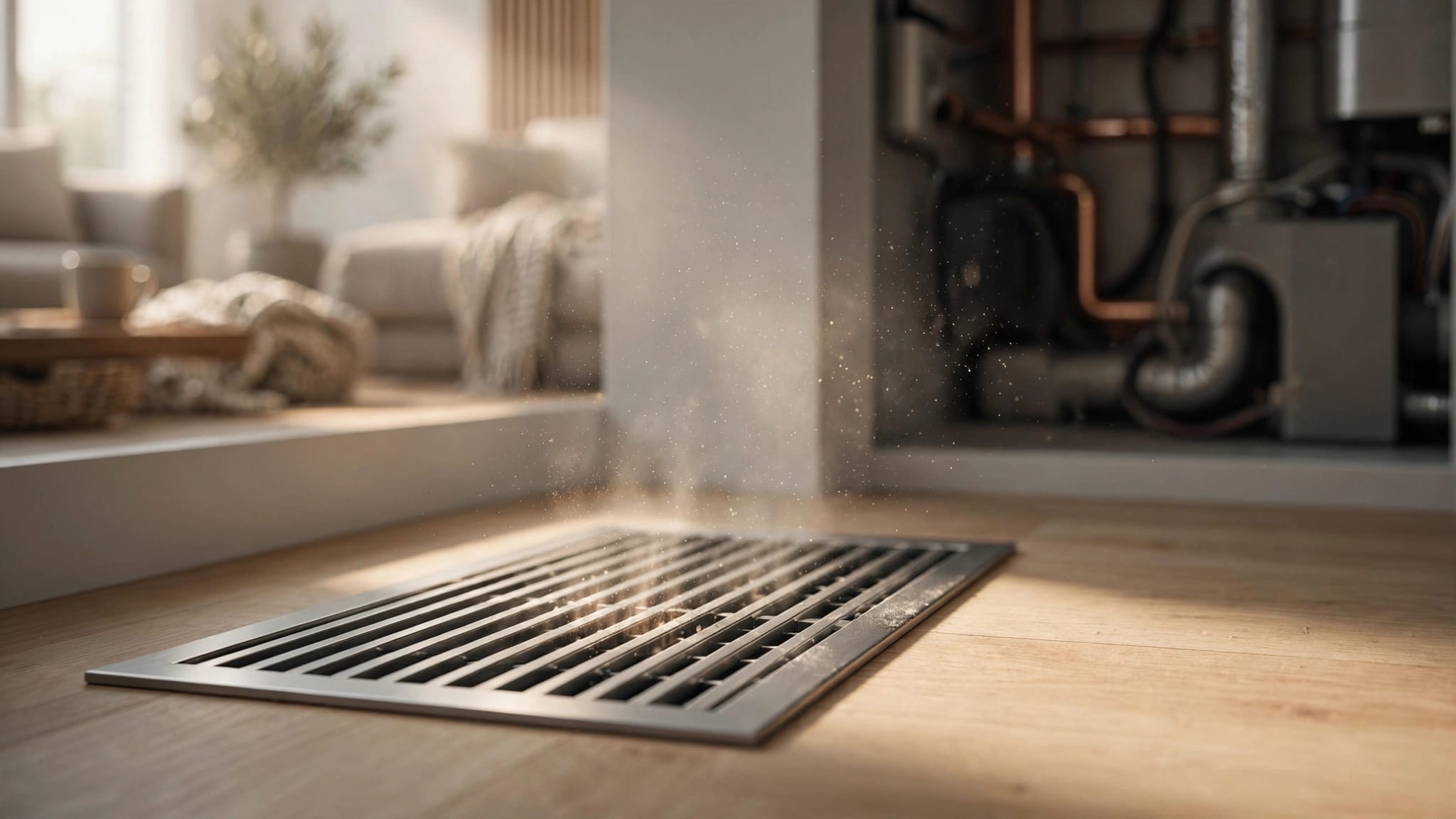
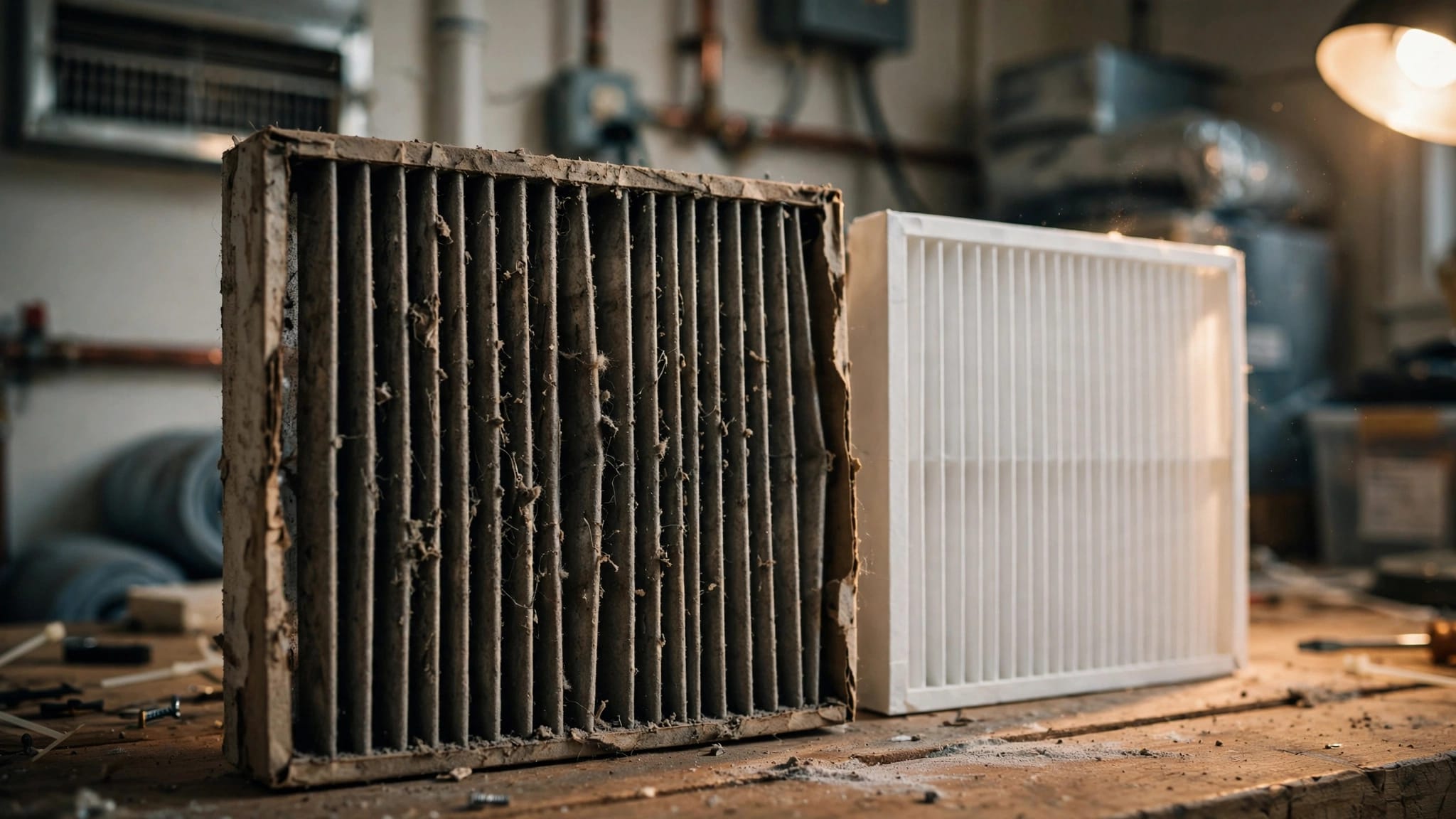
Maintenance helps the equipment perform as intended. Dirty filters can restrict airflow, while damaged components or poorly placed sensors can make the system less reliable. A busy retail space or workshop may load filters faster than a lightly occupied office.
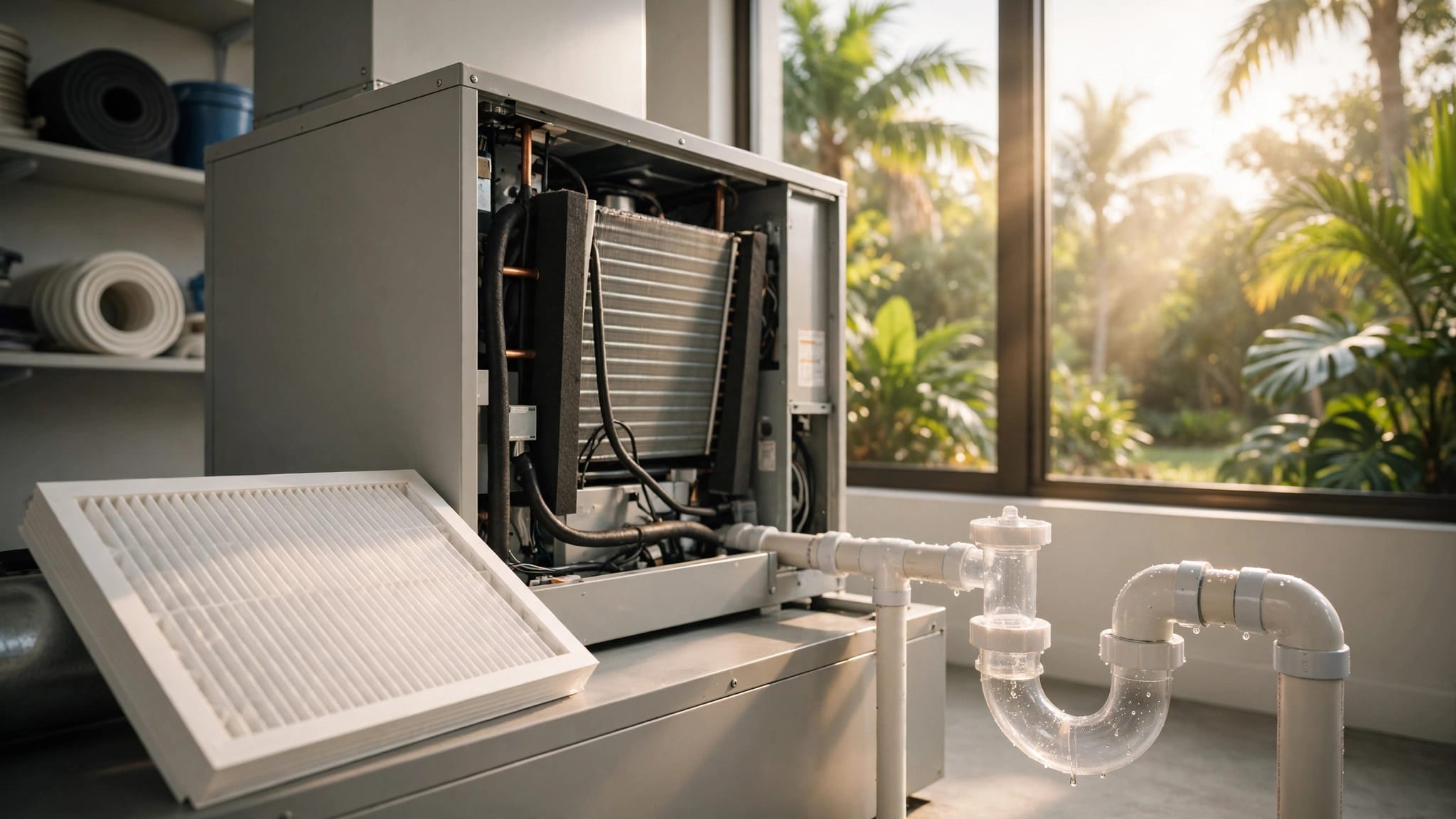
Our commercial AC maintenance checklist covers filter inspections, condensate drainage, and other items that affect system performance.
What Homeowners Can Take From This
The same CO2 principles apply at home, even though a house and a commercial building usually need different ventilation designs. A closed bedroom with several occupants can show a higher reading because exhaled air accumulates during the night.
That reading alone doesn't identify the right equipment. Room airflow, whole-house ventilation, and Florida humidity all deserve attention. Our guide to home CO2 readings explains what those numbers can and can't tell you.
Make Ventilation Fit the Space
Demand-controlled ventilation can be useful in commercial spaces where occupancy changes. Its value depends on the building's air distribution, equipment, and moisture-control needs.
For HVAC service or 24/7 emergency help, Contact Us to reach our team.