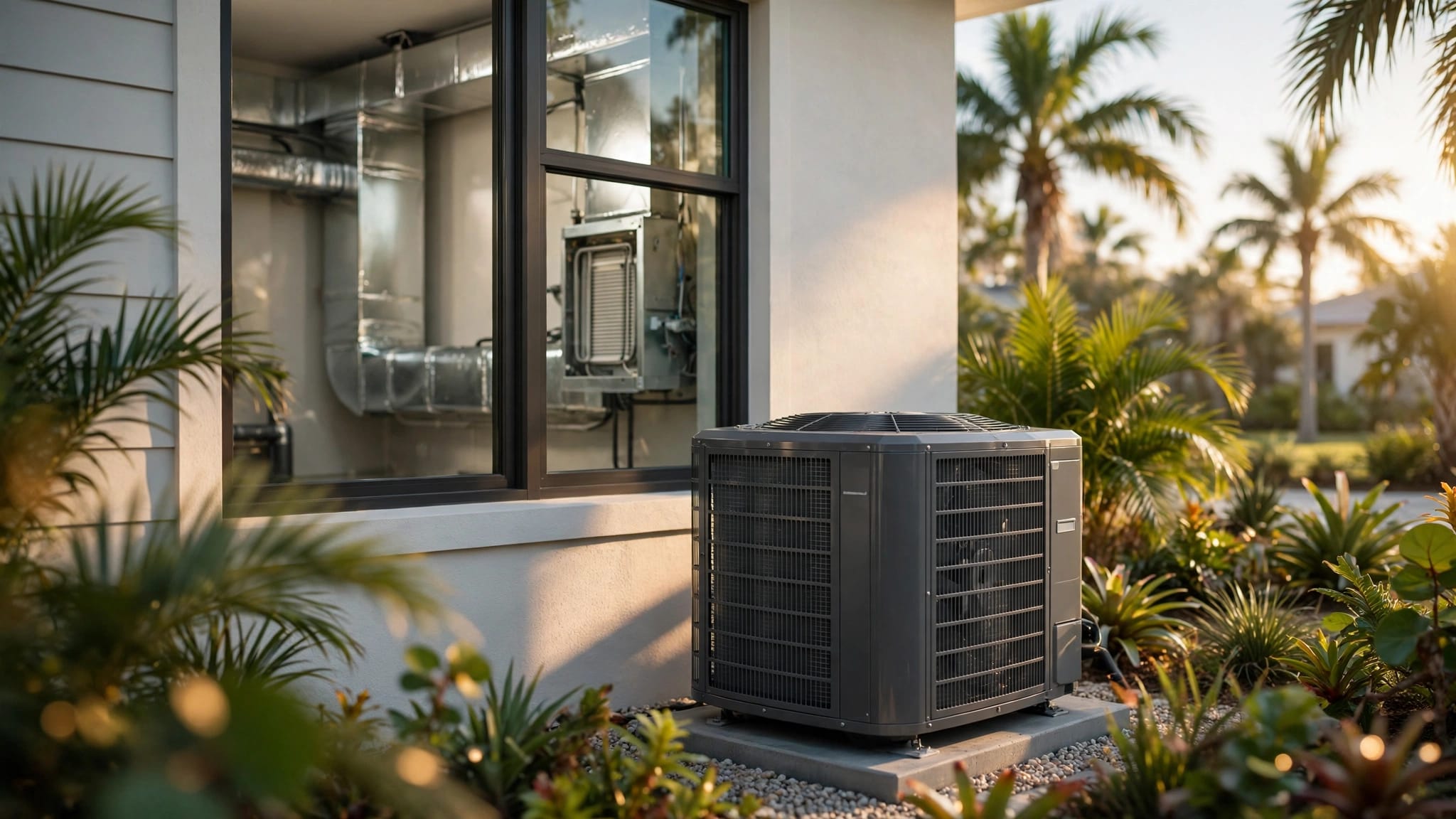
The thermostat Y wire carries the cooling call in many home HVAC systems. When your home needs cooling, the thermostat sends a signal through Y that typically tells the system to run the compressor and outdoor unit.
If the indoor fan runs but your home isn't cooling, a loose or missing Y connection is one possible cause. Understanding the signal can help you recognize what your system is doing before you call for service.
Key Takeaways
- Y or Y1 commonly controls the first stage of cooling; Y2 may call for a second stage.
- On a heat pump, Y usually calls for compressor operation, while O/B controls the reversing valve.
- A loose or missing Y connection can interrupt cooling, but other equipment problems can cause similar symptoms.
- Wire color alone doesn't identify a wire's function. The terminal connection matters.
How the Cooling Call Travels Through Your System
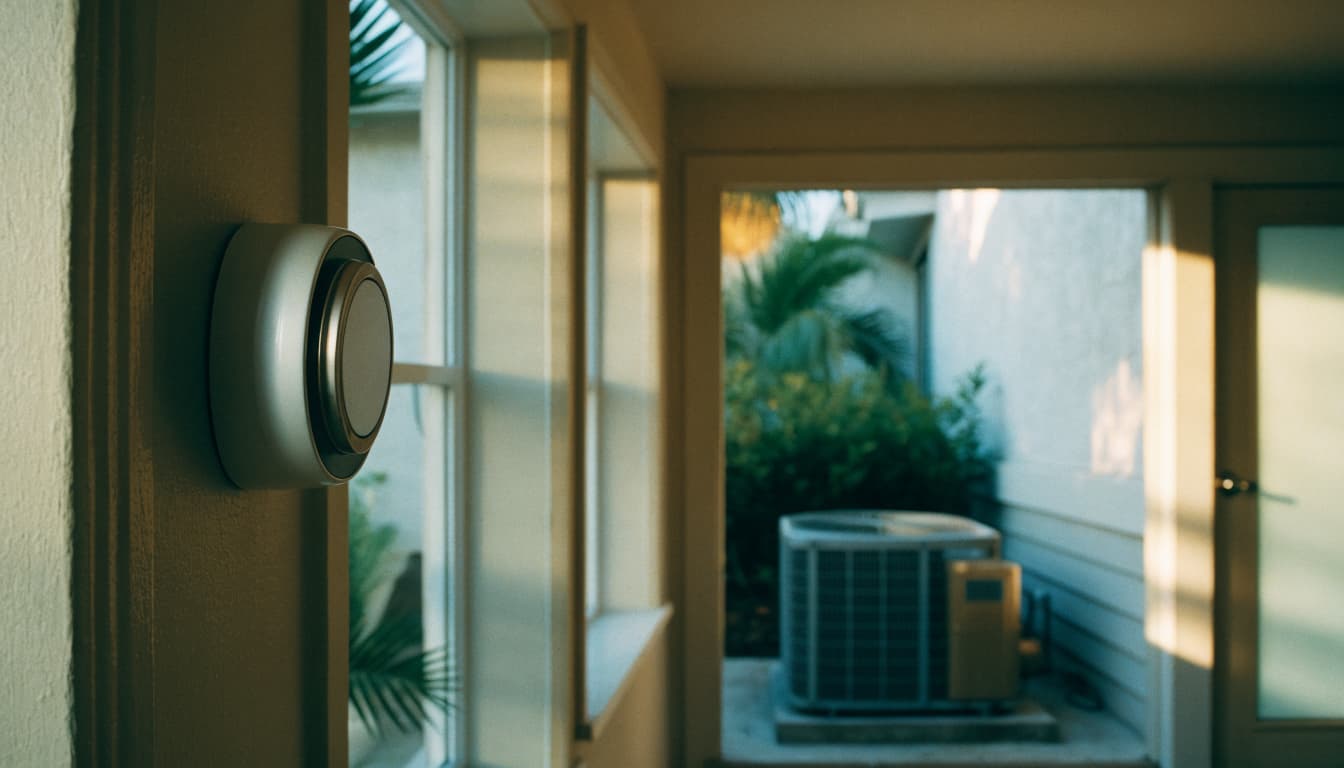
In a typical central AC system, the cooling sequence starts when the thermostat senses that your home is warmer than its setting.
- The thermostat calls for cooling through the Y connection.
- The control signal reaches the HVAC equipment, which starts the outdoor compressor and fan when its controls permit.
- The indoor blower moves air across the cooling coil and through your home's ducts.
- Once the home reaches the selected temperature, the thermostat ends the cooling call. The blower may continue briefly, depending on the system.
The Y wire carries a low-voltage control signal. It doesn't directly supply the main electrical power that runs the compressor. Also, a working thermostat display doesn't prove the cooling signal is reaching the outdoor equipment.
Some systems pause before starting to protect the compressor. Our guide to thermostat cooling delays explains what a "Wait" message can mean.
What Do Y, Y1, and Y2 Mean?
Terminal labels tell you more than wire colors. A wire connected to Y is often yellow, but installers can use other colors. A yellow wire connected somewhere else doesn't necessarily perform the Y function.
Y or Y1: The First Cooling Stage
On a conventional single-stage air conditioner, Y or Y1 generally carries the cooling request. The compressor runs at its available cooling capacity until the thermostat ends the call.
On a two-stage system, Y1 commonly requests the first, lower stage. That can allow the system to run at a lower setting when the house doesn't need full capacity.
Y2: An Additional Cooling Stage
Y2 commonly requests the second stage on a compatible two-stage system. When the thermostat determines that more cooling is needed, it can signal the equipment to increase capacity.
Not every thermostat or air conditioner uses Y2. Some equipment manages staging differently, and communicating systems use controls designed for their equipment rather than a conventional terminal setup. Our guide to thermostat compatibility with a replacement AC covers why matching terminal letters alone isn't enough.
How Y and O/B Differ on a Heat Pump
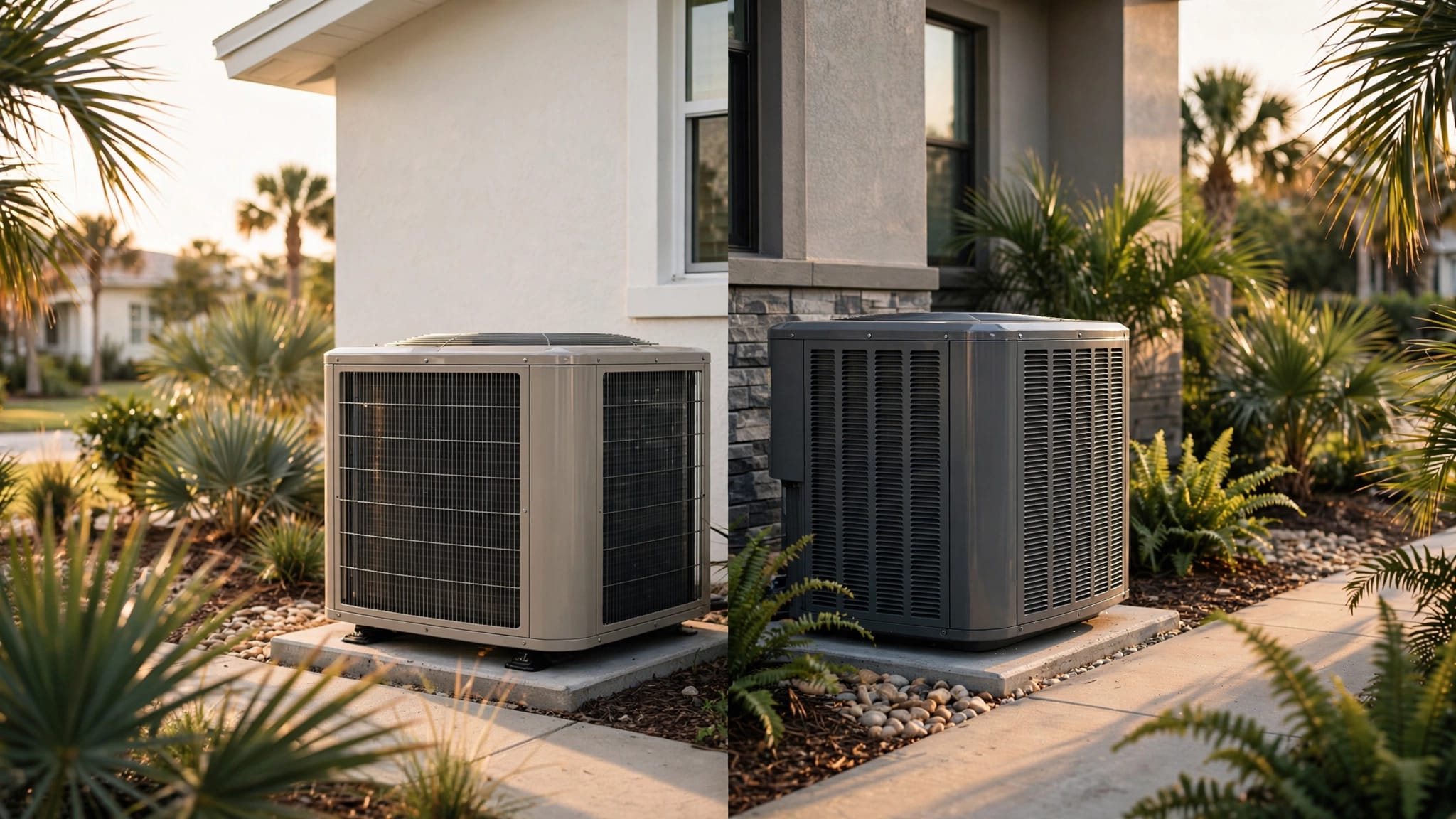
A heat pump can provide both heating and cooling. In many conventional heat pump setups, Y calls for the compressor in either mode. A separate O/B connection controls the reversing valve , which changes the direction of refrigerant flow for heating or cooling.
Depending on the equipment, the reversing valve may be energized in cooling or in heating. The thermostat must be configured for the system it controls.
A problem with Y can prevent a compressor call. An O/B or reversing-valve problem can cause the heat pump to operate in the wrong mode. These are different functions, even though both affect comfort.
What Happens When the Y Connection Is Loose or Missing?
A disconnected Y wire can keep the cooling request from reaching the equipment. The thermostat may appear to work normally, while the outdoor unit doesn't start and the house stays warm.
A loose connection can also interrupt the signal intermittently. You might notice inconsistent cooling or repeated attempts to start. Meanwhile, the indoor blower may still move air, so airflow at a vent doesn't confirm that the compressor is running.
These symptoms don't prove the Y wire is at fault. A thermostat setting, compressor delay, power problem, contactor issue, or another control fault can produce similar results. A technician can test the system to identify where the cooling call stops.
Safe Checks Before Scheduling AC Service
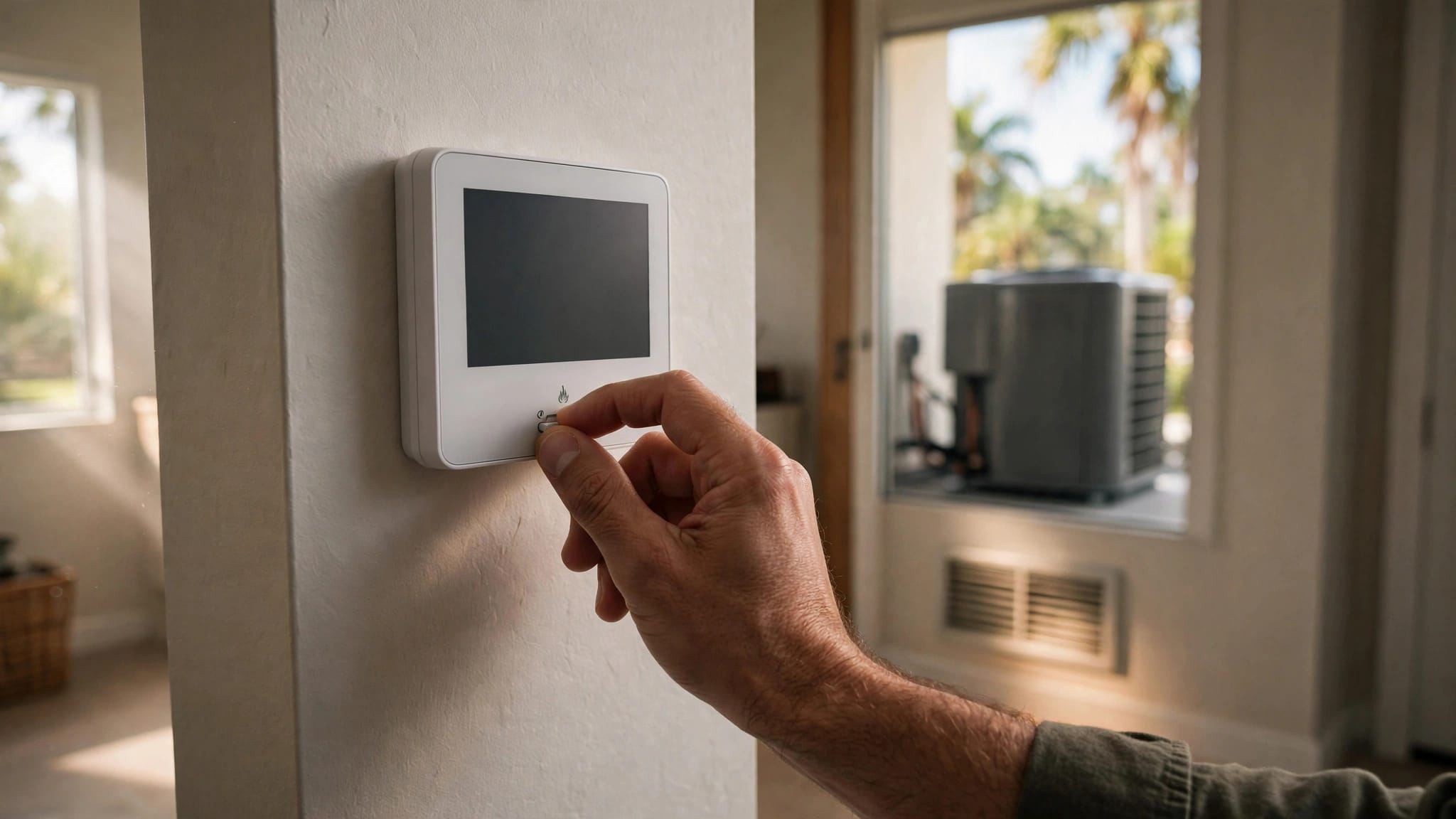
Start at the thermostat. Set it to Cool and choose a temperature a few degrees below the room temperature. Set the fan to Auto, then allow time for any compressor-protection delay.
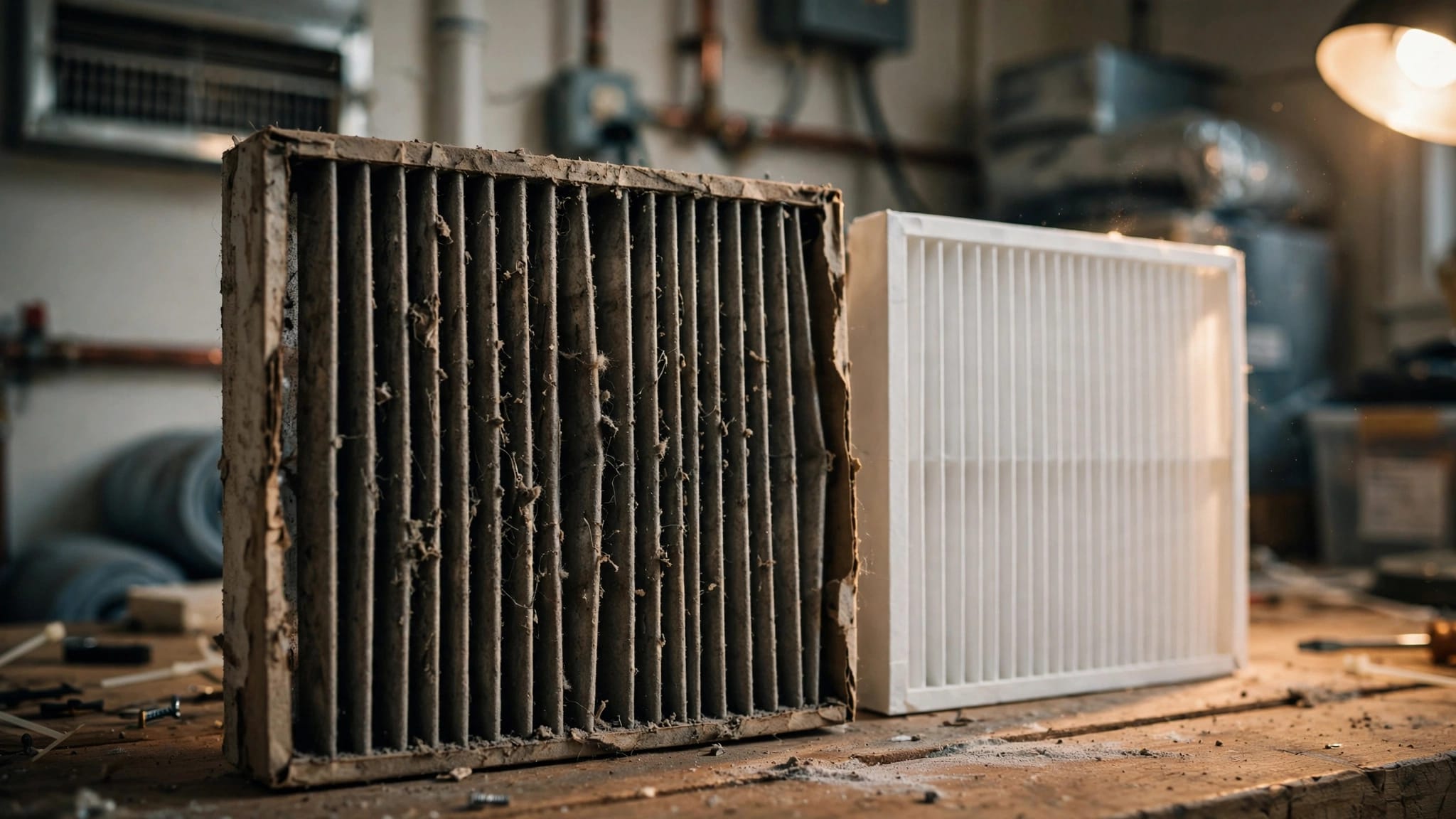
If your thermostat uses batteries and its display is dim or erratic, replace them. Look at the accessible air filter, too. A dirty filter can restrict airflow, although replacing it won't repair a disconnected Y wire.
Our guide to why an AC won't turn on covers more common startup issues.
Don't move thermostat wires or open equipment cabinets to test the connection. Switching the thermostat off doesn't disconnect power from the outdoor unit. If you notice a burning smell, repeated breaker trips, ice, or harsh buzzing, turn cooling off and arrange service.
For help in Southwest Florida, Contact Us to schedule a service call. We offer 24/7 emergency service.
Frequently Asked Questions
Is the Y wire always yellow?
No. Yellow is common, but wire colors aren't a reliable way to identify a connection. The terminal label and the equipment's control setup determine the wire's role.
Can the fan run if the Y wire isn't connected?
Yes. The indoor fan can run separately from the outdoor compressor, depending on the thermostat setting and equipment controls. Air coming through the vents doesn't necessarily mean the AC is cooling.
Getting the Cooling Call Restored
The Y connection helps carry your thermostat's request for cooling to the HVAC equipment. On a heat pump, it works alongside a separate reversing-valve control.
If the system doesn't cool after basic thermostat checks, a professional diagnosis can identify whether the Y connection or another component needs attention.