A refrigerant recharge can look like a small AC fix until the invoice shows up. In Cape Coral, the AC refrigerant recharge cost in 2026 depends on the refrigerant type, the amount lost, and whether the technician has to track down a leak first.
If your system is low again after a recent top-off, that is a warning sign. Refrigerant does not get used up like fuel, so a low charge usually means something escaped from the system.
Most homeowners will see a price range, not a single flat number. The best way to understand the bill is to look at what drives it.
What Cape Coral homeowners can expect to pay
Across Florida, the average refrigerant recharge lands around $300 in 2026, but Cape Coral estimates can move above or below that number. The final price usually includes the service call, labor, the refrigerant itself, and any leak work that comes before the recharge.
| Situation | Typical 2026 range | What pushes the price up |
|---|---|---|
| Newer R-410A system, simple recharge | $250 to $450 | Service call, labor, and a few pounds of refrigerant |
| R-410A system with leak diagnosis and repair | $400 to $900 | Leak testing, parts, repair work, and refrigerant |
| Older R-22 system | $450 to $900+ | Scarcer refrigerant and harder-to-find parts |
A newer system with a small loss usually sits near the lower end. An older unit with a leak can climb fast, especially if it needs diagnostic work before anyone adds refrigerant.
A cheap top-off can turn into an expensive return visit if the leak never gets fixed.
Cape Coral homes often run their AC hard for months at a time. That extra runtime can expose weak fittings, tired coils, and small leaks that stayed hidden earlier in the year. If a quote seems unusually low, ask what it includes and whether it covers leak detection.
Why low refrigerant usually means a leak
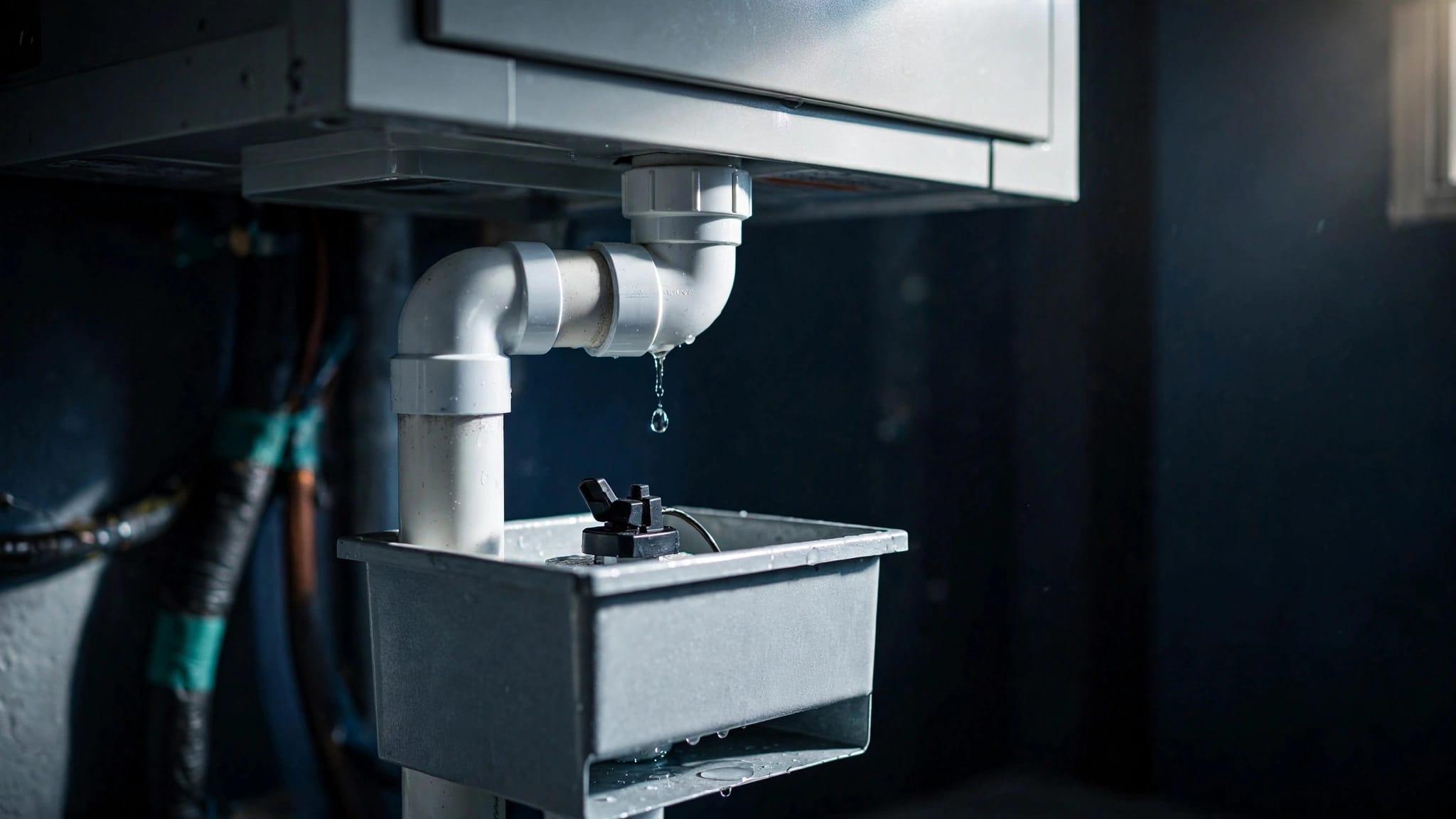
Your AC does not burn through refrigerant the way a car burns gas. If the level is low, the system lost it somewhere.
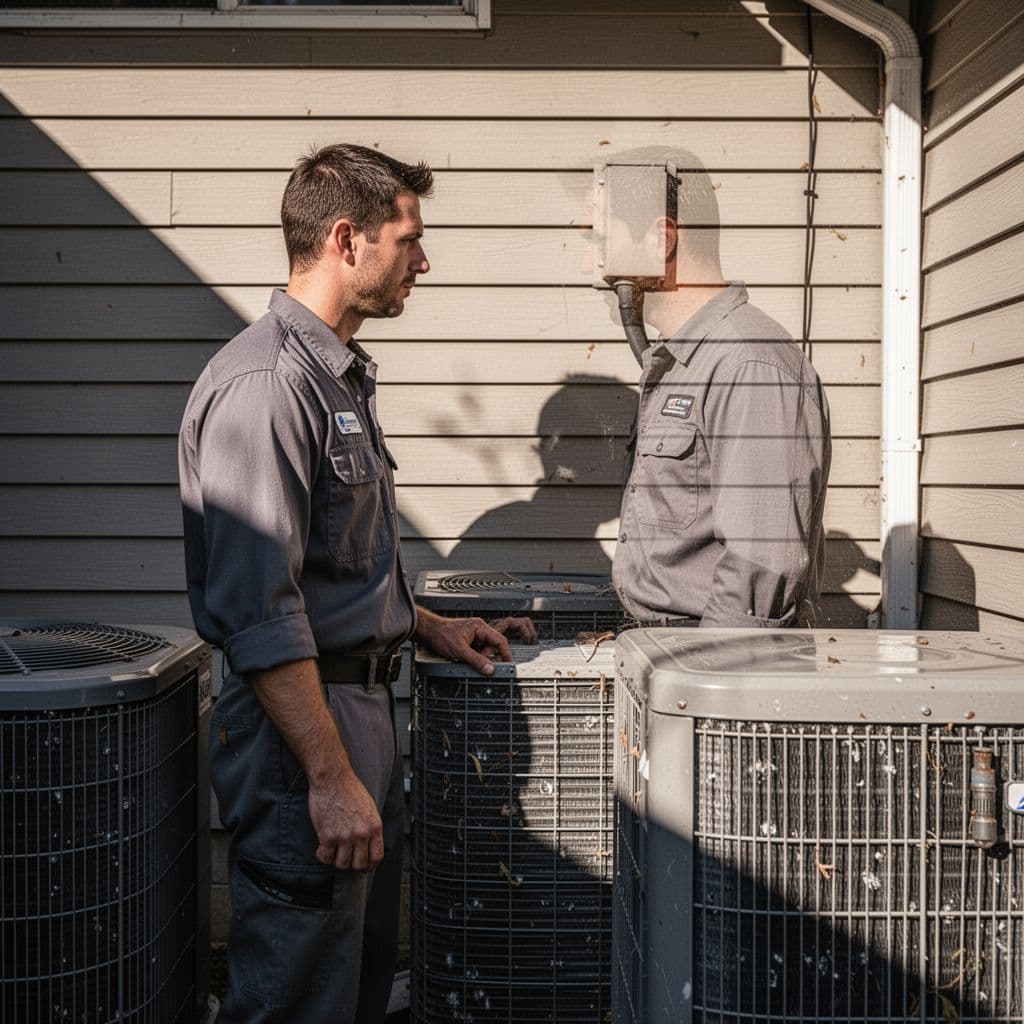
That is why a recharge without diagnosis is often a short-term fix. It is like filling a tire that keeps going flat. The air helps for a while, but the hole is still there.
Low refrigerant often shows up in the same few ways:
- Warm air comes from the vents, even when the thermostat is set low.
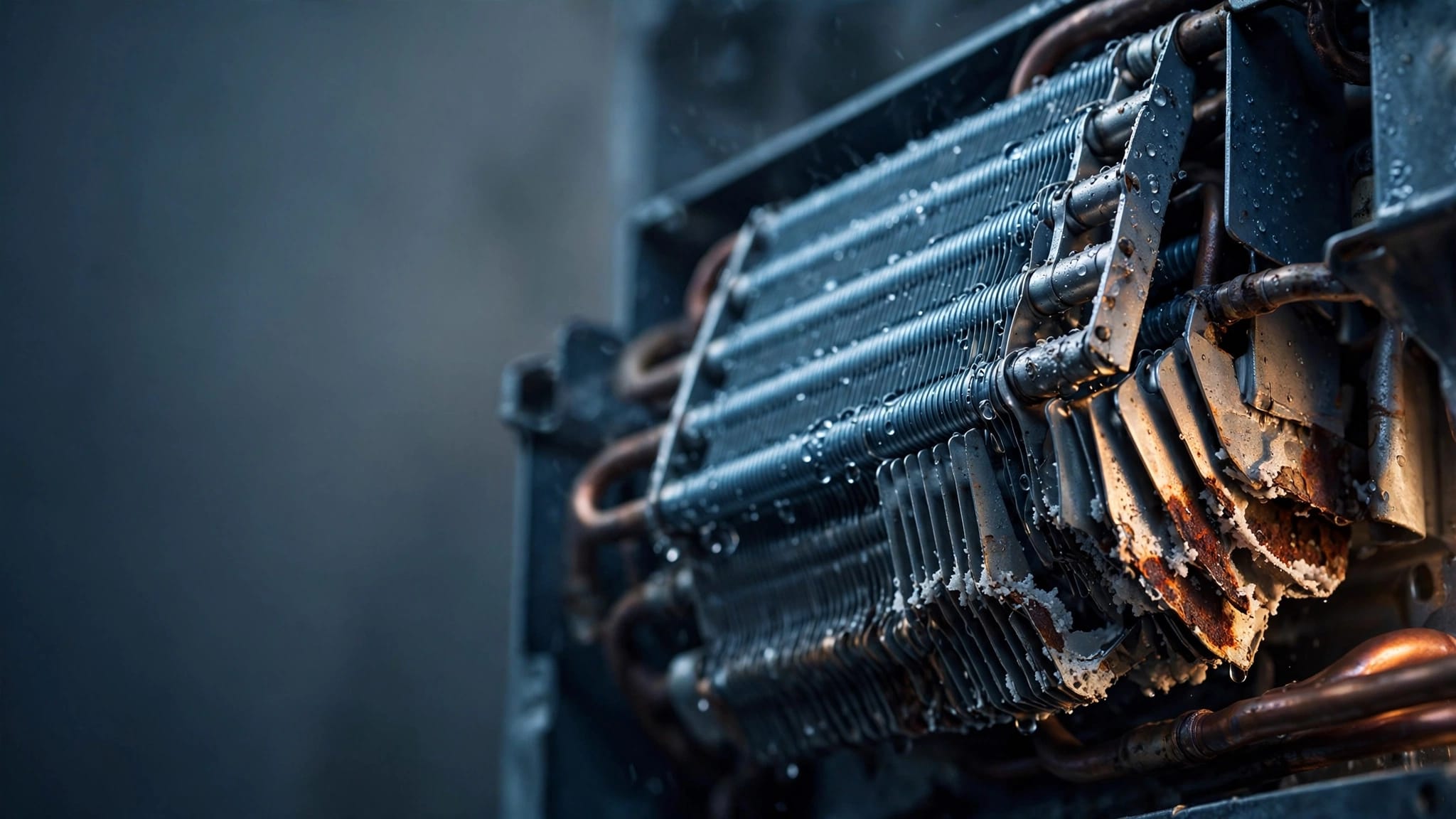
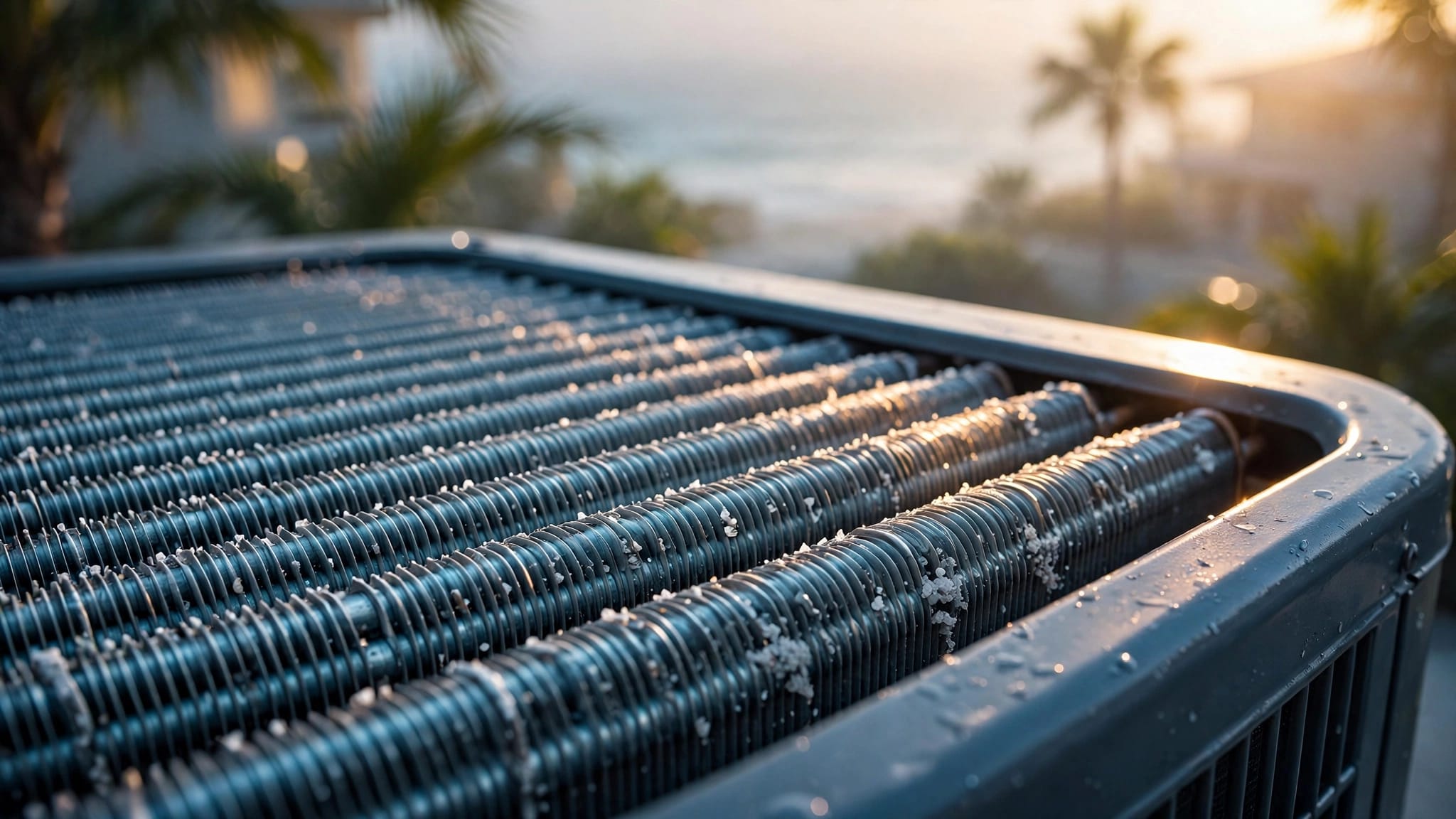
- Ice builds on the copper lines or on the outdoor coil.
- The system runs longer than normal to cool the house.
- You hear hissing or bubbling near the line set.
- Electric bills rise without any change in your habits.
One of those signs by itself can point to another issue. A few of them together usually mean the system needs a closer look. In Cape Coral, that matters because the AC often has to fight heat and humidity at the same time.
A proper repair starts with pressure readings and a leak check. Only then should the technician add refrigerant. If the leak is small, fixing it early can save the compressor and prevent a much larger bill later.
How R-410A and older refrigerants change the price in 2026
Refrigerant type matters more in 2026 than many homeowners expect. Most Cape Coral homes with newer equipment use R-410A , especially systems installed after 2009. That refrigerant is still common, but supply changes have pushed prices upward.
New R-410A production stopped on January 1, 2026. That means the refrigerant itself is harder to source than it was before. Even when the job is simple, the price per pound can be higher than many people expect.
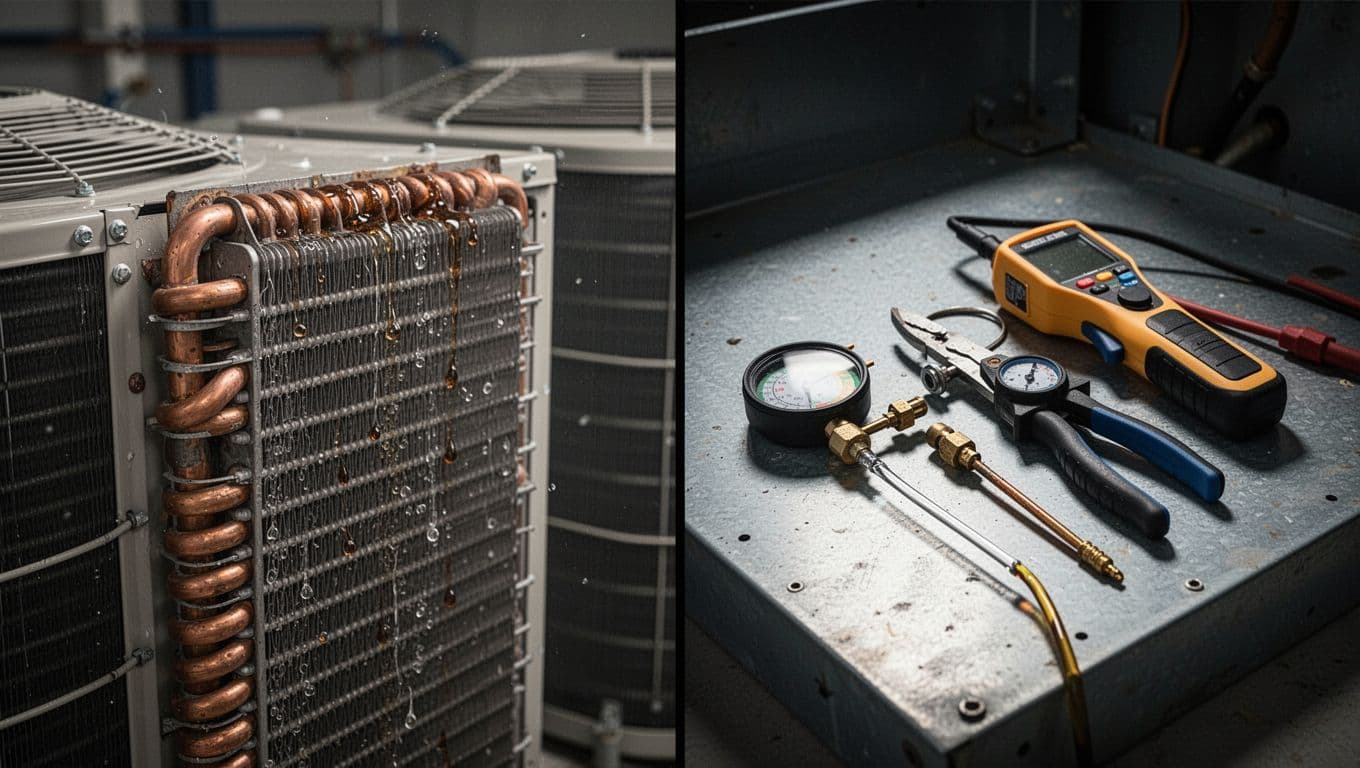
Older homes may still use R-22 , and that changes the math again. R-22 is phased out, scarce, and expensive to buy. When a unit still depends on it, even a modest recharge can become pricey because the refrigerant is difficult to get and may cost far more per pound.
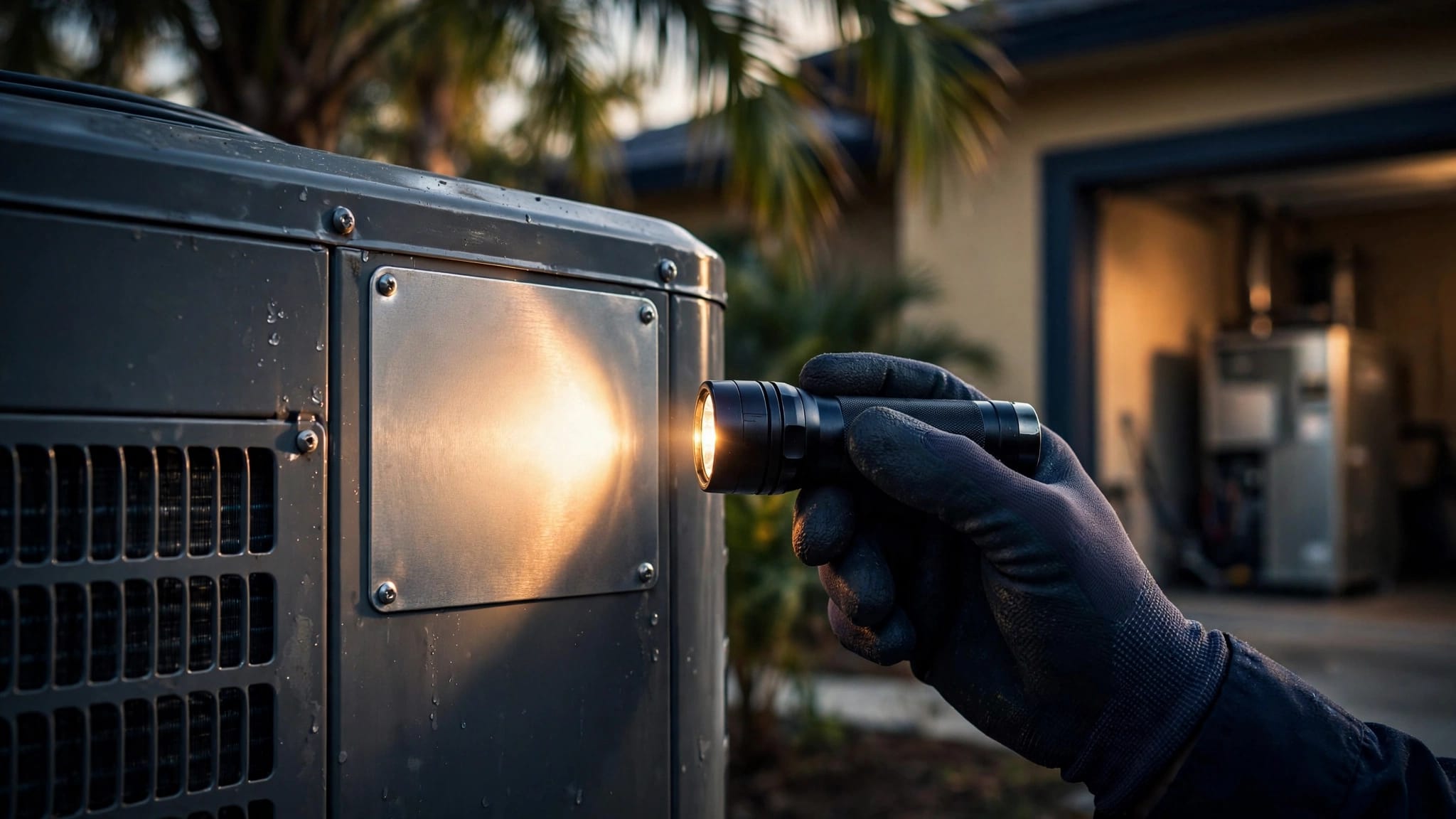
That is why two homes can need the same kind of service and still receive very different estimates. The refrigerant label on the outdoor unit matters. So does how much the system lost. A small top-off on R-410A is one thing. A big refill on an older R-22 unit is another.
A good technician should identify the refrigerant first, then explain the range. If that step gets skipped, the estimate may not be telling the full story.
What a real recharge visit should include
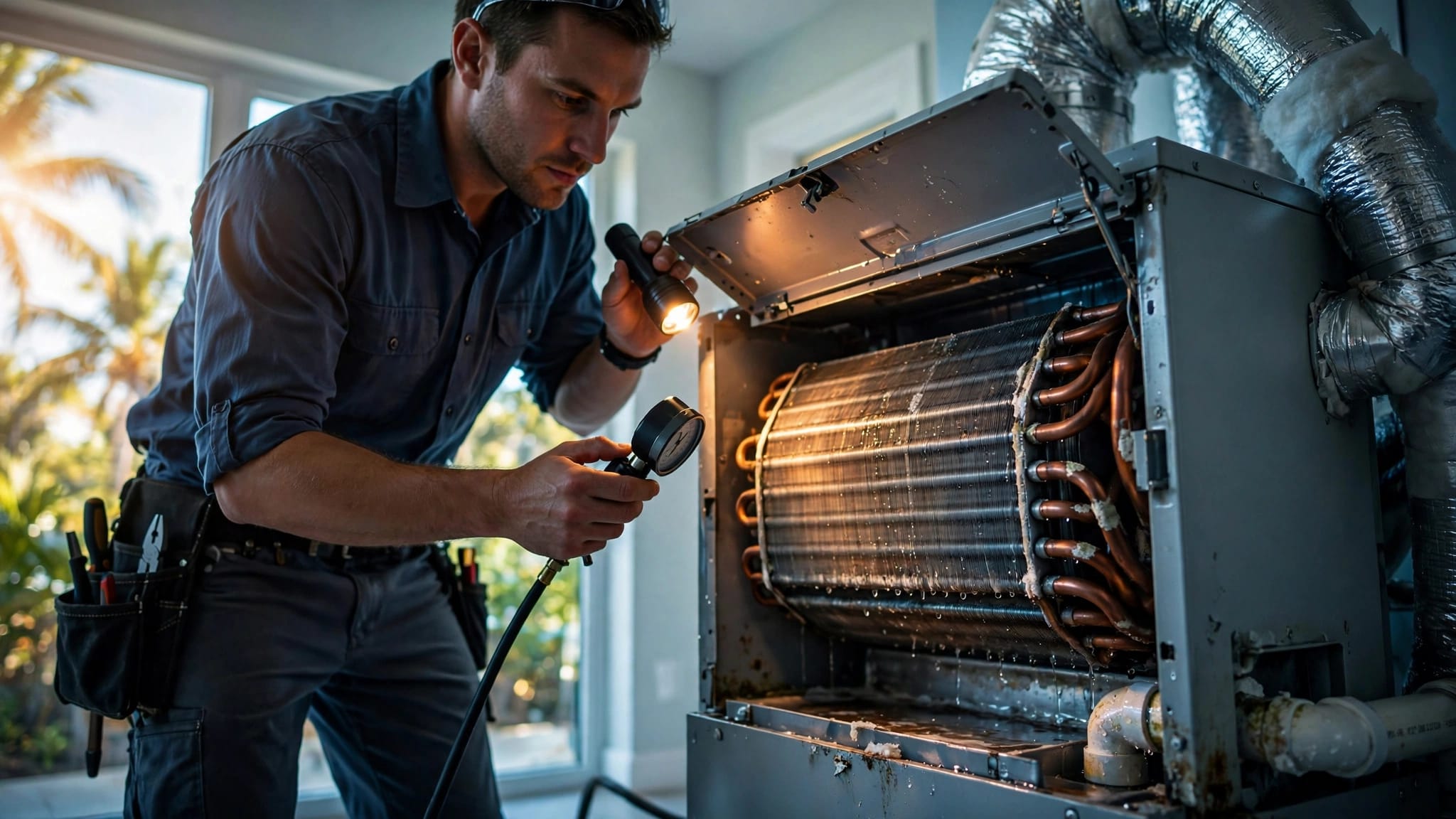
A proper recharge visit starts with diagnosis, not with a can or a hose. When you schedule professional air conditioning repair in Cape Coral, the technician should look for the reason the system went low before adding anything back.
A solid visit usually includes:
- confirming the refrigerant type on the unit
- checking pressure and temperature readings
- looking for leaks at coils, fittings, and valves
- repairing the leak before the recharge
- adding refrigerant to the manufacturer's spec
That process takes longer than a quick top-off, but it gives you a better result. It also helps protect the compressor, which is one of the most expensive parts in the system.
If your AC stops working after hours or on a weekend, 24/7 emergency HVAC repair services can help get eyes on the problem fast. That matters when a minor refrigerant issue turns into a house that will not cool down at all.
It also helps to ask how the company handles service calls. Some quotes only cover the refrigerant. Others include diagnostics, labor, and a leak check. Those details can change the final total more than the headline price does.
If you think your system needs attention, Contact Us to schedule a service call and get the leak checked first.
What Cape Coral homeowners should remember
A refrigerant recharge is rarely just a refill. In Cape Coral, the real cost depends on the refrigerant type, the size of the loss, and the work needed to find the leak. For a newer R-410A system, a simple recharge may stay in a moderate range. For an older R-22 unit, the bill can rise fast because the refrigerant is scarce.
Low refrigerant is the clue. The leak is the problem. A proper diagnosis protects your AC, keeps the home cooler, and keeps a small issue from coming back again a few weeks later.