A broken air conditioner can make you rush into the first service call you find. That pressure is exactly why choosing an HVAC contractor deserves a little more care.
The right HVAC contractor should explain the problem, provide a clear written estimate, and answer questions without pushing you into a same-day decision. Before you sign anything, ask these nine questions and compare the answers as carefully as the prices.
Build a short list before requesting estimates
Start with two or three established companies instead of choosing the first name in a search result. Look for contractors who handle your type of system and have experience with homes in your area. Southwest Florida homeowners may need help with central air conditioning, heat pumps, ductwork, humidity, or indoor air quality.
A company's service information can also reveal whether it handles the work you need. For example, reviewing available HVAC services in Cape Coral can help you identify whether a provider offers repairs, installations, ductwork, maintenance, and emergency response.
Ask each company the same questions. Then compare written estimates with the same level of attention. A lower price may leave out permits, electrical work, drain-line service, equipment disposal, or labor coverage.
9 Questions to Ask an HVAC Contractor Before You Hire
1. Are you licensed and insured for this work?
Ask for the company's license number, then verify it independently. In Florida, you can check contractor licensing information through the Department of Business and Professional Regulation. Do not rely only on a website badge or a salesperson's verbal assurance.
The company should also carry general liability insurance and workers' compensation coverage. These protections matter if property damage or an on-the-job injury occurs. If the work involves refrigerants, ask whether the technicians hold EPA Section 608 certification.
Find out whether the company will obtain required permits. A contractor who avoids permits to save time may leave you with inspection problems later.
2. How much experience do you have with my system and home?
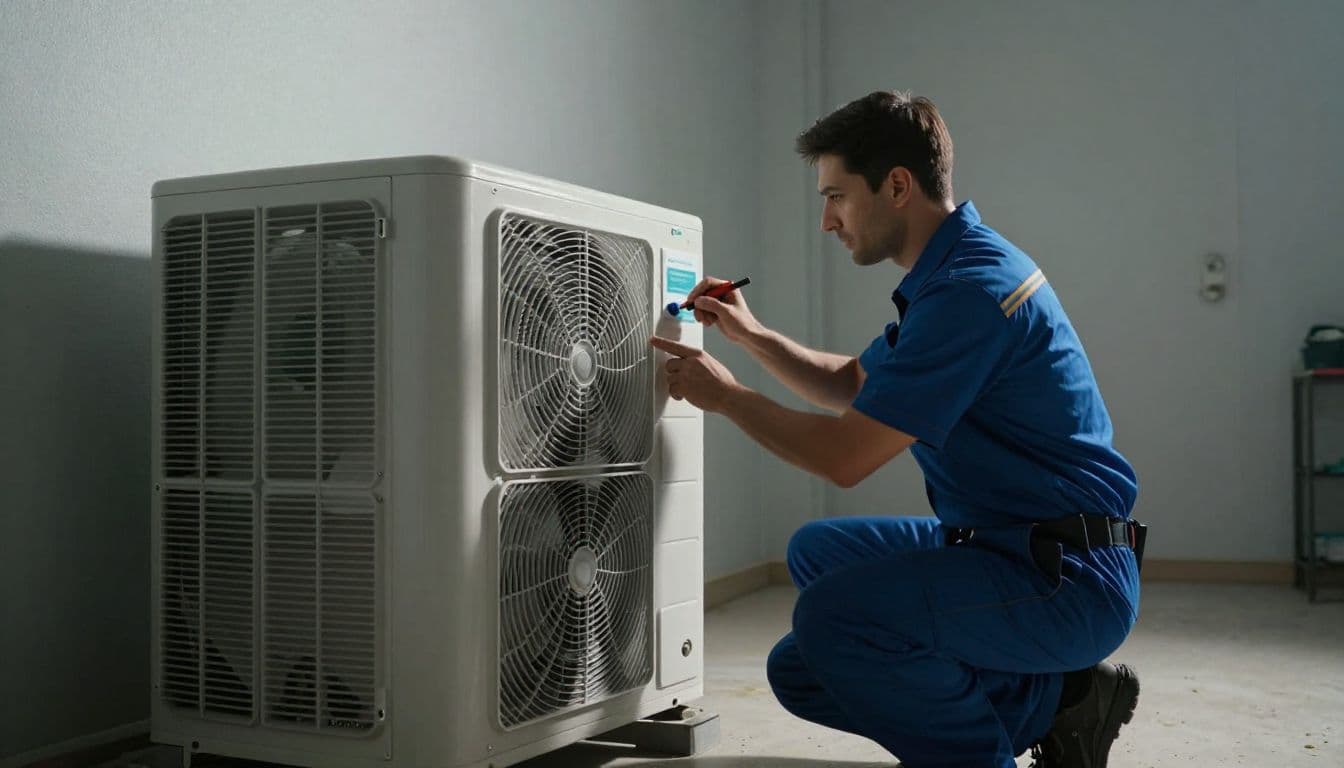
Years in business can provide useful context, but the type of experience matters more. Ask whether the crew regularly works on your system, such as a heat pump, split-system air conditioner, ductless unit, or packaged system.
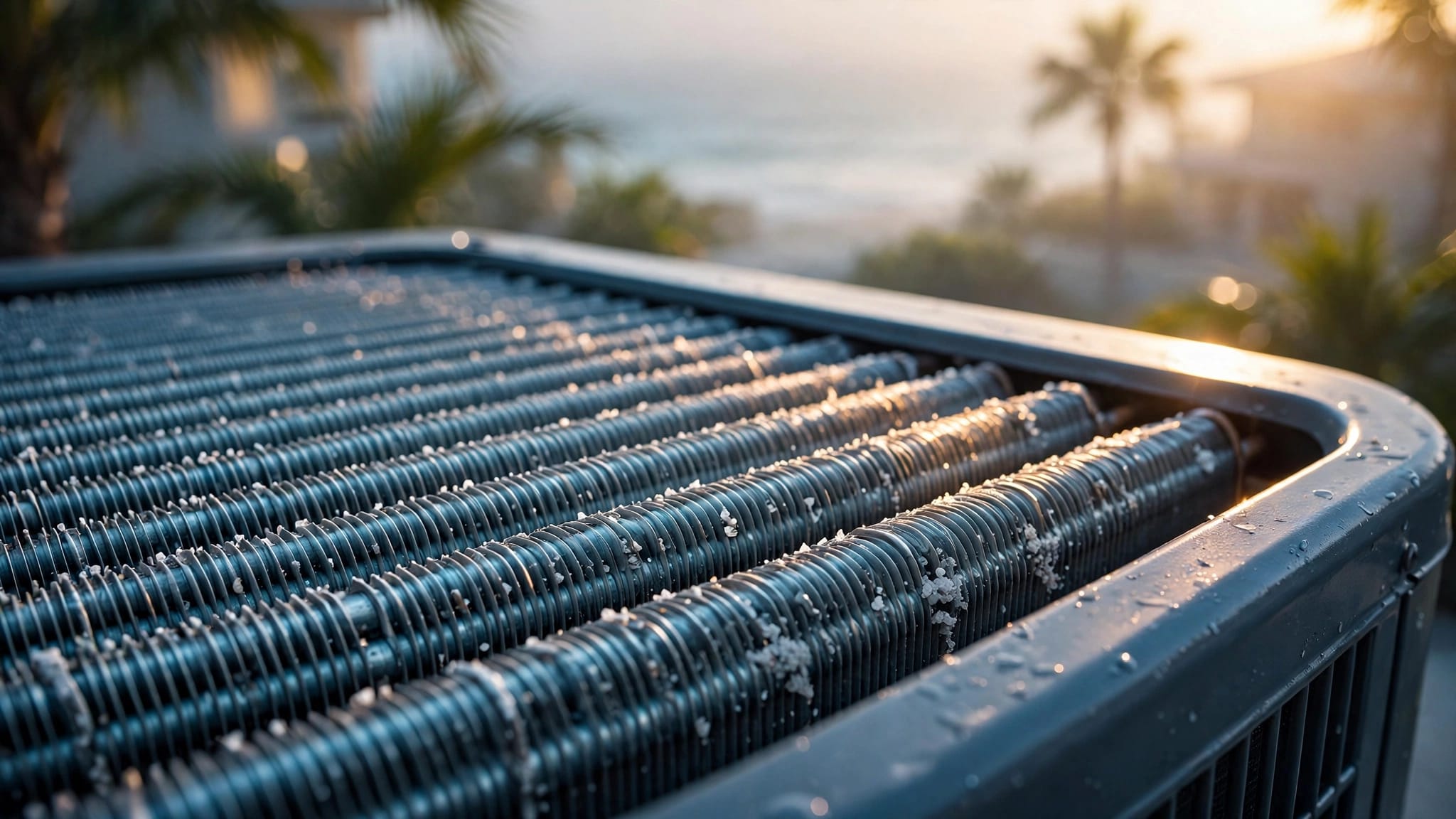
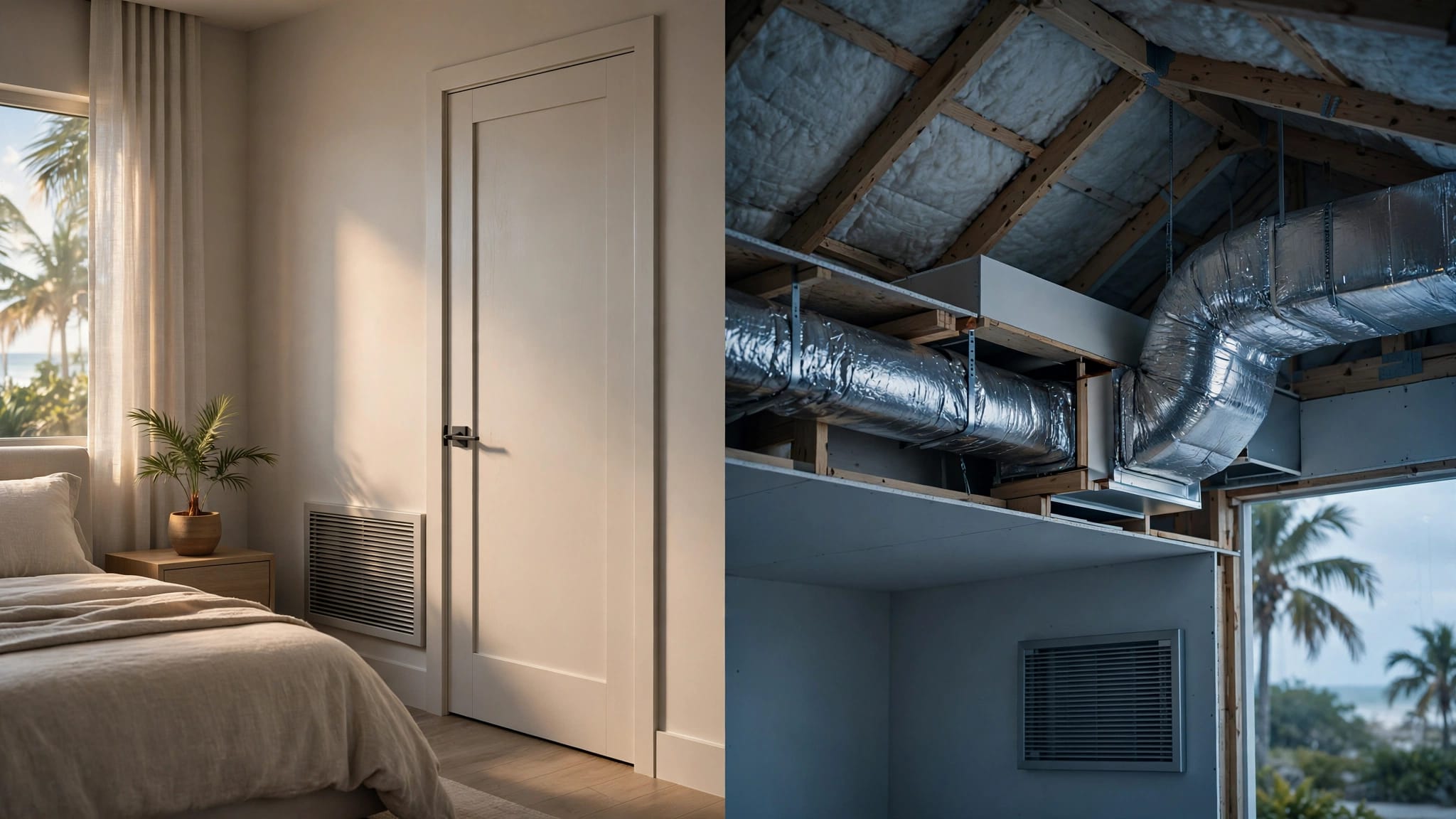
Homes near the coast can also face salt exposure, high humidity, and long cooling seasons. A contractor familiar with local conditions should know how to inspect condensate drainage, ductwork, insulation, electrical components, and outdoor equipment.
Ask who will evaluate the home and who will complete the work. A salesperson who recommends replacement without inspecting the equipment, duct system, and electrical setup may not have enough information to quote accurately.
3. Who will perform the installation or repair?
Some companies use their own employees, while others hire subcontractors. Either arrangement can work, but you should know who will enter your home and who will be responsible for the result.
Ask whether the assigned technician is licensed, trained, and supervised. Find out who handles questions if the crew encounters an unexpected problem. You should receive a clear contact person rather than being passed between the office, salesperson, and installer.
Also ask about cleanup. A complete installation should include removal of old equipment, disposal of job-related materials, and a basic explanation of the new system. Get those details in writing before work begins.
4. Can you provide recent references for similar work?
Request references for projects that resemble yours. A homeowner replacing a central air conditioner should hear from someone who had a comparable installation, not only from a customer who needed a minor repair.
When you speak with a reference, ask whether the final price matched the estimate. You can also ask about communication, arrival times, cleanup, permit handling, and how the company responded if a problem appeared after the job.
Online reviews can reveal patterns, but they shouldn't be your only source of information. Look for repeated complaints about surprise charges, unfinished work, or difficulty getting warranty service. One negative review doesn't tell the whole story, while a consistent pattern deserves attention.
5. What exactly does the written estimate include?
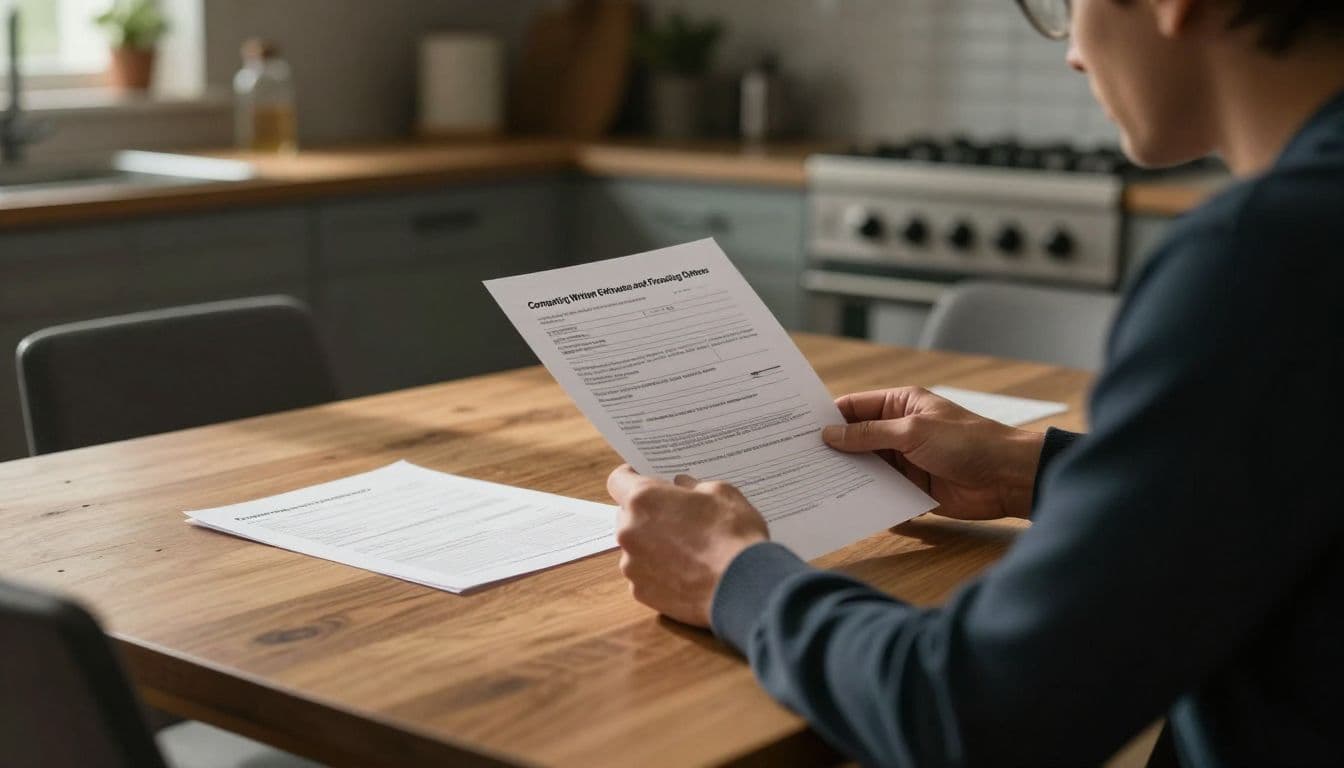
A verbal price is difficult to compare and even harder to enforce. Ask for an itemized written estimate before approving the work.
The document should identify:
- The equipment brand, model, capacity, and efficiency rating.
- Labor, materials, equipment removal, and disposal.
- Permit fees, inspection costs, taxes, and other charges.
- Ductwork, electrical changes, drain-line work, thermostat installation, or other related tasks.
- The warranty terms for equipment and labor.
- The payment schedule, deposit amount, and financing terms.
For a repair, the estimate should explain the diagnostic fee, parts, labor, and any follow-up visit. If the technician discovers another issue, ask whether the company will get your approval before adding work.
A written estimate is useful only when it describes the complete job, not when it shows one unexplained total.
6. How did you determine the right system size?
A replacement system should match the home, not only the size of the old equipment. Ask how the contractor calculated the required capacity.
A proper evaluation may consider the home's layout, square footage, windows, insulation, ductwork, ceiling height, sun exposure, and air leakage. Many contractors use Manual J load calculations to estimate heating and cooling needs.
Oversized equipment can reach the thermostat setting quickly but may run for shorter cycles. In a humid climate, that can affect moisture removal and comfort. An undersized system may run for long periods and struggle on the hottest days.
Ask whether the contractor inspected the return-air system, supply ducts, electrical service, drain line, and outdoor pad. The model number and capacity should appear in the written estimate.
7. What do the equipment and labor warranties cover?
Equipment and labor warranties are often separate. A manufacturer warranty may cover certain parts, while the contractor may provide a different warranty for installation labor. Ask for both terms in writing.
Find out who registers the equipment and who handles a warranty claim. Ask whether the warranty requires maintenance, excludes certain repairs, or changes if another company services the system.
A maintenance agreement can also have different terms between providers. Check what visits include, whether priority scheduling applies, and whether parts or repair labor cost extra. Don't assume a maintenance plan covers every future problem.
The warranty should match the equipment and work shown on your estimate. If the salesperson makes a promise that doesn't appear in the paperwork, ask for a revised agreement.
8. When can you start, and what happens if the system fails later?
A contractor should give you a realistic schedule, including the expected installation time and any permit or inspection delays. Ask how the company handles parts that are backordered or equipment that arrives damaged.
For a repair, confirm the diagnostic fee before scheduling. You should also know whether the technician will request approval before replacing parts or performing additional work.
If your air conditioner stops working after normal business hours, ask about emergency response and after-hours pricing. A company that offers AC repair and maintenance in Cape Coral may provide different response options for urgent problems and planned service.
Don't accept a vague promise that someone will "get there soon." Ask for an arrival window, a direct phone number, and the process for follow-up service.
9. What is the total cost, and what payment terms apply?
Compare the full cost, not the first number a salesperson mentions. Two estimates can look different because one includes a better-efficiency system, new ductwork, permits, a thermostat, or longer labor coverage.
If financing is available, review the complete terms. Ask about the interest rate or annual percentage rate, loan length, required deposit, monthly payment, processing fees, and what happens if a promotional period ends. Keep a copy of the financing agreement with the estimate.
High-pressure tactics deserve caution. Be careful if a salesperson says the price is available only for a few minutes, refuses to leave the estimate, or asks you to sign before explaining the equipment and warranty.
A fair contractor gives you enough time to compare options. You should understand the total price and the work included before making a decision.
Warning signs to take seriously
A contractor may be a poor fit if the company refuses to provide a license number, proof of insurance, or a written scope of work. The same applies when a technician recommends replacement without examining the current system.
Pause if the estimate contains only a lump-sum price. You should also question a quote that is far lower than the others, especially when it omits permits, labor, equipment details, or disposal. The cheapest bid can become expensive when another company must correct incomplete work.
Some projects require a deposit for equipment or materials. Still, be cautious about demands for full payment before work starts. Never sign a blank contract, and don't allow a salesperson to add charges that you haven't approved.
Most importantly, don't let discomfort make the decision for you. A trustworthy HVAC contractor answers questions clearly, documents the agreement, and respects your right to compare estimates.
Conclusion
Hiring the right HVAC contractor begins with verification, not a quick price comparison. Check the license and insurance independently, ask who will do the work, and compare itemized estimates that describe equipment, labor, warranties, permits, and payment terms.
The lowest bid may leave out details that affect comfort and cost later. Choose the company that gives you a clear plan and enough information to make a confident decision.
If you need a professional service call or 24/7 emergency assistance, Contact Us to schedule service.