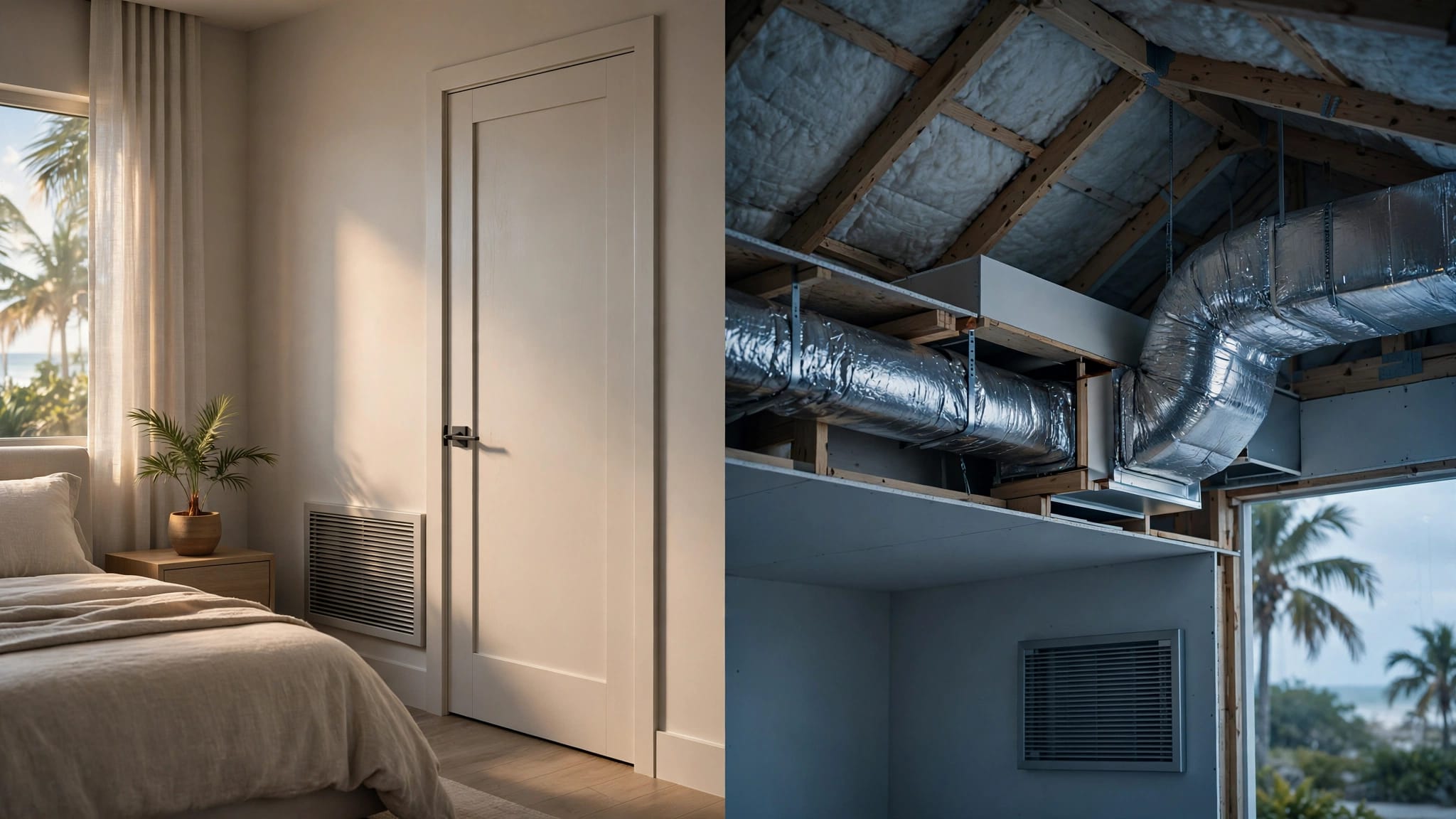
When your system enters heat pump defrost mode , you may hear the outdoor fan stop, see steam rise, or feel cooler air indoors. These changes can seem alarming, but they often mean the heat pump is protecting itself and restoring normal heating performance.
Florida homeowners see this cycle less often than residents in colder states. Still, high humidity, chilly nights, and coastal weather can create frost on an outdoor coil. Knowing what a normal cycle looks like helps you spot a real problem before it affects your comfort or raises repair costs.
How heat pump defrost mode works
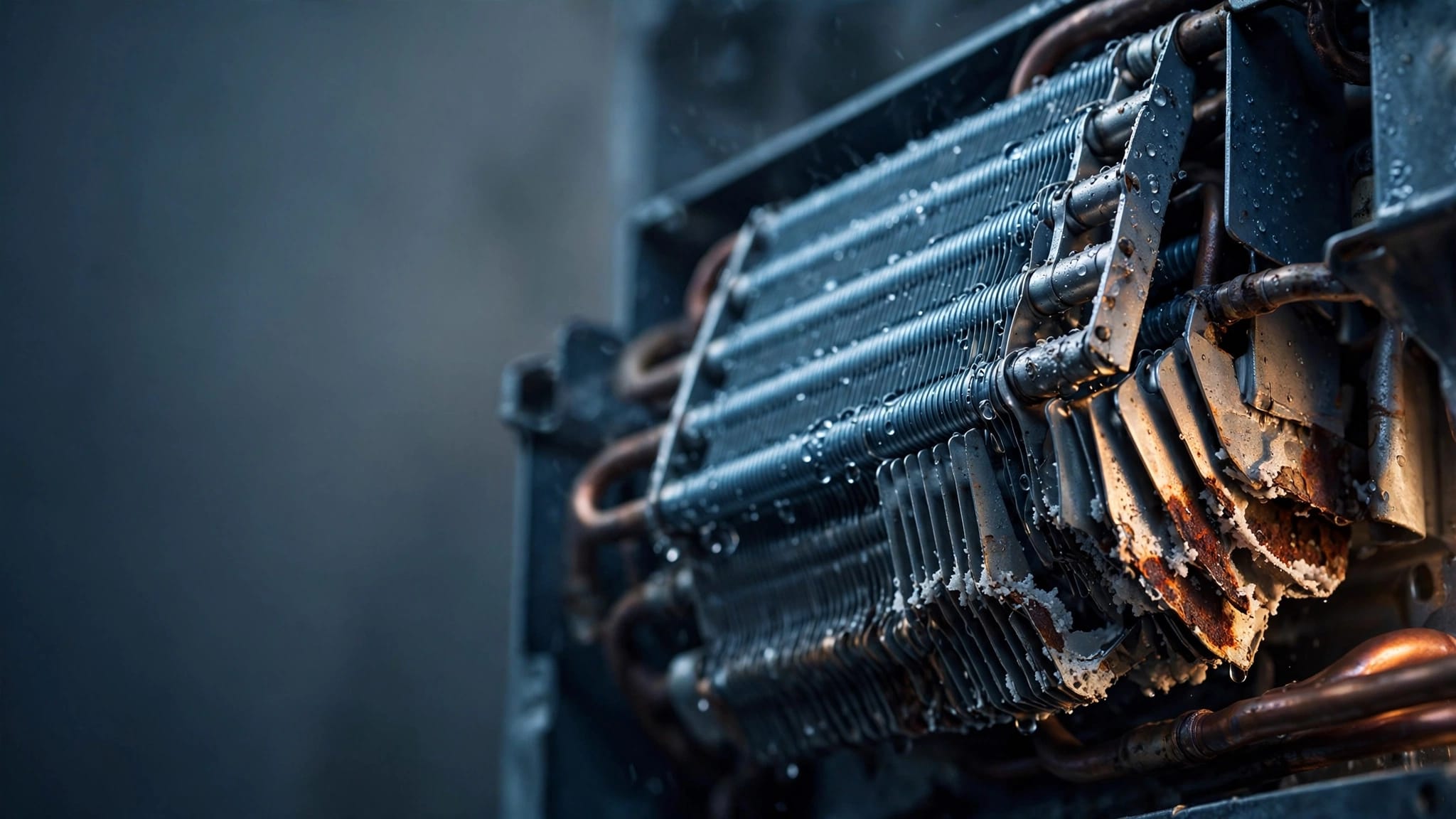
A heat pump absorbs heat from outdoor air and moves it indoors during the heating cycle. As the outdoor coil extracts heat, its temperature can fall below the surrounding air temperature. When moisture in that air collects on the coil, it may freeze into a thin layer of frost.
Even a small amount of frost can restrict airflow and reduce heat transfer. If the ice remains, the system works harder while delivering less heat. The defrost control starts a short process to clear the coil.
During heat pump defrost mode , the system temporarily reverses the refrigerant flow. It operates much like the cooling cycle, but the outdoor coil receives hot refrigerant. That heat melts the frost. Many systems also stop the outdoor fan so the coil warms faster.
The indoor blower may slow down or stop, depending on the equipment. Some heat pumps use electric auxiliary heat during defrost to prevent a blast of cool air from entering the home. Other systems may allow a brief temperature change indoors.
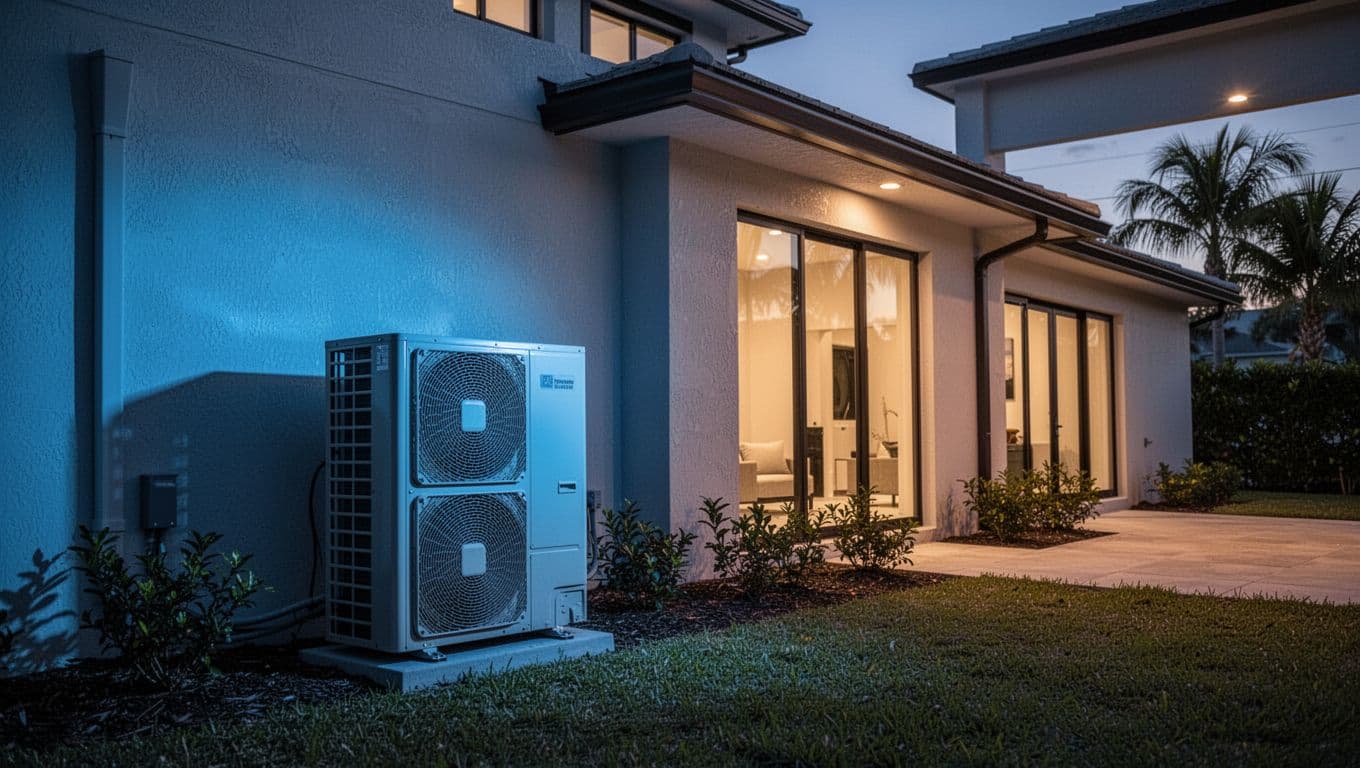
A control board, outdoor coil sensor, and programmed timing usually determine when the cycle starts and ends. Newer variable-speed systems may adjust the process more gradually than older single-stage units. The exact sequence depends on the manufacturer and model.
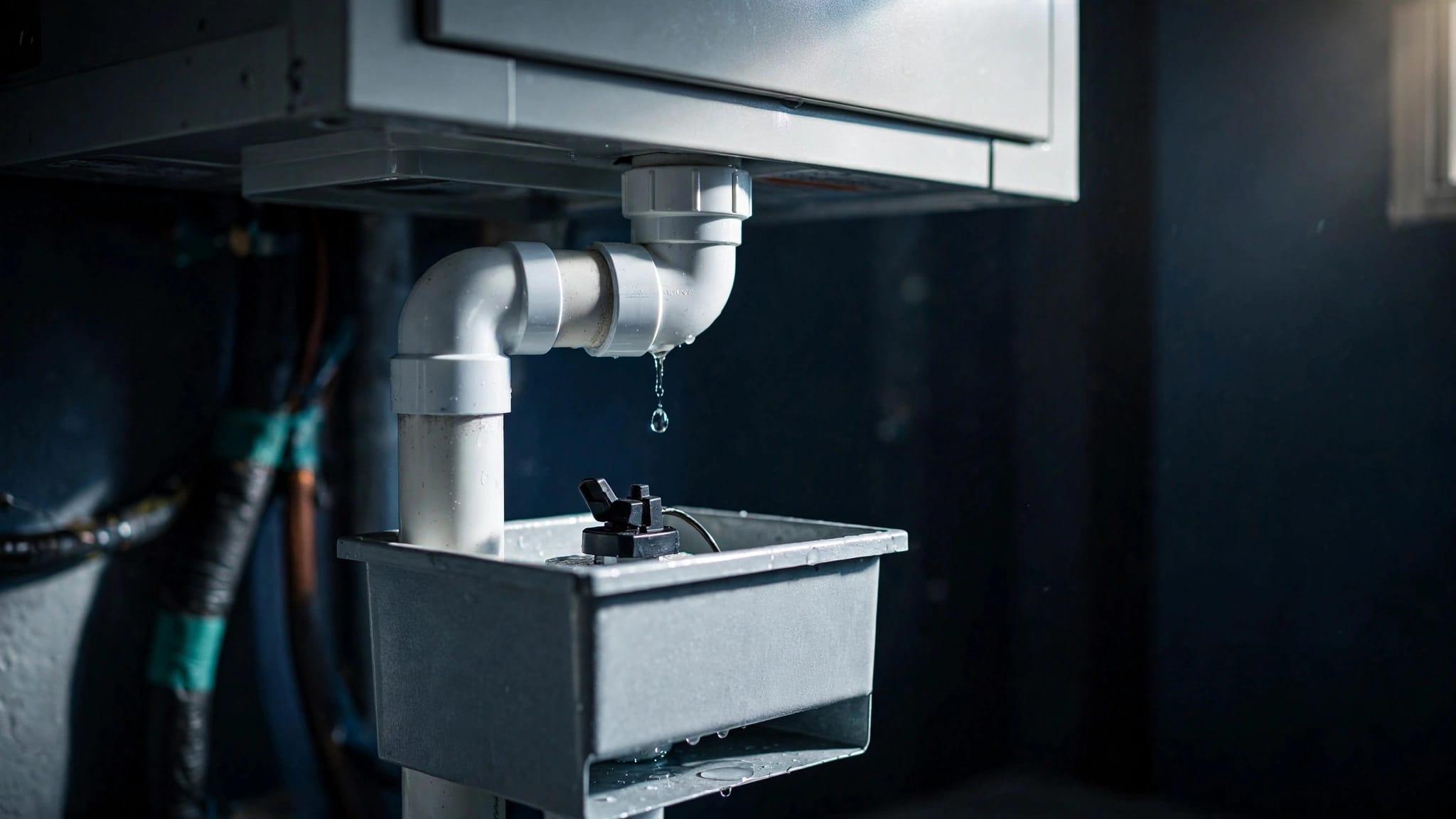
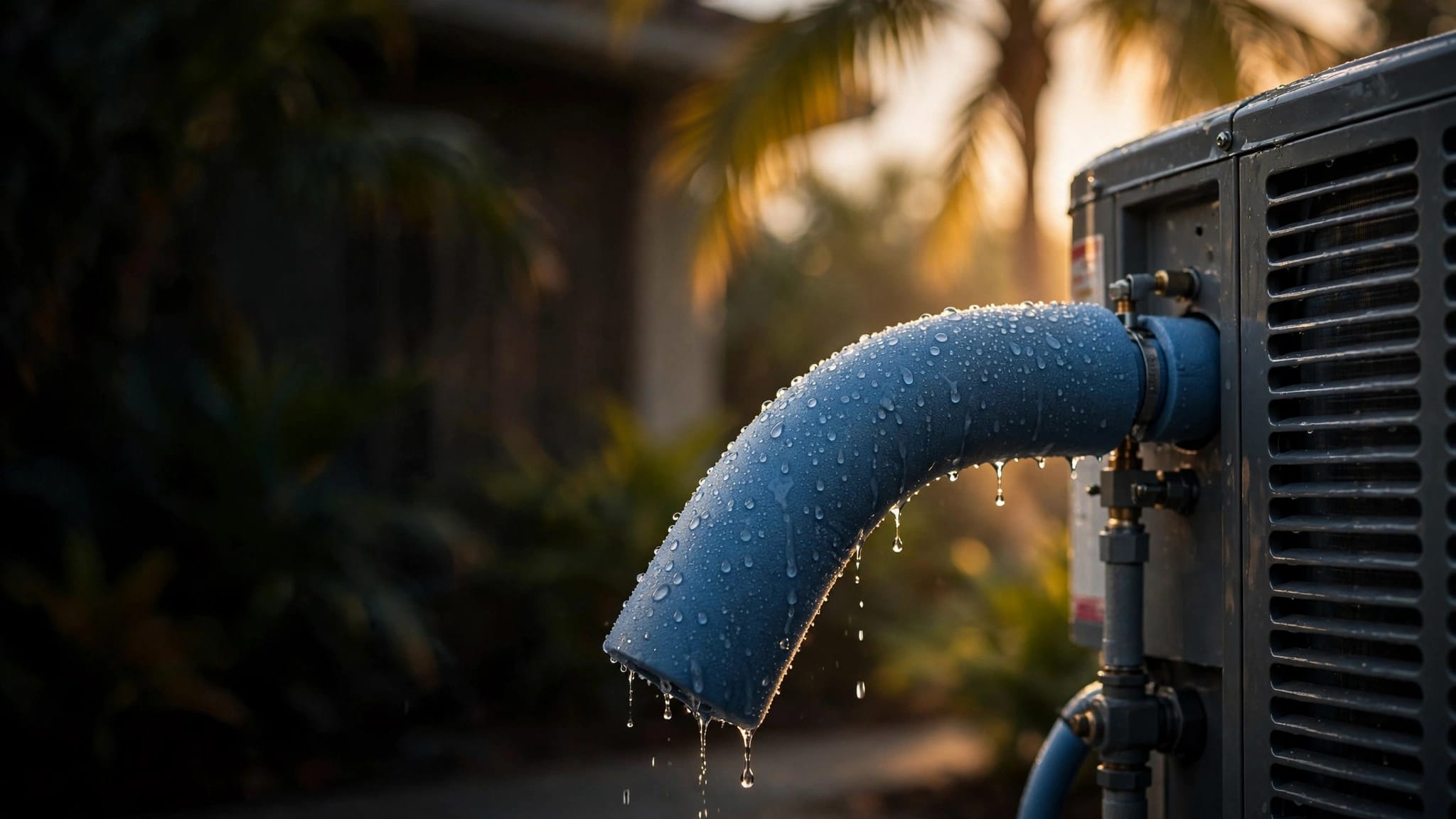
A normal cycle lasts only several minutes. Once the sensor detects that the coil has cleared, the unit returns to heating. You may notice steam or water around the outdoor cabinet afterward. That moisture usually comes from melted frost.
Steam during defrost is usually water vapor from melting ice, not smoke. Persistent ice after the cycle ends points to a different problem.
Why Florida weather can trigger a defrost cycle
Florida rarely experiences the long freezing periods that make defrost operation common in northern homes. However, frost depends on more than the outdoor air temperature. Humidity is a major factor , especially when damp air moves across a cold outdoor coil.
Southwest Florida homes can experience cool, wet mornings during winter cold fronts. In Cape Coral, Fort Myers, Naples, and nearby communities, temperatures may hover near the point where condensation freezes on the coil. The air doesn't need to feel freezing to create frost on equipment that runs colder than the surrounding air.
The system may also defrost more often when:
- The outdoor coil has leaves, grass, or dirt blocking airflow.
- A filter is clogged and the indoor system cannot move enough air.
- The outdoor fan runs slowly or stops unexpectedly.
- Refrigerant charge is low because of a leak.
- The defrost sensor or control board gives an incorrect reading.
- The unit operates for long periods during a cold, humid spell.
A clean coil can still develop a light coating of frost. That doesn't automatically indicate a defect. The important details are how much ice forms, how often the cycle runs, and whether the unit clears the coil and resumes heating.
Homes with heat pumps often switch between cooling and heating more frequently than residents expect in Florida. A warm afternoon can require air conditioning, followed by a cool evening when the thermostat calls for heat. Those changes don't cause defrost problems by themselves, but they can make unusual sounds or operating patterns easier to notice.
Normal defrost behavior versus a problem
Your heat pump may make unfamiliar sounds when it changes modes. The compressor can shift pitch, refrigerant can move through the reversing valve, and the outdoor fan may stop. These sounds should be brief and consistent with a completed cycle.
Use the following comparison when you inspect the system:
| Normal behavior | Possible malfunction |
|---|---|
| A thin layer of frost appears during heating. | Thick ice covers the coil or cabinet. |
| The outdoor fan stops for several minutes. | The fan never starts again after defrost. |
| Steam rises as frost melts. | Ice remains after repeated cycles. |
| Indoor air feels slightly cooler for a short time. | The home never returns to the thermostat setting. |
| Water drains away after the cycle. | Water leaks into an area where it can damage equipment. |
| The unit returns to heating automatically. | The heat pump stays in defrost or switches modes repeatedly. |
A properly operating heat pump defrost mode should solve the frost problem without constant cycling. Repeated defrost operation can indicate restricted airflow, a sensor issue, low refrigerant, or a failing control component.
Pay attention to timing as well as appearance. A brief cycle during a damp, chilly morning can be normal. A system that enters defrost every few minutes, runs for unusually long periods, or produces little heat needs professional testing.
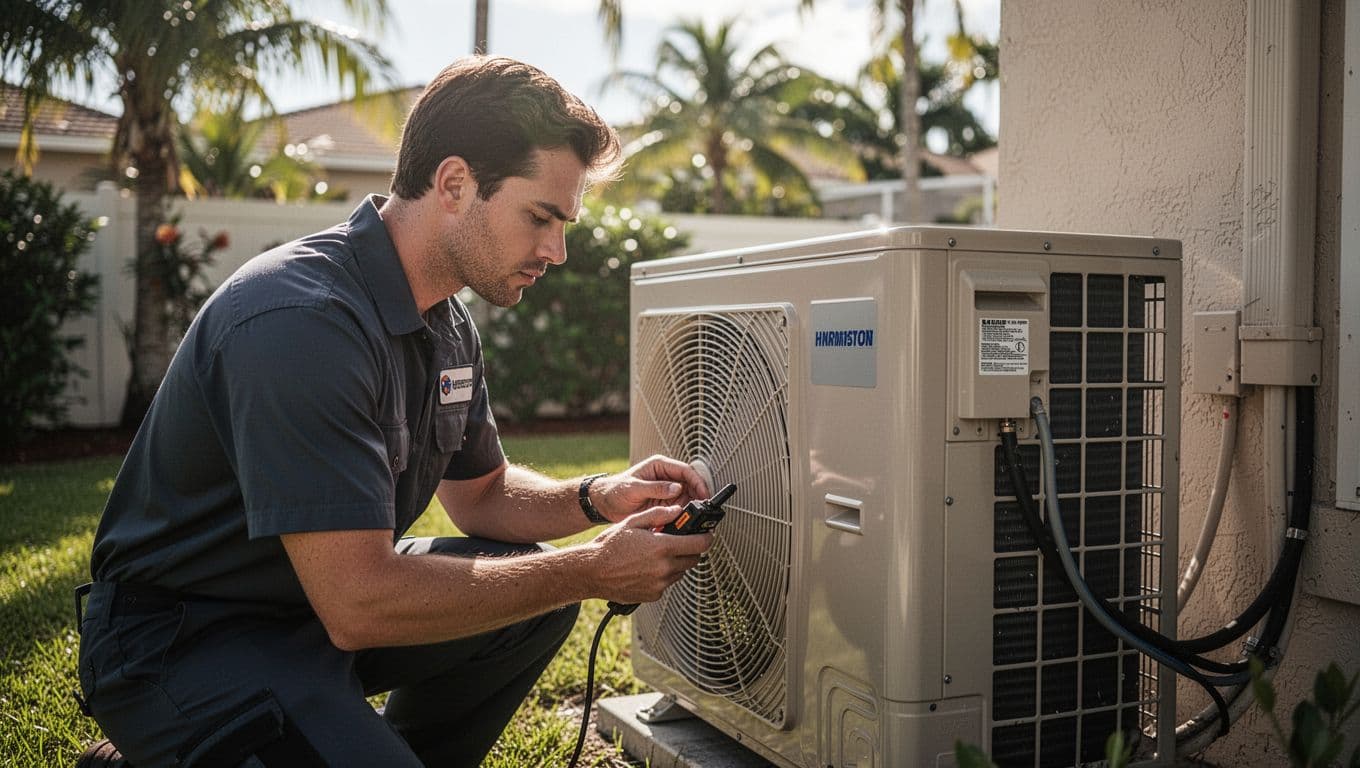
Don't ignore unusual electrical symptoms. A tripped breaker, burning odor, loud grinding, or repeated shutdown requires prompt attention. Turn the system off if you see damaged wiring, heavy ice, or water reaching electrical components.
What Florida homeowners can check safely
You can handle a few basic checks before scheduling service. Start with the air filter. A dirty filter reduces indoor airflow and can make the system struggle during both heating and cooling. Inspect it monthly, then replace or clean it according to the manufacturer's instructions. Homes with pets, remodeling dust, or allergies may need more frequent filter changes.
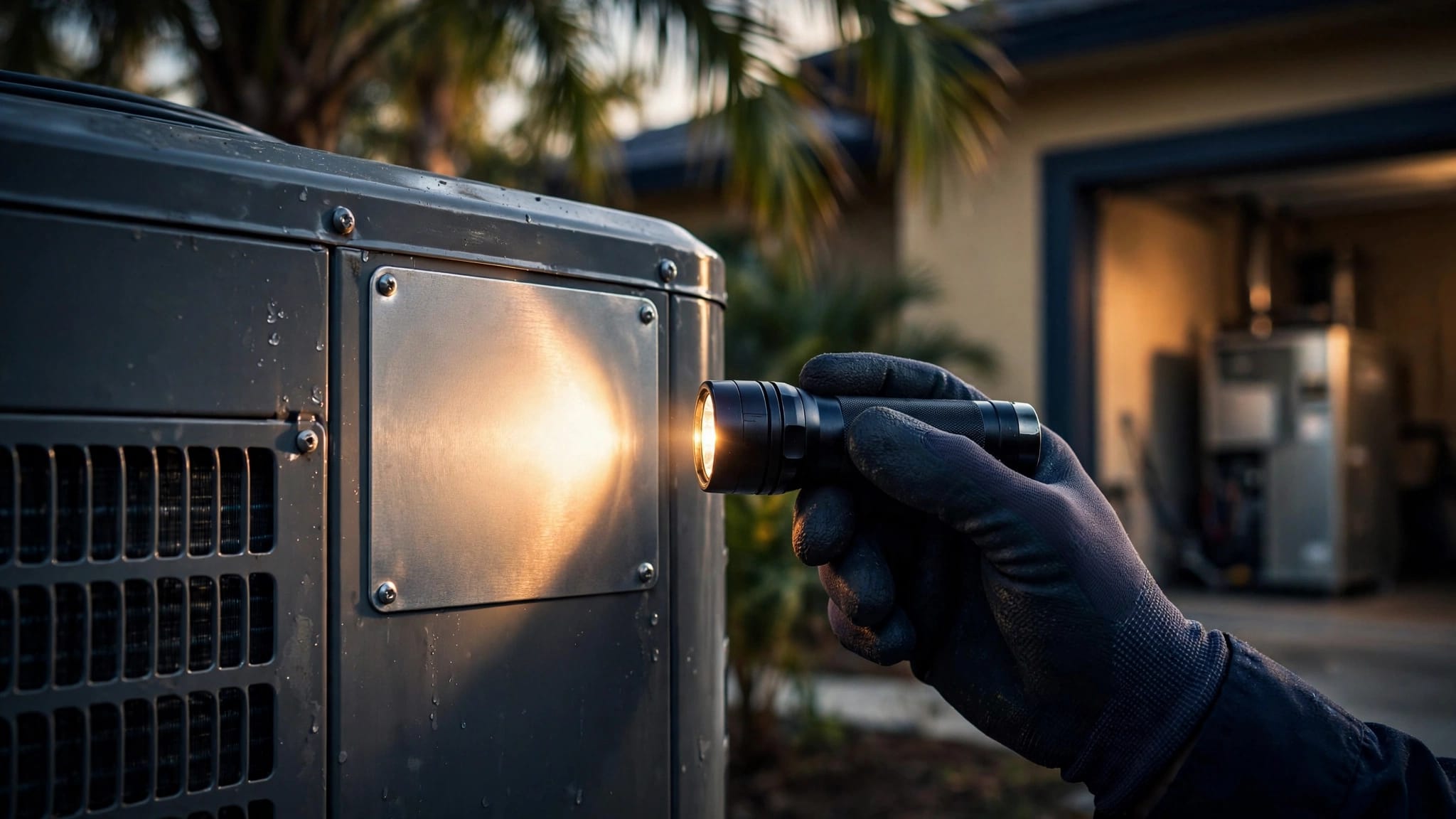
Next, look at the outdoor unit. Remove leaves and loose debris from the area around it, but don't bend the coil fins or reach inside the cabinet. Keep plants, storage items, and other obstructions away from the equipment based on the clearance listed in the installation manual.
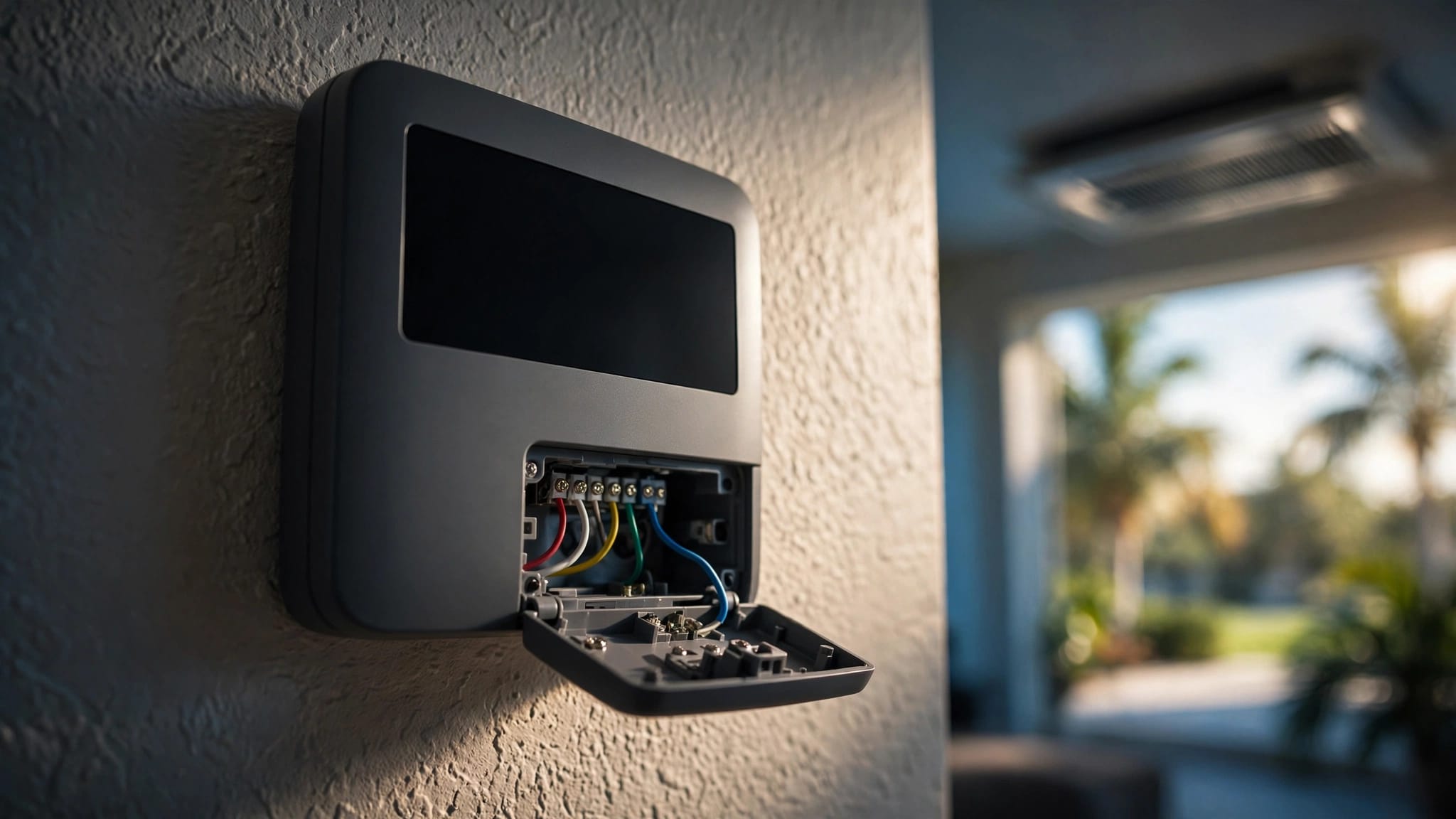
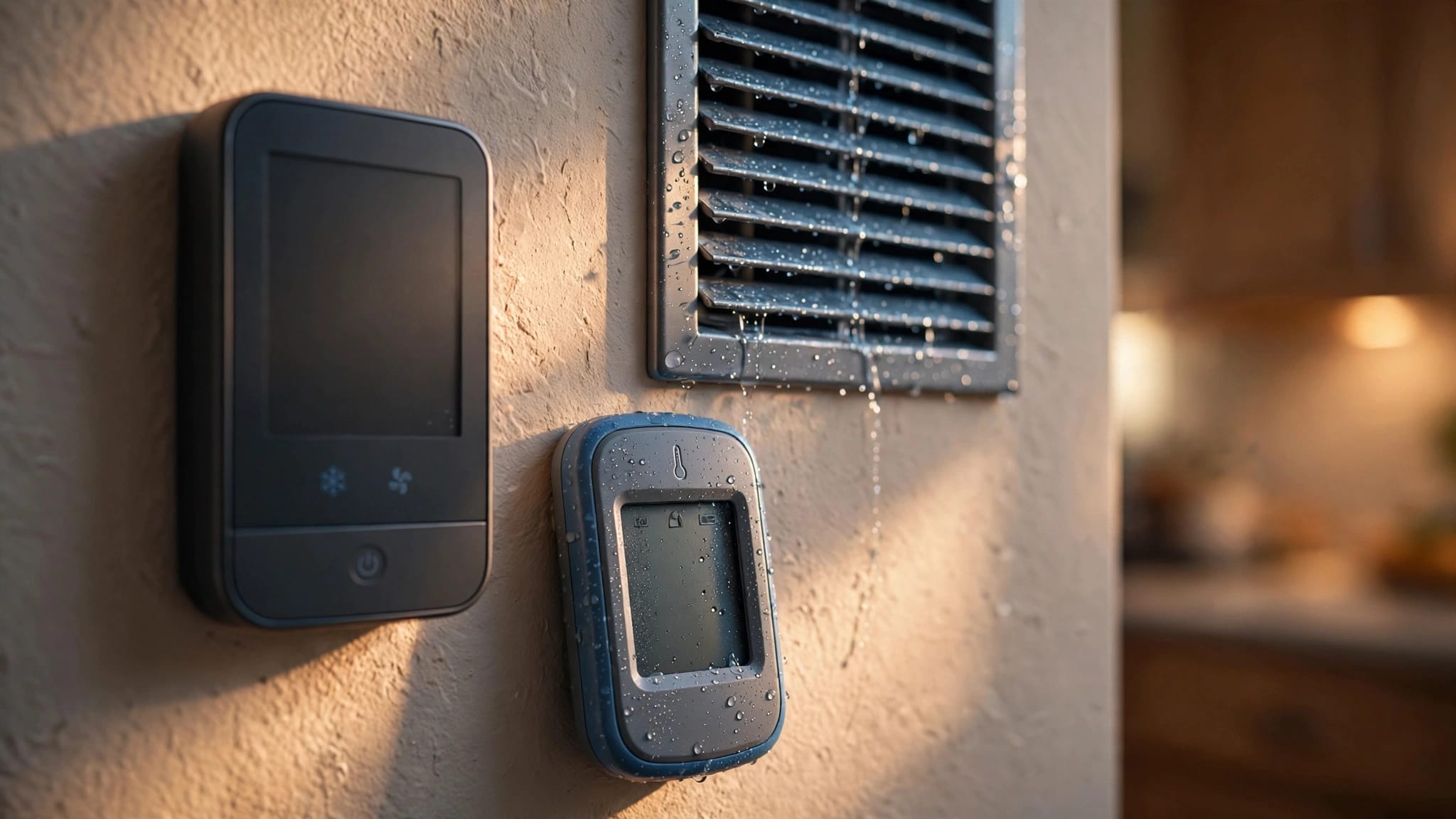
Check the thermostat settings and confirm that the system is set to heat when you expect heating. If the thermostat displays an auxiliary heat message, that may be normal during defrost or unusually cold weather. If the message stays on while the system delivers weak heat, schedule an inspection.
A light frost layer can disappear during a normal cycle. Heavy ice requires more care. Don't chip it with a tool, pour hot water over the coil, or cover the outdoor unit. Those actions can damage fins, wiring, or plastic components. Set the thermostat to off and contact an HVAC technician if the ice doesn't clear.
Homeowners shouldn't test refrigerant pressure, open electrical panels, or bypass a defrost control. Those tasks require specialized instruments and electrical safety procedures. A visual inspection can identify symptoms, but it cannot confirm the cause.
When to call for heat pump service
Call for service when your heat pump remains iced over, loses heating capacity, or repeats defrost cycles throughout the day. A technician will compare the system's operation with its control sequence instead of replacing parts based on one symptom.
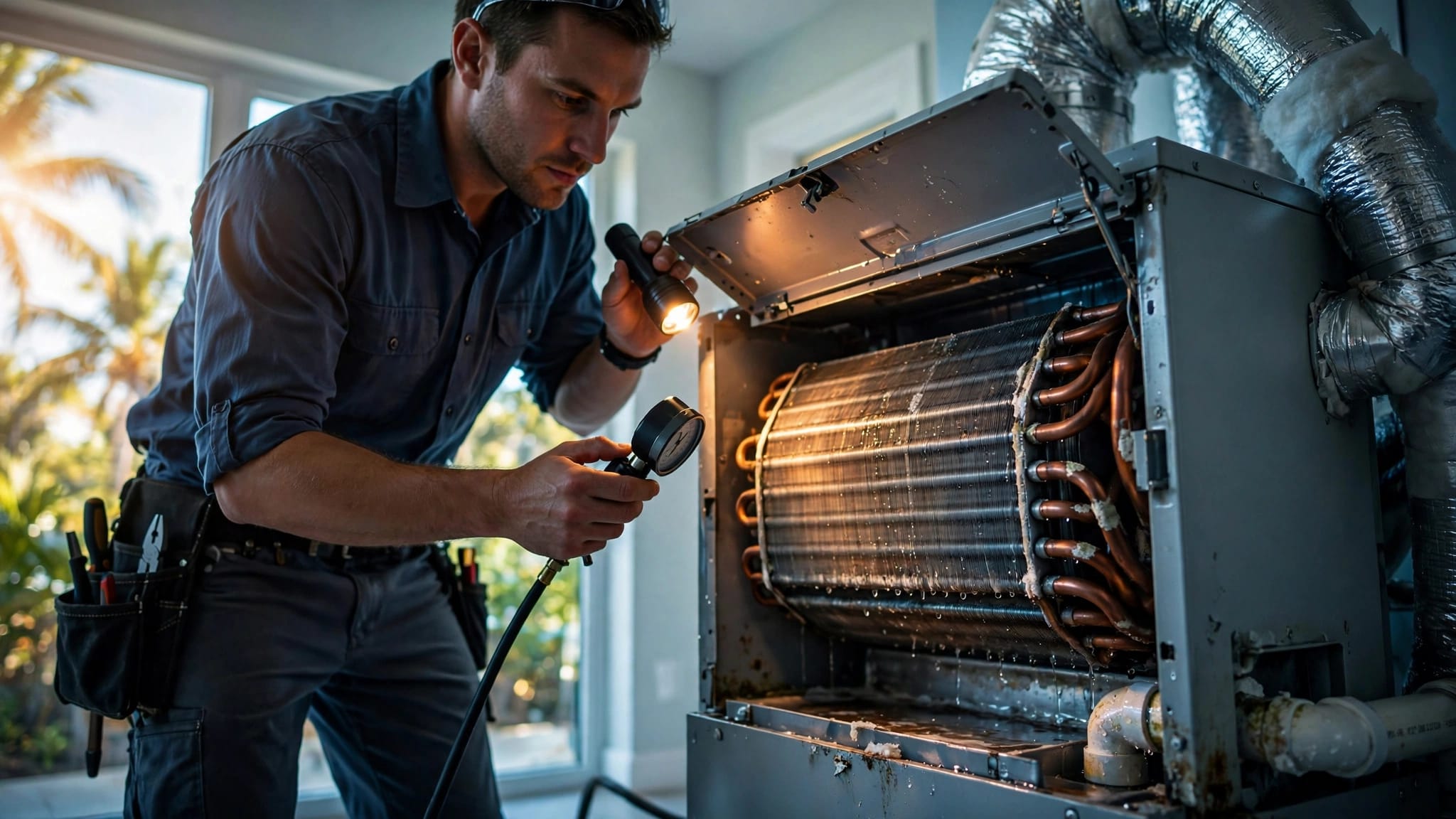
The inspection may include the indoor filter, blower airflow, outdoor coil, fan motor, refrigerant charge, reversing valve, coil sensor, wiring, and defrost control board. The technician may also check whether the sensor sits correctly against the coil and whether the board receives accurate temperature readings.
Low refrigerant deserves careful diagnosis. A low charge can cause abnormal coil temperatures and frost, but adding refrigerant without finding the leak only provides a temporary fix. Airflow restrictions can create similar symptoms, so both sides of the system need evaluation.
Older heat pumps may also have worn relays, damaged sensors, or reversing valves that don't shift fully between heating and cooling. These faults can leave the unit stuck in defrost or prevent it from completing the cycle.
For homeowners who need help with heating or cooling in the Cape Coral area, Back Bay Heating & Cooling provides Cape Coral HVAC services. If the system has stopped heating, the outdoor unit is heavily iced, or the issue occurs outside regular hours, use the company's Contact Us page to schedule service.
A technician can also explain whether repair makes sense for the unit's age and condition. If replacement is more practical, ask for a written estimate that identifies the equipment, installation work, warranty coverage, and any required electrical or ductwork changes.
Conclusion
A short defrost cycle is a normal part of heat pump operation, even in Florida. Frost forms when a cold outdoor coil meets damp air, and the system temporarily reverses operation to melt it.
The strongest warning sign is ice that doesn't clear . Watch for weak heat, repeated cycles, fan problems, unusual noises, or electrical symptoms. When those signs appear, stop forcing the system to run and arrange a professional inspection before a small control or airflow issue causes larger damage.