A yellow sticker can tell you more about an air conditioner than a sales pitch, but only if you know what each number means. The air conditioner EnergyGuide label shows estimated energy use, operating cost, and how a model compares with similar equipment.
That estimate won't predict your exact electric bill. Your home's size, thermostat setting, insulation, local utility rate, and cooling habits all affect real-world costs. Still, the label gives you a reliable starting point for comparing equipment before you buy.
How to Read an Air Conditioner EnergyGuide Label
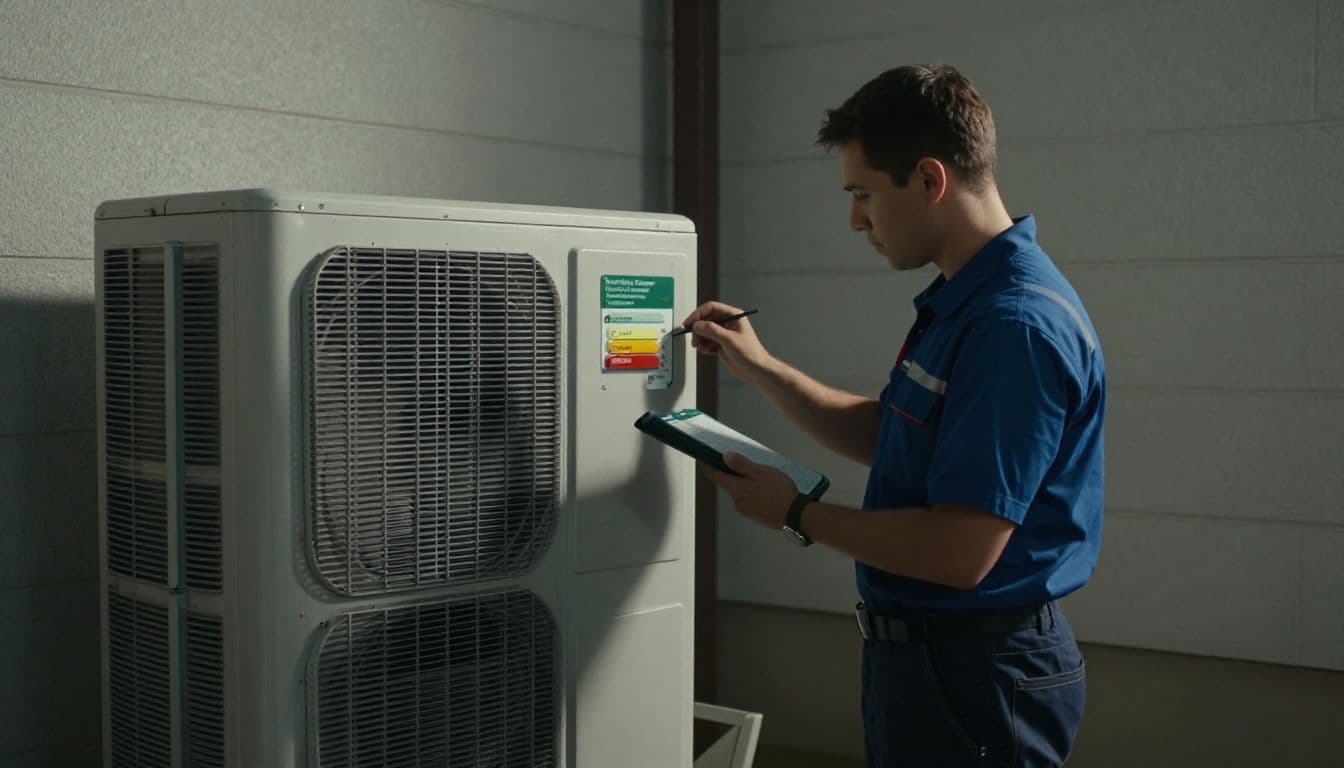
The Federal Trade Commission requires EnergyGuide labels on many residential appliances, including room air conditioners and central cooling equipment. The label is usually yellow with black text, so you can spot it on the product, packaging, or product literature.
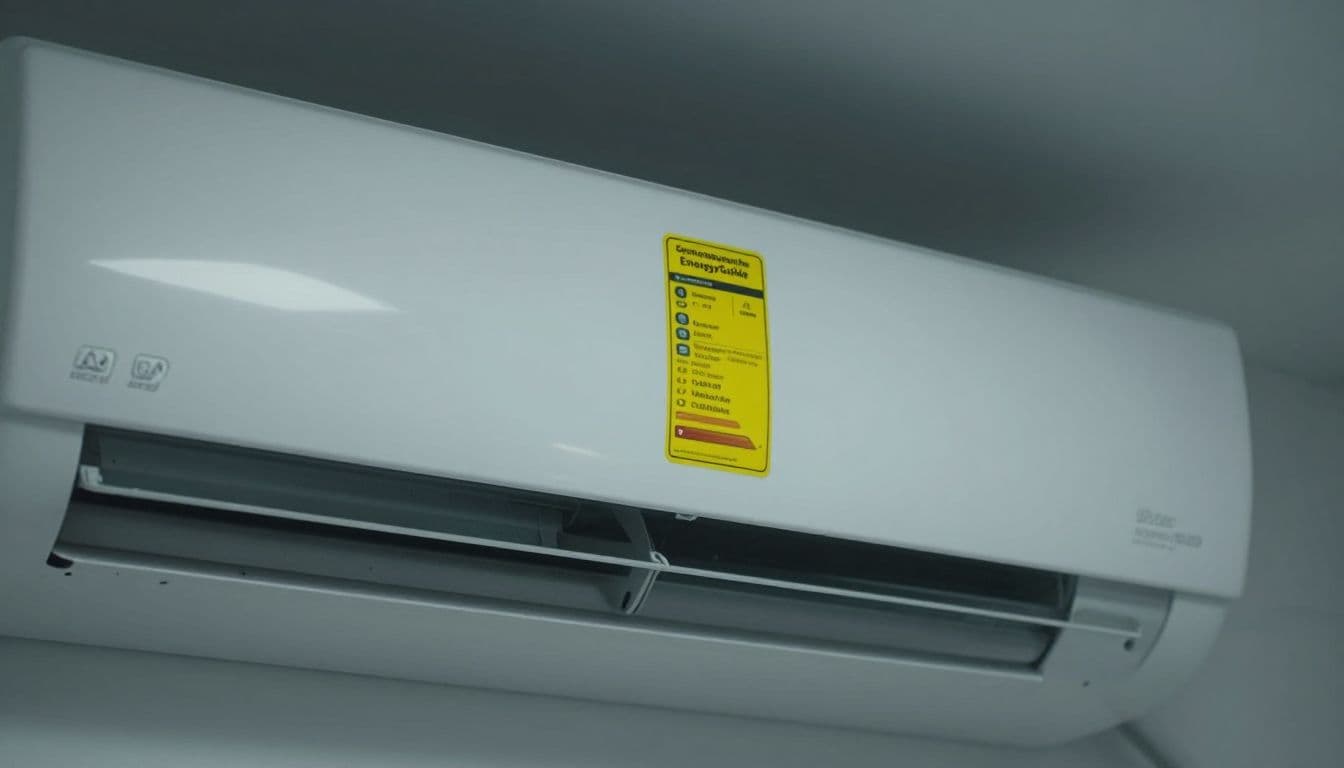
The label's purpose is comparison. It doesn't certify that a unit is the most efficient option, and it isn't the same as an ENERGY STAR label. EnergyGuide provides estimated energy information, while ENERGY STAR identifies products that meet separate efficiency requirements.
Most labels include these details:
- The manufacturer and model number identify the exact equipment.
- The cooling capacity shows how much heat the unit can remove.
- The efficiency rating helps you compare performance.
- Estimated yearly energy use may appear in kilowatt-hours.
- Estimated yearly energy cost translates that use into dollars.
- A comparison range shows how the model compares with similar products.
- A note explains the electricity rate and usage assumptions behind the estimate.
Labels can look different depending on the equipment type. A window or room air conditioner may display a CEER rating, while a central system commonly uses a SEER2 rating. Read the equipment category before comparing any numbers.
The cost range on an EnergyGuide label is a comparison tool, not a promise about your next electric bill.
Identify the Equipment Type and Cooling Capacity
Start at the top of the air conditioner EnergyGuide label. Confirm whether you're looking at a room air conditioner, a central split system, or a packaged system. Comparing different categories can produce misleading results because each type uses different testing methods and serves a different space.
A room air conditioner's capacity is usually listed in BTUs per hour. This number describes the unit's cooling output. A larger BTU rating doesn't automatically mean better performance. If the unit is too large for the room, it may cool the air quickly without running long enough to remove sufficient humidity.
That concern matters in Southwest Florida, where indoor humidity can affect comfort even when the thermostat reaches its set temperature. A properly sized unit usually provides steadier cooling and better moisture control.
Central air conditioners require a closer look. Their efficiency rating applies to a matched system , which includes compatible indoor and outdoor components. The outdoor condenser alone doesn't tell you the final system rating.
Ask for the exact indoor coil, air handler, furnace, and outdoor unit combination. An HVAC contractor can also provide an AHRI certificate showing the certified efficiency of the matched system. This step helps prevent confusion when one component has a higher advertised rating than the installed combination achieves.
The model number still matters, even if the label gives you enough information for an initial comparison. Keep it for warranty registration, replacement parts, service records, and future maintenance.
Understand CEER, EER, and SEER2 Ratings
Efficiency ratings measure how much cooling an air conditioner produces compared with the electricity it uses. The correct rating depends on the type of equipment.
For room air conditioners, CEER means Combined Energy Efficiency Ratio. It accounts for cooling operation and certain standby or off-mode energy use. A higher CEER generally indicates better efficiency among comparable room units.
You may also see EER , or Energy Efficiency Ratio. EER compares cooling output with power consumption under a set testing condition. It can help when comparing room air conditioners, but CEER gives a broader view of energy use for models that display both ratings.
Central air conditioners commonly use SEER2 , or Seasonal Energy Efficiency Ratio 2. This rating estimates seasonal cooling efficiency under standardized test conditions. A higher SEER2 rating usually means the system uses less electricity to produce the same amount of cooling over the test season.
These ratings aren't percentages. A unit with a SEER2 rating of 18 isn't described as being 18 percent efficient. Instead, the number reflects a ratio between cooling output and electrical energy under defined conditions.
For a fair comparison, compare:
- CEER with CEER on similar room units.
- EER with EER when the room units have comparable capacity.
- SEER2 with SEER2 on matched central systems.
- Similar cooling capacities within the same equipment category.
A higher rating can reduce operating costs, but it may also increase the purchase price. Whether the added efficiency pays off depends on the system's cost, expected service life, local electricity rates, and how often you run the air conditioner.
Read the Estimated Yearly Energy Cost
The estimated yearly energy cost is often the most noticeable number on the label. It converts expected electricity use into an annual dollar estimate based on a standard electricity rate and usage pattern.
Your actual cost may be higher in a hot climate or lower in a mild one. Household behavior also matters. Running a thermostat at 72 degrees can use more energy than choosing 76 degrees, especially during a long Florida cooling season.
Look for the comparison range beside or below the estimated cost. This range represents the expected annual energy costs for similar models. A marker shows where the model falls within that range. A position near the lower end suggests the model uses less energy than many comparable products.
However, compare the range only with similar equipment. A compact room air conditioner and a whole-home central system have different capacities, operating conditions, and test assumptions. Their annual cost figures don't provide a useful direct comparison.
If the label lists annual electricity use in kilowatt-hours, you can adjust the estimate to your own utility rate:
Annual operating cost = annual kilowatt-hours x your electricity price
For example, a unit listed at 1,200 kWh per year would cost about $192 annually at an electricity rate of 16 cents per kilowatt-hour. That calculation still assumes your usage resembles the test conditions, so treat it as an estimate rather than a bill forecast.
Check the small print at the bottom of the label. It explains the rate and annual usage assumptions used to produce the estimate. Those details are easy to miss, yet they explain why two labels may show different costs even when the units have similar efficiency ratings.
Compare Labels Without Overlooking Installation
The best way to use an air conditioner EnergyGuide label is to compare two or more similar systems side by side. Record the capacity, efficiency rating, annual energy use, estimated cost, and purchase price for each model.
This quick table helps organize the numbers:
| Label detail | What it tells you | How to use it |
|---|---|---|
| Cooling capacity | The amount of cooling the unit provides | Compare properly sized equipment |
| CEER or EER | Room air conditioner efficiency | Compare similar room units |
| SEER2 | Seasonal central-system efficiency | Compare matched central systems |
| Annual kWh | Estimated electricity consumption | Adjust the cost using your utility rate |
| Yearly energy cost | Standardized annual operating estimate | Compare similar models |
| Cost range | Position against comparable products | See whether the model runs near the low or high end |
The lower-cost model isn't always the better purchase. Installation quality affects airflow, refrigerant charge, duct performance, and system reliability. A high-efficiency unit can waste energy if the ductwork leaks or the indoor coil doesn't match the outdoor equipment.
Maintenance also affects operating performance. Dirty filters, blocked coils, low refrigerant, and failing electrical parts can make an air conditioner run longer than necessary. If you notice rising bills, weak airflow, warm air, or frequent cycling, review these signs your AC needs maintenance.
When comparing replacement systems, include installation, thermostat upgrades, duct repairs, maintenance, and likely service needs in the total cost. A contractor should explain what the quoted efficiency rating covers and whether the proposed equipment is correctly sized for your home.
Common EnergyGuide Label Mistakes
Several mistakes can turn a useful label into a poor buying decision.
Comparing only the annual dollar estimate can hide important differences. Check the capacity and annual kWh figure too, because the displayed cost depends on standardized assumptions.
Choosing the highest rating automatically may lead to unnecessary spending. A higher SEER2 rating can lower energy use, but the added purchase cost may take years to recover. Ask for an operating-cost comparison based on your expected usage.
Ignoring the model number creates problems when the label and sales quote refer to different equipment. Match the exact model numbers before signing a proposal.
Treating the label as a guarantee can produce unrealistic expectations. The estimate doesn't account for every home's insulation, ductwork, thermostat settings, weather, or maintenance condition.
Forgetting the system match is another common error with central air conditioning. The outdoor unit's advertised rating may not equal the rating of the complete installed system.
Finally, don't assume a new unit will solve every comfort problem. Poor airflow, undersized ducts, air leaks, and excess humidity can remain after replacement unless the installation addresses them.
Conclusion
An air conditioner EnergyGuide label gives you a practical way to compare cooling equipment. Begin with the equipment type and capacity, then check the correct efficiency rating, annual energy use, cost estimate, and comparison range.
Use the label alongside a properly sized system proposal and a matched-equipment rating. The best comparison is the one that considers both the yellow sticker and the conditions inside your home. If you need help reviewing replacement options or scheduling service, Contact Us to speak with a local HVAC team.