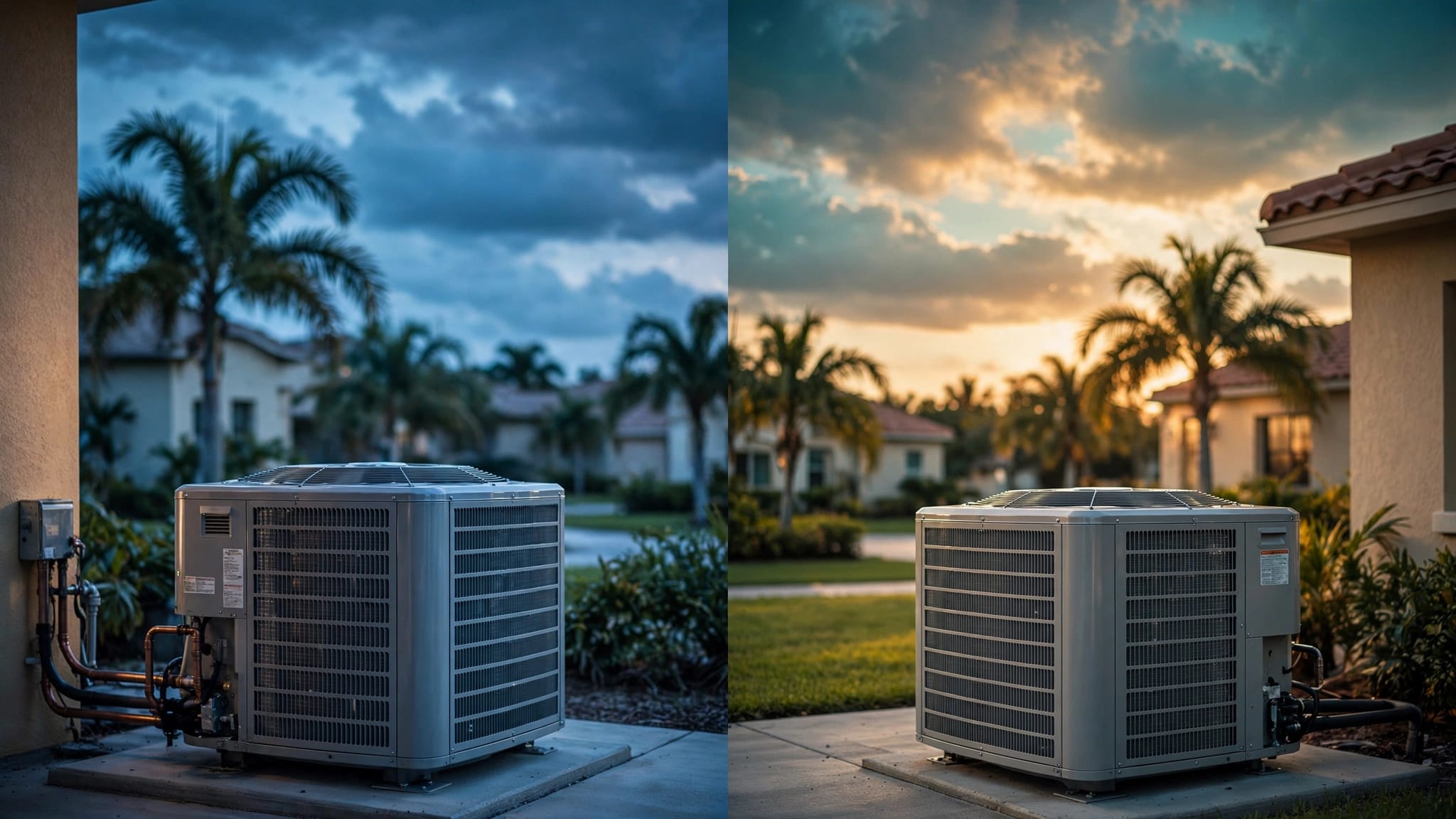
Your new air conditioner can carry an impressive efficiency number and still perform differently if its indoor and outdoor components don't match. An AHRI certificate AC match shows that a specific combination of equipment achieved its published performance when tested together.
That document helps you compare quotes, confirm expected capacity, and avoid an incompatible replacement. It also has limits because it doesn't certify the installation, ductwork, or contractor. Start with what the certificate actually covers.
Why an AHRI certificate AC match matters to your home
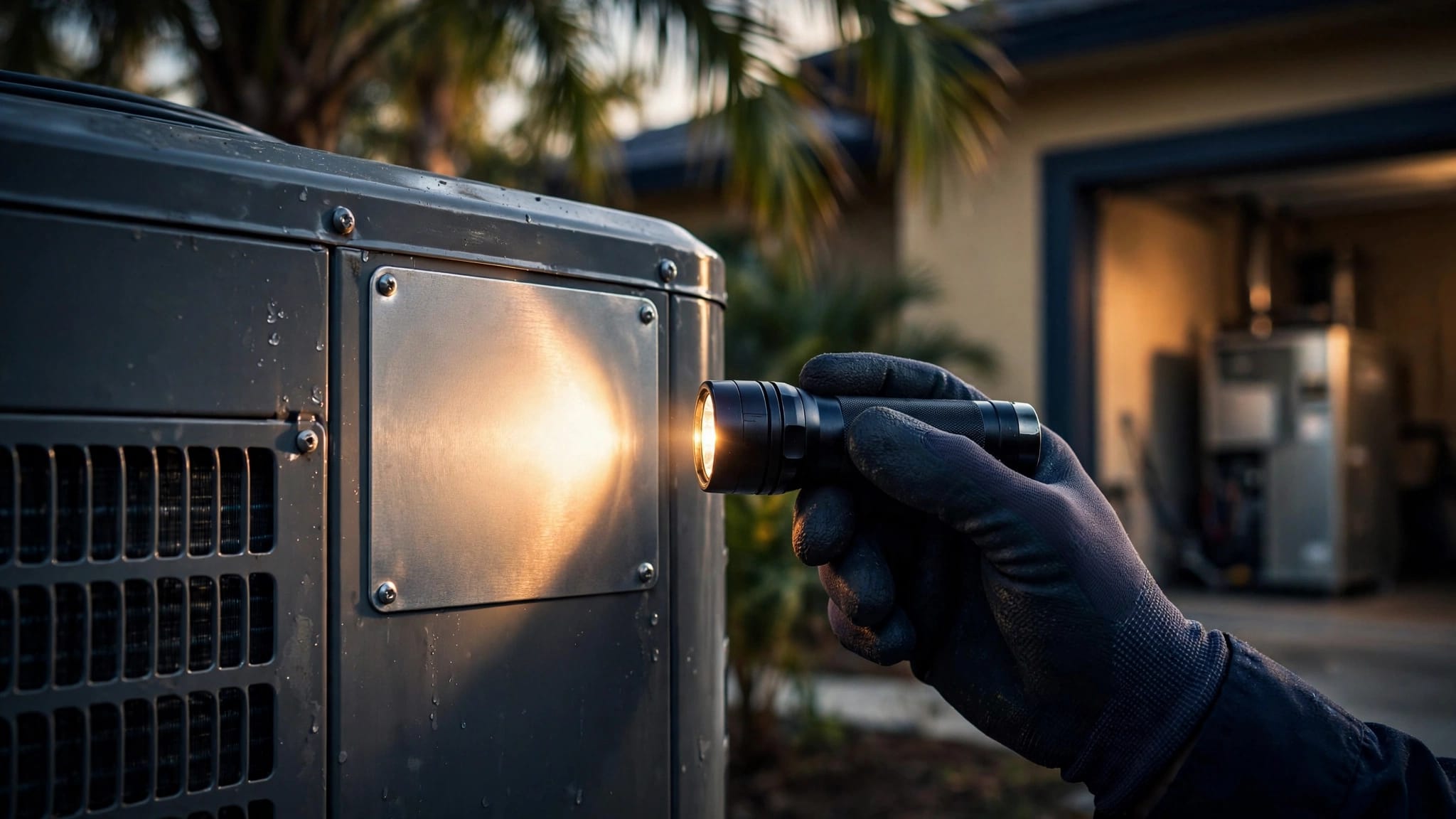
AHRI stands for the Air-Conditioning, Heating, and Refrigeration Institute. Through its equipment certification programs, AHRI publishes rated performance for tested HVAC combinations.
A central split-system air conditioner usually includes an outdoor condensing unit and an indoor evaporator coil. The indoor side may connect to a furnace or air handler, depending on the home's heating system. The AHRI certificate connects those exact model numbers into one tested combination.

The model numbers matter more than the brand name alone. Manufacturers sell equipment in product families, but that doesn't mean every coil, air handler, and condenser can work together at the same efficiency level.
A higher-rated outdoor unit may receive a lower system rating with an incompatible indoor coil. The AHRI certificate AC record identifies the combination that produced the listed capacity and efficiency during testing.
The certificate applies to the tested equipment combination, not automatically to every system assembled from the same brand.
This detail matters when you're replacing only part of an older system. Reusing an existing indoor coil may change the system's certified performance, refrigerant requirements, and compatibility.
How to read the information on an AHRI certificate
An AHRI certificate or directory record normally includes several details that should match your contractor's written proposal. Look for these items before approving the equipment.
| Certificate detail | What it tells you |
|---|---|
| Certificate or reference number | Identifies the certified equipment combination |
| Outdoor unit model | Names the condenser or heat pump model |
| Indoor coil model | Identifies the evaporator coil tested with it |
| Furnace or air handler | Shows the indoor blower equipment, when applicable |
| Rated cooling capacity | Lists the system's tested cooling output |
| SEER2 and EER2 | Shows seasonal and full-load cooling efficiency |
| Refrigerant | Identifies the refrigerant used by the rated combination |
For an AHRI certificate AC match, compare every listed model number with the numbers on your quote. A single changed character can identify a different coil or condenser.
Capacity is usually listed in Btu per hour. Contractors may describe a system by tonnage, but the certificate provides a more precise rating for that specific combination. Capacity alone doesn't determine whether the system fits your home. Proper sizing also depends on the home's insulation, windows, ductwork, orientation, and heat gain.
SEER2 measures seasonal cooling efficiency under test conditions. EER2 measures performance at a set operating condition. These ratings help you compare systems, but they don't predict your exact monthly electric bill.
If you're considering a heat pump, the certificate may also list HSPF2 for heating efficiency. A standard cooling-only air conditioner won't have a heating rating.
What the certificate says about efficiency and comfort
Southwest Florida homes rely on air conditioning for much of the year, so efficiency can affect operating costs. The outdoor unit, indoor coil, blower, and controls must work together for the system to reach its published rating.
The AHRI certificate AC rating gives you a fair way to compare matched systems. For example, comparing the SEER2 rating of one certified combination with the SEER2 rating of another is more useful than comparing outdoor condenser labels alone.
However, a higher rating doesn't automatically mean the system will feel better in every room. Comfort also depends on airflow, duct condition, thermostat settings, insulation, and correct installation.
Humidity control deserves attention in Florida. An oversized air conditioner may cool the thermostat location quickly without running long enough to remove as much moisture. The certificate doesn't tell you whether a system is correctly sized for your home's cooling load.
A high efficiency rating is a property of the matched equipment under test conditions. It isn't a promise of a specific utility bill or indoor humidity level.
Higher efficiency can also affect the purchase price. Ask your contractor to compare expected operating performance with the installation cost. The lowest quote may not have the lowest long-term cost, while the highest rating may not provide enough savings to justify a large price increase for your home.
How to verify an AHRI certificate before installation
Use the certificate as one part of a proper equipment review. Before approving air conditioning installation, work through these steps:
- Get the exact model numbers in writing. The proposal should identify the outdoor unit, indoor coil, and air handler or furnace. Generic descriptions such as "three-ton high-efficiency system" aren't enough.
- Ask for the certificate or reference number. Your contractor should be able to provide the AHRI record for the proposed combination. You can then compare the listed equipment with the quote.
- Check the rated capacity and efficiency. Confirm that the certificate's Btu capacity, SEER2, and EER2 ratings match the figures used in the proposal. The AHRI certificate AC details should support the claims made during the sales visit.
- Ask how the system was sized. A certificate confirms equipment performance, but it doesn't determine whether the system is right for your home. Ask what information the contractor used to select the capacity and whether the home's current ductwork can handle the airflow.
- Confirm what the installation includes. Find out whether the proposal covers the indoor coil, refrigerant line work, drain setup, electrical connections, thermostat, permits, startup testing, and removal of the old equipment. The certificate won't describe those job details.
Keep a copy of the certificate with your invoice, warranty paperwork, and equipment records. It may also help if a utility rebate or other efficiency program asks for proof of the system's rated performance. Program rules vary, so check requirements before purchasing.
What an AHRI certificate does not guarantee
An AHRI certificate is an equipment performance document. It doesn't guarantee:
- Correct system sizing for your home
- Proper refrigerant charge
- Adequate airflow
- Sealed and insulated ductwork
- Correct thermostat setup
- Quiet operation in every room
- A specific electric bill
- Quality workmanship or future service
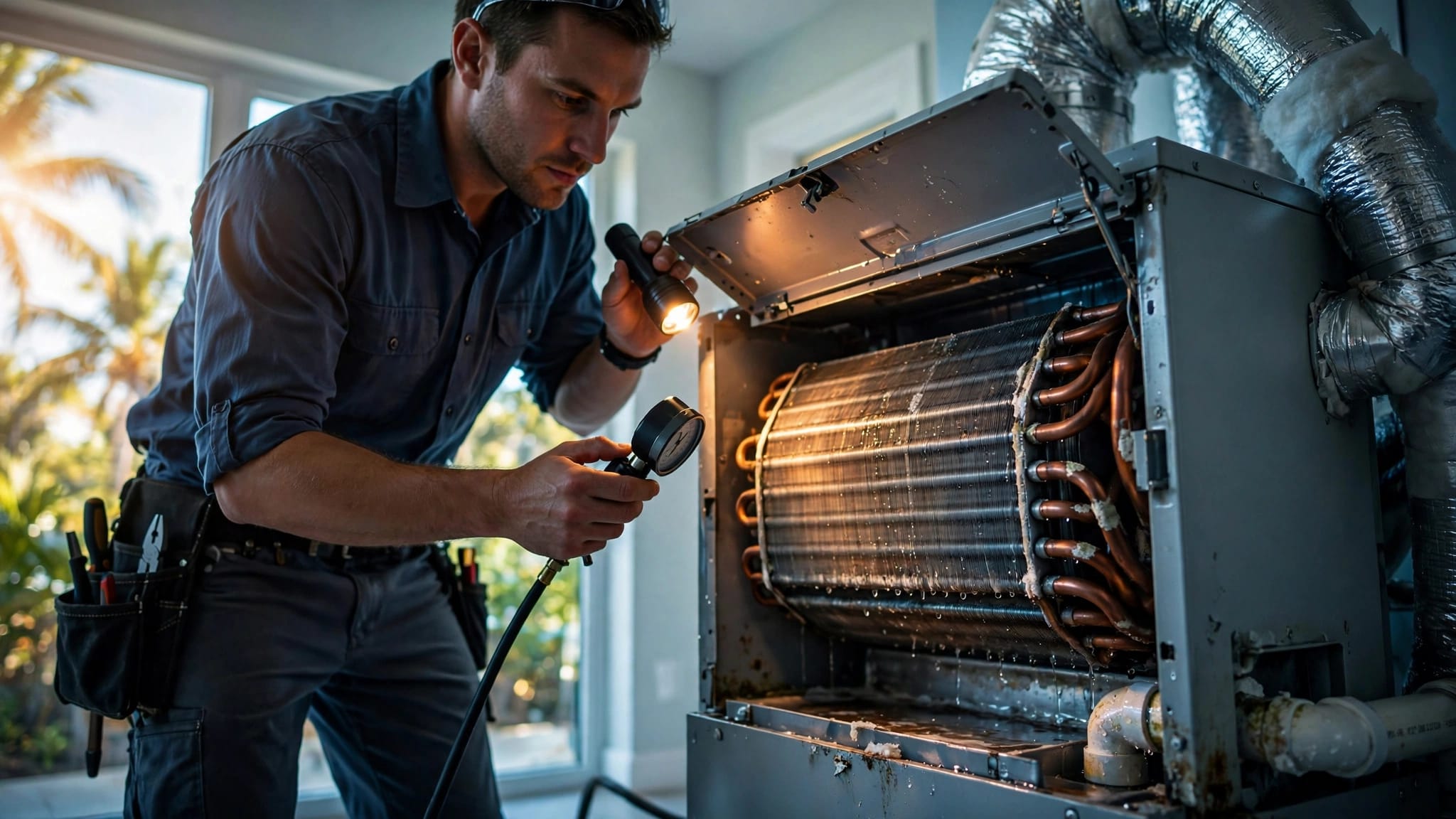
Installation has a direct effect on how closely your system performs to its rated results. A certified match can still lose efficiency if the coil is dirty, airflow is restricted, refrigerant is incorrectly charged, or the duct system leaks conditioned air.
AHRI equipment certification is also separate from contractor credentials. For example, EPA Section 608 certification concerns safe refrigerant handling. It doesn't mean the contractor's equipment proposal matches a particular AHRI rating. Ask who will install the system, how startup testing is handled, and what warranty support the company provides.
The certificate also doesn't replace a manufacturer warranty, permit, inspection, or service agreement. Those documents cover different parts of the purchase and installation.
If the model numbers on the delivered equipment don't match the certificate, raise the issue before the installation is completed. A contractor should explain any change and provide updated documentation when the selected equipment differs from the original proposal.
Questions to ask before you approve the replacement
A few direct questions can prevent confusion during a new AC purchase:
- Which outdoor unit, indoor coil, and air handler or furnace make up this certified match?
- What are the system's rated capacity, SEER2, and EER2 values?
- Can I receive the AHRI certificate or reference number with the proposal?
- How did you determine the correct system size for my home?
- Will you test airflow, refrigerant charge, and system operation during startup?
- Does the price include permits, electrical work, drain work, thermostat setup, and disposal of the old equipment?
- What happens if the installed model numbers differ from the quote?
A trustworthy contractor should answer these questions without pushing you to rely on a single efficiency number. If you want a professional review of a replacement proposal or need to schedule service, Contact Us to speak with the team.
Conclusion
An AHRI certificate connects specific indoor and outdoor HVAC models to verified performance ratings. It helps you confirm that the system in your proposal is a tested combination with a stated capacity and efficiency.
The document can't confirm installation quality, duct performance, proper sizing, or future energy bills. Use the AHRI certificate AC information alongside a detailed quote, a sound sizing review, and clear installation terms. That combination gives you a much stronger basis for choosing a new air conditioner.