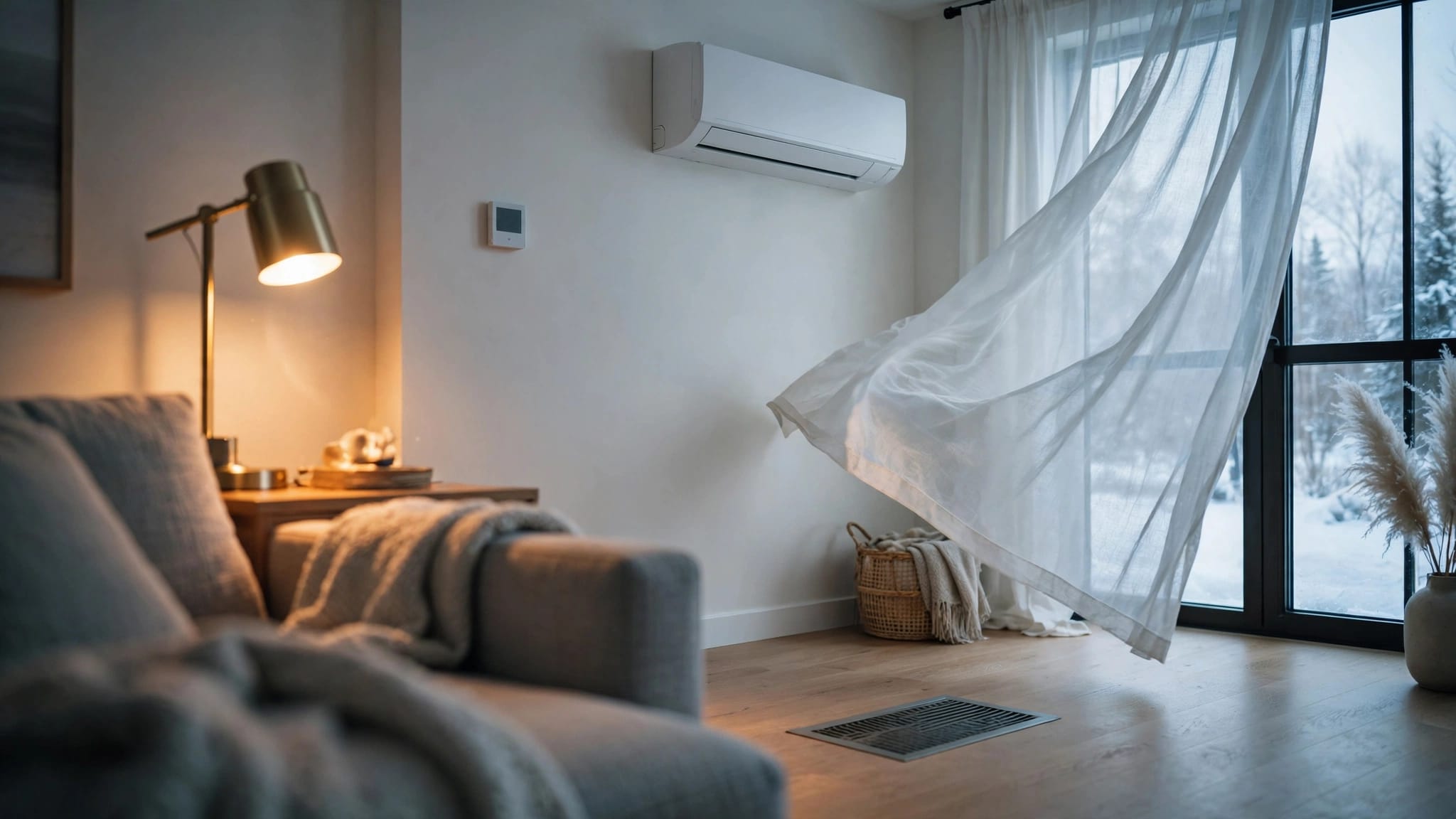
Yes. A multi-zone mini-split can cool different rooms to different temperature settings because each indoor unit has its own controls. That means you can keep a bedroom cooler than a living room without changing the setting for the whole house.
The rooms still share an outdoor unit, so their cooling capacity isn't unlimited. System design determines how well each zone keeps up when several rooms need cooling at once.
How a Multi-Zone Mini-Split Controls Each Room
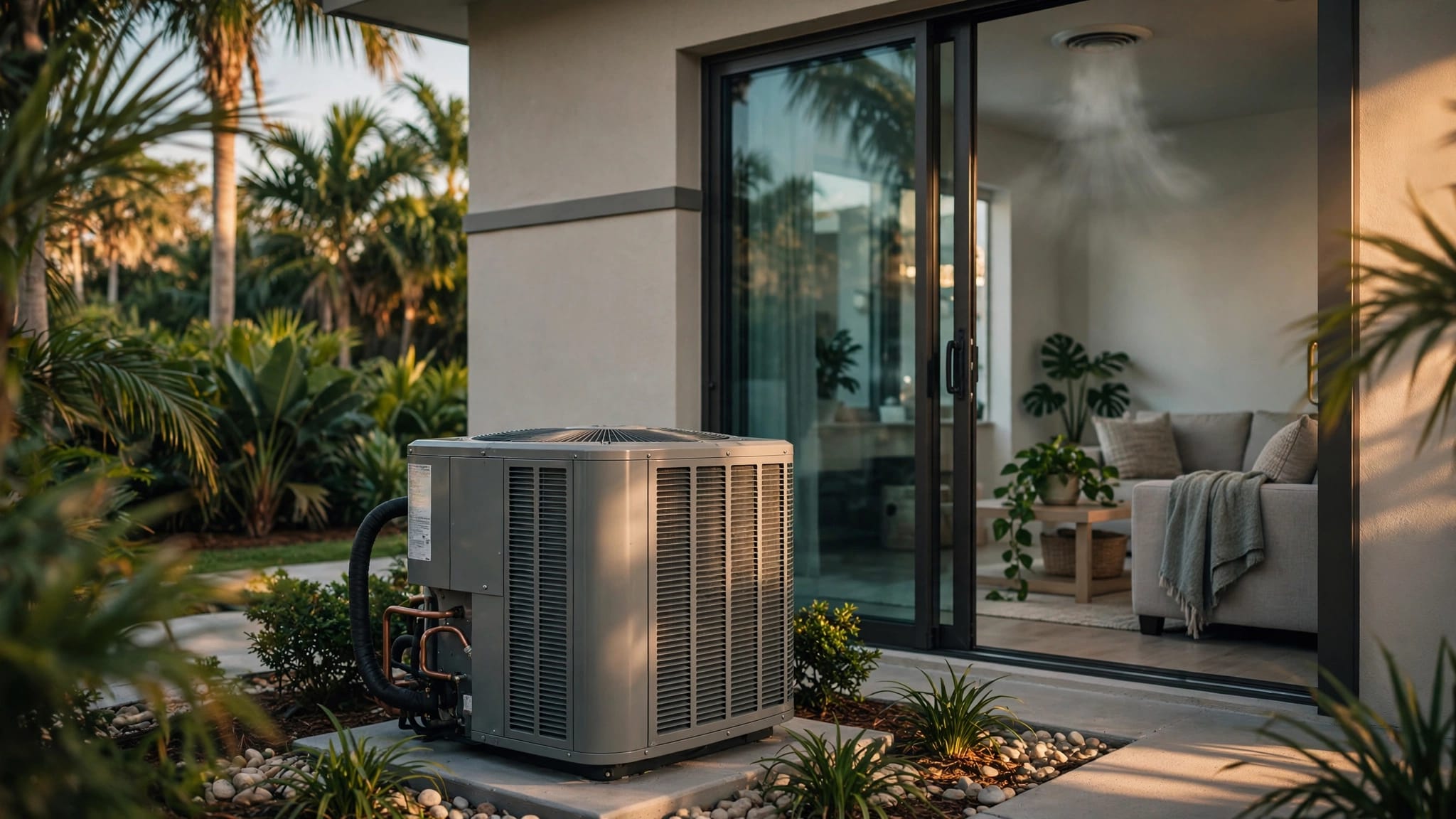
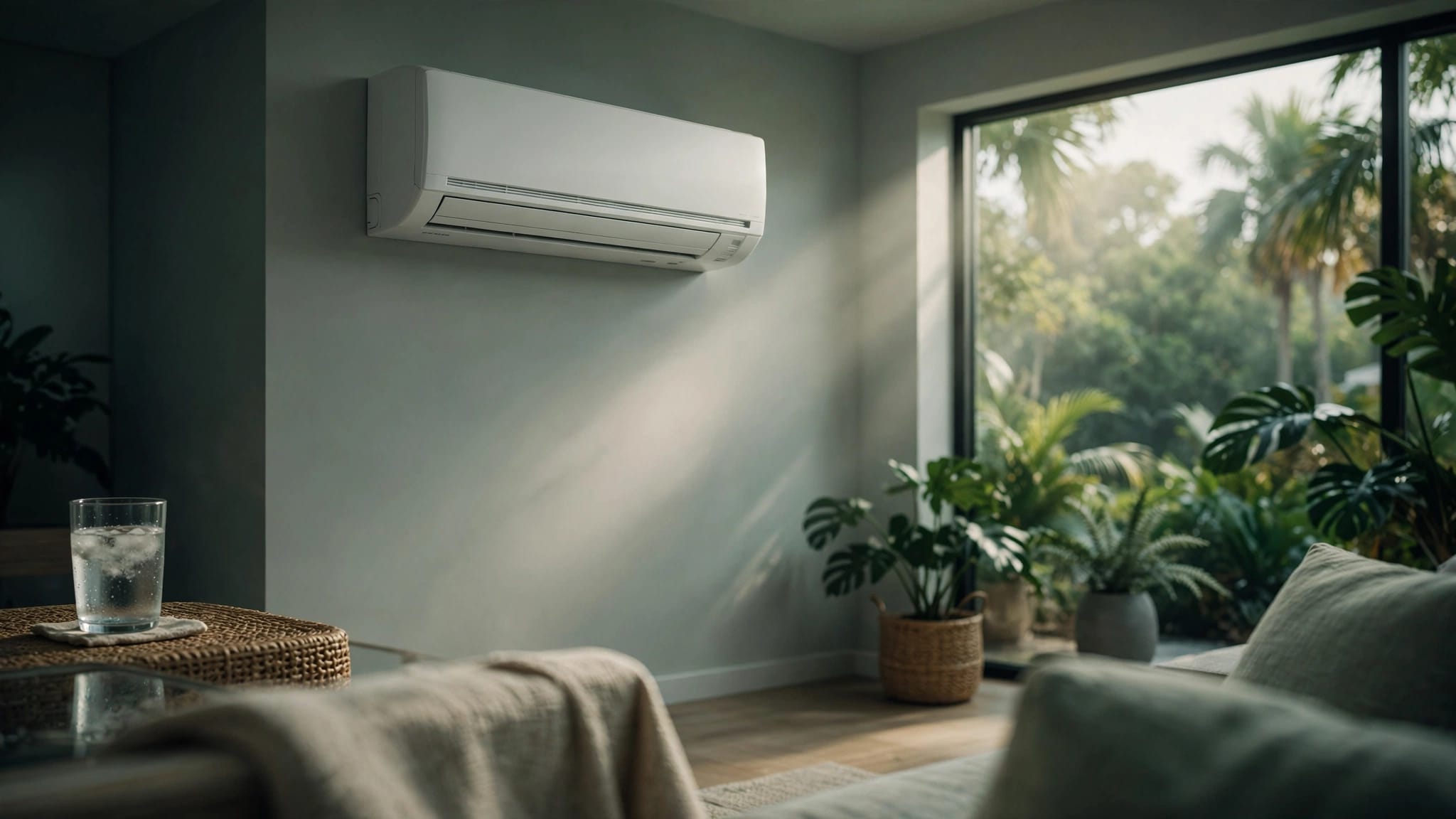
A multi-zone system connects multiple indoor units to one outdoor unit through refrigerant lines. Each indoor unit cools the area around it, without relying on the home's main ductwork.
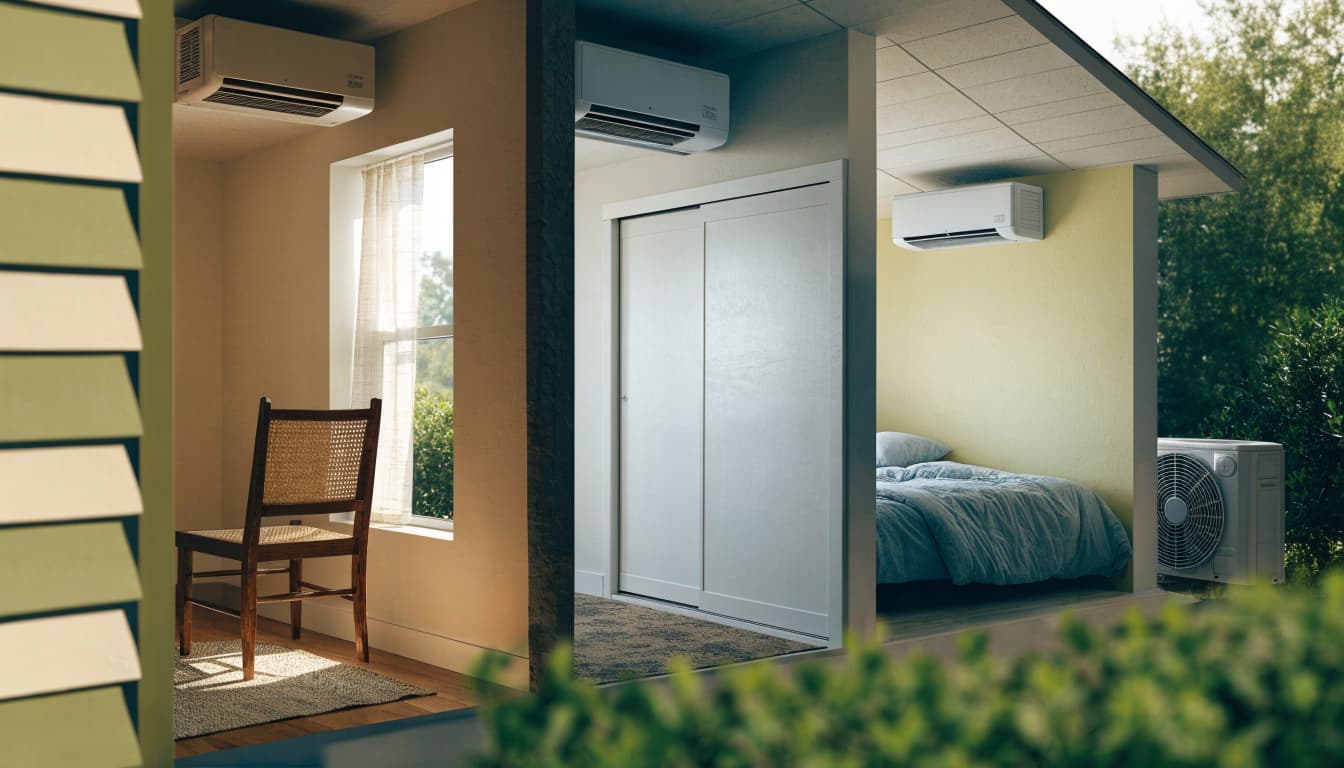
Each Indoor Unit Has Its Own Controls
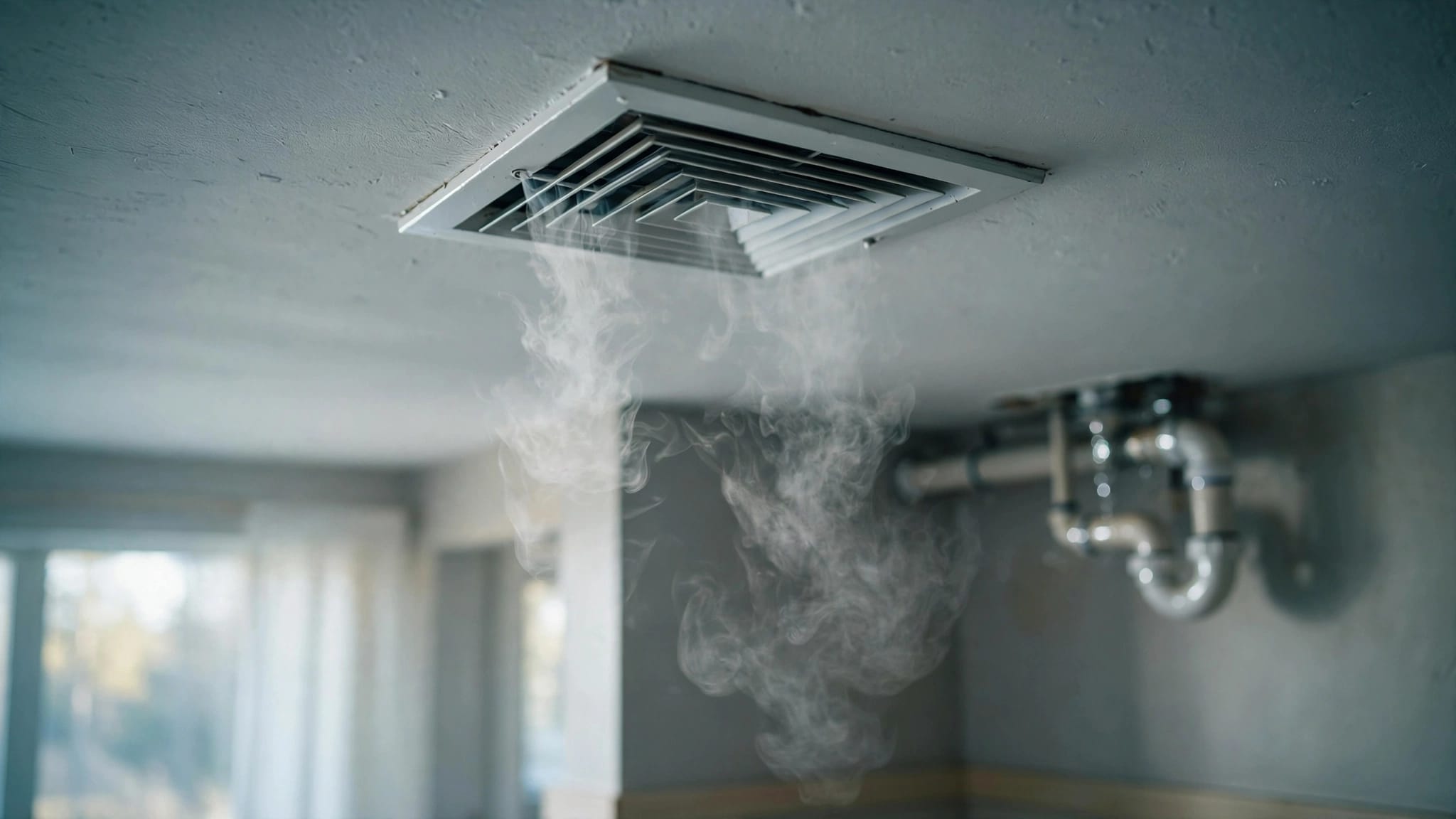
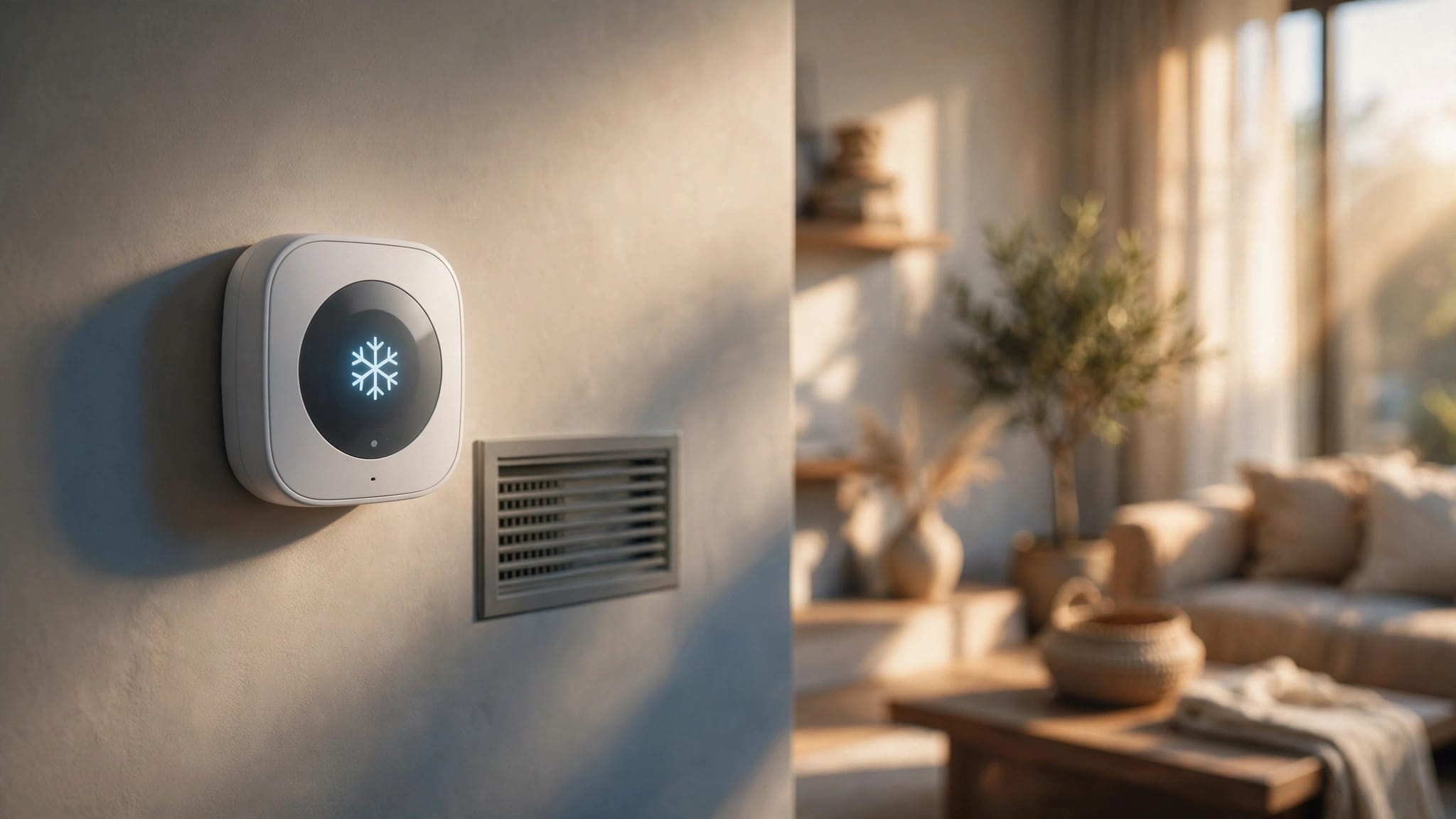
You can adjust the temperature setting for each indoor unit independently. Depending on the equipment, you may also be able to adjust fan speed or set a schedule for a particular room.
When a room reaches its setting, its cooling demand drops. The system can continue cooling another room that hasn't reached its own setting.
One Outdoor Unit Supports the Zones
The outdoor unit contains the compressor and rejects heat collected inside. It responds to the combined needs of the indoor units connected to it.
This arrangement gives you separate controls without a separate outdoor unit for every room. However, the shared equipment must be sized for the rooms it serves.
An Example of Different Room Settings
Suppose you prefer a cool bedroom at night, while someone else wants the living room a little warmer. You can set the bedroom unit lower and the living room unit higher, with both operating in cooling mode.
The bedroom unit will continue calling for cooling until its sensor detects that the room is near its setting. Meanwhile, the living room unit can reduce or stop cooling when its own area is comfortable. Its fan may continue to run, depending on the system and settings.
These are temperature targets, not guarantees. Sunlight, open doors, airflow, and the available system capacity all affect the temperature you feel in each room.
What Limits Independent Temperature Control?
Separate controls give each room a say in cooling, but they don't turn one outdoor unit into several independent systems.
Outdoor Capacity Is Shared
If multiple rooms need cooling at the same time, they draw on the outdoor unit's available capacity. A sunny living room and several warm bedrooms may take longer to reach their settings when demand is high.
Adding up the labeled capacities of the indoor units doesn't necessarily tell you how much cooling each will receive at once. The outdoor unit, equipment configuration, and operating conditions all matter.
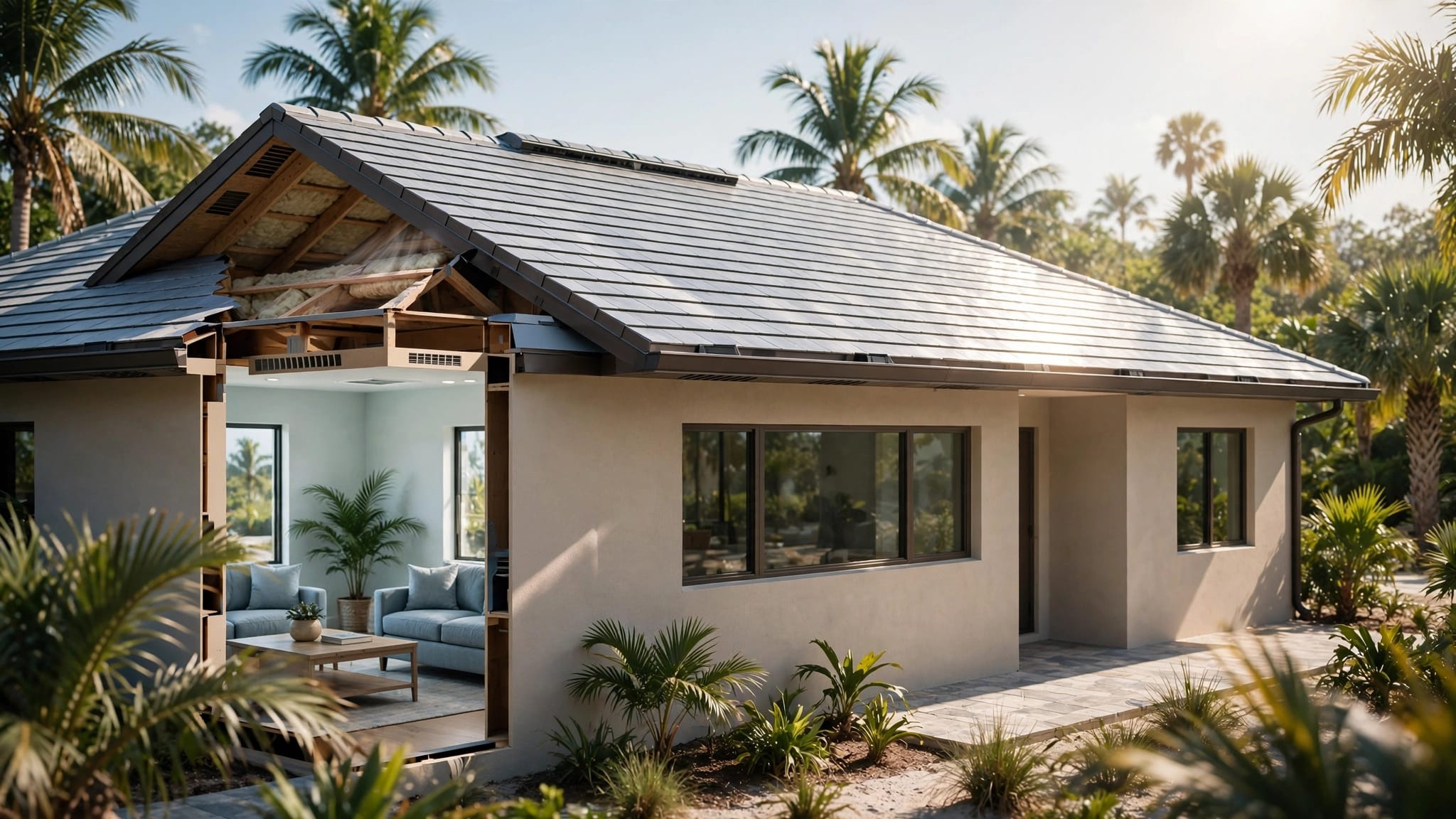
A room-by-room load calculation helps match the equipment to the house. It accounts for features such as windows, insulation, sun exposure, and how each room is used.
Heating and Cooling Modes May Conflict
Most residential multi-zone mini-splits use one operating mode for the shared outdoor unit. As a result, one room generally can't call for heating while another calls for cooling at the same time.
If someone selects an incompatible mode, that indoor unit may wait or show a mode conflict until the settings agree. Certain specialized heat-recovery systems can heat and cool different zones simultaneously, but that capability shouldn't be assumed for a typical residential setup.
Room Layout and Humidity Matter, Too
Even a properly sized system can't keep every part of a room at an identical temperature. Placement and airflow affect how comfortable each zone feels.
Open Spaces Share Air
Separate settings work best when rooms are reasonably separated. If a bedroom door stays open to a warmer hallway, air moves between the spaces. Large openings between living areas can also make it harder to maintain a noticeable temperature difference.
An indoor unit's location matters as well. Furniture, wall layout, and the direction of airflow can affect whether conditioned air reaches the areas where you spend time.
Cool Air Doesn't Always Mean Dry Air
In Southwest Florida, comfort depends on humidity as well as temperature. Mini-splits remove moisture while cooling, but the amount depends on the equipment, airflow, and operating time.
An oversized unit can cool a room quickly without removing enough moisture to keep it comfortable. If a room reaches its temperature setting but still feels clammy, the design and moisture sources deserve attention.
Where a Multi-Zone System Makes Sense
Multi-zone cooling can work well for bedrooms with different comfort preferences, a converted garage, or an addition that needs its own control. It can also help when extending ductwork would be difficult.
For a glass-heavy addition, afternoon sun may create a larger cooling load than the rest of the house. Our guide to cooling a Florida room addition explains why that room may need separate attention.
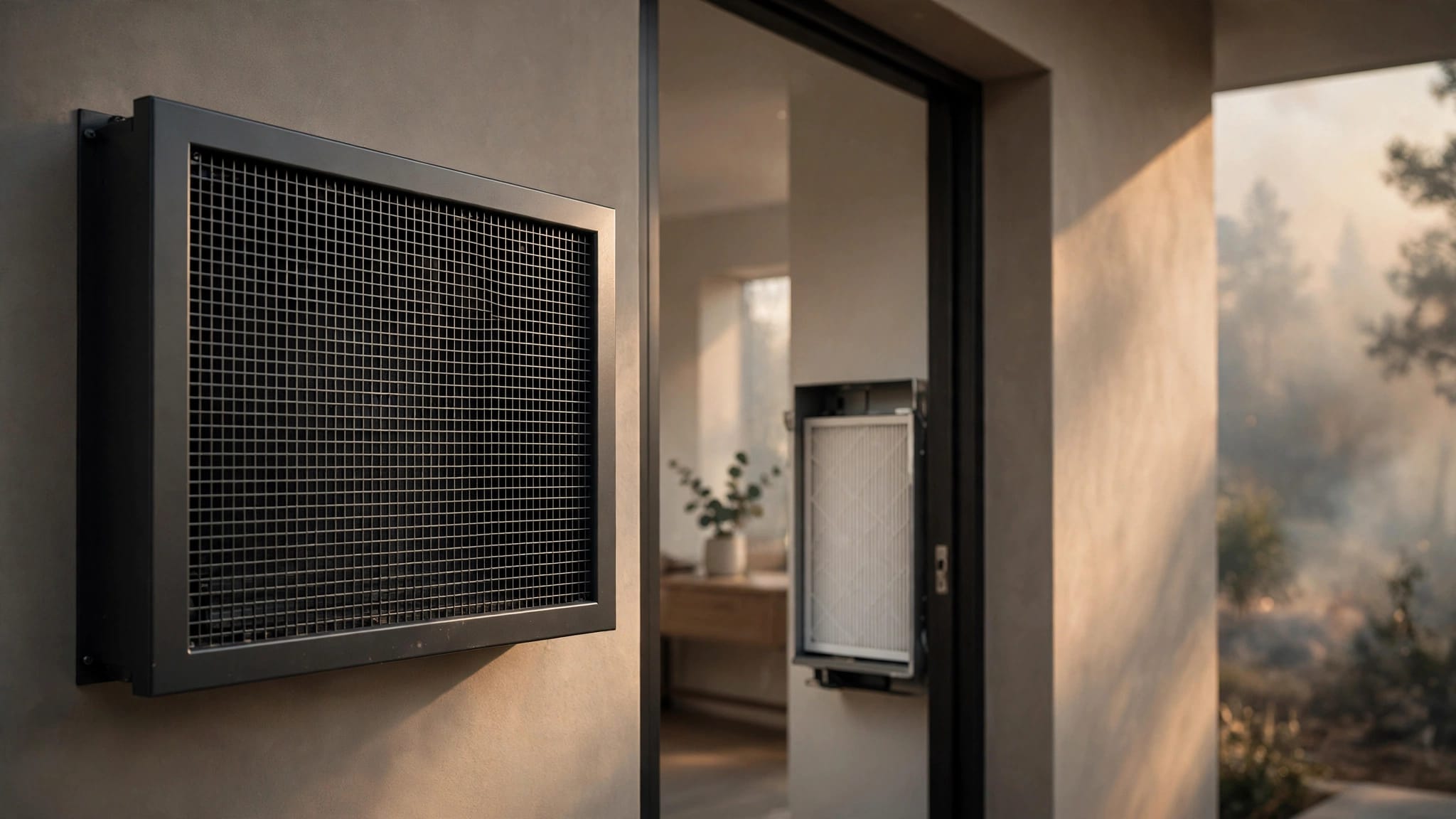
There are installation tradeoffs. Wall-mounted units remain visible, and each needs a route for refrigerant lines and condensate drainage. Each indoor unit also has a filter that needs regular cleaning.
If your home already has ductwork in good condition, comparing central air and mini-splits can help you weigh whole-home cooling against separate room controls. A zoning retrofit may be another option for an existing central system.
Choose Cooling That Fits the Rooms
A multi-zone mini-split lets occupants choose different cooling settings while sharing one outdoor unit. The best results depend on matching that unit's capacity to the rooms and planning for Florida humidity.
We can help you assess the rooms you want to cool and the equipment your home needs. Contact Us to schedule a service call with our team.