A new AC should make your home feel steady, dry, and quiet. When the install is wrong, the system starts fighting itself. In Cape Coral, that can mean sticky rooms, rising bills, and a unit that wears out too soon.
If you have noticed uneven cooling, puddles, or a system that runs in short bursts, the problem may not be the equipment. It may be the way the AC was installed. The signs below can help you spot trouble early before the Florida heat and humidity make it worse.
Uneven cooling that never feels right
One of the clearest signs of a bad install is a home that never cools the same way twice. Maybe the bedrooms feel fine, but the living room stays warm. Maybe the far end of the house never catches up, no matter how long the AC runs.
That usually points to an airflow or sizing problem. Ducts may be too small, poorly sealed, or laid out in a way that sends too much air to one area and too little to another. A thermostat in the wrong spot can also trick the system into shutting off before the rest of the house is ready.
In Cape Coral, this gets worse fast. Sun heat, closed doors, and high indoor moisture all put extra pressure on the system. If the install was off, the AC will run harder than it should, and comfort still falls short.
A properly installed system should cool evenly, pull out moisture, and stay quiet.
When you feel hot spots after a new AC installation in Cape Coral, it is worth looking at the setup, not just the equipment nameplate. A good system cannot make up for bad airflow.
High humidity after the AC runs
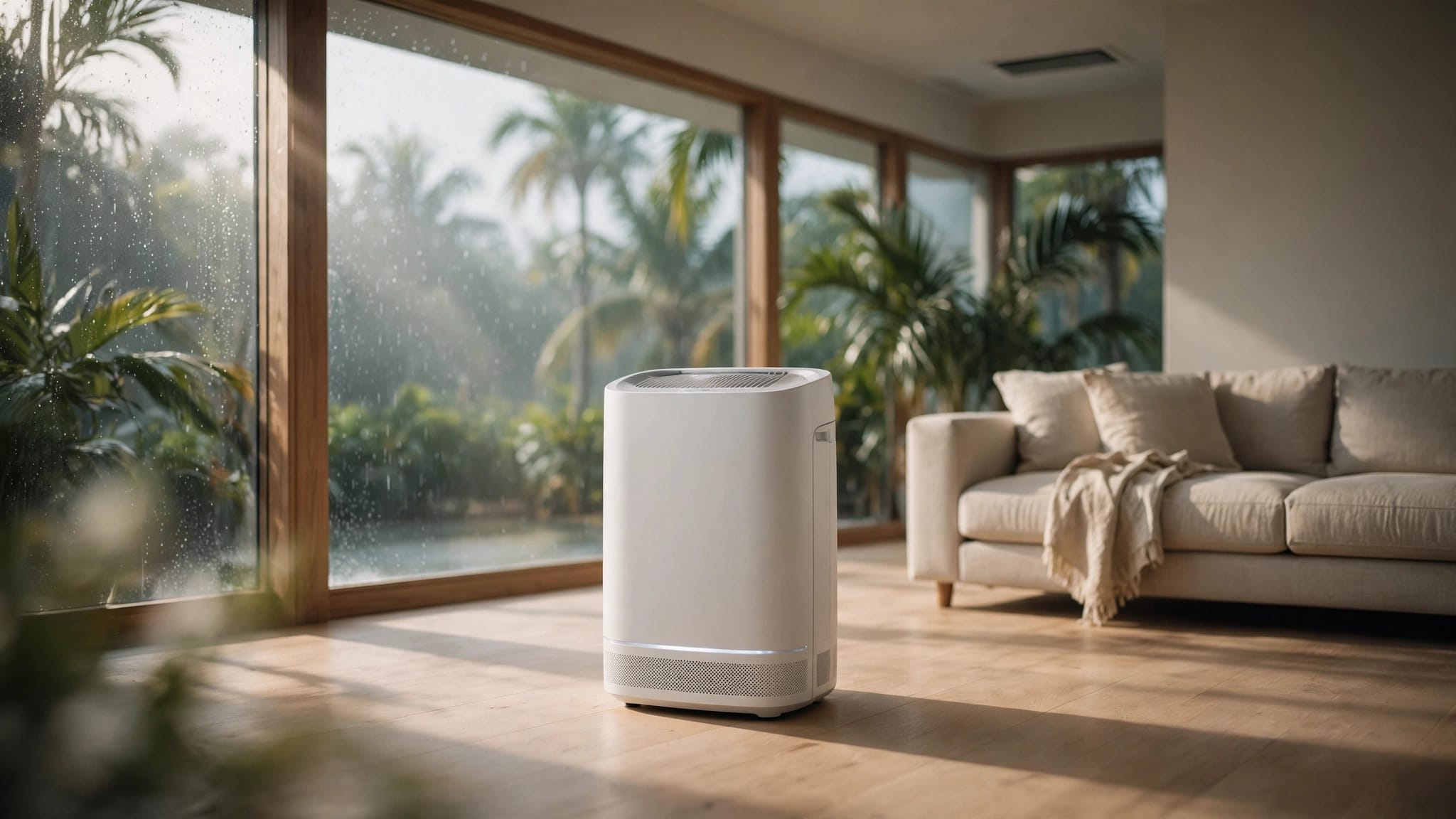
An AC in Southwest Florida should do more than lower the temperature. It should also remove moisture from the air. If the home still feels sticky after long cooling cycles, that is a warning sign.
Poor installation can cause this in a few ways. The unit may be too large for the home, so it cools the air too fast and shuts off before it removes enough humidity. The refrigerant charge may be off. The ductwork may leak warm, wet air into the system and bring the humidity right back inside.
You may notice foggy windows, a musty smell, or damp-feeling rooms even when the thermostat shows a low number. That matters in Cape Coral because moisture does not sit still for long. It feeds mold, encourages mildew, and can damage wood, drywall, and fabric.
High humidity also makes a home feel warmer than it is. So you may keep lowering the thermostat, which raises energy use without fixing the real issue. That cycle is hard on the equipment and hard on your comfort.
Strange noises, vibrations, and leaks
A new AC should not sound like it is struggling. Light airflow and a soft hum are normal. Rattling, banging, hissing, or whistling are not.
Noise often points to parts that were not secured well during installation. Loose panels, shaky mounting, or ducts that are not sealed right can all create sound. Hissing can point to refrigerant issues or leaks at fittings. Whistling often means air is being forced through a gap or a duct that is too tight.
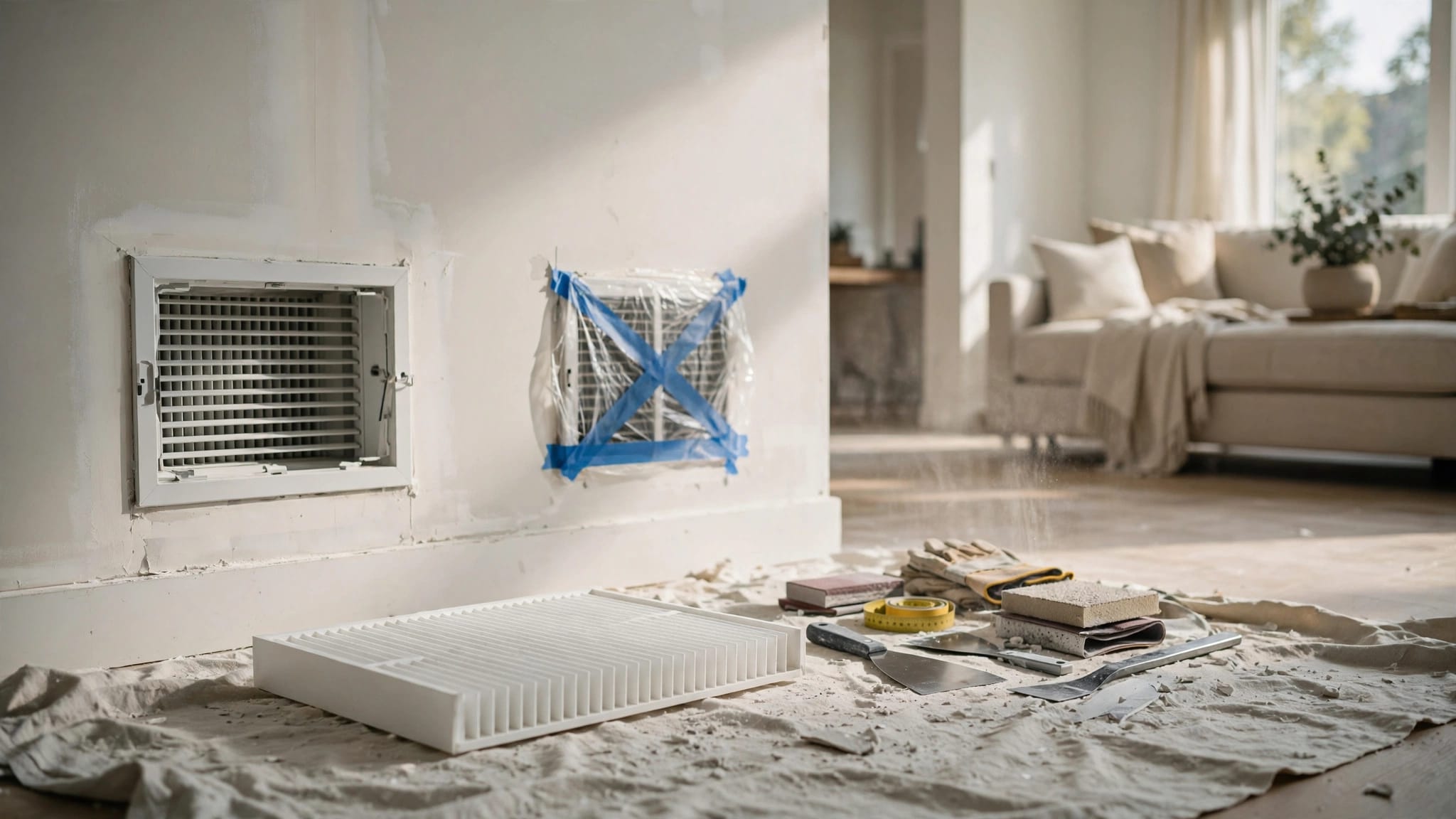
Leaks are just as important. Water around the air handler, drip marks near the closet unit, or a wet spot by the ceiling can mean the condensate drain is not set up correctly. The drain line may not slope the right way, or the pan may not catch water the way it should.
That kind of problem can do real damage. Water stains spread fast. Drywall softens. Mold can start in hidden spots. In a humid climate, one small leak can become a larger repair before you notice it.
If your system is new and already making noise or leaking, the install deserves a closer look.
Outdoor unit clues that point to a bad setup
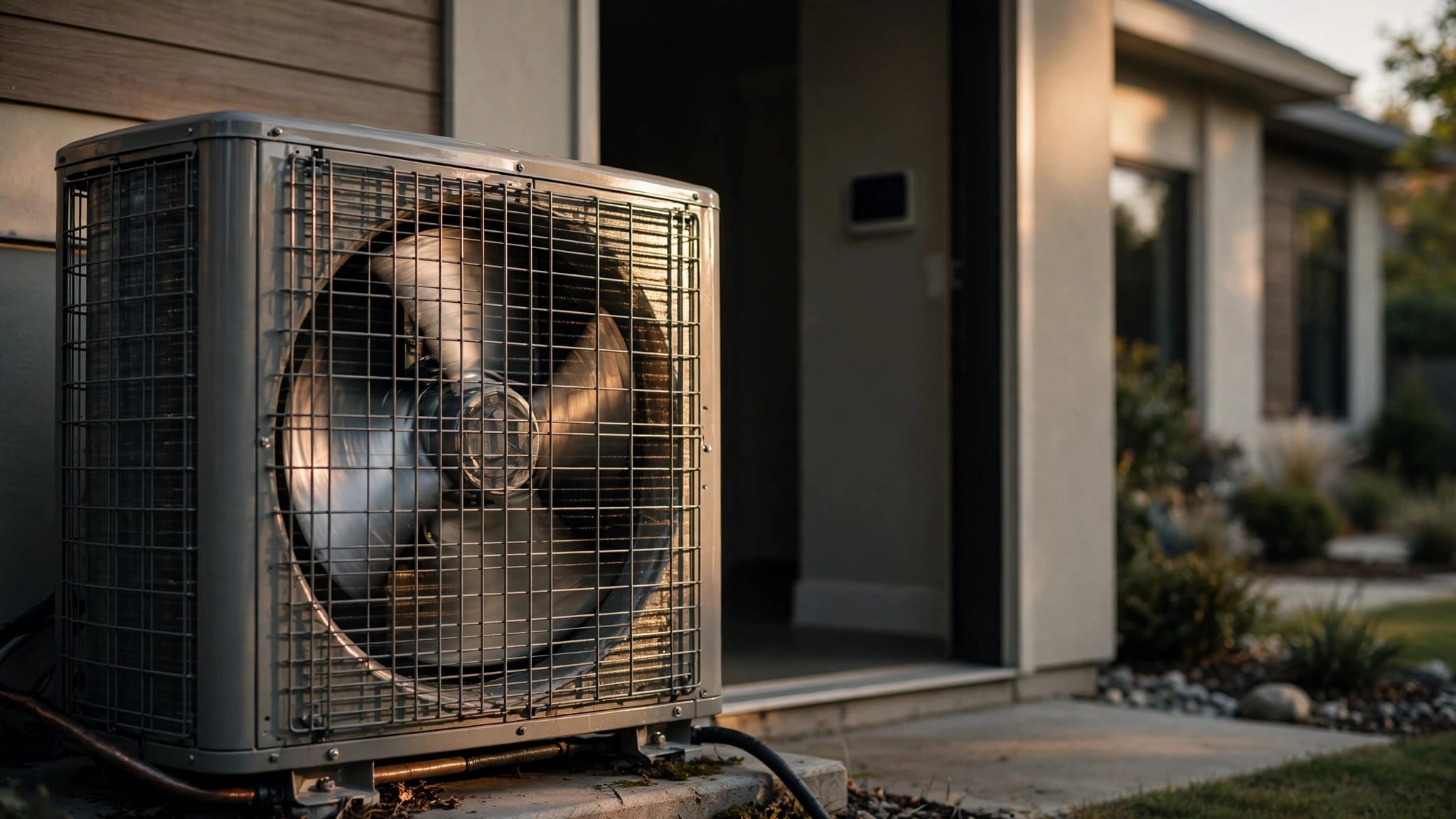
The outside unit can tell you a lot. If it sits crooked, shakes when it starts, or feels too close to a wall, the installation may be off.
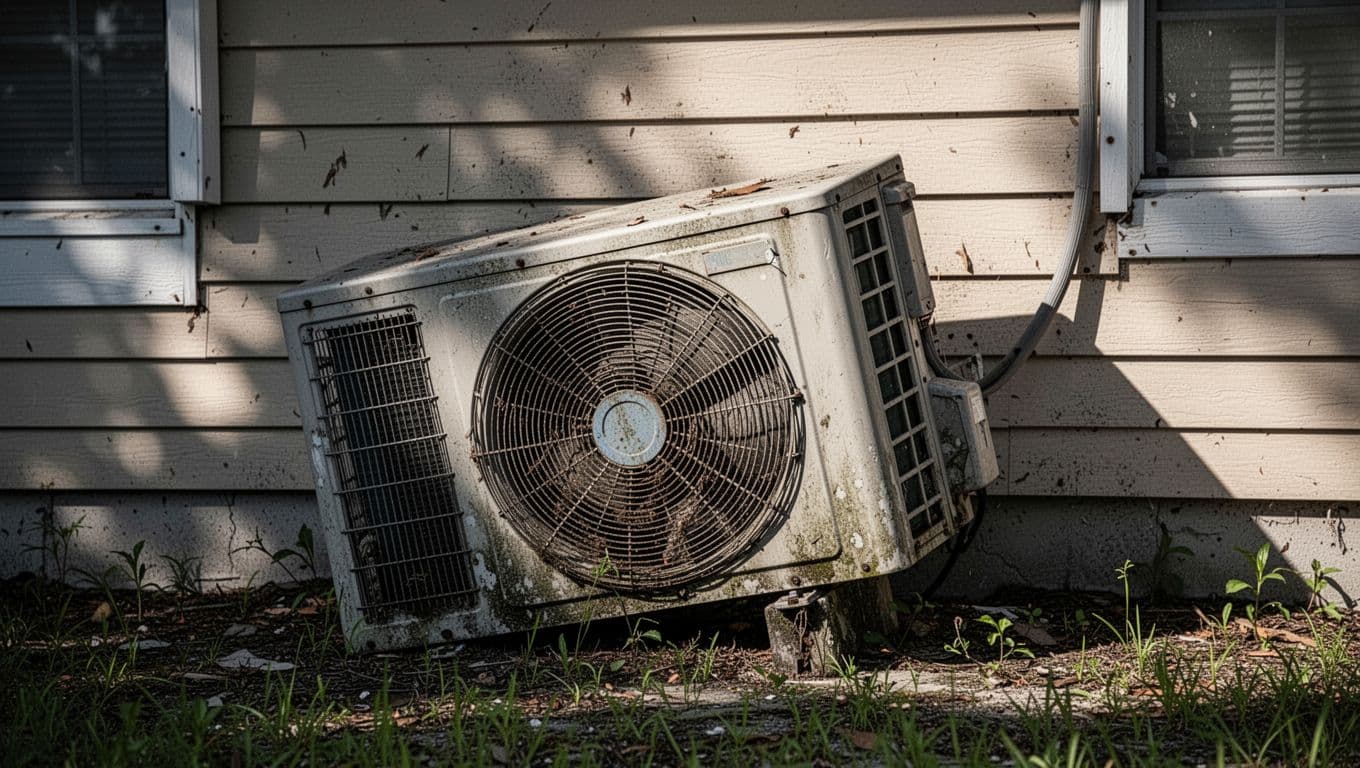
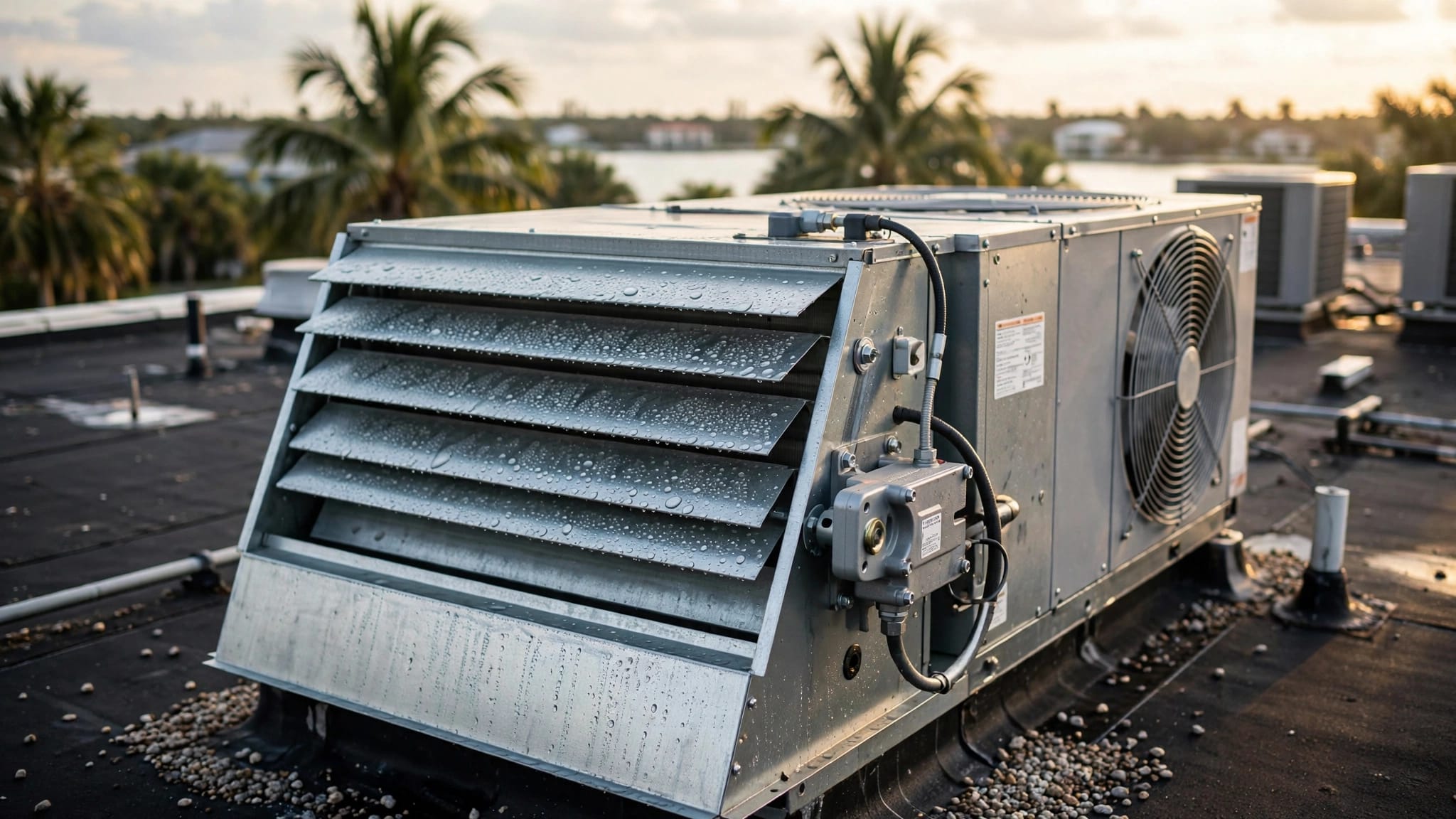
The condenser should sit on a stable pad with enough clearance around it. That space lets it pull in and push out air the way it was designed to. If the unit is too close to a fence, shrub, or wall, it can recycle hot air and lose efficiency. If the pad is uneven, the unit may vibrate, stress the line set, or wear down mounting points faster than normal.
Cape Coral adds another layer to this. Salt air and frequent rain can make small mistakes show up sooner. A line set that is not supported well can corrode or rub. Drainage problems around the pad can also lead to standing water and extra wear.
The outdoor unit should look solid and level. If it does not, the installation may have skipped a basic step that affects the whole system.
Ductwork and drain issues show up fast in Cape Coral
Duct problems are easy to miss at first. The home may still cool, but not well. Airflow may feel weak at certain vents. One room may get a blast while another barely moves air.
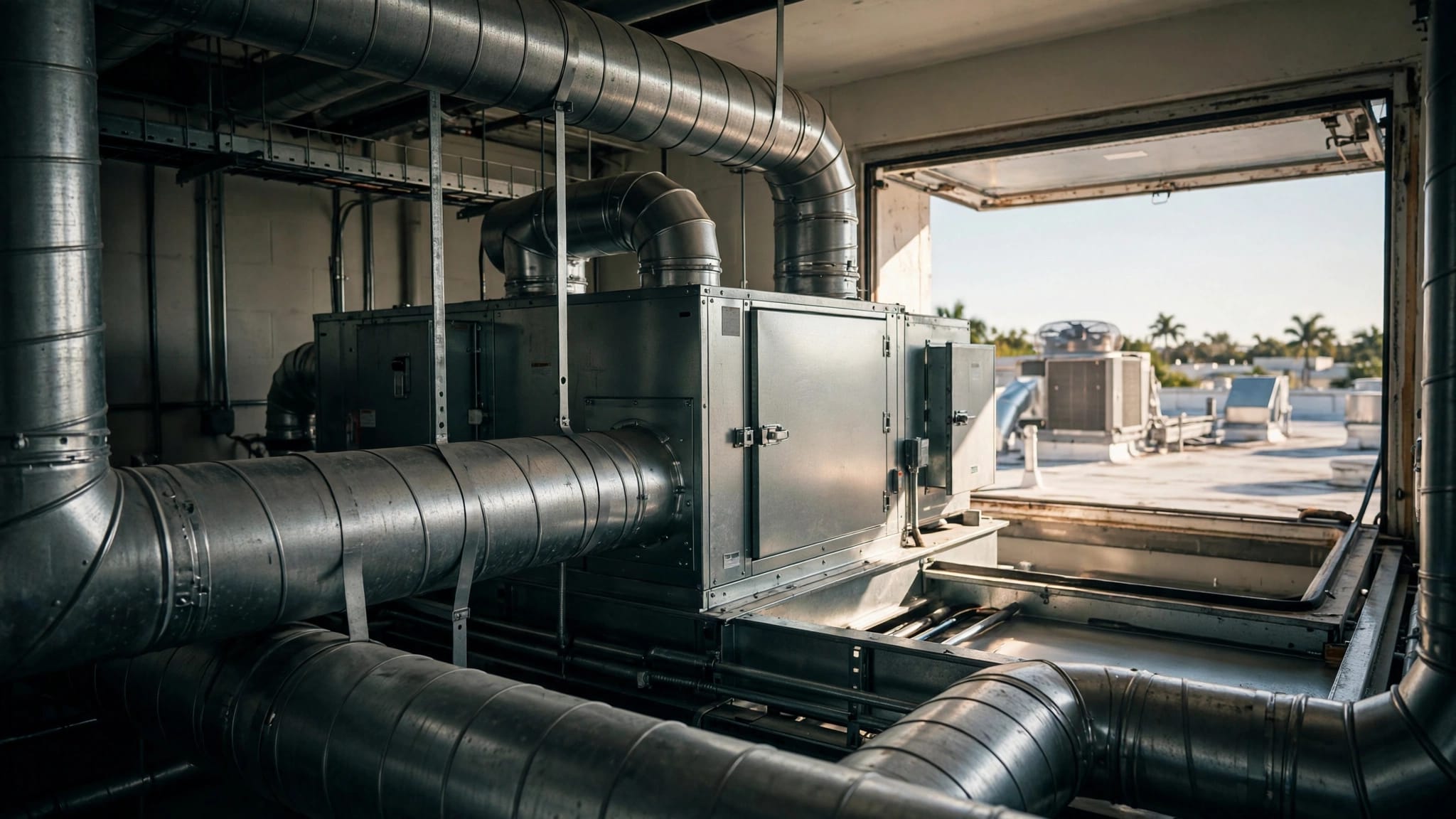
That often means the ductwork was not matched to the system or sealed correctly. Crushed flex duct, poor connections, and sloppy sizing all cut performance. Even a small gap can waste cooled air in an attic or wall cavity.
Drain problems can hide just as easily. If condensation cannot move away from the air handler, it can back up into the pan or trip a safety switch. Then the AC shuts down, usually on the hottest day of the week.
These issues matter because they affect both comfort and equipment life. Poor airflow can make the coil freeze. Bad drainage can cause water damage. Leaky ducts can pull humid attic air into the system, which raises indoor moisture and makes the AC work harder.
If you are weighing repair against replacement, what to expect for AC installation costs can help you plan the next step without guessing.
What to do when the signs start showing up
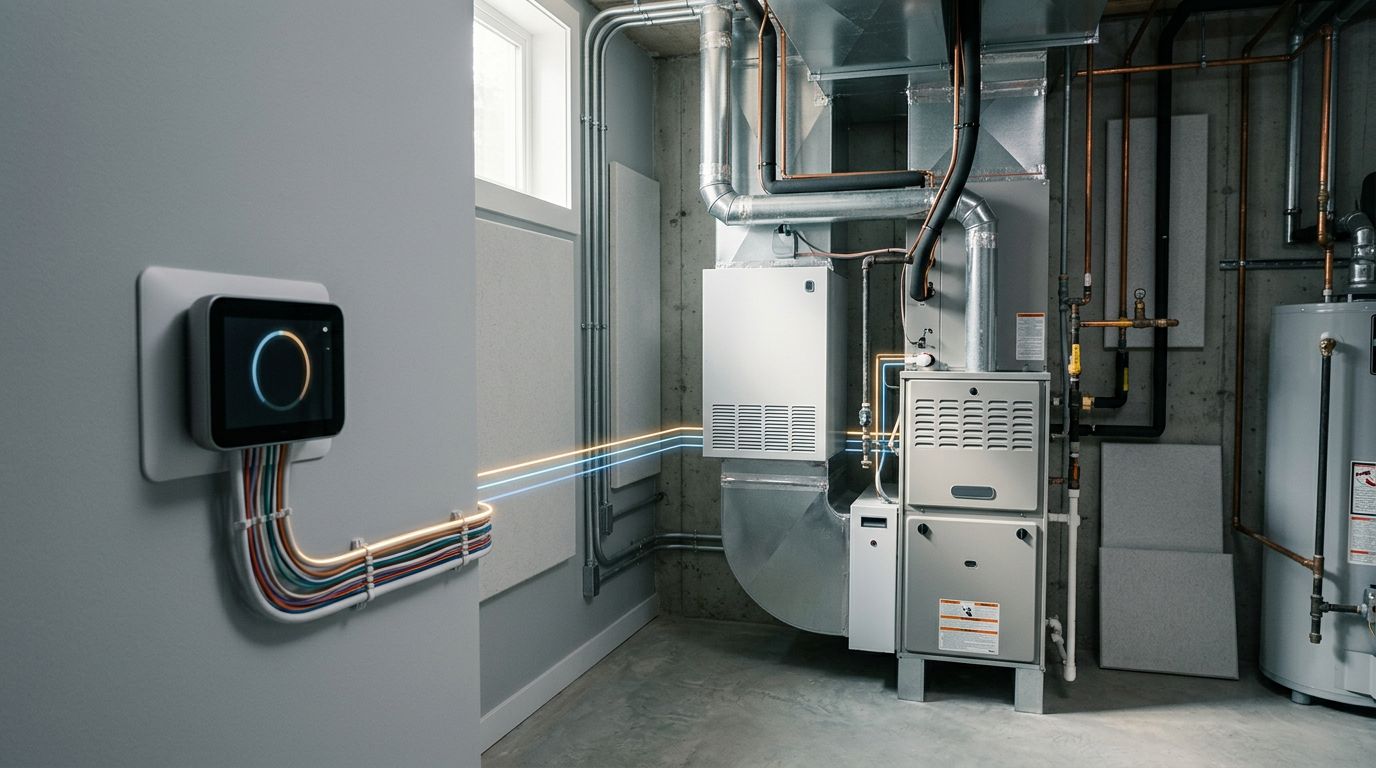
Start with the simple observations. Check whether vents are open and not blocked by furniture. Look for water near the indoor unit. Notice whether one room stays much warmer than the others. Listen for short cycling, loud startup sounds, or repeated clicking at the thermostat.
Do not open equipment panels or try to correct refrigerant, wiring, or drainage problems yourself. Those issues need the right tools and training. A bad fix can make the damage worse.
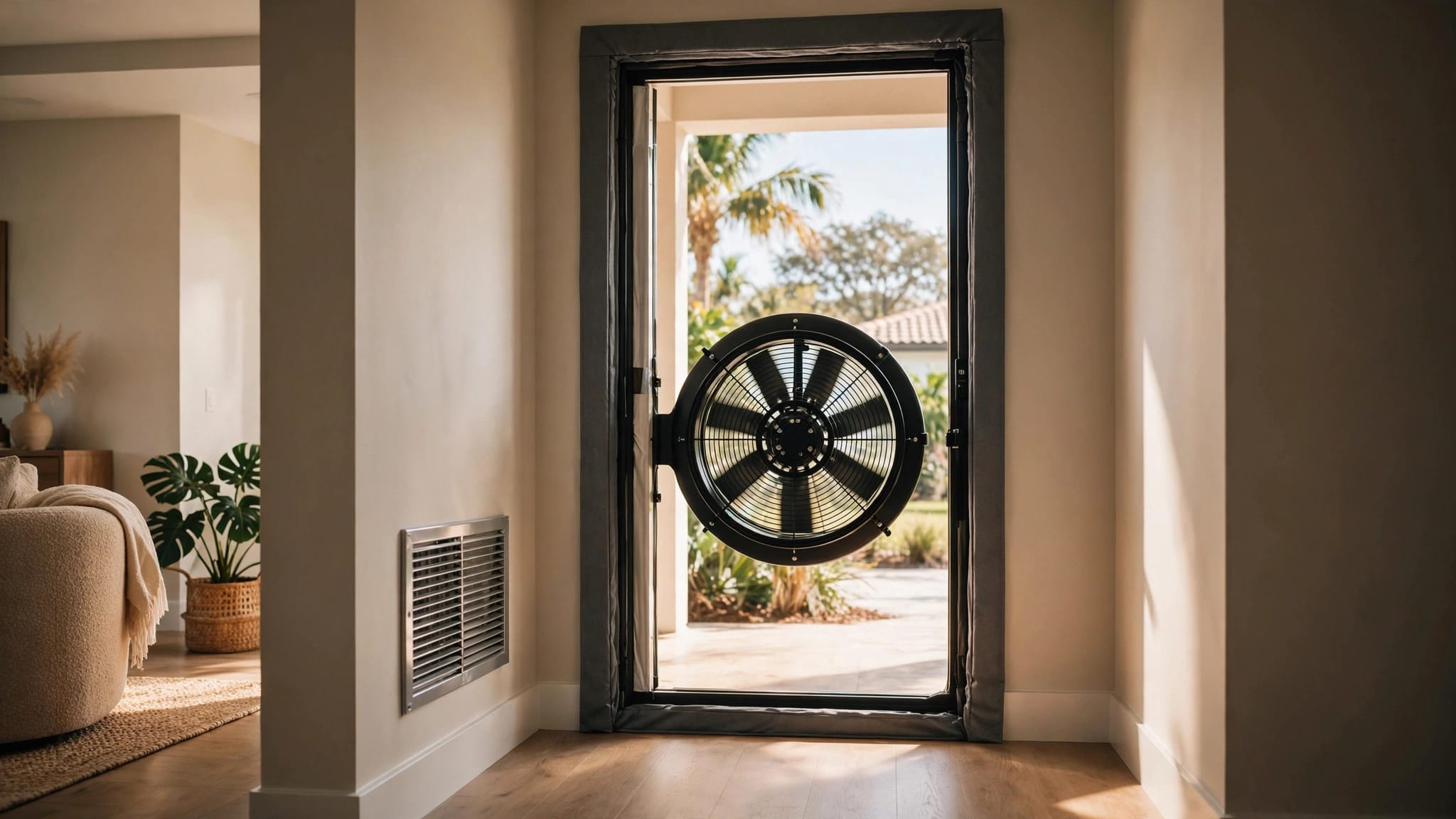
If the system is newer but still performs badly, the original install may be the real issue. A proper replacement should include correct sizing, good duct fit, drain setup, and airflow testing. That is why professional air conditioning installation in Cape Coral matters when a system never worked right from day one.
If you want a fast response, you can Contact Us to schedule a service call and have the system checked before the next heat wave pushes it harder.
Conclusion
A bad AC install does not always announce itself on day one. Sometimes it shows up as a warm room, a damp smell, or a unit that never seems to settle down. In Cape Coral, those small signs can turn into high bills, extra humidity, and early equipment failure.
The good news is that the clues are usually there if you know where to look. Uneven cooling, short cycling, leaks, odd sounds, and a crooked outdoor unit all point back to the install.
When comfort slips and the AC starts acting up, the setup deserves attention. Catching the problem early can protect your home, your budget, and the life of the system.