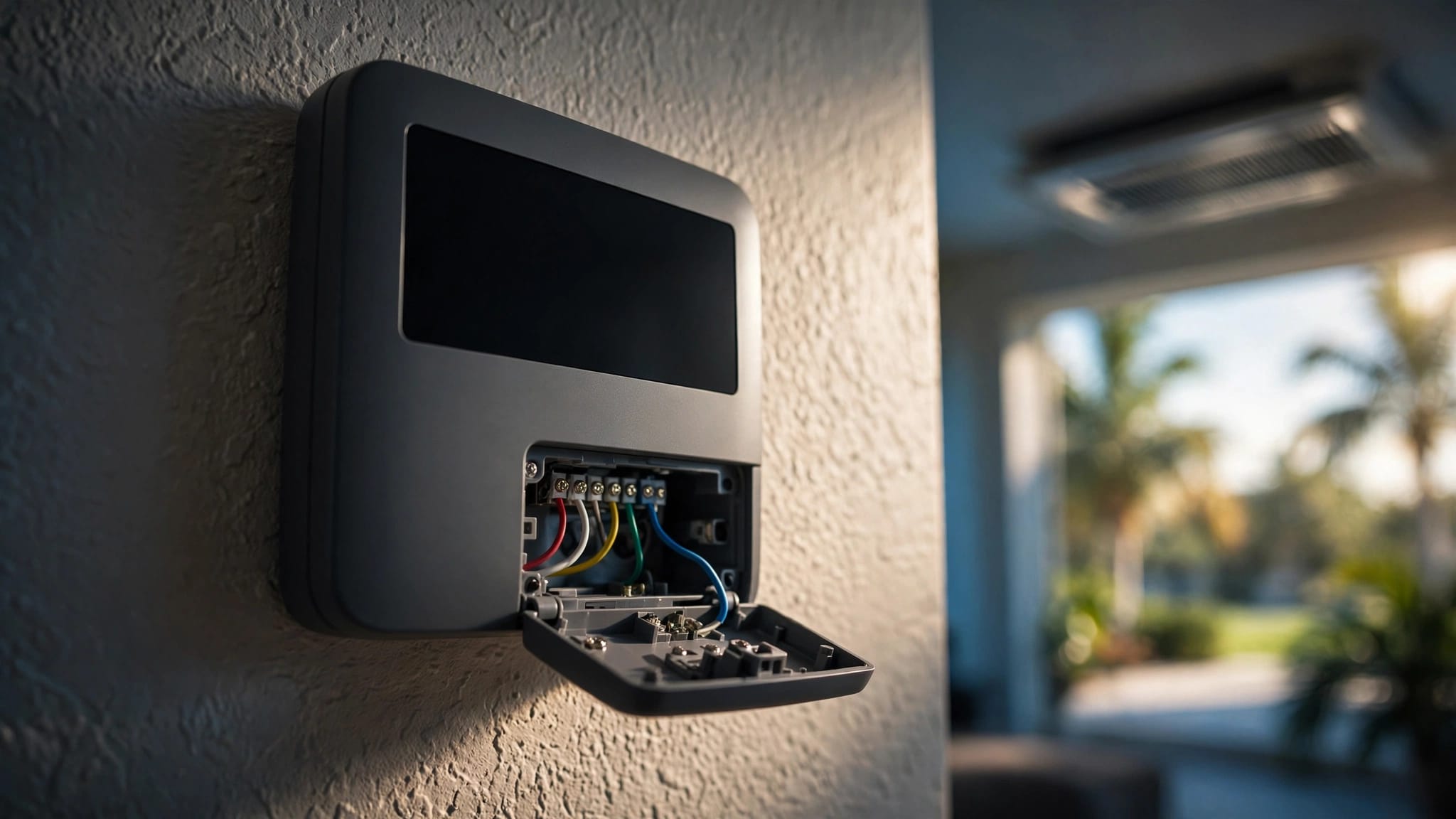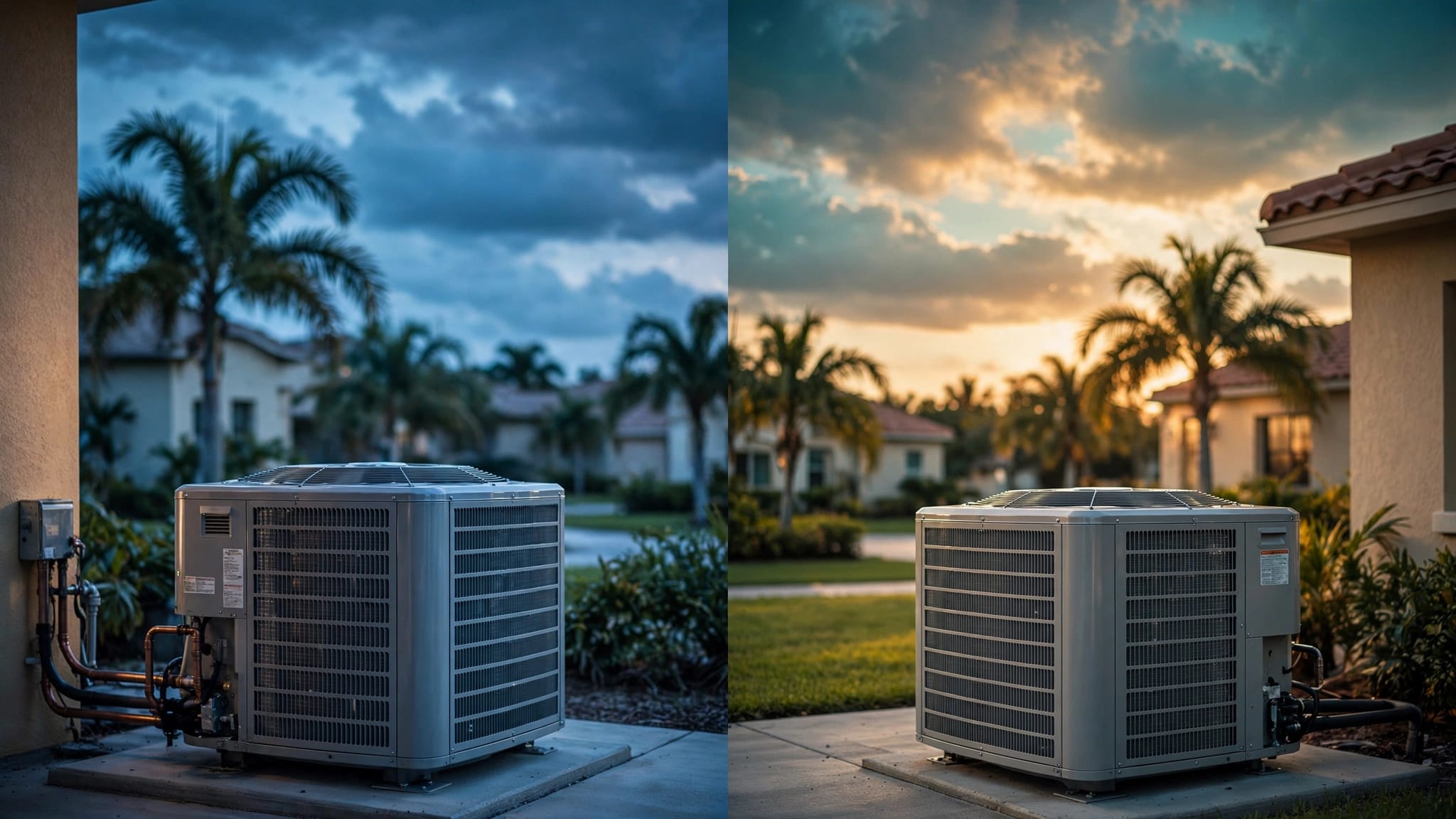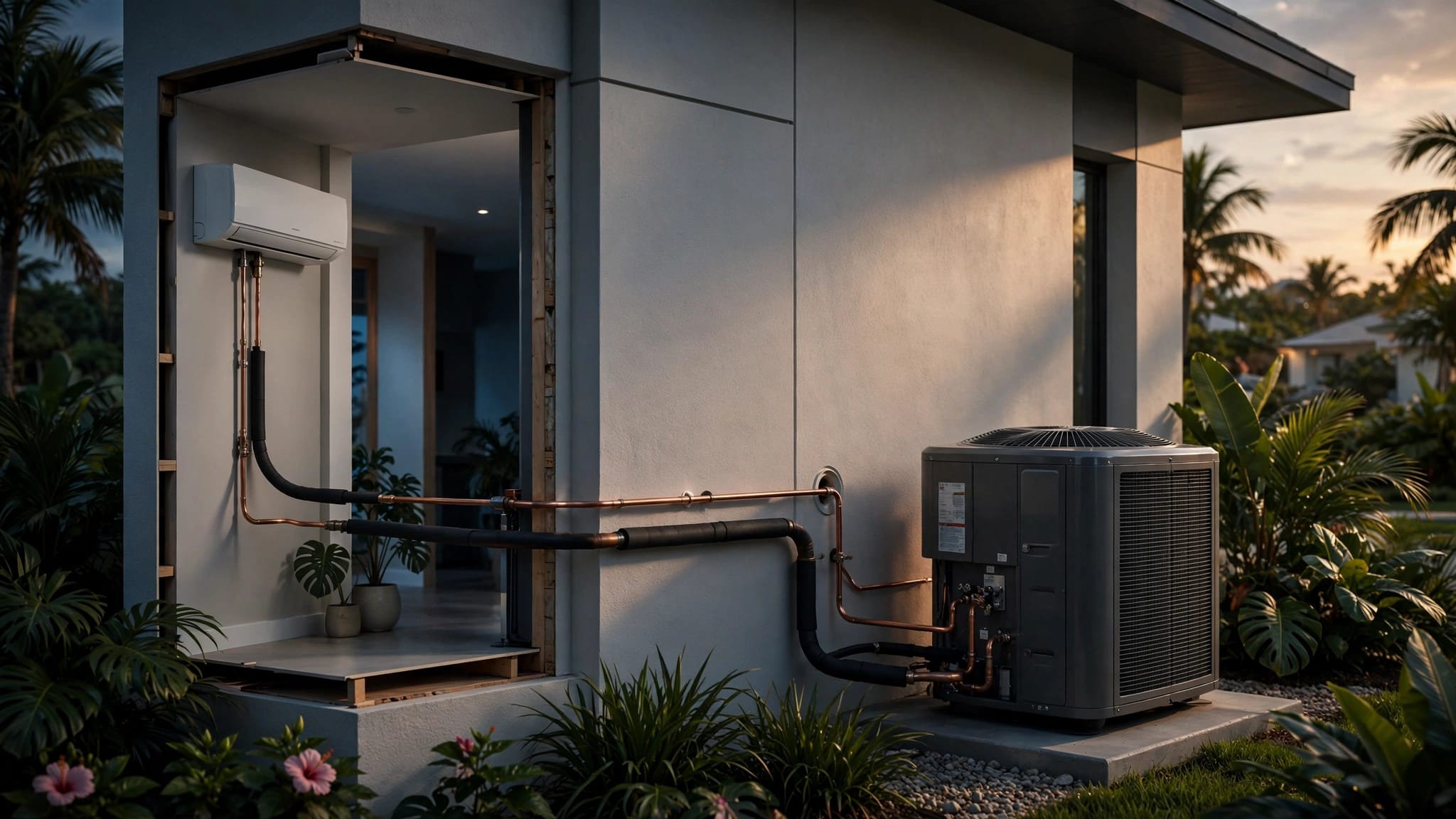
When an AC control board fails in Cape Coral, the bill can change fast. A simple swap may stay manageable, while a hard-to-match part, urgent call, or older system can push the price up.
That is why the AC circuit board replacement cost matters before the first service truck pulls in. You want a clear idea of what is normal, what is not, and when repair stops making sense.
Actual pricing can vary based on the HVAC system, the diagnosis, and how much labor the job takes. In Cape Coral, heat, humidity, and storm season can also make timing and part availability part of the final number.
What AC circuit board replacement costs in Cape Coral
For many homes, the total cost in 2026 often falls in a mid-range zone. A board replacement is usually more than the part alone, because you are also paying for diagnosis, labor, and testing after the repair.
Here is a practical estimate to help set expectations.
| Service situation | Typical 2026 estimate | What affects the price |
|---|---|---|
| Standard board replacement during regular hours | $350 to $700 | Diagnosis time, common part, normal labor |
| Older unit or special-order board | $600 to $1,000+ | Compatibility, sourcing time, extra wiring checks |
| After-hours or emergency service | $500 to $1,200+ | Urgency, dispatch timing, night or weekend rates |
| Minor board repair instead of full replacement | $150 to $450 | Small component issue, simple labor, good part access |
If the board is still under parts warranty, your out-of-pocket cost may be lower. In that case, labor and service charges usually make up most of the bill.
Cape Coral homeowners should also expect some price spread between systems. A basic split-system setup is often simpler to service than a more complex unit with hard-to-find electronics. That is why one quote can look very different from another, even when the symptom sounds the same.
A trusted diagnosis matters more than guessing. A technician can often tell whether you need a new board, a small electrical repair, or a larger AC fix. For that reason, professional air conditioning repair in Cape Coral is the right starting point when the system acts up.
Signs your control board is failing
A bad control board does not always fail in a dramatic way. Sometimes the signs show up slowly, like a light that flickers before it burns out. The thermostat may still have power, but the AC refuses to respond the way it should.
Look for these common symptoms:
- The thermostat has power, but the cooling system will not start.
- The indoor fan runs at the wrong time or never turns on.
- The system keeps short cycling, then shuts off again.
- The breaker trips more than once without a clear cause.
- You smell a burnt or electrical odor near the air handler.
- The display or lights on the board look scorched, loose, or dead.
- The AC works one day, then acts normal again after a reset.
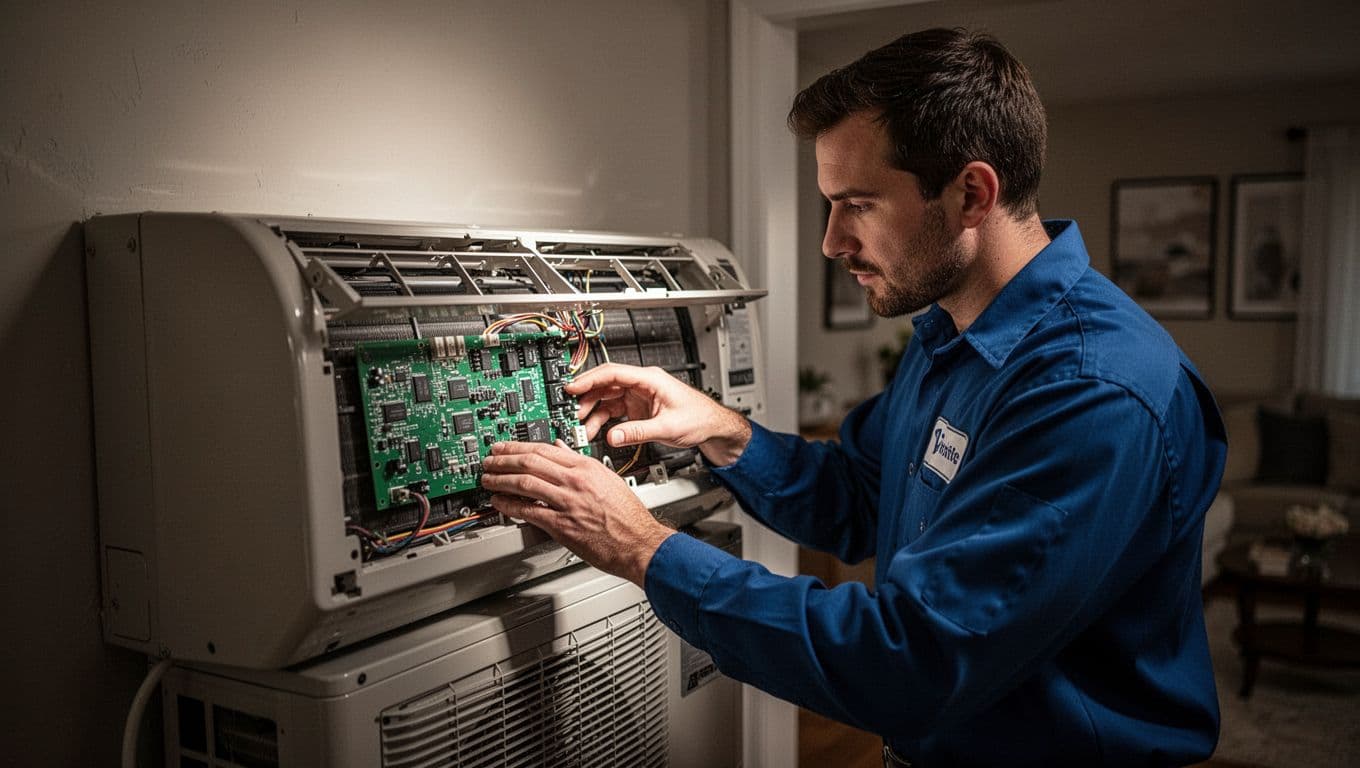
These signs can point to other parts too. A bad capacitor, thermostat issue, loose wire, or safety switch can mimic board failure. That is why a careful test matters before anyone replaces an expensive part.
Cape Coral weather can add stress to electronics as well. Heat, moisture, and power spikes do not help delicate controls last as long as they should. When a system is acting erratic, waiting too long can turn a smaller issue into a hotter house and a bigger bill.
When replacement makes more sense than repair
Repair is not always the cheapest move, even when it sounds smaller. If the board has one failed section and the rest is healthy, a repair may make sense. If the board is damaged, outdated, or already unstable, replacement is usually the better call.
The math changes when the repair cost gets close to the price of a new board. If fixing the old board costs almost as much as replacing it, replacement is easier to justify. The same is true when the part is discontinued or hard to match.
An older system changes the picture too. When an AC unit is already near the end of its useful life, spending a lot on electronics can feel like patching a roof that needs to be replaced soon anyway. In those cases, a technician may recommend a broader repair plan or a full system replacement instead of another board fix.
A few signs point toward replacement:
- The board is burned, cracked, or corroded.
- The replacement part is hard to find.
- The same board has failed before.
- The unit has other major problems at the same time.
- The system is old enough that more expensive parts may fail next.
That does not mean every old unit needs a new system right away. It means the repair should fit the age and condition of the equipment. Good advice is simple: spend where it buys real time and reliability.
What happens during a service visit
A proper visit starts with diagnosis, not guesswork. The technician should check the thermostat signal, the board, low-voltage wiring, safety switches, and the indoor unit's response. If the board looks like the problem, they should confirm that before replacing it.
A clear visit usually follows this path:
- The technician inspects the system and listens to your description of the problem.
- They test voltage, fuses, and board communication.
- They check for signs of heat damage, moisture, or loose connections.
- If the board is the issue, they confirm the correct replacement part.
- They install the part, test the system, and make sure the AC cycles normally.
If the part is on the truck, the repair may be finished the same day. If not, the technician may need to order it and return once it arrives.
When the AC is down in the middle of a hot day, waiting until morning can feel endless. In that case, 24/7 emergency HVAC repair services can be the faster route. If you need to schedule a service call now, Contact Us for help with 24/7 service.
The best visits end with a simple explanation. You should know what failed, what was replaced, and whether any other weak spots showed up during the test.
How to keep the next board from failing early
A new board should not feel like a temporary fix. With the right care, it can last much longer than a rushed replacement. Small habits help protect the electronics inside your AC system.
Start with steady maintenance. Dirty coils, clogged drains, and loose electrical connections can all put stress on the control board. A seasonal tune-up gives a technician a chance to catch those issues before they turn into a no-cooling call.
Power protection matters too. Cape Coral homes can see voltage swings during storms or utility interruptions. A surge protector or whole-home protection setup can reduce the chance of an electrical hit damaging the board.
You can also help by keeping the area around the indoor unit clean and dry. Standing water, rust, and heavy dust do more damage over time than many homeowners expect. If you notice any water near the air handler, don't ignore it.
Short version, a board often fails because something else stressed it first. Fixing the root cause is what keeps the next repair from coming back too soon.
Conclusion
The AC circuit board replacement cost in Cape Coral depends on more than one part number. Diagnosis, labor, compatibility, urgency, and warranty status all affect the final bill.
For many homeowners, a straightforward replacement lands in a moderate range. For older systems, after-hours calls, or hard-to-find boards, the price can climb. The smartest move is to get a clear diagnosis, compare repair with replacement, and make the choice that fits the age of the system.
When your AC starts acting strange, the board may be the issue, but it should never be assumed. A careful inspection gives you the real answer and helps you avoid paying for the wrong fix.