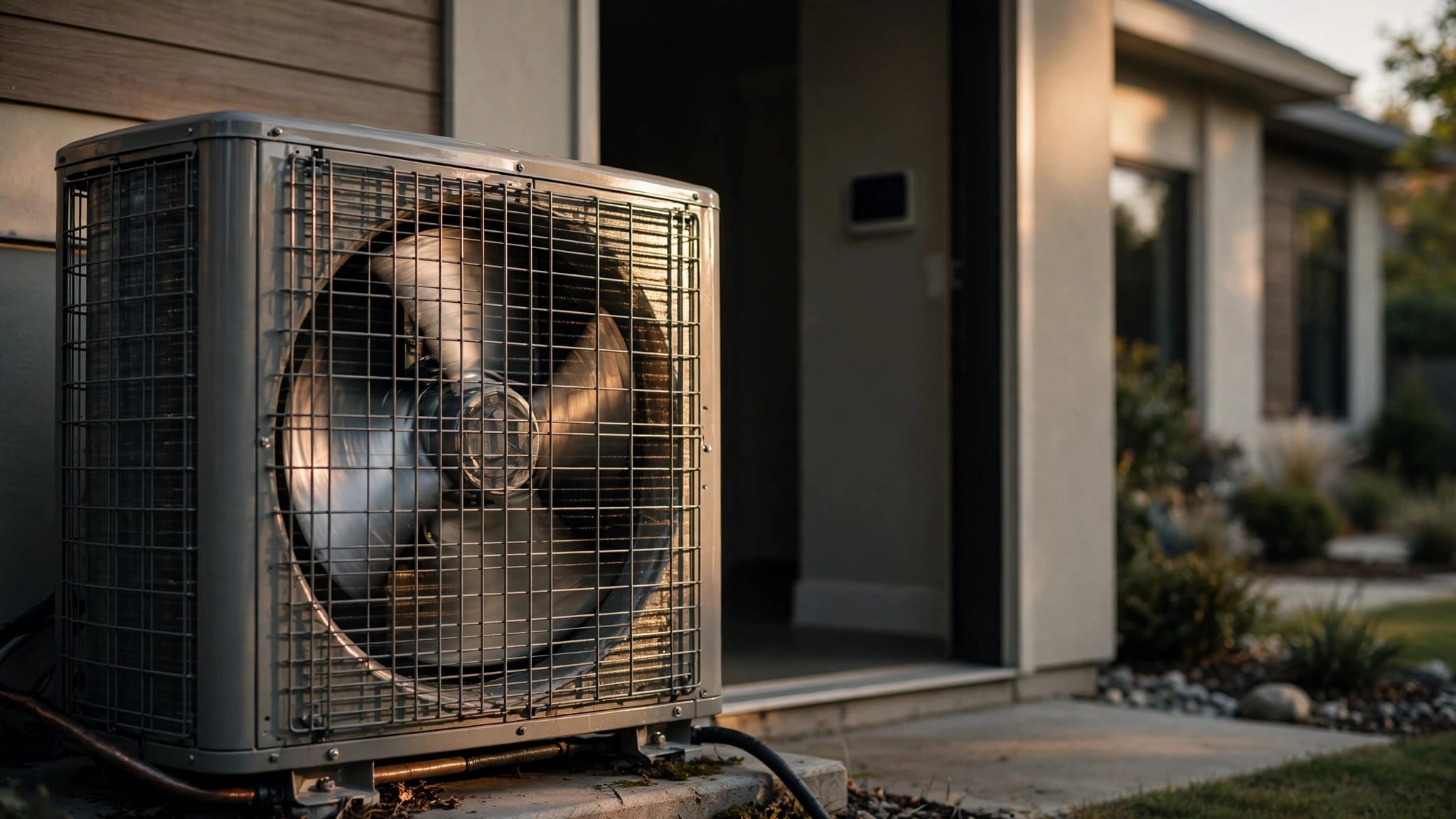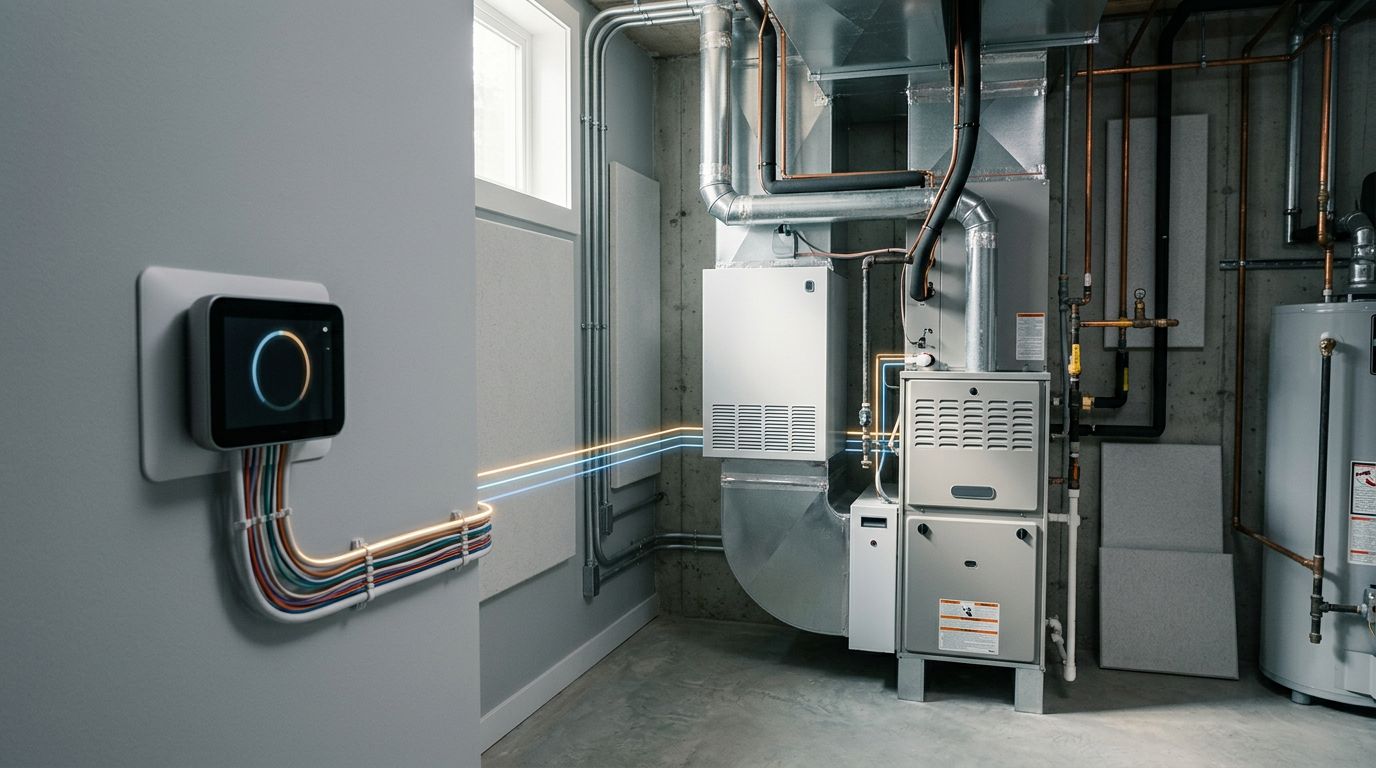
A failed electric heat kit can leave a Cape Coral home without dependable backup heat, even when the heat pump continues to cool normally. When looking at the heat strip replacement cost Cape Coral residents can expect in 2026, homeowners should budget between $300 and $900 for a professional fix. This range typically accounts for the specific strip size, ease of access, necessary electrical repairs, and the brand of your equipment.
That estimate covers many standard residential repairs, but the final price can fluctuate if the underlying problem involves a sequencer, relay, thermostat, damaged wiring, a tripped breaker, or a faulty control board. A proper diagnosis is essential because several different electrical issues can create the same symptoms as a failed heat strip.
Key Takeaways
- The average heat strip replacement cost Cape Coral homeowners can expect in 2026 typically ranges from $300 to $900 installed.
- Larger heat strips, difficult unit access, and elevated labor costs for complex electrical repairs can push the total price above $1,000.
- Heat strips provide essential electric resistance backup heat for many residential heat pump systems.
- A qualified technician should thoroughly test the heating element, sequencer, thermostat, wiring, breakers, and control board before recommending a full part replacement.
- A comprehensive repair estimate should clearly separate labor, parts, diagnostic fees, permits, and any necessary additional electrical work.
What Heat Strips Do in a Cape Coral Heat Pump
Heat strips are electric resistance heating elements installed inside the indoor air handler. These components provide necessary support to your heat pump when outdoor temperatures drop, the system enters defrost mode, or the thermostat calls for a higher indoor temperature to maintain comfort.
A heat pump operates by transferring heat rather than generating it like a furnace. During colder weather, however, the system may require supplemental heat to reach the set temperature. The heat strips activate to bridge this gap, ensuring consistent indoor conditions. They also provide reliable emergency heat if the primary heat pump function becomes unavailable. While these elements are vital, homeowners should remember that using them frequently can impact the overall energy efficiency of the system.
Cape Coral has a warm climate, so heat strips may sit unused for long periods. Still, winter cold fronts can create enough demand to expose a weak element or burned connection. A strip that has corroded, shorted, or failed may cause cool air from the vents, weak heating, repeated breaker trips, or no heat when emergency mode is selected.
Heat strips are most common in heat pump systems. A standard central air conditioning system paired with a gas furnace usually relies on a heat exchanger rather than electrical resistance strips for backup heating. The specific air handler model and the total system capacity determine whether your unit uses a single strip or multiple stages of heating.
Average Heat Strip Replacement Cost in Cape Coral
For 2026, a reasonable local estimate for heat strip replacement cost in Cape Coral is $300 to $900, which includes standard labor and the necessary replacement part. The final total may fall below or exceed that range depending on your specific HVAC system and the extent of the work required.
| Repair situation | Typical 2026 estimate |
|---|---|
| Diagnostic visit only | $89 to $175 |
| Single heat strip replacement | $300 to $600 |
| Larger or multi-stage electric heat kit | $500 to $900 |
| Heat strip plus sequencer or relay | $450 to $1,000 |
| Heat strip with wiring or breaker repair | $600 to $1,200 or more |
| Air handler or furnace replacement cost | $2,500 to $6,500 or more |
These are planning ranges rather than guaranteed quotes. Variables such as local labor costs, part availability, after-hours scheduling, and equipment access will influence the final invoice. A heat strip located in an easily accessible air handler typically costs less to replace than one installed in a cramped closet or a difficult-to-reach attic space.
A homeowner may also pay a diagnostic fee before approving the repair. Some companies apply that fee toward the total cost of completed work, while others list the diagnosis as a separate line item. It is best to ask about this policy before scheduling service so the estimate remains clear.
A low repair price may exclude the electrical components that caused the strip to fail. Ask your technician whether the quote includes testing the sequencer, wiring, breakers, and the control board to ensure the root cause is addressed.
Why the Price Can Change
The heat strip itself is only one part of the total repair. Most of the final price comes from the labor costs associated with identifying the failed component, accessing the air handler, verifying electrical safety, and testing the system after installation.
Heat strip size and voltage
Heat strips are rated by kilowatts. Smaller residential systems may use a 5-kilowatt electric heating kit, while larger air handlers may use 7.5, 10, or 15 kilowatts. Higher-capacity strips cost more and may require heavier wiring, larger breakers, or staged controls.
The replacement part must match the air handler's approved specifications. Installing a strip with the wrong voltage or capacity can damage the system and create a fire hazard.
Sequencer, relay, or contactor damage
A sequencer or relay controls when the heat strip turns on and off. If that component sticks, the strip may run continuously or fail to activate. Burned contacts can also overheat nearby wiring.
Replacing the heat strip without checking the control component may lead to another failure. If both parts need replacement, labor and materials increase.
Electrical problems
Heat strips draw substantial current. Loose terminals, damaged wiring, a weak breaker, or an undersized electrical circuit can stop the system from operating safely. An electrician may be needed when the repair involves the service panel, conduit, or a circuit outside the HVAC equipment.
Electrical corrections can add several hundred dollars. However, repairing the cause is safer than installing another strip on a damaged circuit. If the electrical damage is too extensive, it may be more cost-effective to consider an HVAC system replacement instead.
Access and installation layout
Air handlers are often installed in closets, garages, utility rooms, or attics. Tight access can add labor because the technician may need to remove panels, protect finished surfaces, or work around ductwork.
A straightforward closet installation usually takes less time than an attic unit with limited clearance. Emergency or weekend service can also carry a higher labor rate.
Symptoms That May Point to a Failed Heat Strip
A heat pump that blows cool air does not automatically mean you need a new heat strip. Issues with the thermostat, reversing valve, outdoor unit, refrigerant charge, fan motor, or electrical controls can often cause similar symptoms.
Common signs of faulty heating coils include:
- The thermostat shows auxiliary or emergency heat, but the air stays cool.
- The indoor blower runs without producing warm air.
- The system trips a breaker as soon as the auxiliary heating coils engage.
- One heat setting works, but a higher setting produces no additional warmth.
- The air handler shows signs of burned wiring or emits a hot electrical odor.
- The system struggles during a defrost cycle.
- The heat pump works perfectly in cooling mode but fails to generate heat when needed.
Because these components operate under high voltage, a technician must always shut off the power before opening the air handler. Heat strips remain connected to high-voltage circuits, and the equipment can contain more than one electrical disconnect or breaker.
To determine if you truly need a replacement, a professional HVAC repair service will perform a thorough diagnosis. This process should include a voltage test, a resistance test on the heating coils, an inspection of electrical terminals, and a review of the thermostat signal. Your technician will also check whether the sequencer sends power to the heating elements at the correct time to ensure the system is operating safely and efficiently.
What a Professional Replacement Usually Includes
A complete replacement estimate should identify the specific work rather than list only heat repair. In most standard jobs, the service includes removing the failed element, installing a compatible electric heat kit, tightening or replacing damaged connections, and testing the heating sequence.
The technician should also confirm that the blower operates correctly and that the electric heat kit shuts off when the thermostat ends the call. A temperature check at the supply vents can help confirm that the system produces heat.
Commonly included items may be:
- The replacement heat strip or electric heat kit
- Standard labor
- Removal of the failed component
- Basic electrical and control testing
- System operation testing
- Minor terminal or connector replacement
Some items are often excluded or billed separately. These may include a diagnostic fee, attic access charges, new breakers, extended wiring, control boards, thermostat replacement, duct repairs, permits, and after-hours fees.
Before approving work, request a written estimate with the model and capacity of the replacement strip. When comparing different HVAC installation quotes, ensure the estimate clearly states whether the company guarantees parts and labor for the job.
Repair or Replace the Heat Pump?
Replacing a single heat strip often makes sense when the rest of your unit remains in good condition, as it is a cost-effective alternative to a full heat pump replacement. This targeted repair restores backup heating capabilities while extending your system lifespan without the need to swap out your entire cooling setup.
However, a broader evaluation is necessary if your unit suffers from repeated electrical failures, damaged wiring, or extensive corrosion. If your equipment is reaching the end of its system lifespan, or if parts are becoming difficult to source, the cumulative cost of repeated service calls may outweigh the value of the unit. In these scenarios, an HVAC system replacement could offer better long-term value. Transitioning to high-efficiency models allows you to take advantage of improved SEER ratings and superior energy efficiency, which can significantly lower your monthly utility bills compared to an aging unit.
Age is a significant factor, but it is not the only consideration. A well-maintained heat pump with a healthy compressor may justify a simple heat strip repair. Conversely, if your unit has multiple major failures, you should request a professional estimate for a new heat pump installation.
Ask your technician for two separate prices to help you make an informed decision:
- The cost to restore your current system safely.
- The cost to complete an HVAC system replacement or a full heat pump installation.
Comparing these figures helps you avoid replacing a perfectly functional system due to one failed element. It also provides the clarity needed to determine whether a larger repair is financially sensible or if investing in new technology with better energy efficiency is the smarter choice for your home.
How to Keep the Estimate Clear
When you call a reliable Cape Coral HVAC contractor, provide details about your system type, any error messages on your thermostat, recent symptoms, and whether the breaker trips. Providing a photo of the air handler label can help the technician arrive prepared with the correct part.
Ask these questions before work begins:
- Is the quoted price for one heat strip or a complete heat kit?
- Does the estimate include diagnosis and electrical testing?
- Will you inspect the sequencer, wiring, breaker, and thermostat?
- Are permits or additional electrical work included?
- What parts and labor warranty comes with the repair?
- Does the price change for nights, weekends, or holidays?
Proper installation is just as important for backup heat as it is for a full air conditioning installation. Cape Coral homeowners can schedule a service call through Contact Us when the system needs professional testing. If the unit trips a breaker repeatedly, turn off the equipment and avoid resetting it until a technician checks the circuit to prevent further damage.
How Long Heat Strip Replacement Takes
A standard heat strip replacement often takes about one to two hours once the technician has the correct part in hand. However, the total time may increase if the technician must repair damaged wiring, replace a faulty sequencer, navigate a difficult attic air handler location, or troubleshoot a recurring breaker trip. In some cases, if the surrounding area requires ductwork replacement to improve airflow or resolve blockages that obstruct the air handler, the project timeline may extend accordingly.
Parts availability also plays a significant role in scheduling. Because heat strips are not universal, your technician will likely need your specific air handler model number before confirming a same-day repair. Using an incorrect substitute can lead to unsafe operating conditions and may void your equipment warranties. Properly integrating these components is as vital as the initial heat pump installation, as it ensures the backup heating system works in perfect harmony with the primary unit.
After the replacement is finished, the system should run through a complete heating cycle. Your technician should verify proper amperage, blower operation, temperature rise, control timing, and safe shutdown to ensure everything is functioning correctly.
Frequently Asked Questions
Can I fix a failed heat strip myself to save money?
Working with heat strips is dangerous because they operate on high-voltage circuits that can cause severe injury or fire if mishandled. Additionally, troubleshooting the root cause—such as a faulty sequencer or damaged wiring—requires professional diagnostic tools. It is best to have a certified HVAC technician perform the replacement to ensure your system meets local safety codes.
How do I know if my heat strip is broken or if it is a thermostat issue?
A professional diagnostic is the only way to confirm the source of the problem, as thermostat malfunctions, tripped breakers, and failed sequencers often mimic the symptoms of a burnt-out heating element. If your system runs but only blows cold air, or if you smell burning plastic, turn the power off at the breaker and call a technician. They will test the resistance of the coils and verify if the thermostat is properly signaling the auxiliary heat mode.
Why does the heat strip replacement cost vary so much between homes?
The final price depends heavily on the specific kilowatt rating of your electric heat kit and the complexity of the installation environment. Replacing a unit in an easily accessible closet is significantly cheaper than working in a cramped attic or dealing with additional electrical repairs like a new breaker or melted wiring. Always request a detailed estimate that breaks down labor, parts, and diagnostic fees before authorizing the work.
Conclusion
For most Cape Coral homes, the heat strip replacement cost in 2026 is about $300 to $900, with higher prices possible when the repair includes electrical work, control parts, difficult access, or a larger multi-stage electric heat kit.
A failed electric heating kit is only one possible cause of weak backup heat. Proper testing protects your equipment, your electrical system, and your budget by identifying whether the real problem is the heating element, thermostat, sequencer, wiring, breaker, or control board. A clear written estimate makes it easier to choose a safe repair without paying for unnecessary work. By ensuring your system is functioning correctly, you can better manage your energy bills and maintain the long-term energy efficiency of your HVAC unit.