A severe storm can turn a working air conditioner into a costly outdoor mess. Wind, hail, lightning, falling branches, and power surges may damage the condenser, wiring, refrigerant lines, or electrical controls.
Homeowners insurance may cover storm damage to an AC unit , but coverage depends on the cause of the damage, your policy language, your deductible, and whether an exclusion applies. Knowing what to document and how to file a claim can prevent avoidable delays.
Key Takeaways
- Homeowners insurance often covers sudden AC damage caused by covered perils, such as wind, hail, lightning, or falling trees.
- Flooding, normal wear, poor maintenance, corrosion, and mechanical breakdown usually aren't covered.
- A hurricane or named-storm deductible may apply, especially in Florida.
- Photograph the damage, prevent further loss, and contact your insurer before authorizing major repairs.
- A licensed HVAC technician can identify the failed components and provide useful documentation for your claim.
When Storm Damage to an AC Unit Is Usually Covered
Most homeowners policies cover sudden, accidental physical damage caused by a covered peril. The policy may classify the air conditioner as part of the dwelling or as another covered building component. Your insurer decides how the equipment falls under the policy and what limits apply.
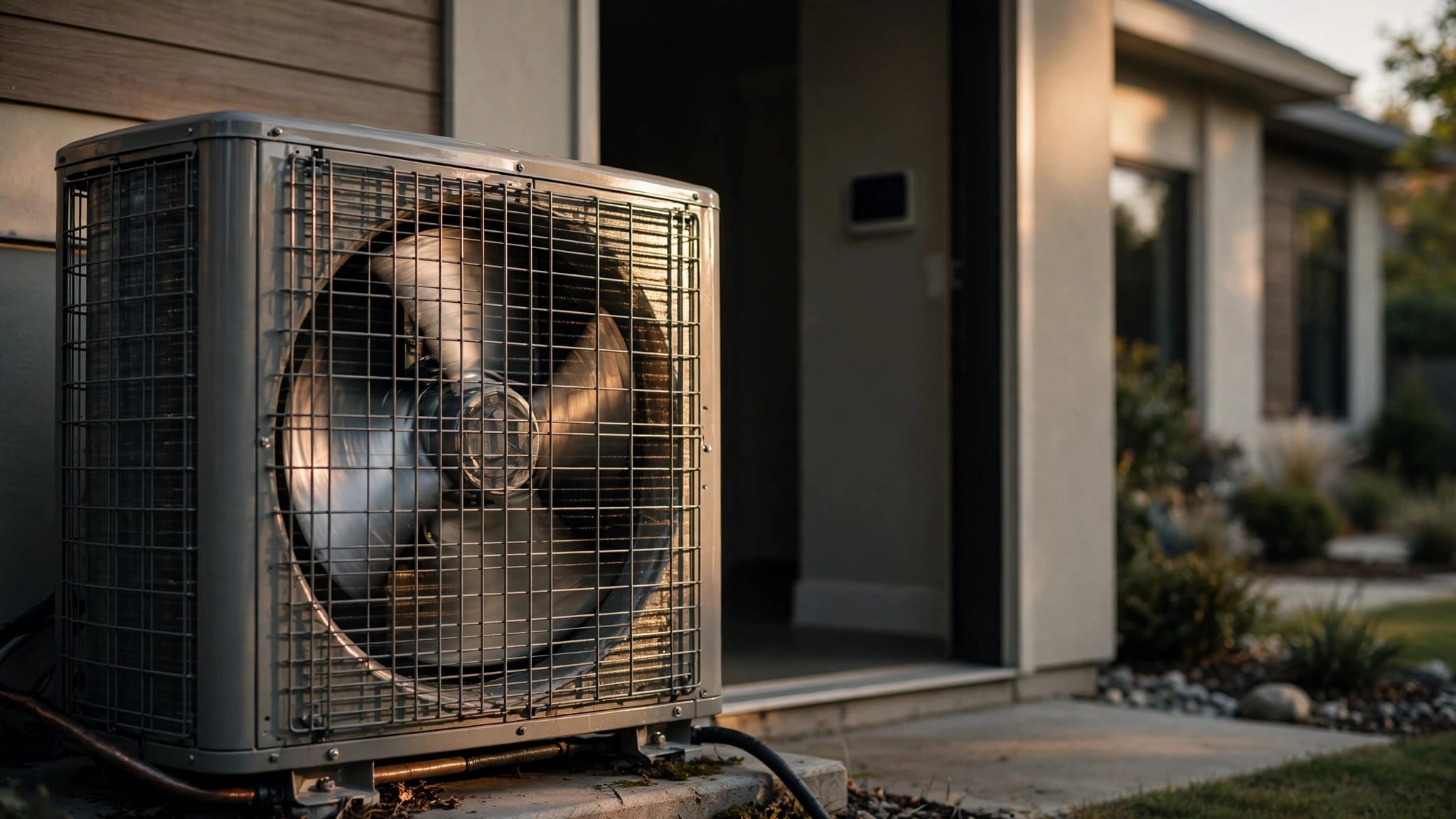
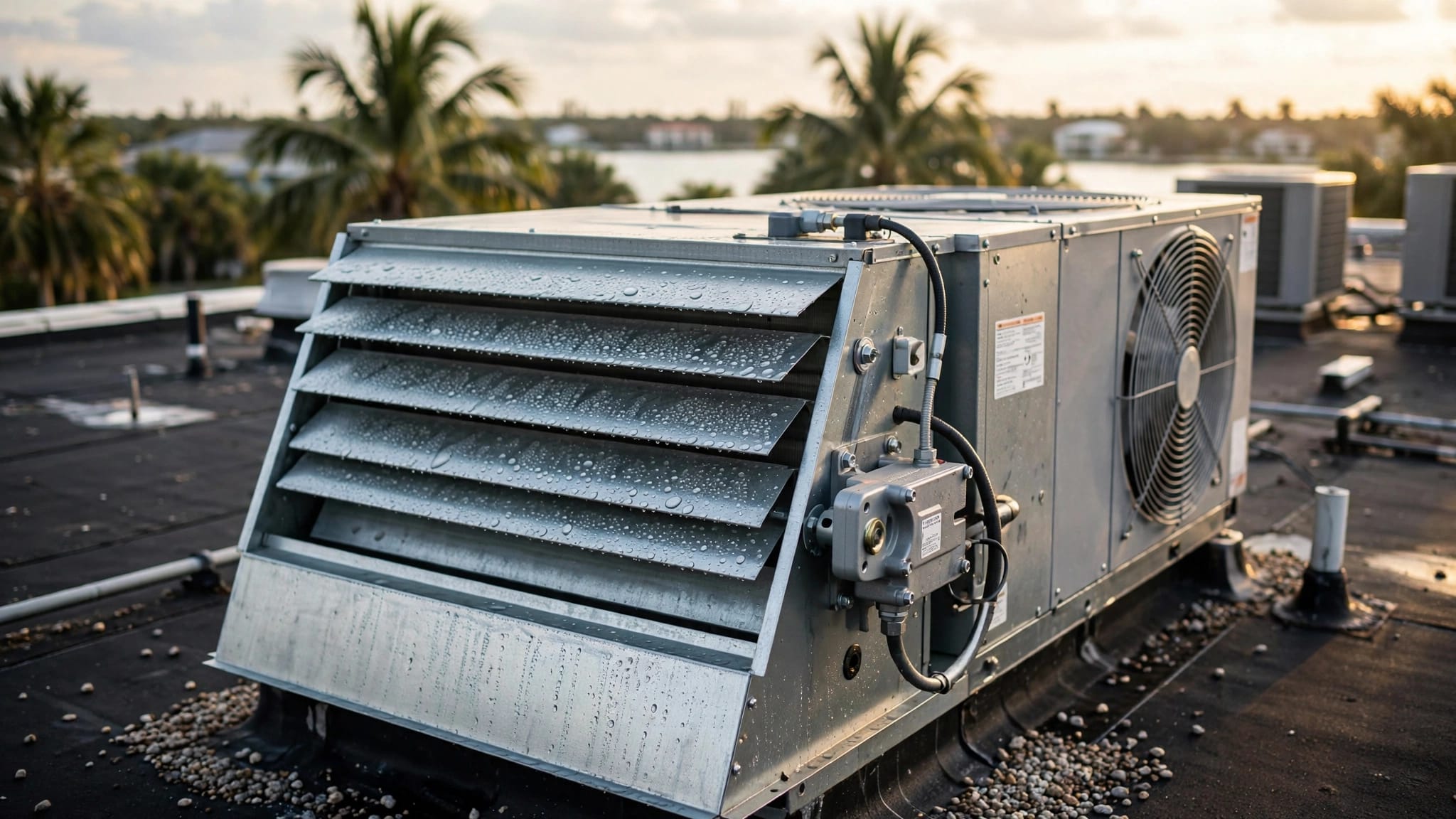
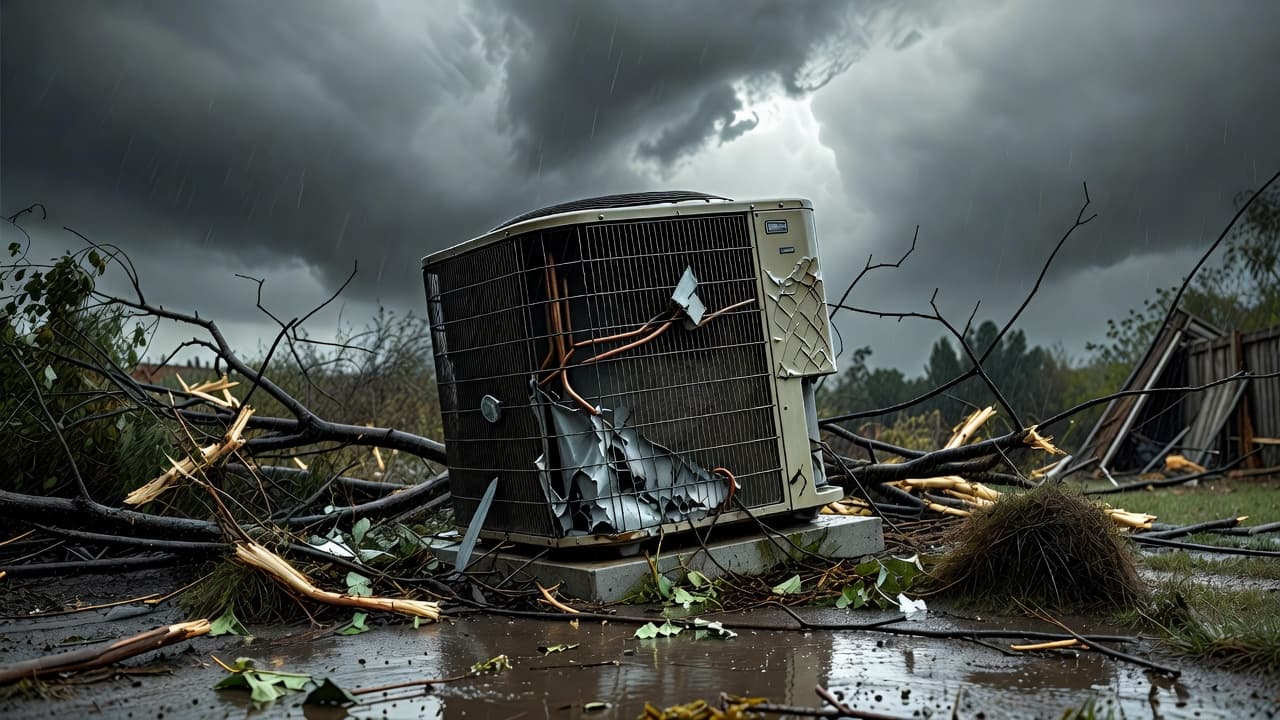
Wind and hail are common examples of covered storm events. If strong winds bend the condenser coil, rip electrical wiring from the unit, or send debris into the fan, your policy may pay for covered repairs after the deductible. Hail can dent the outdoor cabinet and damage the coil fins, even when the unit still turns on.
Lightning damage may also qualify. A strike can destroy the control board, capacitor, compressor, disconnect, or other electrical parts. If a nearby lightning strike causes a power surge, coverage may depend on the policy's terms and the documented source of the damage.
Falling trees and branches often receive coverage when they damage the AC unit. For example, a branch that lands on the condenser during a windstorm may bend the cabinet or crush the refrigerant line. The policy may also cover related damage to the home, subject to its terms and limits.
Florida homeowners should check whether their policy includes a separate hurricane or named-storm deductible. This deductible can be much higher than the standard amount and may apply when a storm meets the policy's definition. A covered claim can still leave you paying the first portion of the repair or replacement cost.
Coverage usually depends on the event that caused the damage, not merely the fact that the AC stopped working after a storm.
What Homeowners Insurance May Pay For
A covered claim can include more than the visible damage on the condenser. An HVAC inspection may reveal damage to electrical components, the refrigerant circuit, the pad, the disconnect box, or the line set. The insurer may consider those related components when they were damaged by the same covered event.
Your policy may pay for:
- Repairs to storm-damaged AC components
- Replacement of an outdoor condenser that cannot be repaired
- Damage from a falling tree or branch
- Certain electrical damage caused by lightning
- Debris removal when the policy includes it
- Temporary measures that prevent additional property damage
The amount paid depends on your coverage type. Replacement cost coverage generally pays the cost to replace damaged property with comparable materials, subject to policy conditions and limits. Actual cash value coverage subtracts depreciation based on the unit's age and condition. An older AC may therefore receive a smaller payment under an actual cash value settlement.
The insurer may also compare the repair cost with the price of a similar replacement system. You typically can't use a claim to upgrade from a standard system to a higher-efficiency model, add new ductwork, or change the home's entire HVAC design unless the policy covers those improvements. You may pay the difference for upgrades.
Your deductible comes out of the covered claim amount. If repairs cost $1,200 and your applicable deductible is $1,000, the insurer may pay only the remaining covered amount. When the repair estimate is close to the deductible, filing a claim could affect your claims history without producing much financial help.
A detailed HVAC report helps establish what failed and why. You can arrange professional AC repair services for diagnosis, but ask whether the technician can document storm-related damage with photographs, test results, and an itemized estimate.
When Storm-Damaged AC Repairs Usually Aren't Covered
Homeowners insurance generally doesn't function as a maintenance plan or equipment warranty. A storm that happens near the time of a breakdown doesn't automatically make the breakdown a covered loss.
Normal wear and tear is a common exclusion. Compressors, capacitors, motors, and contactors eventually fail through ordinary use. If an AC stops cooling because an old compressor wore out, the policy usually won't pay for the replacement, even if a thunderstorm passed the day before.
Mechanical breakdowns often fall outside standard homeowners coverage as well. A unit may fail because of age, rust, poor installation, clogged filters, low refrigerant, or neglected maintenance. Those conditions can make the system vulnerable, but they don't prove that a covered storm caused the failure.
Flood damage presents another important issue. Standard homeowners policies generally exclude flood, including water that rises from the ground or enters after heavy rain. A flooded condenser may require separate flood insurance, depending on the policy and the source of the water. Wind-driven rain that enters through a storm-created opening can receive different treatment, so the exact facts matter.
Other common coverage problems include:
- Damage caused by an excluded peril
- Pre-existing damage documented before the storm
- Poor maintenance or unsafe repairs
- Cosmetic dents that don't affect operation
- Damage below the applicable deductible
- Intentional damage or a loss caused by neglect
A power outage alone usually doesn't mean the AC has an insurance claim. If the outage causes a covered electrical surge, the insurer may review the event. If the equipment simply fails after losing power, a home warranty, manufacturer warranty, or HVAC service plan may be more relevant.
How to File a Homeowners Insurance Claim for AC Damage
Start with safety. Don't touch exposed wires, flooded electrical equipment, or a damaged disconnect. Turn off the system at the thermostat and breaker if you can do so safely. Keep children and pets away from the unit.
Next, document the condition before moving debris or approving extensive work. Take clear photos and videos of the condenser, cabinet, coil, wiring, refrigerant lines, surrounding property, fallen branches, hail marks, and any damage to the home. Note the storm date and approximate time. Weather records, utility notices, and photographs from nearby property can help support the timeline.
Then contact your insurance company or agent promptly. Ask these questions:
- What deductible applies to this storm?
- Does the policy cover wind, hail, lightning, and falling objects?
- Is a hurricane or named-storm deductible involved?
- Do you need an adjuster to inspect the unit before repairs?
- Can you use your own HVAC contractor?
- What records and estimates should you submit?
Prevent additional damage without making permanent repairs before the insurer gives instructions. For example, a technician may safely disconnect a damaged system or protect an exposed line. Keep every invoice and receipt for emergency work.
An adjuster may inspect the property and ask for the HVAC company's written findings. The technician should identify the failed parts, explain the likely cause, and state whether repair is practical. Avoid replacing the system before the inspection unless waiting would create a health or safety risk.
If your AC fails during extreme heat, look for a company that offers emergency service. Back Bay Heating & Cooling provides 24/7 emergency HVAC repair in Cape Coral and nearby Southwest Florida communities.
Repair or Replace the Storm-Damaged System?
Insurance normally pays for restoring covered damage, not for improving an aging system. The practical choice depends on the failed component, the unit's age, parts availability, efficiency, and the repair estimate.
A repair may make sense when the storm damaged a capacitor, contactor, fan motor, disconnect, or accessible wiring. Replacement may be more practical when the compressor, coil, or multiple major components failed. A technician can compare the repair cost with the condition and expected service life of the system.
Ask for an itemized estimate that separates covered repairs from optional upgrades. If the insurer approves a replacement, confirm the approved equipment type, labor allowance, permit costs, and any code-related requirements before work begins.
You may need to pay for improvements that exceed the comparable replacement. For example, upgrading from a basic system to a higher-efficiency model or changing the thermostat may involve out-of-pocket costs. Get written approval before assuming those additions will be reimbursed.
For help assessing repair or replacement options after a storm, Contact Us to schedule service with an HVAC technician.
Conclusion
A storm-damaged AC unit may qualify for homeowners insurance when wind, hail, lightning, or falling debris caused sudden physical damage. Coverage becomes less likely when the failure comes from age, wear, poor maintenance, flooding, or an excluded event.
Document the damage before repairs, review the applicable deductible, and ask your insurer whether an inspection is required. A clear HVAC diagnosis can help separate storm damage from ordinary equipment failure, giving you a better basis for deciding whether to file a claim or arrange a repair.