Cape Coral humidity can make a house feel sticky even when the AC is running. In 2026, a whole-home dehumidifier in Cape Coral usually costs about $1,800 to $3,500 installed , and the final number depends on more than the unit itself.
If your home deals with musty smells, damp closets, or rooms that never feel comfortable, the right system can help protect indoor air quality and reduce mold risk. The price shifts with square footage, ductwork, electrical work, drainage, and whether the dehumidifier is added to an existing HVAC system or installed during a full replacement.
The breakdown below gives you a realistic way to think about pricing before you collect quotes.
What Cape Coral homeowners can expect to pay in 2026
For most homes in Cape Coral, the installed cost lands in a fairly wide band. A straightforward job often starts near the lower end, while a larger home or a retrofit with extra work can push the total higher.
A simple way to budget is this:
- Unit only: about $1,200 to $2,000
- Installation labor: about $500 to $1,500
- Typical installed total: about $1,800 to $3,500
Here's a quick view of how home size often affects the quote.
| Home size | Typical installed cost | What usually happens |
|---|---|---|
| 1,500 to 1,800 sq ft | $1,800 to $2,300 | Smaller capacity unit, simple tie-in, lighter labor |
| 1,800 to 2,500 sq ft | $2,100 to $3,000 | Common range for many Cape Coral homes |
| 2,500 to 3,500+ sq ft | $2,700 to $3,500+ | Higher capacity unit, more duct or drain work |
That spread is normal because this equipment is not a one-size-fits-all add-on. Two homes can have the same square footage and still need very different labor.
A quote looks cheap until it leaves out duct changes, drainage, or electrical work.
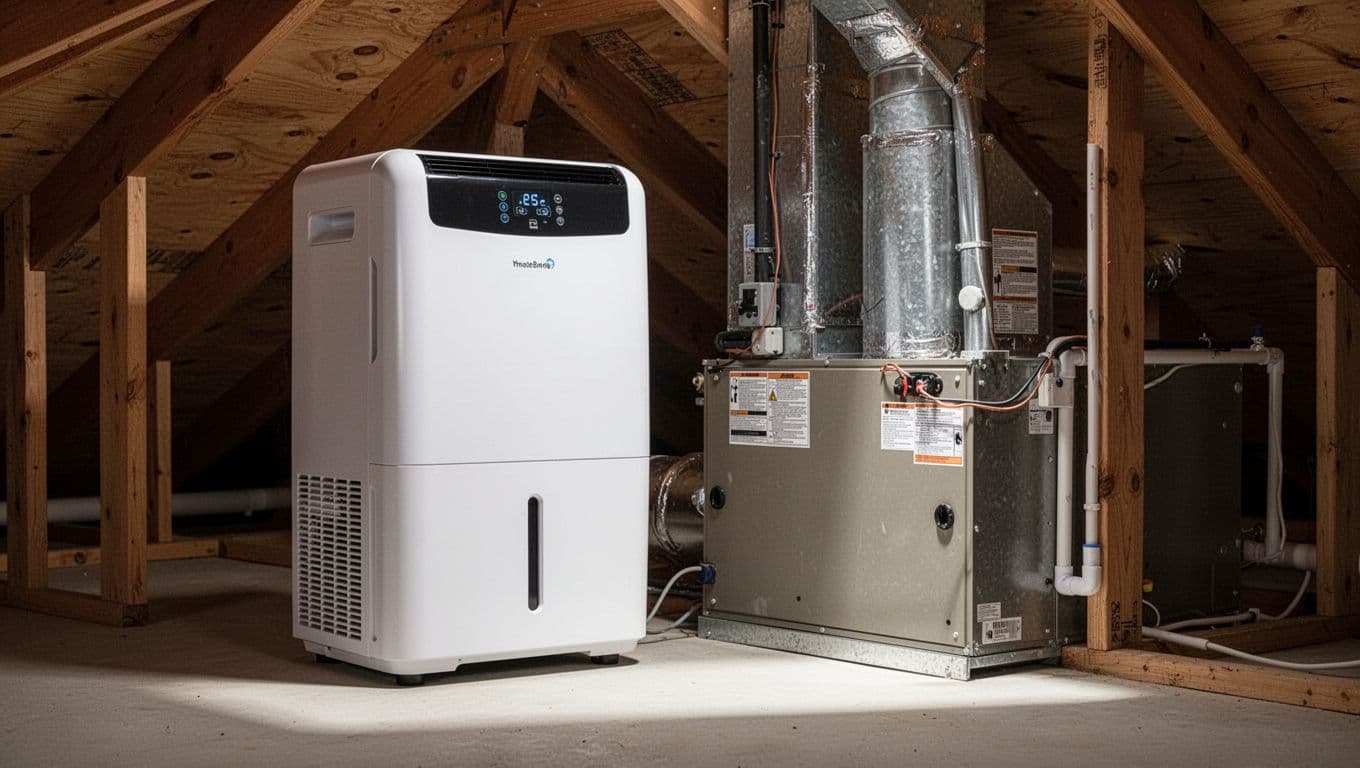
Why Cape Coral homes need better humidity control
Southwest Florida homes fight moisture for most of the year. Even a strong air conditioner can leave the air feeling heavy if it doesn't remove enough water from the indoor air stream. That is why many homeowners start looking at dehumidification after they notice comfort problems, not just high utility bills.
If your AC runs often but the air still feels sticky, why your home stays humid with AC explains the common causes. In many cases, the issue comes from coil performance, duct leakage, poor airflow, or a system that cools the home without drying it enough.
Moist indoor air can do more than make you uncomfortable. It can leave window glass fogged, make wood floors swell, and create that musty smell many people notice after a long wet spell. It also gives mold and dust mites a better place to grow.
A whole-home dehumidifier helps keep indoor humidity in a steadier range. That can make the house feel cooler at the same thermostat setting, and it gives your HVAC system a better shot at keeping the home balanced.
What changes the installed price
The biggest price swings come from the work around the unit, not just the box on the quote. Homeowners often compare brand names first, but the labor details matter just as much.
| Cost factor | What it affects | Typical effect on the quote |
|---|---|---|
| Home size and humidity load | Unit capacity and run time | Larger or leakier homes usually need more equipment |
| Existing HVAC compatibility | How the dehumidifier ties into the system | Easy tie-ins keep labor lower |
| Ductwork changes | Returns, supply connections, sealing, and air path | Extra duct work raises material and labor costs |
| Electrical work | Dedicated circuit, disconnect, or panel space | New electrical work adds cost |
| Drainage and condensate setup | Gravity drain, pump, or new routing | Simple drainage is cheaper than a complex setup |
| Brand and efficiency tier | Controls, cabinet quality, and warranty level | Higher tiers cost more upfront |
| Retrofit vs new installation | Access, time, and integration | Retrofits often cost more than bundled installs |
A house with simple access, good duct layout, and room for drainage can stay near the middle of the range. A home with tight attic access, older ductwork, or a panel that needs electrical upgrades can climb fast.
The same is true for humidity load. Homes close to water, homes with older windows, and homes with more air leakage often need more help than a newer, tighter build. That doesn't mean you need the biggest unit available. It means the system has to match your home, not just the floor plan.
Retrofit or new HVAC installation
A dehumidifier usually costs less to install when it is added during a new HVAC replacement. The crew is already working near the air handler, and the tie-in can be planned from the start. That often keeps the job cleaner and may trim labor time.
Retrofit jobs can take more work. The team may have to fit the dehumidifier into a tight attic, adjust the duct layout, or add a drain path where none existed before. Older systems can also need control updates so the dehumidifier and air conditioner don't fight each other.
If your HVAC system is already due for replacement, it makes sense to ask for both pieces in the same estimate. That gives you a better view of the full project cost, and it can help avoid repeat labor later.
How to compare quotes without getting surprised
A solid quote should tell you what is included and what is not. If one estimate is much lower than the others, check the details before you compare the number at the bottom.
Look for these items in writing:
- The dehumidifier model and capacity
- Labor for installation and startup
- Electrical work, if a new circuit is needed
- Drainage or condensate routing
- Duct modifications or sealing
- Warranty coverage for parts and labor
A quote that leaves out one of these items can look affordable at first, then grow once the work starts. That is why an in-home evaluation matters so much in Cape Coral. The technician needs to see the duct layout, the air handler, the attic or closet access, and the drainage path before giving a reliable price.
A price only helps if it reflects the work your home actually needs.
If you want a local estimate based on your home's layout, Contact Us to schedule an in-home evaluation.
Conclusion
Cape Coral's humidity makes whole-home dehumidification a practical comfort upgrade, not a luxury add-on. Most 2026 installs land between $1,800 and $3,500 , but the real number depends on your home's size, humidity load, HVAC setup, ductwork, drainage, and electrical needs.
The smartest quote is the one that shows the full job, not just the equipment price. If your home still feels damp when the AC is on, the fix may be simpler than you think, but the right price starts with a look at the house itself.