If your home feels warm while the air conditioner runs, checking the AC vent temperature can reveal more than the thermostat display. A central air conditioner usually sends air into your rooms that is about 15 to 20 degrees Fahrenheit cooler than the air returning to the system.
That range can change with outdoor heat, humidity, airflow, and equipment condition. Learn what readings are normal, how to test them accurately, and when warmer vent air points to a repair.
Key Takeaways
- Supply air from a properly working central AC often measures about 55°F to 60°F.
- The most useful test compares return-air temperature with supply-air temperature.
- A dirty filter, restricted airflow, duct leak, or refrigerant problem can raise vent temperature.
- Test the system after it has run continuously for at least 15 minutes.
- Warm air, weak airflow, ice, water leaks, or short cycling call for professional service.
What AC vent temperature should you expect?
A central air conditioner commonly delivers supply air between 55°F and 60°F when the system operates under normal conditions. However, the number alone doesn't tell the whole story. Your return air may be 75°F, while the air leaving a nearby vent measures 58°F. That 17-degree difference usually indicates that the system is removing heat properly.
HVAC technicians often call this difference the temperature split. A typical cooling split falls near 15 to 20°F , although indoor humidity, outdoor temperature, ductwork, airflow, and system design can affect the result.
For example, a vent reading of 62°F may be acceptable if the return air measures 78°F. The same 62°F supply reading may deserve more attention if the return air is only 70°F and the system has been running steadily.
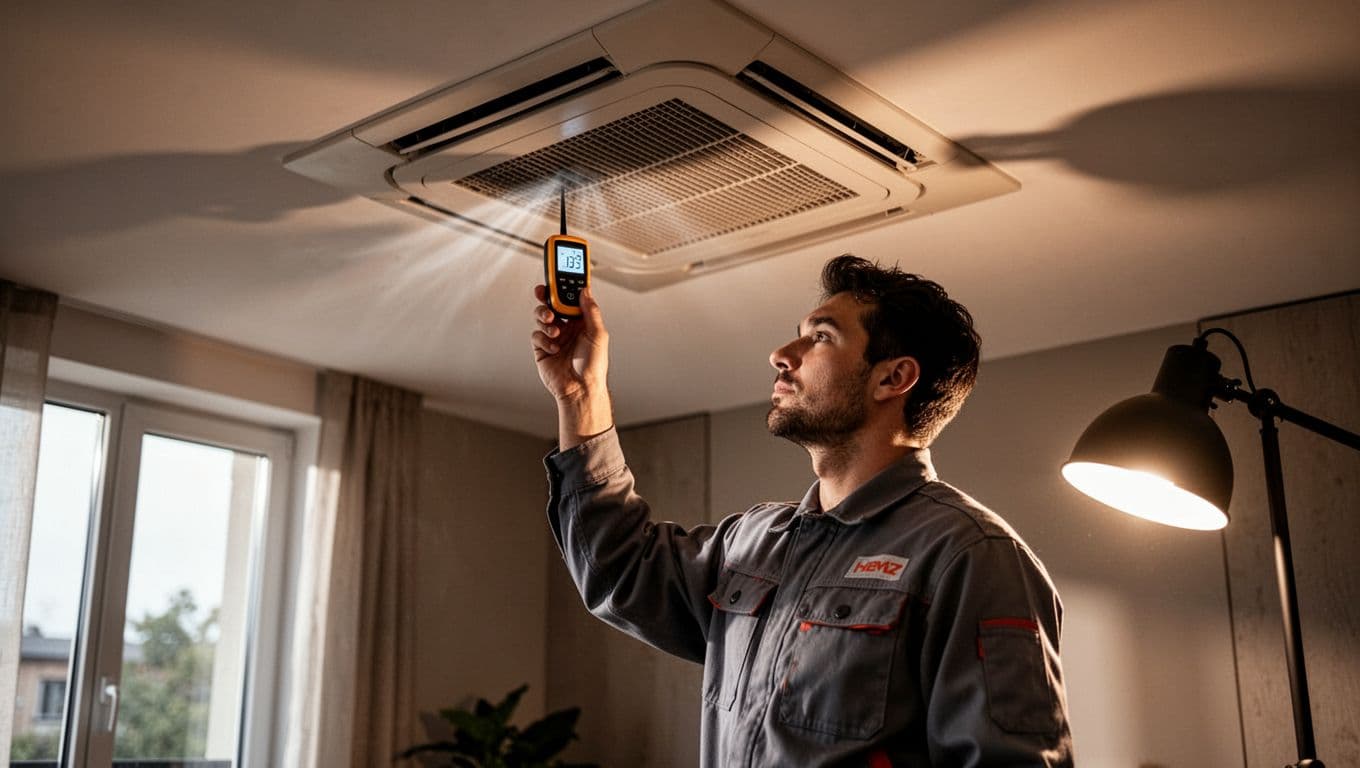
To check the temperature, use a digital thermometer rather than relying on your hand. Set the thermostat to cooling, choose a temperature below the current indoor temperature, and let the system run for at least 15 minutes. Hold the thermometer near the center of the supply register without blocking the airflow.
Then measure the air at the return grille. Subtract the supply-air reading from the return-air reading. This result gives you a better picture of cooling performance than the vent temperature by itself.
A vent that feels cold doesn't always mean the house is cooling well. If airflow is weak or several rooms stay warm, the system may have a distribution problem even when one register produces cool air.
Why does the air temperature change at different vents?
The first vent near the air handler may have a different reading than a register at the end of a long duct run. As conditioned air travels through the duct system, it can gain heat through poorly insulated sections. Leaks also allow cooled air to escape into an attic, crawl space, garage, or wall cavity.
Vent temperature can also vary when airflow is restricted. A clogged filter makes the blower work against resistance and reduces the amount of air moving across the evaporator coil. Closed supply registers, blocked return grilles, crushed ducts, and dirty coils create similar problems.
Southwest Florida weather adds another factor. High outdoor temperatures and heavy humidity make the system work longer. During a hot afternoon in Cape Coral, your AC may produce a reasonable temperature split but still struggle to reach the thermostat setting if the home has air leaks, poor insulation, or inadequate equipment capacity.
Use this table as a general guide, not as a diagnosis:
| Supply-air reading | Possible meaning |
|---|---|
| 55°F to 60°F | Common range during normal cooling |
| 61°F to 65°F | May be acceptable, depending on return temperature and conditions |
| Above 65°F | Check airflow, filter, outdoor unit, and system performance |
| Below 50°F | Possible coil icing or airflow problem, especially with weak airflow |
The AC vent temperature should remain fairly consistent across nearby registers. A large difference between rooms often points to ductwork, insulation, balancing, or airflow issues rather than a thermostat problem.
How to measure AC vent temperature accurately
A quick hand test can tell you whether air feels cool, but it can't provide a reliable reading. Use a digital kitchen thermometer, HVAC thermometer, or infrared thermometer with care. Infrared models measure surface temperature, so they may not accurately measure moving air unless you use an attachment designed for air readings.
Follow these steps:
- Replace or inspect the air filter before testing. A heavily loaded filter can distort the results.
- Close exterior doors and windows. Keep ceiling fans and exhaust fans off during the test.
- Set the thermostat to cooling and lower the setting enough to keep the system running.
- Wait 15 minutes after the compressor starts. Testing immediately after startup can produce misleading numbers.
- Measure the return air near the grille, then measure supply air at a central vent.
- Repeat the supply measurement at a distant vent and compare the results.
Avoid placing the thermometer directly against a cold metal register. The metal can affect the reading. Hold the probe in the moving air, preferably a few inches inside the grille if the design allows it.
Don't judge performance based on a single measurement taken during startup or after the system cycles off. Outdoor conditions also matter. Test at a similar time on another day if the result seems unusual.
A thermostat reading and a vent reading answer different questions. The thermostat measures room air near the wall, while the vent measurement shows the temperature of air leaving the duct. A comfortable thermostat setting doesn't prove that every room receives enough conditioned air.
When warm vent air points to an AC problem
Warm supply air becomes more concerning when it appears with other symptoms. If the system runs continuously but the indoor temperature keeps rising, the unit may have a mechanical, electrical, airflow, or refrigerant issue.
Start with simple checks. Confirm that the thermostat is set to cooling, the fan setting is on "Auto," and the filter is clean. Check whether the outdoor condenser is running. Keep grass, leaves, furniture, and other obstructions away from the outdoor cabinet.
If the outdoor unit runs but the vent air remains warm, possible causes include:
- Low refrigerant caused by a leak
- A dirty evaporator or condenser coil
- A failing capacitor or compressor
- A blocked condensate drain
- A damaged blower motor
- Leaking or poorly insulated ductwork
- An undersized or aging system
Ice on the refrigerant line or evaporator coil is another warning sign. Turn the cooling system off and set the fan to "On" to help thaw the coil. Don't chip away at the ice or keep running the AC while it is frozen. Continued operation can damage the equipment and won't solve the underlying cause.
Water around the indoor unit, musty smells, unusual electrical sounds, or repeated short cycles also deserve attention. In that situation, professional AC repairs can identify the cause before a minor issue becomes a major breakdown.
A technician will check temperature split, refrigerant pressures, electrical components, coil condition, blower operation, drainage, and duct airflow. That wider inspection matters because adding refrigerant won't fix a dirty coil or a duct leak.
How to keep supply air cold and consistent
Good airflow is the foundation of reliable cooling. Check the filter every month during heavy-use seasons and replace it according to the manufacturer's instructions. Homes with pets, renovation dust, or allergy concerns may need more frequent filter changes.
Keep return grilles clear. A sofa, cabinet, curtain, or storage box can block the air the system needs to circulate. Supply vents should also stay open unless a professional has balanced the duct system for a different setup.
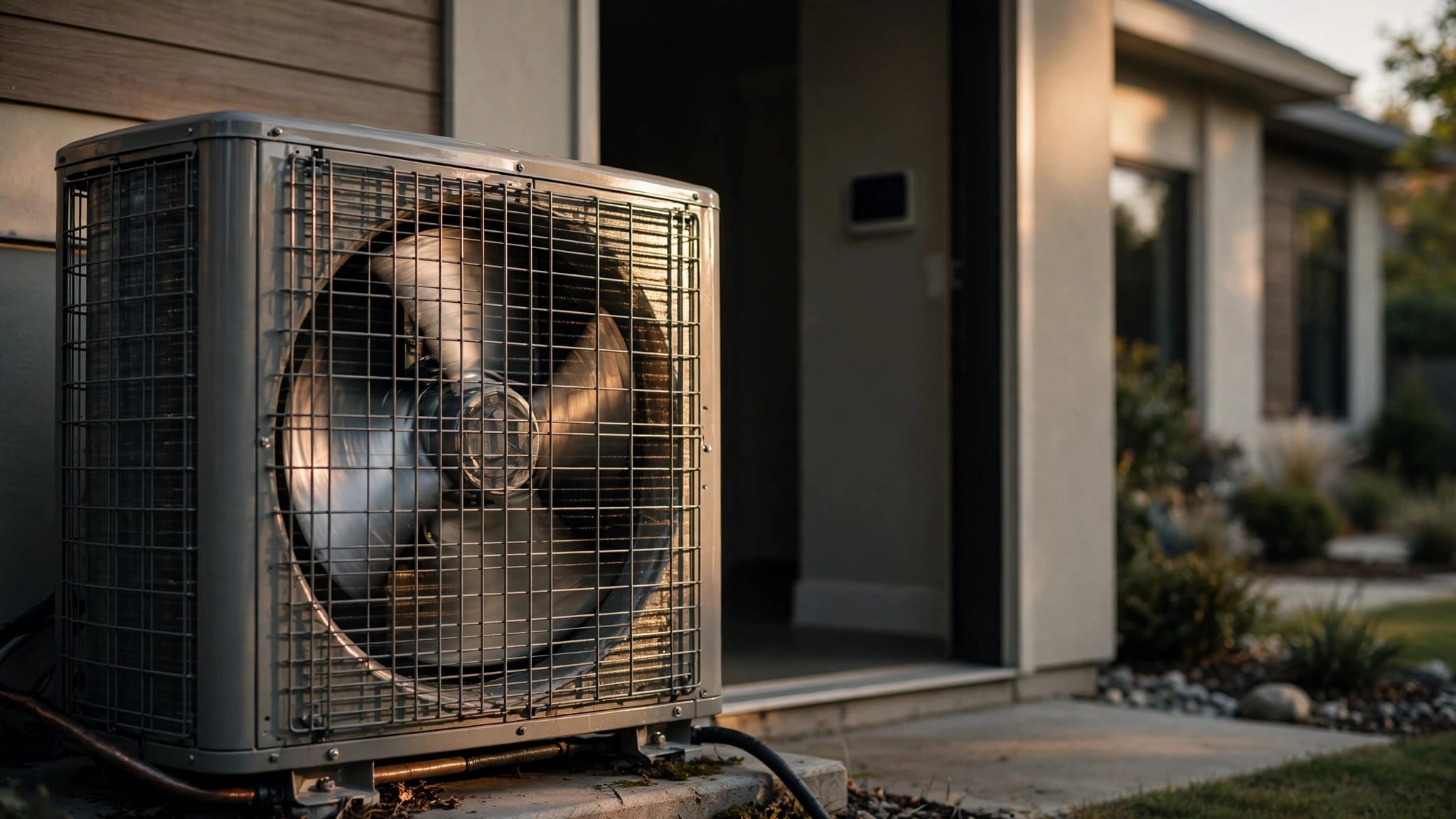
The outdoor condenser needs clear space for heat to leave the cabinet. Remove loose debris around the unit, but turn off power before cleaning nearby areas. Don't bend the delicate coil fins or spray electrical components.
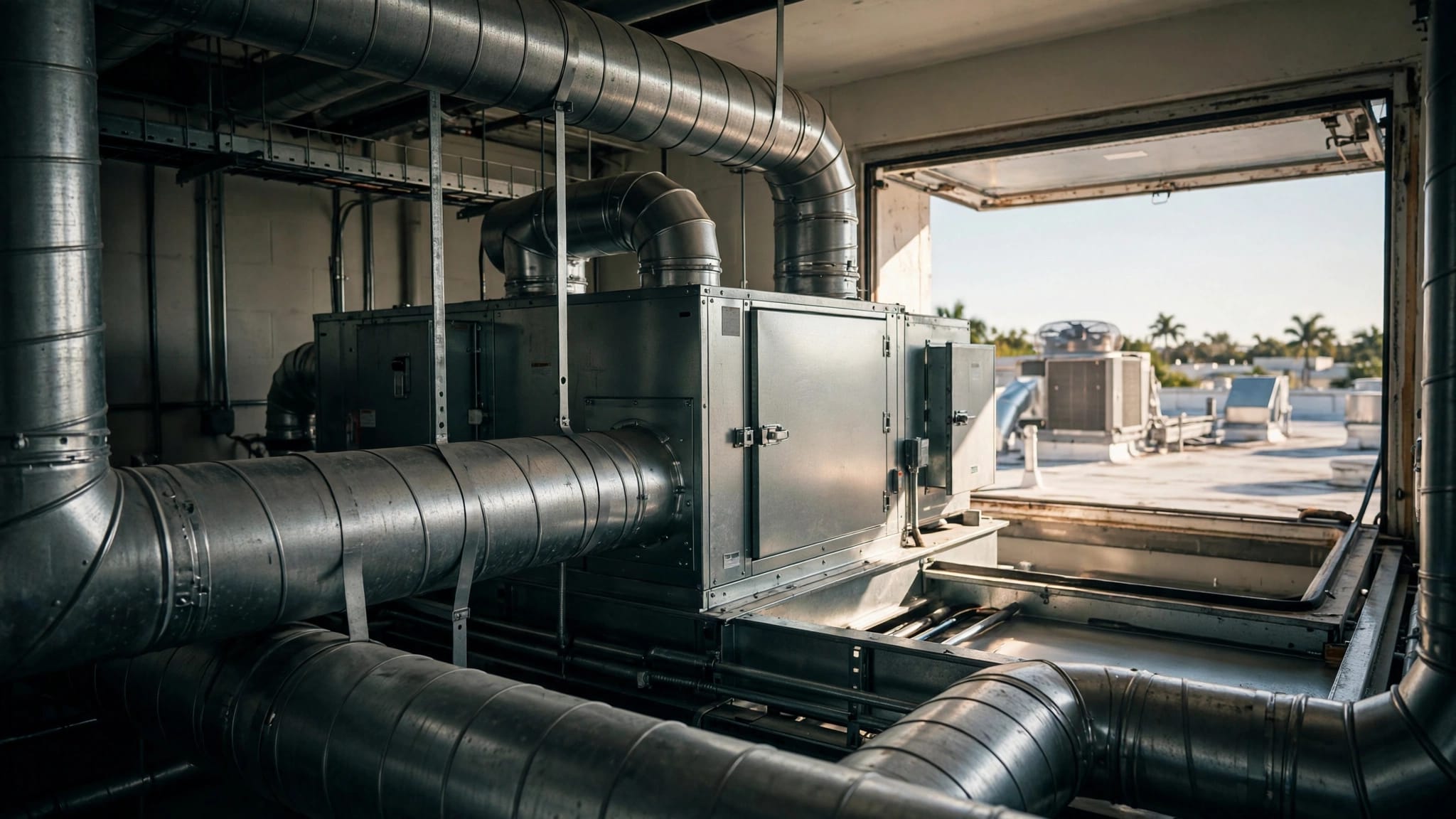
Ductwork deserves attention when one room stays warm while others feel comfortable. Leaks in unconditioned spaces waste cooled air, while missing insulation allows heat to enter the ducts. A technician can inspect accessible ducts and evaluate airflow at problem registers.
Regular service helps catch dirty coils, weak electrical parts, drainage restrictions, and abnormal refrigerant readings. Back Bay Heating & Cooling offers air conditioner maintenance and installation for homeowners throughout Southwest Florida.
When equipment is more than a decade old, needs frequent repairs, or can't maintain comfort during normal weather, compare repair costs with replacement options. A properly sized new system should be selected based on the home's cooling load, ductwork, insulation, and comfort needs, not only the size of the old unit.
AC vent temperature: when should you call for help?
Call for service when the supply air stays above the expected range after the system has run continuously, especially if the return-to-supply difference is under about 15°F. A single reading doesn't prove a failure, but a repeated pattern deserves inspection.
Professional help is also appropriate when you notice icing, weak airflow, refrigerant odors, water leaks, breaker trips, or loud mechanical noises. Turn the system off if it smells like burning insulation or repeatedly trips the breaker.
Homeowners in Cape Coral and nearby Southwest Florida communities can Contact Us to schedule service or request help with an AC problem. Fast attention can protect the compressor and restore cooling before indoor heat and humidity become harder to control.
Conclusion
A normal AC vent temperature often falls near 55°F to 60°F, but the temperature split between return air and supply air gives you a more useful answer. Test after the system has run steadily, check airflow first, and compare more than one vent when needed.
Warm air alone may have a simple cause, but warm air combined with icing, weak airflow, water, or nonstop operation points to a system that needs attention. When the vent test doesn't match the comfort in your home, trust both measurements and the symptoms.