Garage fumes can reach living spaces through HVAC ducts or other openings, but the transfer isn't inevitable. Leaky duct connections, return-air pathways, and pressure differences can create routes between an attached garage and the house.
A fuel or exhaust odor indoors deserves attention, but smell can't tell you whether carbon monoxide is present. CO has no smell, so working carbon monoxide alarms and safe garage habits matter even when the air seems normal.
How garage air can reach living spaces
A home's HVAC system moves air through supply ducts and return pathways. If those parts are damaged, poorly sealed, or located near the garage, air from the garage may sometimes enter the system or move directly into the house.

Leaky ducts and connections
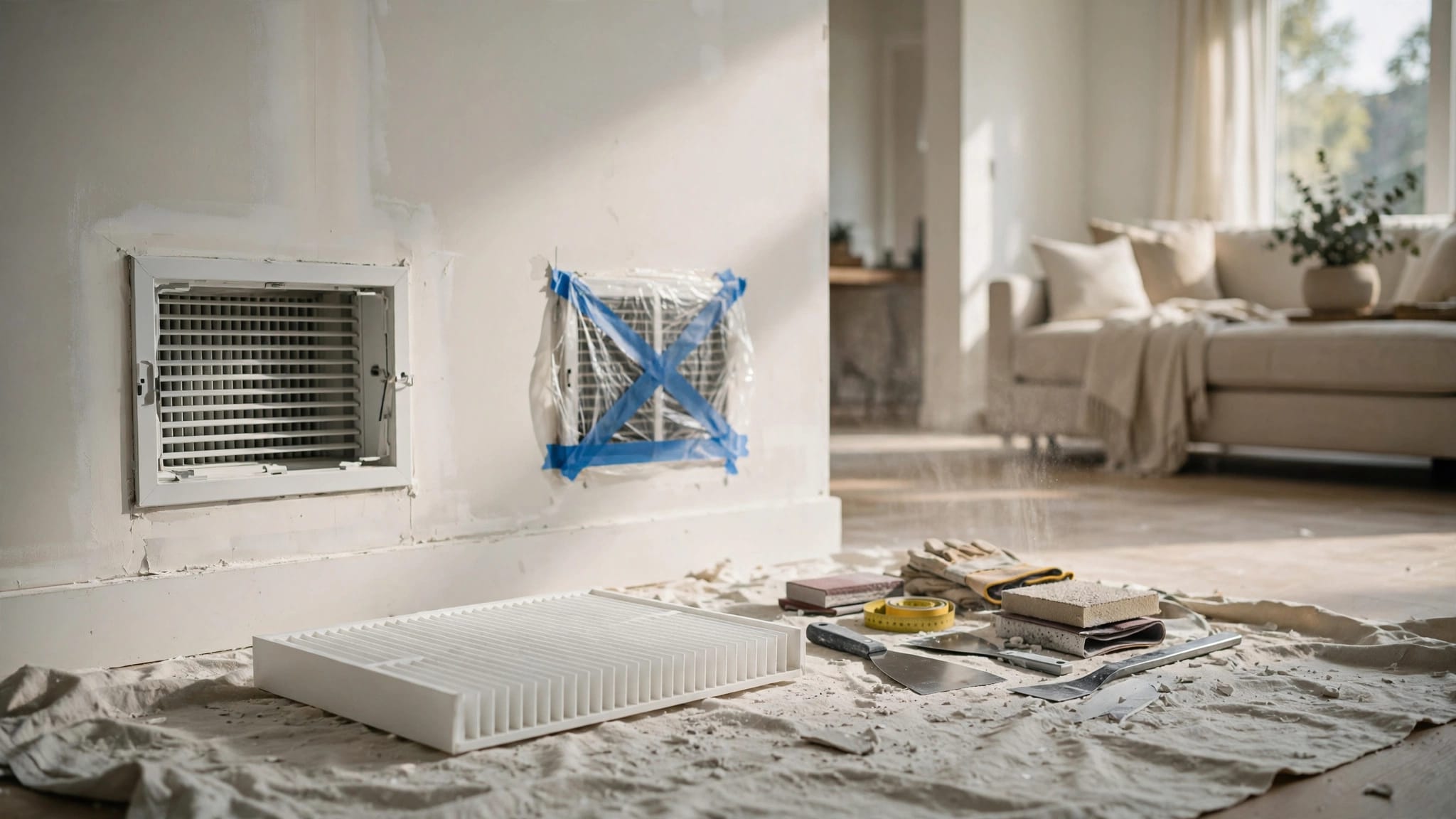
A gap in a duct, a loose connection, or a damaged section can allow air to move where it shouldn't. The direction depends on the system's pressure at that location. A return-side leak can pull surrounding air into the HVAC system, while a supply-side leak can send conditioned air out of the duct.
The leak's location matters. A gap in ductwork near a garage or a shared wall may create a possible route, but a leak elsewhere doesn't automatically mean garage air is entering the home.
Return pathways and pressure differences
A return grille draws air back toward the air handler. If a return duct or connection is compromised near the garage, the system may draw in air from that area. Pressure differences can also push air through gaps around doors, walls, or duct connections, especially when exhaust fans or the HVAC system change the pressure indoors.
Closed interior doors may affect room-to-room airflow, but they don't prove that garage air is entering the system. A professional needs to assess the actual duct layout and pathways.
Odors and carbon monoxide are different concerns
Gasoline, exhaust, paint, solvents, and stored chemicals can create odors or release vapors. Those smells can indicate that garage air is reaching the house, but odor alone can't identify what's in the air or how it traveled. An odor might pass through an open door or wall gap rather than through ductwork.
Carbon monoxide is different. It's a poisonous gas produced by combustion, including vehicle exhaust, and has no smell . You can't use your nose to detect it. A home can have a CO risk without any noticeable odor, and an odor does not confirm CO is present.
A CO2 monitor also doesn't detect carbon monoxide. Keep working CO alarms in the home according to the alarm manufacturer's instructions and local safety guidance. If an alarm sounds, leave immediately and call 911 or the local fire department from outside. Don't stay inside to search for the source.
When to arrange an HVAC inspection
An odor that repeatedly appears when the HVAC system runs may point to a duct or airflow issue, but it isn't proof of one. Note when it happens, which rooms are affected, and whether the system was running. Those details can help an HVAC professional investigate the right areas.
Look for patterns, not a single clue
Uneven airflow, dusty vents, or rooms that stay warm can indicate duct problems, though they can have other causes. See signs your air ducts are leaking for common clues. These symptoms don't confirm that fumes are entering from the garage, but they can support a closer inspection.
Avoid opening sealed duct sections or removing HVAC panels to investigate. A qualified HVAC professional can inspect accessible ducts, connections, the air handler, supply registers, and return grilles. Airflow or pressure testing may also help identify a pathway that isn't obvious by sight.
Consider a broader air-quality concern
If an odor persists but its source is unclear, an indoor-air assessment may help identify what should be investigated. The right evaluation depends on the concern, since different pollutants require different testing methods. Learn more about indoor air quality testing for Florida homes.
If you're in Back Bay Heating & Cooling's service area and suspect a duct or airflow problem, Contact Us to schedule a service call.
Reduce the chance of garage air entering the home
Everyday habits can reduce exposure to vehicle exhaust and other garage contaminants. They don't replace CO alarms or an inspection when you suspect a problem, but they address common sources at their origin.
Keep the garage separated from living areas
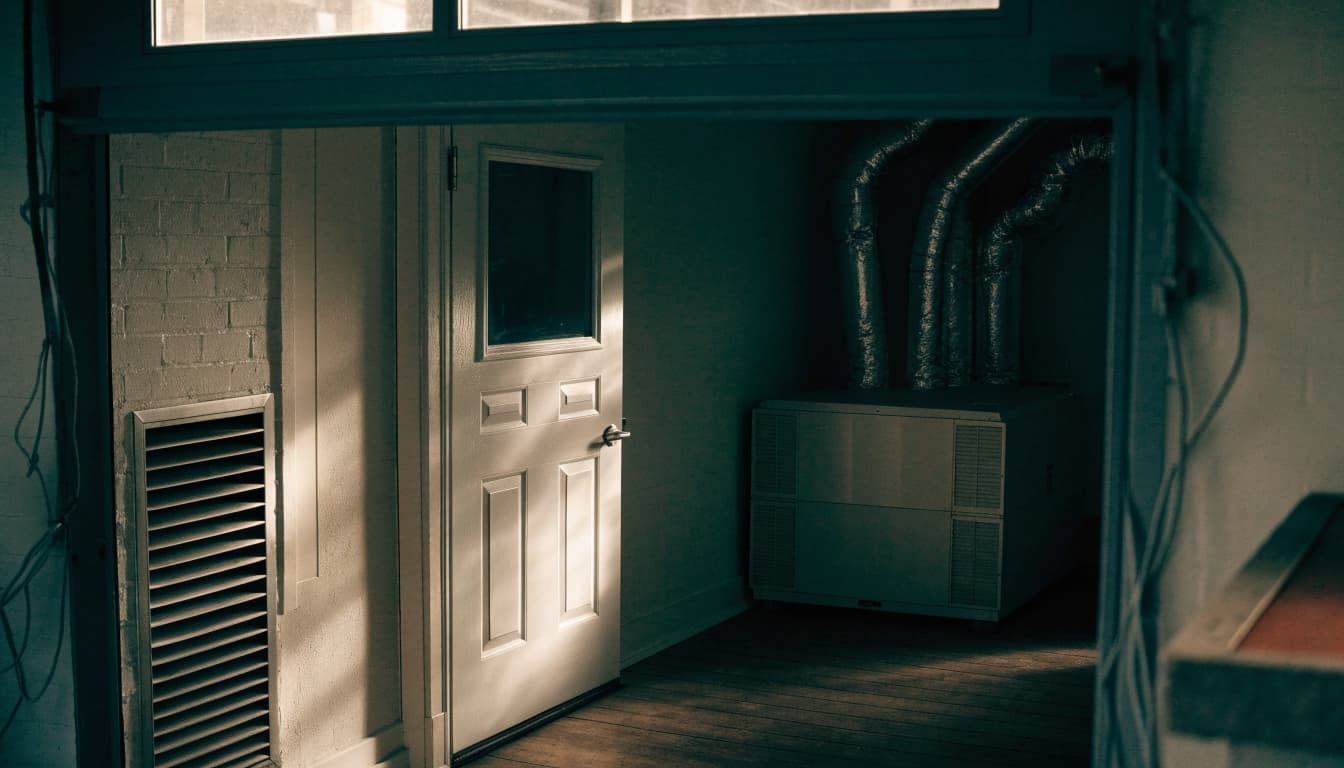
Keep the door between the garage and house closed, and avoid leaving it open longer than needed. Don't idle a vehicle inside an attached garage, even with the garage door open. Move a running vehicle outdoors promptly, and never warm it up in the garage.
Store fuel, solvents, and other products according to their labels, with containers closed and away from living areas. If an odor enters the house, ventilate safely and address the likely source rather than masking it with air fresheners.
Maintain alarms and HVAC pathways
Test CO alarms as directed by the manufacturer and replace them when they reach the end of their service life. Keep supply registers and return grilles clear so the system can move air as designed. Don't assume a new filter or a change in thermostat settings will fix an odor tied to a leak or pressure problem.
If you suspect a connection between garage air and the HVAC system, have a qualified professional inspect the ductwork and return-air pathways. The goal is to identify the actual route, then repair or seal the affected section as needed.
Key takeaways
- Garage air can enter a home through duct leaks, return-air pathways, or pressure-driven gaps, but it doesn't happen in every home.
- Odor can signal fumes or vapors, but it cannot detect carbon monoxide.
- Keep the garage-to-house door closed, don't idle a vehicle inside, and maintain working CO alarms.
- Have suspected HVAC pathways inspected by a qualified professional.
Frequently asked questions
Can I smell carbon monoxide from my garage?
No. Carbon monoxide has no smell. A fuel or exhaust odor may come from other substances, so don't rely on smell to determine whether CO is present. Maintain working CO alarms, and leave immediately if one sounds.
Does a garage odor prove my ducts are leaking?
No. Odors can travel through doors, wall gaps, or other openings. If the smell is persistent or appears when the HVAC system runs, a qualified professional can inspect the ducts, returns, and pressure conditions.
Keep the garage and home safely separated
Garage fumes can reach living spaces, but a specific route needs to be established before assuming the HVAC system is responsible. Closed doors, no vehicle idling, working CO alarms, and a professional inspection when concerns persist are practical steps that help protect your household.