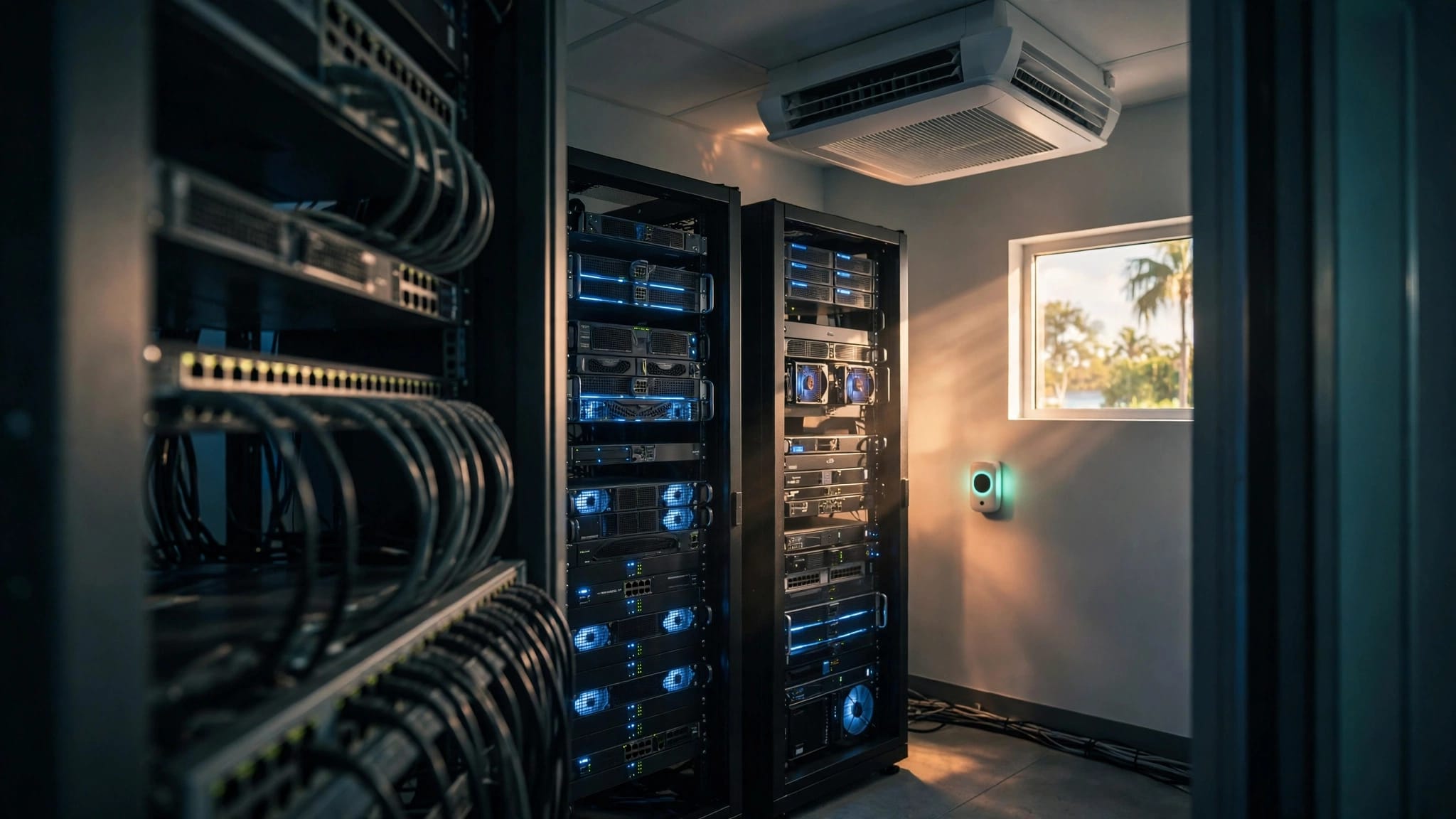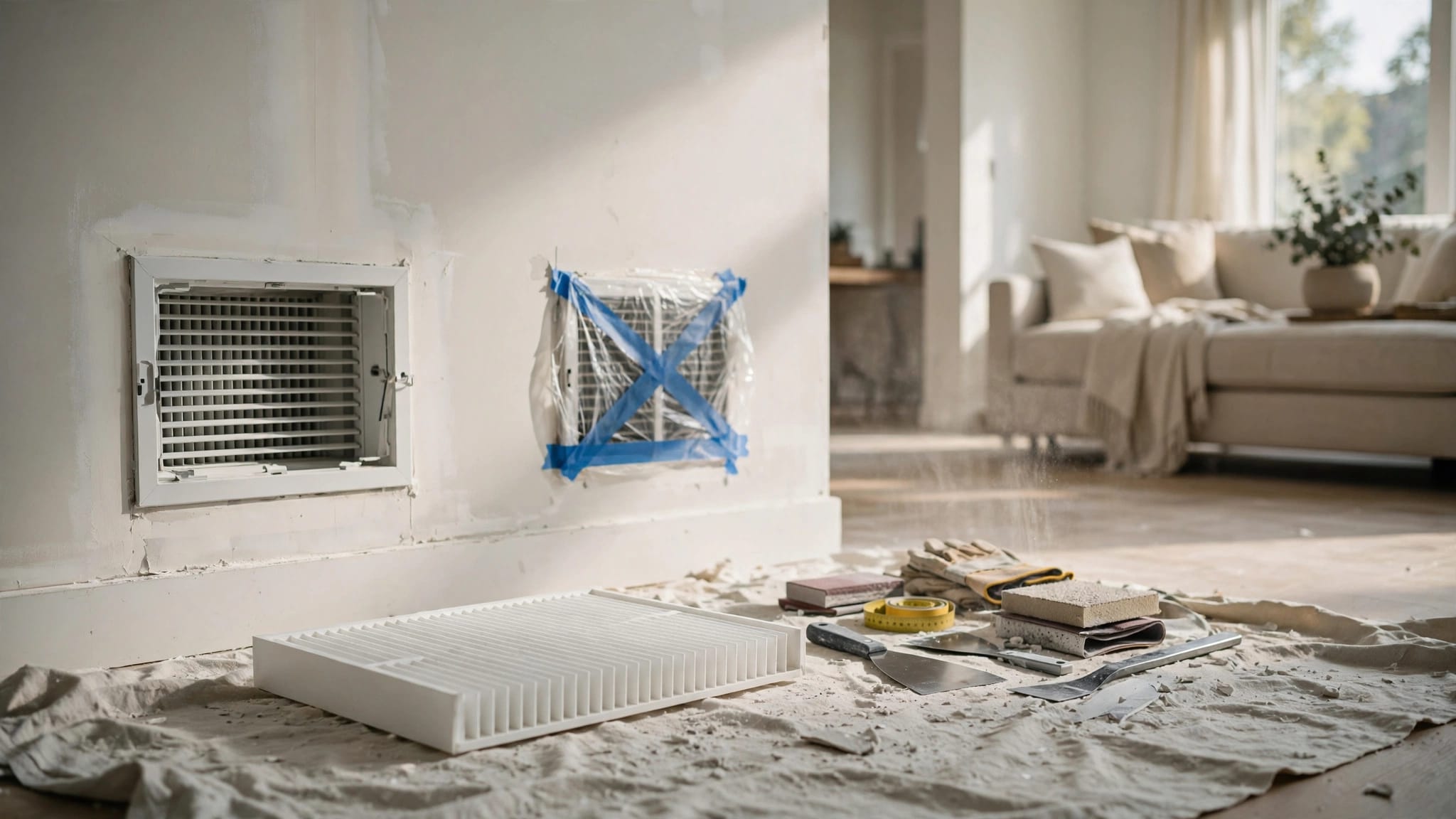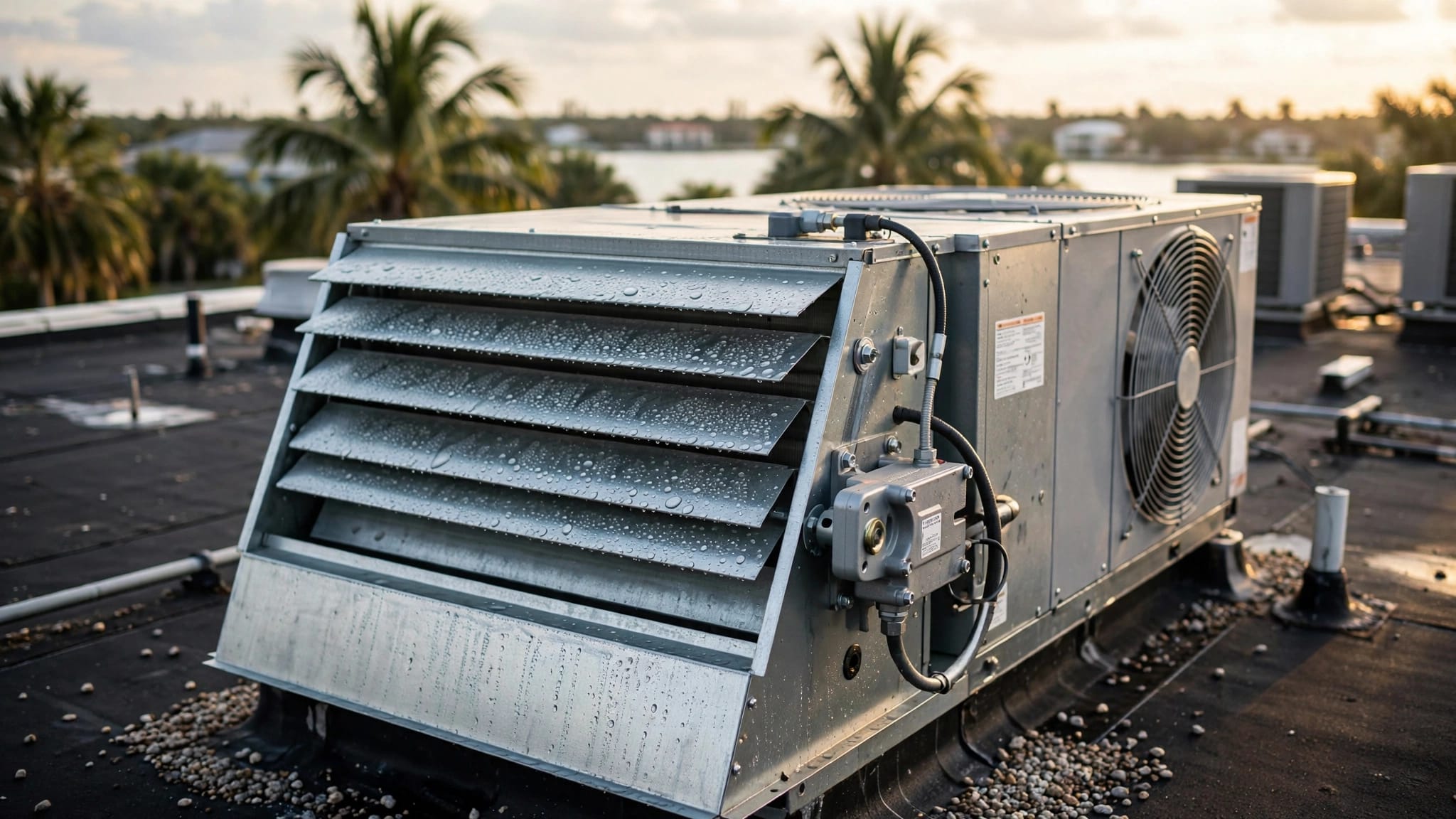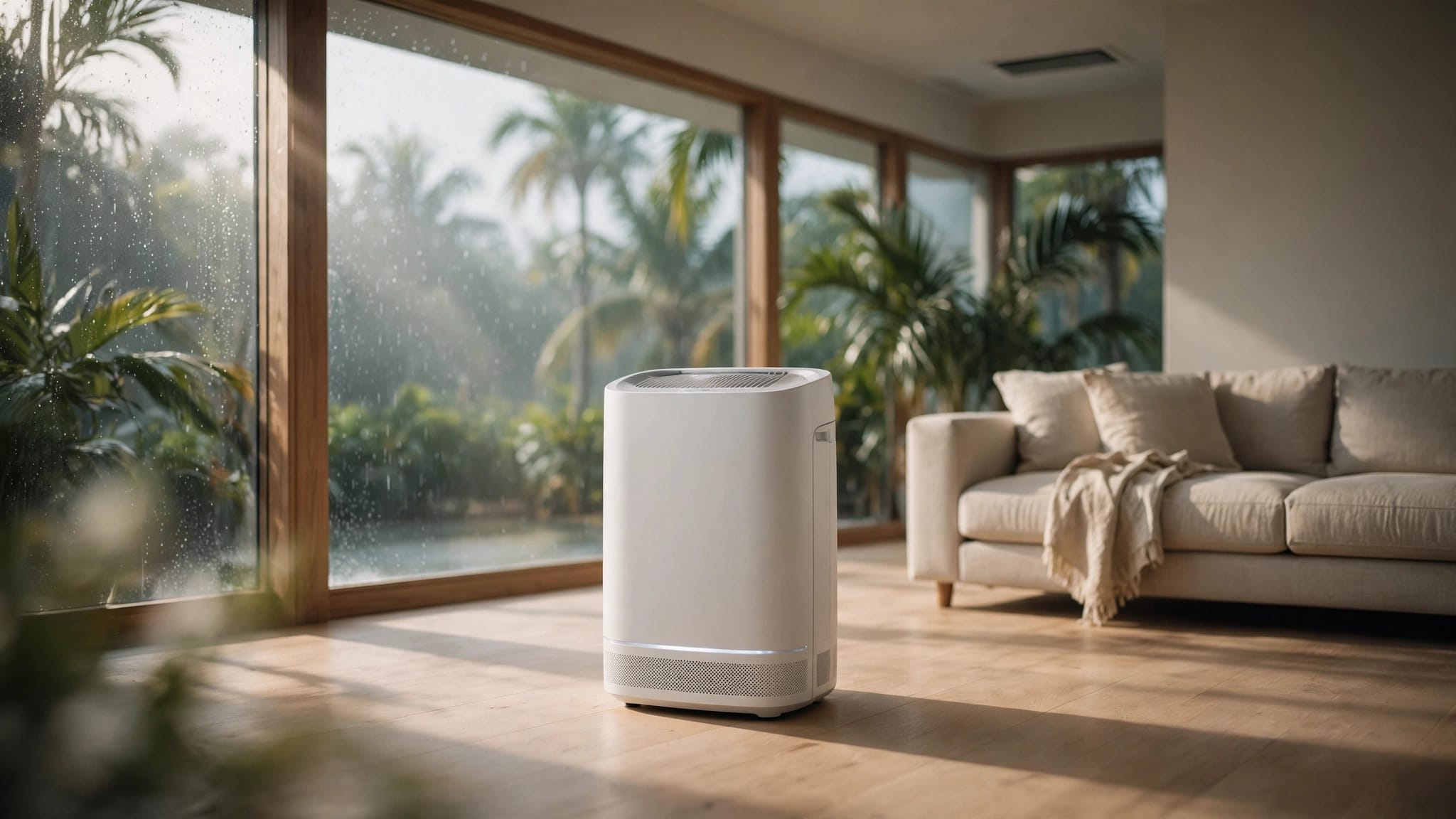
A spotless room can still have an air-quality problem. Moisture behind a wall, particles moving through leaky ducts, or fumes that fade after cleaning may leave no obvious clue.
Indoor air quality testing helps Florida homeowners investigate a specific concern instead of guessing. The right test depends on what you notice, how your HVAC system runs, recent water damage, and conditions inside the home.
A useful assessment starts with the home itself, then matches the measurements to the problem.
What Indoor Air Quality Testing Measures in a Florida Home
Indoor air changes throughout the day. Cooking, showers, pets, outdoor pollen, cleaning products, open doors, and air conditioner cycles all affect readings. That is why there is no single test that gives a complete pass or fail grade for a home's air.
A focused test may measure humidity, airborne particles, carbon dioxide, mold spores, chemical vapors, or combustion gases. It can also include an HVAC inspection, since cooling equipment, ductwork, and drainage often affect what moves through the house.
The concern determines the testing plan
A musty smell near vents calls for a different approach than lingering paint fumes or a room that feels stuffy when occupied. A home with past roof damage may need moisture mapping and targeted mold sampling. A home with gas appliances or an attached garage may need combustion-gas checks.
Before testing begins, document the timing and location of the issue. Note when odors appear, whether one room feels damp, when the AC runs, and whether water stains or condensation keep returning. Those details help prevent unnecessary tests.
Measurements need context
A number on a report is a starting point, not a diagnosis. Outdoor conditions, the number of people in the home, a recent meal, and the AC cycle can all change a reading.
A low particle count during one visit does not rule out a moisture problem behind drywall, and a higher reading does not identify the source by itself.
Good testing connects the results to a visual inspection, the home's history, and the HVAC system's condition.
Florida Humidity and Moisture Are Often the First Clues
Southwest Florida homes face long periods of humid weather. Because windows stay closed to hold cooled air inside, moisture introduced by showers, cooking, leaks, or duct problems may linger longer than expected.
Relative humidity shows the current moisture load
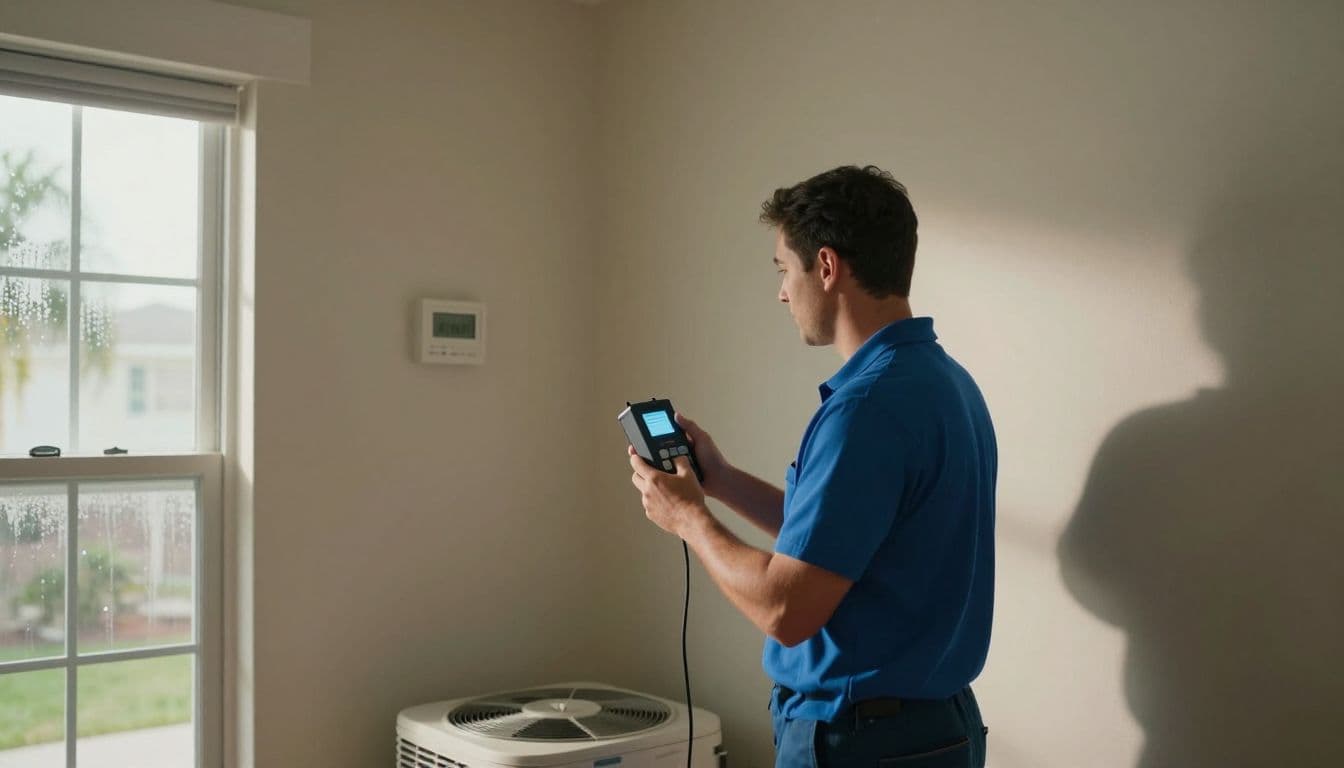
Indoor relative humidity is usually measured alongside temperature. Many Florida homes feel more comfortable near 45% to 55% relative humidity, though the appropriate level depends on the home, outdoor weather, and equipment operation.
Readings that stay high while the AC is running can point toward short cooling cycles, poor airflow, duct leakage, a clogged condensate line, or outside air entering the house. Learn more about controlling humidity in Florida homes when rooms feel damp despite regular cooling.
A humidity meter only reports present conditions. It cannot locate the water source behind a ceiling, under flooring, or inside an air handler.
Water intrusion changes the scope of testing
After a hurricane, flood, plumbing leak, or roof leak, air testing alone may not tell the full story. Inspectors may use moisture meters, infrared tools, and visual checks to find damp materials. If moisture remains, testing can miss a problem that has not yet released much into the air.
Wet drywall, insulation, carpet padding, and wood framing need prompt attention. Drying the material and correcting the leak matter more than masking an odor with sprays or fragrances.
Common Pollutants Tested in Florida Homes
Testing should fit the complaint, not a preset menu. Some concerns need direct measurements, while others need inspection and source investigation first.
Particle testing checks what is suspended in the air
Particle monitors commonly measure fine particulate matter, including PM2.5. These small particles can come from outdoor smoke, traffic pollution, cooking, candles, dusty returns, construction work, and some cleaning tasks.
Particle testing may be recommended when haze, dust buildup, smoke exposure, or uneven filtration is a concern. A reading can show what is present during the test, but it does not identify every particle or prove where it came from.
Filter fit, return-air leaks, a dirty coil, and open gaps around ducts can affect particle levels. The timing of a reading also matters. Frying food before a test can raise indoor particles even when the HVAC system is working properly.
Mold and allergen concerns need targeted sampling
Mold testing may involve air samples, surface samples, or material samples, depending on the concern. Air samples often compare indoor and outdoor conditions because outdoor spores naturally enter Florida homes.
Recurring musty odors, visible growth, water stains, wet materials, and post-flood damage are common reasons to consider sampling. A lab can identify types and counts in a collected sample, but results do not identify the moisture source on their own.
For suspected growth behind walls, near air handlers, or inside duct systems, professional mold testing in Cape Coral can help determine the next inspection steps. Dust testing for pet dander or dust-mite allergens may also help in limited situations, though routine air samples may not capture heavier allergens well.
Chemical vapors and combustion gases need different tools
Volatile organic compounds, often called VOCs, can come from paint, flooring, adhesives, fragrances, new furniture, solvents, and cleaning products. Testing may make sense after remodeling or when a chemical odor persists without a clear source.
Carbon monoxide and nitrogen dioxide testing may be appropriate where gas appliances, fireplaces, generators, or attached garages are present. Carbon monoxide alarms remain important safety devices. If an alarm sounds, leave the home and contact emergency services.
Radon requires a separate, longer-term test protocol. It is not typically included in a short indoor air appointment. Each pollutant needs its own method, sampling time, and interpretation.
HVAC Operation Can Affect Indoor Air Findings
Your AC does more than cool the house. It removes moisture, moves air through filters, and creates pressure differences that can pull air through small openings. When one part of that process fails, comfort and air concerns often overlap.
Airflow and pressure tests reveal hidden duct issues
Static pressure testing measures resistance to airflow in the duct system. High pressure can point to restricted filters, blocked returns, undersized ducts, closed registers, or equipment issues. Low or uneven airflow can leave one room humid while another feels overcooled.
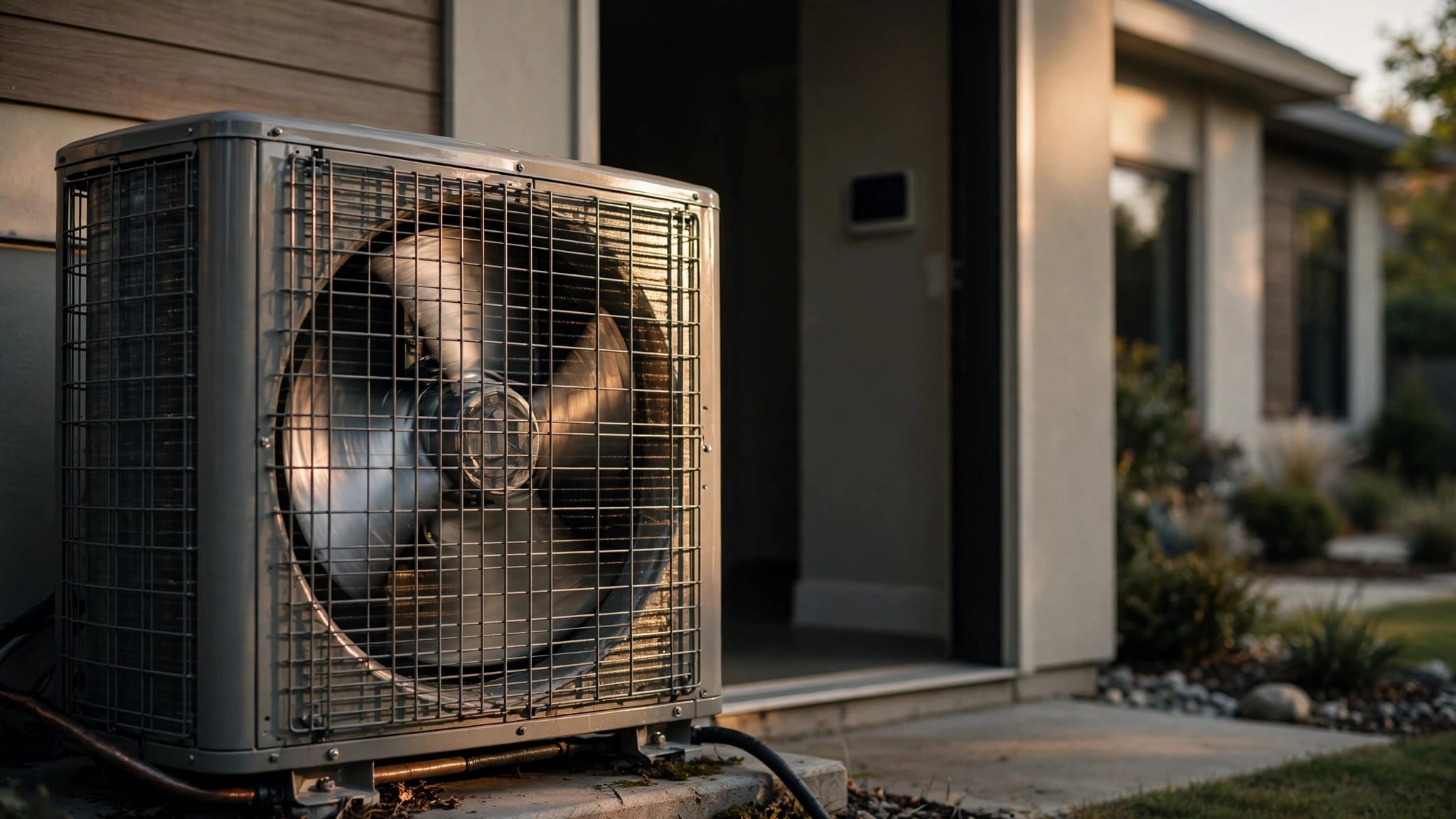
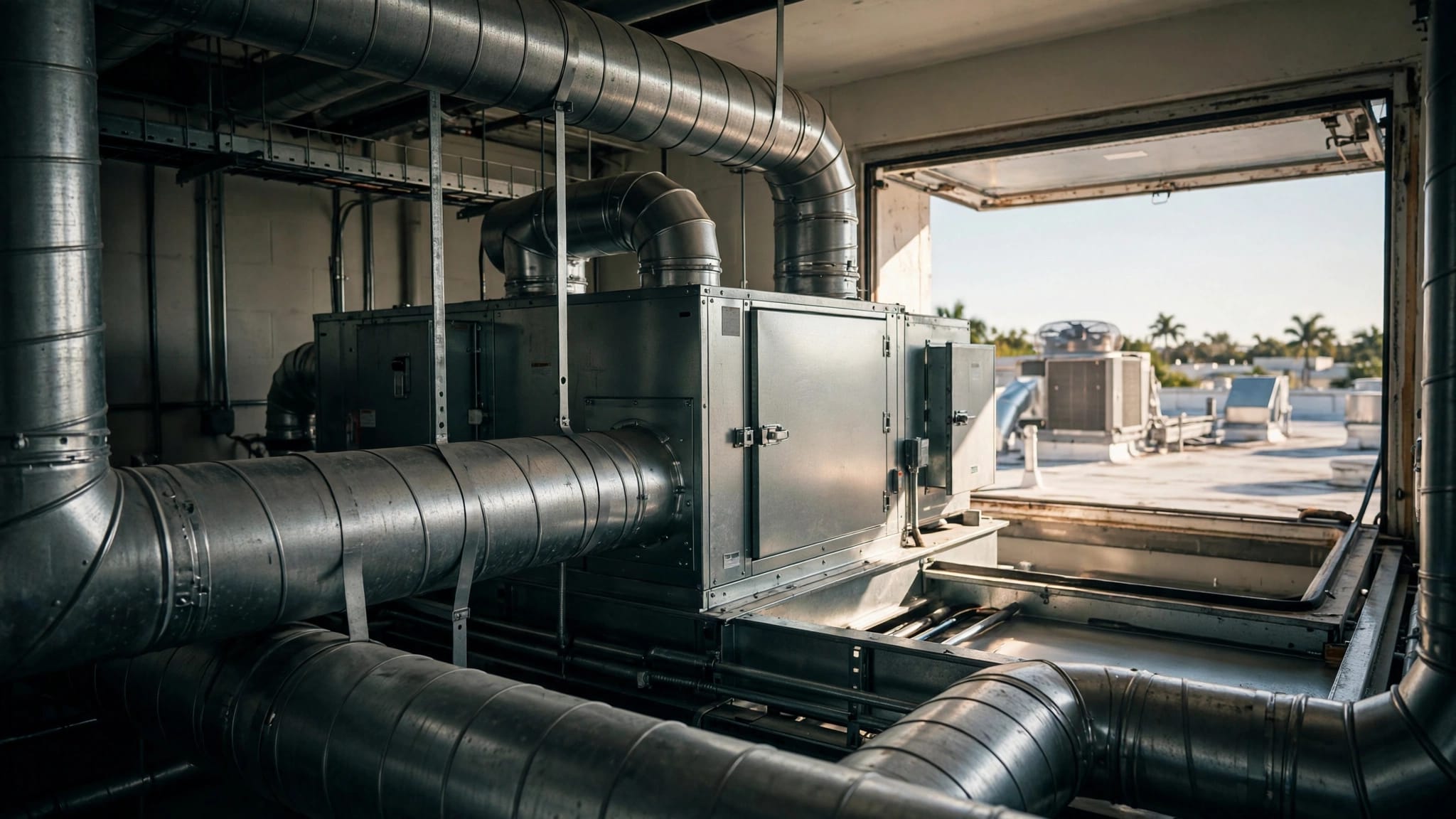
Return-side duct leaks are a particular concern in Florida attics, garages, and utility spaces. They can pull hot, humid, dusty air into the system before it reaches the filter. AC static pressure testing for Florida homes helps separate duct performance problems from general air-quality complaints.
Cooling and drainage deserve a close look
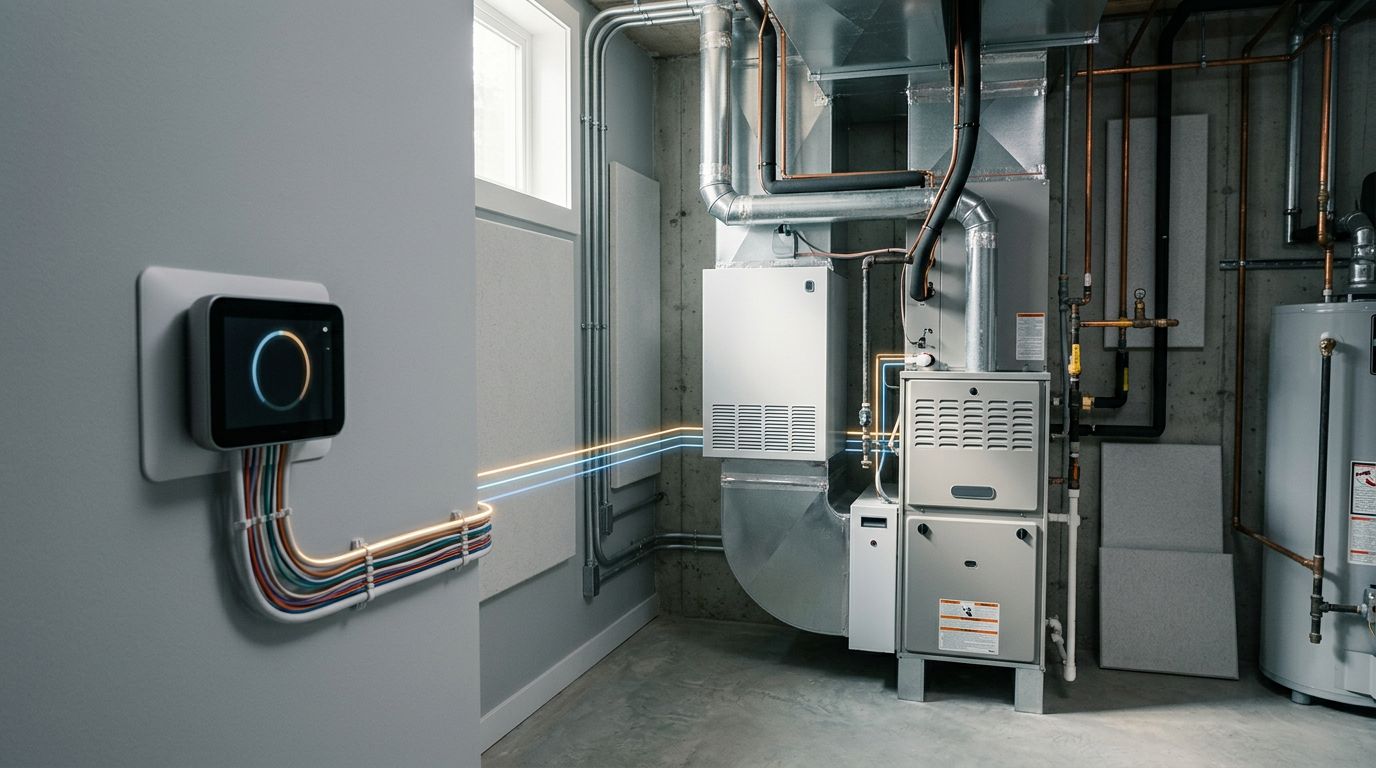
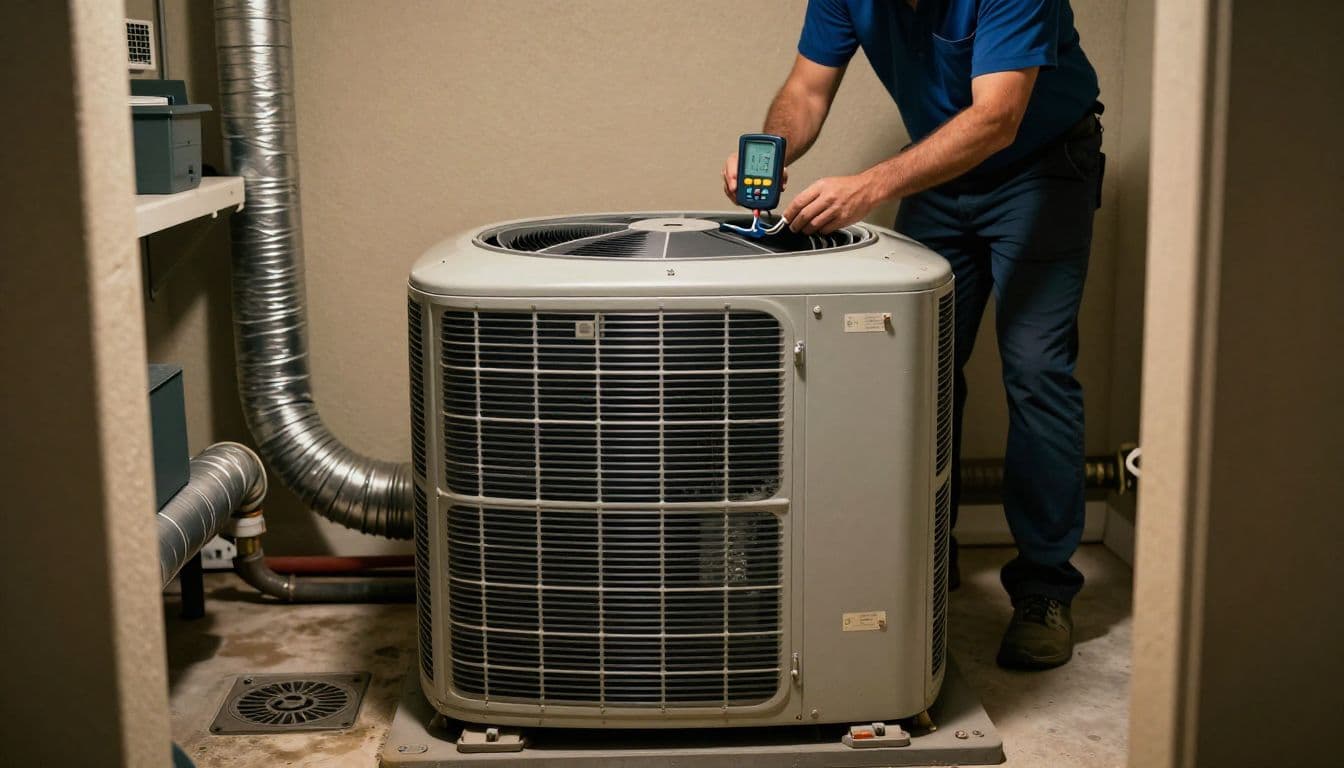
During an HVAC-related assessment, a technician may inspect the filter, evaporator coil, drain pan, condensate line, blower area, return path, and accessible ducts. Water in a drain pan or a blocked line can create a moisture issue that deserves repair before broad testing.
A system that runs briefly and shuts off may cool the thermostat area without drying the rest of the house. On the other hand, a system that runs constantly may have an equipment, airflow, or building-envelope problem. Readings only make sense when they match how the system performs under normal conditions.
What to Expect During an Indoor Air Assessment
A thorough appointment usually begins with a conversation. Share past leaks, storm damage, renovations, odors, visible staining, pet activity, recent pest treatment, and any rooms with comfort problems.
Prepare the home without changing normal conditions
Follow the testing provider's instructions before the visit. You may be asked to avoid candles, air fresheners, aerosol sprays, smoking, or heavy cleaning shortly before samples are collected. Keep the home close to its usual operating condition unless the provider says otherwise.
Avoid deep-cleaning a musty area right before an appointment. That can temporarily change the air or disturb material that needs inspection. Also, leave HVAC access clear and have the filter size and recent service history available.
Sampling may happen on site or in a laboratory
Some tools provide immediate readings for temperature, humidity, particles, carbon dioxide, and carbon monoxide. Other samples, such as mold or certain chemical compounds, may go to a laboratory and take longer to process.
The report should state what was measured, where samples were collected, the collection conditions, and the units used. It should also explain the test's limits. For example, a one-time air sample cannot describe every day of a Florida summer.
How to Interpret Results Without Jumping to Conclusions
Results are most helpful when they answer a practical question. High humidity in one bedroom may point to a supply-air, return-air, insulation, or duct issue. A higher carbon dioxide reading during a family gathering may reflect occupancy and limited fresh-air exchange.
Compare readings with the home's conditions
Relative humidity appears as a percentage. Carbon dioxide is commonly reported in parts per million. Particle monitors often use micrograms per cubic meter. Mold reports may list spore types and concentrations in the collected air volume.
Numbers should be compared with the sampling method, outdoor conditions, room use, and the time of day. For carbon dioxide questions, understanding indoor CO2 levels in Florida homes can add helpful HVAC and ventilation context.
Address the source before treating the air
An elevated finding may call for further investigation, not an immediate purchase. Fix a roof or plumbing leak, clear a condensate drain, correct a duct leak, improve filtration, or adjust HVAC performance based on the actual cause.
Indoor air quality testing can guide those decisions, but it cannot diagnose a medical condition or guarantee that a home is free of every pollutant. When musty odors, moisture, or cooling problems keep returning, Contact Us to schedule a service call and identify the conditions affecting your home.
A Clearer Picture of Your Home's Air
A good indoor air assessment does not chase a universal score. It measures the concerns that fit your home, then connects the findings to humidity, water intrusion, ventilation, and HVAC performance.
Florida's heat and moisture make that context especially important. The most useful result is one that points to a real source and a practical repair.