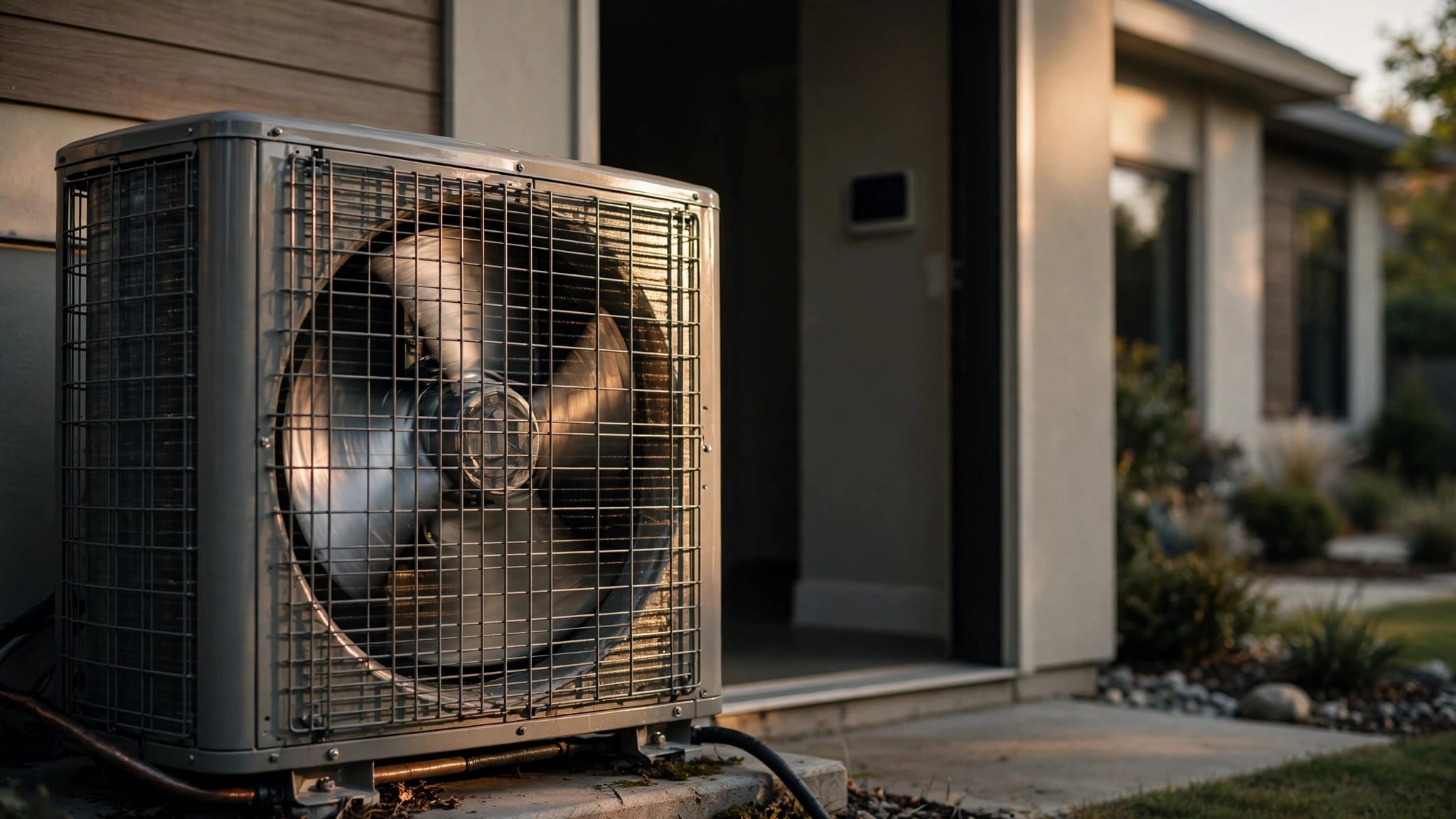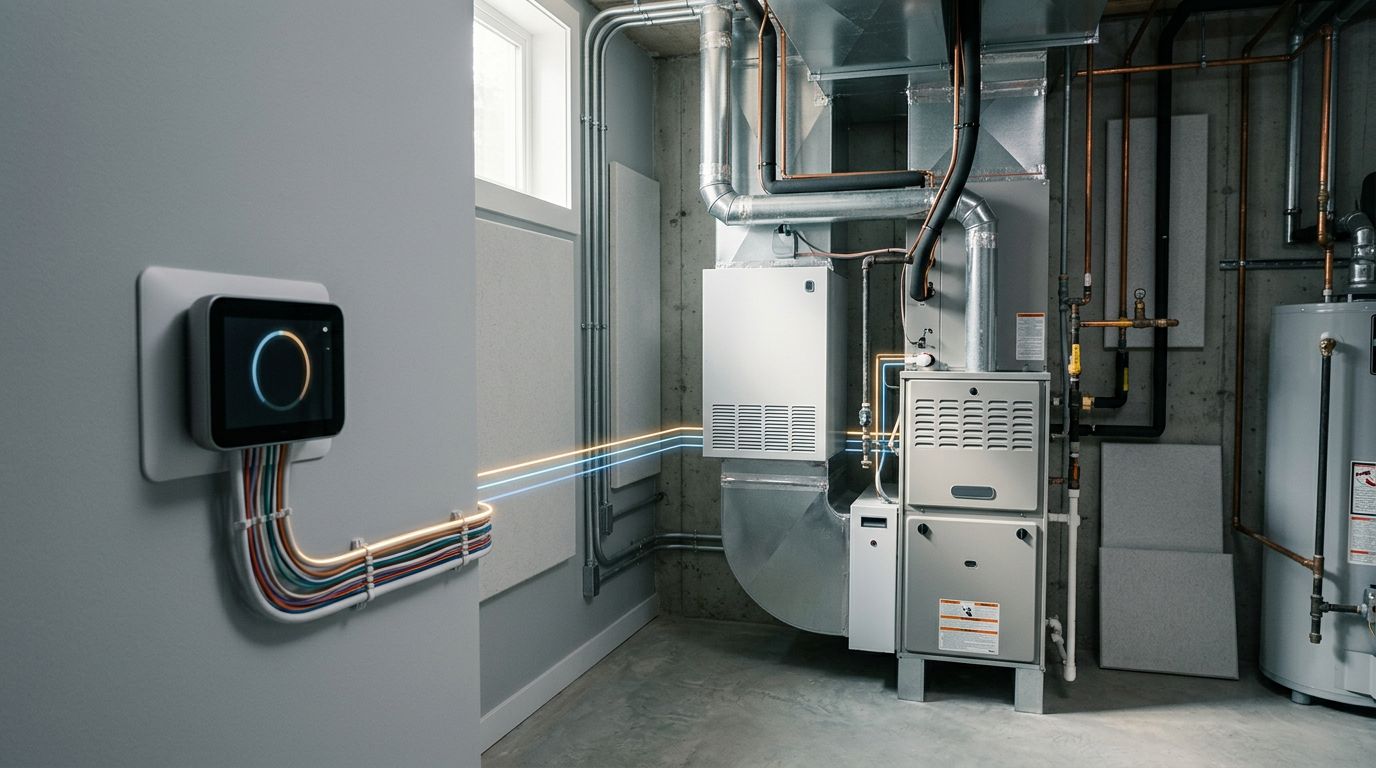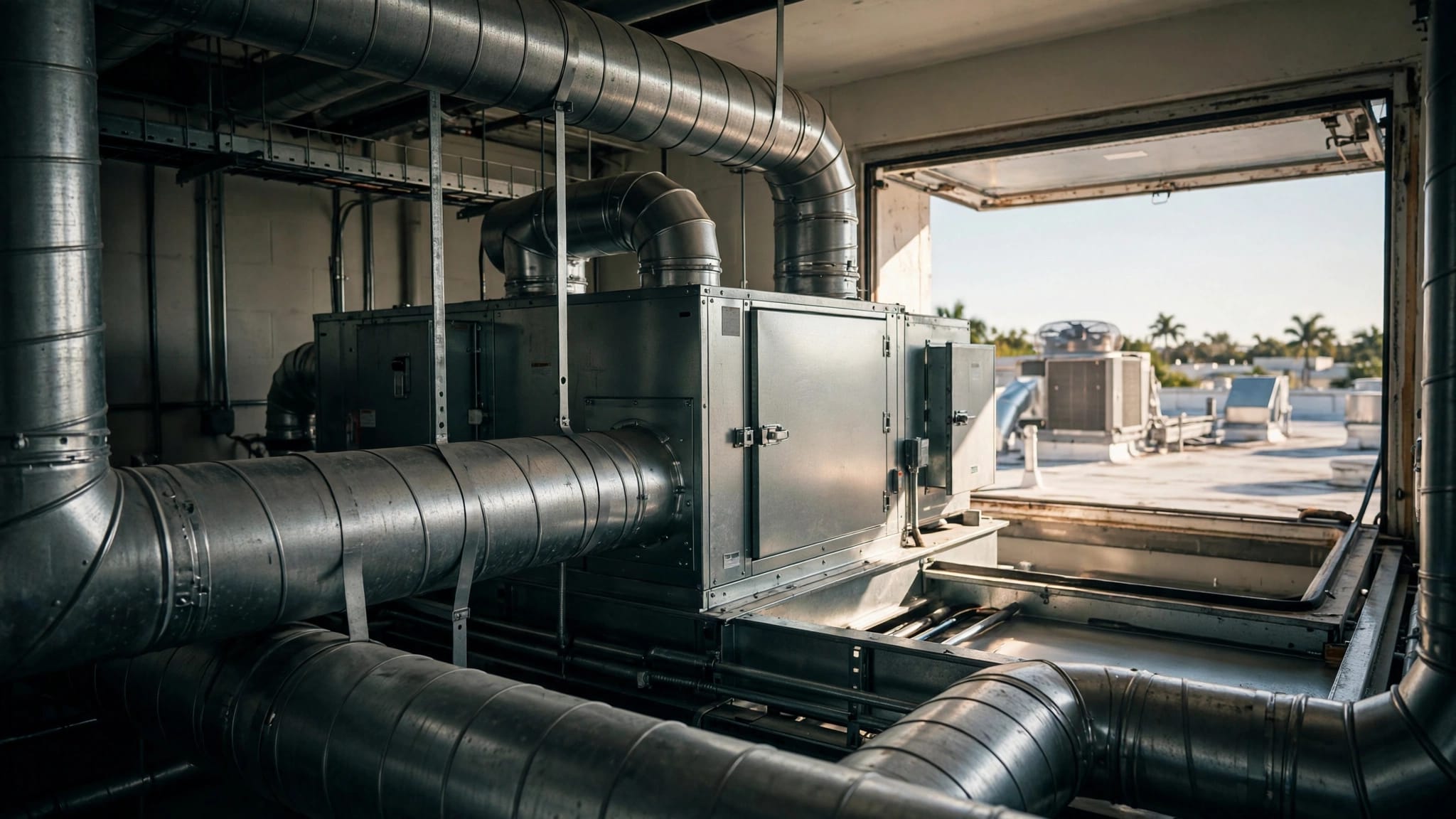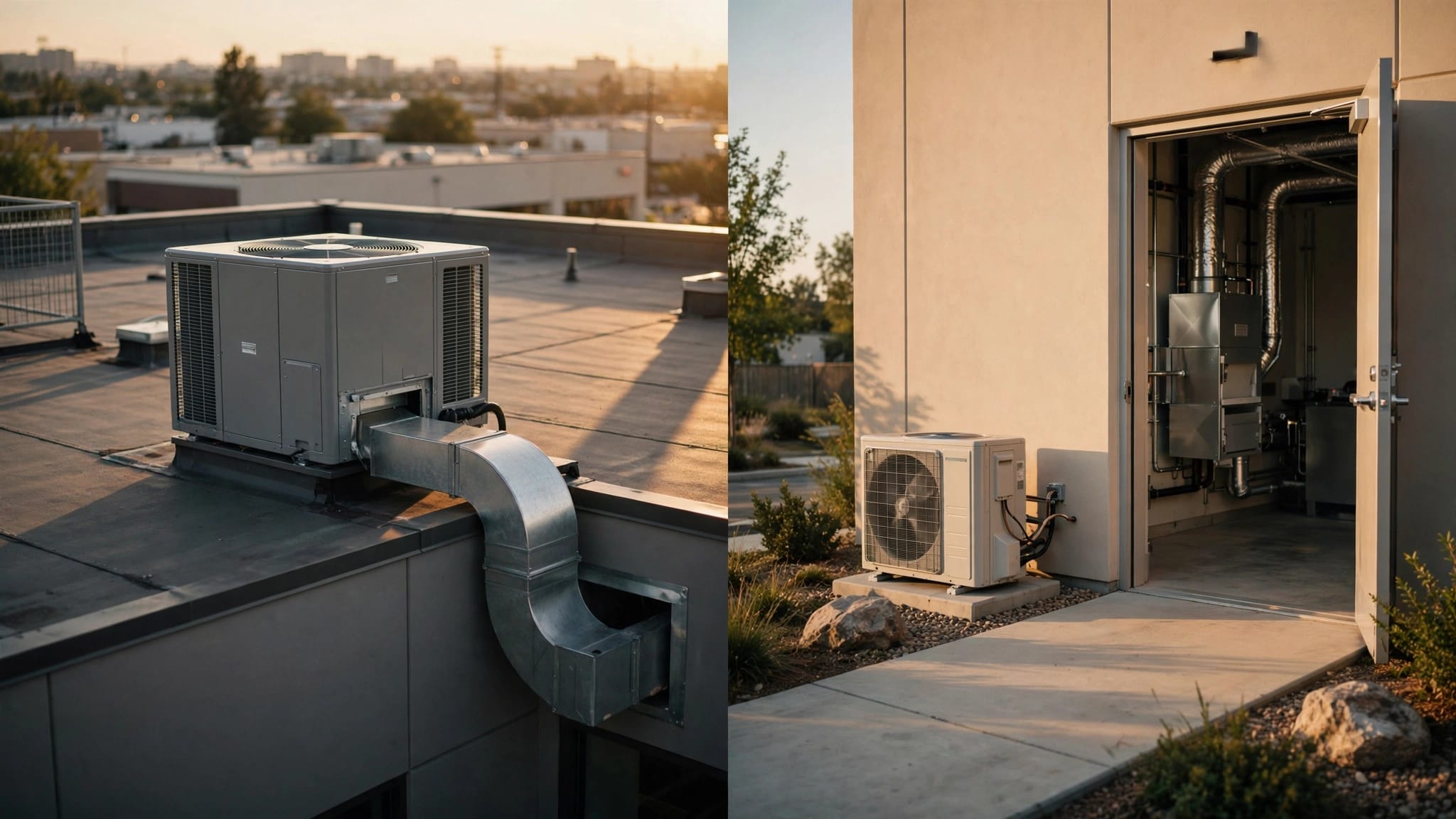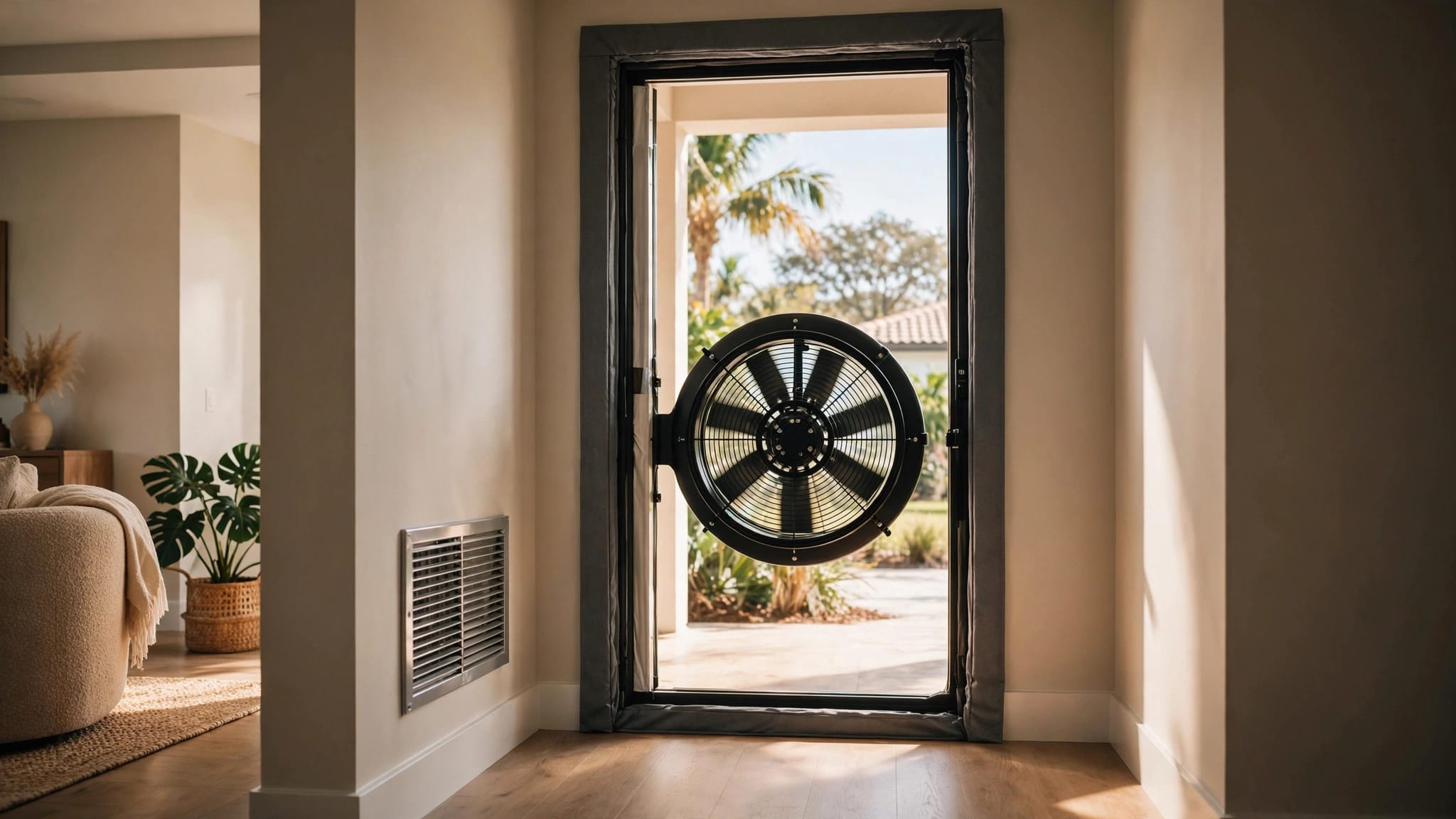
A cool house during a showing doesn't prove the air conditioner is healthy. A clogged drain, weak capacitor, refrigerant leak, or damaged duct can stay hidden until the system works through a long Florida afternoon.
The Florida AC inspection cost is usually modest compared with the price of an unexpected repair after closing. Buyers get clearer information, while sellers can address real concerns before they turn into contract delays.
A focused inspection also keeps a minor service issue from being confused with a full system replacement.
Florida AC inspection cost: 2026 estimates
Florida inspection pricing is market-based, not set by a statewide fee schedule. These 2026 estimates vary by location, home size, system age, access, and the amount of testing required. Coastal markets, including parts of Southwest Florida, can run toward the higher end.
| Service | Typical 2026 Florida estimate | What it usually covers |
|---|---|---|
| Routine HVAC or AC inspection | $75 to $200 | Basic operational check, visible-condition review, drain, electrical, and cooling-performance observations |
| Advanced HVAC diagnostic | $220 to $350 | More detailed electrical, airflow, or cooling-system diagnosis |
| Standard home inspection | $350 to $650 | Broad review of accessible home systems and components |
| Southwest Florida home inspection | $400 to $600 | Typical range for many coastal single-family properties |
| Refrigerant or leak-focused evaluation | $75 to $200, or $220 to $350 for complex testing | Diagnostic work beyond a visual system check |
| HVAC-related system-inspection portion | $65 to $190 | Often part of a 4-point or major-component review, not a full duct test |
Your Florida AC inspection cost may rise if the technician finds intermittent cooling, limited access, suspected leakage, or electrical concerns. Ask whether the quoted fee includes a written report and whether the company applies that fee toward an approved repair.
These prices cover evaluation, not corrective work. Refrigerant, replacement parts, duct repairs, permit fees, and new equipment are separate costs.
A home inspection and an HVAC inspection are different
A buyer can benefit from both reports, especially when the system is older or service history is thin. One report gives a broad property view. The other investigates the cooling equipment in greater detail.
What a standard home inspector usually reviews
A home inspector generally checks accessible HVAC components, runs the system when conditions allow, notes visible damage, and reports apparent operating concerns. They may identify an aging unit, corrosion, water around an air handler, inadequate cooling, or missing insulation on exposed lines.
However, a home inspection doesn't usually include invasive diagnostics. The inspector may not measure refrigerant charge, test every electrical component under load, inspect concealed ducts, or locate a refrigerant leak.
A home inspector can flag a cooling symptom, but an HVAC technician can identify the likely mechanical cause and outline the repair options.
What an HVAC technician can evaluate
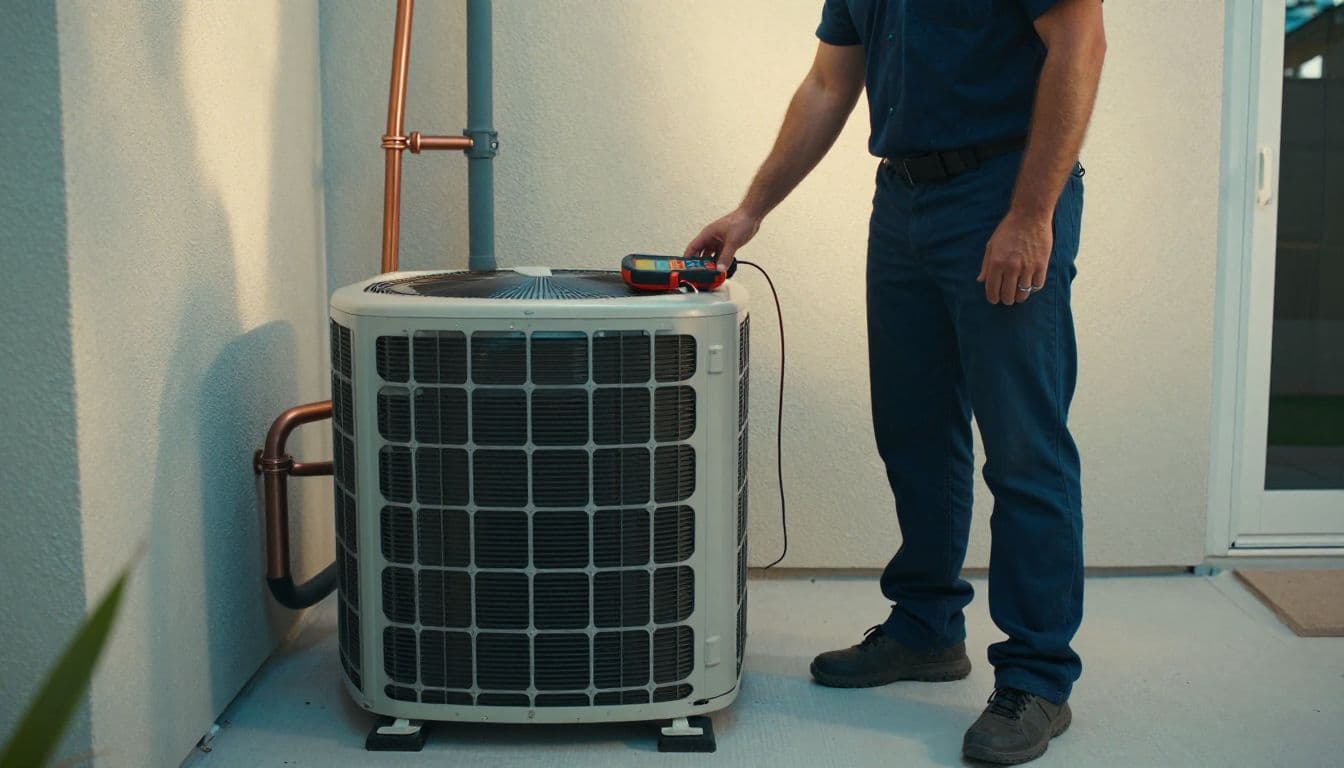
A licensed HVAC technician can take a closer look at the air handler, condenser, thermostat, condensate drain, accessible coil condition, electrical connections, capacitor, contactor, airflow, and temperature split. The technician can also check for warning signs that a standard home inspection may only describe in broad terms.
For a pre-sale concern, request written findings that separate confirmed defects from maintenance recommendations. Local Cape Coral AC inspections can provide the clearer equipment-level assessment a buyer, seller, and agent need for a repair discussion.
When specialized AC testing makes sense
A routine service visit is often enough when the equipment cools normally and records are available. Add-on testing makes more sense when the unit has symptoms, a history of repairs, or a concerning finding in the home inspection report.
Refrigerant and leak evaluations
Air conditioners don't use up refrigerant through normal operation. If a system is low, a leak may exist, although a technician needs proper testing before reaching that conclusion.
Low cooling output, ice on refrigerant lines, oily residue near fittings, and repeated refrigerant additions deserve more than a quick visual check. A technician may use operating readings, temperature measurements, electronic leak detection, or other diagnostic methods suited to the equipment and conditions.
Confirm the evaluation price before authorizing leak-focused work. A basic service-call fee may cover the initial diagnosis, while a harder-to-find problem can fall into the $220 to $350 diagnostic range.
Ductwork and airflow evaluations
Leaky, disconnected, crushed, or poorly insulated ducts can make a working AC system feel weak. In Florida attics, heat and humidity can make those losses more noticeable.
A duct evaluation may include accessible runs, insulation condition, loose connections, return-air paths, visible damage, and signs of moisture. It may not include every hidden section without additional access or testing.
Keeping the Florida AC inspection cost separate from a ductwork quote prevents confusion during negotiations. If an inspection finds damaged or disconnected ducts, ductwork repair and replacement should be priced as its own repair scope.
Prepare the AC system before an inspection
Preparation doesn't mean hiding flaws. It means giving the inspector or technician safe, clear access and the information needed to assess the system fairly.
Clear access and run the system normally
Remove stored items around the indoor air handler, electrical disconnect, thermostat, and outdoor condenser. Trim vegetation away from the condenser, but follow the manufacturer's clearance guidance when it is available.
Before the appointment, take these simple steps:
- Replace a heavily soiled filter with the correct size and type.
- Leave the thermostat at a normal cooling setting unless the inspector asks otherwise.
- Keep pets away from equipment areas and unlock gates, closets, garages, or attic access points.
Don't power-wash the outdoor coil, tape over a leak, or reset a tripping breaker right before the visit. Those actions can cause damage or remove useful evidence.
Gather service records and equipment details
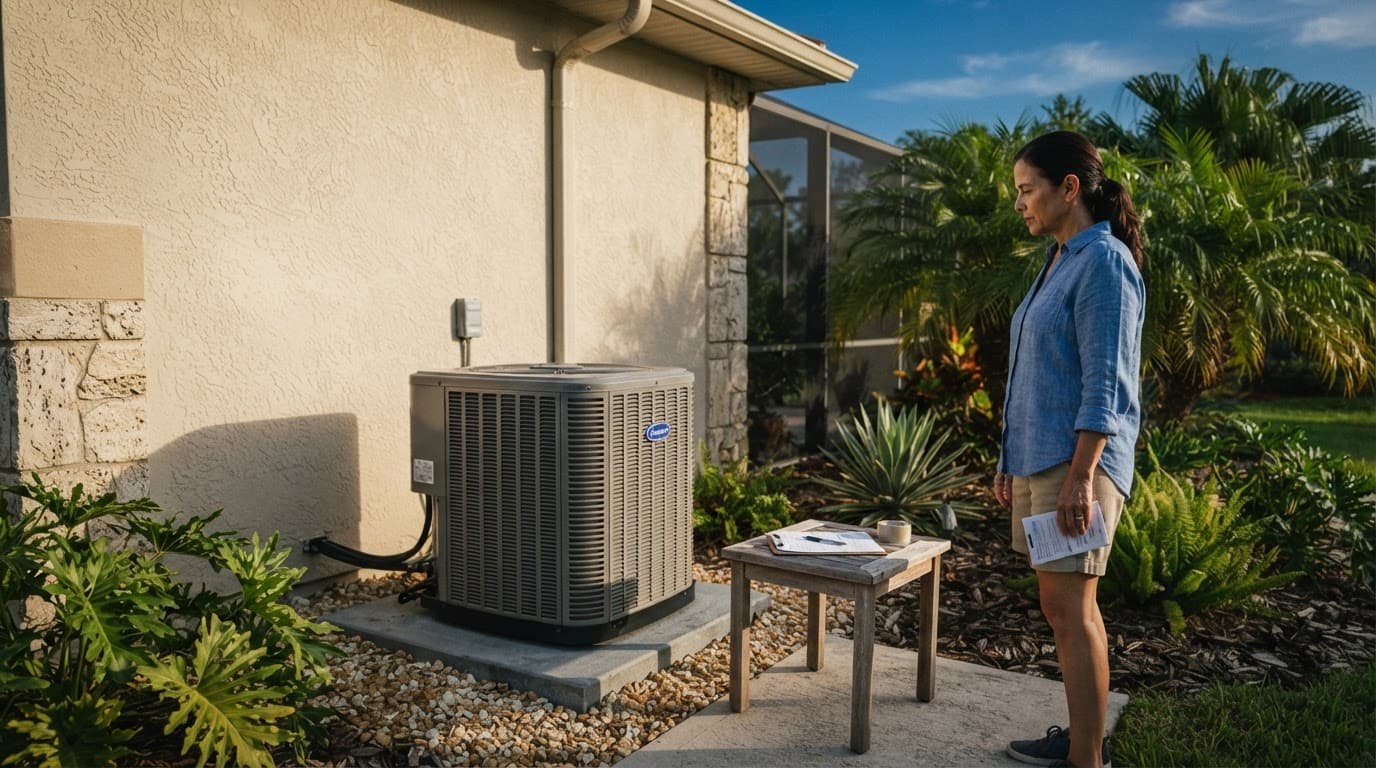
Place maintenance invoices, repair receipts, installation documents, permits, model numbers, and serial numbers in one easy-to-share folder. Records help confirm what was repaired, when the work occurred, and whether the system has received regular care.
Buyers should also ask about any manufacturer warranty and its transfer terms. This Florida AC warranty checklist can help identify the documents worth collecting before closing.
AC red flags that deserve a closer look
An older air conditioner isn't automatically a bad system. Still, a short inspection period can reveal conditions that deserve a technician's opinion before either side agrees to a repair credit or price change.
Performance and safety warning signs
Watch for water below the air handler, ceiling stains near equipment, ice on refrigerant lines, loud starts, repeated breaker trips, burning smells, or a condenser that starts and stops often. Uneven room temperatures and weak airflow also point to possible duct, blower, thermostat, or refrigerant-related trouble.
Some issues are inexpensive, such as a clogged condensate drain or worn capacitor. Others can involve a coil, compressor, electrical repair, or duct replacement. A written diagnosis helps everyone avoid treating a symptom as proof that the whole system has failed.
Age, permits, and insurance-related reports
Ask for the system's installation date, repair history, and the permit record for significant replacement work. A mismatched indoor and outdoor unit, missing records, or repeated breakdowns deserve follow-up.
A 4-point inspection is also different from a full home inspection or HVAC diagnostic. Insurers may request a 4-point report for older homes, and the HVAC section can affect underwriting decisions. Florida buyers often bundle 4-point and wind-mitigation inspections for about $175 to $225, although each provider sets its own price.
If replacement work becomes part of the deal, county permit charges are separate. Published 2026 estimates place Lee County HVAC permits around $160 to $330 and Collier County permits around $180 to $350, depending on the project and local requirements.
Negotiate AC findings without overpaying
Contract terms and negotiations control who orders, pays for, or repairs an AC issue. Buyers often pay for their initial inspections, but Florida law doesn't automatically assign every inspection or repair expense to one party in a routine resale.
Match the request to the documented issue
A vague comment such as "AC is old" is weak grounds for a large concession. A technician's report that identifies a failed component, active leak, unsafe electrical issue, or inoperative system gives both sides something concrete to discuss.
Buyers should provide the report, repair estimate, and any inspection deadline to the seller. Sellers should respond with documentation, a repair proposal, or a reasoned counteroffer. A second opinion can help when a report recommends major work without clear test results.
Choose a repair, credit, or price adjustment
A seller-paid repair can work well when a licensed contractor can complete it before closing and provide invoices. A credit may suit buyers who want to choose the contractor after taking possession, subject to lender and contract terms.
A price reduction may make sense when the system is near the end of its useful service life and both parties accept the condition. For early planning, local AC maintenance costs in Cape Coral place full replacement at roughly $5,500 to $8,800 or more, depending on equipment and installation needs.
An AC that won't cool, leaks water, or trips breakers needs prompt attention. Contact Us to schedule a service call, including 24/7 help for urgent cooling problems.
A clearer path to closing
A basic Florida AC inspection cost often falls between $75 and $200, yet it can prevent a much larger surprise after closing. A home inspection gives useful context, while a licensed HVAC evaluation can confirm the condition of the cooling system.
Focus on written findings, service records, and repair estimates rather than age alone. Clear evidence gives buyers and sellers a fairer starting point for resolving AC concerns before closing.