A Florida home purchase can include an air conditioner with years of warranty coverage left. An AC warranty transfer may protect you from paying for covered parts shortly after closing, but only if you confirm what the warranty covers and how much time remains.
Start before closing, while the seller still has access to installation records and service history. Then preserve the closing documents, contact the correct warranty provider, and keep written proof of every update.
What Florida law says about an AC warranty transfer
Florida law gives homebuyers an important starting point. Under Florida Statute section 559.956, a manufacturer's warranty on a residential HVAC system or component automatically transfers to the new owner when the property is conveyed on or after July 1, 2024.
The rule applies when the air-conditioning equipment is a fixture of the residential property and the warranty remains active at closing. The new owner receives the remaining coverage as if they were the original purchaser.
For a qualifying Florida home sale, the manufacturer can't:
- Charge a transfer fee for the manufacturer's HVAC warranty
- Require product registration as a condition of the transfer
- Deny the transfer solely because the property changed owners
The transfer doesn't restart or extend the warranty period . If the system had three years of parts coverage remaining on the closing date, you generally receive those three years, subject to the warranty's exclusions and conditions.
This Florida rule addresses manufacturer warranties. It doesn't automatically transfer every home warranty, service contract, installer labor warranty, or extended protection plan. Those agreements can have separate rules, so identify the type of coverage before relying on it.
Before closing, build the AC warranty file
Ask for the air conditioner's warranty information during the inspection period. Finding the records before closing gives you time to ask questions, request repairs, or address missing documents with the seller and your real estate professionals.
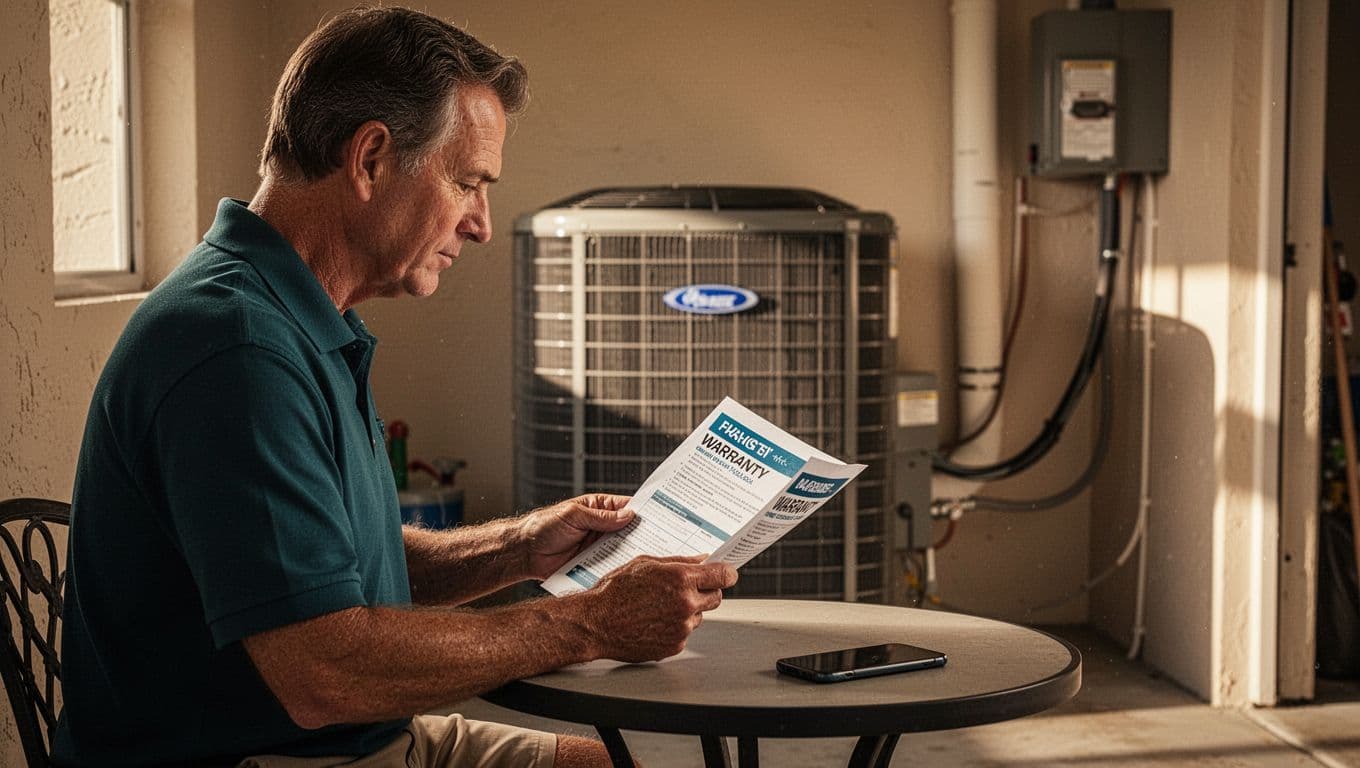
Locate the model and serial numbers
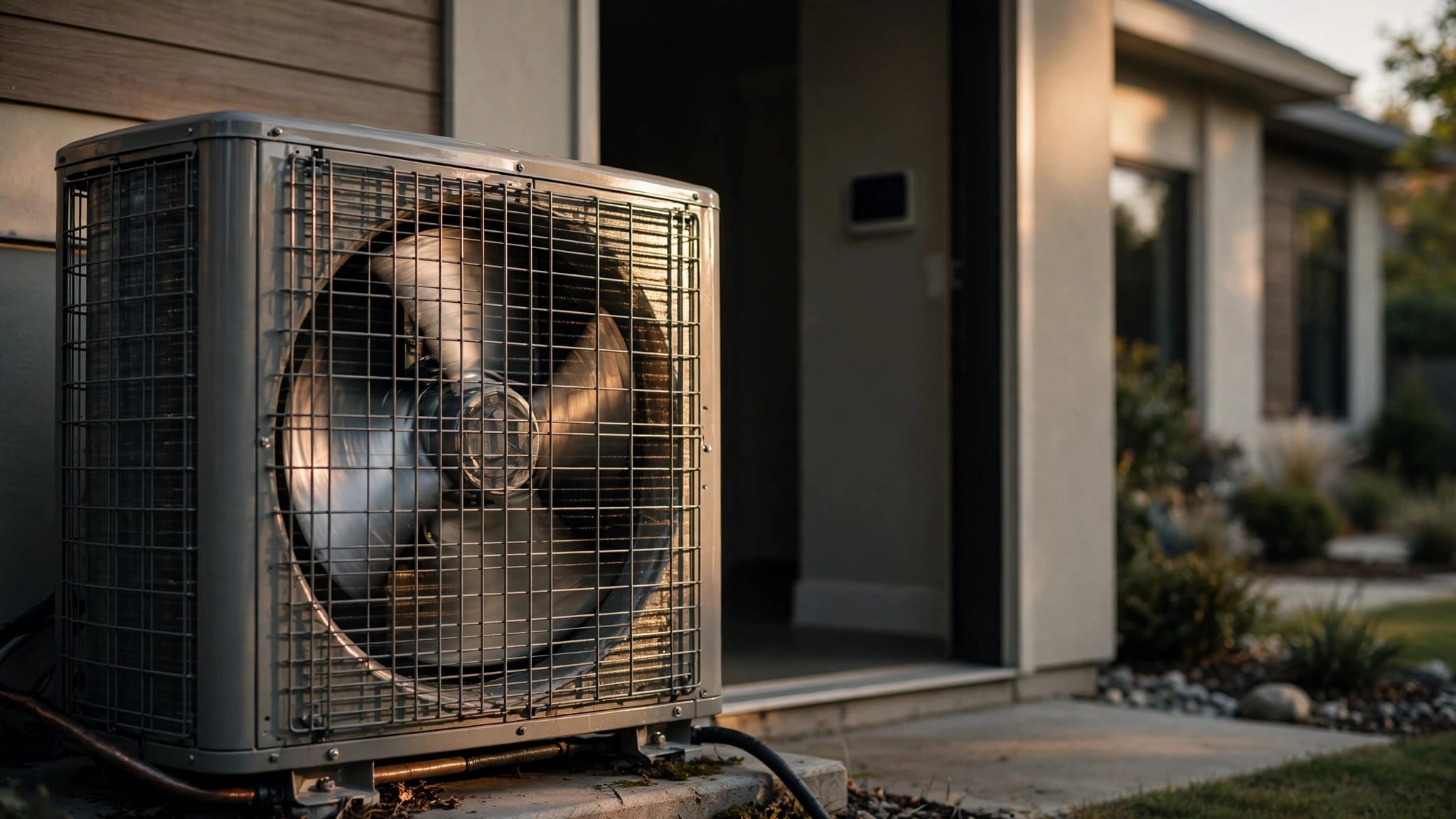
The outdoor condenser usually has a metal data plate on its side. The indoor air handler may have another plate inside the cabinet or on the exterior panel. Take clear photos of both plates, including the brand, model number, serial number, and installation date if listed.
Don't rely only on the thermostat or seller's estimate of the system's age. The manufacturer uses the serial number to identify the equipment, warranty start date, factory coverage, and sometimes the original distributor.
If a data plate is faded or damaged, check the following records:
- The original installation invoice
- Building permit or inspection documents
- Home inspection report
- Prior repair invoices
- Registration confirmation from the manufacturer
- Previous maintenance records
A licensed HVAC technician may also identify equipment details when the label is difficult to read. In Southwest Florida, Back Bay Heating & Cooling can inspect residential systems in Cape Coral and surrounding communities if you need a service record or equipment evaluation before closing.
Ask the seller for more than a warranty card
Request the original installation paperwork and any warranty registration confirmation. The installation invoice can show when coverage began, which contractor installed the system, and whether labor coverage came from the installer instead of the manufacturer.
Ask whether the seller has replaced major components, made refrigerant repairs, or received a warranty part. Those details can help the manufacturer or service company evaluate a future claim.
You should also ask whether the seller purchased an extended warranty, maintenance agreement, or home warranty plan. A plan may use a different contract number and administrator than the equipment manufacturer.
Ask these questions before closing
- When was the system installed, and who installed it?
- What is the manufacturer's name, model number, and serial number?
- Was the equipment registered, and when did the registration occur?
- Which parts, labor, and accessories remain covered?
- Has the system needed refrigerant, compressor, coil, or electrical repairs?
- Is there a maintenance agreement or home warranty contract?
- Does any coverage require an inspection, service history, or authorized contractor?
If the seller doesn't know an answer, ask for permission to contact the manufacturer or the installing contractor. A written answer is more useful than a verbal assurance during a busy closing.
At closing, preserve proof of the transfer
Keep a copy of the signed closing statement or other document showing the property conveyed to you. A warranty administrator may request proof of ownership, the closing date, the property address, and the seller's name.
Also obtain copies of:
- The equipment model and serial number photos
- Installation and repair invoices
- Registration confirmation
- Maintenance records
- Extended warranty or service contract documents
- Any transfer form completed by the seller
A manufacturer may offer an online transfer form even when Florida law automatically transfers a qualifying manufacturer's warranty. Completing an administrative update can make future claims easier, but it shouldn't replace your rights under Florida law.
The warranty term follows the equipment's original installation date. Your purchase date doesn't create a new warranty period, so record the expiration date before you file the documents.
After possession, confirm coverage in writing
Contact the manufacturer using the phone number or website listed on its official warranty page. Have your equipment serial numbers, property address, closing date, prior owner's information, and closing documents ready.
Ask the representative to confirm four details:
- Whether the warranty is active
- The exact expiration date
- Which parts and components remain covered
- Whether labor, refrigerant, diagnostics, and shipping have separate terms
Request an email or case number after the call. Save it with your closing records. If the provider's database still lists the seller, ask how to update the owner information and whether it needs a copy of your closing document.
Published manufacturer policies show why this check matters. Trane's current warranty guidance describes a 90-day transfer process and lists a transfer fee in its national materials. Carrier's homeowner information says late registration can affect coverage, with its standard late-registration result listed as five-year parts coverage without labor.
For a qualifying Florida residential HVAC transfer, state law says the manufacturer's warranty transfers automatically, can't depend on registration, and can't carry a transfer fee. If a representative quotes a fee or rejects the transfer, ask for the explanation in writing. Then discuss the issue with your closing agent, Florida real estate attorney, or another qualified professional before paying or signing additional documents.
Some plans may ask for maintenance records or an inspection. If that happens, ask whether the inspection is legally required for the manufacturer's warranty, required under a separate service contract, or simply recommended. Those situations have different consequences.
A professional system check is still useful after you move in. It can document airflow, electrical connections, condensate drainage, coil condition, refrigerant-related symptoms, and overall operation. The inspection doesn't create coverage, but it gives you a dated record of the system's condition.
For a practical list of documents and equipment details to collect, use this Florida AC warranty registration checklist. If the unit isn't cooling properly after you take possession, Contact Us to schedule a service call.
Manufacturer warranties and home warranties are different
A manufacturer's limited warranty usually covers defects in specified equipment parts. Labor may come from the installing contractor, and refrigerant, diagnostic charges, maintenance, and routine service may remain your responsibility.
A contractor's labor warranty is separate. It may cover installation workmanship for a stated period, but transfer rules depend on the contractor's agreement. Ask whether the labor warranty follows the equipment, the property, or the original customer.
A home warranty is usually a service contract from a third-party company. Providers such as American Home Shield and Choice Home Warranty don't issue the air conditioner's manufacturer warranty. Their contracts may cover service visits or certain repairs, subject to a service fee, coverage limits, exclusions, and approval rules.
| Coverage type | What it may address | What to verify |
|---|---|---|
| Manufacturer warranty | Defects in covered equipment parts | Remaining term, registration status, exclusions, and claim process |
| Installer labor warranty | Labor or workmanship connected to the installation | Transferability, expiration date, and installing company |
| Home warranty contract | Covered breakdowns under a service agreement | Transfer deadline, waiting period, service fee, maintenance rules, and limits |
Maintenance requirements also vary. One provider may ask for documented annual service, while another may exclude problems caused by neglected filters, blocked drains, corrosion, improper installation, or unauthorized modifications.
Refrigerant coverage deserves its own question. A warranty may cover a defective coil but not the refrigerant charge, leak search, recovery, or labor needed to complete the repair. Never assume a parts warranty pays the entire invoice.
Florida AC warranty transfer checklist
Use this checklist during the purchase:
- Photograph the model and serial plates on the outdoor condenser and indoor air handler.
- Collect the installation invoice, permits, repair records, registration confirmation, and service contracts.
- Ask the seller about installation date, prior repairs, maintenance, labor coverage, and home warranty plans.
- Confirm the remaining manufacturer coverage using the official warranty lookup or customer service department.
- Save the closing statement and any ownership document showing the conveyance date.
- Submit an administrative owner update if the provider offers one, but review any fee or registration demand under Florida law.
- Keep the provider's written confirmation, case number, and expiration dates in one home-maintenance file.
- Arrange an HVAC inspection if the system's history is incomplete or its operation seems questionable.
Keep the paperwork, then verify the fine print
An AC warranty transfer is easiest when you treat it as a records task, not a last-minute phone call. Find the equipment numbers before closing, preserve proof of the sale, and confirm the remaining coverage directly with the provider.
Florida law protects the automatic transfer of qualifying manufacturer HVAC warranties, but coverage still depends on the original term, covered components, exclusions, and separate labor or service agreements. Verify current terms with the applicable manufacturer or warranty company, your Florida real estate professional, and a qualified Florida attorney when a contract or dispute raises legal questions.