Indoor air can feel heavy during a Cape Coral summer, and that pushes a lot of homeowners to look at UV lights. The first question is usually simple, what does UV light installation cost in 2026, and what are you paying for?
In Cape Coral, price depends on the type of UV system, the layout of your air handler, and the labor needed to install it. The good news is that most quotes fit into a fairly clear range, so you can plan without guessing.
What Cape Coral homeowners can expect to pay
For 2026, a standard residential HVAC UV light installation in Cape Coral usually lands between $350 and $700 . Many homeowners pay around $450 for a basic setup, especially when the unit is easy to reach and the job only needs a single coil light.
More advanced systems can run higher. Whole-home air treatment units often cost $700 to $1,200+ installed, especially if the system is larger or the wiring takes more time. National pricing is broader, but Southwest Florida labor and service-call needs often pull local quotes into the middle of that range.
Here's a quick way to compare common price points:
| System type | Typical installed cost in Cape Coral, 2026 | Common fit |
|---|---|---|
| Single coil UV light | $350 to $650 | Helps reduce buildup on the evaporator coil |
| Whole-home UV air system | $700 to $1,200+ | Better for larger homes or more complex duct setups |
| Replacement bulb visit | $75 to $250 | Ongoing service after the first installation |
That table gives you a useful starting point, but the final number still depends on the home.
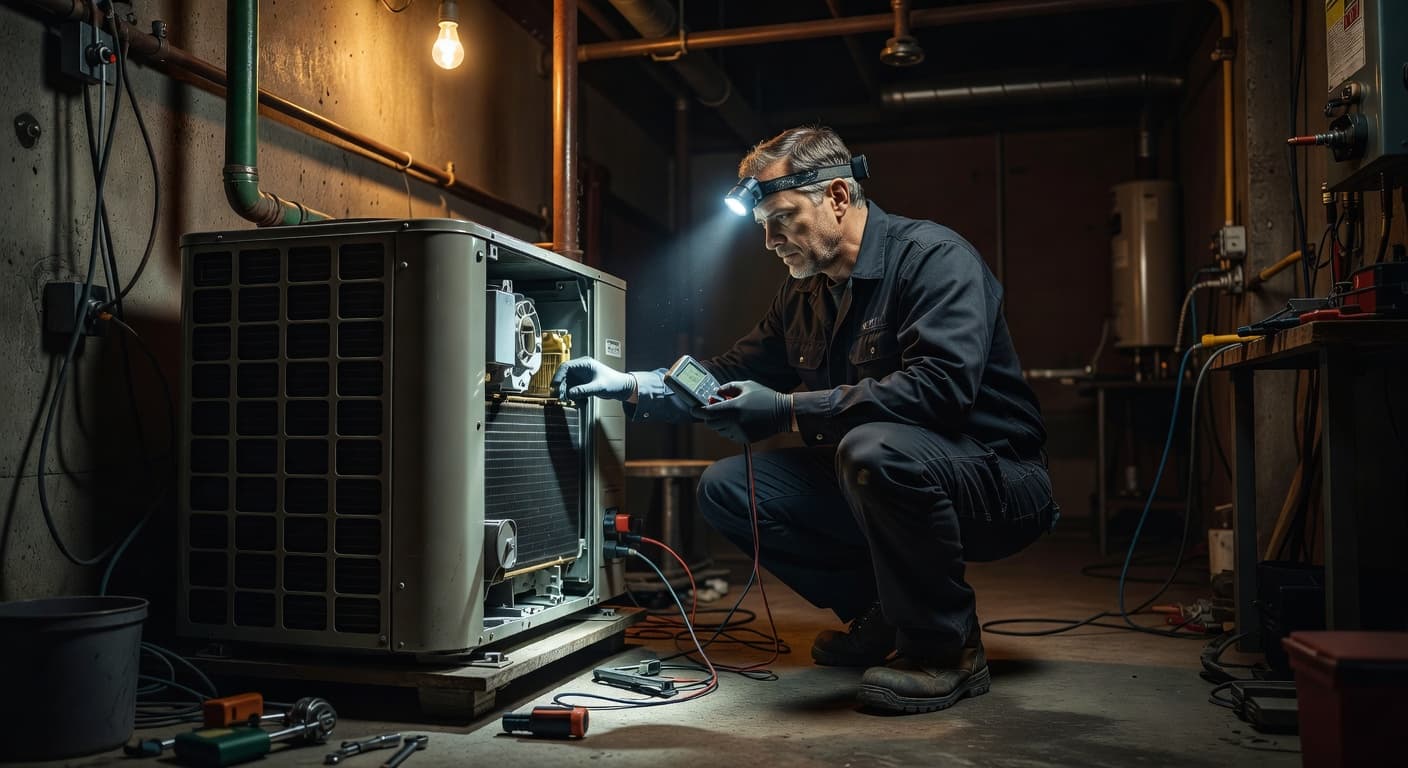
A technician usually needs to inspect the air handler before quoting the job. That visit matters because two homes can have the same AC size and still need very different installs. One may have easy cabinet access. Another may need extra wiring, mounting work, or a tighter service visit.
What changes the final price
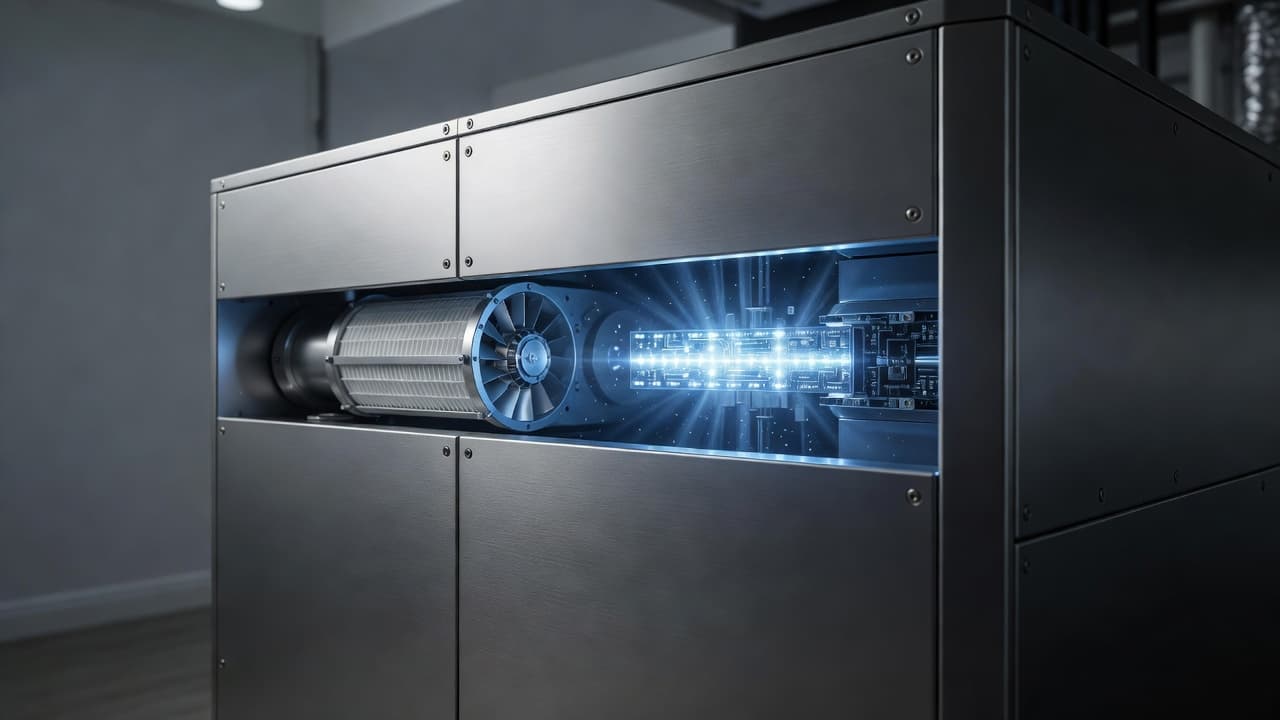
The biggest price difference usually comes down to the type of UV light . A coil-mounted unit costs less because it treats one area inside the system. A larger air-treatment setup costs more because it covers more of the airflow path and often needs more installation time.
Labor is the next big factor. In Southwest Florida, service calls often include travel, diagnostic time, and a close look at the air handler. If the technician has to work in a cramped attic, behind a tight closet door, or inside a crowded cabinet, labor climbs fast.
Other cost drivers include:
- Electrical work, if the light needs new wiring or a nearby power source.
- System access, especially when the air handler sits in a tight space.
- Equipment condition, since dirty coils or damaged parts can add prep work.
- Brand and bulb type, because some lamps cost more up front and more to replace later.
A clean, easy install can stay near the lower end of the range. A harder job with add-on wiring or limited access can move the price up quickly.
The quote should spell out more than one number. It should show the equipment cost, the labor charge, and whether the bulb or ballast is included. If those parts are missing, the total can look low at first and grow later.
Why Southwest Florida homes often get more value from UV lights
Cape Coral homes deal with long cooling seasons, sticky air, and plenty of moisture. That combination gives mold and biofilm more time to grow on the indoor coil. A UV light helps with that because it shines where moisture tends to collect.
That is why many homeowners look at UV lights after they notice a musty smell, repeated coil buildup, or more frequent drain issues. The light does not replace a filter or a full cleaning, but it can help keep the coil cleaner between service visits.
In Cape Coral, the best value often comes from the light that matches your coil, your humidity, and your maintenance habits.
High AC use also matters. When your system runs for long stretches, the coil stays damp longer. That is common here in summer and during humid shoulder seasons. More runtime can mean more wear on indoor parts, so a UV light can make sense even when the system still cools fine.
A local pro who handles HVAC installation and repair services can check whether your system needs a coil light or a larger air treatment unit. That inspection helps you avoid paying for more coverage than your home really needs.
Homes near the coast can also benefit from more frequent system checks. Salt air, high humidity, and heavy seasonal use all put pressure on the indoor unit. That does not mean every home needs the same setup. It does mean Cape Coral homeowners should look at the UV light as part of the full cooling system, not as a stand-alone fix.
Ongoing ownership costs after installation
The first install is only part of the price. Most UV bulbs need replacement every 12 to 24 months, although some systems and operating conditions shorten that window. The bulb itself often runs $75 to $150 , and a service visit can bring the total to $125 to $250 .
That ongoing cost is easy to miss when you compare quotes. A cheaper install can become expensive if the bulb is hard to reach or if the system needs special parts later. On the other hand, a well-placed light with easy access can keep maintenance simple.
Routine service matters too. The quartz sleeve around some lamps can collect dust or residue. When that happens, output drops. During scheduled maintenance, a tech can clean the sleeve, confirm the bulb is working, and check that the light still reaches the right part of the coil.
A routine HVAC system maintenance plan can help here. It keeps the UV light on the checklist along with filters, drain lines, and coil condition. That matters in Cape Coral because a UV lamp does its best work when the rest of the system stays clean.
Plan for these ownership costs:
- Bulb replacement every year or two.
- A service visit for inspection and cleaning.
- Possible ballast or power supply replacement later on.
- Extra labor if the light sits in a hard-to-reach spot.
Those costs are not huge, but they should be part of your budget. A UV light is a small piece of equipment, yet it needs regular attention to stay useful.
How to get a fair quote in Cape Coral
The best quotes are clear. They tell you what kind of UV light you are getting, where it will be mounted, and what labor is included. They also explain whether the price covers the bulb, the ballast, startup testing, and any needed wiring.
When you compare estimates, ask for the installed price in writing. Then check whether the quote includes a service call or diagnostic fee. That detail matters because a low advertised price may not include the first visit.
It also helps to ask how the installer plans to handle your specific system. A company that knows local equipment and coastal humidity can often spot issues faster. If you want a local price based on your air handler, Contact Us to schedule a service call.
A fair estimate should answer a few simple questions without making you chase details. What light are you getting? How long will the install take? What costs are recurring? Once those answers are clear, the decision becomes much easier.
Conclusion
Cape Coral homeowners looking at UV light installation in 2026 should expect a practical, not mysterious, price range. Most standard installs land around $350 to $700 , while more advanced systems can push above that when labor and access get harder.
The real value comes from matching the light to your home's humidity, coil condition, and system layout. If you focus on the installed price, the replacement bulb cost, and the maintenance schedule, you'll have a much better picture of the full UV light installation cost before you commit.