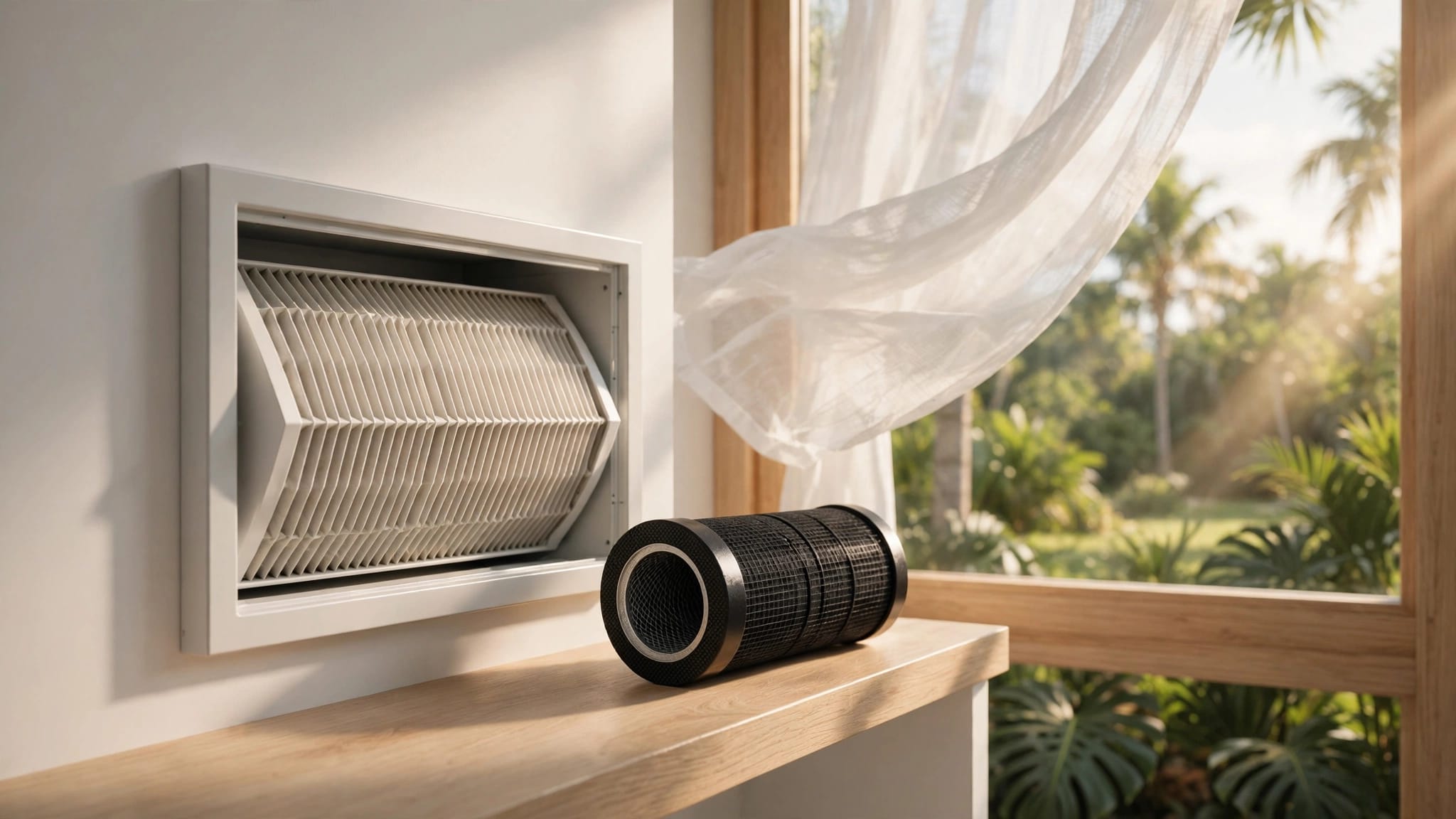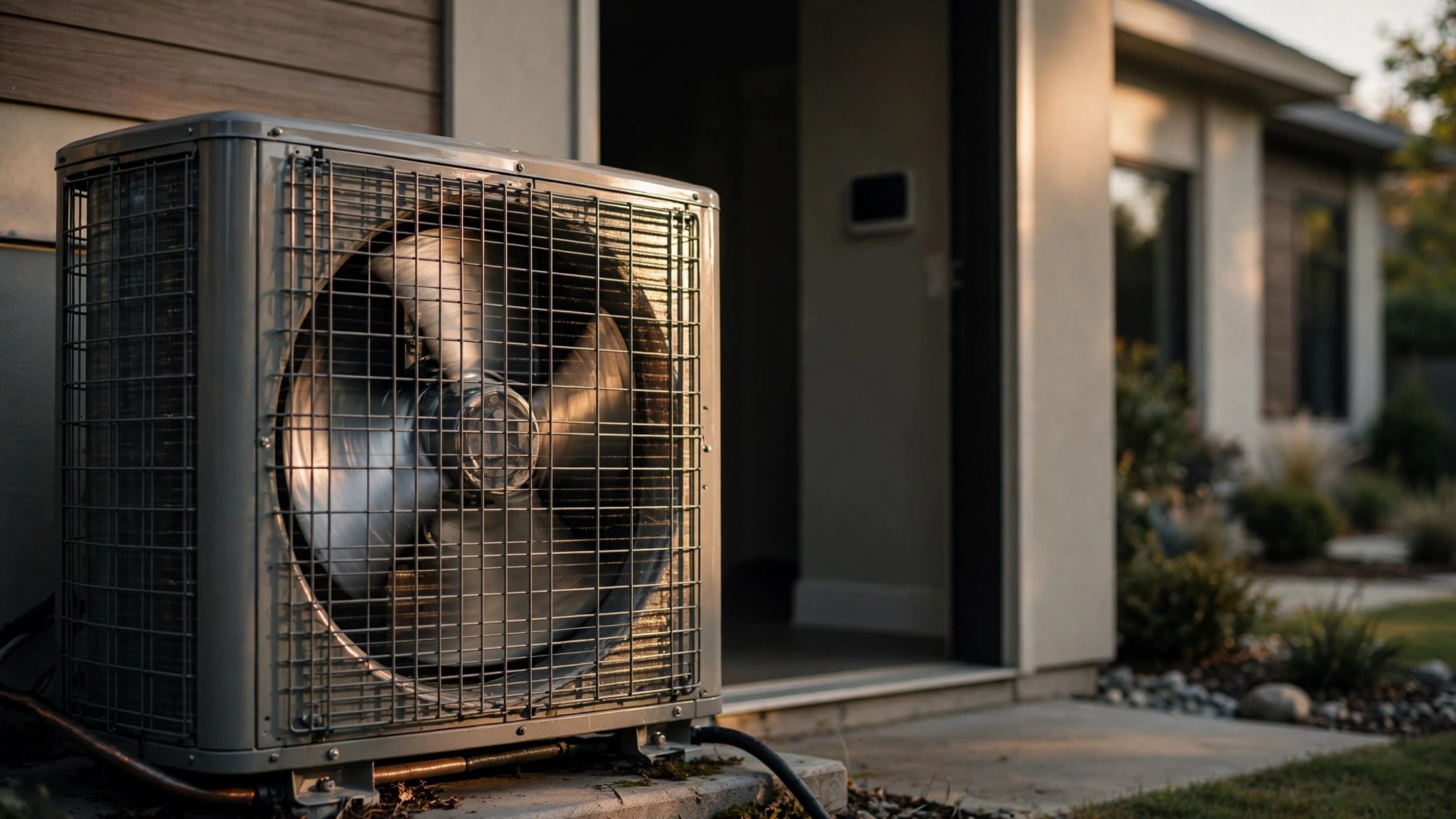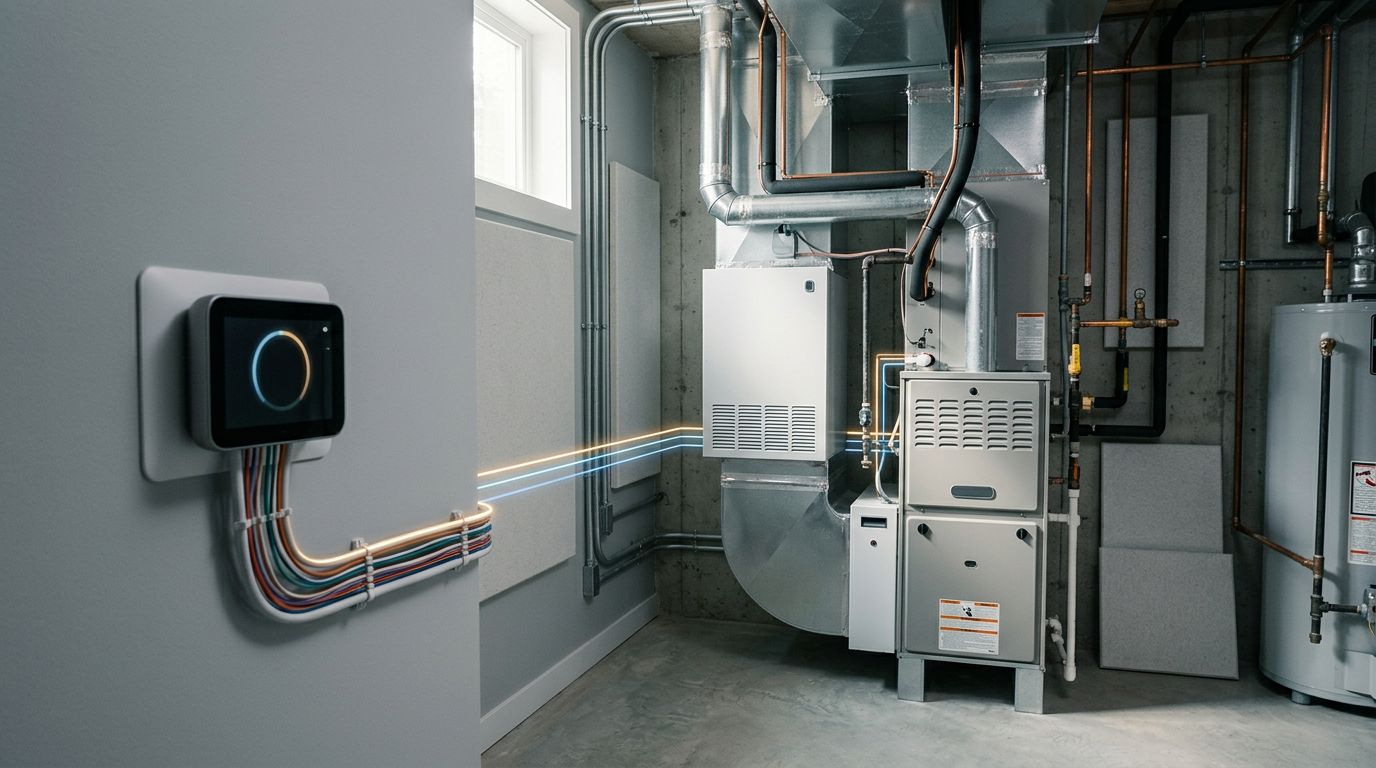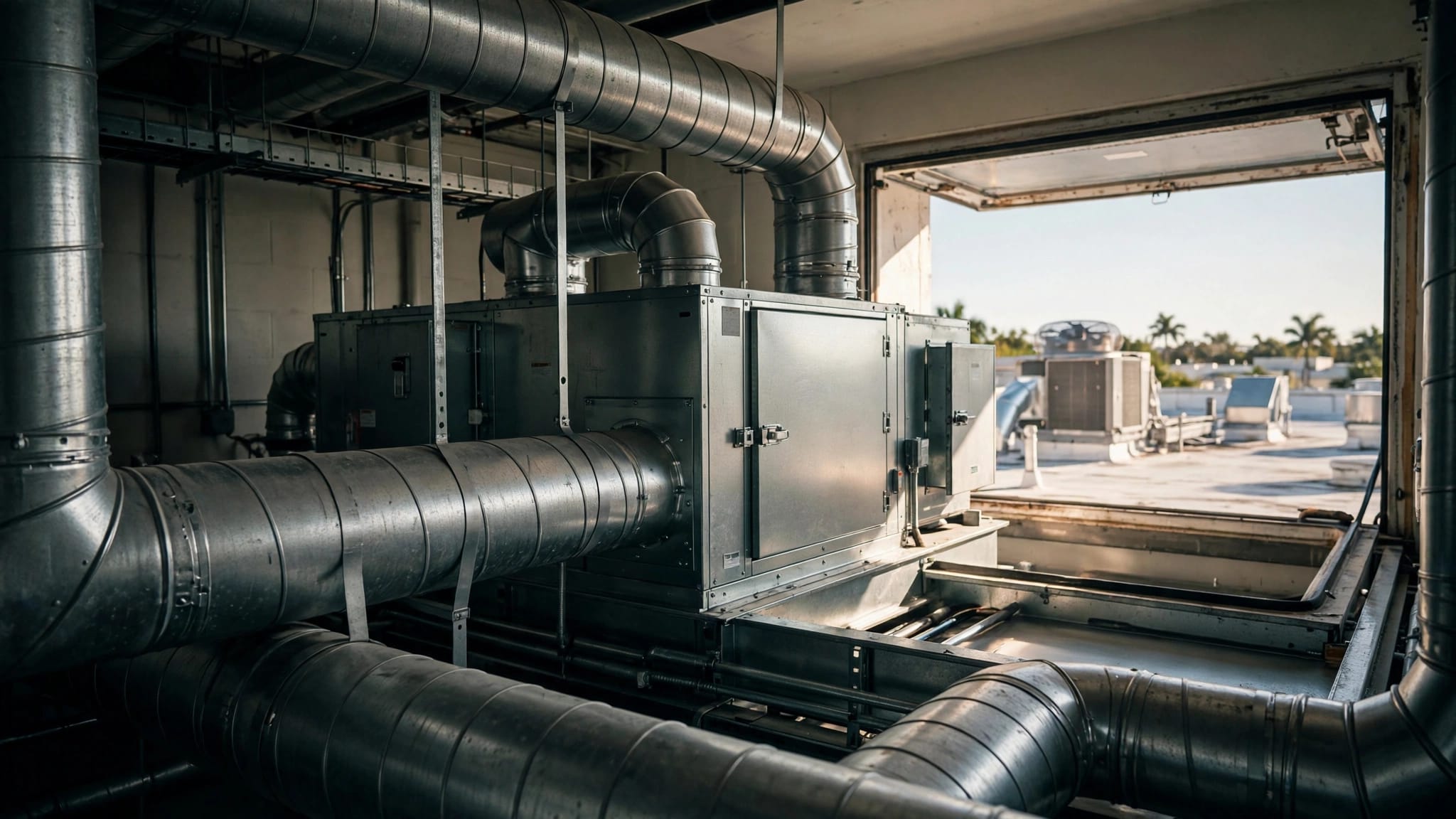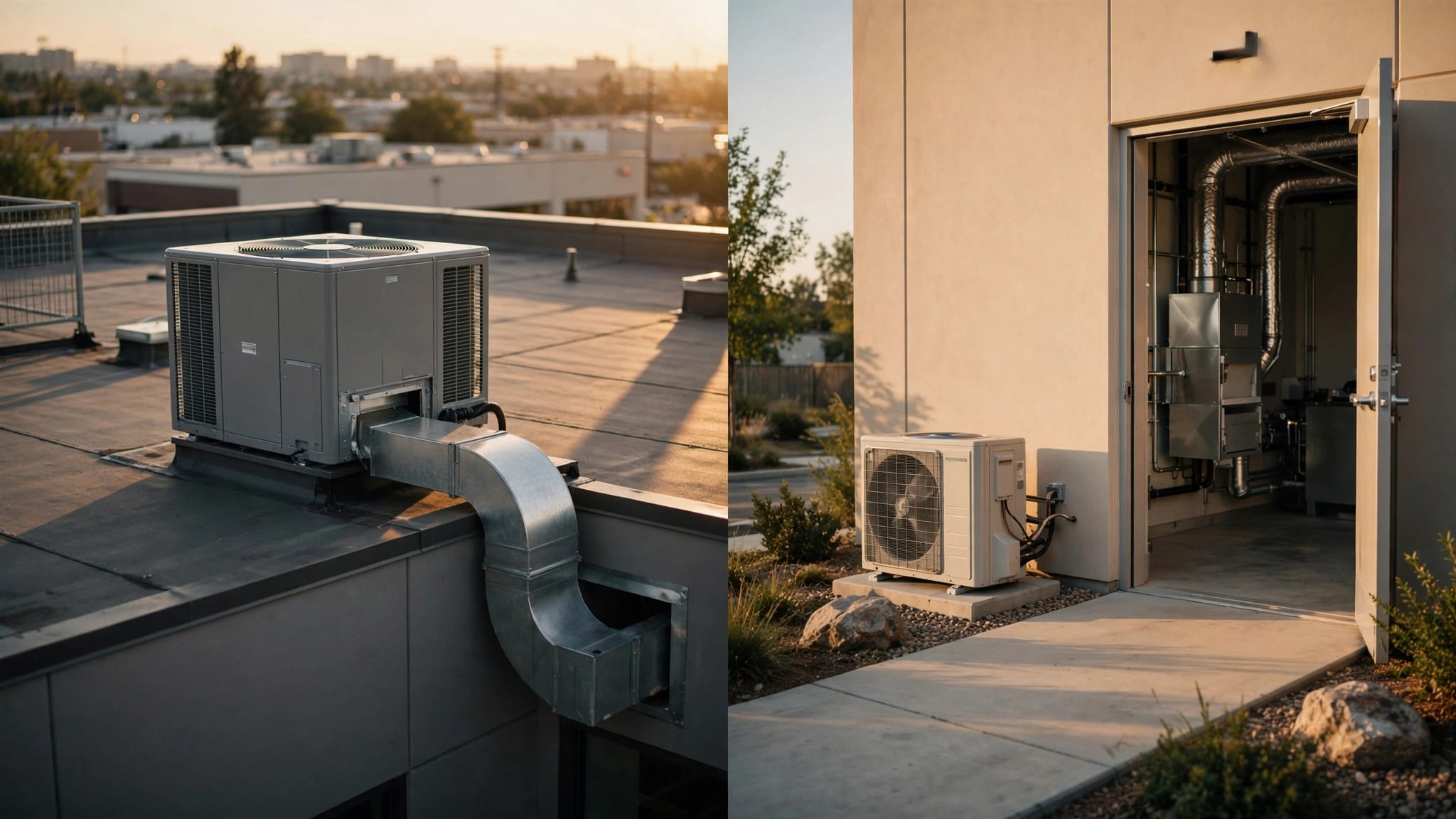
A condensate pump rarely costs a fortune, but a bad one can still spill water across a closet, attic, or garage. In Cape Coral, condensate pump replacement cost in 2026 usually lands between $100 and $450 for the part and labor together.
That range covers most homes, but the final bill depends on access, the pump brand, and whether the drain line or safety switch needs extra work. If your AC runs hard, which it often does here, the pump can fail sooner than you expect.
What Cape Coral homeowners can expect to pay
For a straightforward replacement, most homeowners fall in the middle of the price range. A pump that is easy to reach, with no extra cleanup, usually stays on the lower end. A job that includes a clogged drain, an overflow switch issue, or tight attic access can move toward the top end.
Here is a simple breakdown of the 2026 estimate:
| Replacement scenario | Typical price in Cape Coral | What it usually includes |
|---|---|---|
| Basic replacement | $100 to $200 | Standard pump, easy access, simple swap |
| Common full replacement | $200 to $300 | New pump, install, testing, minor drain work |
| Higher-cost repair visit | $300 to $450 | Hard-to-reach unit, switch work, cleaning, extra labor |
The middle range is the one most homeowners should budget for. In other words, if you want a realistic number, plan for about $200 to $300 unless the system has extra problems.
Cape Coral repair prices across larger AC jobs often run much higher than this, so a condensate pump swap is usually one of the lighter repairs. Still, a small part can cause a big mess if it stops doing its job.
What the replacement visit usually covers
A proper replacement is more than pulling out an old pump and dropping in a new one. The technician should check the whole drain path, because a new pump will not fix a clogged line by itself.
Most service calls include:
- removal of the failed condensate pump
- installation of the new pump
- reconnecting the drain tubing
- checking the float or overflow safety switch
- testing the pump with the air conditioner running
- making sure water moves out of the system cleanly
If the old pump failed because of sludge or algae, light cleaning may be part of the job too. That cleanup can save trouble later, especially in Florida homes where moisture hangs around.
A cheap pump swap can turn into a bigger bill if the drain line, float switch, or pan also needs attention.
When the technician finds standing water, rust, or a backed-up drain, the visit takes longer. That extra time can raise labor costs even if the new pump itself is not expensive.
Why Cape Coral homes wear condensate pumps out faster
Florida humidity is hard on HVAC equipment. Cape Coral homes also tend to run air conditioning for long stretches, which means the condensate pump keeps cycling more often than it would in a cooler climate.
That constant use matters. The pump has to move water out of the system every time the coil pulls moisture from the air. Over time, warm damp conditions can lead to algae, sludge, and sticky buildup inside the reservoir or tubing.

That buildup can slow the float, jam the pump, or trip the overflow safety switch. When that happens, your AC may shut down even though the rest of the system is fine. It feels like a bigger problem than it is, but the water protection is doing its job.
Humidity also affects neglected systems faster than well-kept ones. A pump that is cleaned regularly can last longer and work with less strain. A dirty one may start making noise, cycle on and off, or fail without much warning.
What changes the final bill
The quoted price for a replacement is only part of the story. Several small details can nudge the total up or down.
Access is one of the biggest factors. A pump mounted in an open closet is simpler than one tucked into a cramped attic or behind ductwork. The harder it is to reach, the more labor the job takes.
The pump brand also matters. Basic models cost less, while heavier-duty units or name-brand replacements usually cost more. The difference is not always huge, but it does show up on the invoice.
Drain-line condition can change the total too. If the tubing is clogged, kinked, or coated in buildup, the technician may need to flush or replace part of it. That adds time, and time adds cost.
The safety switch is another common issue. If the float switch has failed or the system needs a new overflow cutoff, the repair is no longer a simple pump change. That extra part is small, but it protects the house from water damage, so it matters.
Finally, emergency timing can affect price. After-hours service, weekend calls, and same-day work may cost more than a scheduled weekday visit. If the pump failure is causing water to spread, though, waiting is the more expensive option.
Repair, replacement, or a maintenance plan?
Not every pump problem calls for a full replacement. Sometimes the issue is a clogged line, a stuck float, or a dirty reservoir. In those cases, cleaning or a smaller repair can be enough.
Replacement makes more sense when the pump motor fails, the unit keeps tripping, or the housing is cracked. If the pump has already overflowed once and keeps acting up, replacing it is usually the safer choice.
Regular maintenance can help you avoid repeat problems. A Cape Coral HVAC preventative maintenance plan keeps an eye on drain lines, float switches, and other parts that often fail together. That kind of service is especially useful in a place where the AC works hard for most of the year.
If you see water around the air handler, hear the pump running nonstop, or notice the system shutting off for no clear reason, it's time to get it checked. You can Contact Us for 24/7 service and schedule a service call before a small leak turns into a bigger cleanup.
Conclusion
For most Cape Coral homeowners, the 2026 replacement cost for a condensate pump is manageable, usually somewhere between $100 and $450 . The sweet spot is often around $200 to $300 , especially when the job is simple and the drain line is clear.
What changes the bill is usually not the pump alone. Access, sludge buildup, overflow switch issues, and extra drain work all matter.
If your AC runs hard and the pump is already showing signs of trouble, a prompt repair is cheaper than water damage. In a humid Cape Coral home, that small box in the drain line can make a bigger difference than it looks.