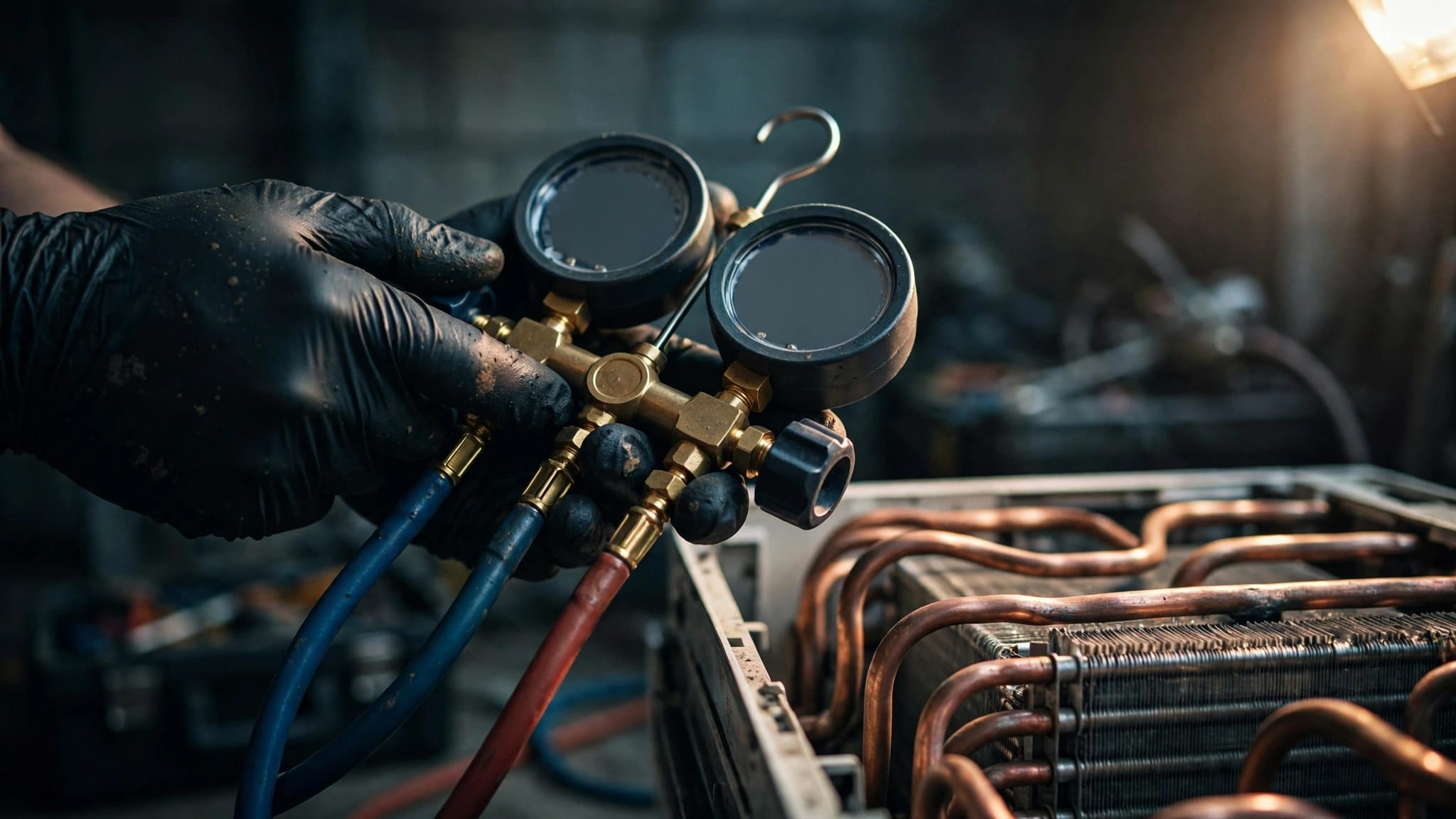
An AC blower motor replacement in Cape Coral can cost far less than a new system, but the final bill still moves around a lot. In 2026, many homeowners will see totals between about $500 and $2,300 , with most jobs landing closer to the middle when the system is standard and easy to reach.
That range can climb fast if the motor is ECM, the air handler sits in a tight attic space, or the call happens during peak summer demand. In Cape Coral, that matters because air conditioners work hard, humidity stays high, and coastal wear can shorten part life.
The price makes more sense once you know what the blower does, what the quote includes, and when repair is still on the table.
What the blower motor does when your AC is running
The blower motor pushes cooled air through the ducts and into your rooms. When it weakens, the house can feel sticky even though the thermostat says the system is running. In Cape Coral, that shows up fast because the AC barely gets a break.

Low airflow often shows up first. Weak airflow from your vents is a common clue, especially when the filter is clean and the rest of the system seems fine. Buzzing, grinding, or a fan that keeps running too long are other warning signs, and buzzing AC noise causes can help separate fan trouble from a simple electrical issue.
Watch for these signs:
- Weak or uneven airflow at the vents
- A humming or buzzing indoor unit
- The fan running much longer than normal
- Warm spots, sticky rooms, or rising indoor humidity
If you notice more than one of those symptoms, the motor may be close to failure. That risk goes up when the unit is older or the housing shows signs of corrosion.
AC blower motor replacement cost in Cape Coral for 2026
This table shows realistic 2026 price ranges for Cape Coral homes. The figures below include parts and labor.
| Motor type or job | Typical total cost | What it usually means |
|---|---|---|
| Basic PSC motor | $500 to $1,400 | Lower part cost, simpler setup, standard labor |
| ECM or variable-speed motor | $800 to $2,300 | Higher part cost, more setup, more calibration |
| Labor only | $150 to $525 | Depends on access, urgency, and local labor rates |
| Common middle range | $550 to $1,200 | Many homes with standard access and routine replacement |
Most standard jobs land in the middle range, especially when the motor is a common PSC model and the air handler is easy to reach. ECM motors usually cost more because the part is pricier and the installation often takes more time.

A low estimate looks good until it leaves out labor, a capacitor, or the extra time needed to pull a motor from a tight air handler.
A quote that only gives one flat number is harder to trust. A quote that spells out the motor model, labor, and testing is much easier to compare.
What changes the price in Cape Coral
Motor type matters first. PSC motors are simpler, so they usually cost less. ECM motors cost more because they are tied to variable-speed operation and need a more exact fit. If your home uses a larger tonnage system, the motor can also run higher in price.
Access matters almost as much. Many Cape Coral homes have air handlers in attics, closets, or tight utility spaces. That makes the job slower and can raise labor charges. Salt air near the coast can also corrode fasteners and connectors, which adds removal time.
Timing plays a big role too. Peak cooling season often brings higher demand, and emergency calls outside regular hours usually cost more. When a technician has to come out at night or on a weekend, the labor number can shift quickly.
Humidity and heavy use add their own strain. A blower that runs for long stretches in a damp, dusty home has a harder life than one in a milder climate. Over time, that wear can shorten the motor's life and make replacement more likely.
When repair is enough and when replacement is smarter
A bad motor is not the only thing that can hurt airflow. A failed capacitor, a stuck relay, a control board issue, loose wiring, or a dirty blower wheel can create the same symptoms. In those cases, a repair may solve the problem for much less than a full motor replacement.
If the fan keeps running after the cooling cycle ends, AC fan runs all day is worth a look, because the issue may sit in the relay or control system instead of the motor itself.
Replacement starts to make more sense when the motor sounds rough, the shaft wobbles, the breaker trips, or the windings burn out. ECM motors also leave less room for a cheap fix, so replacement is often the practical path.
- Repair is more likely when the problem is electrical or tied to a small part.
- Replacement is more likely when the motor is noisy, seized, or burned out.
- Replacement is often smarter when several parts are failing at once.
If the quote for repairs keeps creeping toward the cost of a new motor, replacement usually becomes the cleaner choice. That is especially true when the unit is older and already showing corrosion.
What a good quote should include
A solid quote should list the diagnostic fee, the motor model, labor, and any small parts needed to finish the job. Ask whether the price includes a capacitor, wiring repairs, testing, and removal of the old part.
After-hours charges matter too. Urgent service can push the price above the normal range, especially during a Cape Coral heat wave. A fair estimate should make those fees clear before work starts.
If you need help right away, Contact Us for 24/7 service and a service call.
Conclusion
Blower motor replacement in Cape Coral usually falls between $500 and $2,300 in 2026, with most standard jobs sitting closer to the middle. The exact number depends on the motor type, the size of the system, how hard it is to reach, and whether you call during peak season.
A weak blower often starts with small clues, like low airflow, buzzing, or a fan that runs too long. Catching those signs early gives you a better shot at a repair before the problem spreads.
The best estimate is the one that tells you exactly what is being replaced, what labor is included, and what still needs testing after the job is done.