That low hum from your AC unit turns into a persistent buzz on a sticky Cape Coral evening. You wonder if it's just settling or something worse. AC buzzing noise in Cape Coral often signals trouble from our intense heat and humidity.
Homeowners here know the drill. Units run nonstop in summer. A buzz can mean wear from salt air or storms. Don't ignore it. You risk bigger breakdowns or safety issues.
Let's break down the reasons. Then you'll know your next steps.
Common Causes of That Pesky AC Buzzing Noise
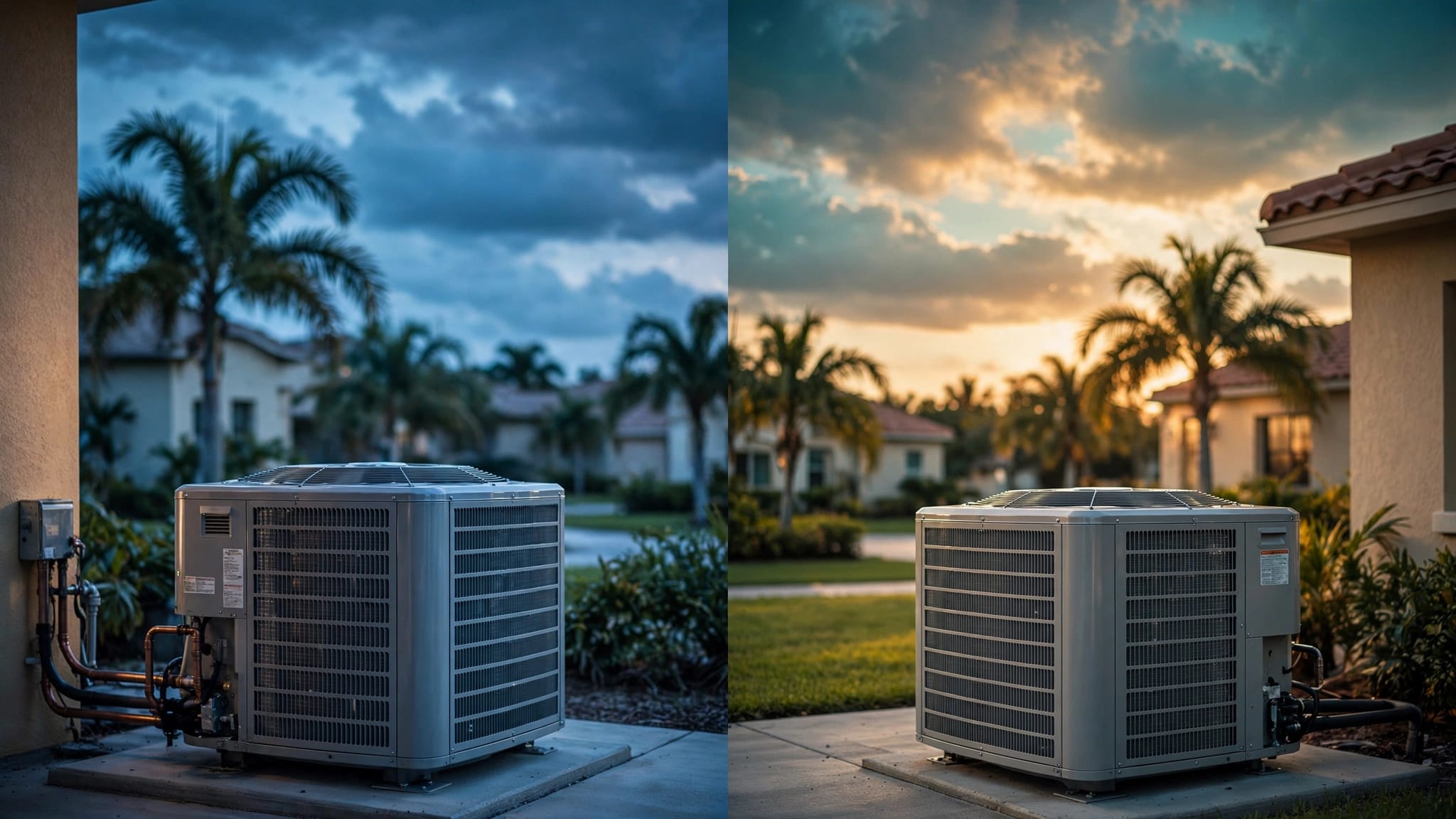
Debris clogs fans in Cape Coral yards after storms. Leaves and palm fronds jam the condenser. The motor strains. That creates a buzzing sound as blades fight to spin.
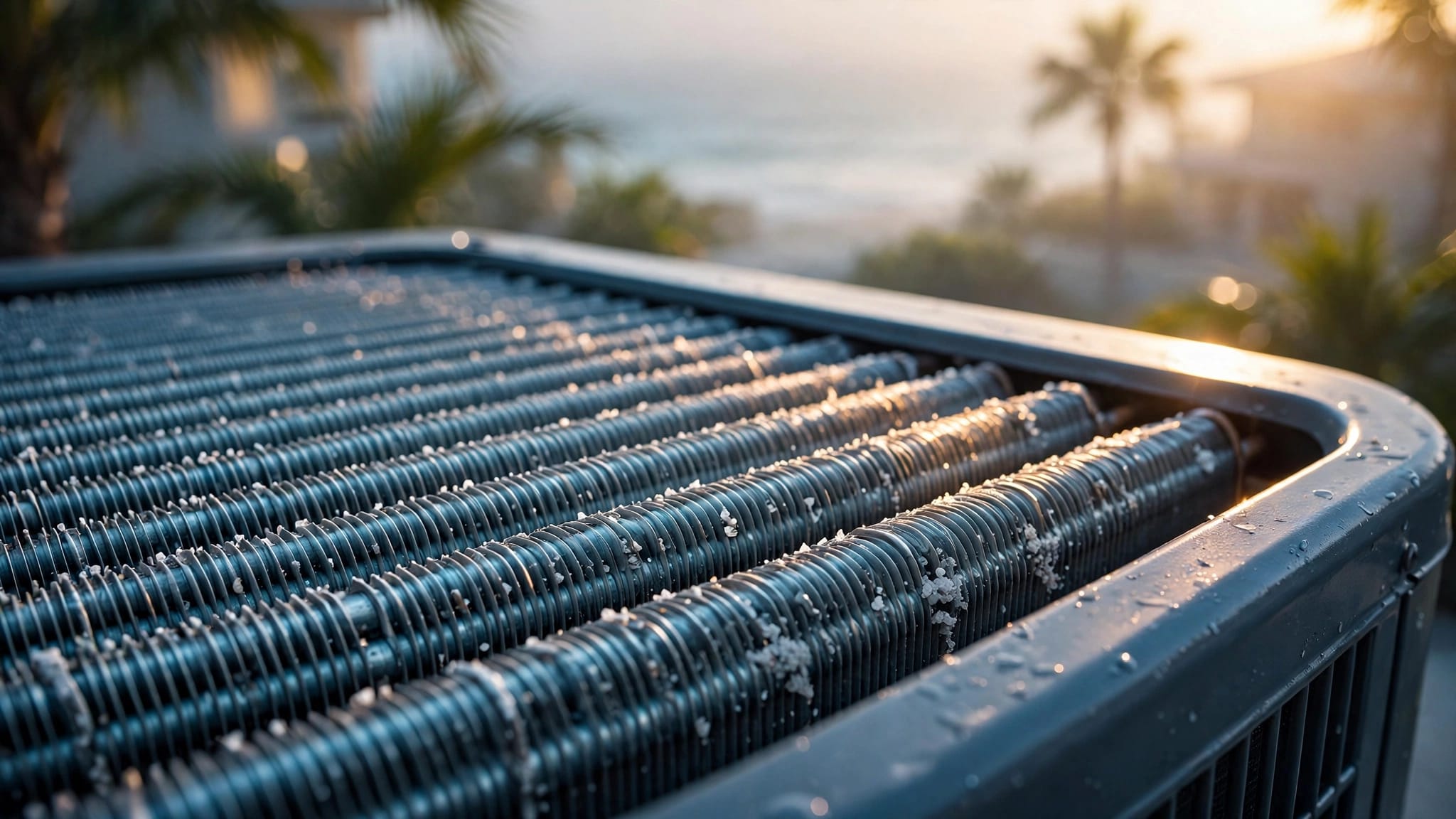
Salt air corrodes parts too. Humidity mixes with coastal salt. It eats at fan blades and coils. Loose bits vibrate. Buzzing follows.
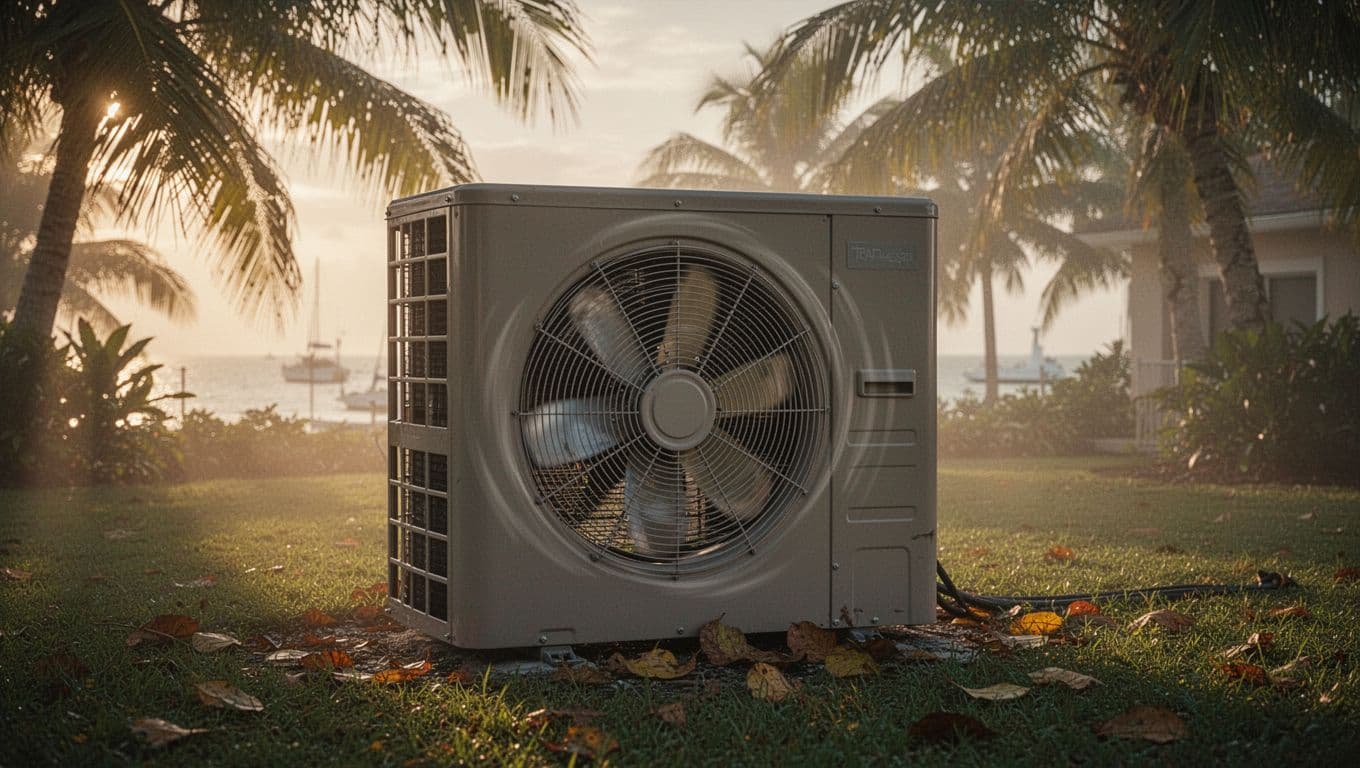
Failing bearings in the fan motor cause vibration. Heat speeds this up. Units here endure 90-degree days plus. Bearings wear fast. They buzz under load.
Low refrigerant adds pressure. Coils ice over in humid air. The system labors. Buzzing starts from uneven operation.
Check common AC problems in Cape Coral homes. These factors hit local systems hard. Storms bring twigs and dirt. They build up quick.
Electrical Issues Behind the Buzz
Loose wires spark minor vibrations. Contactors fail first. They click on power but buzz if pitted from humidity.
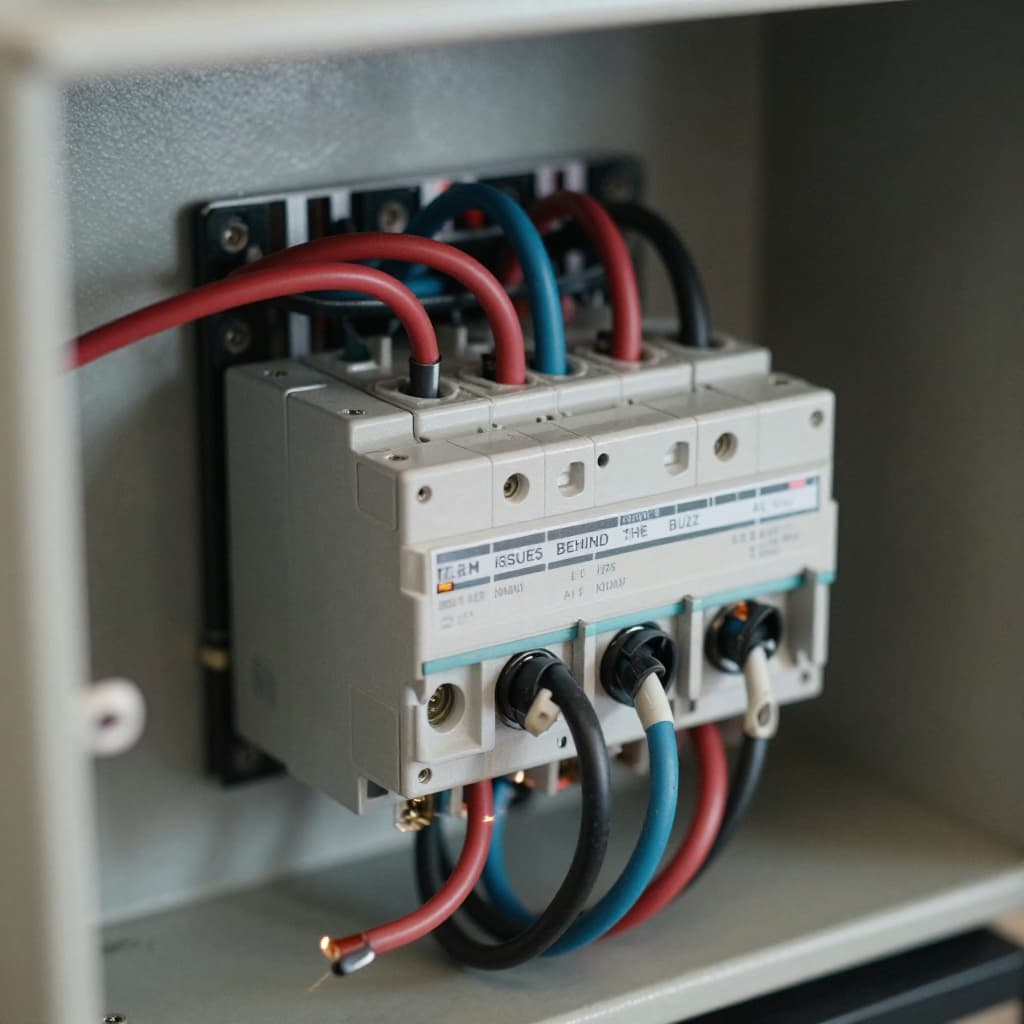
Capacitors weaken in heat. They store power for startup. A bad one hums or buzzes. Salt air speeds failure. Connections corrode.
Bad relays chatter. They switch power but stick. Buzzing comes from rapid on-off cycles.
These issues grow in Southwest Florida. Moisture creeps into panels. It causes shorts. Always shut off power first. Safety matters around electricity.
How Cape Coral Weather Fuels AC Buzzing
Our heat pushes units to limits. They cycle more. Parts loosen over time. Buzzing starts subtle then grows.
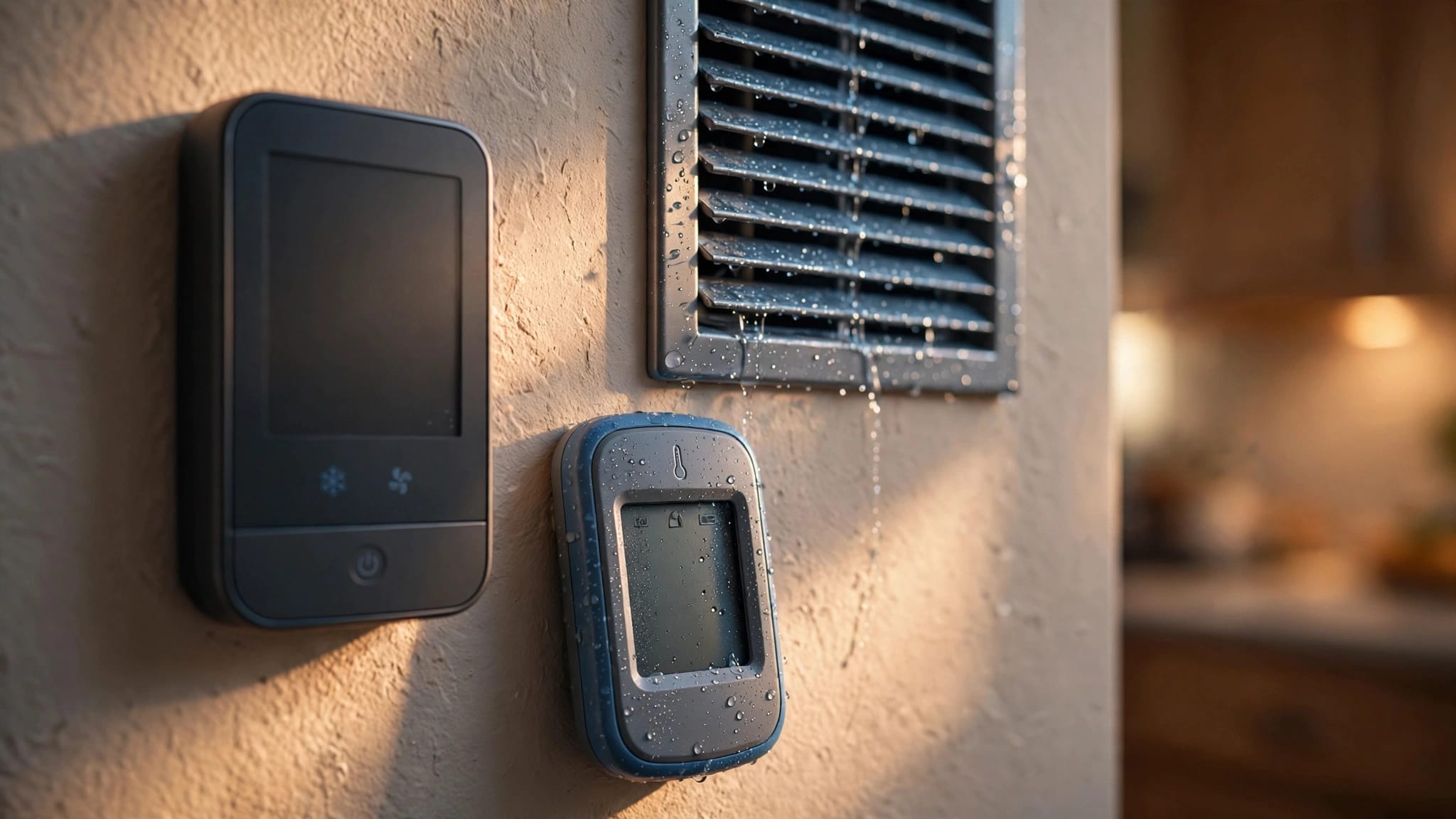
Humidity clogs drains. Water backs up. Pans vibrate. That adds to noise.
Salt-laden winds pit metals. Fans wobble. Debris from hurricanes piles up. Motors buzz against resistance.
Storms spike power surges. Breakers trip. Units restart rough. Buzzing signals stress.
Local conditions demand extra care. Routine checks catch this early. For example, clear yards after rain. It prevents buildup.
Safe Troubleshooting Tips at Home
Turn off the thermostat first. Listen close. Does buzzing stop? It's likely the indoor blower.
Check the outdoor unit. Clear leaves gently. No tools near blades. Power stays off.
Inspect filters. Dirty ones strain blowers. Buzzing follows poor airflow. Replace if clogged.
Look for ice on lines. Low refrigerant causes this. Don't chip it. Shut down and wait.
Reset breakers. If tripped often, note it. Warm air or smells mean stop everything.
These steps stay safe. They spot basics. No opening panels. Electricity kills.
See signs AC needs maintenance Cape Coral. Noises top the list.
When to Call Cape Coral Pros
Burning smells scream danger. Shut off now. Call experts. Wires may melt.
Warm air blows? Compressor fails. Buzzing pairs with it often.
Breaker trips repeat? Overload from faults. Pros diagnose fast.
Unit won't start right? Don't force it. Bad capacitors buzz on try.
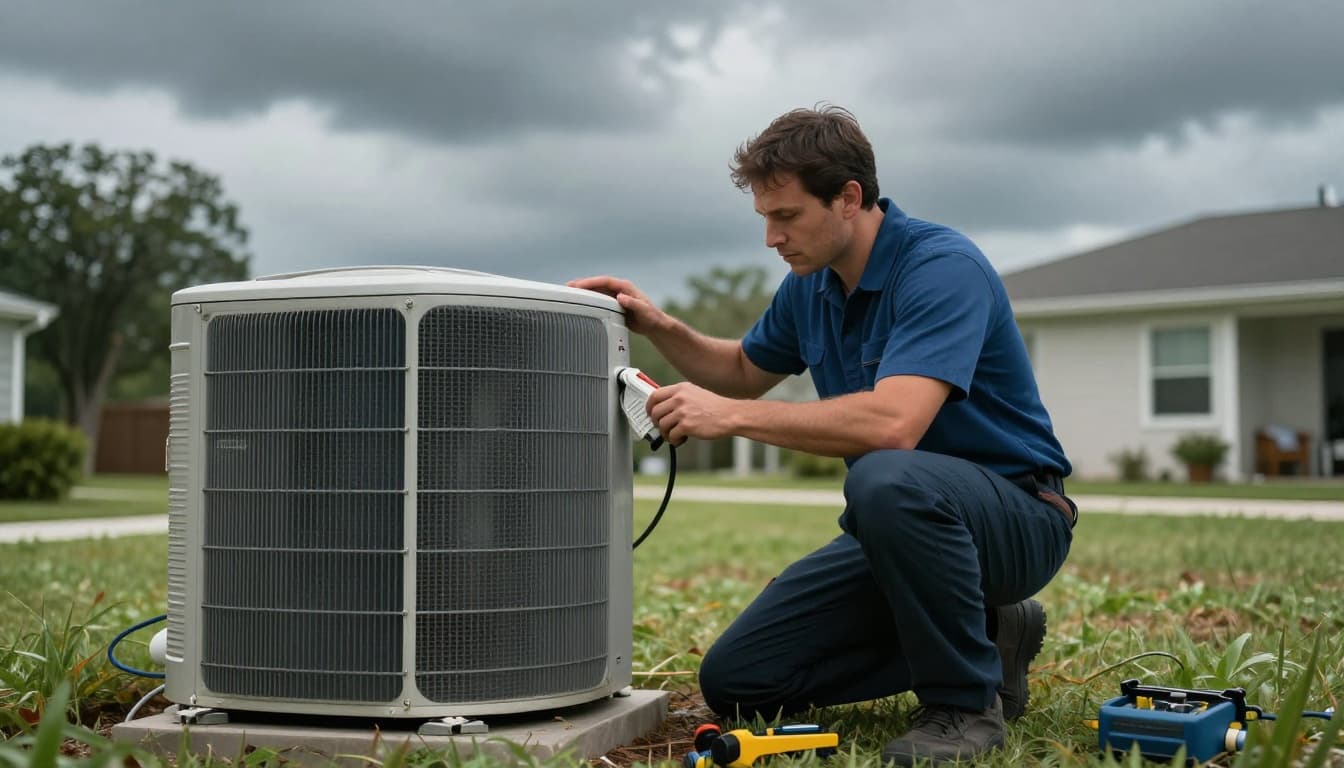
Leave electrics to AC repair services Cape Coral. EPA techs handle refrigerant safe.
Contact Us for same-day help. We know local wear.
Stay Cool Without the Buzz
Buzzing ACs in Cape Coral stem from our tough climate. Debris, salt, heat all contribute. Electrical faults buzz loudest.
Safe checks help. Pros fix roots. Act quick for comfort.
Your unit lasts longer with care. No more midnight buzzes. Enjoy cool nights ahead.