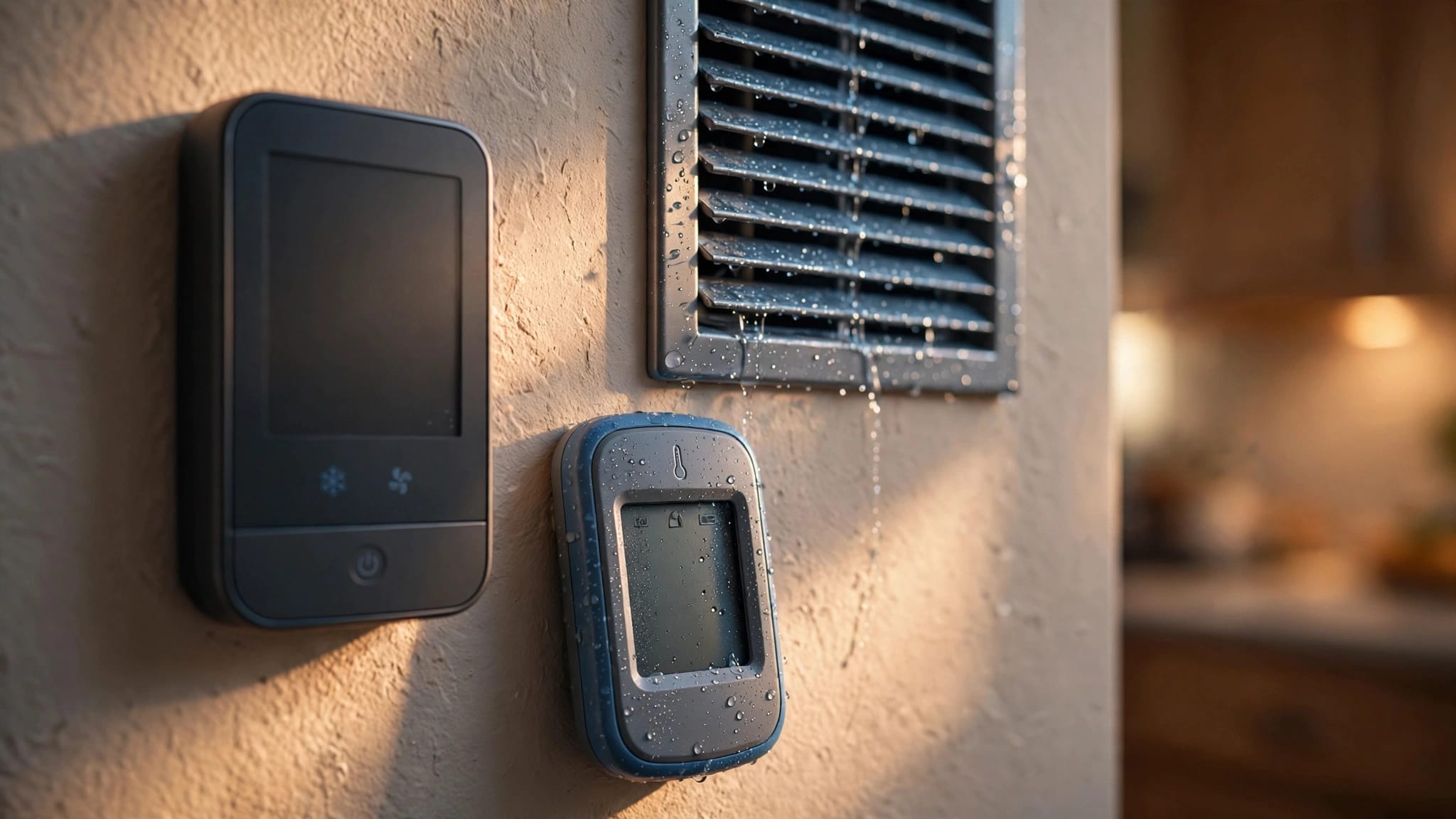
Your AC can be running, the air can even feel cool, and your home can still feel stuffy. In Cape Coral, that problem shows up fast because AC systems work hard for most of the year.
When homeowners talk about weak airflow vents , they usually mean the air coming from the register feels faint, not forceful enough to move through the room. That points to an airflow problem, which is different from an AC that blows plenty of air but doesn't cool it well.
Weak airflow and weak cooling are not the same thing
A lot of people lump these problems together, but they aren't identical. If the air at the vent feels cold but barely moves, your system may still be cooling the air. It just isn't delivering enough of it. That usually means weak AC airflow .
If the airflow feels strong but the air is warm or only slightly cool, that leans more toward a cooling issue. Refrigerant, compressor trouble, or thermostat problems may be involved. In other words, temperature and air volume are two different parts of the same system.
This quick guide helps separate the symptoms:
| What you notice | What it often means |
|---|---|
| Cool air, but it barely moves | Airflow restriction or blower issue |
| Strong air, but it isn't cold | Cooling problem |
| One room is weak, others feel normal | Duct leak, closed damper, or blocked vent |
| Whole house has low airflow from vents | Filter, coil, blower, or return issue |
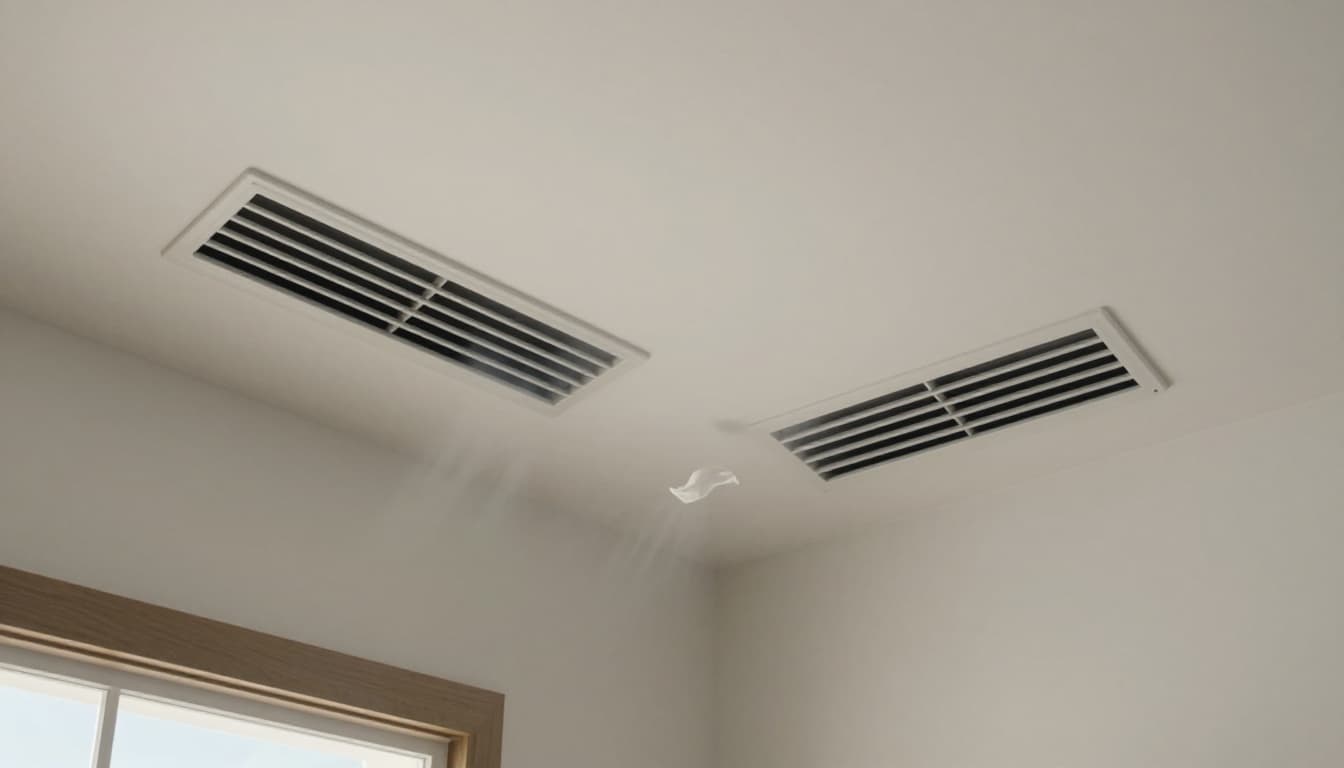
The easiest home test is simple. Hold your hand or a tissue near a few vents. If the air feels cool but weak in most rooms, the problem is likely air delivery, not temperature alone.
Cold air with little force usually means the system can cool, but it can't move enough air through the house.
Why low airflow from vents happens so often in Cape Coral
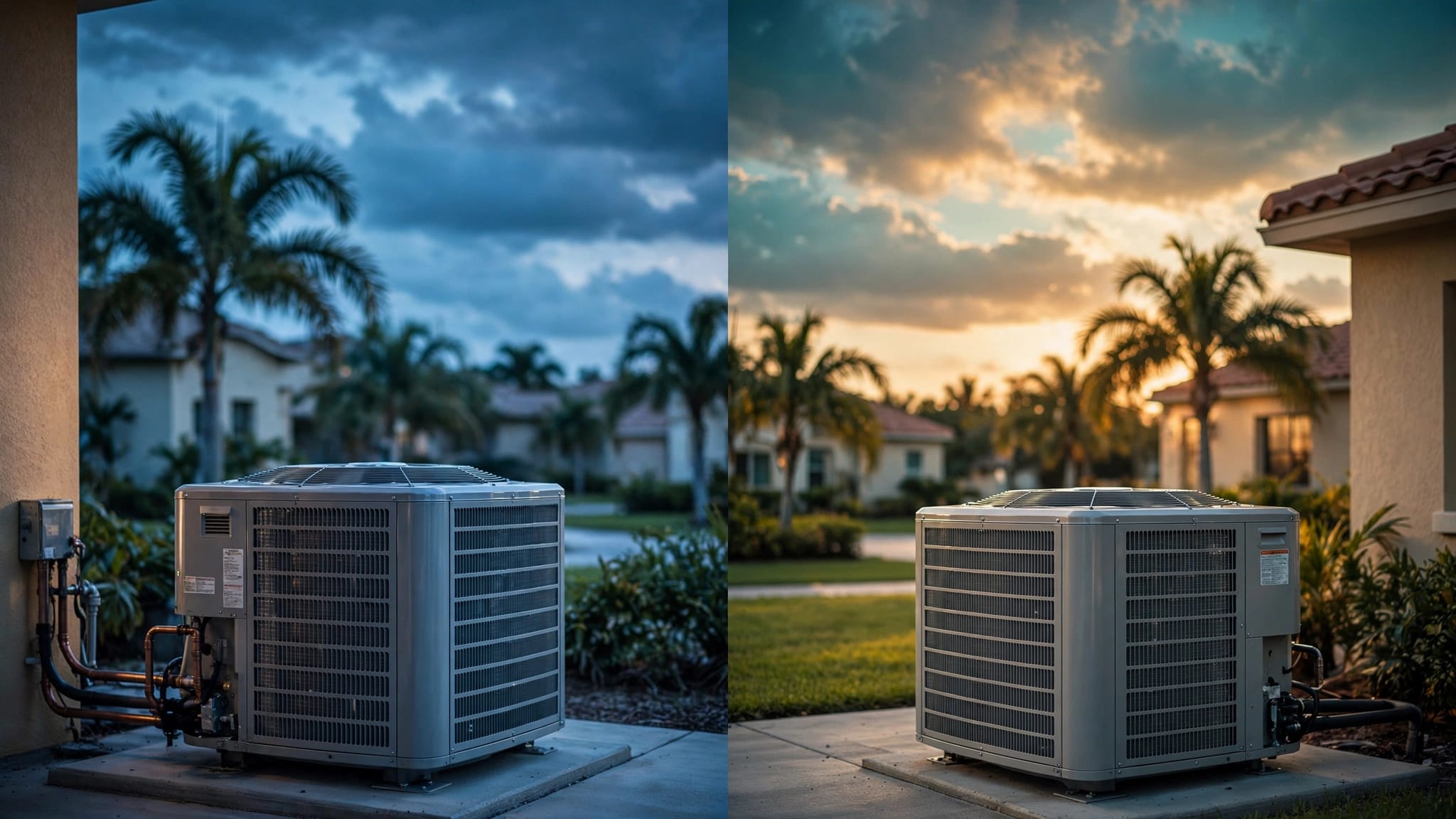
Florida puts AC systems through a long, hard season. In Cape Coral, heavy humidity, near-constant run time, and salt air near the coast all add wear. Small airflow problems that might go unnoticed elsewhere can feel obvious here.
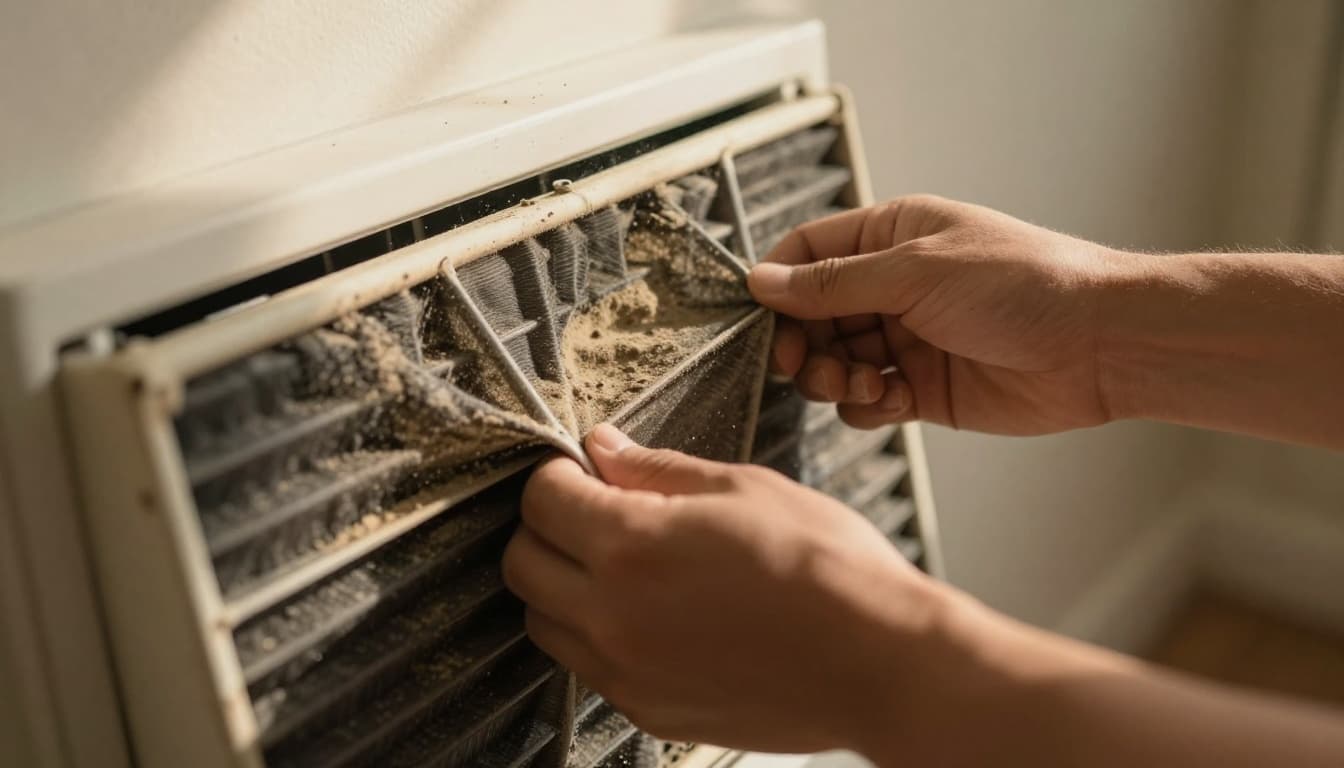
The most common cause is a dirty air filter. When the filter packs with dust, the blower struggles to pull enough air through the system. That can reduce comfort across the whole house and sometimes lead to a frozen evaporator coil.
Blocked supply vents and return grilles are also common. A sofa pushed over a return, closed bedroom vents, or heavy drapes can cut down airflow more than most homeowners expect.
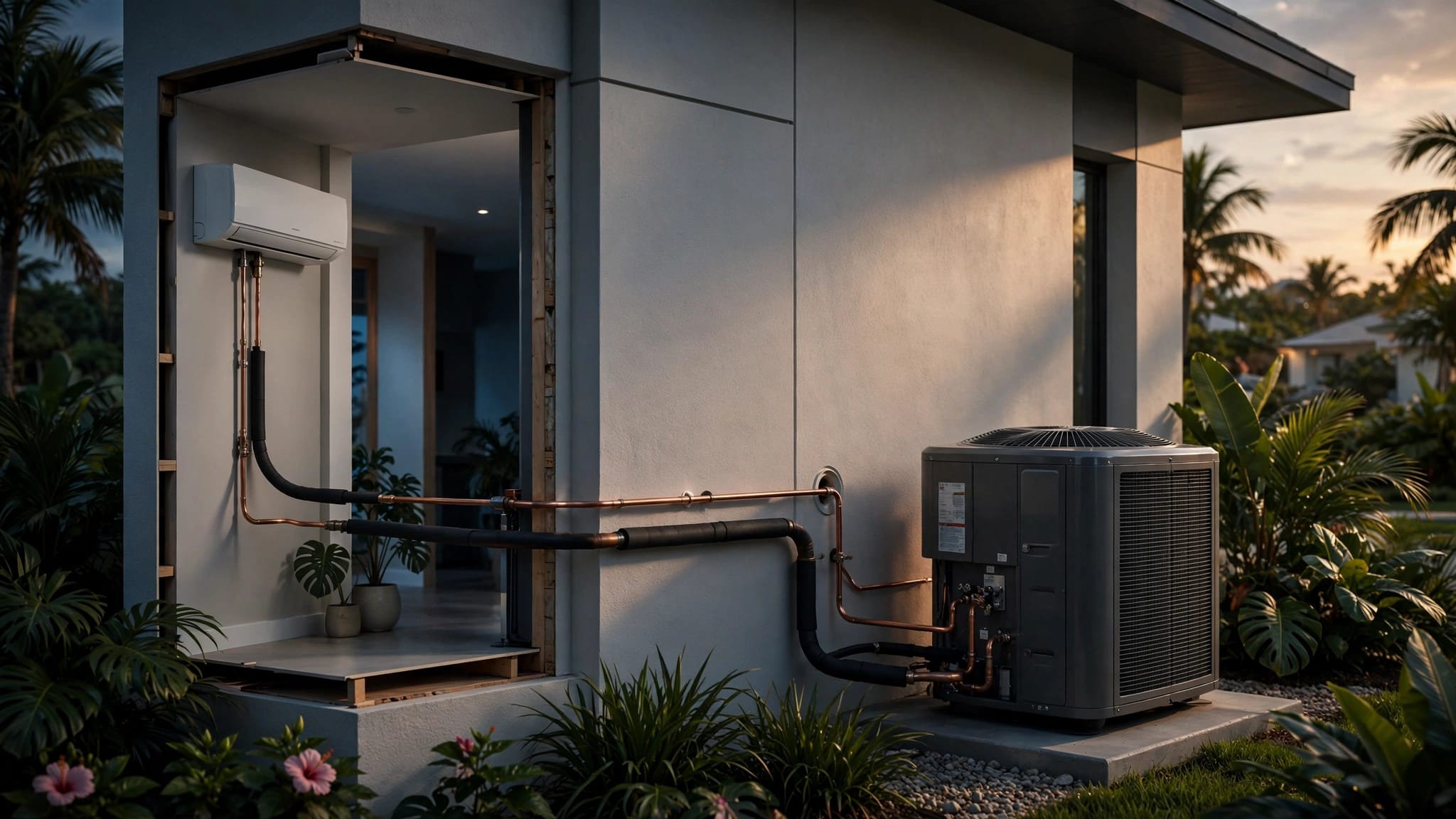
Duct issues matter too. If your attic ductwork has leaks, loose connections, or damaged flex duct, cooled air can spill into the attic before it ever reaches the room. That's a frequent cause of poor airflow in house complaints, especially when one side of the home feels warmer than the other. If that sounds familiar, ductwork repair Cape Coral can help uncover leaks and damaged sections.
Then there's the indoor equipment. A dirty evaporator coil, a weak blower motor, or a failing capacitor can all reduce air movement. Coastal air can also speed up corrosion on metal parts over time. That doesn't mean every weak vent is a major repair, but it does mean routine care matters. Regular tune-ups and HVAC maintenance agreements in Cape Coral can catch airflow problems before the hottest stretch of summer.
Safe steps you can try before calling for service
Start with the filter. If it's dirty, replace it with the correct size and airflow rating for your system. An old filter is the simplest fix, and in many homes, it's the main reason for weak airflow from vents.
Next, walk through the house and check every supply vent and return grille. Make sure they're open and not blocked by furniture, rugs, or storage boxes. In Cape Coral homes with extra guests, home offices, or closed-off rooms, this happens more often than people think.
After that, compare airflow from several vents. If one room feels weak but the rest feel normal, the issue may be in that branch duct. If the whole house feels weak, the problem is more likely at the air handler, filter, coil, or main return.
You can also look for obvious signs of trouble around the indoor unit. Ice on the refrigerant line, water where it shouldn't be, or a musty smell near the air handler all mean it's time to stop troubleshooting and call a pro. Don't remove panels, don't touch wiring, and don't try to add refrigerant yourself.
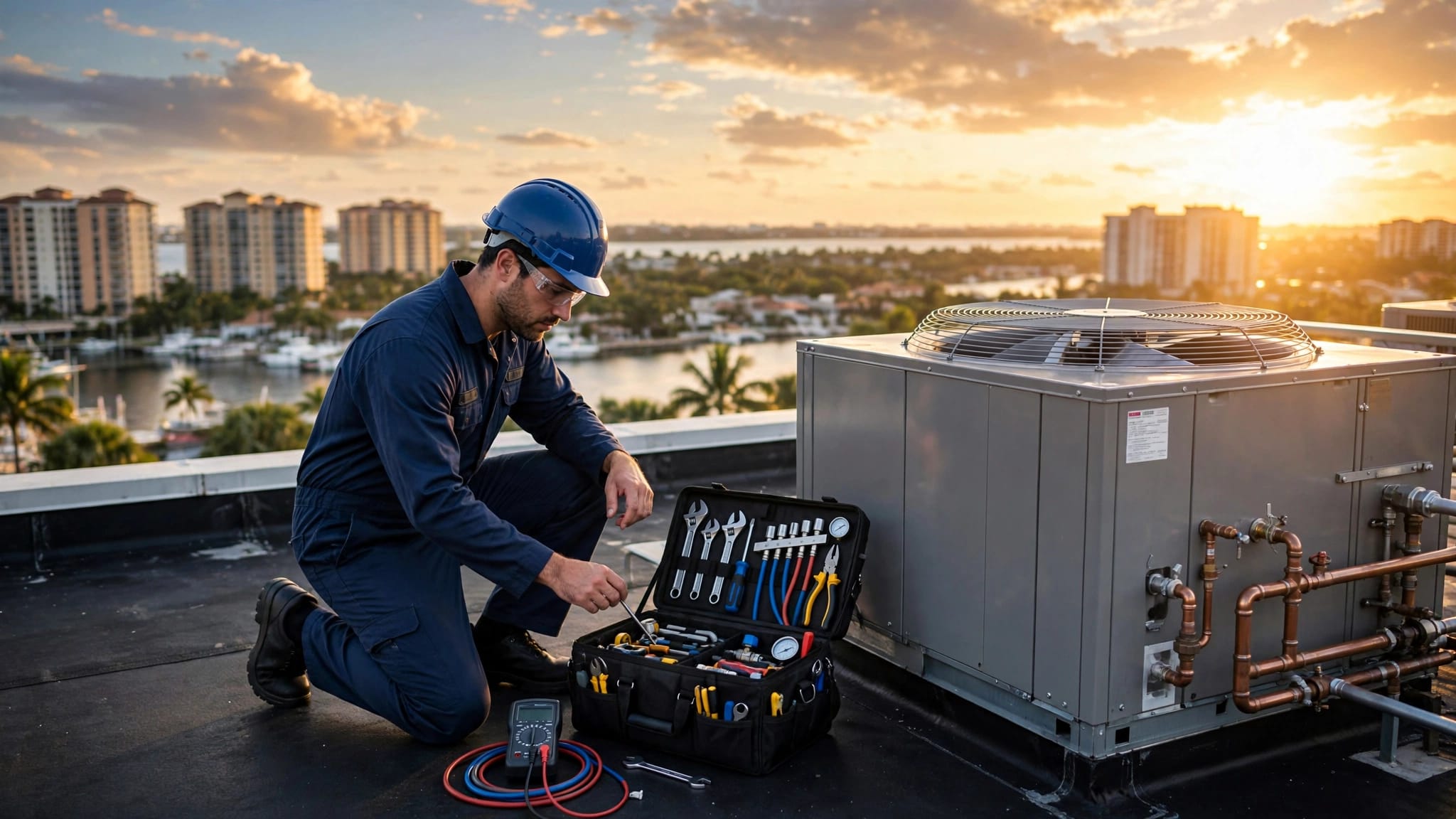
If these basic checks don't help, professional diagnosis is usually the next step. That's when AC repair services Cape Coral make more sense than guesswork.
When weak airflow needs a professional right away
Some airflow problems are safe to observe, but not safe to fix on your own. Call an HVAC professional if you notice electrical issues, a tripped breaker that keeps happening, burning smells, buzzing from the air handler, or a system that starts and stops strangely.
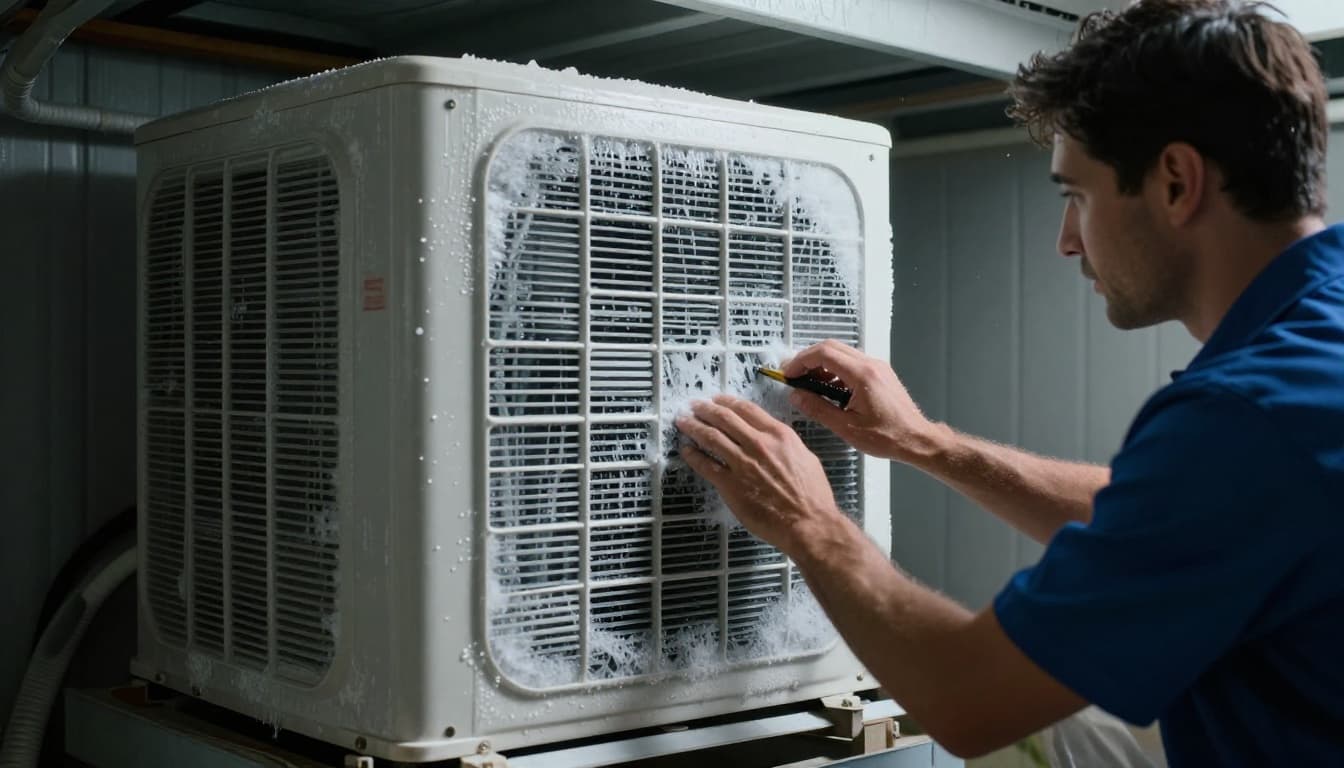
The same goes for refrigerant issues, frozen coils, and duct leaks. If the coil freezes, the system may blow little or no air at all. If ducts leak in a hot attic, the air may feel cool at the vent but still too weak to cool the room well.
Persistent uneven cooling also deserves a closer look. If one bedroom stays warm, the hallway feels fine, and the thermostat never seems satisfied, the issue may be deeper than a dirty filter. In Florida's long cooling season, delays can turn a small airflow problem into higher energy bills and more strain on the system.
If your vents still feel weak after the safe checks above, or your home won't cool evenly, use Contact Us to schedule service.
Weak airflow usually means the air isn't moving through the system the way it should. That could be a clogged filter, blocked return, damaged duct, frozen coil, or a blower problem.
In Cape Coral, where heat, humidity, and salt air push AC systems hard, it pays to act early. Weak airflow is easier to fix when it's still a small problem.