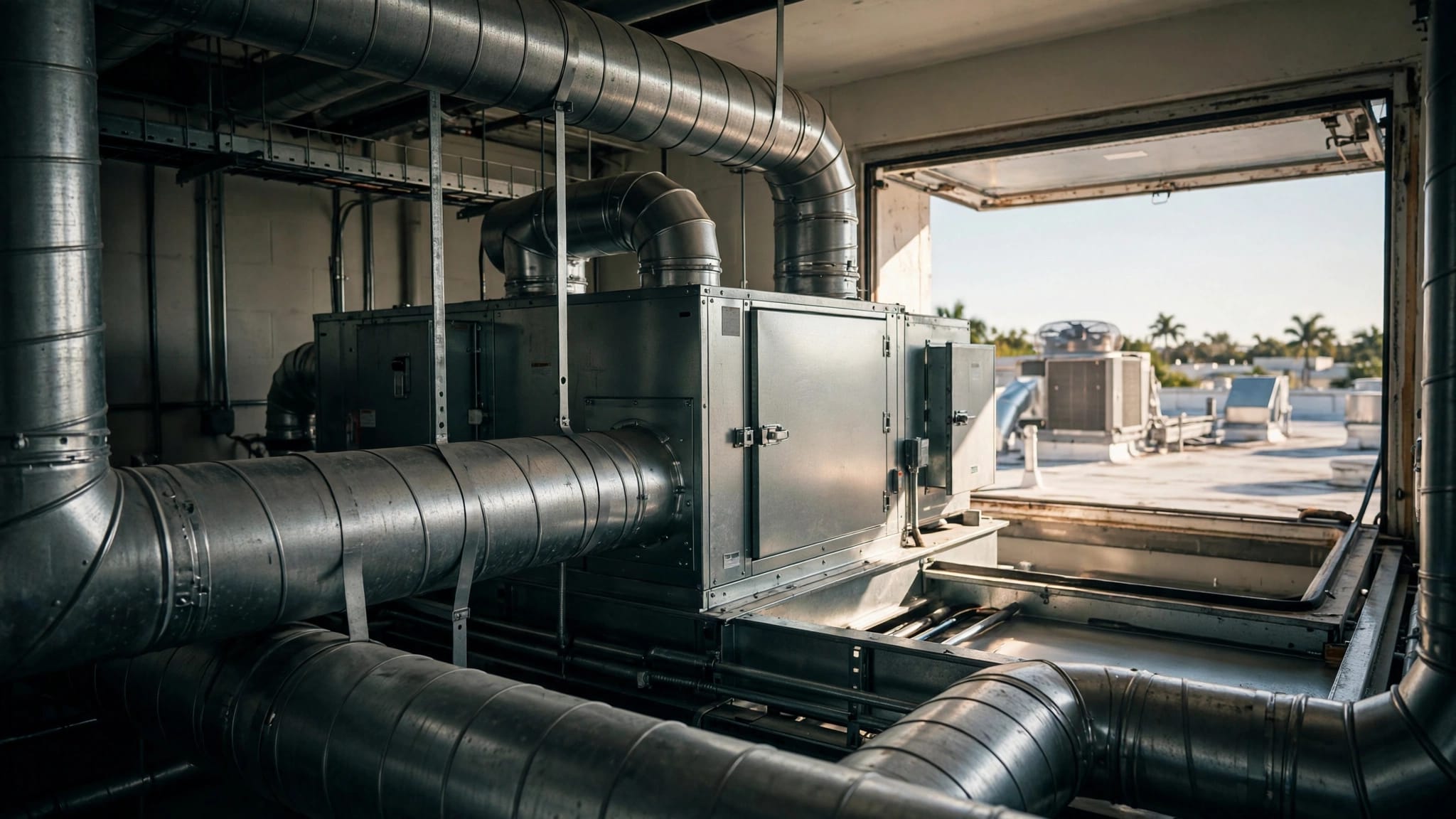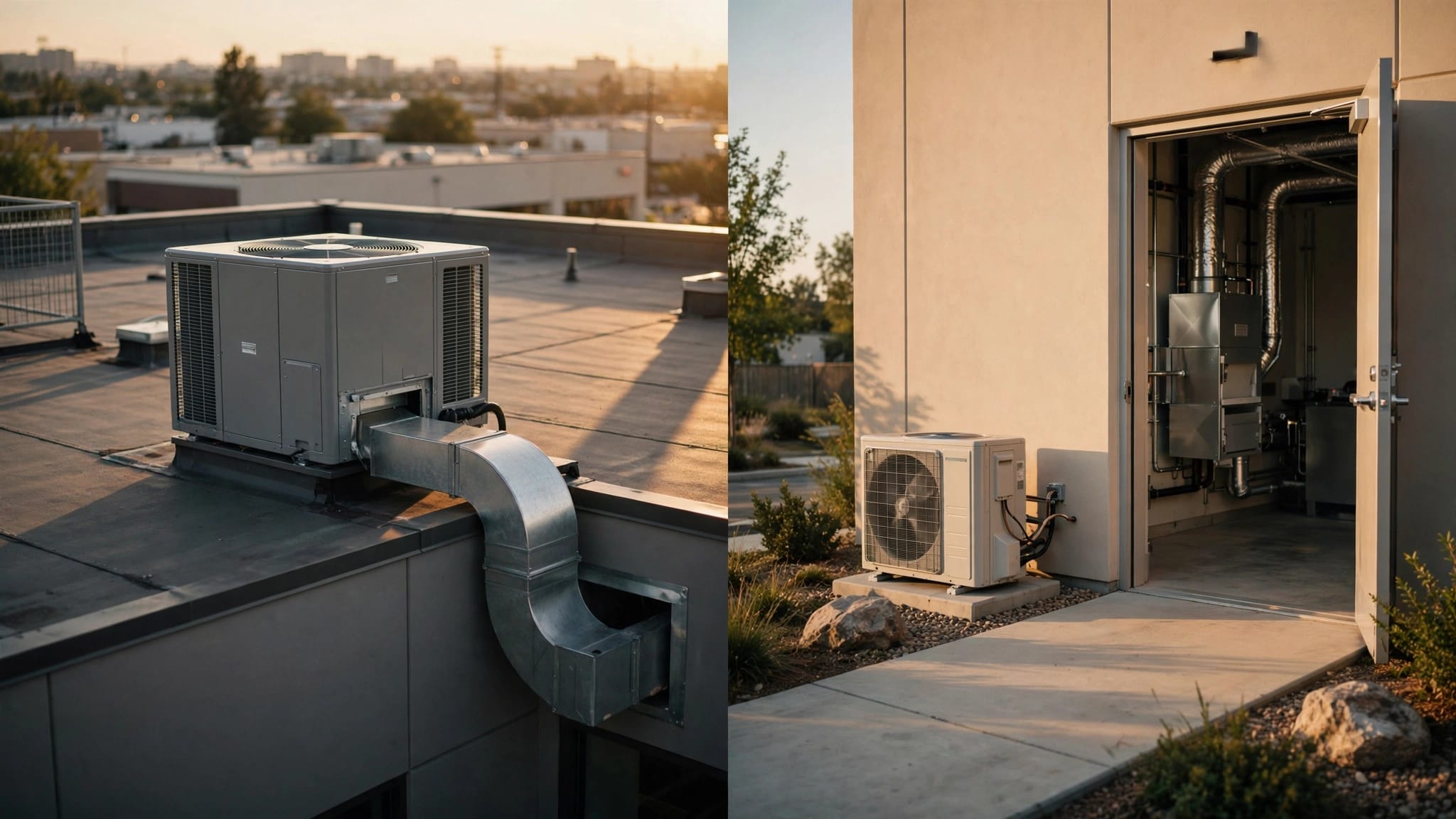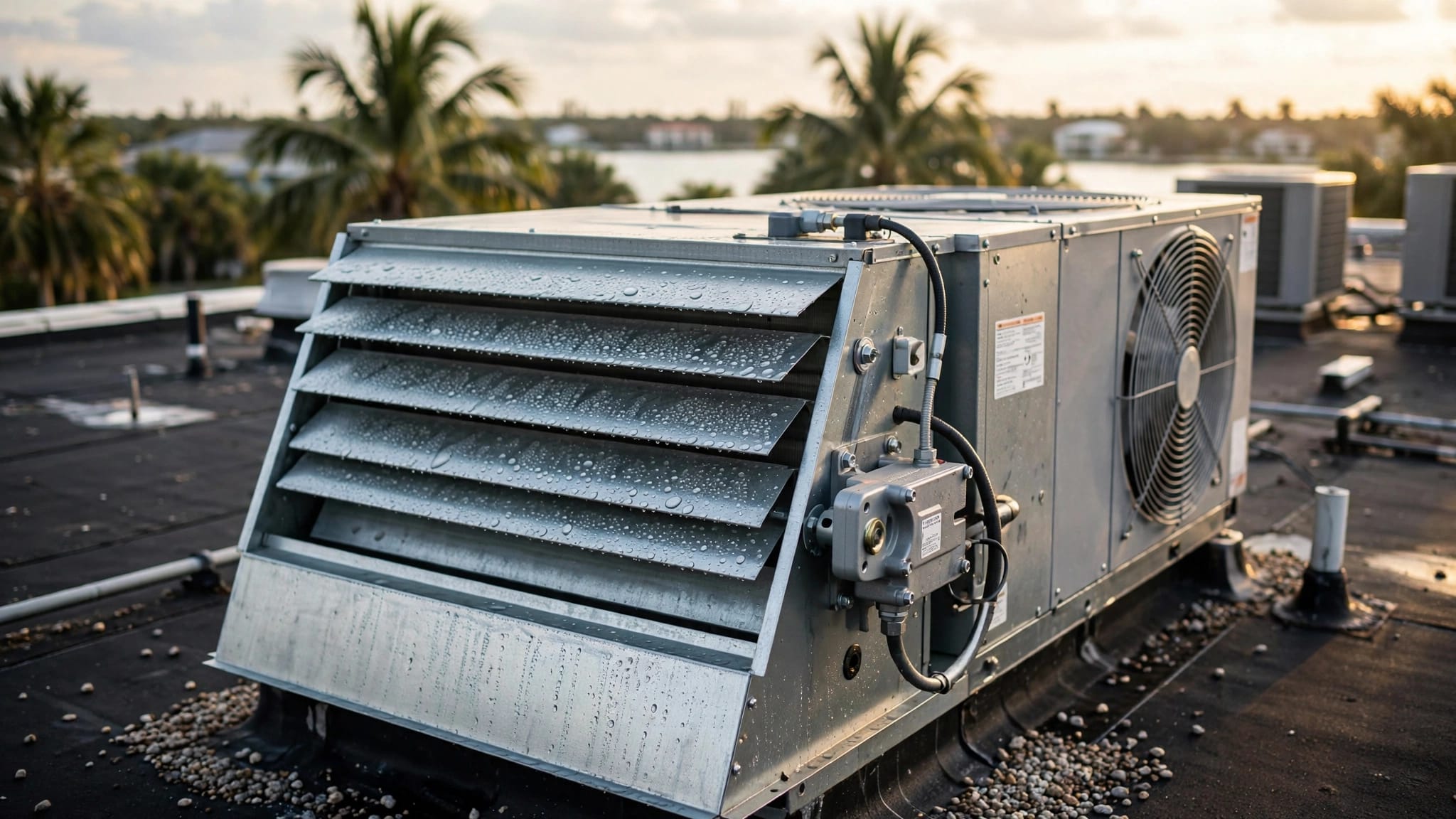
When your Florida air conditioner runs for hours, the ductwork can affect comfort as much as the equipment itself. Leaks, crushed sections, poor insulation, and weak airflow can send cooled air into a hot attic instead of your living room.
The choice between flex duct and metal ductwork depends on your home's layout, attic conditions, budget, and long-term goals. Both materials can work well when properly designed and installed, but they don't perform the same way.
Key Takeaways
- Flex duct costs less and fits easily around tight spaces, but it needs careful support to prevent kinks and sagging.
- Metal ductwork offers stronger airflow control and long service life, although installation usually costs more.
- Florida's heat and humidity make insulation, airtight connections, and moisture control essential for either material.
- Duct design and installation quality matter more than the material alone.
- A professional inspection can identify whether repair, partial replacement, or a complete duct upgrade makes sense.
How Flex Duct and Metal Ductwork Differ
Flex duct consists of a wire coil covered with an inner air barrier, insulation, and an outer vapor-resistant jacket. Installers can bend it around framing, plumbing, and other obstacles. That flexibility makes it common in attics and renovation projects where rigid ducts would be difficult to route.
Metal ductwork uses rigid galvanized steel or aluminum sections. The pieces connect through seams, elbows, and transitions. Contractors seal those joints with approved mastic or foil tape, then add insulation when the ducts pass through unconditioned areas.
The material affects performance, but the entire duct system matters more. A properly sized flex duct can outperform a poorly sealed metal system. Likewise, a well-built metal system won't solve comfort problems if the supply branches are too small or the return side is restricted.
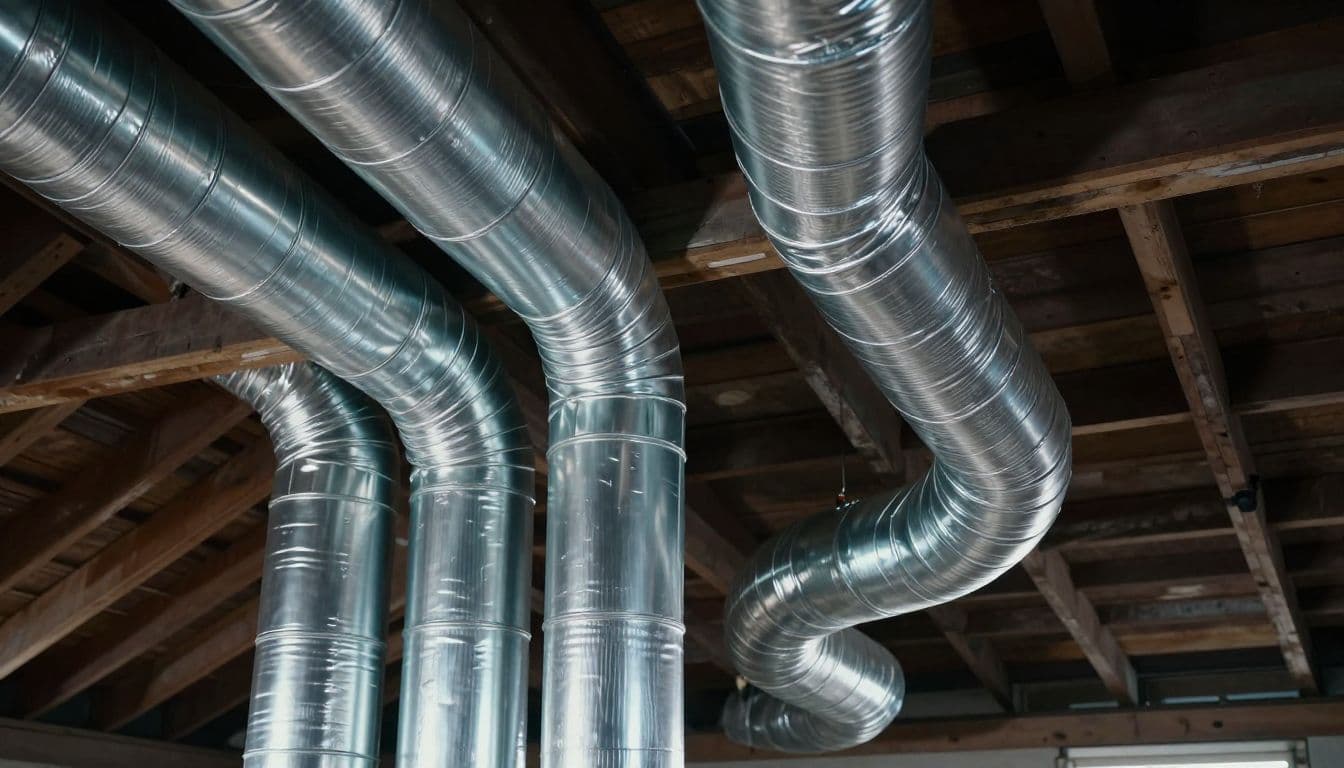
In Southwest Florida, most ductwork runs through attics, soffits, garages, or other spaces that get much hotter than the rooms below. Air leaks waste cooling, while missing or damaged insulation allows heat to move into the duct. Moisture adds another concern because condensation can develop when warm, humid air contacts cold duct surfaces.
A complete inspection should examine the duct material, insulation, connections, support, airflow, and return design. Looking only at the outer jacket won't reveal every problem.
Flex Duct: Lower Cost and Easier Installation
Flex duct is popular because installers can route it through crowded spaces without building numerous rigid elbows. That can reduce labor time and make it practical for additions, attic conversions, and homes with difficult framing.
The material also absorbs some operating noise. A properly installed insulated flex run can make airflow sound softer than bare metal. Its lower material and labor cost may help homeowners stay within budget during an air conditioner replacement.
However, flexible duct needs a clear, supported path. Sharp bends, compressed insulation, and excessive slack increase resistance to airflow. A long run with several bends can force the blower to work harder than a short, smooth run of the same diameter.
The inner liner should remain stretched fairly straight. When the liner sags between supports, the ridges create extra friction. If a contractor pulls the duct too tightly, the wire coil can deform or the connection can separate. Both problems reduce delivery to the room.
Florida attics can make these issues worse. High temperatures can damage exposed materials over time, and careless storage can crush duct sections before installation. The outer jacket also needs intact seams so humid air doesn't reach cold surfaces and create condensation.
A quality flex duct installation should include:
- Adequate support that prevents sagging between attachment points.
- Smooth bends with enough radius to protect the inner liner.
- Tight connections at plenums, boots, and branch takeoffs.
- Continuous insulation with sealed outer vapor barriers.
- Correct sizing based on room loads and required airflow.
Flex duct isn't automatically a poor choice. It works well when the installer treats it as an engineered air passage rather than loose tubing placed wherever it fits.
Metal Ductwork: Strong Airflow and Long Service Life
Metal ducts hold their shape, so they don't sag or become pinched when installed correctly. Their smooth interior can support predictable airflow, especially in straight trunk lines and larger return-air sections.
Rigid ductwork also allows more control over the system layout. An installer can build properly sized transitions, takeoffs, and elbows for each branch. That precision helps when a home has long duct runs, multiple zones, or persistent hot and cold spots.
Metal can last for many years when protected from corrosion and kept dry. It also tolerates cleaning equipment better than a fragile or damaged flexible liner. For this reason, rigid metal is often a strong choice for accessible main trunks, return plenums, and sections that need extra durability.
The tradeoff is cost and installation difficulty. Sheet-metal sections require careful measuring, fabrication, sealing, and insulation. Tight attic spaces can make the work slower. If the metal remains uninsulated in a hot attic, it can absorb heat quickly and transfer that heat to the cooled air inside.
Metal ductwork can also transmit blower and air movement noise. External insulation, properly designed transitions, and vibration control can reduce the sound. Good sealing remains essential because every seam and connection creates a possible leak.
Homeowners considering rigid ductwork should ask whether the proposal includes:
- Sealed seams and joints using suitable duct mastic or approved tape.
- Insulation rated for the location and climate.
- Properly sized returns, supply branches, and transitions.
- Secure supports that limit vibration.
- Protection from standing water, roof leaks, and mechanical damage.
For older Florida homes, replacing only visible metal sections may not fix the system. Hidden leaks, undersized returns, or deteriorated insulation can continue to cause high bills and uneven cooling. A full evaluation gives a clearer picture.
Which Ductwork Fits Your Florida Home?
There isn't one correct material for every house. The best choice depends on where the ducts run and how the system needs to deliver air.
| Factor | Flex duct | Metal ductwork |
|---|---|---|
| Installation | Fast and adaptable in tight areas | More labor-intensive and precise |
| Typical cost | Usually lower | Usually higher |
| Airflow | Strong when straight and fully supported | Consistent when correctly sized |
| Durability | Can sag, tear, or crush | Rigid and long-lasting |
| Noise | Often quieter | May transmit more sound |
| Repairs | Sections can be replaced fairly easily | Sections may require fabrication |
| Best use | Branch runs and difficult routes | Trunks, plenums, and high-durability areas |
A mixed system often makes practical sense. A contractor may use sealed metal for the main supply and return trunks, then connect insulated flex branches to individual rooms. This approach combines rigid airflow control with easier routing.
Choose flex duct when the route has several obstacles, the project has a tight budget, and the installer can provide proper support and insulation. Choose more metal when long straight runs, durability, cleaning access, or precise airflow control matter most.
Your comfort complaints can also guide the decision. If one room stays hot, the issue might be a damaged branch, poor balancing, a closed damper, or inadequate insulation. Replacing every duct with metal won't correct a design problem by itself.
If you notice dusty vents, weak airflow, hot rooms, or rising cooling costs, review these signs of leaking air ducts before choosing a material. The leak location and condition of the existing system may make repair more sensible than replacement.
Installation Quality, Maintenance, and Replacement Cost
Ductwork should be sized as part of the home's heating and cooling design. The contractor needs to consider room size, insulation, windows, sun exposure, equipment capacity, and return-air needs. Oversized equipment or undersized ducts can create poor humidity control and uneven temperatures.
In Florida, insulation and vapor-barrier details deserve close attention. Ducts in an attic should stay sealed against humid air. Gaps around boots, plenums, and access panels can allow conditioned air to escape while pulling dusty attic air toward the system.
Maintenance starts with a clean air filter and clear supply and return grilles. During service, a technician can inspect accessible connections, insulation, support, and airflow. If the duct interior contains heavy debris, cleaning may help, but damaged or contaminated materials may need replacement instead.
Replacement pricing varies with home size, attic access, duct layout, insulation, permits, and the amount of repair required. In Cape Coral, duct replacement costs in 2026 commonly fall within a broad range because every installation has different access and labor demands.
Ask for a written estimate that separates duct materials, insulation, sealing, disposal, permits, and related air conditioner work. That makes it easier to compare proposals without choosing based on material price alone. For professional ductwork repair and replacement services, the inspection should include airflow and leakage concerns, not only visible damage.
Conclusion
Flex duct is affordable and adaptable, while metal ductwork offers rigid support, durable construction, and predictable airflow. Either option can perform well in a Florida home when the system is sized correctly, sealed carefully, and insulated for hot, humid conditions.
The right question isn't only whether flex duct or metal is better. It is whether the proposed design fits your home's layout and solves the actual comfort problem. If you need help evaluating your duct system or scheduling service, Contact Us to arrange an inspection. A well-designed duct system keeps more cooled air where it belongs, inside your home.