A residential HVAC zoning system cost can vary significantly, as making a Cape Coral home more comfortable depends on much more than the number of thermostats installed. For 2026, homeowners should plan on spending roughly $1,800 to $8,000 for zoning work on an existing central heating and cooling system. Please note that installing a new air conditioner or heat pump involves separate equipment costs.
Cape Coral's long cooling season also influences the decision to upgrade. Beyond improving comfort, adding a zoning system to an existing setup is a highly effective way to enhance your home energy efficiency. To be effective, the system must properly manage both airflow and humidity, rather than simply sending more cold air to a single room. The current condition of your ductwork, the total size of your home, electrical requirements, and the number of zones you choose to create all play a role in determining your final estimate.
Key Takeaways
- The typical HVAC zoning system cost for existing homes in Cape Coral ranges from $1,800 to $8,000.
- A two-zone system is generally more cost-effective to install than a multi-zone system or setups for multi-story homes.
- Factors such as leaky ducts, inadequate air returns, difficult attic access, and complex electrical work can increase the final price.
- Precise temperature control through zoning can lead to significant energy savings for homeowners in Cape Coral.
- While zoning helps balance uneven temperatures, it is not a substitute for proper equipment sizing or professional humidity control.
- An in-home assessment is the only reliable way to get an accurate price estimate for your specific project.
What Does an HVAC Zoning System Cost in Cape Coral?
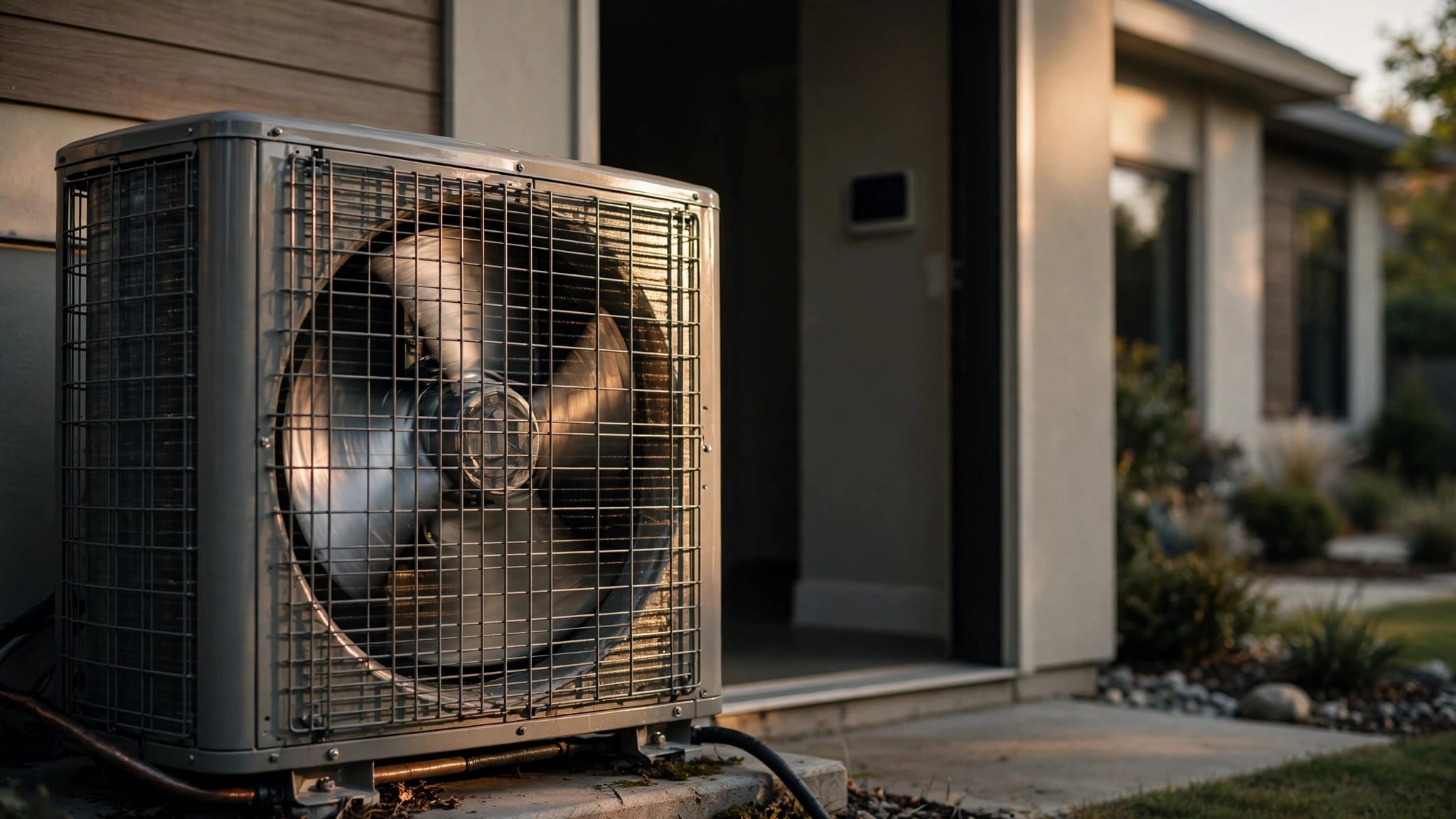
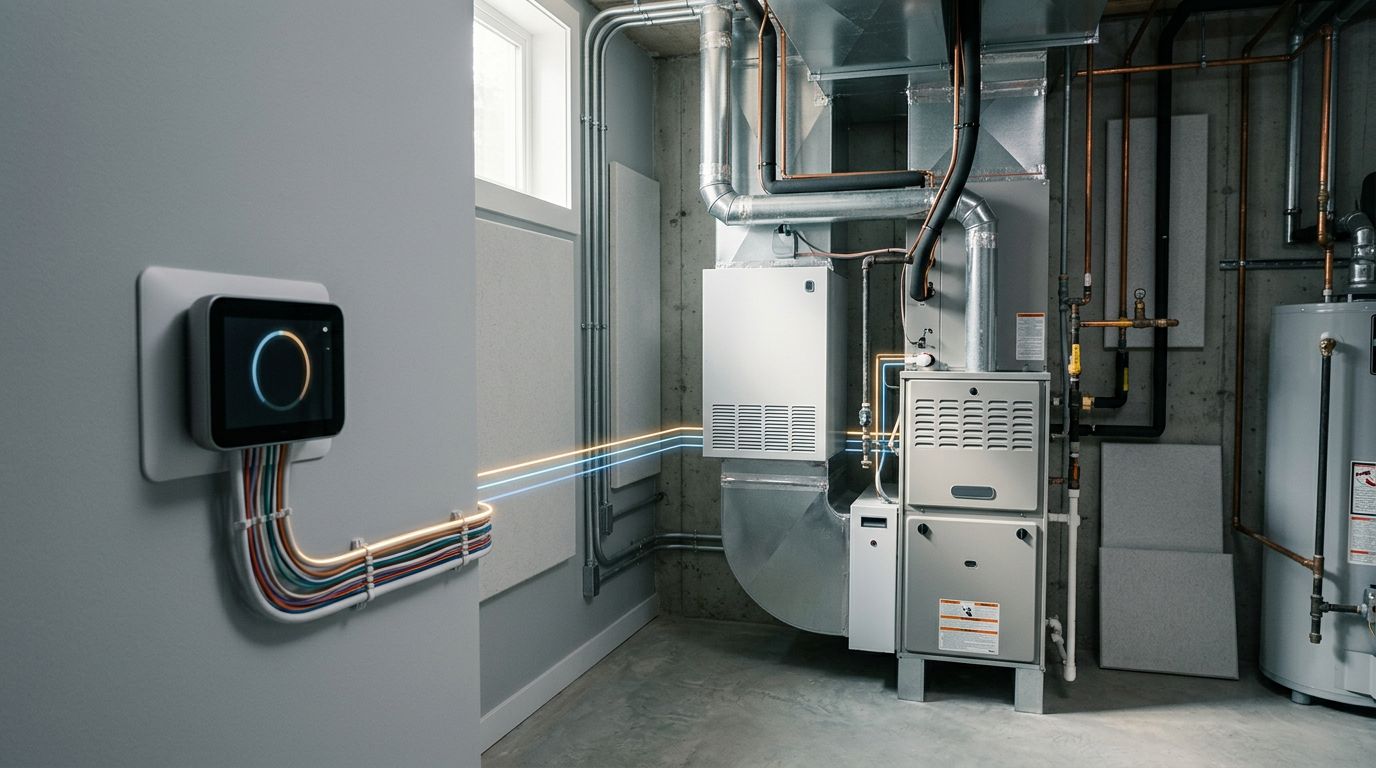
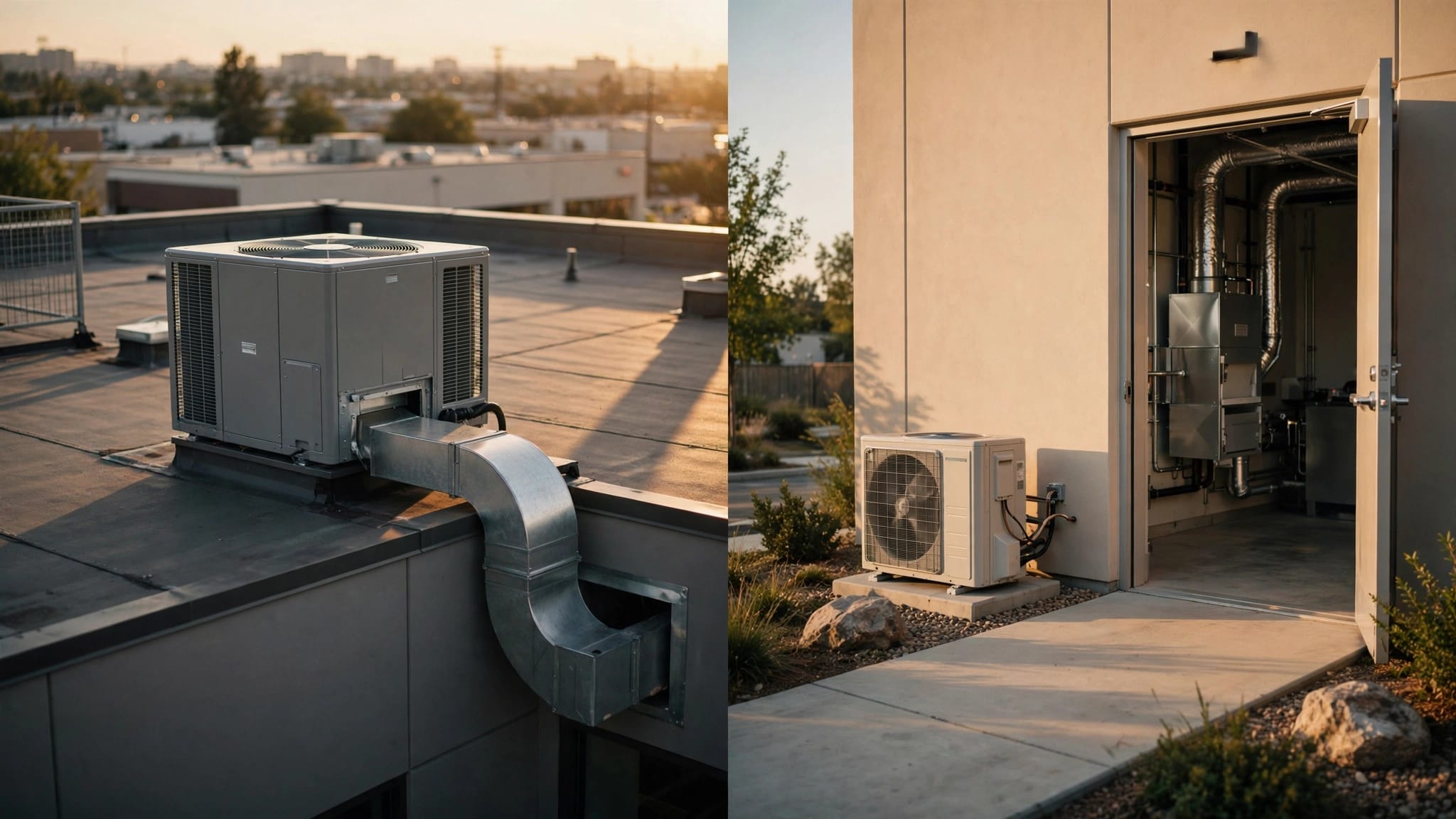
An HVAC zoning system divides your home into separate comfort areas, allowing you to manage temperature control throughout your living space. This process involves the installation of motorized dampers within the ductwork that open and close based on the needs of each area. A central control panel acts as the brain of the operation, coordinating the dampers with the air handler and the outdoor unit to ensure efficient performance.
For Cape Coral homeowners considering an HVAC zoning retrofit in 2026, these planning ranges are a helpful starting point:
| Zoning project | Typical planning range |
|---|---|
| Basic two-zone system retrofit | $1,800 to $3,500 |
| Two-zone system with duct changes | $3,000 to $5,500 |
| Three-zone or multi-zone system retrofit | $4,500 to $8,000 |
| Zoning added during HVAC replacement | $2,000 to $5,500 for zoning |
| New HVAC system with zoning | $8,000 to $18,000 or more overall |
These figures are estimates rather than a fixed Cape Coral price list. The final cost depends on your home architecture, existing equipment, duct layout, attic access, and local permit requirements.
A basic retrofit typically includes two thermostats, a zone control panel, motorized dampers, wiring, and labor. If your existing air handler already supports zoning, the installation cost may stay toward the lower end of the range. However, older equipment may require control board upgrades or a full replacement before your new system can function correctly.
The higher end of the pricing spectrum usually applies to homes requiring a complex multi-zone system, those with difficult attic access, long duct runs, damaged flex duct, or limited return airflow. Larger two-story homes often require more dampers and significant duct modifications to achieve balanced comfort.
A low zoning quote may leave out essential duct repairs, electrical work, permit fees, or equipment upgrades. Always ask for an itemized list in writing before comparing prices.
What Changes the Price of Zoning Installation?
The number of zones matters, but it is not the only cost factor. A trained technician should inspect the system as a whole before recommending specific components.
Evaluating existing ductwork
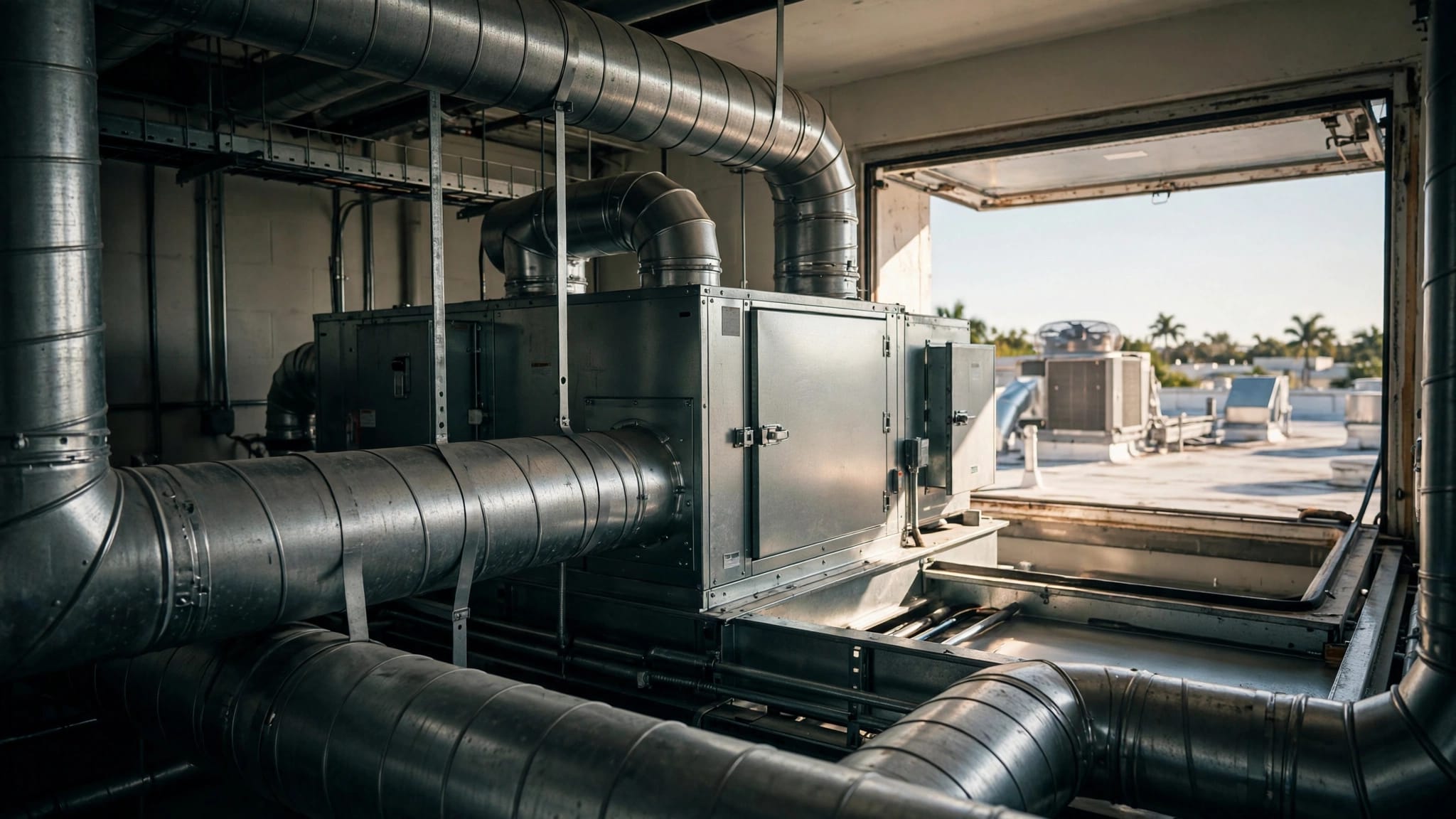
Zoning depends on your existing ductwork to distribute air effectively. To create these zones, automatic dampers are installed within the existing ductwork to regulate airflow and maintain consistent temperatures throughout the home. If supply ducts are crushed, disconnected, undersized, or poorly sealed, closing a damper can create excessive static pressure. That pressure can reduce airflow, increase noise, and strain the blower motor.
Cape Coral homes often have ductwork in hot attics or tight crawl spaces. Those conditions can make access more difficult. Duct repairs, insulation, sealing, or replacement may add several hundred dollars or several thousand dollars to your total, depending on the extent of the damage.
The return-air system matters as much as the supply side. A room may feel warm because it lacks a return path, not because it needs a separate zone. A contractor may recommend transfer grilles, jump ducts, or return modifications instead of adding more cooling capacity.
Equipment compatibility
Some air conditioners and heat pumps work well with conventional zoning controls, but others require specific components. You should have an HVAC professional evaluate your current setup to ensure it is compatible with a new control board or communicating thermostat.
Variable-speed equipment usually handles changing airflow better than a basic single-speed system because it can adjust output as fewer zones call for cooling. However, that does not make every system automatically compatible. The model numbers and control wiring still need a thorough review by a qualified technician.
If the system is old, the zoning work may expose other problems. Replacing outdated controls can make more sense than installing a new zone panel on equipment nearing the end of its service life.
Thermostats and zone design
Each zone needs a thermostat or temperature sensor to maintain precise control. Many homeowners choose to integrate a smart thermostat for each zone, which can significantly enhance energy efficiency by allowing for customized scheduling and remote temperature adjustments. A two-zone system may serve the first and second floors separately, while another home might divide the bedrooms from the living areas.
More zones mean more dampers, sensors, wiring, setup, and balancing. Keep in mind that more zones are not always better. A small room with a short duct run may not need its own thermostat, while a large west-facing living area may need separate control because afternoon heat enters through the windows.
Electrical and permitting factors
A zoning installation may require low-voltage wiring and a new control panel. Most projects do not require a major electrical upgrade, but the technician should check the air handler, disconnect, circuit, and available access.
Permitting requirements depend on the scope of the work and current local rules. Replacing the HVAC equipment, altering electrical components, or making larger duct changes may involve permits or inspections. Your contractor should identify those requirements before work begins, rather than adding surprises to the final invoice.
Is Zoning Worth It in a Hot, Humid Cape Coral Home?
Zoning can solve a common Southwest Florida problem: one part of the house feels comfortable while another stays warm. A multi-level home often shows this imbalance because heat rises and upper rooms receive more sun. Large windows, high ceilings, additions, and rooms over garages can create similar issues that make it difficult to maintain a consistent indoor environment.
Zoning provides customized temperature settings for different areas of your property. By dividing your space, you gain better temperature control throughout your heating and cooling zones. This approach also lets you adjust your climate settings based on usage. For example, bedrooms can follow a nighttime schedule while the living area stays at a different setting during the day, which can ultimately improve your home energy efficiency.
However, zoning does not remove moisture from the air by itself. Cape Coral homes need heating and cooling equipment that runs long enough to dehumidify indoor air effectively. If the system is oversized, it may reach the thermostat setting quickly and shut off before removing enough humidity. Rooms can then feel clammy even when the temperature looks acceptable.
A proper zoning design should account for:
- Cooling load: Sun exposure, windows, insulation, ceiling height, and occupancy affect each area.
- Humidity control: The system needs suitable run times and airflow settings to maintain comfort.
- Static pressure: Closed dampers must not restrict the blower or cause excessive pressure.
- Minimum airflow: The system needs a safe path for air to flow through the ductwork when only one zone calls.
- Return air: Each zone needs a reliable way for air to move back to the air handler.
A properly sized variable-speed system may pair well with zoning, but equipment replacement is not always required. An existing system can work if its capacity, controls, ductwork, and airflow support the design.
Retrofit or Add Zoning During HVAC Replacement?
Choosing an HVAC zoning retrofit for your current system is typically more affordable than replacing the entire unit. A retrofit makes sense when your existing air conditioner or heat pump is in good condition, your ductwork is accessible, and the equipment is capable of managing variable airflow.
However, a retrofit can become costly if the system requires extensive control upgrades or significant duct repairs. In these cases, installing zoning during a planned full HVAC replacement is often more efficient. By consolidating the project, your technician can properly size the new equipment, install dampers, modify ductwork, and configure controls simultaneously. This approach reduces overall installation labor and can improve your long-term return on investment by providing better energy savings through optimized temperature control. If you only have one or two rooms that are difficult to manage, you might also consider a ductless mini-split. These systems use individual ductless indoor units connected to a single outdoor unit, allowing for customized heating and cooling in specific areas without needing to modify your main duct system.
| Situation | Usually the better starting point |
|---|---|
| Reliable heating and cooling system with uneven room temperatures | Zoning retrofit |
| Older system with frequent repairs | Compare zoning with full system replacement |
| New HVAC installation already planned | Add zoning during installation |
| Leaky or damaged ducts | Repair ductwork before final zoning design |
| High indoor humidity | Evaluate sizing and dehumidification first |
A new system with zoning may cost $8,000 to $18,000 or more, depending on capacity, efficiency, equipment type, ductwork, electrical work, and installation conditions. That total includes the HVAC equipment, not just the zoning controls.
Ask whether the estimate includes thermostats, dampers, control boards, duct repairs, startup testing, permits, and system balancing. Two quotes can look far apart simply because one includes these essential items while the other does not.
How to Get an Accurate Cape Coral Zoning Estimate
A reliable estimate begins with an in-home inspection conducted by an HVAC professional. The technician should carefully examine your air handler, outdoor unit, thermostat wiring, duct layout, insulation, return-air paths, and all accessible electrical components.
The visit should also identify which rooms require separate control to improve your comfort. Your specific complaints are essential to this process. Be sure to tell the HVAC professional when rooms feel uncomfortably warm, whether the temperature fluctuates with the sun, and whether humidity levels remain high after the cooling cycle finishes.
Before approving any work, ask these questions to ensure a quality outcome:
- How many zones does the home actually need for optimal comfort?
- Can the existing HVAC equipment effectively support those zones?
- What happens to the airflow when only one zone calls for conditioned air?
- Is the central control panel easy for the homeowner to manage?
- Are necessary duct repairs or return-air modifications included in the price?
- Are permit, electrical costs, and installation labor clearly itemized?
- Will the contractor perform static pressure tests and verify airflow after installation?
Back Bay Heating & Cooling provides residential heating and cooling services in Cape Coral and throughout Lee County, with free estimates available for new systems. If you need to discuss uneven cooling or schedule a professional assessment, Contact Us to arrange a service call with an HVAC professional for all your heating and cooling needs.
A formal written estimate should show the zoning equipment, installation labor, duct modifications, electrical work, permits, warranty details, and any recommended equipment upgrades separately. That format makes it much easier to compare proposals without guessing what each total price includes.
Frequently Asked Questions
Can I install an HVAC zoning system on any existing unit?
Most modern central air systems can be retrofitted with zoning controls, but it depends on your current equipment's compatibility and the state of your ductwork. A technician must verify that your system can handle the changes in airflow pressure without risking damage to the blower motor or cooling components.
Does zoning help with high humidity in Cape Coral homes?
Zoning allows for more precise temperature control, but it is not a direct substitute for a dehumidifier or properly sized cooling equipment. If your unit is too large for your home, it may cycle off too quickly to effectively remove moisture, even with a zoning system installed.
How does the number of zones affect my total installation cost?
Each additional zone requires its own thermostat, motorized damper, and dedicated wiring, which increases both material costs and labor time. While more zones offer greater control, it is often more cost-effective to group rooms with similar heating and cooling requirements together.
Is it better to wait until I replace my AC unit to add zoning?
If your current HVAC system is near the end of its lifespan or requires significant duct repairs, adding zoning during a full replacement is often more budget-friendly. This allows the contractor to design the ductwork and equipment capacity specifically for your zoning needs from the start.
Conclusion
For most Cape Coral homes, the HVAC zoning system cost in 2026 falls between $1,800 and $8,000 when added to an existing system. The final price depends on the number of zones, the condition of your ductwork, equipment compatibility, and the complexity of the installation.
Because effective heating and cooling management is essential for long-term comfort in the Florida climate, investing in a zoning system offers significant value. Beyond simply balancing temperatures, these systems provide customized temperature control for different areas of your home, which can lead to better energy efficiency and lower monthly utility bills. Since every home is unique, we recommend scheduling an in-home assessment to get a precise quote. This approach provides a much more accurate expectation of your HVAC zoning system cost than a generic estimate based solely on square footage.