Florida heat exposes every weakness in an air conditioner. Poor sizing, leaky ducts, clogged drains, and weak airflow can leave your home humid even when the thermostat shows a comfortable temperature.
When you're comparing a package unit vs split system AC, the cabinet design is only part of the decision. Your home's layout, available equipment space, ductwork, maintenance needs, and exposure to Southwest Florida weather all matter.
Key Takeaways
- A package unit contains the major heating and cooling components in one outdoor cabinet.
- A split system separates the outdoor condenser or heat pump from the indoor air handler.
- Package units often fit rooftops, slabs, and manufactured homes, while split systems commonly fit homes with indoor closets or attic air handlers.
- Correct sizing, sealed ductwork, proper drainage, and professional installation affect comfort more than the system style alone.
- Regular maintenance helps either system control heat, humidity, and operating costs.
How Package and Split-System AC Designs Work
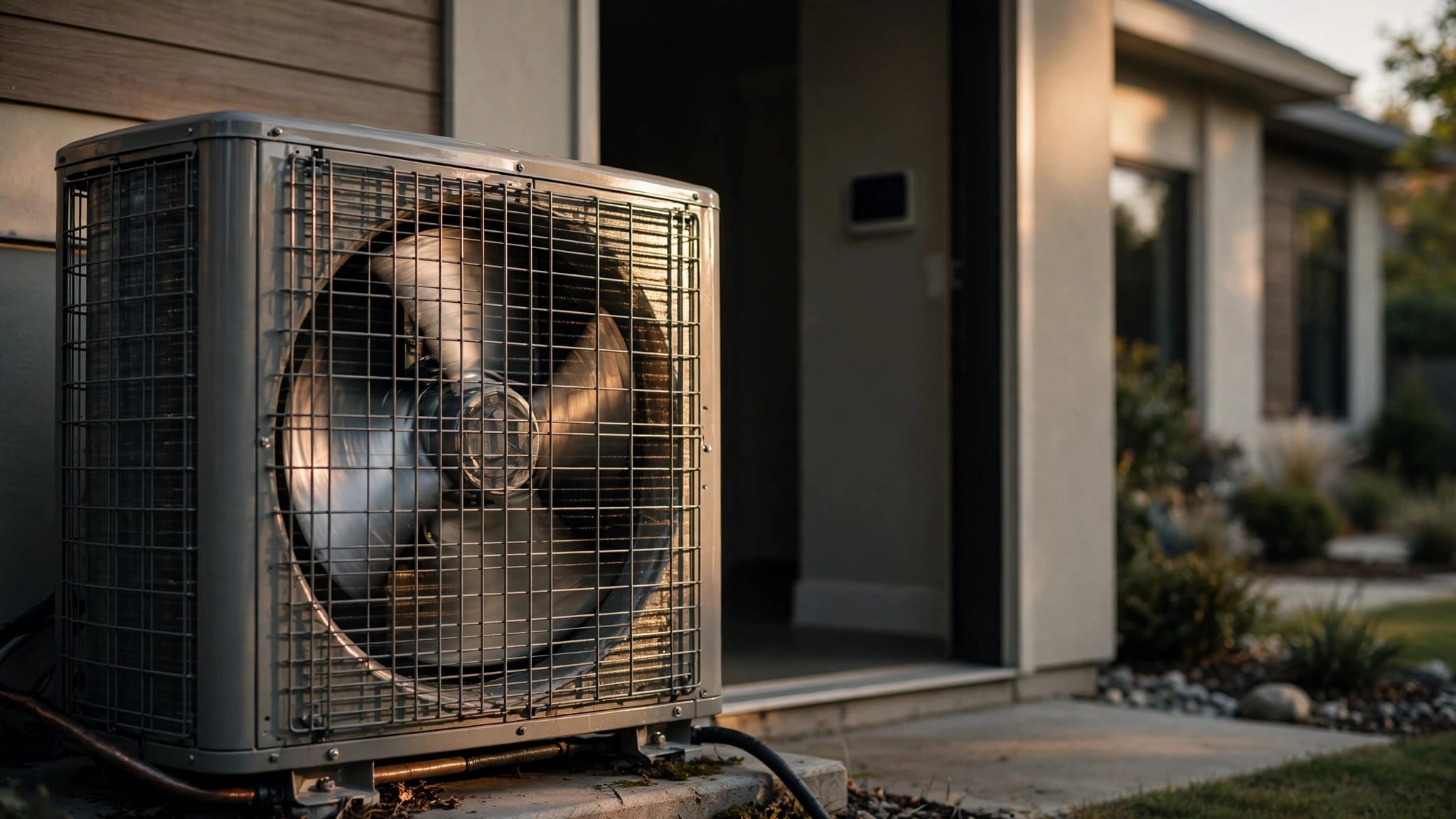
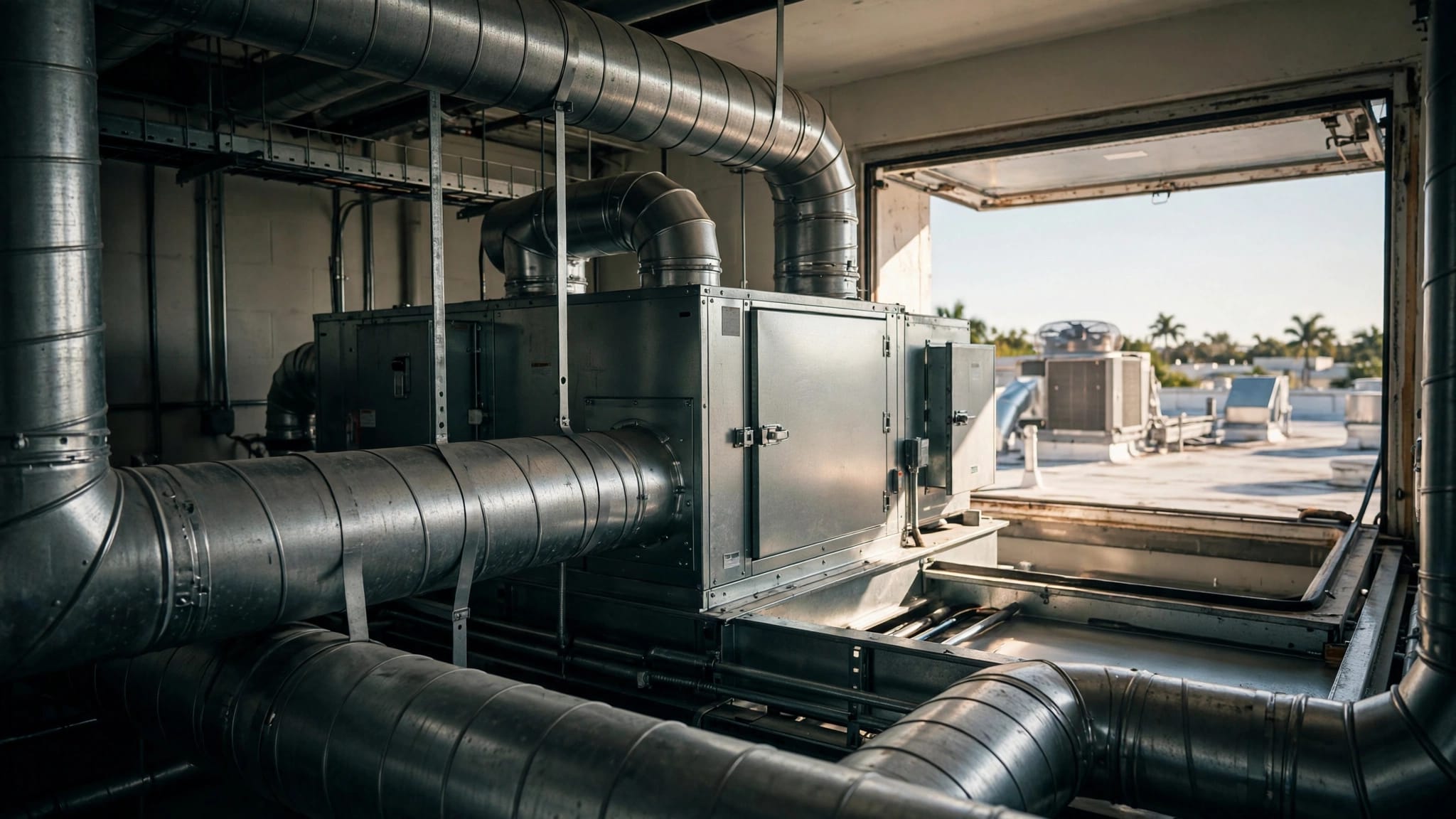
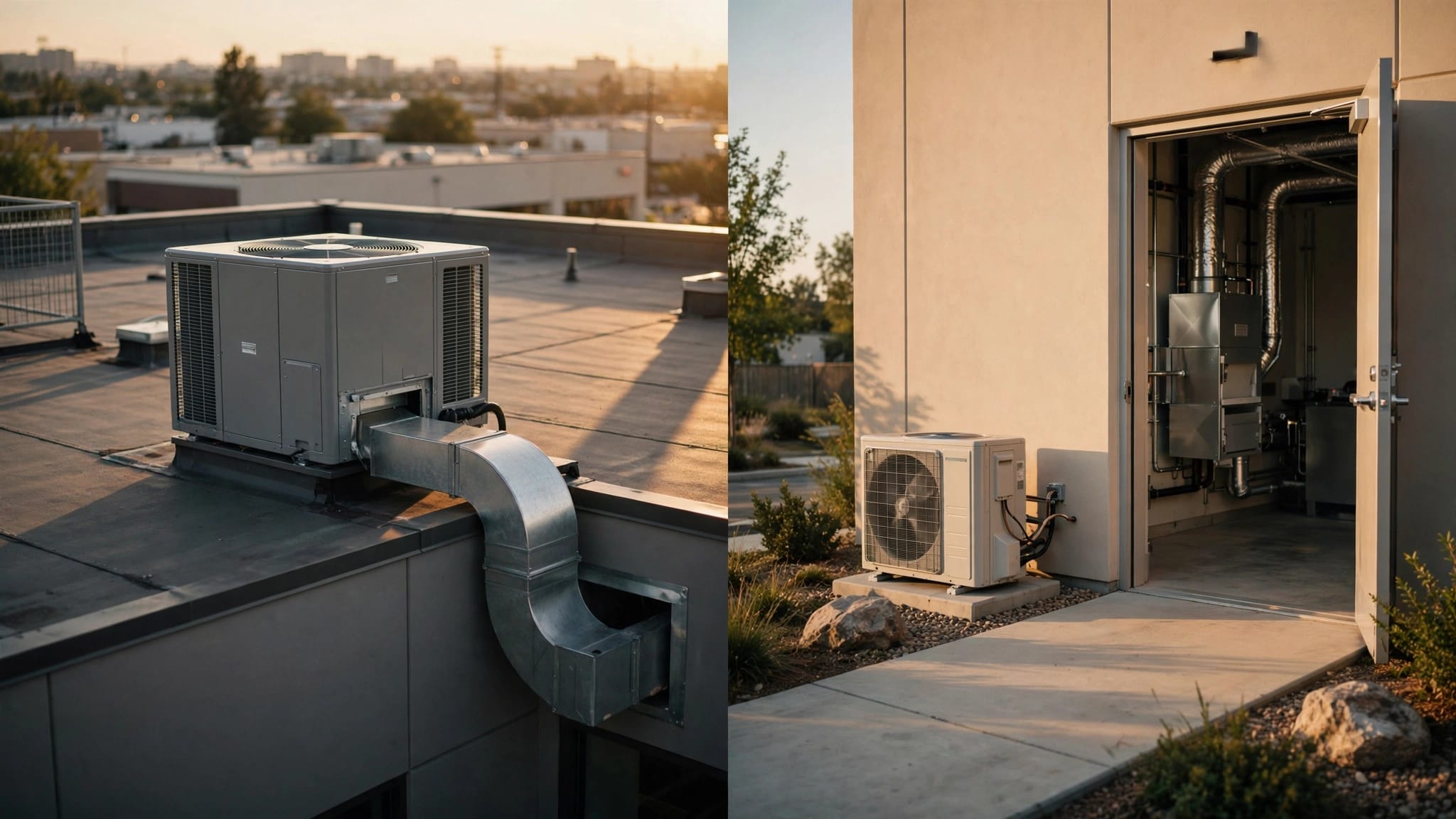
A packaged air conditioner places the compressor, condenser coil, evaporator coil, blower, and related controls inside one cabinet. The cabinet usually sits outdoors, either on a ground-level pad or on a rooftop platform. Supply and return ducts connect directly to the unit.
Florida homes often use packaged heat pumps, which provide cooling in summer and heating during mild winter weather. Some packaged systems include electric heat strips or gas heating equipment, depending on the model and home.
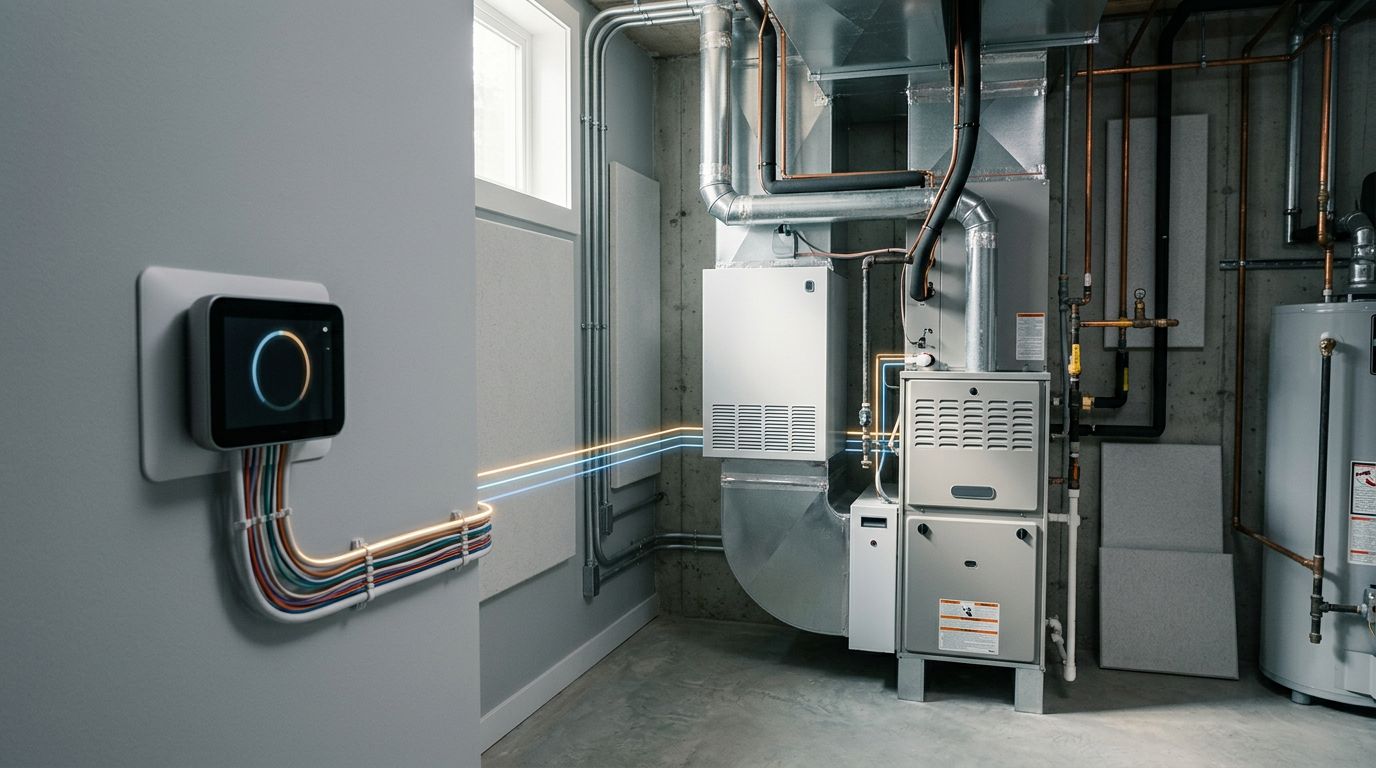
A split-system air conditioner separates the equipment into two primary sections. The outdoor condenser contains the compressor and outdoor coil. Inside the home, an air handler contains the evaporator coil and blower. Refrigerant lines connect the indoor and outdoor sections.
A split heat pump uses the same basic arrangement, but it can reverse refrigerant flow to provide heat. In many Florida homes, that heating function is enough for short cold spells.
| Feature | Package unit | Split system |
|---|---|---|
| Main equipment | One outdoor cabinet | Outdoor condenser and indoor air handler |
| Common locations | Rooftop or ground-level pad | Outdoor pad plus closet, attic, or garage |
| Duct connection | Usually connects directly outside | Connects to indoor ductwork |
| Indoor equipment access | Limited indoor equipment | Indoor air handler needs service access |
| Common applications | Manufactured homes, compact layouts, rooftop installations | Site-built homes with interior equipment space |
| Heating options | Heat pump, electric, or some gas models | Heat pump, electric heat, or furnace combinations |
The layout difference affects repairs and replacement work. A package unit keeps the major components together, while a split system gives the installer more flexibility in placing the indoor and outdoor sections.
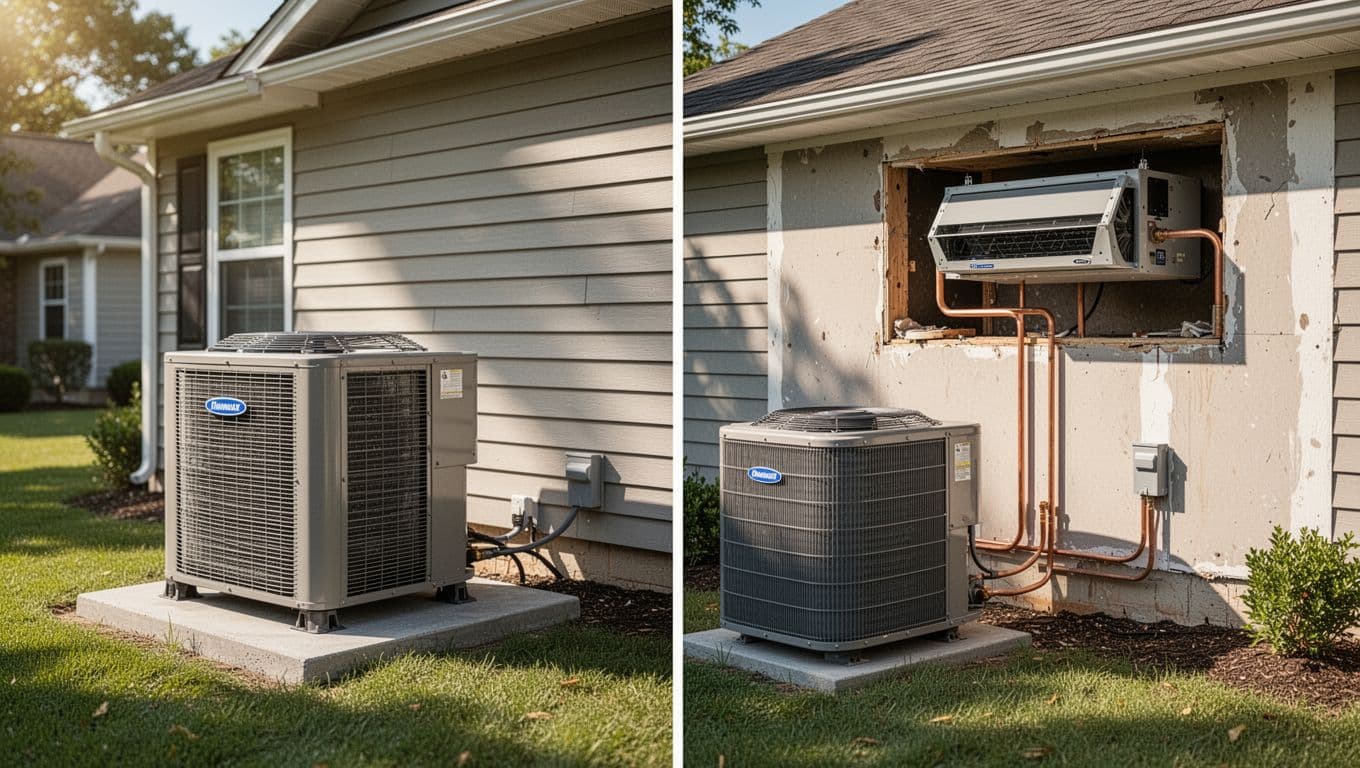
Both systems can cool a Florida home effectively. The right choice depends on the property and the quality of the installation.
Where Each System Fits in a Florida Home
Package units are common when a home has limited indoor mechanical space. The equipment can sit beside the house on a concrete pad, which keeps service work outside. Rooftop package units are also common in homes with duct systems designed for overhead installation.
Manufactured homes often use package units because the equipment connects neatly to the home's compact duct layout. Replacement units must match the home's physical dimensions, duct connections, electrical setup, and required airflow. A standard residential replacement may not fit without significant changes.
Ground-level package units need a stable pad and adequate clearance around the cabinet. Landscaping, fencing, and outdoor storage shouldn't block the condenser coil or service panels. In coastal areas, salt air and blowing debris can also increase the need for coil cleaning and cabinet inspections.
Split systems fit homes that have a suitable indoor location for an air handler. Common locations include:
- A dedicated interior closet
- An attic platform
- A garage or utility room
- A mechanical room near the central return
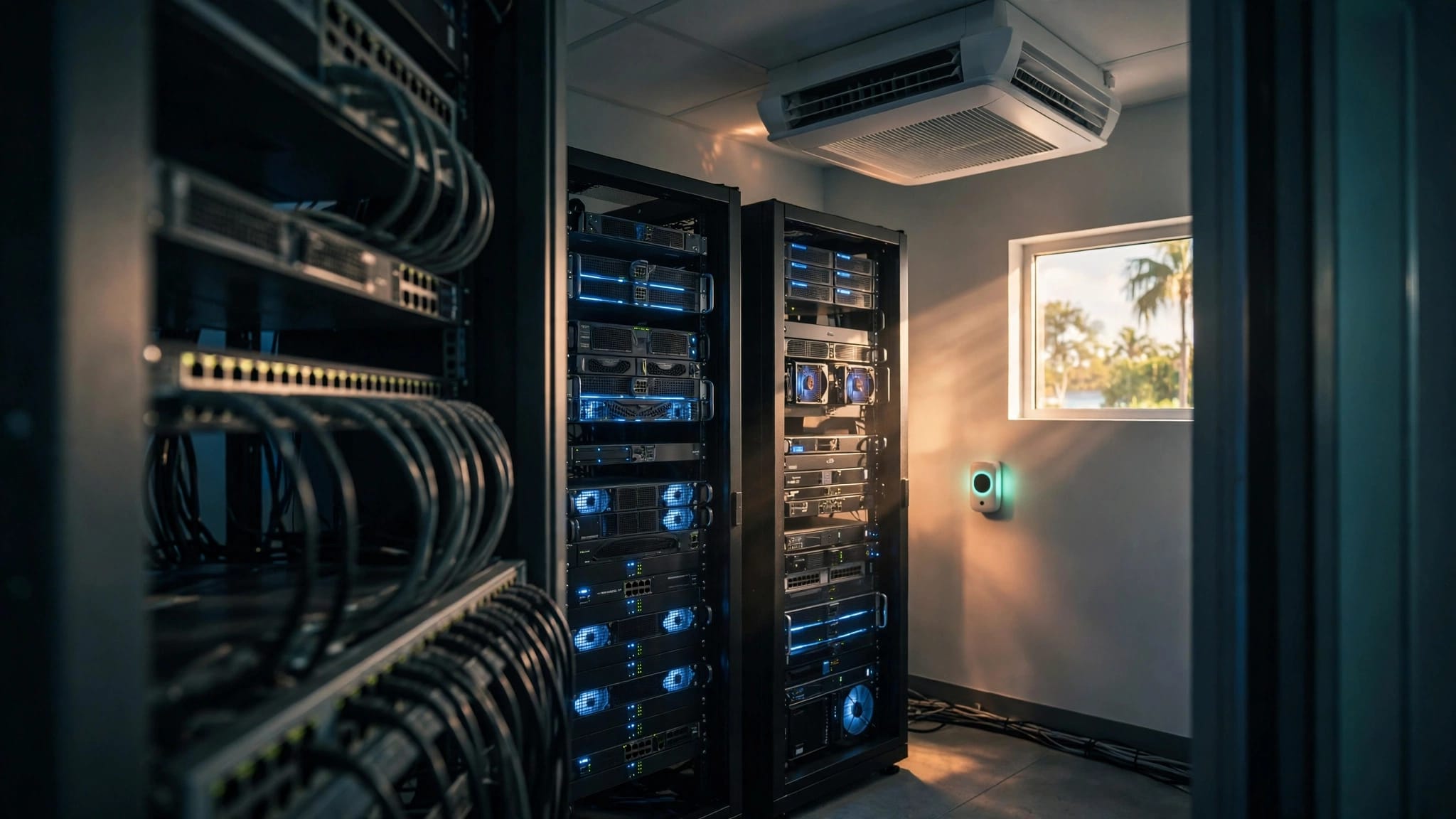
Indoor placement affects comfort and service access. An air handler in a hot attic works harder than one inside conditioned space, especially when the surrounding ductwork lacks proper insulation. Attic installations also need a safe service platform, drain protection, and enough room for filter and coil access.
Split systems may offer more flexibility during a home renovation. An installer can position the indoor air handler and outdoor condenser separately, which can help when the original equipment location creates noise or access problems. However, longer refrigerant lines and complicated duct changes can raise installation difficulty.
Package units can simplify replacement when the existing ducts and platform are in good condition. Split systems can be a better match when the home already has an indoor air handler location or needs a different equipment arrangement.
Florida Performance Depends on More Than the Equipment
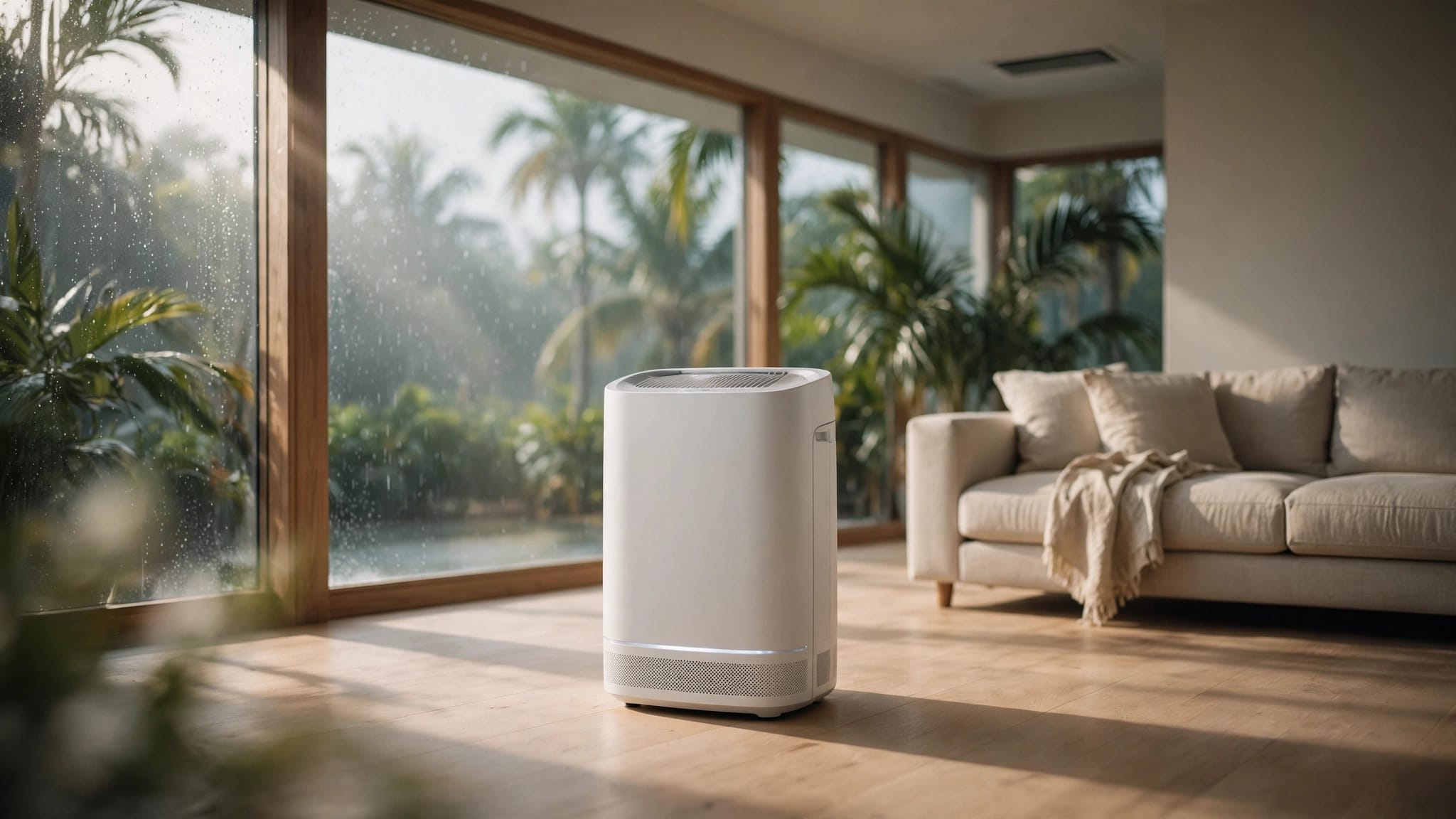
Florida air conditioning has two jobs: lowering temperature and removing moisture. A system that cools quickly but runs for only a few minutes may leave the home clammy. Oversizing is a common cause because the equipment reaches the thermostat setting before it runs long enough to dehumidify properly.
A contractor should calculate the home's cooling load instead of choosing a replacement based only on the old unit's size. The calculation considers square footage, insulation, windows, sun exposure, ceiling height, occupancy, and duct conditions. The old system's tonnage doesn't prove that its size was correct.
Ductwork affects both package and split-system performance. Leaks in an attic can pull in hot, humid air and waste cooled air before it reaches the rooms. Crushed flex duct, undersized returns, disconnected joints, and poor insulation can create uneven temperatures throughout the house.
Airflow problems often appear as warm bedrooms, weak registers, excessive dust, or a system that freezes. A larger air conditioner won't fix restricted ducts. In some cases, duct repair or return-air improvements produce a bigger comfort change than replacing equipment with a similar model.
Condensate drainage deserves attention in Florida's humid conditions. As the evaporator coil removes moisture, water collects in a drain pan and flows through a condensate line. Algae, dirt, damaged pans, or a blocked line can cause water damage and shut down the system.
A proper installation should include accessible drains, appropriate overflow protection, correct refrigerant charging, secure electrical connections, and tested airflow. The contractor should also confirm that the new equipment matches the duct system and thermostat.
A correctly sized system with sound ductwork can outperform a larger, more expensive system that was installed poorly.
Maintenance protects that performance. Replace or clean the filter on the schedule recommended for your home and filter type. Keep plants and debris away from the outdoor coil, and arrange professional service before the cooling season becomes intense. A routine HVAC maintenance agreement can help homeowners keep inspections on a regular schedule.
Comparing Comfort, Repairs, and Long-Term Costs
The purchase price depends on equipment size, efficiency, electrical changes, duct modifications, access, permits, and labor. Package and split systems don't have a universal price difference. A rooftop package replacement may cost more if a crane or platform repairs are needed. A split replacement may cost more when the air handler is in a tight attic or the refrigerant lines need replacement.
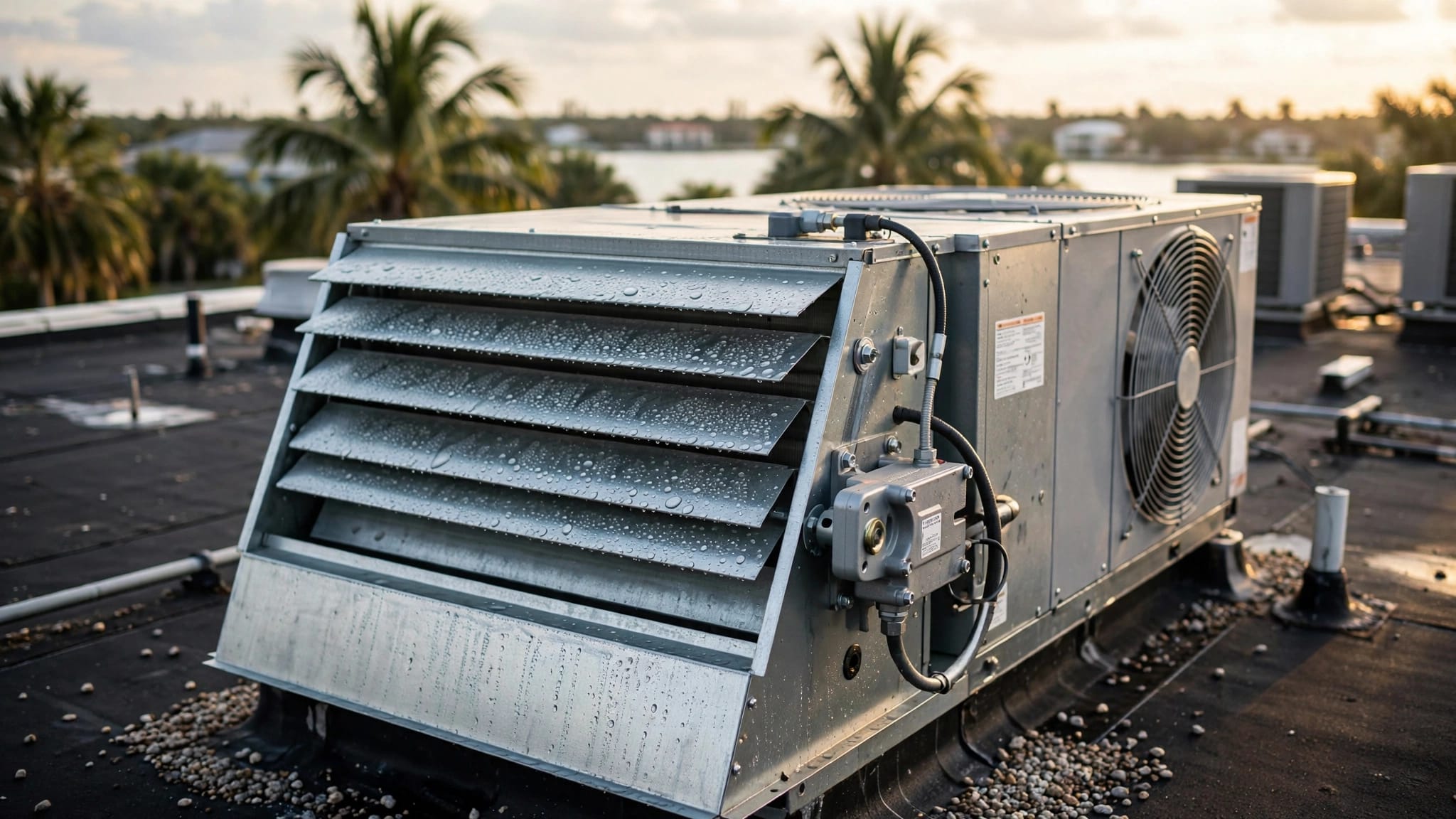
Service access also affects long-term ownership. Package units keep most components outdoors, which can simplify access for some repairs. However, rooftop equipment may require additional safety measures and can be exposed to intense sun, rain, wind, and salt air.
Split systems protect the indoor air handler from direct outdoor exposure. Indoor components can be easier to reach when the unit sits in a utility closet. Attic equipment can tell a different story, especially when the opening is narrow or the service platform is inadequate.
Noise depends on the specific model and installation. A package unit may place compressor and blower noise outside, away from living spaces. A split system also keeps the compressor outdoors, but the indoor blower can be heard near a closet or hallway. Proper vibration isolation and secure duct connections reduce unwanted sound.
When comparing proposals, look beyond the equipment brand and advertised efficiency rating. Ask whether the estimate includes:
- A load calculation
- Duct inspection and leakage repairs
- Condensate drain work
- Electrical or disconnect changes
- Removal of the old equipment
- Startup testing and thermostat setup
- Warranty registration and maintenance options
A professional air conditioning installation service should review the entire system, not only swap the outdoor cabinet. The contractor should explain the selected capacity, equipment location, efficiency rating, warranty coverage, and any work needed to improve airflow.
For an existing system that still cools but struggles with humidity, an inspection may identify a repairable issue. For repeated breakdowns, corrosion, refrigerant problems, or an aging system with poor efficiency, replacement may make more sense. A clear diagnosis prevents you from paying for equipment before the real problem is understood.
If your home needs a replacement evaluation or service appointment, Contact Us to schedule help from a local HVAC team.
Which AC System Should You Choose?
Choose a package unit when your home already has a suitable rooftop or ground-level setup, especially if the ducts connect directly to the outdoor equipment. This option can also fit manufactured homes and properties with little room for an indoor air handler.
A split system may suit your home better when you have a usable closet, garage, attic, or mechanical room. It offers flexibility in equipment placement and works well with many site-built home layouts. The indoor location must still provide safe access, correct drainage, and adequate airflow.
Florida homeowners should also consider the home's future needs. If you're replacing a rooftop package unit, confirm the roof platform and duct connections before ordering equipment. If you're moving from a package system to a split system, expect possible changes to refrigerant lines, electrical service, duct transitions, and indoor framing.
Efficiency ratings matter, but they don't tell the whole story. A high-rated system cannot compensate for poor sizing, leaky ducts, restricted airflow, or an incorrect refrigerant charge. In a humid climate, comfort depends on how the whole system operates during long cooling cycles.
Get at least one detailed estimate that explains the work in plain language. Compare the proposed capacity and installation scope, not only the equipment price.
Conclusion
The package unit vs split system AC decision comes down to your home's layout, existing ducts, equipment location, service access, and moisture-control needs. Package units often fit rooftops, slabs, and manufactured homes, while split systems commonly fit properties with indoor air handler space.
Either design can perform well in Florida when the contractor sizes it correctly, protects the condensate drainage, checks the ductwork, and tests the finished installation. The best system is the one that matches the home and receives the quality of care needed to keep indoor air cool and dry.