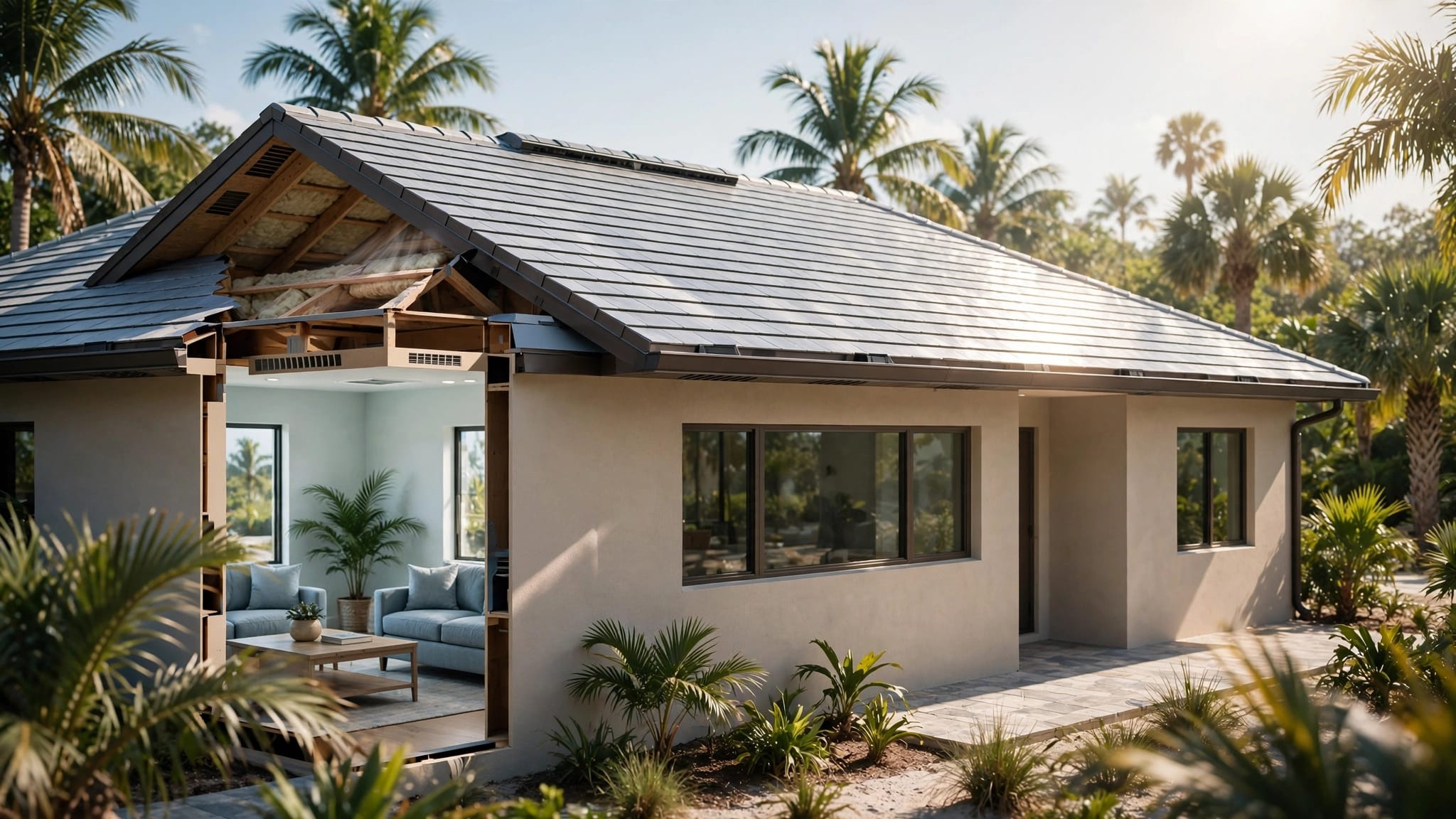
If you're trying to pin down the ac replacement cost in Cape Coral for 2026, the sticker price only tells part of the story. Two homes on the same street can get very different quotes because of size, system age, ductwork, and install complexity.
Cape Coral heat puts every cooling system to work hard. Add humidity, salt air, and long run times, and the right replacement becomes about more than cold air. It has to handle moisture, save energy, and fit your home the right way.
How much a new AC costs in Cape Coral in 2026
For a typical Cape Coral home, a full central AC replacement in 2026 often falls between $8,000 and $13,000 . Smaller or simpler jobs can land lower, while larger homes or premium systems can push higher.
Here's a practical way to look at the range:
| System type | Common 2026 price range | What it usually means |
|---|---|---|
| Small or basic system | $4,000 to $7,500 | Smaller home, simpler changeout, fewer extras |
| Typical Cape Coral replacement | $8,000 to $13,000 | Most full central AC replacements |
| Larger or high-efficiency system | $10,500 to $15,000+ | Bigger home, upgraded equipment, more labor |
Those numbers are a starting point, not a fixed quote. A replacement can move up or down depending on the condition of your current system and what the new install needs.
A good local estimate should also include labor, permits, startup work, and any parts that keep the new system running properly. If you want a more exact number, a professional air conditioning installation estimate will show where your money is going.
Why Cape Coral homes need a different price lens
Cape Coral homes face a tough mix of heat and moisture. That matters because an AC unit that only cools the air can still leave the house sticky and uncomfortable.
Proper sizing is a big piece of the puzzle. An undersized unit runs too long and struggles to keep up. An oversized one cools fast, shuts off early, and can leave humidity behind. In Southwest Florida, that can feel worse than a room that is a little warm.

Coastal air changes the equation too. Salt and moisture can wear on outdoor components faster than they would inland. Because of that, corrosion-resistant parts and better coil protection can be worth the extra cost.
In Cape Coral, the cheapest unit is not always the best buy. The wrong size or weak moisture control can cost more over time.
Energy efficiency also matters more here than it does in milder climates. A more efficient system can lower monthly bills, especially when the AC runs for long stretches in summer. That extra upfront cost often pays back through lower power use and better comfort.
What changes the quote line by line
A replacement quote usually breaks down into a few main parts. Some are obvious, and some hide in the fine print.
| Cost driver | How it affects price |
|---|---|
| Home size and system size | Larger homes need larger equipment and more labor |
| Efficiency rating | Higher-efficiency units usually cost more up front |
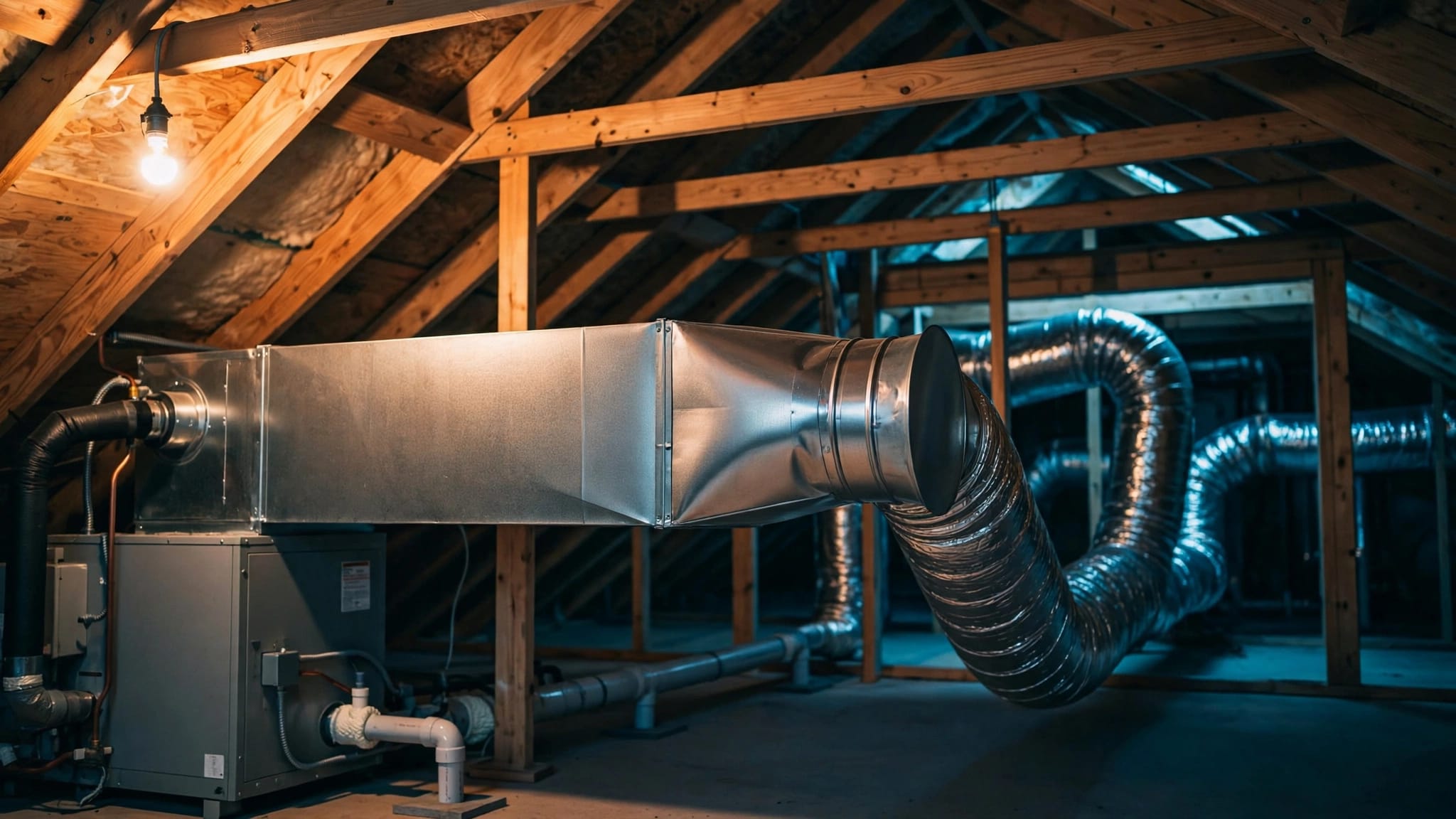
| Ductwork condition | Damaged or leaky ducts can add repair costs |
| Electrical updates | Older panels or wiring may need changes |
| Permit and inspection work | Local requirements add time and cost |
| Install difficulty | Tight attic spaces, roof access, or long runs raise labor |
| Coastal protection | Better materials and coatings can increase equipment price |
If your ducts are in good shape and the swap is straightforward, the price stays closer to the lower end. If the technician has to repair ductwork, update wiring, or work in a cramped space, the total climbs fast.
That is why two quotes for the same tonnage can look very different. One may be a clean swap. The other may be a full project with extra labor and fixes built in.
Repair or replace when the old system starts slipping
Not every weak AC needs a full replacement. Some systems still have life left, especially if the problem is small and the unit is not very old.
A repair makes sense when the system is still fairly efficient, the issue is limited, and the rest of the equipment is in decent shape. A replacement starts to make more sense when the unit is old, breaks often, or struggles to keep the house dry and even.
A simple way to judge the decision is this: if the repair cost is starting to climb toward a large share of a new system, replacement deserves a serious look. That is especially true when you have already paid for several service calls.
Homeowners often notice the warning signs before the unit quits:
- Rooms cool unevenly.
- Humidity stays high indoors.
- Utility bills keep rising.
- The system needs more than one major repair.
- The unit is well past the age of a typical Florida AC.
If your system still has a good service life left, expert AC repair services may be the better move. If the breakdowns keep stacking up, a new system can bring steadier comfort and fewer surprises.
Getting an estimate that matches your home
A good quote should tell you more than the price. It should explain the size of the unit, the efficiency rating, the labor involved, and any extra work needed to finish the job right.
Look for a quote that clearly lists:
- The AC model and size
- Labor and install work
- Permit and inspection costs
- Thermostat changes
- Duct or electrical repairs
- Removal of the old system
- Warranty details
That level of detail makes it easier to compare bids. It also helps you avoid a low quote that grows later.
In Cape Coral, many homeowners also want quick scheduling, fair pricing, and help with financing when needed. If your system is failing in the middle of summer, speed matters too. You can Contact Us for 24/7 service and to schedule a service call when the timing is tight.
Conclusion
The AC replacement cost in Cape Coral for 2026 depends on more than the unit itself. Home size, system condition, ductwork, efficiency, and install complexity all shape the final number.
For local homes, the best value usually comes from the right size, strong humidity control, and equipment that can handle coastal conditions. A careful estimate tells you where the money goes and helps you choose a system that fits your home, not just your budget.
FAQ
How long does an AC system last in Florida?
Most AC systems in Florida last about 10 to 15 years. Heavy use, salt air, and long cooling seasons can shorten that span. Regular maintenance can help the system last longer, but age still matters.
Is it better to repair or replace my AC?
Repair makes sense when the system is younger, the problem is small, and the rest of the unit is in good shape. Replace it when the system is older, keeps breaking down, or no longer cools and dehumidifies the house well. If repair costs start getting close to a large share of a new unit, replacement usually wins.
How long does AC installation take?
Most standard AC replacements take one day. More complex jobs can take longer if ductwork, electrical work, or permit steps are needed. Homes with tight access or larger systems may also need extra time.
Are permits usually needed for AC replacement in Cape Coral?
Yes, permits are usually needed for AC replacement in Cape Coral and across much of Southwest Florida. A reputable installer should handle the permit process and inspection steps. That helps keep the job compliant and avoids delays later.