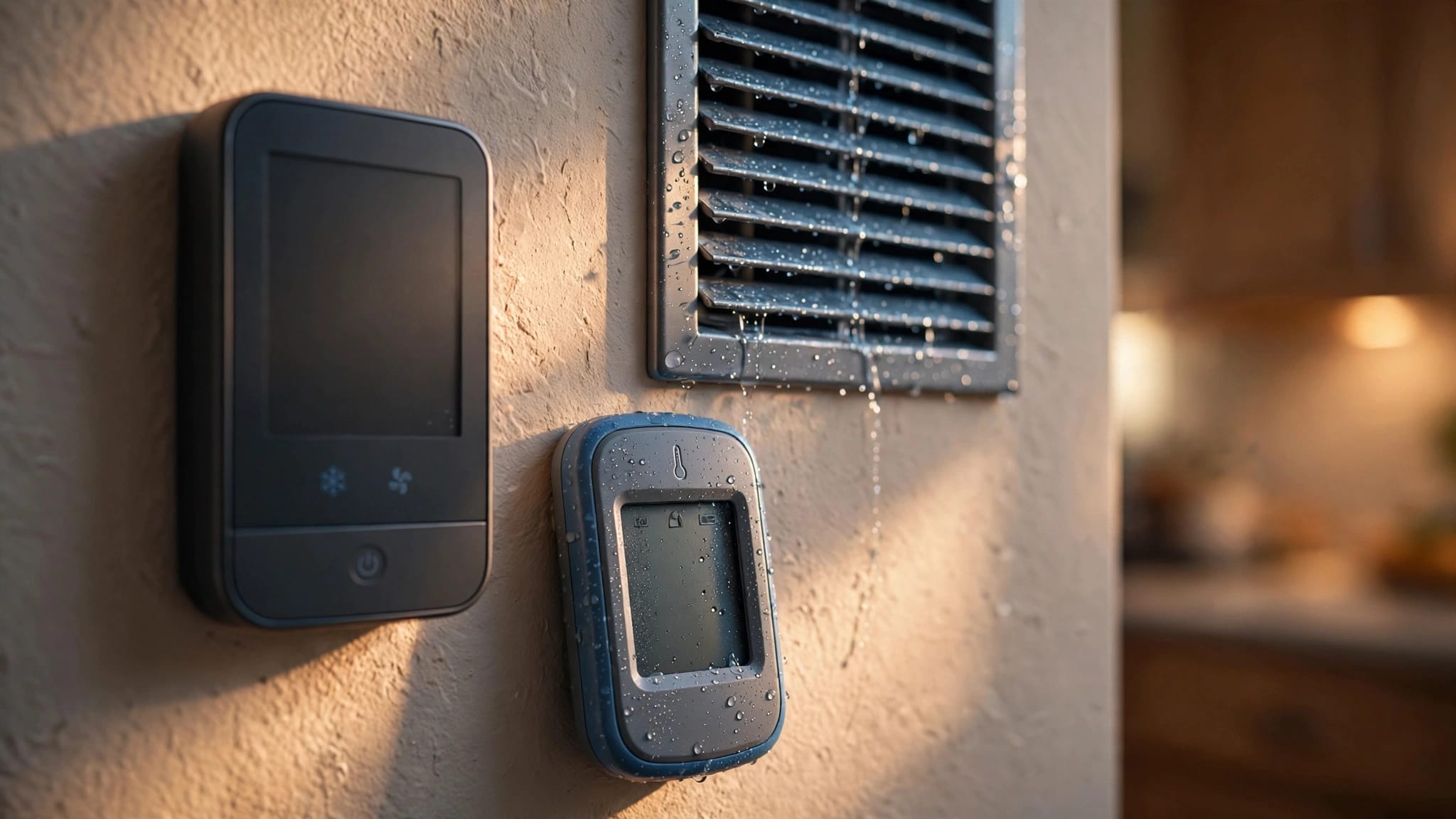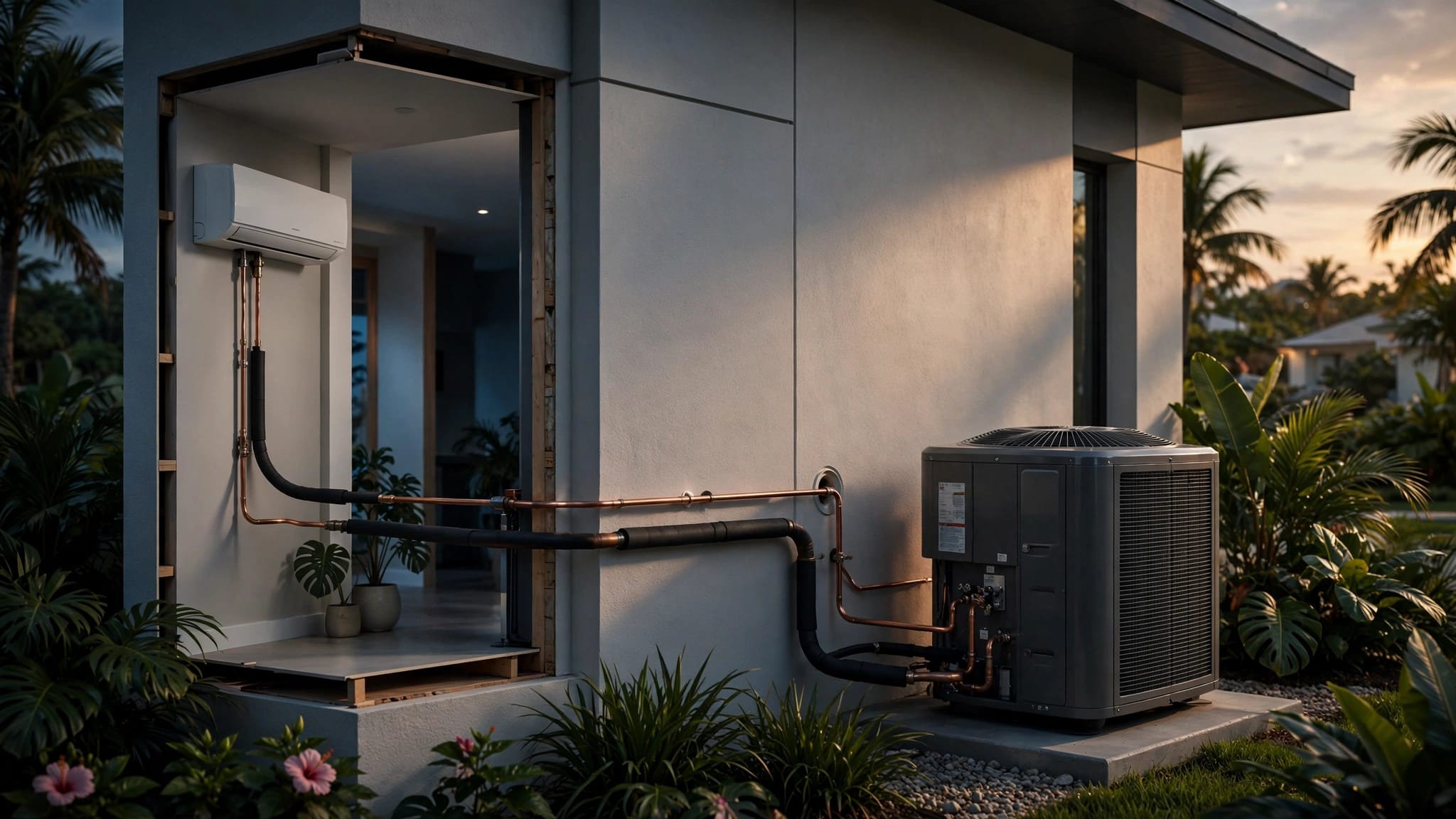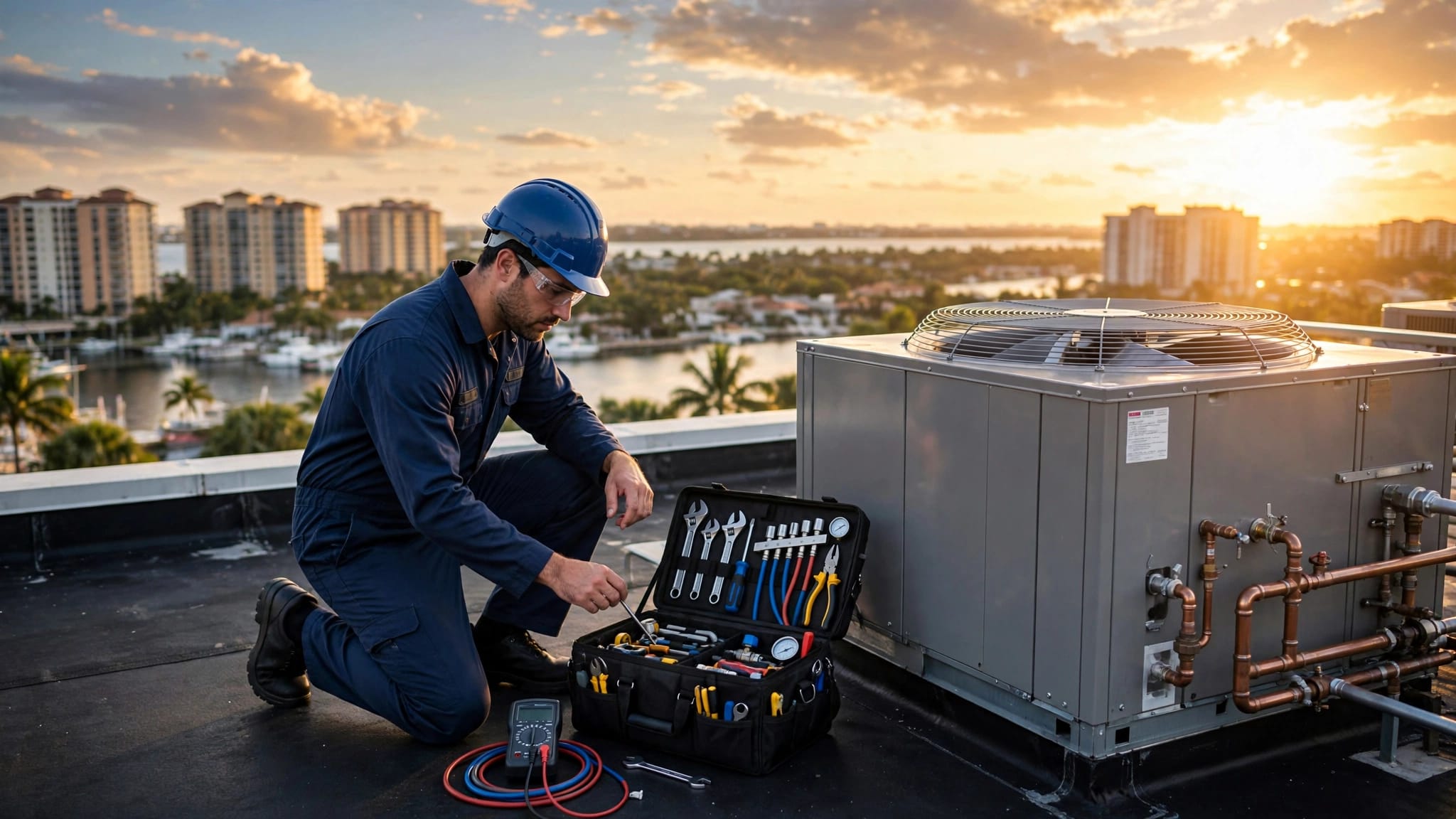
A leaking drain pan can turn a small AC problem into a wet ceiling, a rusty air handler, or a shut-down system. In Cape Coral, the AC drain pan replacement cost in 2026 usually lands around $600 for a standard professional job, but the final bill can swing higher if access is tight or other parts need work.
That matters because the pan is small, yet it sits in the path of every drop of condensation your system makes. If water is showing up where it shouldn't, the numbers below will help you judge whether you're looking at a simple fix or a bigger repair.
What Cape Coral homeowners can expect to pay
Most homeowners want the full installed price, not just the cost of the pan itself. That total can change fast, especially if the leak is tied to another issue.
Here's a practical look at common 2026 pricing in Florida:
| Situation | Typical 2026 price | What it usually means |
|---|---|---|
| Parts only, DIY | $30 to $150 | The pan is easy to reach and the job is simple |
| Standard professional replacement | $200 to $600 | Common for central AC systems with normal access |
| Hard-to-reach or added repairs | $900 to $1,200+ | Attic units, rust, mold, or coil-area work can raise the bill |
| Service call or inspection fee | $100 to $250 | Often separate if not bundled into the repair |
For many Cape Coral homes, a fair target is the middle of that range. If your air handler sits in an attic, closet, or tight utility space, expect the quote to rise.
If the leak started with a clogged line or a shutdown, air conditioner inspection and repair can uncover whether the pan is the only issue before money gets spent in the wrong place.
A pan rarely fails alone. If the condensate line or float switch is clogged, the job can turn into a larger service visit.
The key is to compare the total, not just the part price. A low quote can look good until labor, testing, and extra cleanup show up.
Why the final bill changes so much
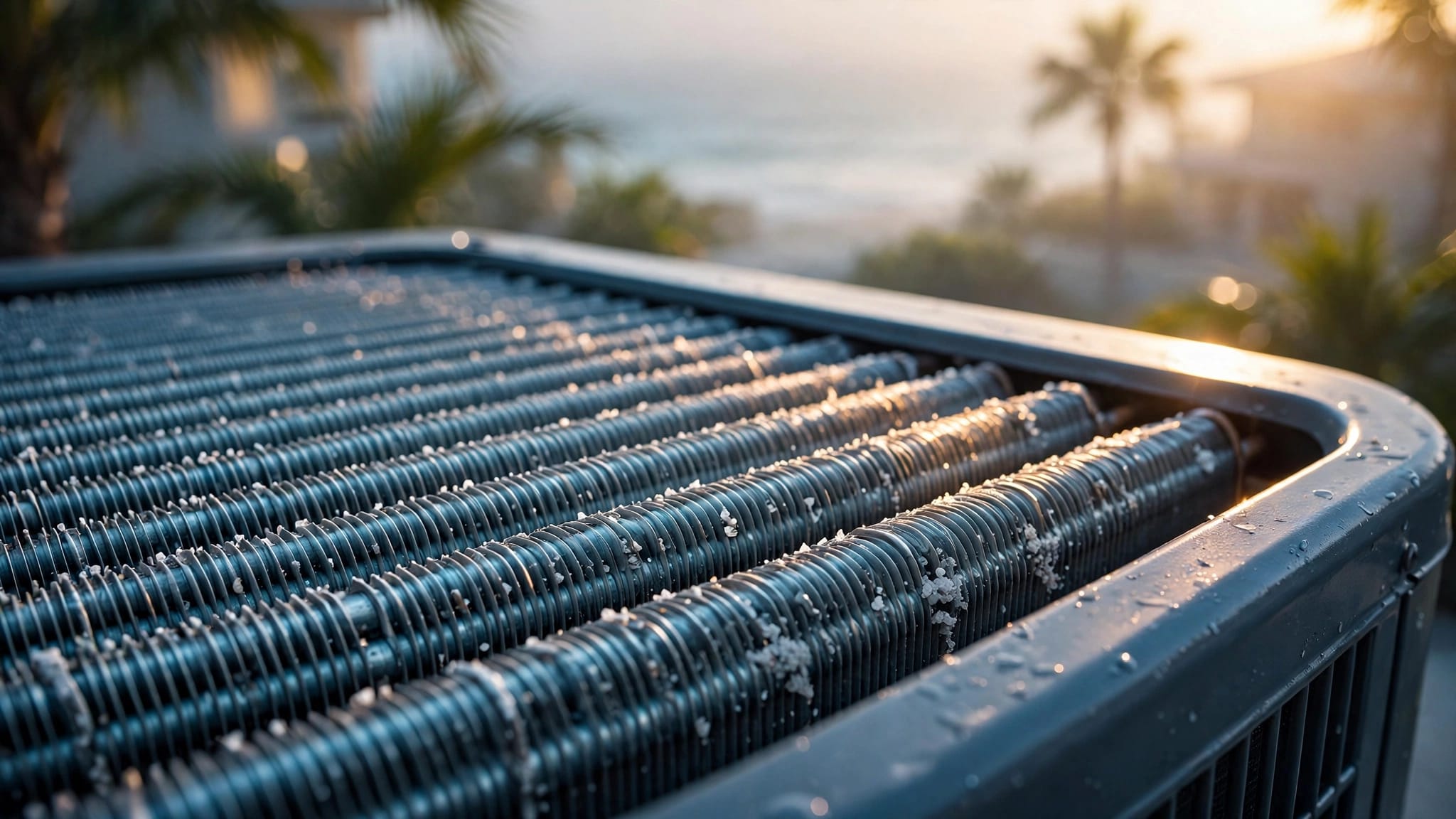
Cape Coral heat and humidity put AC systems to work for long stretches. That extra runtime means more condensation, more wear, and more chances for corrosion or a blocked drain.
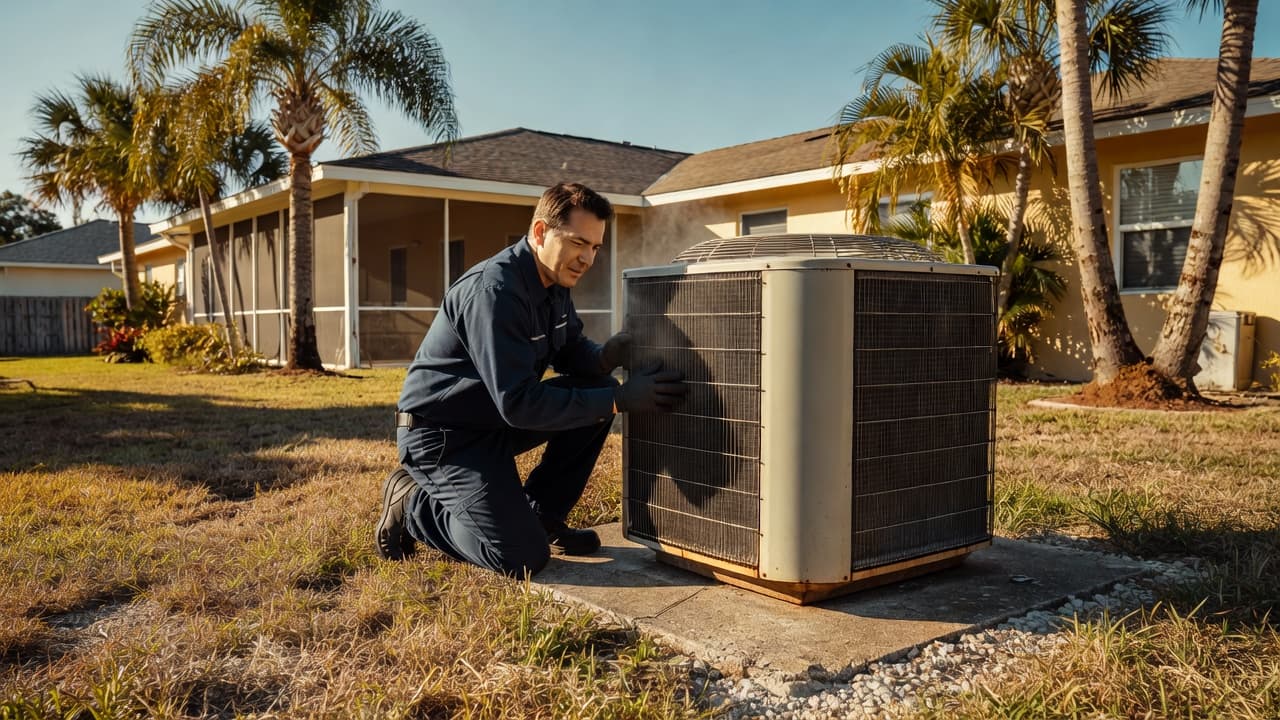
A technician can spot corrosion, a blocked line, or a cracked pan before the leak spreads.
Several details move the price up or down:
- Access to the unit matters first. A pan under a garage air handler is easier to swap than one buried in an attic.
- System type matters too. Central AC, package units, and smaller setups don't all use the same pan style.
- Material condition changes the job. A plastic pan with a crack is different from a rusted metal pan with damage around the edges.
- Related parts can add labor. The condensate line and float switch often need cleaning or replacement at the same time.
- Water damage can add more work. Wet insulation, rust stains, and moldy surfaces take time to address.
Humid homes and long cooling seasons make these problems more common. That's why two similar houses can get very different estimates.
Warning signs a drain pan is failing
A drain pan usually gives you clues before it fails completely. The problem is that those clues can look small at first.
Watch for these signs:
- Water around the air handler after the AC runs
- Rust stains or pitting on the pan
- Musty smells near the indoor unit
- Water spots on ceilings or walls
- The system shutting off because the float switch trips
- Repeated drain clogs even after the line is cleared
Any one of these can point to a pan problem. A few of them together usually mean the issue is no longer minor.
If the pan is leaking into drywall or insulation, the repair cost can climb faster than expected. The pan may be the first thing that failed, but it is not always the only thing that needs attention.
What a drain pan replacement visit usually includes
A good service call does more than swap one part for another. It should also find out why the old pan failed.
A typical visit usually includes:
- Turning off power and opening the air handler safely.
- Inspecting the pan, coil area, and drain path.
- Removing the old pan and checking for rust or cracks.
- Cleaning or clearing the condensate line.
- Testing the float switch and overflow protection.
- Installing the new pan and sealing the area as needed.
- Running the system to make sure water drains the right way.
That final test matters. A new pan won't solve a bad drain path.
If the system is due for more than one tune-up item, preventative AC maintenance plans can help catch clogging, corrosion, and weak parts before they turn into a leak.
A quote may also include small materials, sealant, or insulation work. If the technician finds coil damage or a clogged drain trap, those repairs can change the total.
Repair or replace, which makes more sense?
Sometimes the cheapest fix is the wrong fix. That happens when a pan has already reached the end of its life.
Use this simple guide:
| Situation | Better choice |
|---|---|
| Small blockage, pan still solid | Repair and cleaning |
| Loose fitting or minor overflow | Repair may be enough |
| Surface rust but no holes | Repair can work if caught early |
| Cracked, warped, or rusted-through pan | Replacement |
| Repeat leaks or water damage nearby | Replacement plus related work |
If the pan is old but still intact, a tech may be able to clean the drain line and keep it in service a little longer. That can make sense on a newer system.
If the pan has holes, rust through, or warping, replacement is usually the smarter spend. Paying for another cleanup after the next leak gets expensive fast.
The same is true when the float switch keeps tripping. In that case, the drain system is trying to tell you something. Ignoring it can mean water damage, mold, or a full AC shutdown.
For homeowners who want a fast look at the problem, Contact Us for 24/7 service and to schedule a service call.
Conclusion
Most Cape Coral homeowners will see drain pan replacement costs land near the middle of the 2026 range, but access and add-on repairs can move the total quickly. The biggest surprises usually come from hidden damage, not the pan itself.
A small pan can create a big mess, yet the warning signs are easy to spot if you know what to look for. If your AC is leaking, shutting off, or leaving stains behind, getting it checked early can save money and avoid a bigger repair later.