A heat pump problem never seems to happen at a good time. In Cape Coral, that can mean a hot house, a stressed system, and a repair bill you did not plan for.
In 2026, heat pump repair cost in Florida usually lands around $330 to $550 for common fixes, although many repairs fall anywhere from $200 to $2,000 or more. The final number depends on the part, the labor, and how quickly you need service.
Cape Coral homes put heat pumps to work almost year-round. Salt air, high humidity, and long cooling seasons add wear that inland systems do not face as often.
What Cape Coral homeowners can expect to pay
For small repairs, many homeowners in Cape Coral can expect a manageable bill. A bad capacitor, a loose connection, or a sensor issue often stays in the lower range if the diagnosis is quick.
Larger problems cost more because they take more time and involve pricier parts. A compressor or coil issue can turn into a major repair, especially if the unit is older or the exact part is not sitting on a truck.
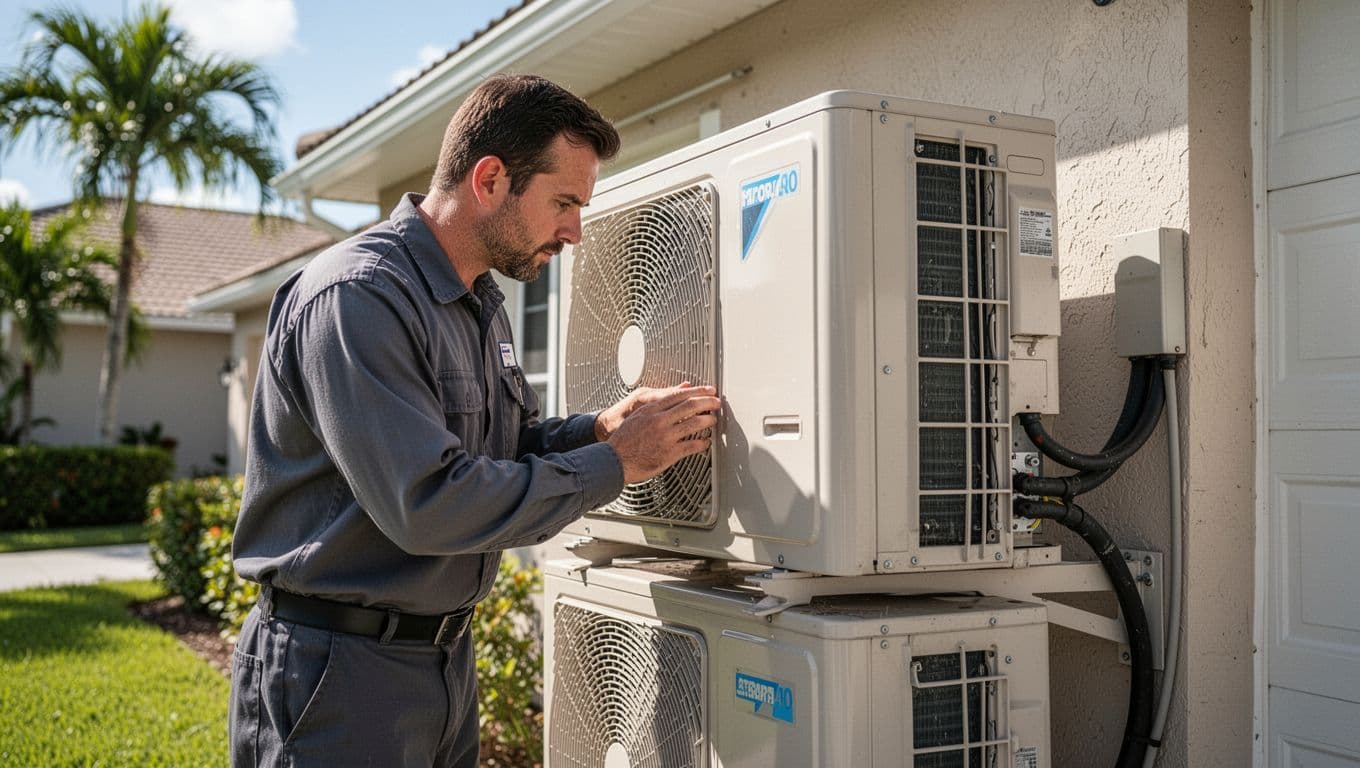
Here is a quick look at common repair ranges in 2026.
| Repair type | Typical 2026 price range | What it usually means |
|---|---|---|
| Capacitor | $100 to $400 | A common electrical fix |
| Fan motor | $200 to $700 | Labor and part cost both matter |
| Circuit board | $75 to $600 | Price varies by brand and availability |
| Refrigerant leak or recharge | $200 to $1,500 | Leak size and testing drive the bill |
| Compressor | $900 to $2,900 | One of the most expensive repairs |
| Coil repair or replacement | $1,000 to $5,000+ | Often tied to system age and access |
The takeaway is simple. Small repairs stay reasonable when caught early. Bigger repairs climb fast because the labor gets longer and the parts get harder to source.
The lowest quote matters less than what it includes. Diagnosis, parts, labor, and warranty details all change the real cost.
What changes the bill
Several things push a heat pump repair up or down. The first is the type of system you own. Larger units, higher-efficiency models, and older brands can use different parts that cost more.
Repair severity matters next. A failed capacitor is a quick fix. A compressor failure often means more testing, more labor, and a much larger part cost.
Parts availability also plays a role. If a technician has the part on the truck, your repair may stay on the lower end. If the part has to be ordered, the bill can grow once labor and return visits are added.
Labor rates matter in Cape Coral too. After-hours calls, weekend visits, and holiday service usually cost more than a standard weekday repair. That is especially true during peak summer, when every HVAC company is busy.
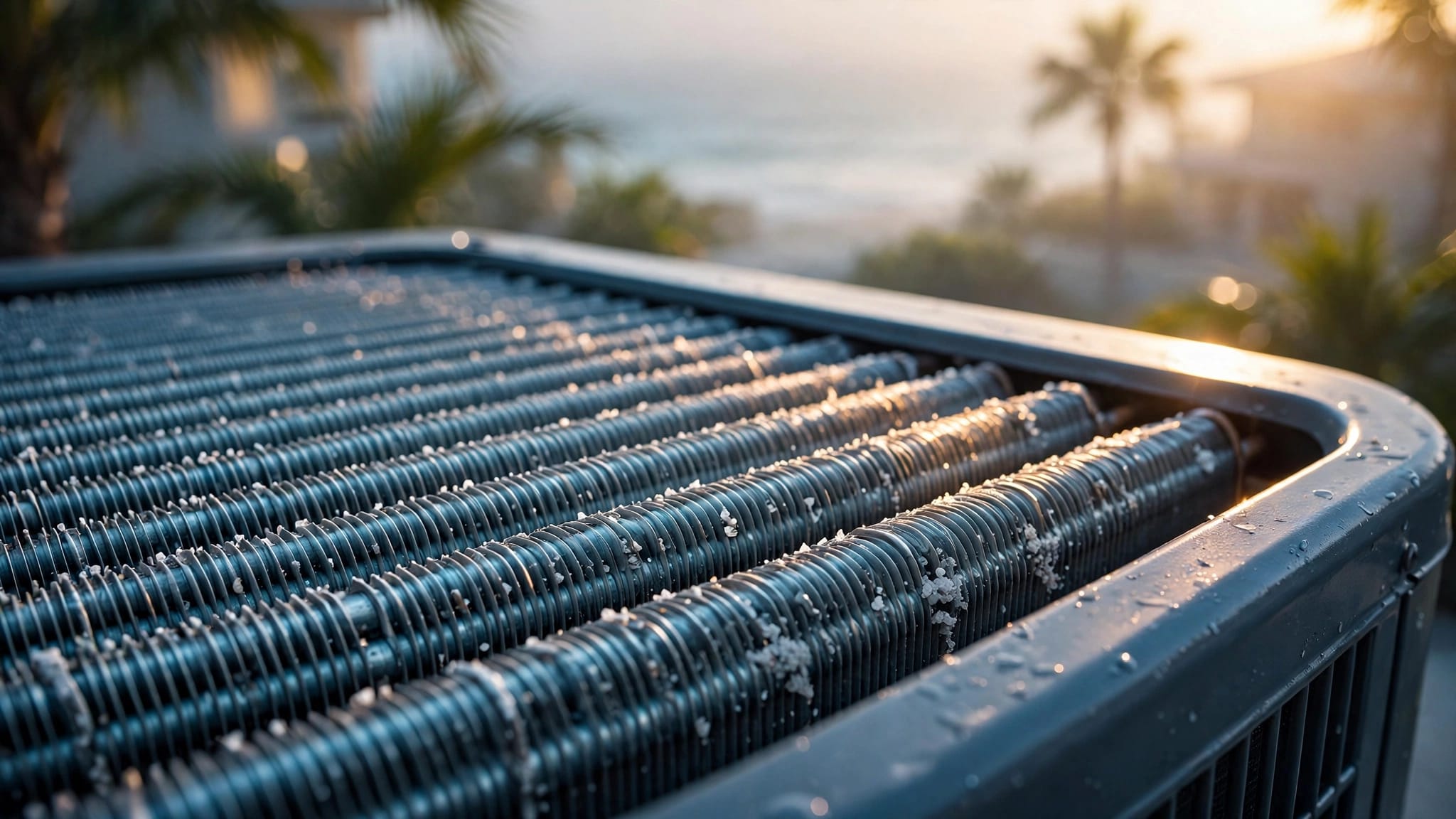
Local wear is another factor. Salt air can be rough on outdoor components. Humidity can strain drainage, coils, and electrical parts. Because the system works so often, even small issues show up faster here.
When the problem is on the heating side, heating system repair services matter too, because a heat pump still has to switch cleanly between modes. If that changeover fails, the system may run inefficiently or stop heating altogether.
Common heat pump repairs and what they cost
Some problems show up again and again in Southwest Florida. A heat pump may still run, but it will run poorly. That is often when the repair bill stays moderate.
A failed capacitor can stop the compressor or fan from starting. A bad fan motor can lead to weak airflow or a noisy outdoor unit. Circuit board trouble may cause the system to behave in odd, inconsistent ways.
The most expensive surprises usually involve refrigerant or the compressor. Those repairs need more testing and more time, and they can make an older unit hard to justify.
Signs your heat pump needs repair
Cape Coral homeowners often notice the warning signs before the system quits. Catching them early can keep the repair smaller.
Watch for these problems:
- Warm air when the system should cool.
- Weak airflow from the vents.
- Short cycling, where the unit turns on and off too often.
- Ice on the outdoor unit or refrigerant lines.
- Unusual noises, such as grinding, buzzing, or rattling.
- A sudden jump in your electric bill.
- Uneven temperatures from room to room.
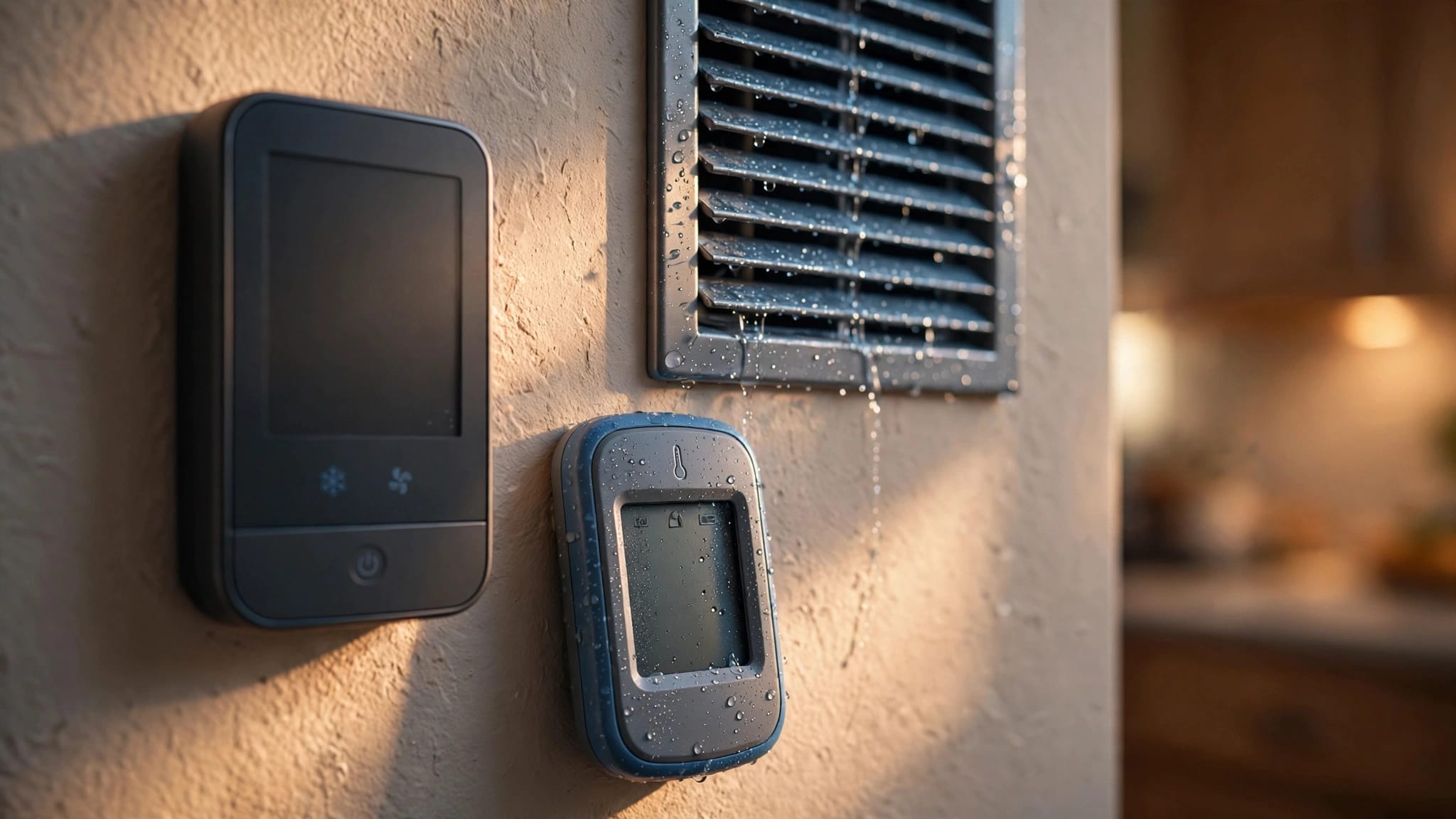
Humidity can confuse the picture a little. A little condensation is normal in Florida. Repeated icing, dripping, or puddling is not.
If the system keeps tripping breakers or shuts down often, the issue may be electrical. That kind of problem should not wait. It can get worse fast, especially during peak cooling hours.
How to keep repair costs under control
The best way to hold down repair costs is to stay ahead of them. Heat pumps in Cape Coral work hard enough without extra strain from clogged filters or dirty coils.
Start with the basics. Change filters on schedule, keep the outdoor unit clear, and trim back plants or debris around the condenser. Those small steps improve airflow and help the system run with less stress.
Schedule maintenance before the hottest part of the year. A tune-up can catch loose wiring, low refrigerant, and dirty parts before they turn into a larger bill. That matters even more in a coastal climate, where salt and humidity wear on equipment faster.
It also helps to ask a few direct questions before you approve a repair:
- What is the diagnostic fee?
- Is the estimate for parts, labor, or both?
- Are any parts covered by warranty?
- Will this repair solve the problem long-term?
If the unit fails after hours or on a weekend, 24/7 emergency HVAC repairs can keep the problem from dragging into the next day. That matters when indoor heat climbs fast and the house gets uncomfortable in a hurry.
Repair or replace? The decision gets easier with the right numbers
Sometimes the question is not whether to repair. It is whether the repair still makes sense.
A heat pump that is past the 10-year mark, uses older parts, or has already needed several fixes may be nearing the end of its useful life. If the repair cost starts creeping toward half the price of a replacement, a new system often makes more sense.
That is especially true with major failures. A compressor or coil problem on an older unit can turn into a money pit if other parts are already worn. A newer unit with a smaller issue is a different story.
Ask for both numbers when possible. A repair estimate and a replacement estimate side by side make the choice clearer. That is often the fastest way to see whether you are fixing a problem or throwing good money after bad.
If you need a clear diagnosis and a written estimate, Contact Us to schedule a service call.
Conclusion
Cape Coral heat pump repairs in 2026 usually start with a moderate bill, then climb when the damage is larger or the call comes after hours. Salt air, humidity, and year-round use all push local systems harder than many homeowners expect.
The smartest move is to catch problems early and compare the repair with the system's age. A good estimate should give you a clear view of the part, the labor, and the next best step.