Your thermostat may have an emergency heat setting, and many Cape Coral homeowners never touch it. That's normal. In Southwest Florida, most homes rely on their system for cooling far more than heating, so the setting can feel unfamiliar.
When a cool spell hits, or the outdoor unit has trouble, that switch can matter. Used the right way, emergency heat can keep your home comfortable when the heat pump can't do its job. Used at the wrong time, it can drive up energy costs.
What the Emergency Heat Setting Does
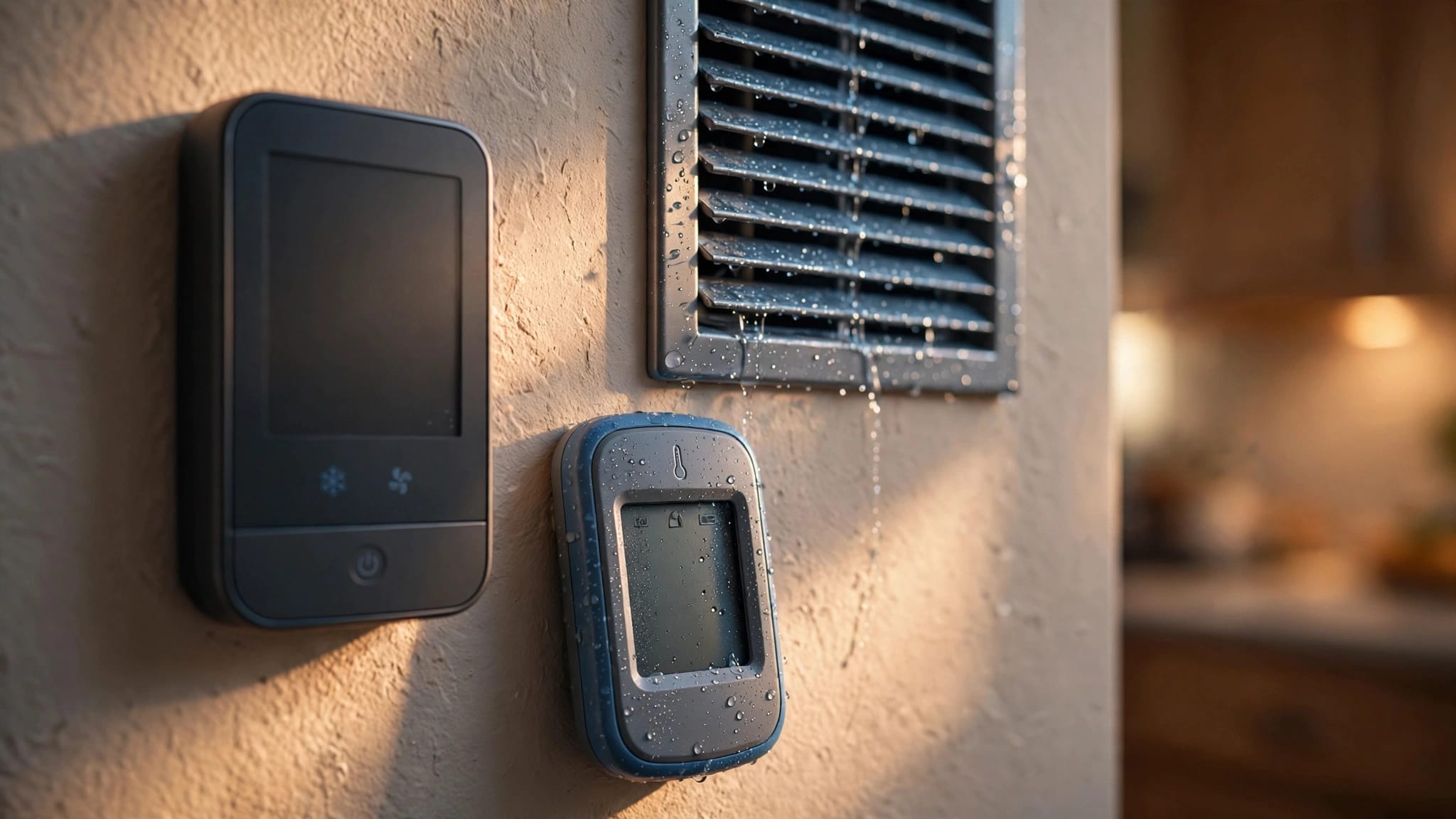
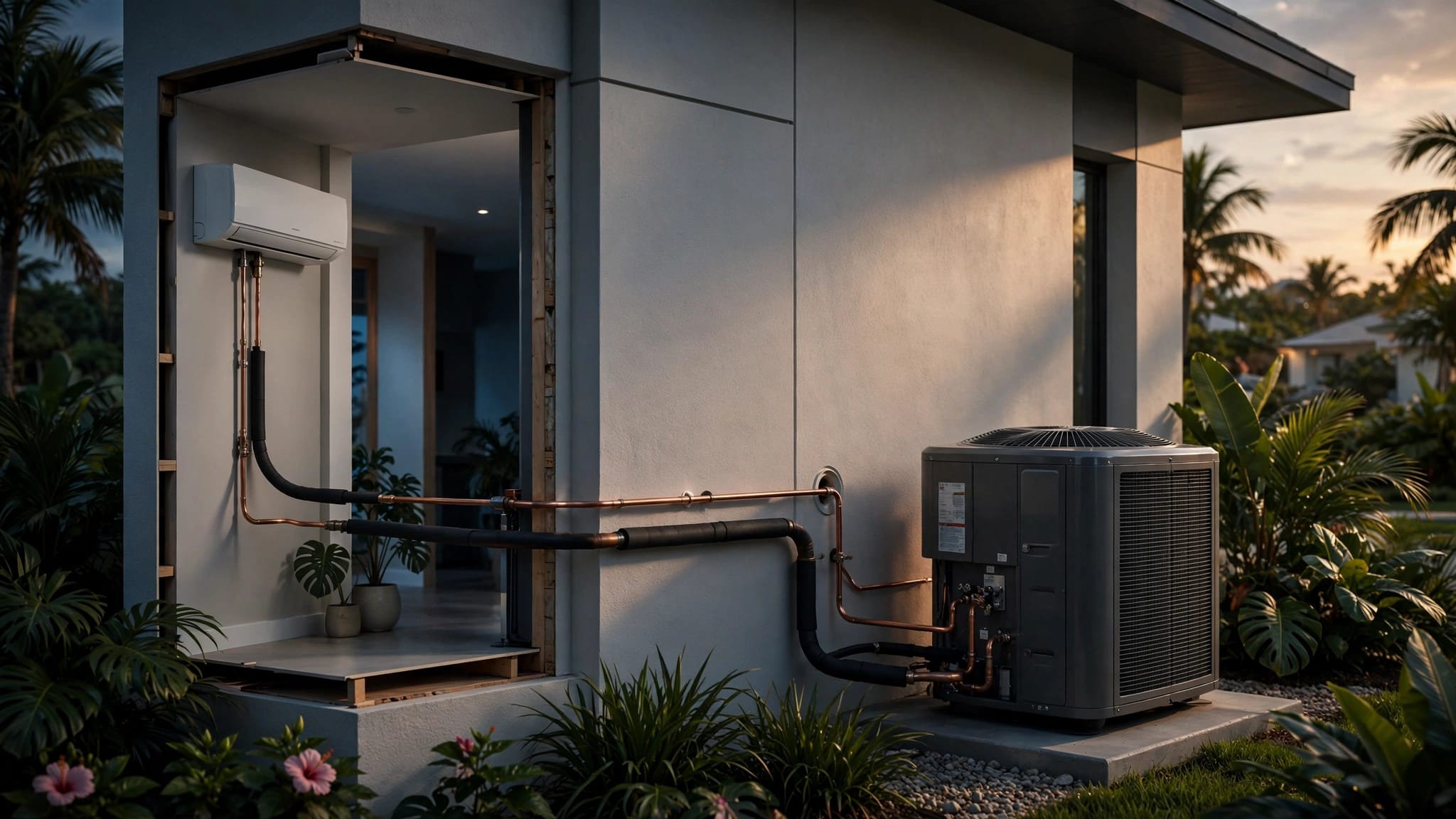
The emergency heat thermostat setting is tied to a heat pump system. A heat pump can heat and cool your home, but it depends on the outdoor unit working correctly. When you switch to emergency heat, the system skips the outdoor heat pump and uses backup heat inside the home.
That backup heat usually comes from electric heat strips. They warm the air without help from the outdoor unit. Because of that, emergency heat can feel like a fast fix, but it often uses more electricity than normal heat pump operation.
Many thermostats label the setting as "Emergency Heat" or "EM Heat." Others may show "Aux Heat" when the backup heat kicks on by itself. That can confuse homeowners who rarely use heat at all.
Emergency heat is a backup setting, not a daily heating mode.
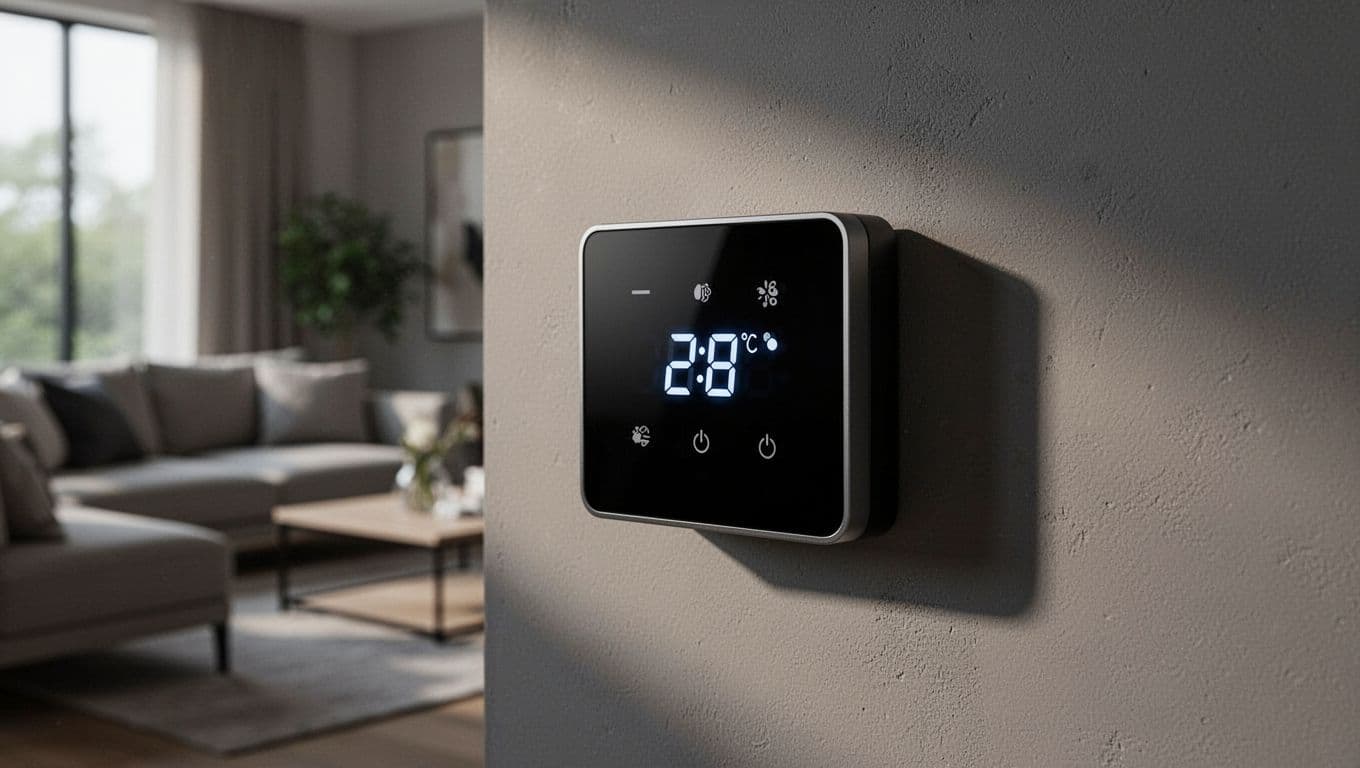
For Cape Coral homes, that matters because heating systems often sit idle for long stretches. If you only use your heat a few times each winter, the controls can be easy to overlook. Still, knowing what the setting does helps you avoid a costly mistake when the weather changes.
When to Use Emergency Heat in Cape Coral
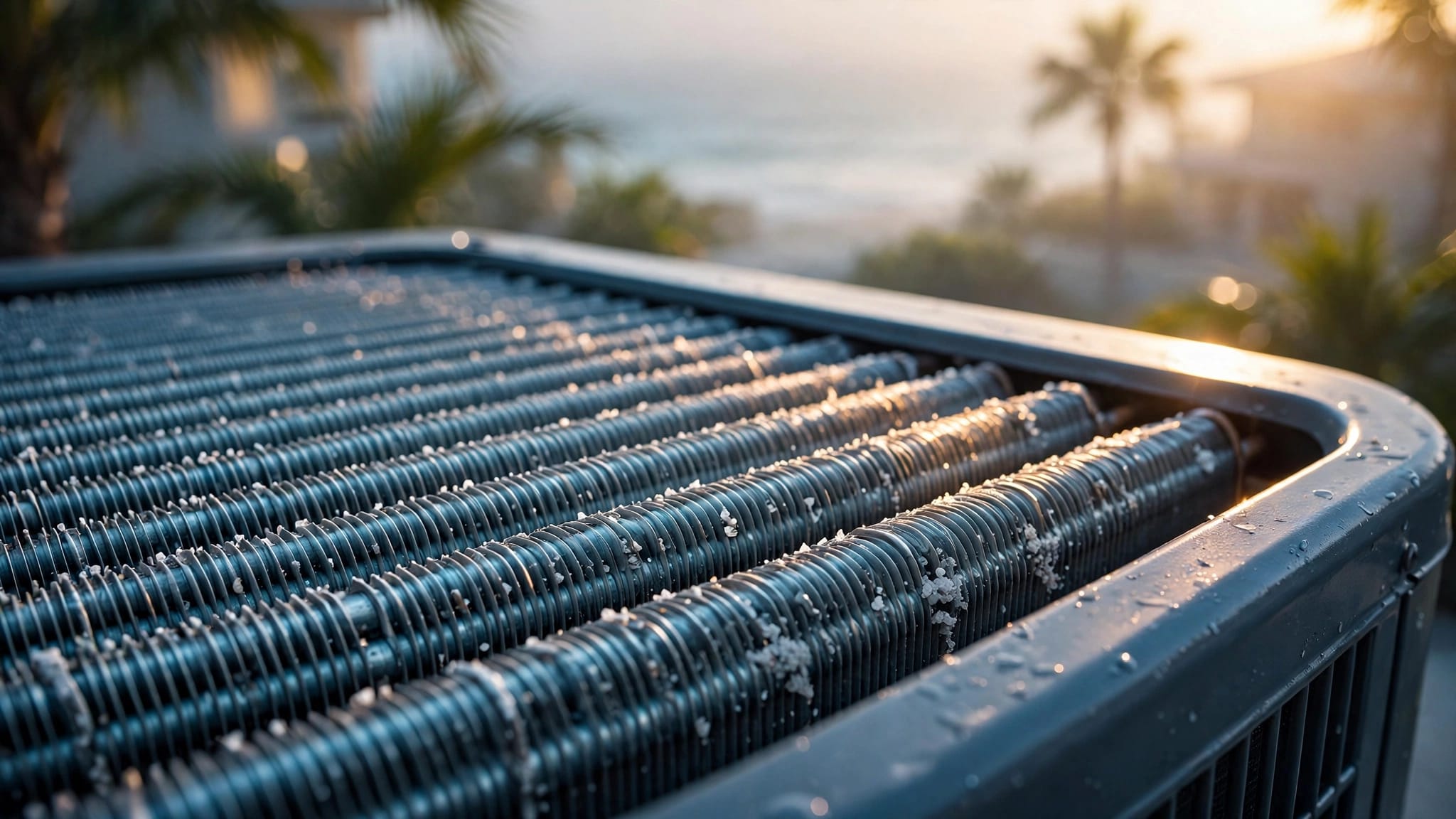
Emergency heat is best used when the outdoor heat pump is not working the way it should. It is also useful if the outdoor unit is iced over and a technician tells you to switch over while you wait for service.
In most other cases, normal Heat mode is the better choice. Cape Coral winters are mild, so many homes can stay comfortable without touching emergency heat at all. Some thermostats may even show Emergency Heat or Aux Heat while the system should stay in regular Heat mode, so it helps to know what your unit is doing before you flip any switch.
Use emergency heat mainly when one of these is true:
- The outdoor heat pump will not start.
- Ice is covering the outdoor unit.
- A technician tells you to use the backup heat.
- You need temporary heat while waiting for a repair.
If your system is working normally, emergency heat is usually too expensive for everyday use. The backup strips can pull a lot more power than the heat pump itself. That can show up quickly on your electric bill.
If the outdoor unit fails during a cold snap, 24/7 emergency HVAC repair can help get the system checked fast.
Signs Your Heat Pump Needs Service
If you keep needing emergency heat, the system is telling you something. A heat pump should not need backup heat all the time. When it does, the problem is often with the outdoor unit, the controls, or airflow.
A few common signs stand out. The air may feel lukewarm instead of warm. The outdoor unit may sit silent when it should be running. You may also notice ice, loud noises, or a thermostat that keeps calling for backup heat.
Poor airflow can also cause trouble. A dirty filter, blocked vent, or weak blower can make the whole system work harder than it should. In a mild climate like Cape Coral, that kind of issue can go unnoticed until the first cool night.
If the heat pump struggles often, reliable heating repair and installation is worth scheduling before the next cold spell. A quick check can catch problems before the system quits on you.
What to Do If Emergency Heat Keeps Turning On
If the setting keeps appearing, start with the simple things. Then move to service if the problem does not clear up.
- Put the thermostat back in normal Heat mode unless a technician told you otherwise.
- Check the air filter and replace it if it's dirty.
- Look at the outdoor unit for ice, leaves, grass clippings, or other debris.
- Make sure the breaker hasn't tripped and the system has power.
- If the heat pump still won't run correctly, call for service.
Some homeowners see the backup heat run and think the thermostat is broken. Often, the thermostat is doing its job. It may be responding to a real problem with the heat pump or the outdoor equipment.
If you're not sure what the system is doing, Contact Us for a service call. A technician can tell you whether the thermostat should stay in normal heat mode or whether the system needs repair.
Conclusion
Emergency heat is a backup tool, not a setting you should use every time the weather cools down. In Cape Coral, it's often something you'll only need when the outdoor heat pump fails, freezes, or needs a little help during a repair.
If your thermostat keeps calling for emergency heat, the system probably needs attention. In a place where cooling matters most, that one setting can still make a big difference when winter shows up.