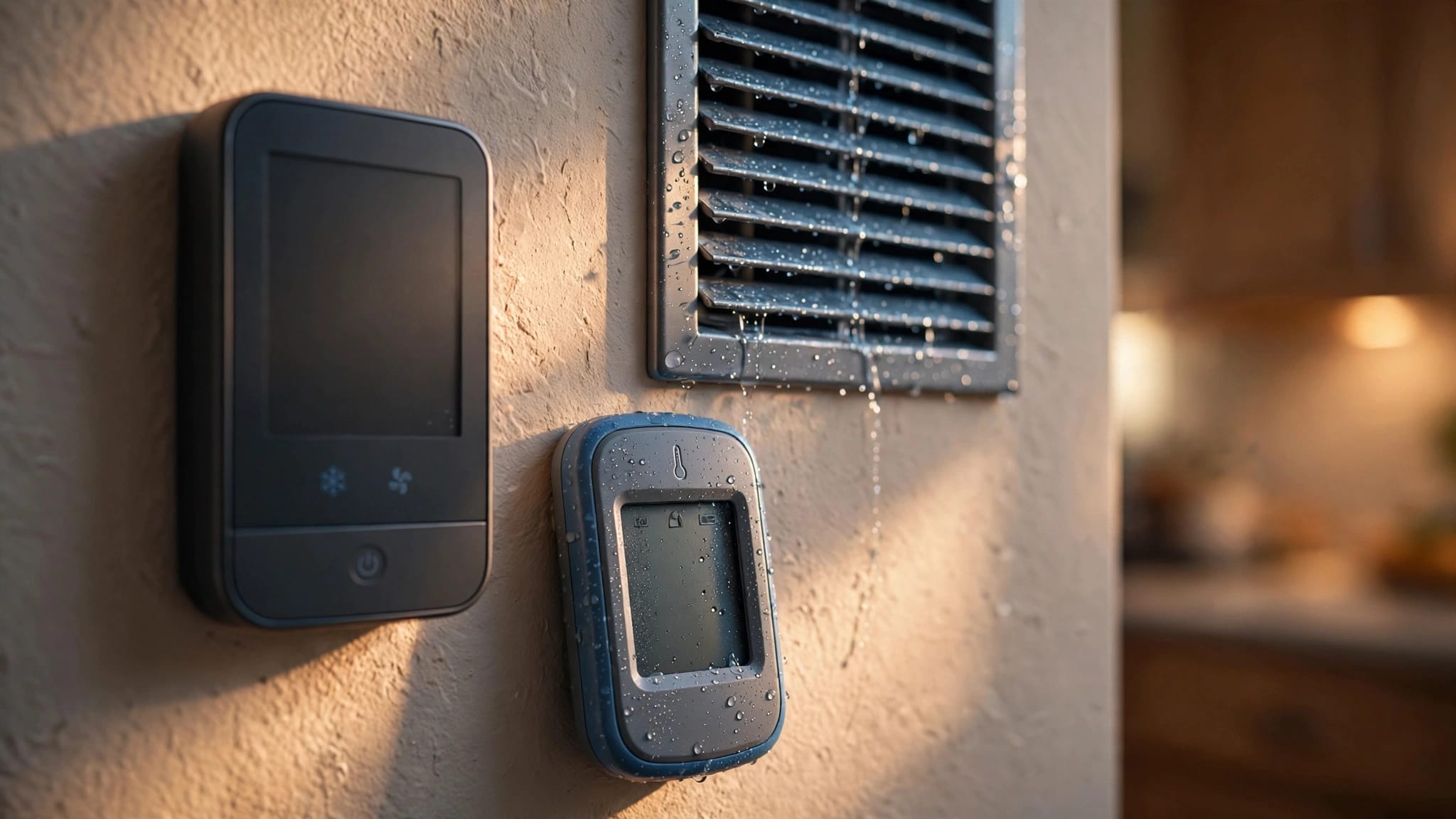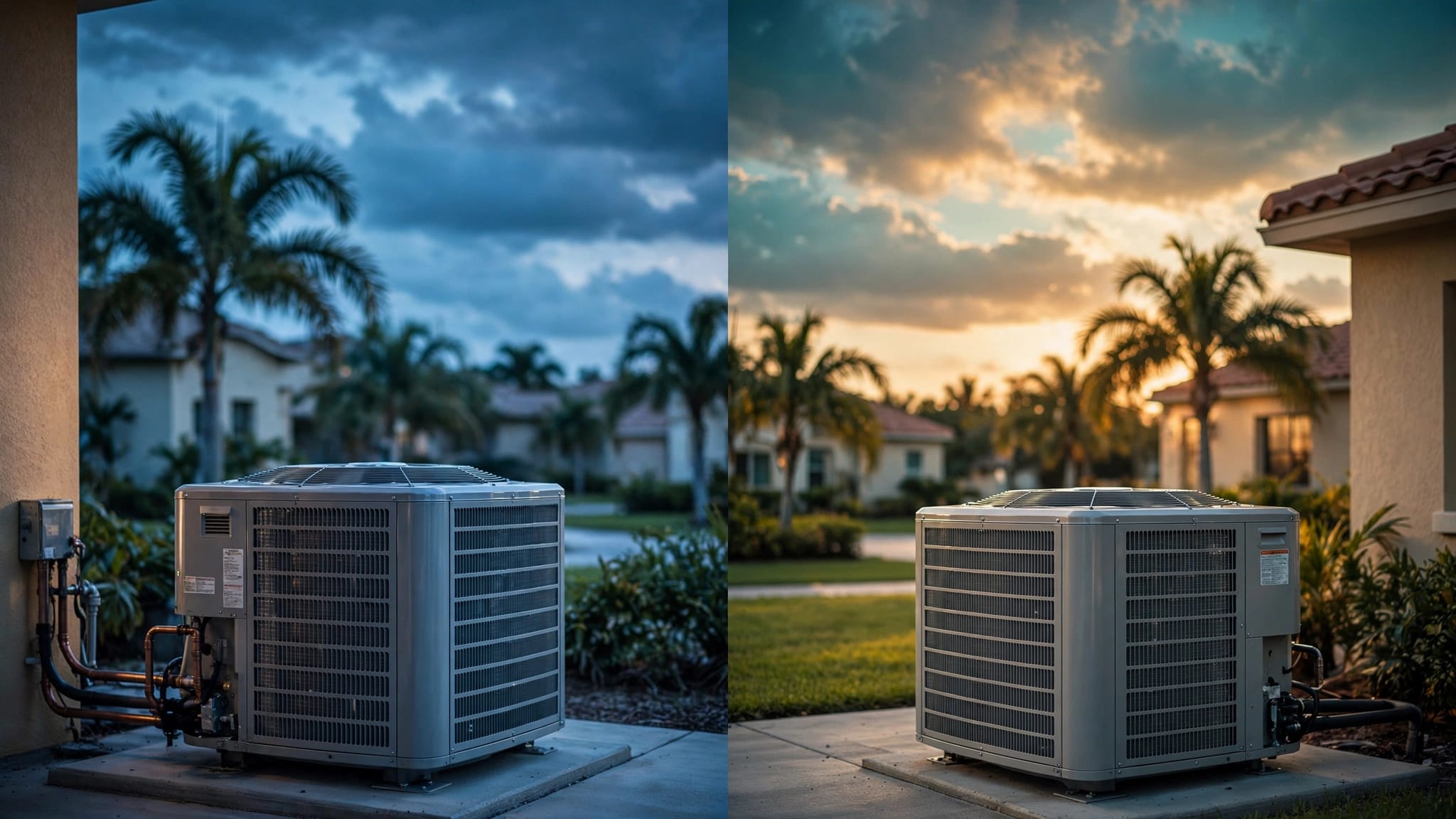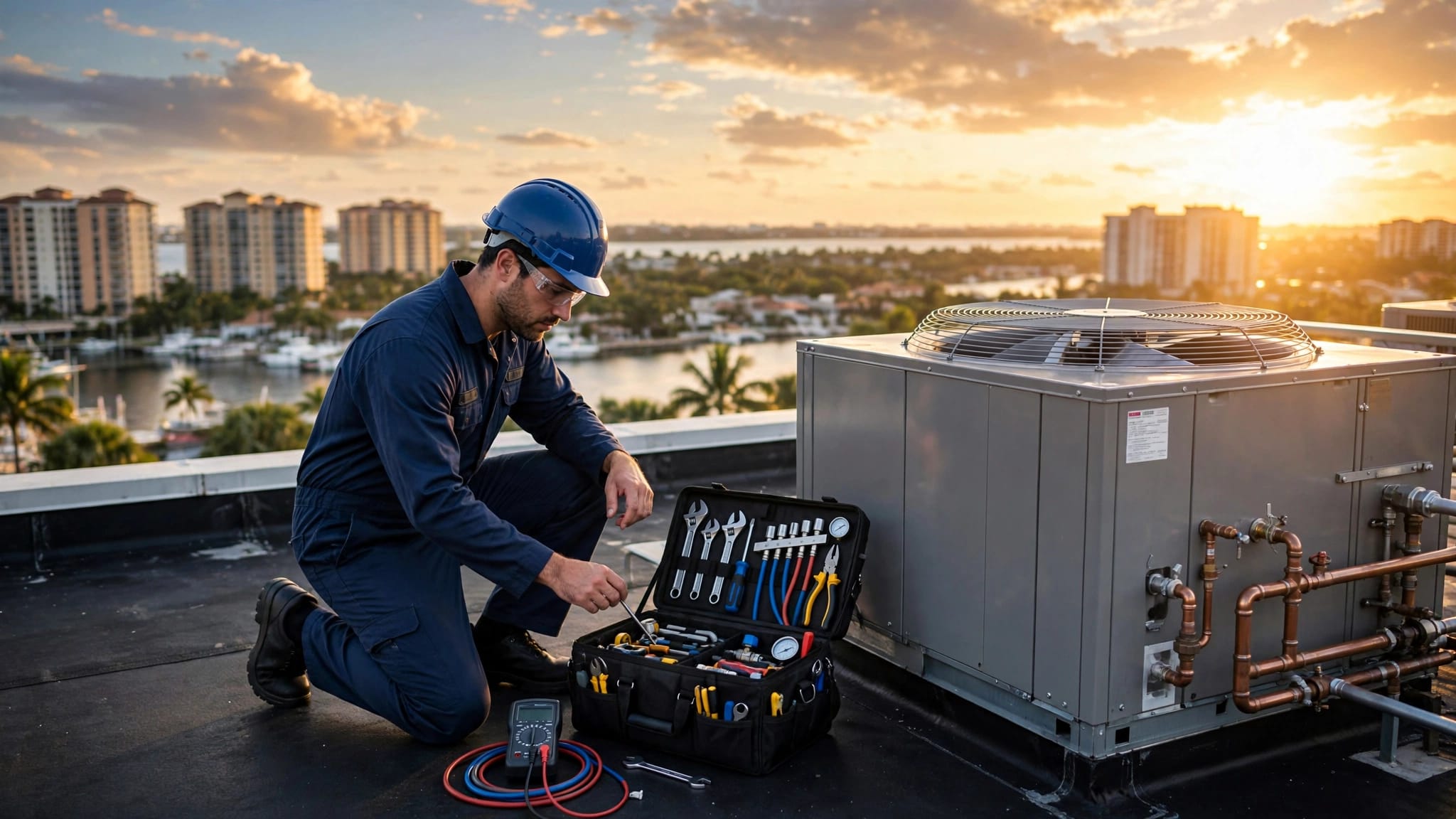
A hissing sound from your AC can catch your attention fast. In Cape Coral, where the system works hard for months, that sound often means pressure is escaping somewhere it shouldn't. Sometimes the fix is simple. Other times, the noise is a warning that needs a licensed HVAC technician.
A short hiss when the unit starts or stops can happen. A steady AC hissing noise , though, often points to refrigerant leaks, duct leaks, a worn expansion valve, or a stressed compressor. The sooner you narrow it down, the better chance you have of avoiding bigger repairs.
What the hissing sound is telling you
Not every hiss means trouble. Air conditioners move refrigerant and air under pressure, so a brief sound during startup or shutdown can be normal.
The concern starts when the hiss is new, loud, or constant. That usually means something is forcing air or refrigerant through a gap, crack, or weak point. If the sound keeps returning, pay attention to when it happens and where it seems loudest.
A hiss from the outdoor unit often points to equipment or refrigerant issues. A hiss from a vent, ceiling, or wall can point to ductwork. When the sound changes with the fan or compressor cycle, that clue matters too.
Refrigerant leaks are a common cause
Refrigerant moves through a sealed loop. When that loop develops a leak, the escaping gas can make a hiss. The opening may be tiny, but the sound can still be clear.
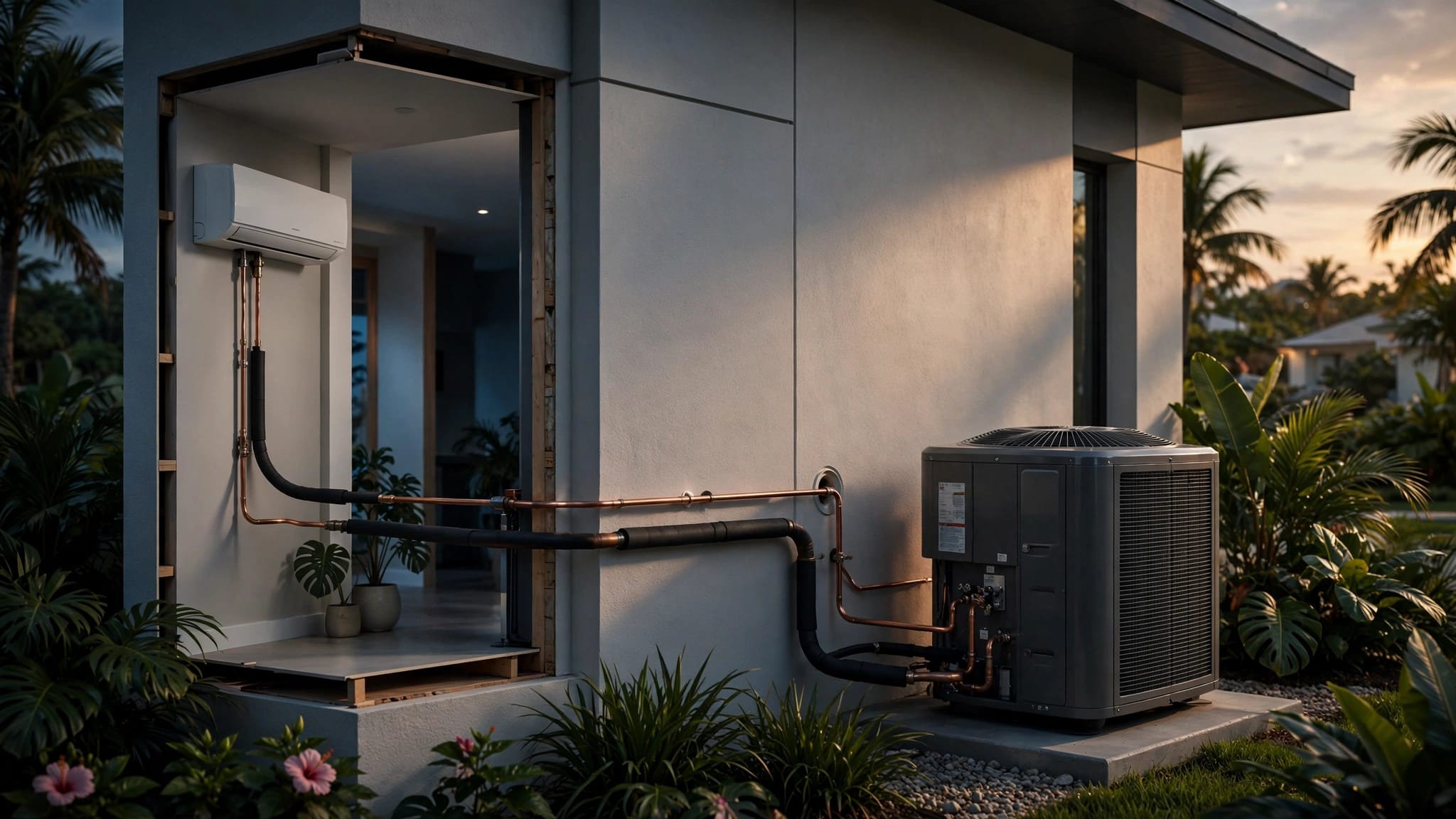
You might hear it near the indoor coil, the outdoor unit, or the line set between them. Other signs often show up with it, such as weak cooling, longer run times, ice on the copper line, or a room that never feels quite comfortable.
A refrigerant leak should not wait. Low refrigerant can make the compressor work harder, and that can turn a repair into a bigger bill.
Refrigerant is not a homeowner fix. It is under pressure, and the system needs the right charge to cool correctly.
If your cooling has slipped and the sound points toward the sealed system, air conditioning services in Cape Coral can help track down the source before it spreads.
Duct leaks and damaged parts can sound similar
Air does not stay silent when it escapes through a gap. A torn duct, loose joint, or open seam can create a sharp hiss, especially when the blower kicks on.
That sound may travel through the house. You could hear it in one room while the actual leak sits in the attic or behind a wall. Loose access panels, worn seals, and damaged insulation can also make a noisy escape path for air.
Cape Coral homes with long duct runs can be especially tricky. The noise may seem small, but the loss of cool air adds up. That means longer run times and less comfort in the rooms farthest from the air handler.
You can check for obvious vent problems, but sealing ducts, opening the cabinet, or handling insulation belongs to a trained pro. A quick patch in the wrong place can make airflow worse.
Compressor or expansion valve trouble can raise the pressure
The compressor is the pump that keeps refrigerant moving. The expansion valve meters refrigerant into the coil. When either part struggles, pressure can jump or drop too fast, and that can create a hiss.
A failing expansion valve may hiss as refrigerant rushes through it unevenly. A weak compressor can hiss, click, or sound strained during startup. High internal pressure can also show up when airflow is blocked by a dirty coil or a clogged filter.
That kind of stress is hard on the whole system. It can also lead to shutoffs, warm air, or ice on the lines.
Electrical parts matter here too. The outdoor cabinet contains wiring and components that should stay closed unless a licensed technician is inside it. Do not remove panels or poke around the electrical section.
What you can safely check at home
A few simple checks can help you narrow the problem before you call for service.
- Check the thermostat and make sure it is set to cool.
- Replace a dirty air filter if it looks packed with dust.
- Open supply and return vents that may have been closed by accident.
- Look for ice, puddles, or a breaker that keeps tripping.
- Listen for where the hiss is loudest, near a vent, the indoor unit, or the outdoor cabinet.
If you smell burning, see sparks, or hear the hiss from inside the cabinet, shut the system off. Turn it off at the thermostat first, then at the breaker if needed. Do not open the unit or touch refrigerant lines.
These checks are safe. Anything involving refrigerant, wiring, or sealed parts is not.
When the noise needs a licensed HVAC technician
Some sounds need a trained eye right away. If the hiss is steady, louder than before, or paired with poor cooling, the system needs more than a quick reset.
| Symptom | Likely cause | Best next step |
|---|---|---|
| Steady hiss near copper lines | Refrigerant leak | Shut the unit off and call a licensed technician |
| Hiss from a vent or ceiling | Duct leak | Have the ductwork inspected and sealed |
| Hiss at startup or shutdown | Expansion valve or pressure change | Schedule a repair visit soon |
| Hiss with a breaker trip or burning smell | Electrical issue | Turn the system off and call for service now |
The pattern matters. A hiss that comes and goes with normal airflow may point to a less serious duct issue. A hiss tied to cooling loss, ice, or electrical trouble needs faster attention.
If the noise points to refrigerant loss, a failing expansion valve, or a compressor issue, fast air conditioning repair services are the right next step.
Keeping your Cape Coral AC quieter for the long run
Cape Coral heat puts a long load on your AC. That means small issues can show up as noise before they become a full breakdown.
Regular maintenance helps catch loose fittings, dirty coils, weak airflow, and pressure problems early. A clean filter also makes a difference, because restricted airflow can strain the system and make odd sounds more likely. In addition, keeping the outdoor unit clear of grass, leaves, and patio clutter helps air move the way it should.
A seasonal inspection is smart even when the system still cools well. Duct problems, worn seals, and early refrigerant loss are easier to handle before the hottest weeks arrive. If the hiss keeps returning after basic checks, the system is asking for a closer look.
Conclusion
A hissing AC is often telling you that air or refrigerant is escaping under pressure. In Cape Coral, that can mean anything from a duct leak to a refrigerant problem or a stressed compressor.
The safest move is to check the easy things first, then stop if the sound points to refrigerant, wiring, or a sealed part. If the noise is new, getting louder, or linked to weak cooling, Contact Us for 24/7 service and to schedule a service call.