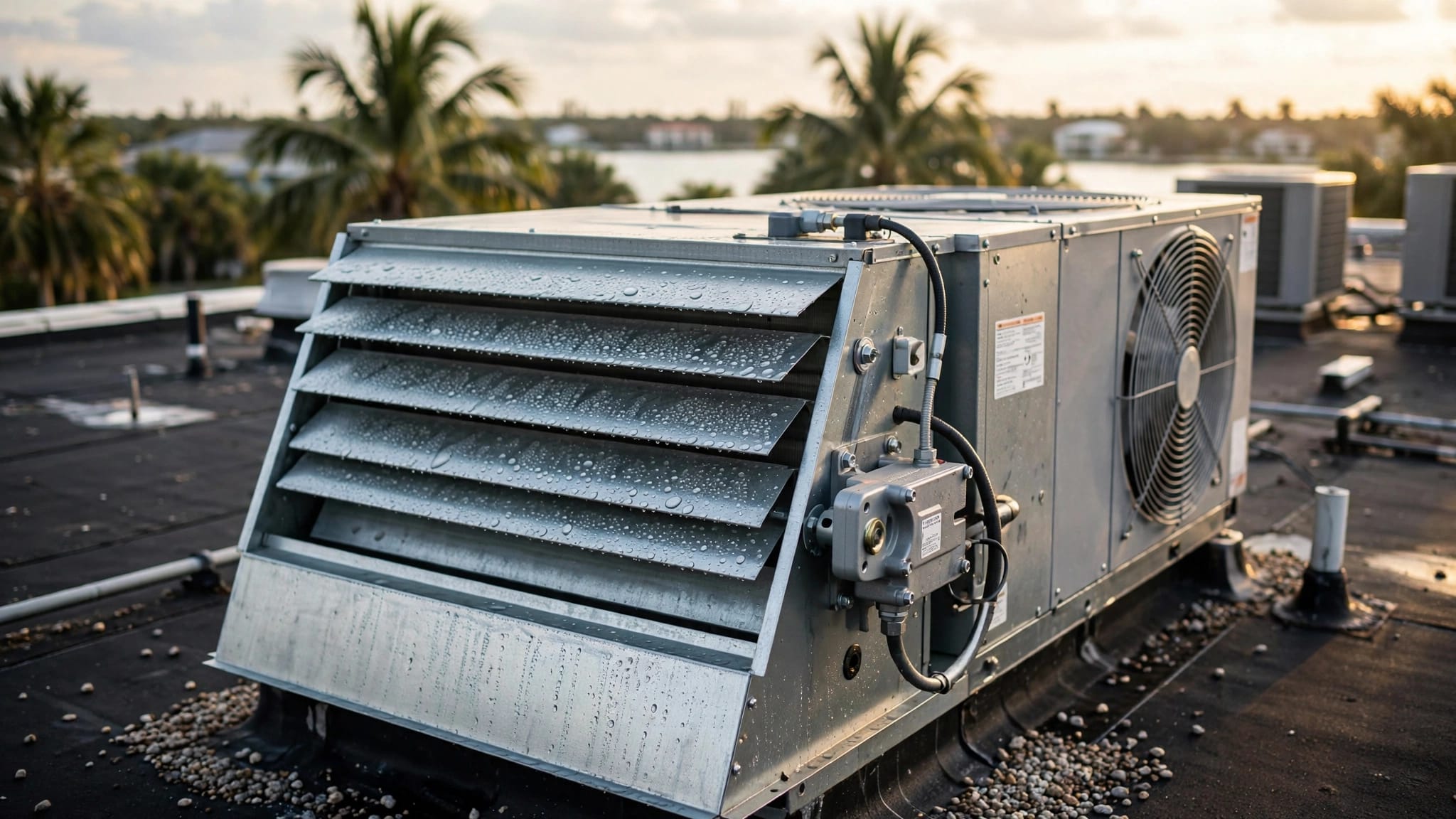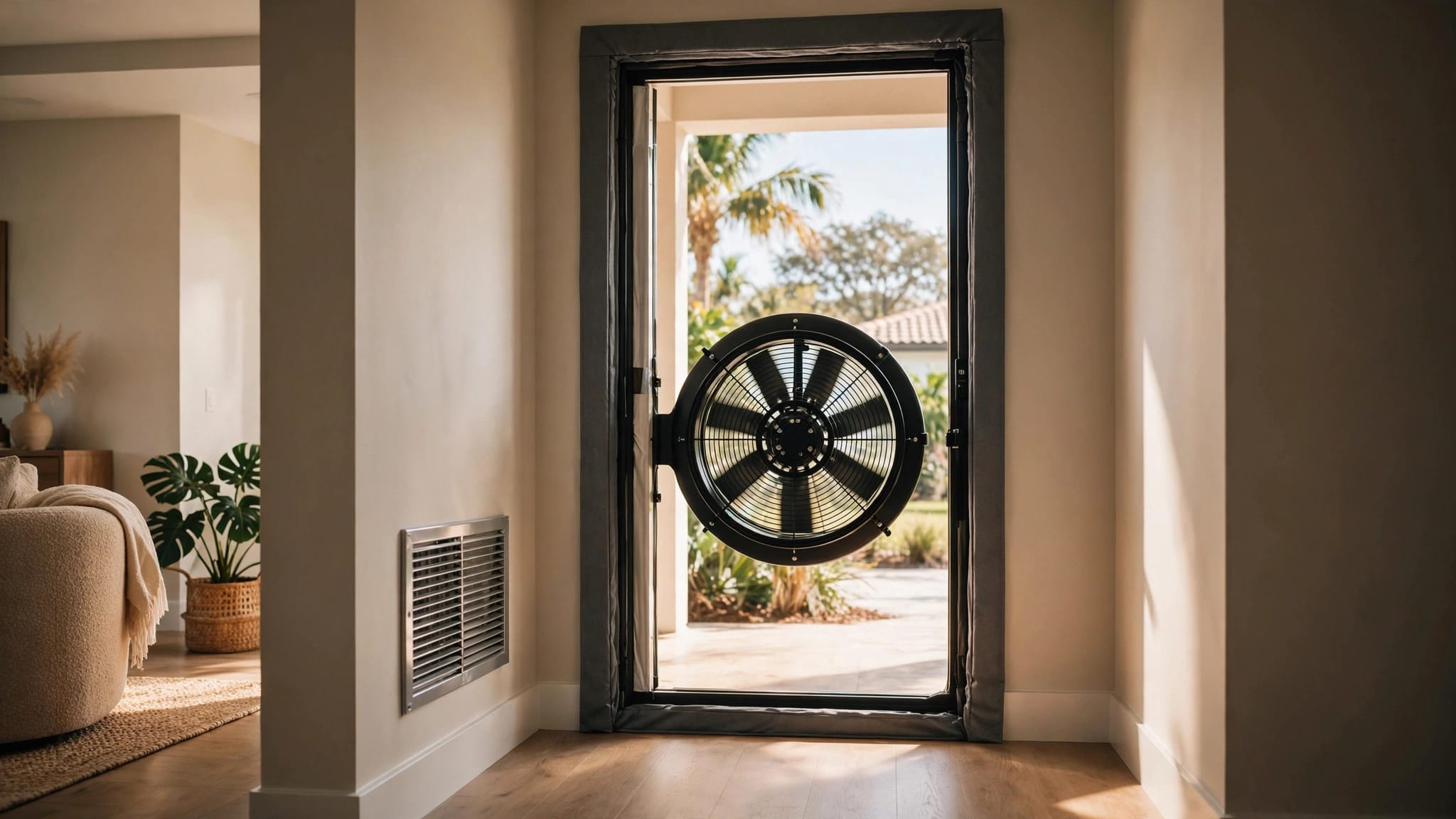
AC installation in Cape Coral usually feels busier than homeowners expect, but it rarely feels chaotic when you know the rhythm of the day. The heat and humidity make timing matter, because a home can warm up fast once the old system comes out.
Most people want the same things on installation day, clear communication, a clean work area, and a system that handles sticky summer air without struggle. The day goes more smoothly when you know what the crew needs and what will happen next.
Before the crew arrives, clear the path
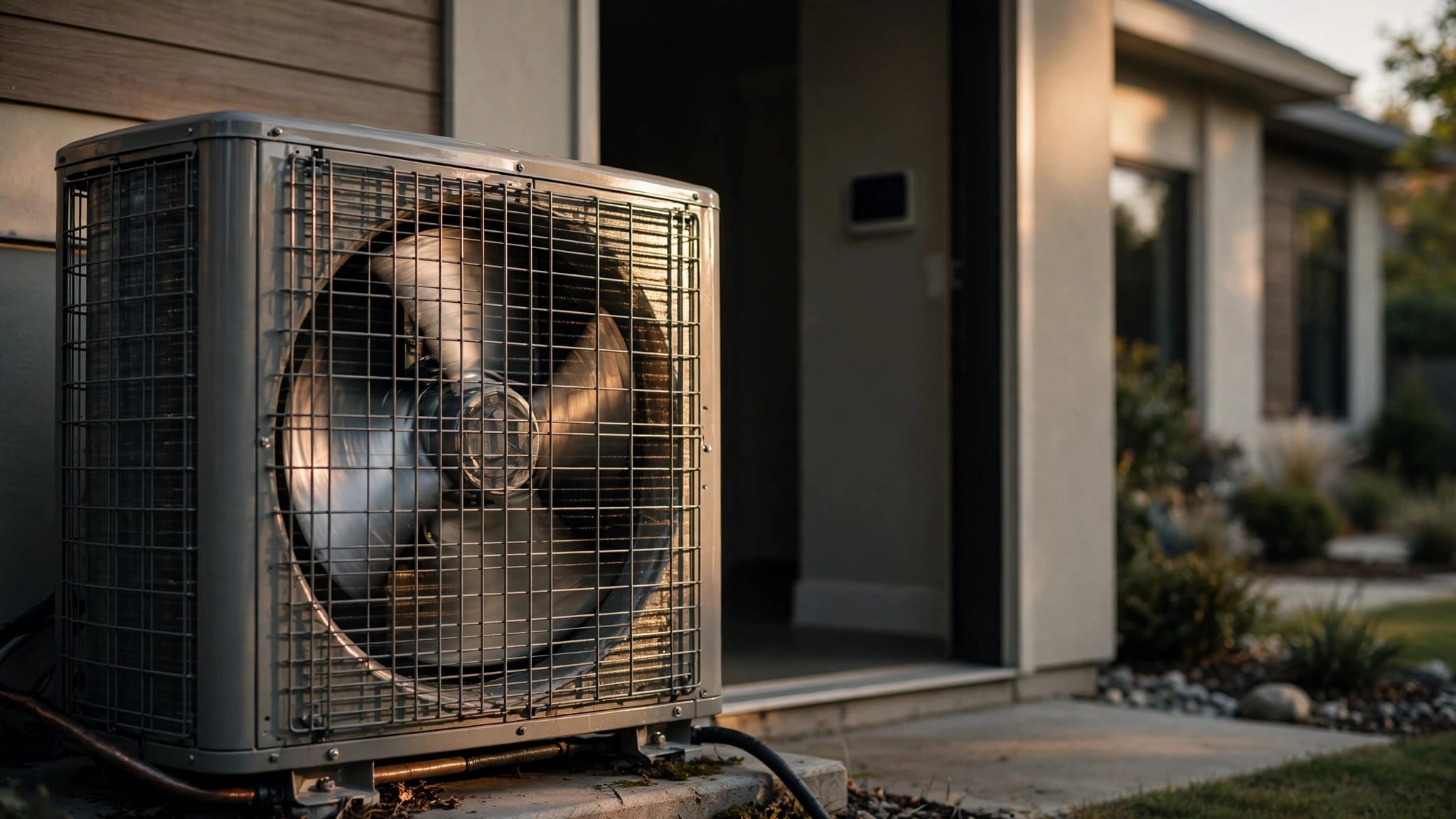
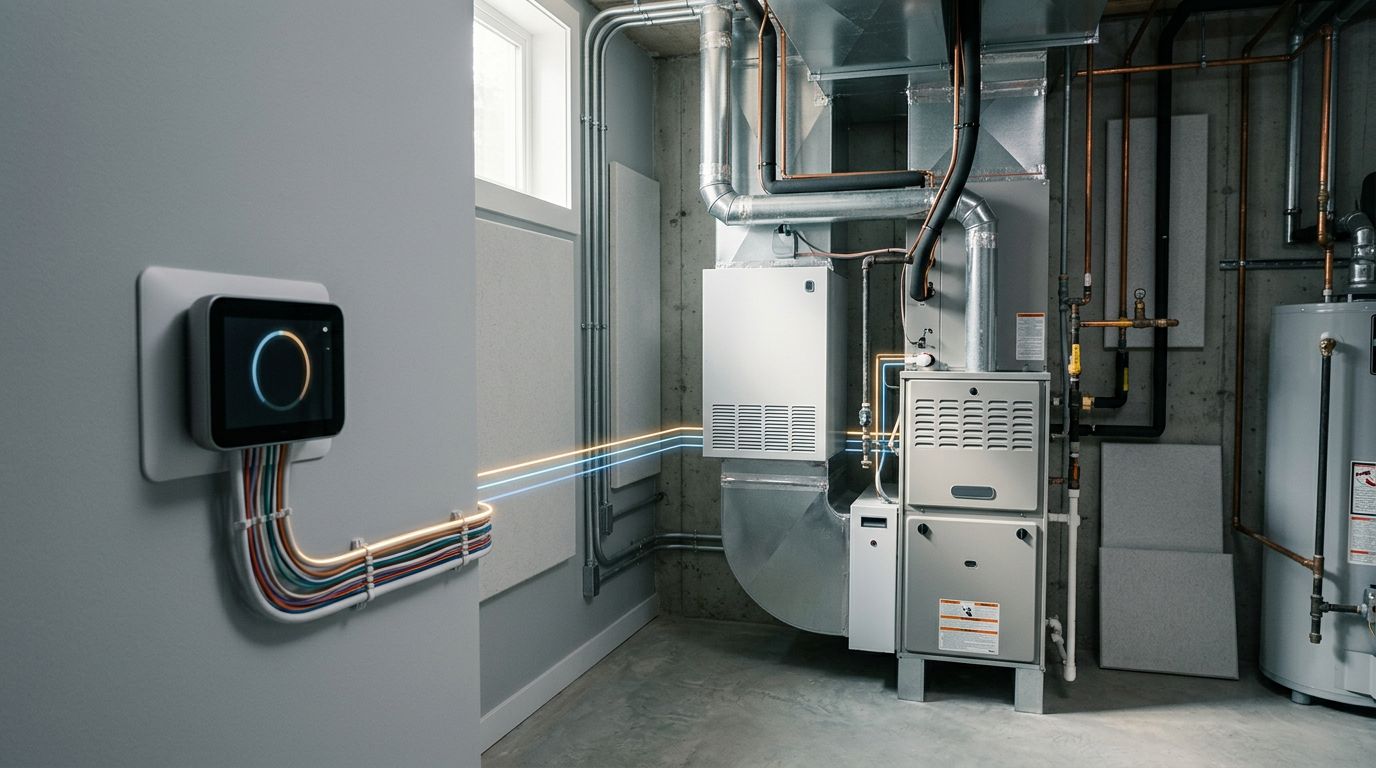
Start by making the home easy to work in. Clear a path to the indoor unit, the thermostat, the electrical panel, attic access, and the outdoor condenser. If the crew has to weave around storage bins or patio furniture, the job takes longer and feels less organized.
A few small steps help a lot:
- Move boxes, bikes, and decor away from the work path.
- Put pets in a closed room or with a neighbor.
- Park cars away from the outdoor unit and driveway access.
- Write down questions before the crew starts.
If the system lives in the attic or a hall closet, those spaces need extra room. That is where homeowners often forget to check. A clear path makes it easier for the crew to carry parts, protect the home, and finish without constant delays.
You do not need to shadow the technicians all day, but someone should be home at the start and again near the end. That gives the crew a chance to confirm placement, review any surprises, and show you the finished setup. If you are still comparing bids before you book, comparing Cape Coral AC contractor bids helps you see what should already be included before the work starts.
A realistic timeline for installation day
A proper expert air conditioner installation is more than a quick swap. Most residential jobs follow a clear rhythm, and knowing that rhythm keeps the day from feeling unpredictable.
| Stage | What the crew does | What you may notice |
|---|---|---|
| Arrival and walk-through | Confirms equipment, access, and the plan for the day | A quick check-in and a few questions |
| Removal | Disconnects and takes out the old indoor and outdoor equipment | Noise, hauling, and some open doors |
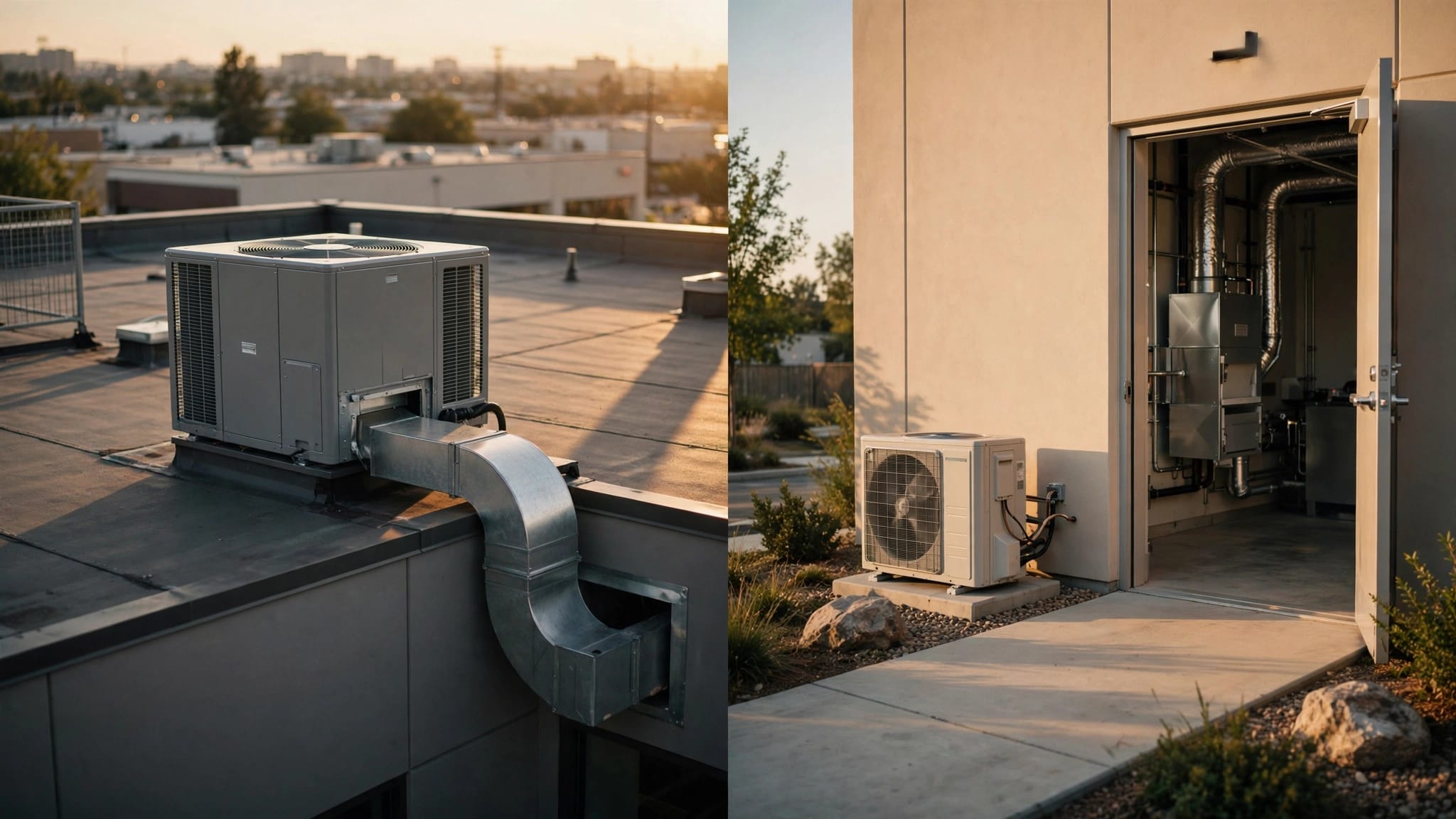
| Installation | Sets the new system, connects the controls, drain, and power | Tools, movement, and short breaks in service |
| Start-up testing | Runs the system, checks airflow, and watches the drain line | The thermostat may run for a while |
| Cleanup and review | Removes debris and shows you the controls | A final walk-through before the crew leaves |
Most standard replacements finish the same day. Still, attic access, duct repairs, electrical updates, or a hard-to-reach outdoor unit can stretch the visit. When that happens, the right crew explains the reason and gives you a realistic update.
That matters more than a perfect clock time. Homeowners handle the day better when they know the crew is still on track, even if the work takes a little longer than planned.
Noise, power, and access during the work
When the work starts, the home gets louder. You may hear drilling, screw guns, metal panels tapping, and footsteps between the house and the yard. The sound can be sharper than expected, especially if the indoor unit sits close to a bedroom or hallway.
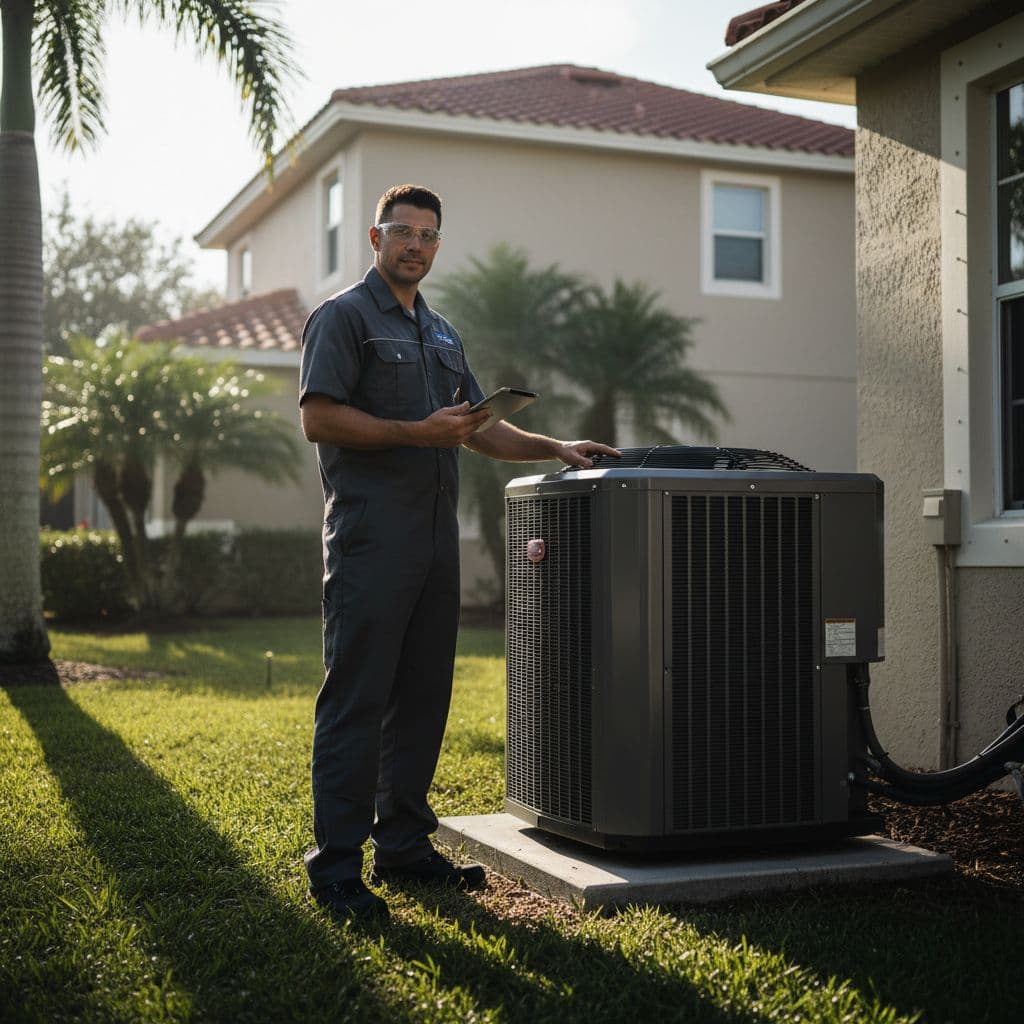
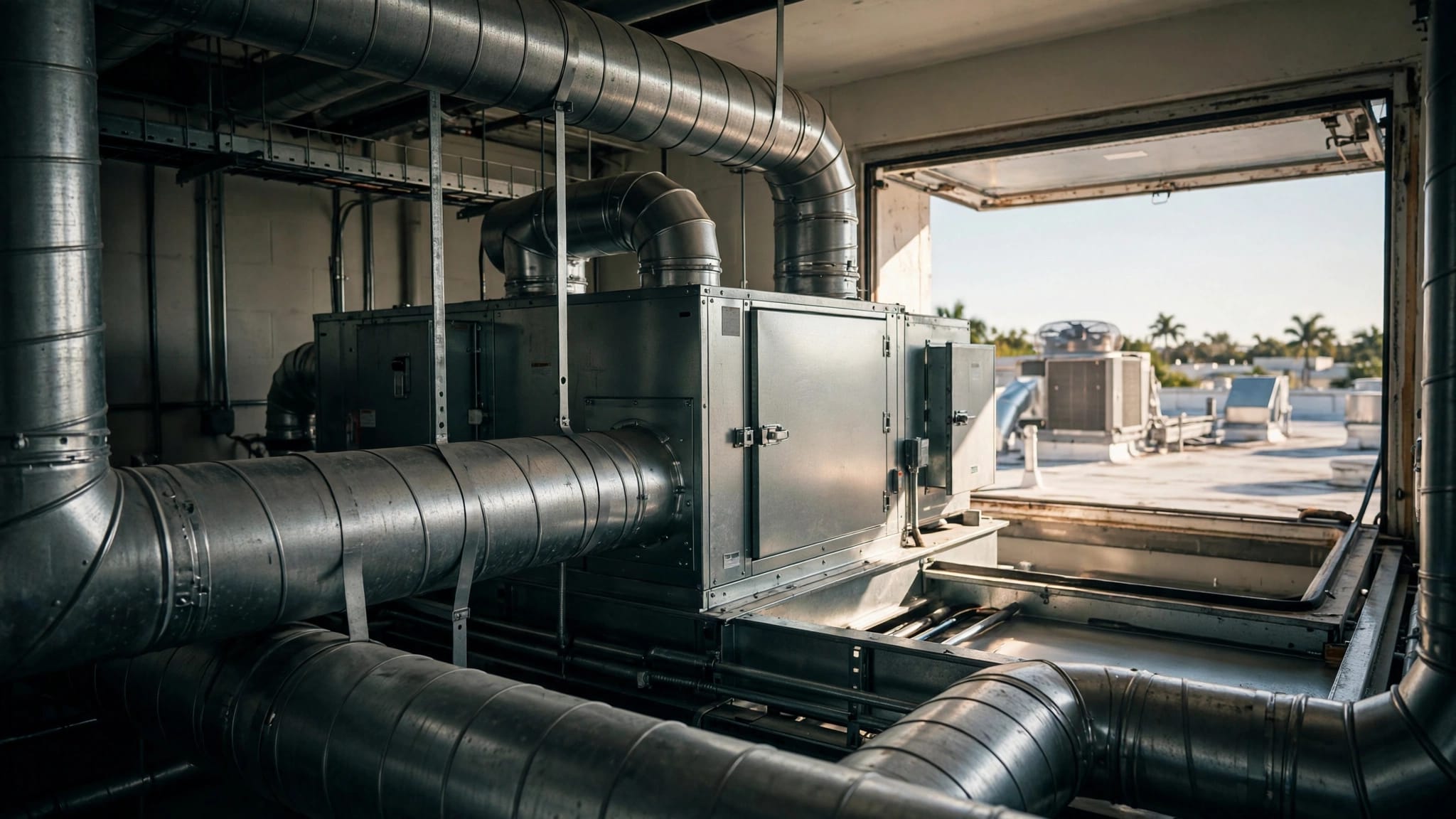
A single room may also feel busy if the air handler sits in a closet or attic entrance. The crew needs room to move, so they may ask you to step back or clear the hall for a bit. That is a normal part of the day, not a sign of trouble.
The power can go off for a short time while wiring, breakers, or controls are connected. In most cases, that interruption is brief. It helps to charge phones, save laptop work, and keep kids or guests out of the work zone.
Short power interruptions are normal, but the crew should tell you before they happen.
Cape Coral heat can build fast once the old equipment is disconnected. So expect the inside temperature to drift for a bit. Close doors when you can, keep ceiling fans on low, and let the crew handle the timing. The goal is to get the new system running before the house turns sticky and uncomfortable.
Why humidity control and condensate drainage matter in Cape Coral
Florida humidity changes the job in a big way. The system has to cool the house and pull moisture out of the air, because a room that feels cool but clammy still feels wrong. That is why sizing, airflow, and setup matter on day one.
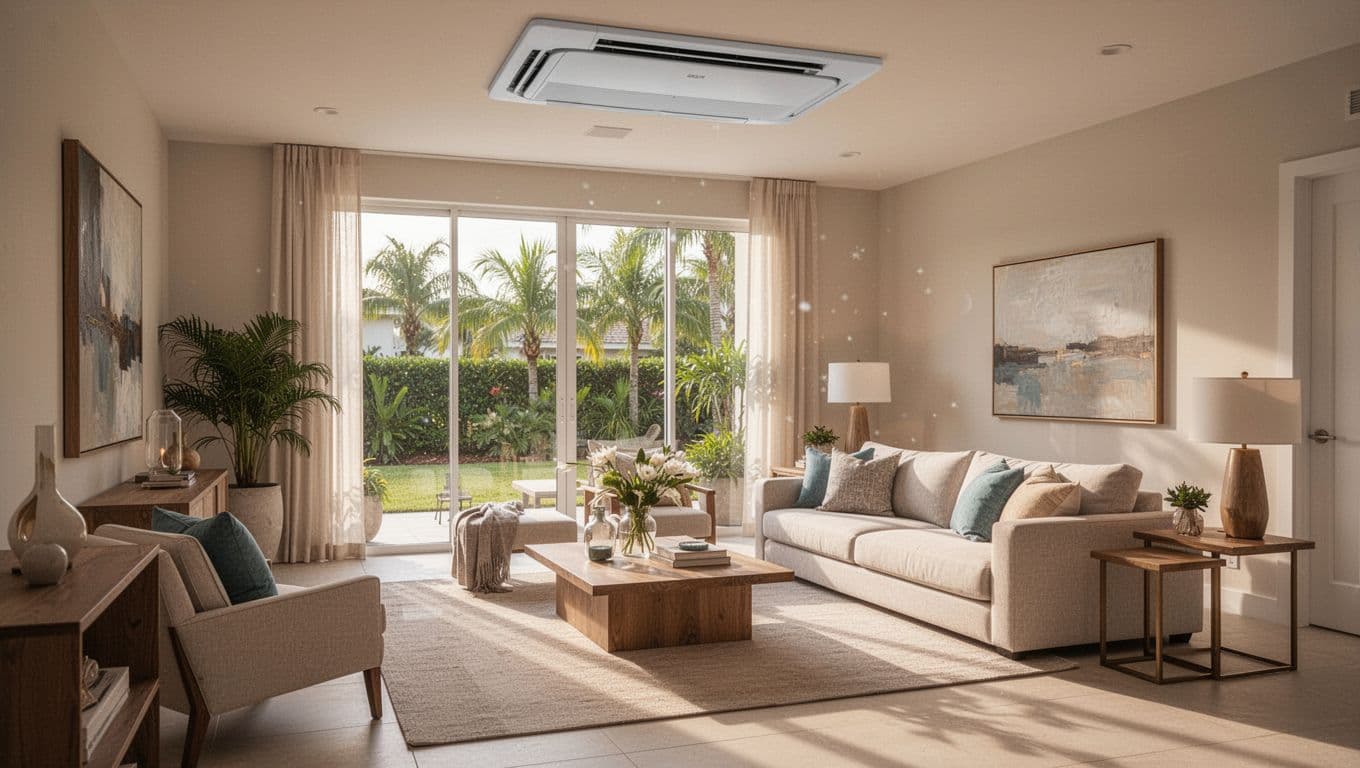
Condensate drainage matters every single day in Cape Coral. As the system runs, it removes water from the air and sends that water away through a drain line and pan. If those parts are set up badly, you can end up with drips, moisture near the air handler, or a shutoff that surprises you on a hot afternoon.
The hottest days test the system too. A new unit may need a little time to settle in before the whole house feels even. Do not expect instant arctic air. What you want is steady cooling, fewer hot spots, and a home that stops feeling damp after a full run cycle.
After a long stretch of run time, a drain line can work harder than you think. That is why the crew should show you where it exits and tell you what to watch for, such as water near the closet or a float switch that trips. You do not need to become a technician. You just need to know the warning signs.
A good install should leave you with more than cold air. It should leave you with a home that feels dry, calm, and easier to live in through the long summer.
Questions to ask before the crew leaves
Before the truck pulls away, ask a few direct questions. Clear answers now can save a service call later.
- What thermostat setting should I use for the first day and the first week?
- Which filter size fits this system, and how often should I change it?
- Where is the condensate drain, and what warning signs should I watch for?
- What startup sounds are normal, and which ones should I report?
- When should I schedule the first maintenance visit?
- What paperwork or warranty details should I keep?
Ask one more thing if the home still feels off, what should I watch for over the next day or two? That question matters because some systems need a short settling period. Keep the model number, paperwork, and any notes in one folder. If something seems wrong after the crew leaves, Contact Us to schedule a service call. It is easier to handle small issues while the details are still fresh.
Conclusion
AC installation day does come with noise, short power breaks, and a little disruption. Still, most of the stress disappears when the home is prepped and the crew explains each step.
In Cape Coral, humidity control and condensate drainage matter as much as the cold air itself. When those pieces are handled well, the new system should feel like a relief, not a project.
The best installs do not feel mysterious. They feel organized, clear, and ready for the next stretch of summer heat.