Hurricane season starts on June 1, and your AC sits in the storm's path all summer long. In Cape Coral, the biggest threats are floodwater, flying debris, salt air, and power surges. One hard hit can turn a working system into a costly repair.
The good news is that AC hurricane prep doesn't need to be complicated. A few smart steps before the first storm watch can protect your home comfort and cut down on damage after the weather clears. Start with the parts of the system that take the most abuse.
Why Cape Coral AC systems need storm prep
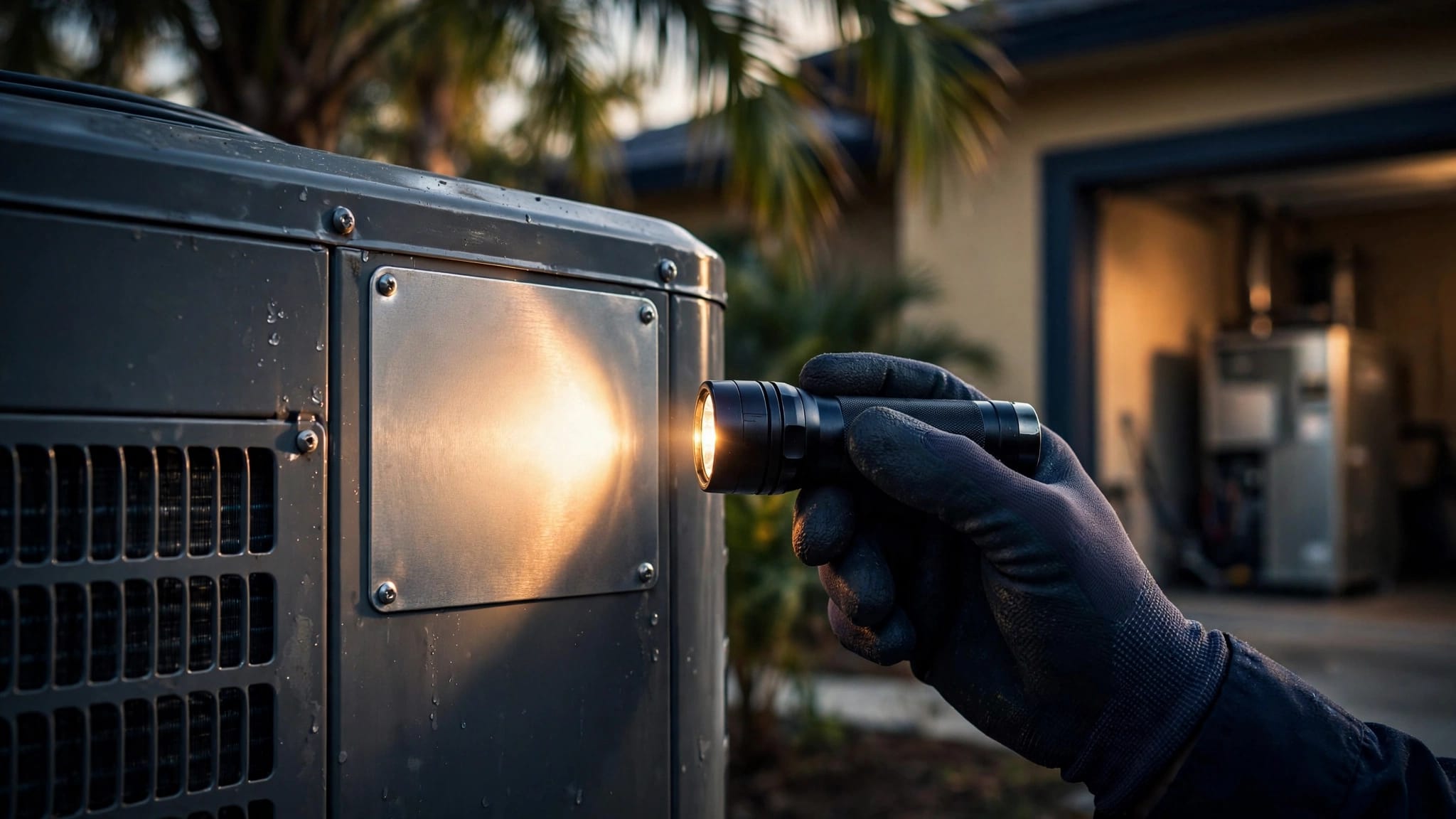
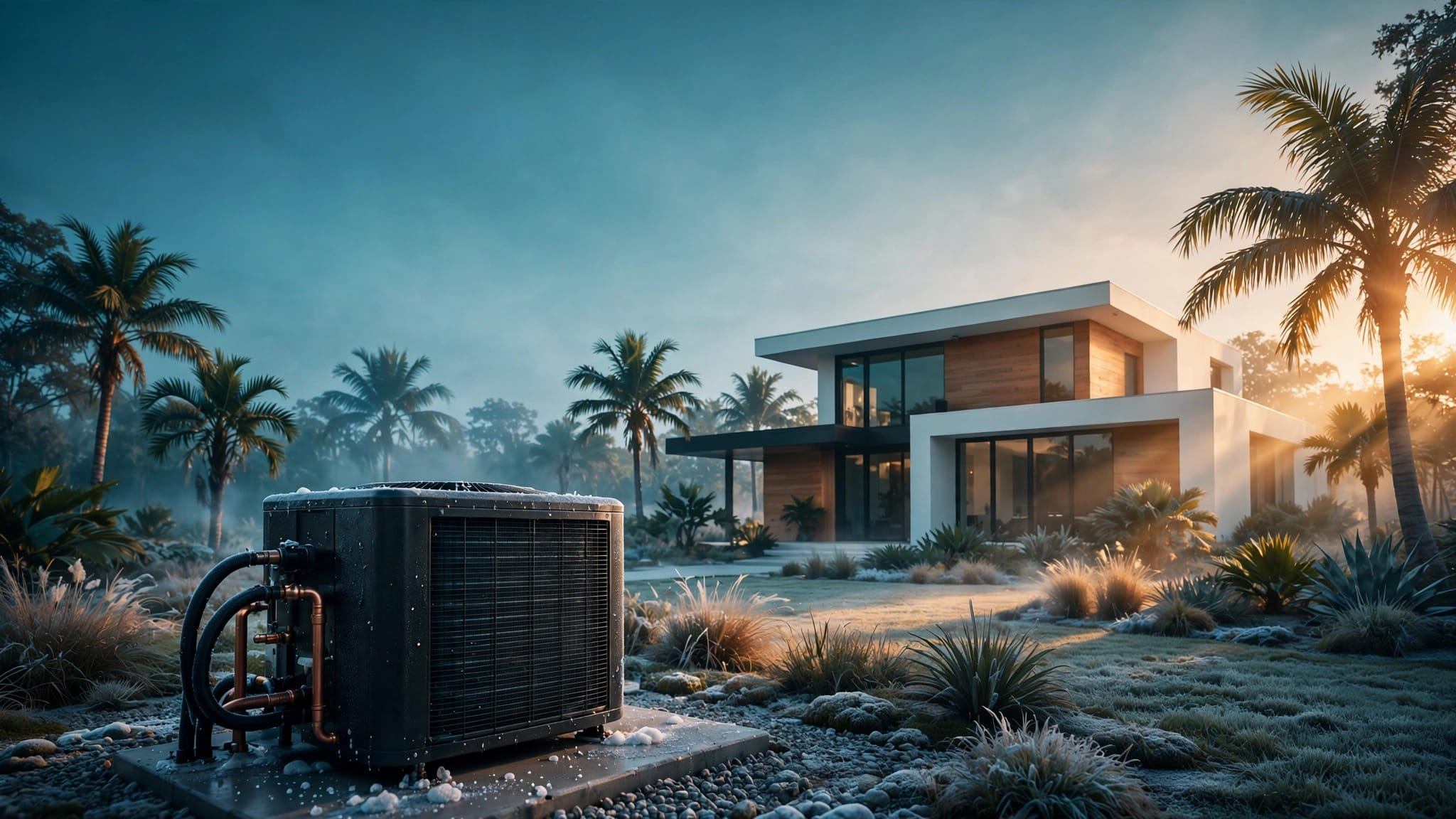
Your outdoor condenser lives in a bad spot during a hurricane. Wind can shove branches, roof grit, and loose yard items into the cabinet. Heavy rain can soak the pad, while storm surge or street flooding can push dirty water into the unit.
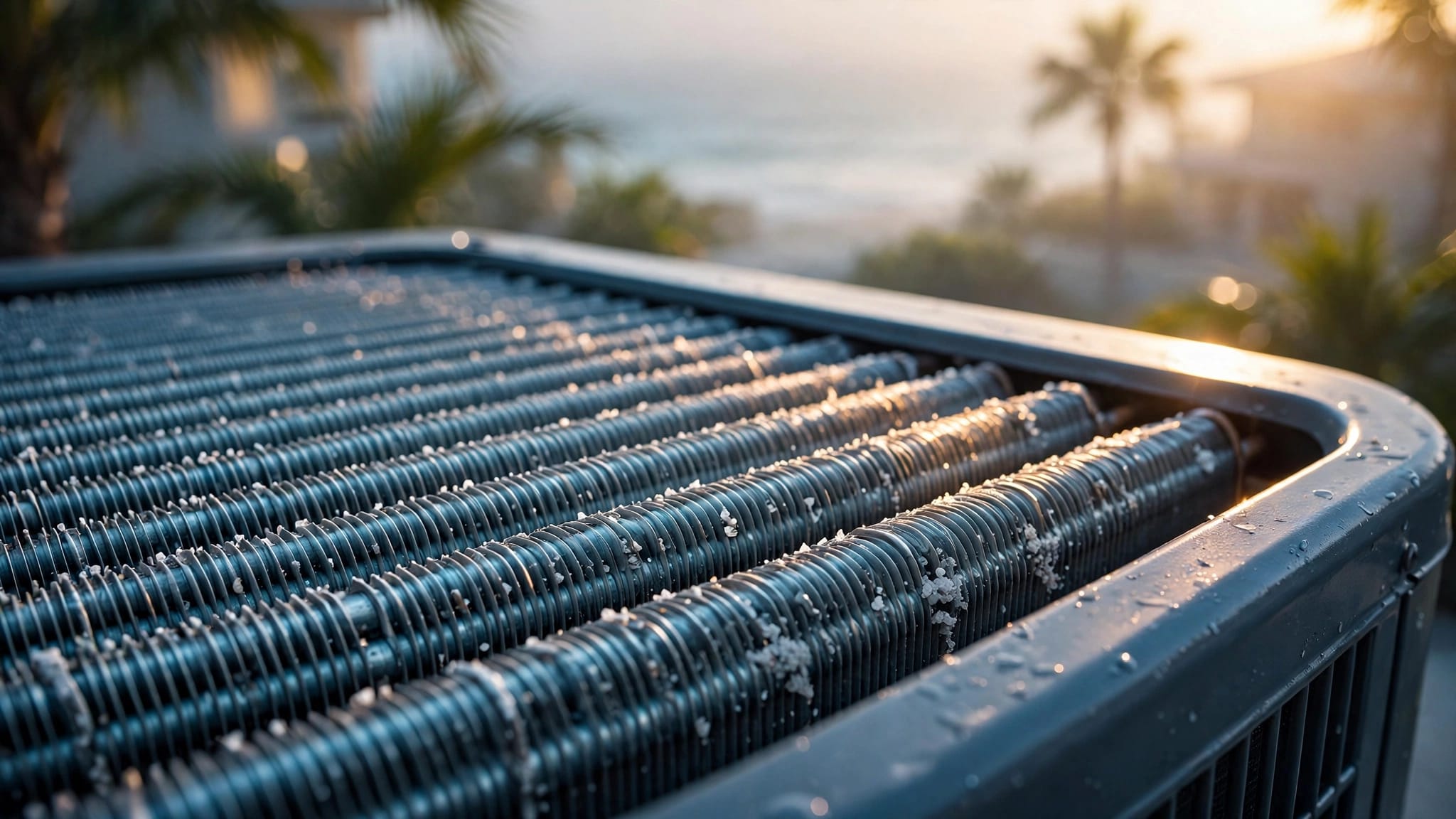
Salt air adds another layer of wear. It lands on coils, fasteners, and electrical parts, then leaves corrosion behind. That corrosion often starts small. Later, it can weaken connections or shorten the life of the system.
Even a season forecast that looks calmer than usual doesn't change the risk for Southwest Florida. A single storm can still knock out power, tilt the unit, or send debris through the fins. Cape Coral homes don't need panic. They do need a plan.
If floodwater reaches the outdoor unit, don't restart the system. Hidden water inside the cabinet can damage parts after power returns.
Think of storm prep as damage control before damage starts. That means checking the system while the weather is still calm, not after the clouds are already building.
Start with a professional tune-up before the season peaks
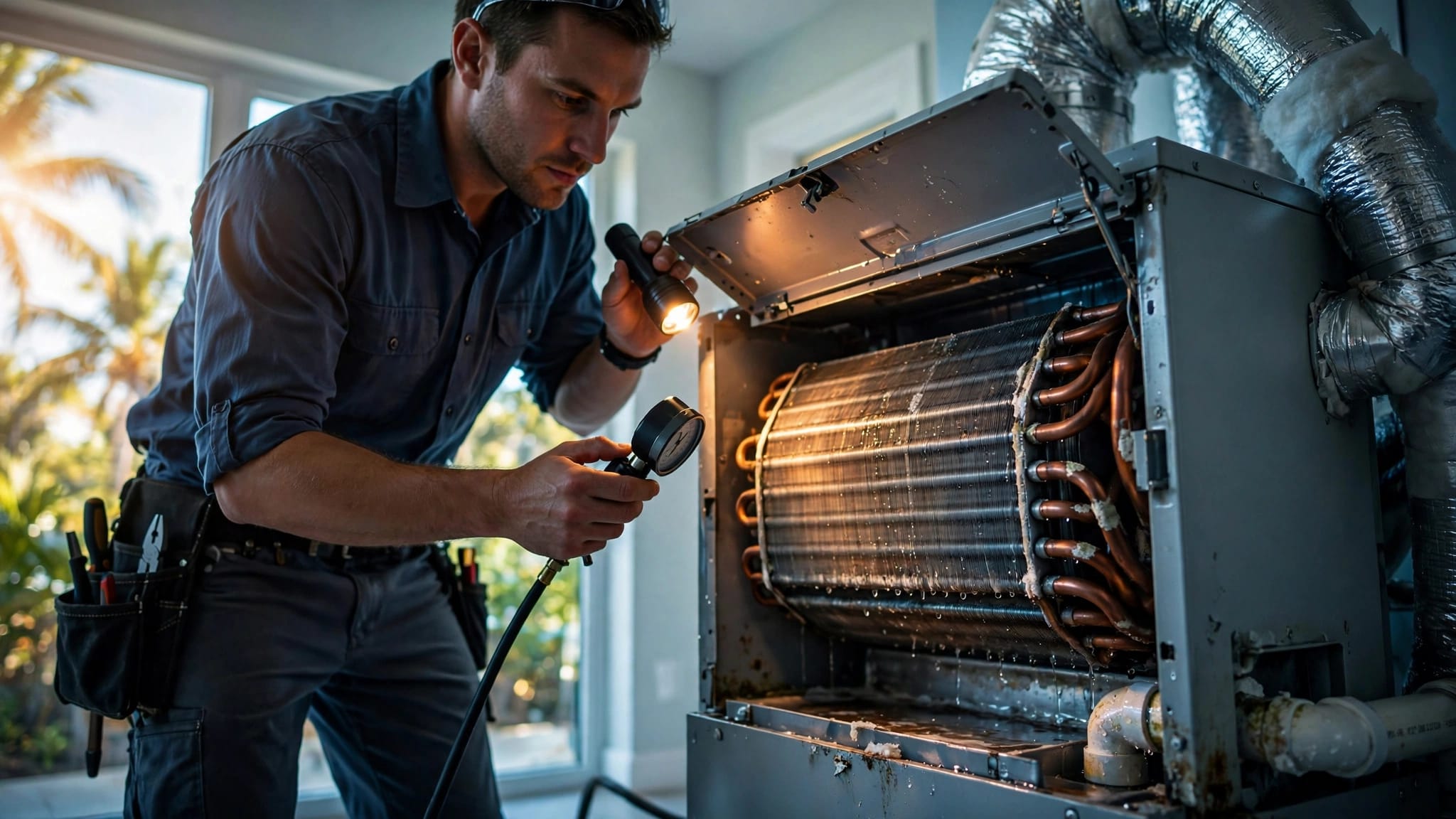
A pre-season service call is the best first move. A technician can clean the coils, clear the drain line, check the fan motor, tighten electrical connections, and look for early corrosion. Those small checks matter when the system is about to work through months of heat and storms.
If you want a deeper look at the value of seasonal service, see Cape Coral AC tune-up guide. It explains why a tune-up often costs less than a mid-storm repair.
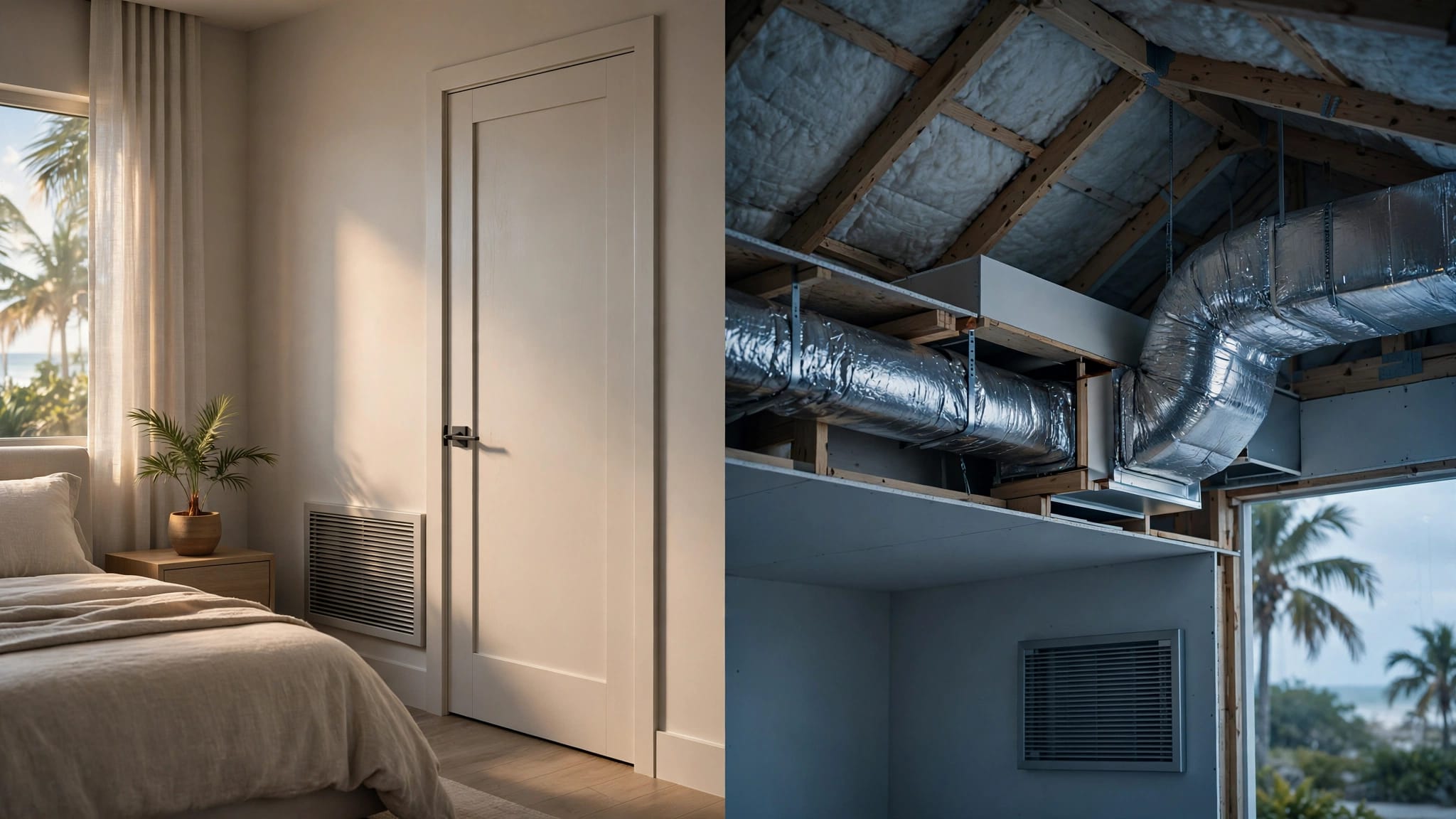
A pro can also spot a weak capacitor, loose wiring, or a drain issue before rain and humidity make it worse. If your system is older, noisy, or cooling unevenly, that visit can point you toward AC maintenance and installation before the season gets rough.
A tune-up is also a good time to ask questions. Is the condensate drain clear? Are the electrical parts in good shape? Does the unit show signs of salt damage? Those answers help you make a plan before a storm gives you one.
Protect the outdoor unit from floodwater and debris
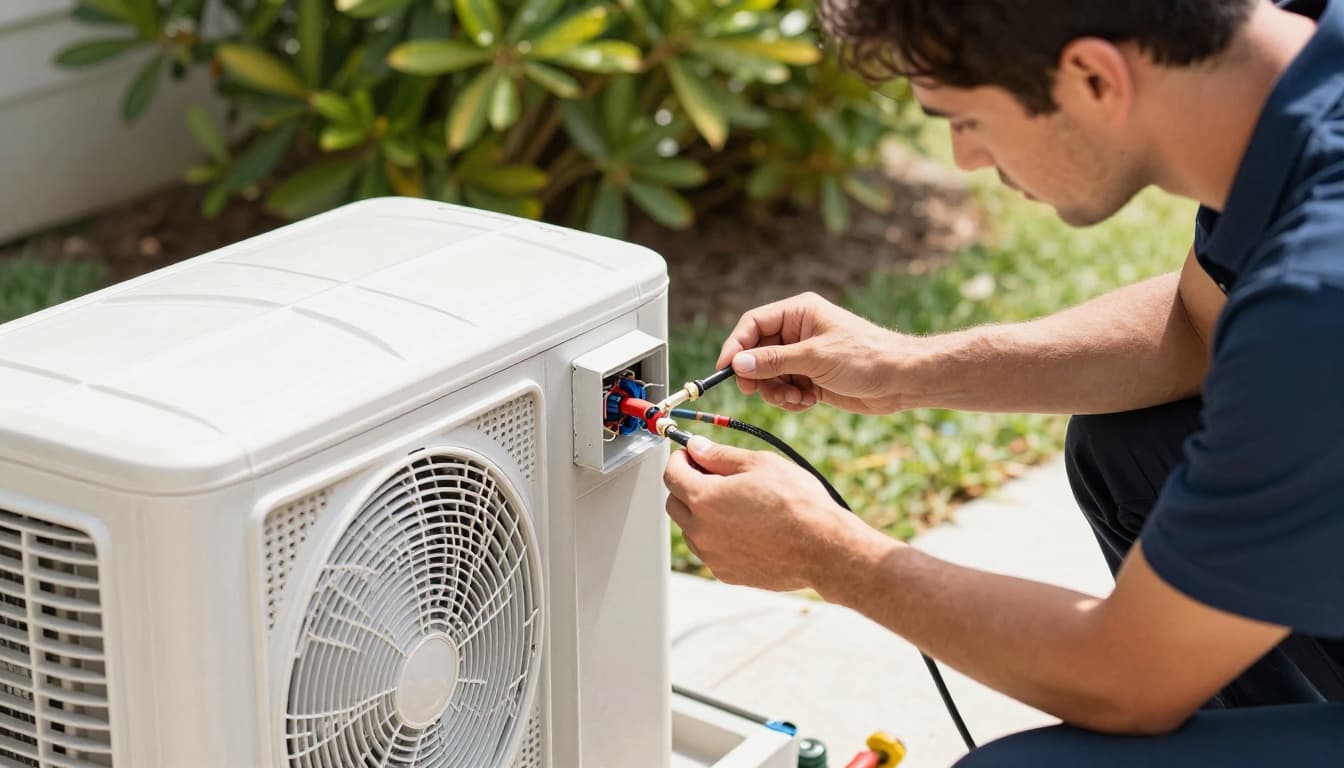
Outdoor units don't need much attention until a storm is close, then every loose item nearby becomes a problem. Move patio furniture, grills, hoses, toys, and potted plants away from the condenser. Trim back branches and palm fronds, and clear leaves or mulch from around the pad.
If your condenser sits in a low spot, pay close attention to drainage. Water that pools around the base can shorten the life of the motor and controls. A pad that's cracked or sinking can also let the unit lean, which puts strain on the lines and makes storm damage more likely.
A quick storm checklist helps here:
- Move loose yard items inside.
- Trim branches that can snap in wind.
- Clear the area around the outdoor unit.
- Take photos of the system and its serial number.
- Check whether water pools near the pad after heavy rain.
- Ask a technician to confirm the unit sits level and secure.
Floodwater is different from rain. It can carry sand, mud, and salt into the cabinet, then leave behind grime that keeps the system from cooling well. If the pad has settled or the cabinet looks tilted, schedule HVAC services in Cape Coral before the first serious storm.
A loose tarp can trap moisture and turn into a sail in strong wind, so don't wrap the condenser while it's still running. That kind of quick fix can do more harm than good. A cleaner yard, a level pad, and a clear path for water do more to protect the unit.
Guard against power surges and outages
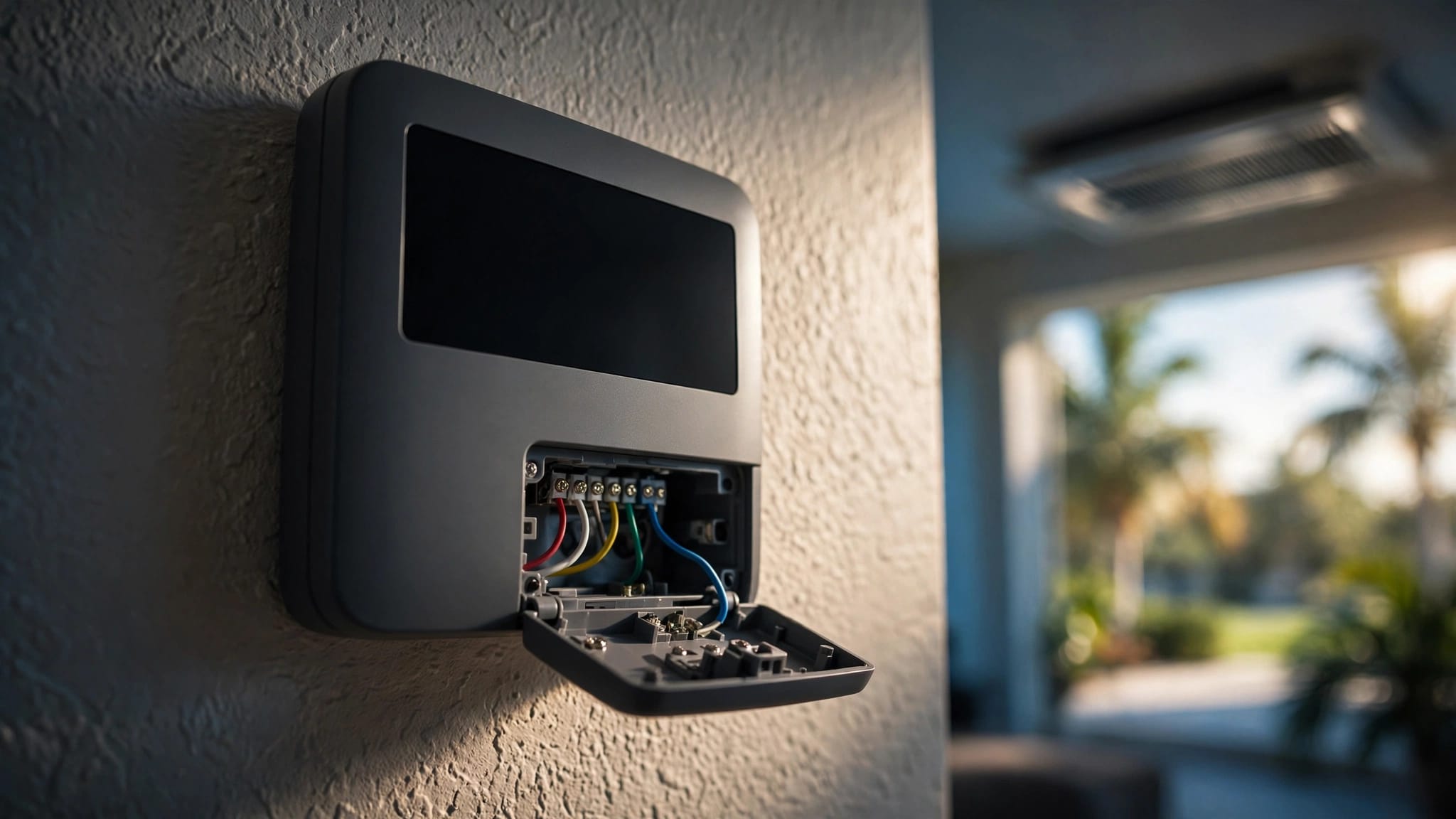
Power surges are common when storms move through Southwest Florida. Lightning, utility faults, and quick power loss can all hit the compressor and control board. A whole-house surge protector gives the system a better chance, but it needs professional installation.
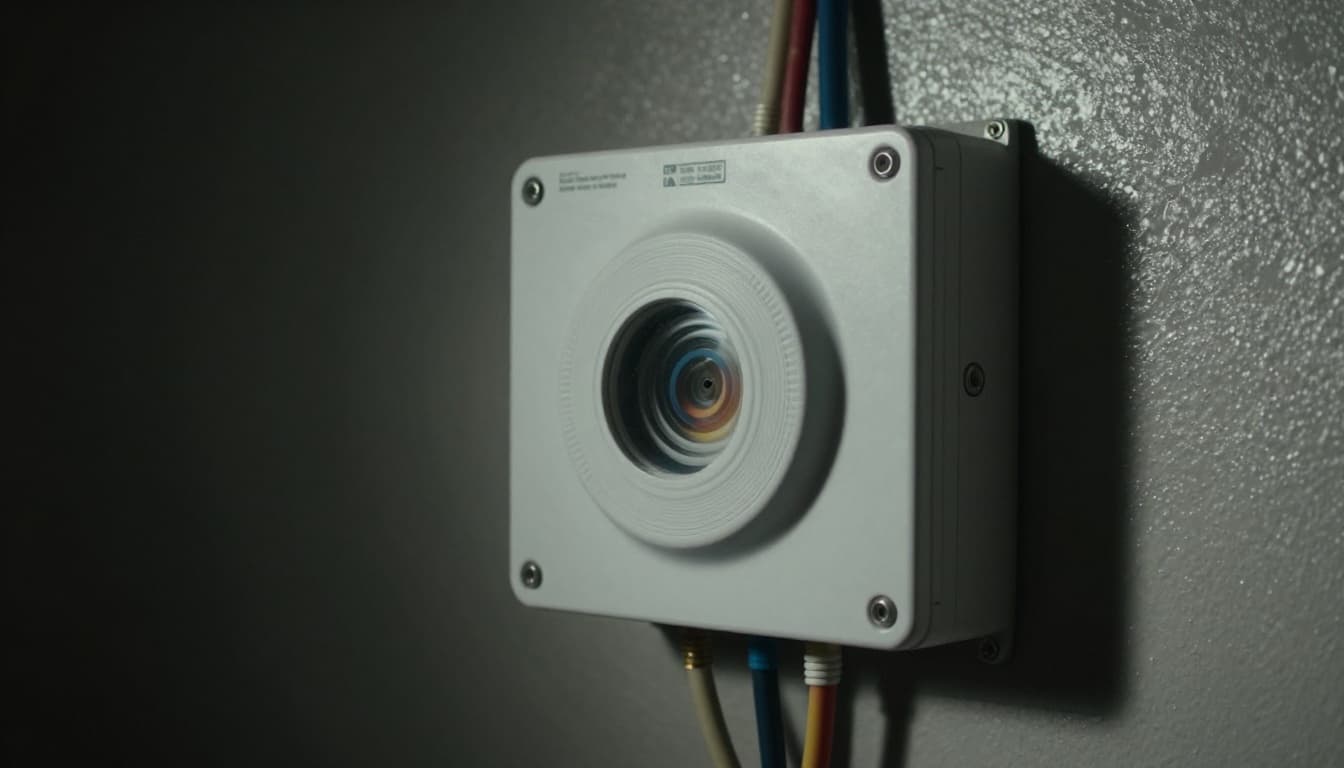
A plug-in strip won't protect the outdoor unit. The compressor, blower motor, and control board need protection at the panel or at the equipment, not at a power bar in the house. That is why surge protection belongs in skilled hands.
If your panel doesn't already have the right protection, ask a licensed HVAC or electrical pro to handle it. A technician can also tell you whether your system should stay off until power is stable after an outage. That's one more reason to work with a team that handles HVAC services in Cape Coral year-round.
During storm prep, don't force the system to keep cooling if the power keeps blinking on and off. Repeated starts can stress the compressor. It's better to let the system sit idle than to let unstable power punish it.
If you want help checking your setup or want a pre-season visit on the calendar, Contact Us before the weather turns.
What to do after the storm passes
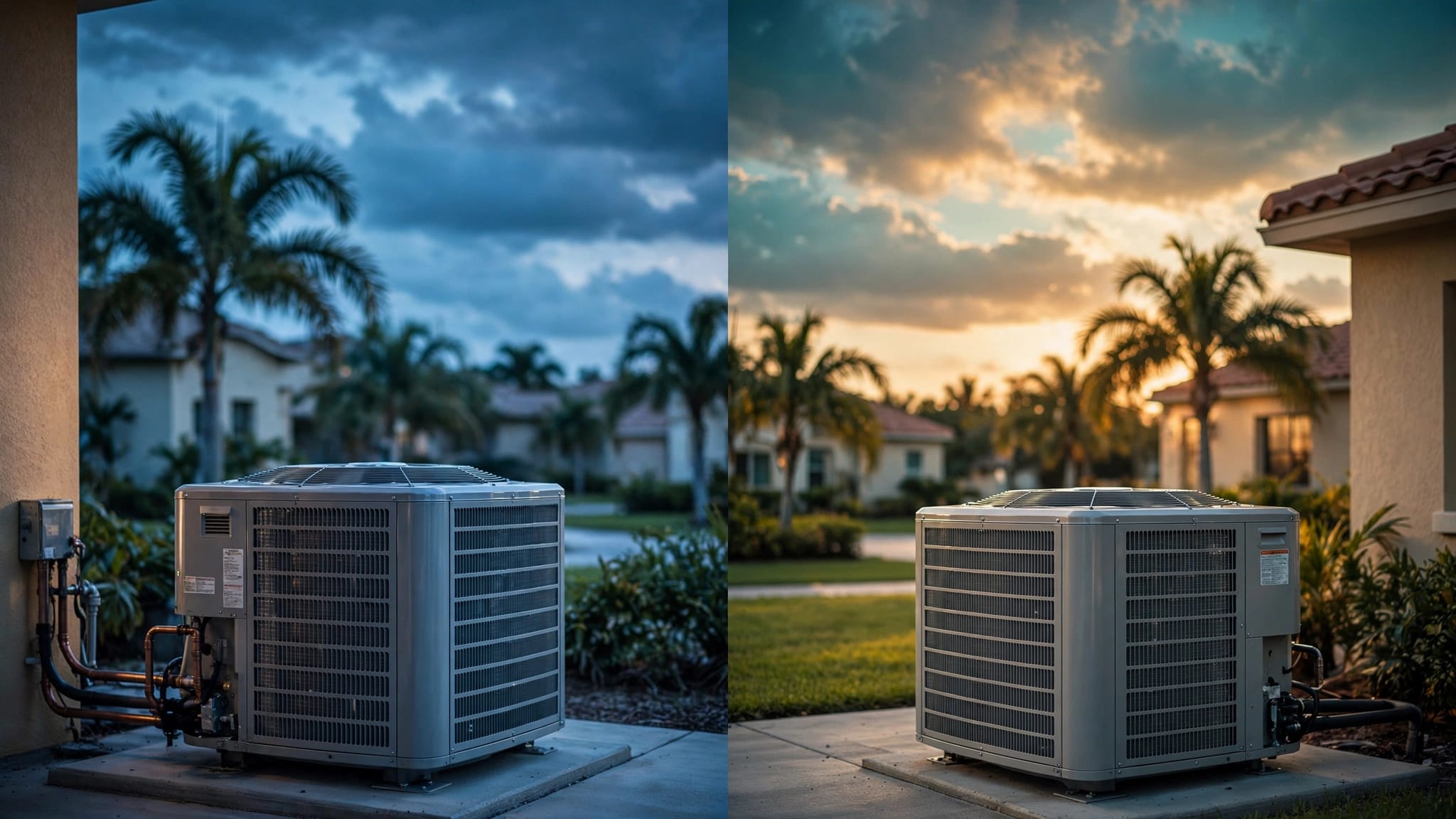
After the all-clear, look at the outdoor unit before you turn anything back on. Check for standing water, dented panels, loose wires, mud inside the cabinet, or a pad that shifted out of level. If the area still looks unsafe, leave the system off and call a pro.

Storm damage is not always obvious. A system can look fine and still have water inside the motor or control box. It can also cool for a few minutes, then fail once the compressor warms up. That is why a careful inspection matters before you restart anything.
A simple post-storm routine keeps small damage from spreading:
- Walk the yard first and clear branches, nails, and other debris.
- Look for water lines on the unit or around the pad.
- Check the air filter if the house filled with dust or moisture.
- Listen for rattling, humming, or short cycling after power returns.
- Call for service if the unit was flooded, hit by debris, or won't cool.
Don't keep trying to restart a wet system. Repeated starts can damage the compressor and turn a repair into a replacement.
If the AC won't come back on, or if you hear odd noises after power is restored, use professional air conditioning repair instead of guessing. Storm damage often shows up in the controls, capacitor, wiring, or fan motor, and those parts need the right tools to inspect.
Conclusion
Cape Coral AC hurricane prep works best when you treat it like yard work and insurance in one. Keep the outdoor unit clear, get a pre-season tune-up, add surge protection, and leave flood-damaged equipment to a licensed tech. Those steps won't stop a hurricane, but they can keep a bad storm from becoming a bigger repair bill.
If June finds your system overdue for service, take care of it before the first watches and warnings start. A little planning now can make a hot, stressful outage much easier to handle later.