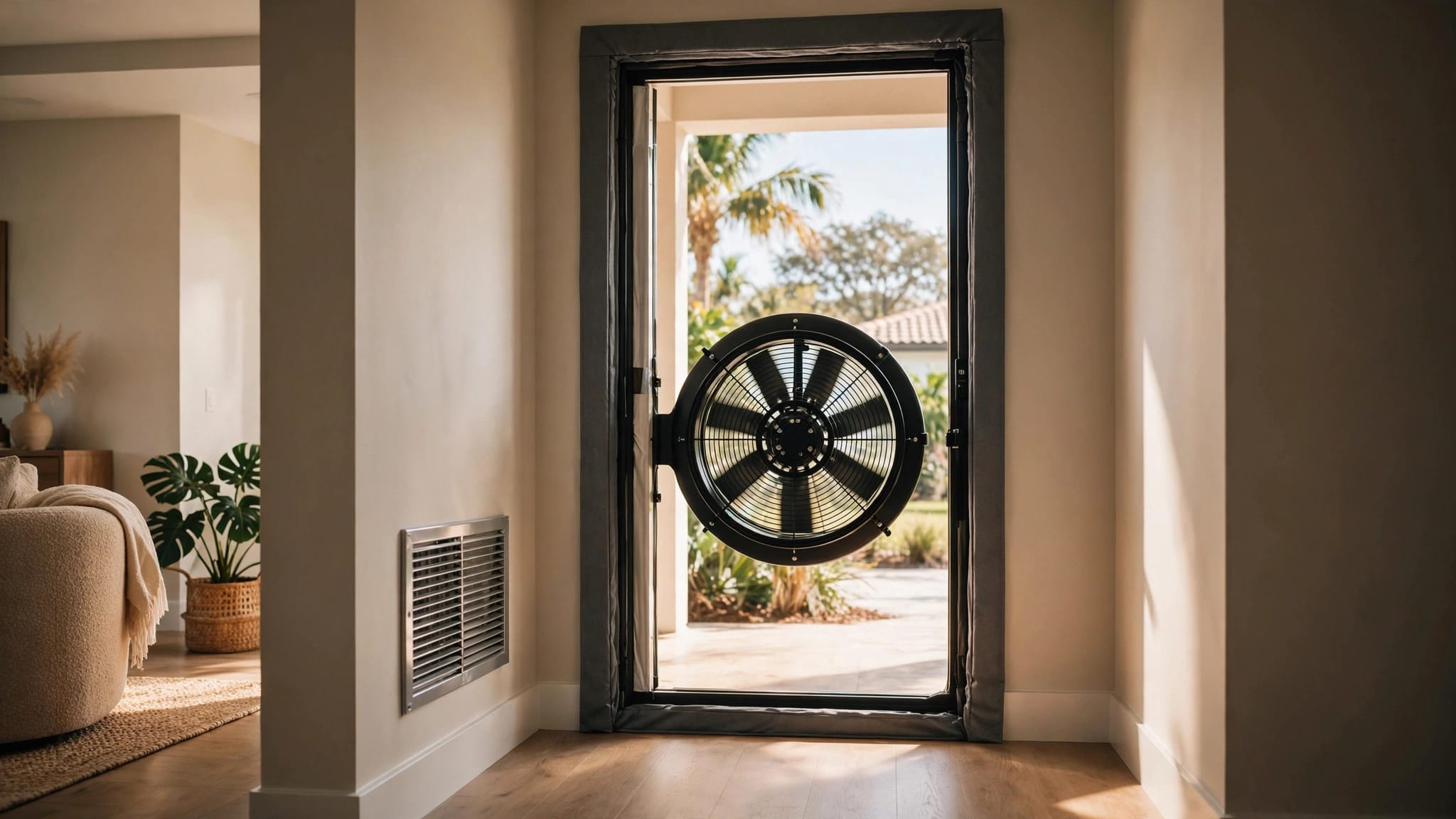
A new air conditioner can look finished while still needing important testing. An HVAC commissioning checklist confirms that the system is safe, correctly connected, properly charged, and ready to cool your home.
Installation puts the equipment in place. Commissioning tests the completed system under operating conditions. That difference matters in Southwest Florida, where poor airflow, drainage, or humidity control can affect comfort within days.
Use this checklist with a qualified HVAC professional before the crew leaves your property.
Installation and commissioning are different
What installation covers
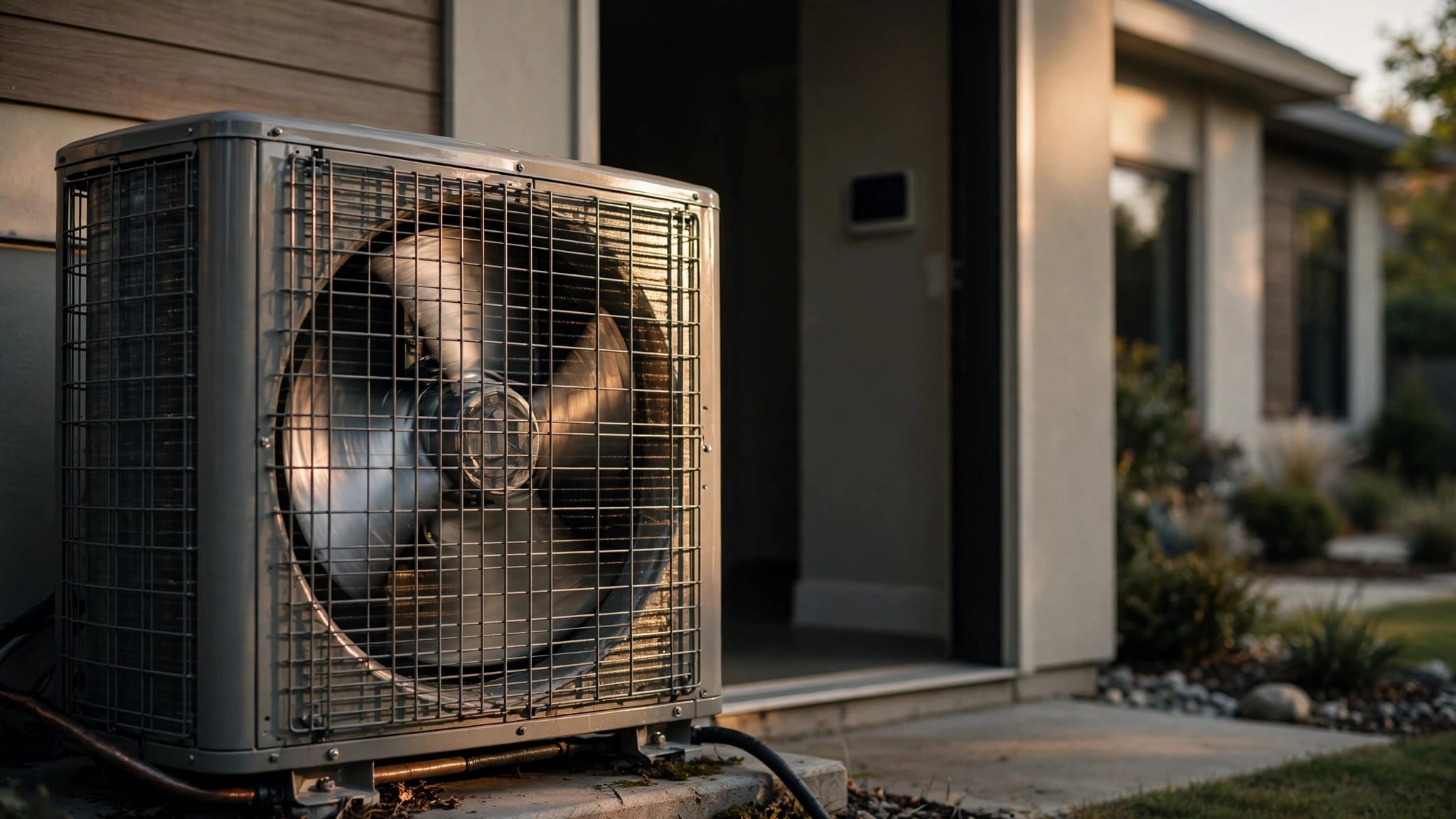
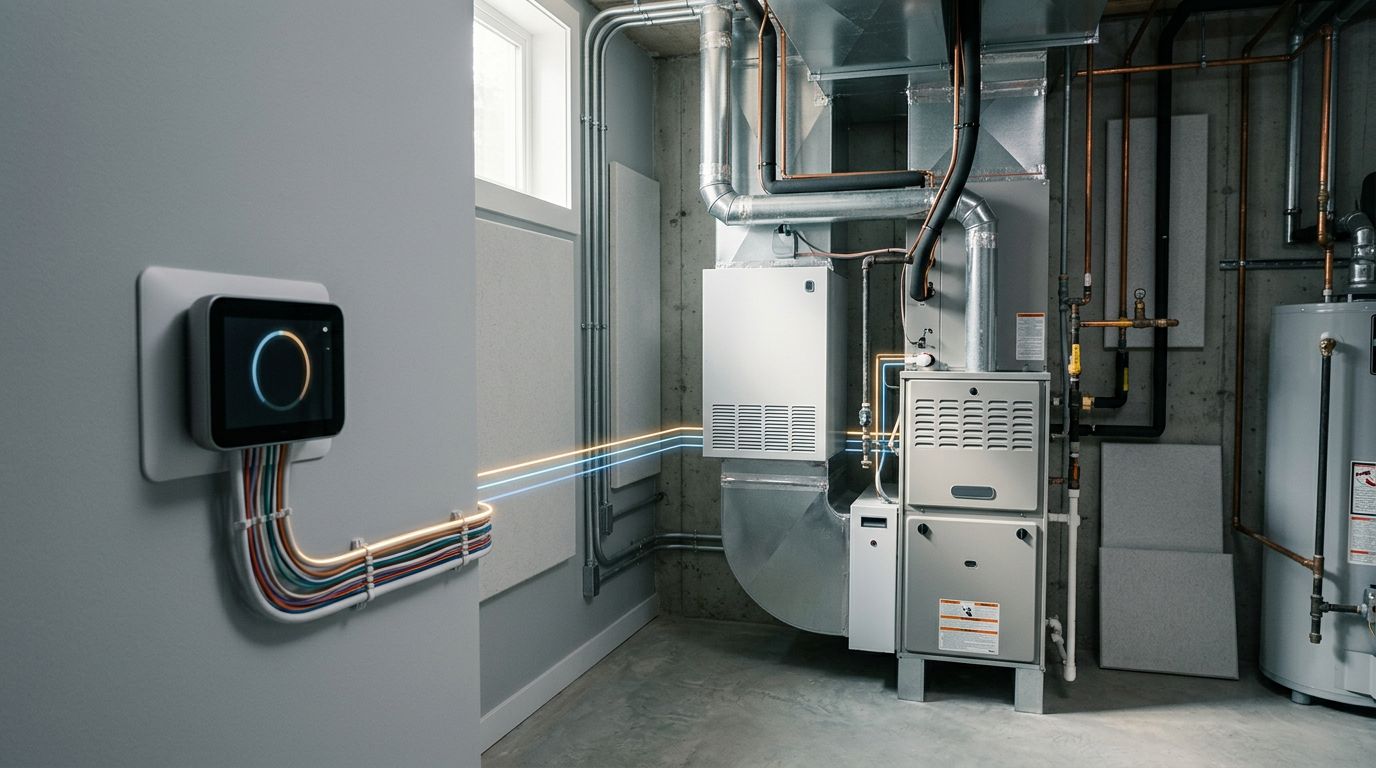
Installation is the physical work required to replace or add an air-conditioning system. The technician positions the indoor air handler and outdoor condenser, connects refrigerant lines, completes electrical wiring, attaches the condensate drain, connects the thermostat, and checks the ductwork.
The work may also include a new pad, disconnect, filter rack, drain safety switch, line-set insulation, or duct modifications. For a homeowner's timeline, what to expect on AC installation day gives useful context about the work and final startup.
What commissioning proves
Commissioning is the verification stage after installation. The technician measures electrical performance, refrigerant operation, airflow, temperature split, static pressure, drain function, thermostat response, and safety controls.
A system can be installed but not fully commissioned. For example, the outdoor unit may run while the condensate safety switch remains untested or the airflow stays below the equipment's rated requirement. Commissioning identifies those gaps before they become comfort problems or service calls.
Prepare for safe commissioning
Protect people and equipment
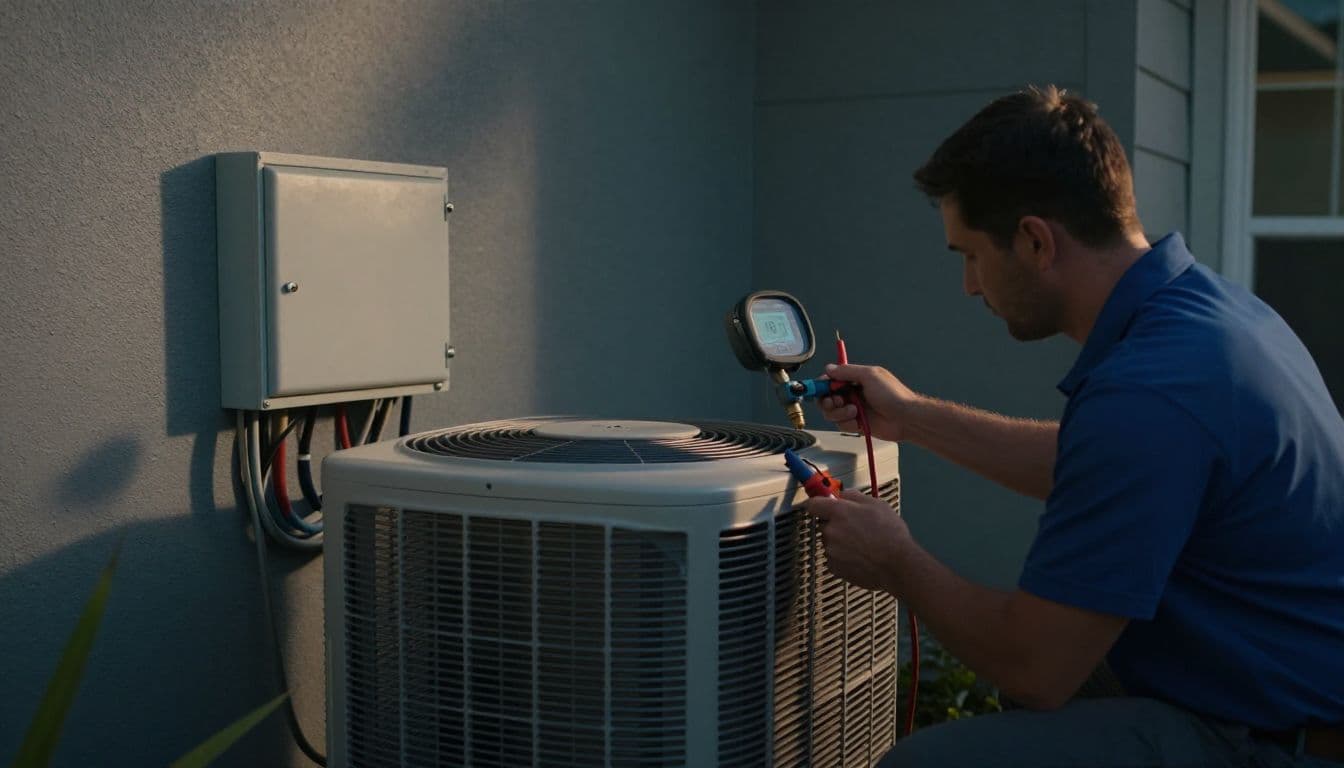
Only a qualified HVAC professional should perform technical commissioning. Refrigerant work, electrical measurements, pressure testing, combustion-related work, and equipment adjustments require proper training, tools, and safety procedures.
The technician should shut off power before opening panels, verify that circuits are de-energized when required, use appropriate personal protective equipment, and follow the equipment manufacturer's instructions. Never remove an electrical panel cover or adjust refrigerant charge yourself.
Refrigerant must be recovered, handled, and charged according to applicable regulations. A licensed electrician should handle panel changes, service upgrades, or electrical work outside the HVAC contractor's licensing authority. Review electrical safety during air conditioner installation if the new system needs a different circuit or service capacity.
A breaker can show acceptable voltage with no load and still reveal a wiring or connection problem when the equipment runs. Loaded measurements belong on the commissioning record.
Gather the right records
Before testing begins, have the equipment submittal, installation instructions, warranty information, permit details, and thermostat documentation available. Record the indoor and outdoor model numbers, serial numbers, refrigerant type, efficiency rating, and approved system match.
The technician should use the manufacturer's data for operating targets. Applicable electrical, mechanical, and building codes also apply. Avoid relying on a universal pressure, temperature, or amperage number because equipment design, outdoor conditions, ductwork, and system type can change the correct value.
HVAC commissioning checklist for equipment and electrical
Complete the first section after the equipment is installed but before final sign-off. Leave enough space for actual readings and corrections.
Visual and mechanical review
| Check | Measurement or required value | Pass / fail | Tech initials | Notes |
|---|---|---|---|---|
| Indoor and outdoor model numbers match the approved equipment selection | __________________ | ______ | ______ | __________________ |
| Equipment is level, secure, and installed with required clearances | __________________ | ______ | ______ | __________________ |
| Refrigerant lines are supported, protected, and insulated correctly | __________________ | ______ | ______ | __________________ |
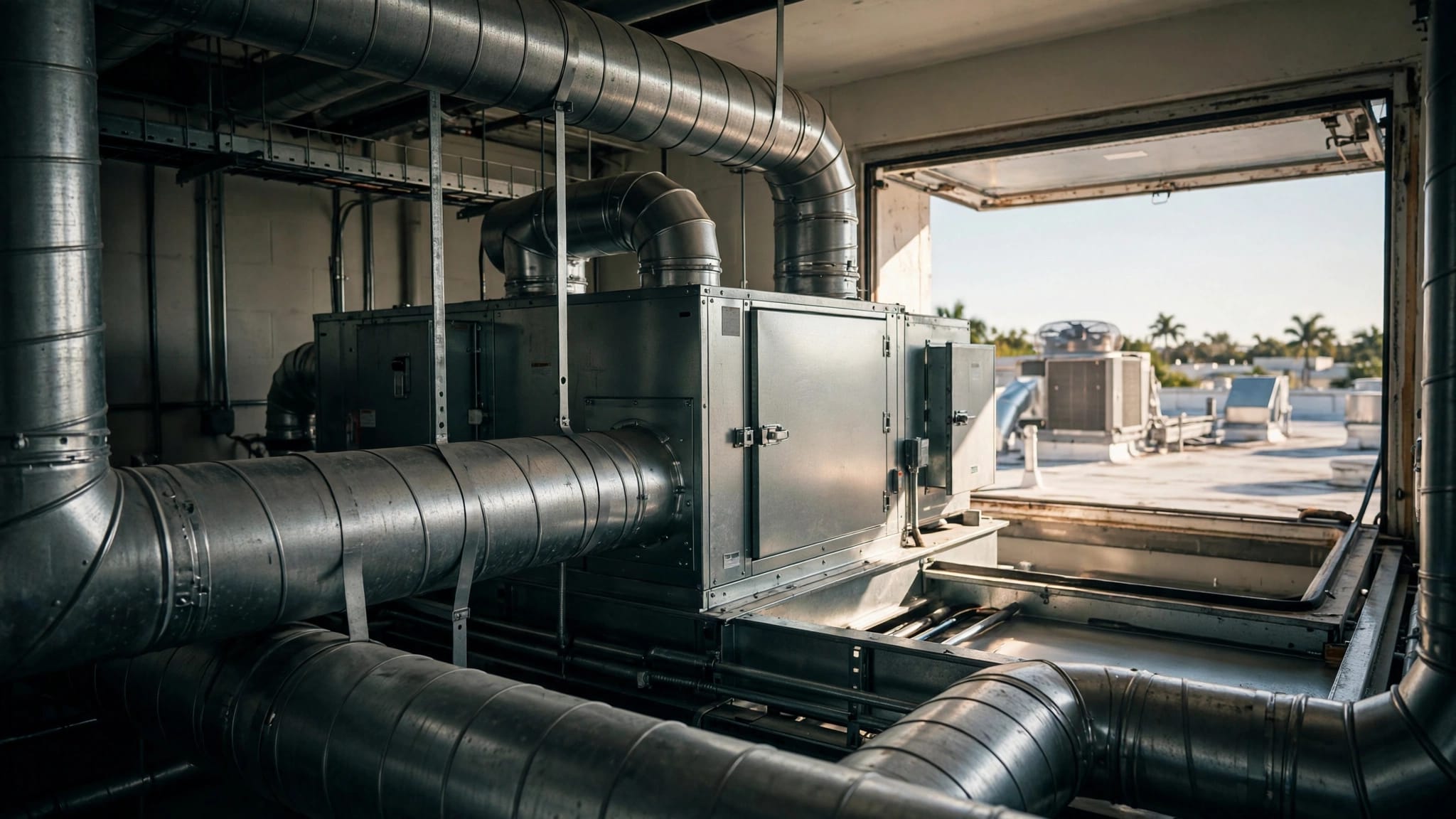
| Duct connections are sealed, supported, and free from visible damage | __________________ | ______ | ______ | __________________ |
| Filter is installed in the correct size and direction | __________________ | ______ | ______ | __________________ |
| Outdoor coil, indoor coil, blower, and service areas are accessible | __________________ | ______ | ______ | __________________ |
The technician should also verify that panels fit correctly, service disconnects are accessible, and the work area is free of loose wire scraps, debris, and removed materials.
Electrical and control review
| Check | Measurement or required value | Pass / fail | Tech initials | Notes |
|---|---|---|---|---|
| Supply voltage at the equipment, with system off | __________________ | ______ | ______ | __________________ |
| Operating voltage under load | __________________ | ______ | ______ | __________________ |
| Running amperage compared with nameplate and manufacturer data | __________________ | ______ | ______ | __________________ |
| Breaker, fuse, disconnect, wiring, and conductor size meet requirements | __________________ | ______ | ______ | __________________ |
| Grounding and bonding connections are complete | __________________ | ______ | ______ | __________________ |
| Electrical connections are tight, protected, and free from overheating | __________________ | ______ | ______ | __________________ |
The final record should show both the measurement and the reference used, such as the equipment nameplate, installation manual, or applicable code.
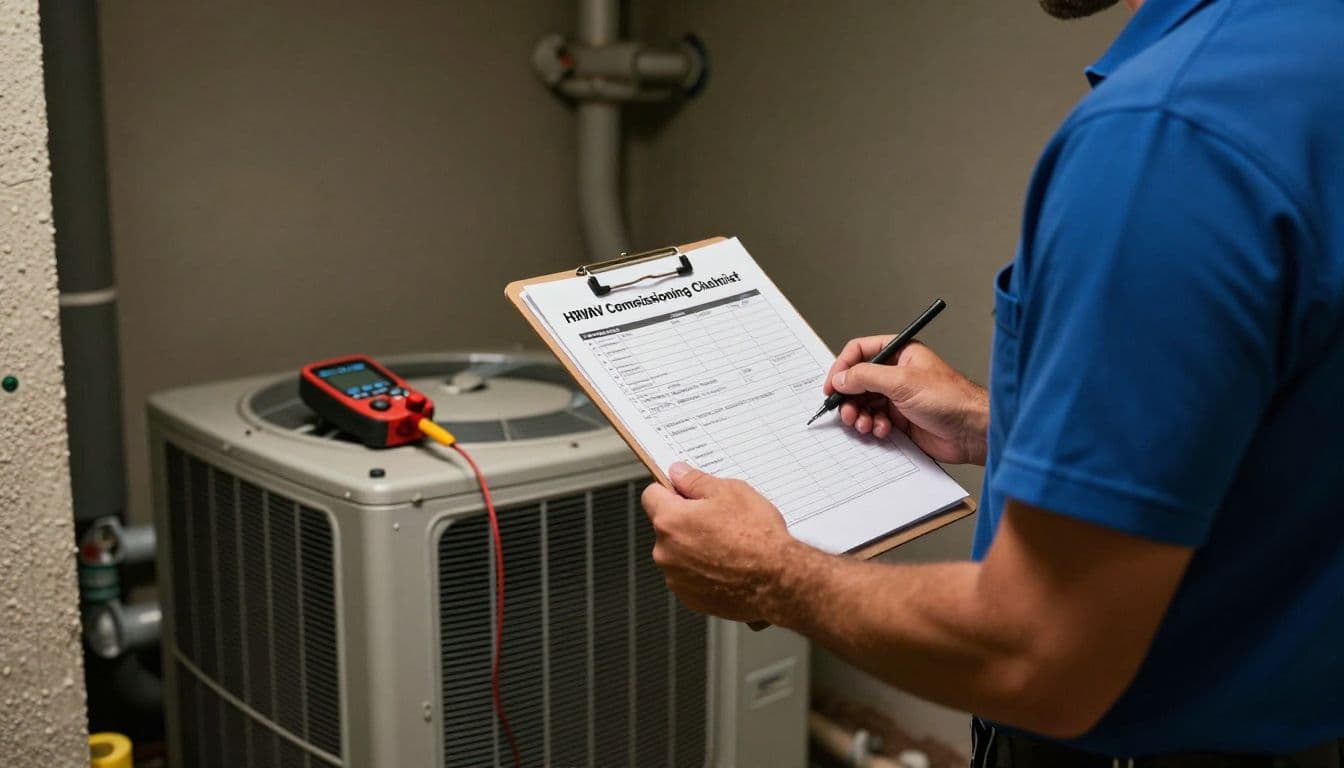
HVAC commissioning checklist for refrigerant and airflow
These tests show whether the system can move and condition air as designed. The technician should allow the equipment to operate long enough for readings to stabilize under the conditions specified by the manufacturer.
Refrigerant circuit verification
| Check | Measurement or required value | Pass / fail | Tech initials | Notes |
|---|---|---|---|---|
| Refrigerant type matches the equipment documentation | __________________ | ______ | ______ | __________________ |
| System passes an approved leak check | __________________ | ______ | ______ | __________________ |
| Evacuation and dehydration procedure meets manufacturer requirements | __________________ | ______ | ______ | __________________ |
| Factory charge and any added refrigerant are recorded | __________________ | ______ | ______ | __________________ |
| Superheat or subcooling matches the manufacturer's charging method | __________________ | ______ | ______ | __________________ |
| Service valves, caps, insulation, and line connections are complete | __________________ | ______ | ______ | __________________ |
Charge verification should account for the installed line-set length and any required factory adjustment. Pressure alone doesn't prove correct charge. The technician should use the manufacturer's stated method and record outdoor temperature, indoor conditions, and the final readings.
Airflow and temperature performance
| Check | Measurement or required value | Pass / fail | Tech initials | Notes |
|---|---|---|---|---|
| Return-air temperature | __________________ | ______ | ______ | __________________ |
| Supply-air temperature | __________________ | ______ | ______ | __________________ |
| Temperature split, calculated from return and supply readings | __________________ | ______ | ______ | __________________ |
| Total airflow or delivered CFM | __________________ | ______ | ______ | __________________ |
| Return and supply static pressure | __________________ | ______ | ______ | __________________ |
| Blower speed, fan setting, and system configuration | __________________ | ______ | ______ | __________________ |
A temperature split alone cannot prove correct charge or airflow. The readings must agree with the equipment data and the measured duct conditions.
Static pressure should stay within the equipment's published limits. High pressure may point to a restrictive filter, undersized return, blocked coil, closed damper, or duct problem. Low airflow can cause weak cooling, coil freeze-ups, poor humidity removal, and uneven rooms.
HVAC commissioning checklist for drainage, safety, and controls
Air conditioning removes moisture as it cools. In a humid Florida home, condensate management deserves the same attention as cooling performance.
Condensate and safety controls
| Check | Measurement or required value | Pass / fail | Tech initials | Notes |
|---|---|---|---|---|
| Primary condensate drain slopes correctly and is secured | __________________ | ______ | ______ | __________________ |
| Drain trap, vent, or cleanout matches the installation instructions | __________________ | ______ | ______ | __________________ |
| Drain line flows freely during an operational or approved water test | __________________ | ______ | ______ | __________________ |
| Secondary drain or pan is installed when required | __________________ | ______ | ______ | __________________ |
| Float switch or overflow protection stops the system as designed | __________________ | ______ | ______ | __________________ |
| Outdoor disconnect and other required safety devices operate correctly | __________________ | ______ | ______ | __________________ |
The technician should explain where the primary drain, secondary pan, cleanout, and safety switch are located. Ask what warning signs require a service call, especially water near the air handler, a full drain pan, or an unexplained shutdown.
Thermostat and operating sequence
| Check | Measurement or required value | Pass / fail | Tech initials | Notes |
|---|---|---|---|---|
| Thermostat wiring matches the system type and control diagram | __________________ | ______ | ______ | __________________ |
| Cooling call starts the correct indoor and outdoor equipment | __________________ | ______ | ______ | __________________ |
| Fan operation, staging, auxiliary functions, and delays work correctly | __________________ | ______ | ______ | __________________ |
| Thermostat displays temperature and settings accurately | __________________ | ______ | ______ | __________________ |
| Safety shutdowns interrupt operation when tested | __________________ | ______ | ______ | __________________ |
| Homeowner receives basic thermostat operating instructions | __________________ | ______ | ______ | __________________ |
A new system may require a compatible thermostat because of staging, variable-speed operation, communicating controls, or accessory wiring. Check thermostat compatibility after AC replacement before assuming the existing wall control can stay.
Complete the record before the job closes
A useful HVAC commissioning checklist ends with a signed record, not only a running outdoor unit. Write down the date, outdoor temperature, indoor temperature, indoor humidity if measured, technician name, company, and equipment model and serial numbers.
The file should include:
- Final voltage, amperage, static pressure, airflow, temperature split, and refrigerant readings.
- Any refrigerant added or removed, along with the reason and line-set information.
- Filter size, thermostat model, safety-control results, and condensate test results.
- Permit and inspection details, warranty terms, maintenance requirements, and correction notes.
- Photos of equipment labels, electrical connections, drain protection, and completed work when the contractor provides them.
If a reading fails, the technician should document the problem, correction, and retest result. A blank measurement or verbal promise doesn't replace a completed record.
During handoff, ask how to change the filter, where to find the disconnect, how to recognize a drain problem, and which thermostat settings support comfortable humidity control. Keep the commissioning sheet with the equipment manuals and future service records.
For a new installation, replacement concern, or failed startup test, Contact Us to schedule service with Back Bay Heating & Cooling.
A properly commissioned AC starts with measured results
Installation connects the equipment, but commissioning confirms that every connected part works together safely. The most useful records include actual electrical, refrigerant, airflow, temperature, drain, and control readings matched against the manufacturer's requirements and applicable code.
A completed HVAC commissioning checklist gives you something concrete to keep after the crew leaves. When the system is tested, documented, and explained clearly, you can begin using your new AC with fewer surprises and a better chance of steady comfort.