A blown fuse can shut down your air conditioner without warning, especially during a hot Cape Coral afternoon. In 2026, the AC fuse replacement cost is often around $125 to $250 for a simple same-visit repair , but the final bill depends on diagnosis, access, system type, and service hours.
The fuse may be the only failed part, or it may be protecting your home from a larger electrical or HVAC problem. Knowing what the service call includes helps you avoid paying for a quick replacement that fails again a day later.
What Is the AC Fuse Replacement Cost in Cape Coral?
For most Cape Coral homeowners, the cost starts with a diagnostic or service-call fee. Local advertised fees commonly fall near $99, $120, or $125, while broader estimates range from $75 to $200.
The fuse itself is usually inexpensive. A common fuse may cost about $4 to $60, depending on its type, amperage, and application. Labor, testing, travel, and the service-call charge often make up most of the total.
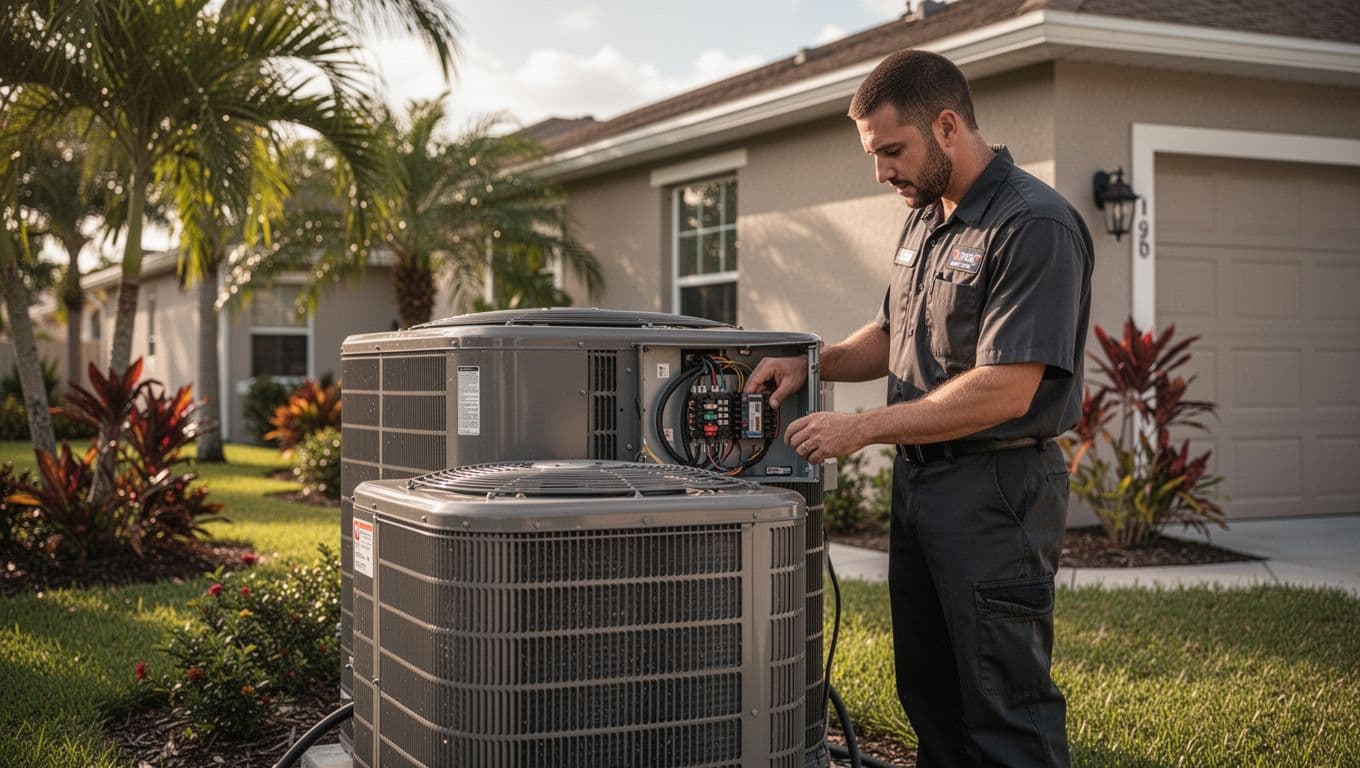
These 2026 planning estimates show how the charges may compare:
| Service or repair | Estimated Cape Coral price |
|---|---|
| Diagnostic or daytime service call | $75 to $200 |
| Fuse part | $4 to $60 |
| Simple fuse replacement, total | $125 to $250 |
| After-hours or emergency surcharge | $25 to $125 or more |
| Fuse-related repair with damaged components | $250 to $700 or more |
A broader fuse-service estimate can reach $450 when troubleshooting, access problems, or related repairs are involved. These figures are estimates, not guarantees . A contractor may apply the diagnostic fee toward the repair, while another company may charge it separately.
When a simple replacement stays near $125 to $250
The lower range usually applies when the technician finds one failed fuse, confirms the correct replacement, and completes the work during normal hours. The electrical compartment must also be easy to access, with no signs of corrosion, storm damage, wiring failure, or component damage.
A simple fuse replacement doesn't prove that the system is healthy. The technician should still test why the fuse opened before starting the air conditioner again.
Why the quote may be higher
Your cost can increase when the system has a difficult-to-reach air handler, a damaged outdoor disconnect, corroded terminals, or wiring that needs repair. A failed contactor, capacitor, or compressor circuit can also turn a small fuse issue into a larger electrical repair.
After-hours calls may add $25 to $125 or more. Some companies offer 24/7 service with a set call-out fee, while others use a higher emergency rate outside normal business hours.
What Does an AC Fuse Service Call Include?
A proper service call should involve more than removing one fuse and installing another. The technician needs to determine whether the fuse failed because of age, a short circuit, excess current, incorrect sizing, or another problem inside the system.
The work may involve the following steps:
- The technician reviews what happened, including when the AC stopped and whether a breaker also tripped.
- Power sources, thermostat signals, wiring, and disconnect equipment receive a visual inspection.
- Electrical tests check the low-voltage control circuit and high-voltage components as appropriate.
- The technician identifies the fuse type and amperage required by the equipment.
- After replacement, the system runs through a startup and operating check.
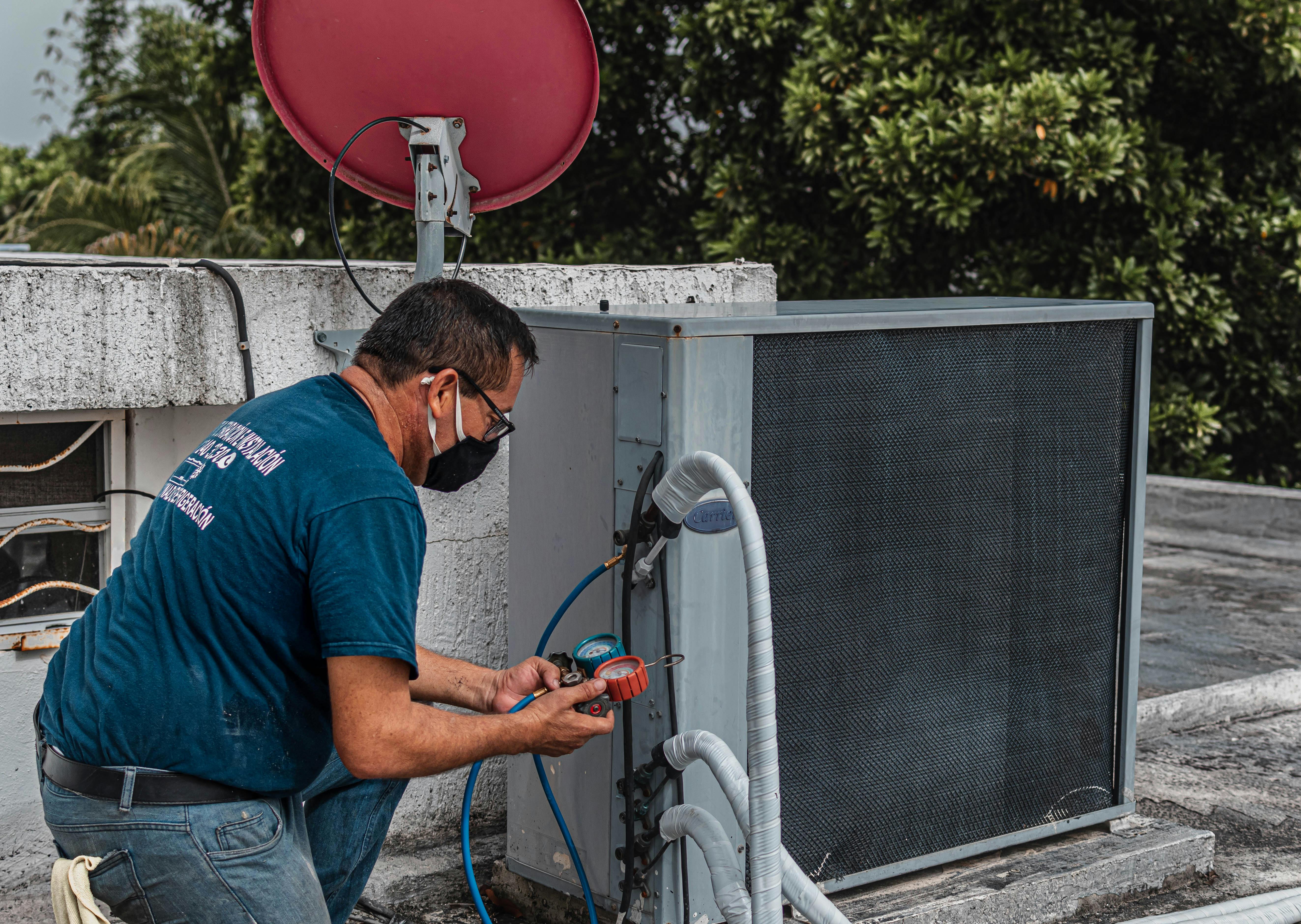
Photo by José Andrés Pacheco Cortes
Diagnosis should happen before the new fuse goes in
A technician may test the contactor coil, capacitor, compressor circuit, control wiring, and disconnect. The exact tests depend on whether the failed fuse protects the outdoor unit, indoor air handler, thermostat circuit, or another part of the system.
Ask whether the quoted price includes diagnosis, the fuse, installation, and a basic system test. Also ask whether the service fee is credited toward approved repairs. Those details can make two apparently similar quotes differ by more than $100.
The fuse type matters
Central air conditioners may use different fuse styles and ratings. A low-voltage control fuse is not interchangeable with a high-voltage cartridge fuse in an outdoor disconnect.
The replacement must match the equipment requirements. Installing a larger fuse can allow excessive current to continue long enough to damage wiring or expensive components. A qualified technician should verify the rating instead of relying on the old fuse alone.
Why Does an AC Fuse Keep Blowing?
Repeated fuse failure usually points to an underlying electrical or HVAC fault. Replacing the fuse may restore cooling briefly, but it won't correct the condition that caused excessive current or a short circuit.
Common causes of repeated fuse failure
A short list of common causes includes:
- A compressor that draws too much current during startup or operation
- A failed run capacitor that puts extra strain on the compressor or fan motor
- A contactor with damaged contacts or a failing coil
- Rubbed, loose, wet, or damaged wiring
- A faulty disconnect or corroded connection
- An incorrectly sized fuse
- Storm or lightning damage that affects the electrical circuit
- A control-board or low-voltage wiring short
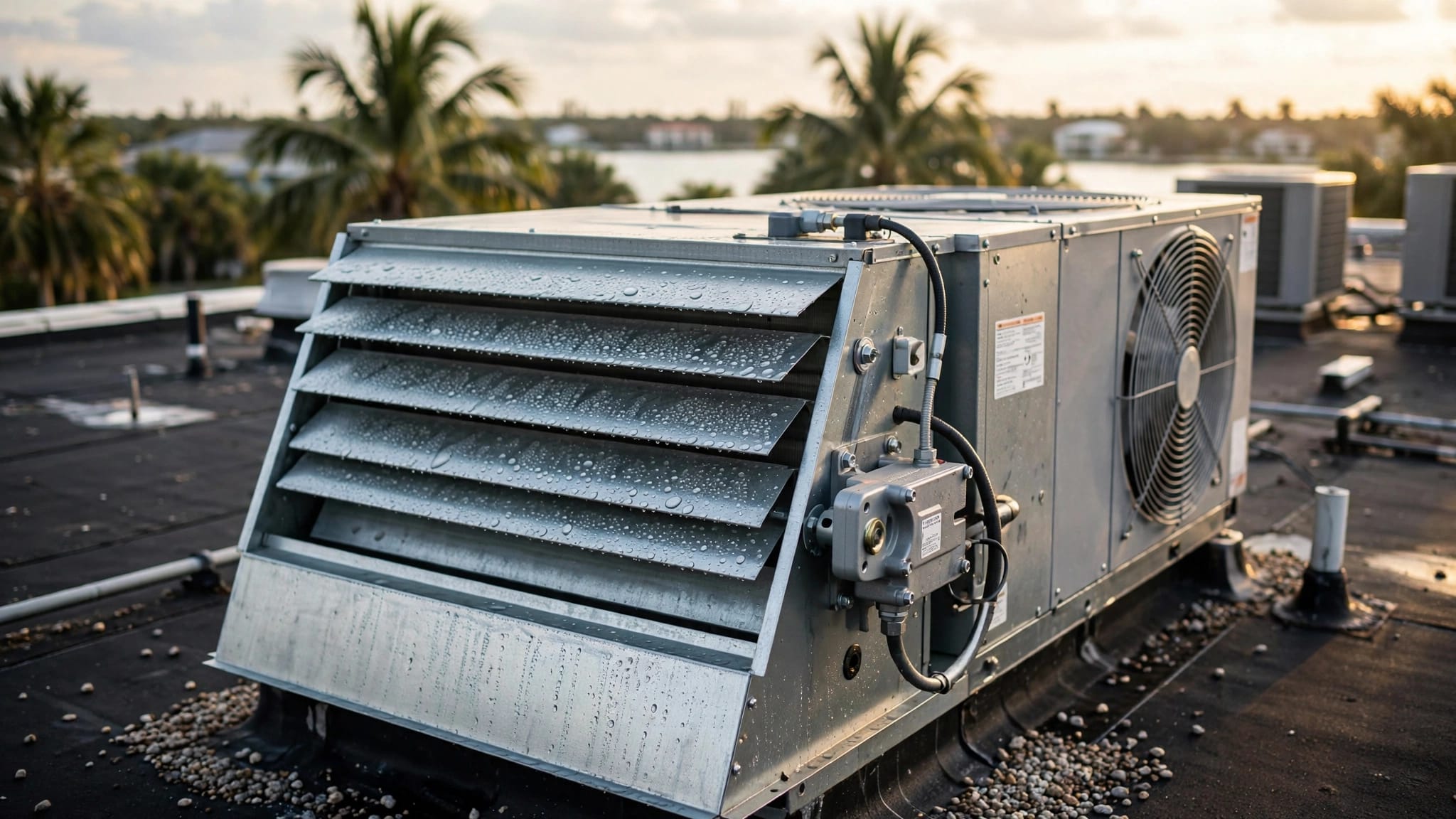
Cape Coral's coastal air, humidity, rain, and storm activity can contribute to corrosion or water intrusion around outdoor equipment. That doesn't mean every blown fuse comes from weather, but outdoor electrical components deserve a careful inspection.
If the replacement fuse blows again, treat the failure as a diagnostic warning, not an invitation to install another fuse.
What repeated failure can cost
The final AC fuse replacement cost rises when the fuse is only a symptom. For example, a contactor repair may cost roughly $80 to $220 for the part and labor in some estimates. A compressor electrical problem involving a relay or run capacitor may reach $150 to $700, depending on the equipment and repair.
A technician should explain which part failed, what tests support that finding, and whether the repair restores safe operation. If the compressor or control board has sustained damage, ask whether repair makes sense for the system's age and condition.
Can You Replace an AC Fuse Yourself?
Homeowners can perform a few basic checks, but replacing an AC fuse often involves equipment that may remain energized even when the system is silent. The outdoor disconnect and electrical panels can contain dangerous voltage.
You can check that the thermostat has power and is set to cooling. You can also look at the home's main electrical panel without removing its cover. If the AC breaker has tripped, reset it once . If it trips again, leave it off and schedule service.
For more pre-service air conditioner checks, stick to controls that don't require opening the equipment.
Avoid these DIY mistakes
Don't remove the condenser or air-handler panels to reach a fuse. Don't touch internal metal parts, exposed wiring, capacitors, or disconnect terminals. A quiet unit doesn't prove that all power has been removed.
Never replace a fuse with a higher amperage rating, wrap it in foil, bypass it, or repeatedly reset the breaker. These actions can create a fire hazard and damage the air conditioner.
A qualified HVAC technician or electrician can determine whether the issue belongs to the air-conditioning equipment, the home's electrical system, or both. Professional Cape Coral AC repair services are the safer choice when testing requires access to energized components.
When Does a Blown AC Fuse Need Urgent Service?
A single failure with no other warning signs still deserves a proper inspection. However, certain symptoms call for prompt service because they may indicate overheating, arcing, water intrusion, or damaged wiring.
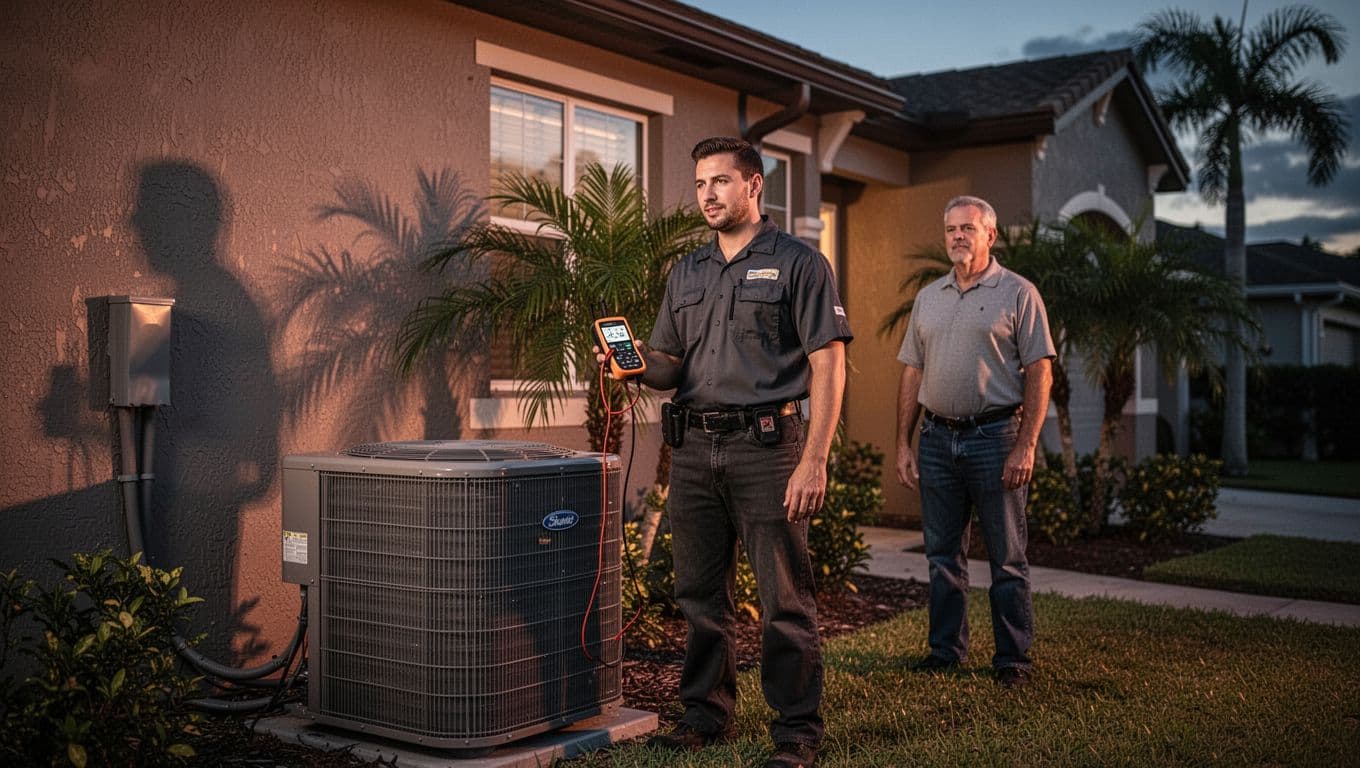
Call for urgent help if you notice:
- A burning plastic, electrical, or ozone smell
- Smoke, sparks, buzzing, crackling, or visible arcing
- Melted insulation, charring, or scorch marks
- A hot breaker, disconnect, or electrical panel area
- Water around electrical equipment
- A fuse that blows immediately after replacement
- A breaker that trips each time the AC starts
- A storm-related outage followed by electrical damage
Turn the system off at the thermostat if it operates normally, then keep away from exposed equipment. If you see active smoke or fire, leave the area and call 911. For an AC fault that leaves your home without cooling, Contact Us to schedule a service call or request emergency help.
How to Avoid Unnecessary AC Repair Costs
The most useful way to control the bill is to separate the diagnostic fee from the repair decision. Before approving work, ask what the technician found, what tests were performed, and whether the quoted price includes parts, labor, and the service call.
You can also provide useful information before the appointment. Note whether the fuse failed during a storm, whether the unit made a hum or click, and whether the breaker tripped. Tell the technician about any recent electrical work, water leaks, or unusual odors.
Schedule service during normal hours when possible
A daytime appointment may avoid an emergency surcharge. If the AC still runs but shows warning signs, schedule service before it stops completely. A developing electrical problem may cost less to address than a failure that damages a contactor, capacitor, wiring, or compressor.
Reviewing current AC service call costs in Cape Coral can also help you recognize what a diagnostic fee covers before you call.
Keep the system maintained
Routine maintenance can uncover loose electrical connections, dirty coils, worn capacitors, restricted airflow, and drainage problems. Replace filters on the schedule recommended for your home and filter type. Keep leaves, grass, and stored items away from the outdoor condenser.
Maintenance can't prevent every fuse failure. Still, it can reveal wear before a small issue becomes a no-cooling emergency, especially in a climate where air conditioners run for long periods.
Conclusion
In Cape Coral, the AC fuse replacement cost for a straightforward daytime repair is often about $125 to $250 , while diagnostic visits commonly range from $75 to $200. After-hours service, difficult access, corrosion, storm damage, or a failed compressor component can raise the total.
A new fuse may restore cooling, but repeated failure means the underlying cause still needs attention. The safest and most cost-effective repair starts with testing the system, matching the correct fuse, and fixing the fault that caused it to blow.