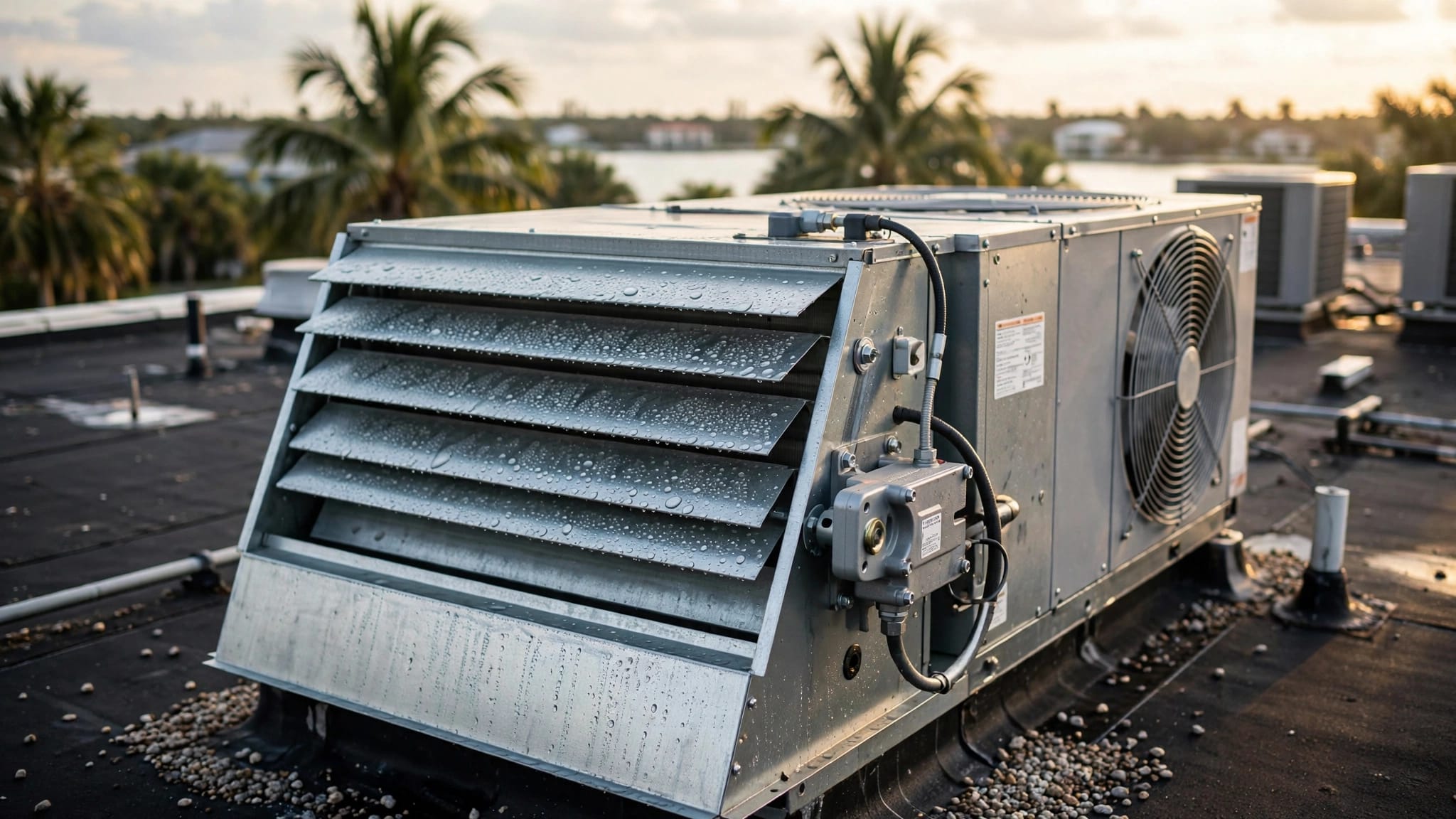
A new air conditioner can fail at the worst possible time, especially during a humid Cape Coral summer. Before you approve an installation, make sure the AC replacement contract explains exactly what you're buying, what the contractor will do, and how unexpected costs will be handled.
A strong agreement protects both sides. It should cover the equipment, installation work, permits, payment schedule, warranties, weather delays, and cleanup. The following points can help you compare proposals without relying on vague promises.
What an AC replacement contract should identify
The contract should describe the complete project, not only list a total price for a new condenser. This detail helps you compare bids that may include different equipment or installation services.
Name the exact equipment
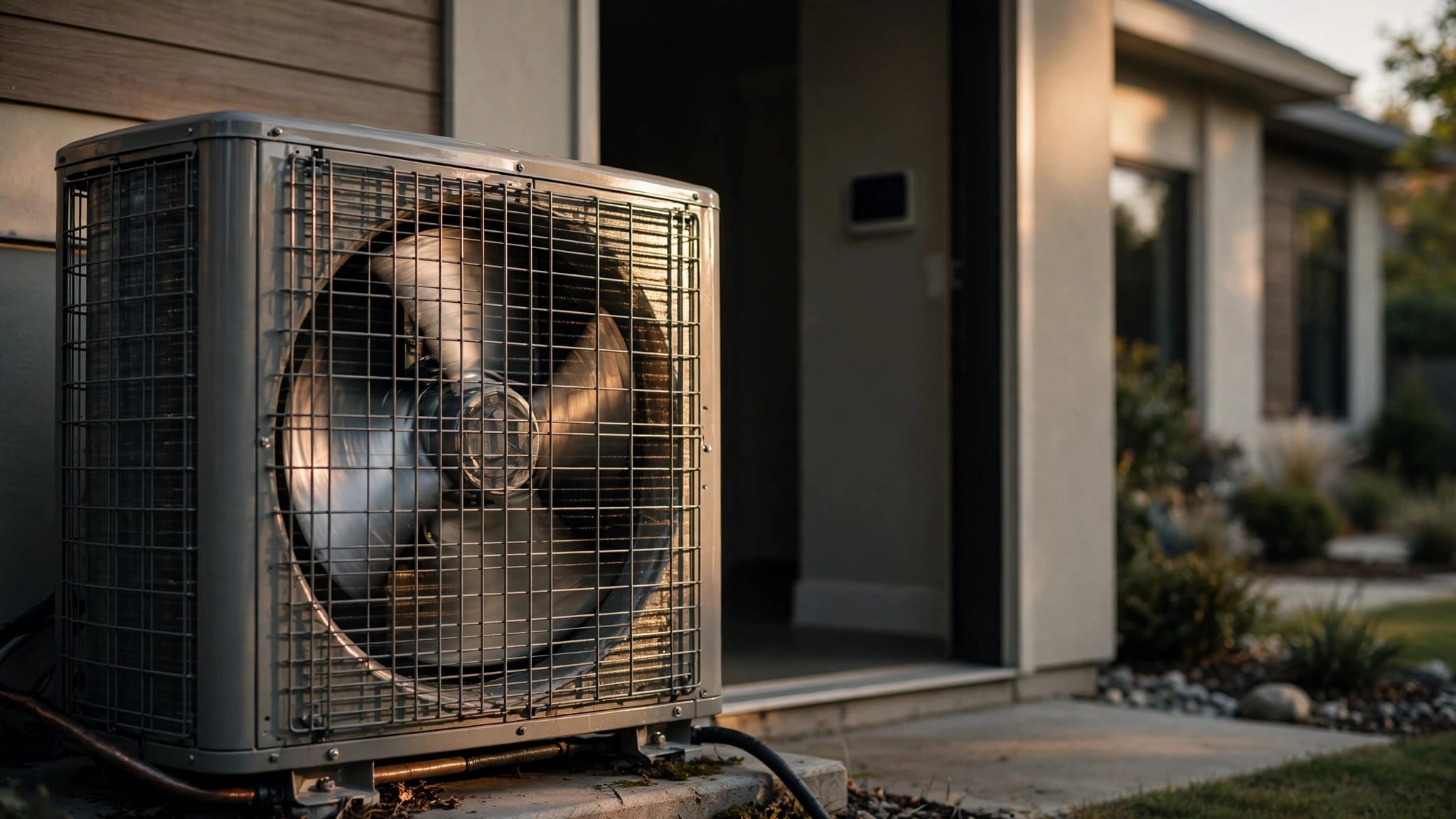
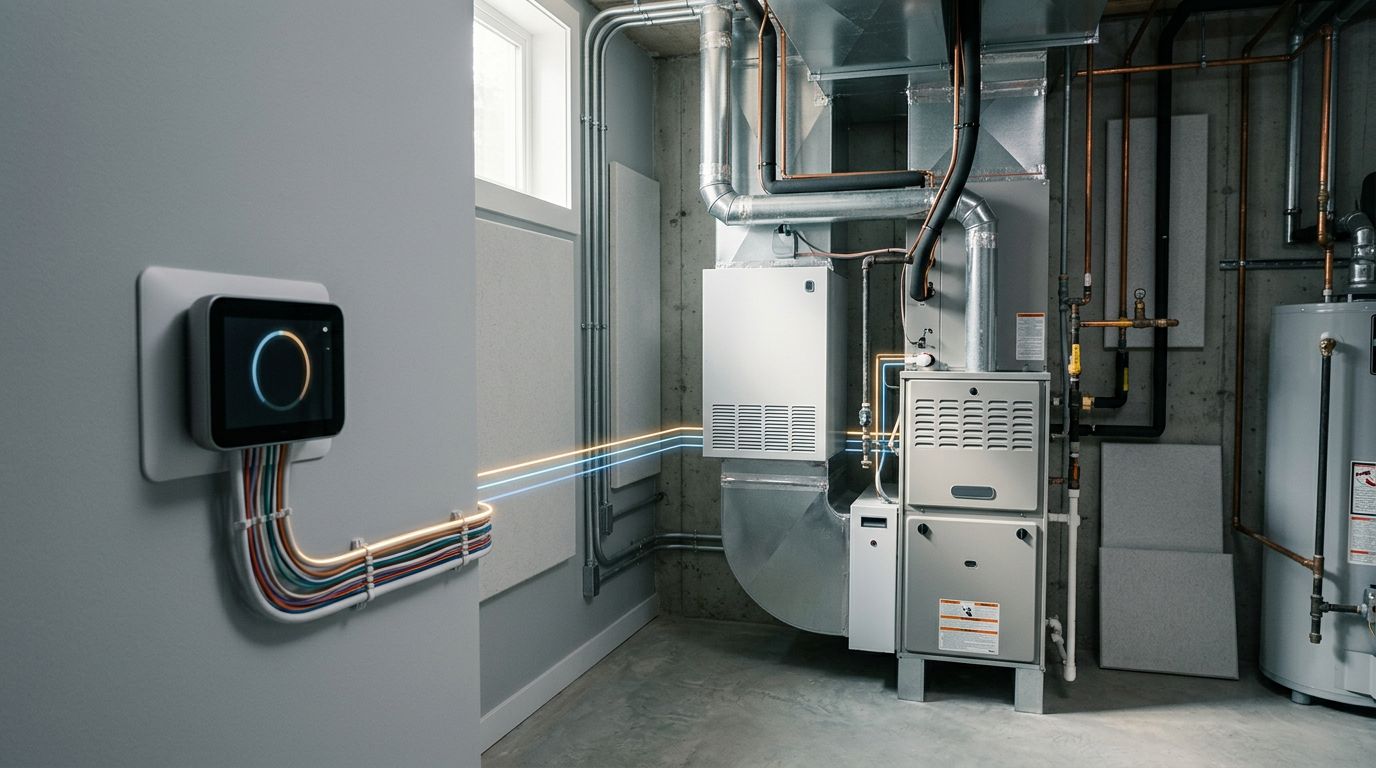
Look for the manufacturer's name and full model numbers for the outdoor condenser, indoor air handler or furnace, evaporator coil, and any electric heat kit. The agreement should also list:
- System capacity in tons or BTUs
- Efficiency rating, such as SEER2
- Voltage and electrical requirements
- Thermostat type
- Heat-strip size, if included
- New or reused line set
- Equipment warranty terms
The system should match your home's cooling load and ductwork. A contractor who chooses equipment by square footage alone may miss insulation, windows, ceiling height, sun exposure, and airflow needs. Ask whether the recommendation includes a load calculation and duct inspection.
Define every part of the installation
The scope should say whether the price includes removal and disposal of the old equipment, refrigerant recovery, installation labor, startup testing, and final cleanup. It should also address the concrete pad, disconnect box, drain line, float switch, condensate pump, drain-pan treatment, and thermostat.
Cape Coral homes often need careful humidity control. Ask whether the contractor will test airflow, confirm refrigerant charge, inspect the drain system, and verify that the system cools and dehumidifies properly.
Duct repairs, electrical upgrades, attic access work, line-set replacement, and return-air modifications should appear as separate line items. For more help comparing the details, review this guide to comparing AC installation quotes in Cape Coral.
Put permits, licensing, and insurance in writing
A contract should never leave responsibility for approvals unclear. Ask who pulls the permit, pays the fees, schedules inspections, and corrects problems if an inspection fails.
Confirm the Cape Coral permit plan
Cape Coral lists a residential A/C change-out permit for many one- and two-family home replacements. Lee County materials also address mechanical permits for HVAC equipment and ductwork. The exact permit type can change when the project includes duct modifications, a mini-split, new electrical work, or other alterations.
The contract should identify the permit type, application responsibility, inspection plan, and all related charges. Cape Coral's materials have shown different Notice of Commencement cost thresholds in separate documents, so ask the contractor or local building department to confirm whether an NOC applies to your project.
You can also review the local information on Cape Coral AC replacement permit rules before signing. Don't assume a permit is included because the proposal uses the phrase "turnkey installation."
Verify the contractor and coverage
The agreement should name the legal contractor entity, Florida air-conditioning license number, business address, and contact information. Check the license through Florida's DBPR license lookup, and confirm that the status is active and the license category covers the work.
Ask for current proof of general liability insurance and workers' compensation coverage. If subcontractors will handle electrical or structural work, find out who licenses and insures them. The paperwork should also state who is responsible for damage to your home during the installation.
Control the price, deposit, and change orders
A low initial price can become expensive when the contract leaves common installation items open. The agreement should state whether the quoted amount includes permits, inspection fees, equipment delivery, disposal, crane or lift charges, electrical work, pad replacement, thermostat changes, and tax.
Require a written total
Ask for a fixed project price or a clear explanation of how allowances will work. Terms such as "standard installation," "minor repairs," or "as needed" need definitions and price limits.
Your contract should explain what happens if the technician finds damaged ductwork, an undersized disconnect, corroded components, or an unsuitable line set. No extra work should begin until you receive a written change order showing the new work, added cost, and schedule effect.
Tie payments to real milestones
The payment section should show the exact deposit, every progress payment, and the final amount. It should also say when each payment is due. Avoid signing a blank authorization or agreeing to a large balance before the equipment arrives and the installation passes its required inspection.
If financing is involved, review the lender agreement separately. Confirm the annual percentage rate, loan term, total repayment amount, promotional period, deferred-interest conditions, and any prepayment charges. The HVAC contract should state whether the project can proceed if financing is denied.
Use this quick checklist when reviewing the price section:
| Contract item | What to confirm |
|---|---|
| Deposit | Amount, due date, and refund rules |
| Equipment | Exact model, size, efficiency, and included components |
| Installation | Labor, disposal, startup, cleanup, and testing |
| Extra work | Written change order before work begins |
| Financing | Lender, APR, term, and total cost |
| Final payment | Trigger, such as completed installation and inspection |
Review warranties and storm scheduling
Cape Coral's heat, moisture, salt air, and summer storms make warranty language especially important.
Separate equipment and labor coverage
A manufacturer's warranty may cover parts or the compressor, while the installing contractor provides separate labor coverage. The contract should state the length of each warranty, its start date, registration requirements, exclusions, and claim process.
Ask who registers the equipment and who handles a warranty call. Confirm whether diagnostic fees, service visits, refrigerant, drain clogs, corrosion, power surges, flood damage, or maintenance failures are excluded. If the warranty requires maintenance, the contract should identify that requirement clearly.
Address hurricanes and severe weather
Installation dates can change because of tropical storms, hurricanes, flooding, evacuation orders, utility outages, road closures, or unsafe roof and yard conditions. A hurricane-related clause should explain how the contractor will reschedule work and whether weather delays extend the completion deadline.
The contract should also state who protects your home if the old system is removed before a storm arrives. If equipment is damaged before installation is complete, clarify whether the contractor, homeowner, insurer, or manufacturer carries that risk. Specific storm language is more useful than a broad "acts of God" statement.
Questions to ask before signing
Ask these questions while the proposal is still negotiable:
- Which exact indoor and outdoor models will you install?
- Who pulls the permit and schedules the final inspection?
- Is ductwork, electrical work, and line-set replacement included?
- What deposit is required, and when does it become nonrefundable?
- Can the price change without my written approval?
- What warranty covers labor, and who handles manufacturer claims?
- What happens if a hurricane delays delivery or installation?
- Will you provide license and insurance information?
- What tests will you complete before requesting final payment?
If answers remain unclear, request a revised agreement. You can also Contact Us to discuss a replacement estimate and scheduling needs.
Conclusion
The best AC replacement contract gives you a clear description of the system, a complete installation scope, controlled pricing, and written responsibility for permits and inspections. It also addresses humidity control, warranty limits, payment timing, change orders, and Cape Coral's storm-related delays.
Read every line before paying a deposit. This article provides general information, not legal advice, so confirm project-specific requirements with your contractor and the local building department. A detailed contract makes it easier to know what you're paying for before the first piece of equipment arrives.