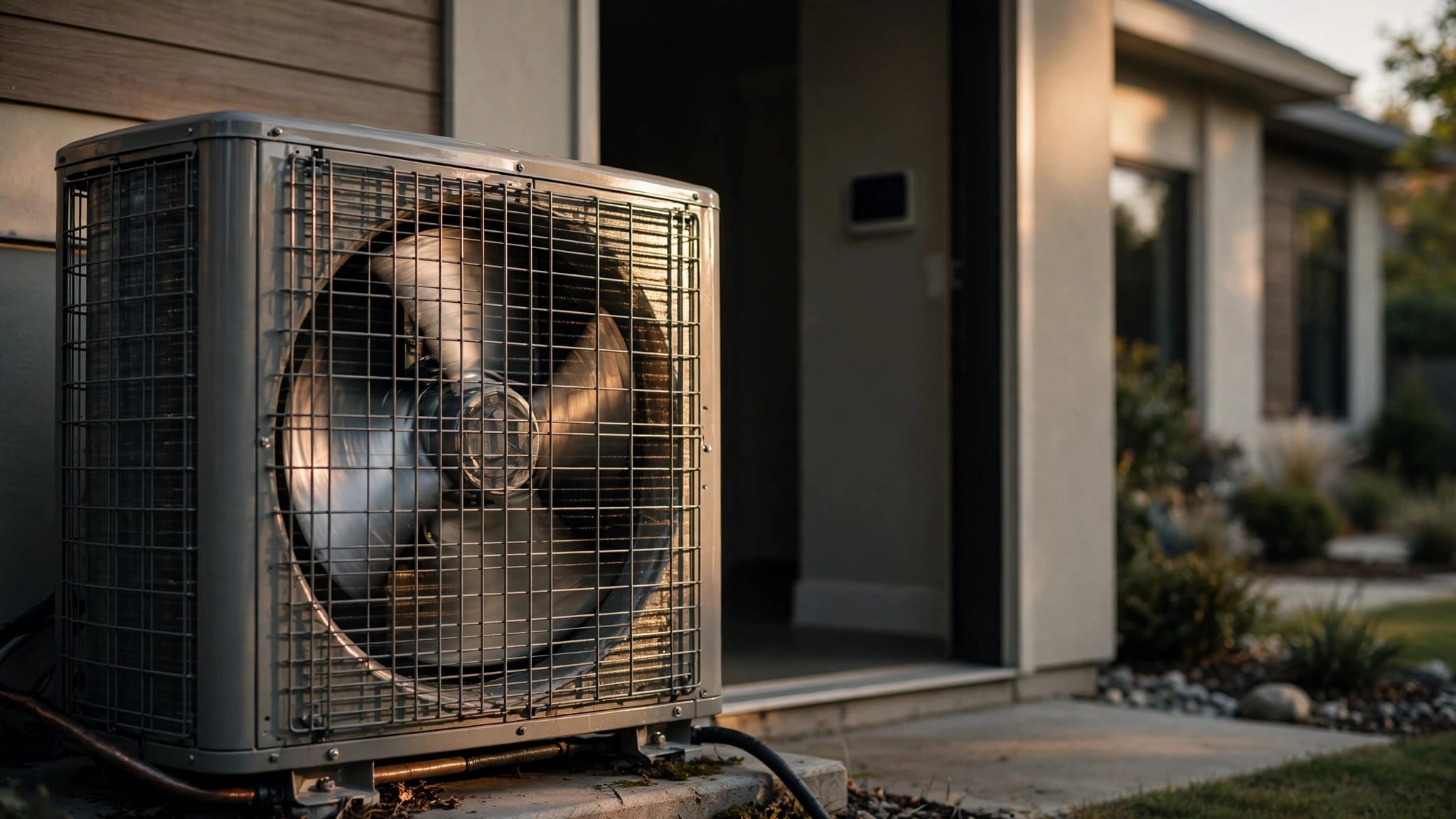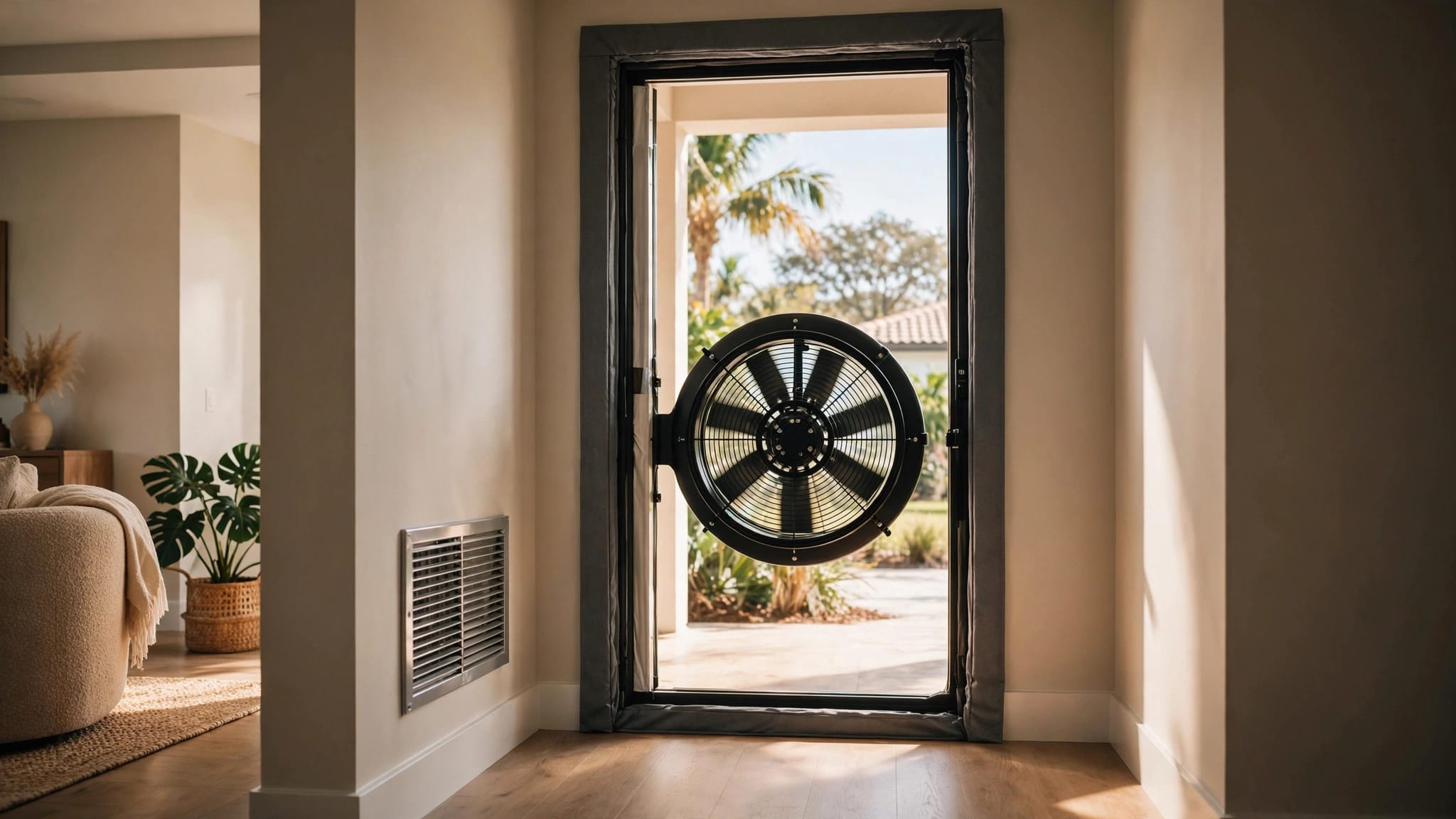
A room that stays hot while the thermostat says 74 degrees often points to an airflow problem, not a thermostat problem. In Cape Coral, homeowners usually ask about HVAC air balancing cost after noticing uneven cooling, weak airflow, high humidity, or an AC system that runs for hours.
For 2026 planning, most residential balancing visits fall between $150 and $1,200 , while a standard whole-home service commonly lands around $300 to $650 . Your final price depends on the home's size, number of zones, duct access, system condition, and whether the technician finds a repair that must happen first.
HVAC air balancing cost estimates for Cape Coral in 2026
Cape Coral does not have a verified, published local price schedule for air balancing. The ranges below are broad 2026 market estimates for residential systems, so use them for budgeting rather than treating them as a guaranteed quote.
| Service type | Estimated price range | Typical assumptions |
|---|---|---|
| Limited airflow check and adjustment | $150-$350 | One accessible, single-zone system with minor register or damper adjustments |
| Standard whole-home balancing | $300-$650 | A 1,200- to 2,000-square-foot home with one 2- to 3-ton system |
| Larger or harder-to-access system | $650-$1,200 | More registers, difficult duct access, larger homes, or additional testing |
| Complex multi-zone balancing | $1,000-$1,800 | Multiple zones, air handlers, dampers, or detailed testing and documentation |
A standard visit often takes two to four hours , depending on the number of registers and the condition of the duct system. A small home with easy attic access may cost less. A larger property with several zones can require more labor and more measurements.
The main takeaway is simple: a low-cost adjustment visit is different from a full testing and balancing service. Ask which type the quote covers before comparing prices.
What a professional balancing visit includes
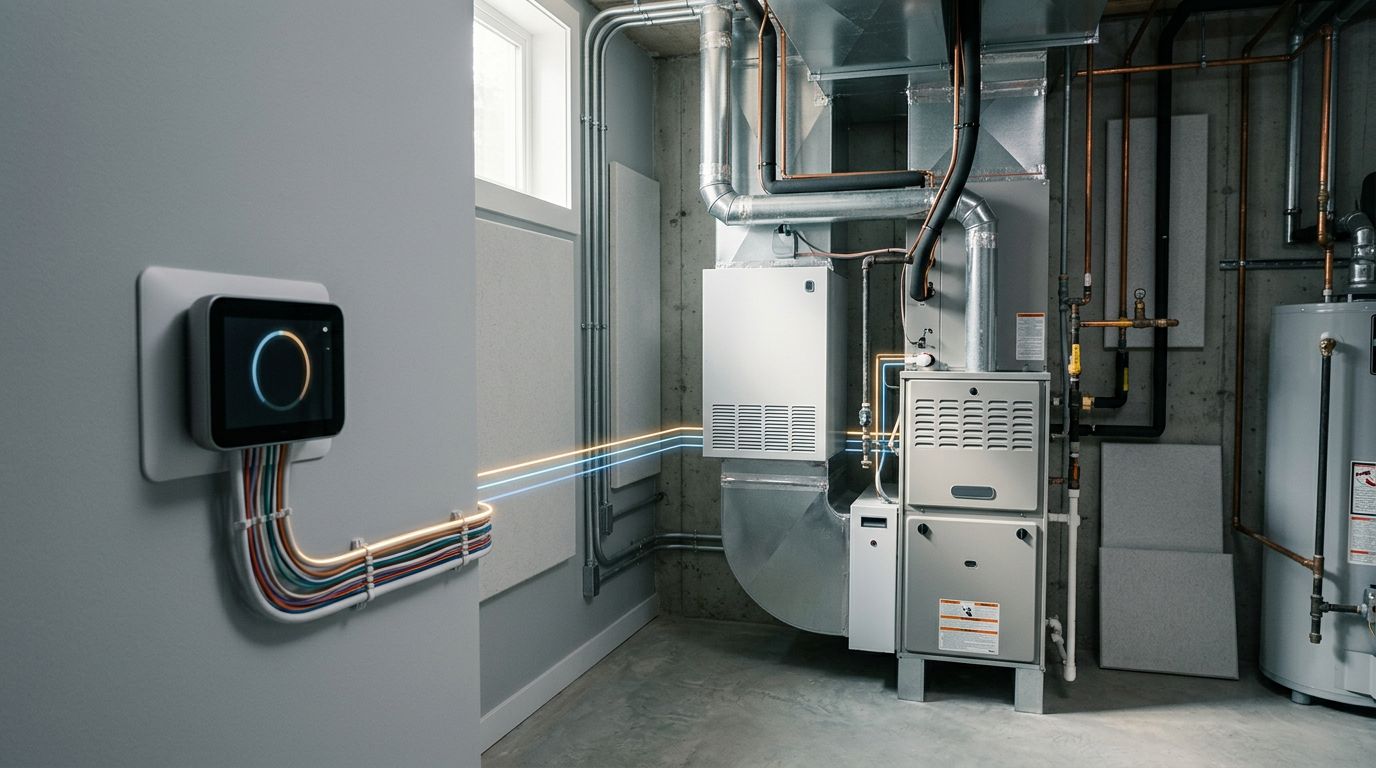
Air balancing is a measurement-based service. The technician checks how much air reaches each room, how much air returns to the system, and whether the blower and ductwork can move air within the equipment's operating limits.
The initial system inspection
The visit typically begins with a review of the home's comfort complaints. The technician may ask which rooms feel warm, whether the problem changes during the day, and whether doors or vents affect the airflow.
Next, the technician checks the filter, evaporator coil access, blower compartment, return grille, supply registers, and visible ductwork. Closed registers, dirty filters, blocked returns, loose connections, and crushed flex duct can affect the readings.
All registers should generally be open before testing begins. Measuring the system with several vents closed can change static pressure and produce misleading results.
Airflow, temperature, and static pressure measurements
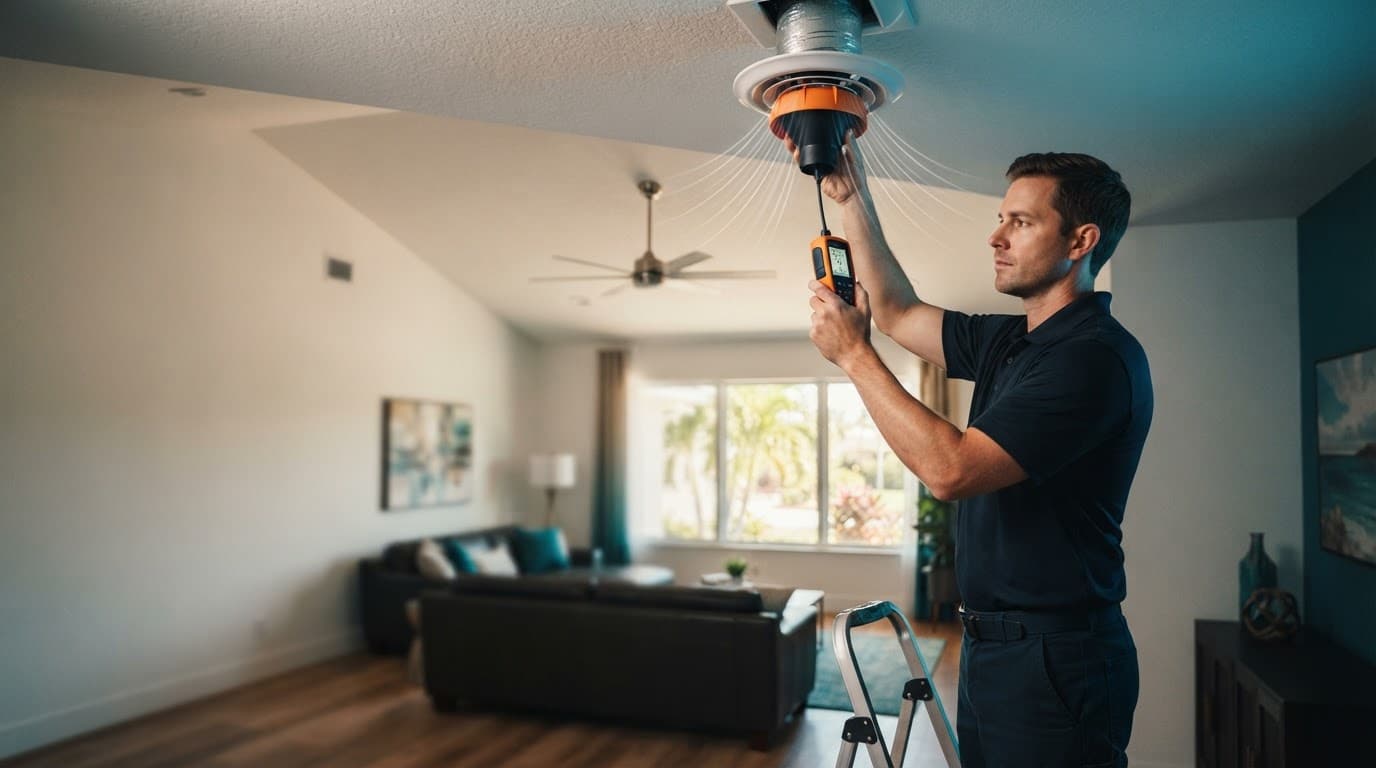
A technician may use a capture hood, also called a balometer, to measure airflow at each supply register. The readings are recorded in cubic feet per minute, or CFM. Return grilles are checked as well because the system needs enough return air to operate correctly.
Static pressure testing shows how hard the blower must work to push air through the system. Many residential systems are evaluated against roughly 0.5 inches of water column or lower , although the equipment manufacturer's specifications control the final assessment.
Temperature readings add another piece of information. The technician may compare supply and return temperatures after adjustments to confirm that the system is producing and distributing cooling properly.
A register with weak airflow may be the symptom, while high static pressure is the reason.
Damper adjustments and final verification
If the duct system has working branch dampers, the technician can adjust them to reduce excessive airflow in one area and redirect more air toward rooms that need it. Register dampers may also receive minor adjustments, but turning vents up or down isn't a substitute for correcting a restricted or leaking duct.
A thorough service ends with another round of readings. The final report may show design CFM, measured CFM, static pressure, damper positions, temperature readings, and recommended corrections. Ask whether documentation is included because some low estimates cover adjustments only.
Why Cape Coral homes may need air balancing
Southwest Florida puts a heavy workload on air conditioning systems. Summer temperatures can reach around 90 degrees, humidity can approach 80%, and many systems run for more than 3,000 hours each year.
That combination makes uneven airflow more noticeable. One bedroom may feel warm while the living room stays comfortable. Another room may feel cool but damp because it receives insufficient air movement or has a return-air problem.
Uneven cooling often has several possible causes
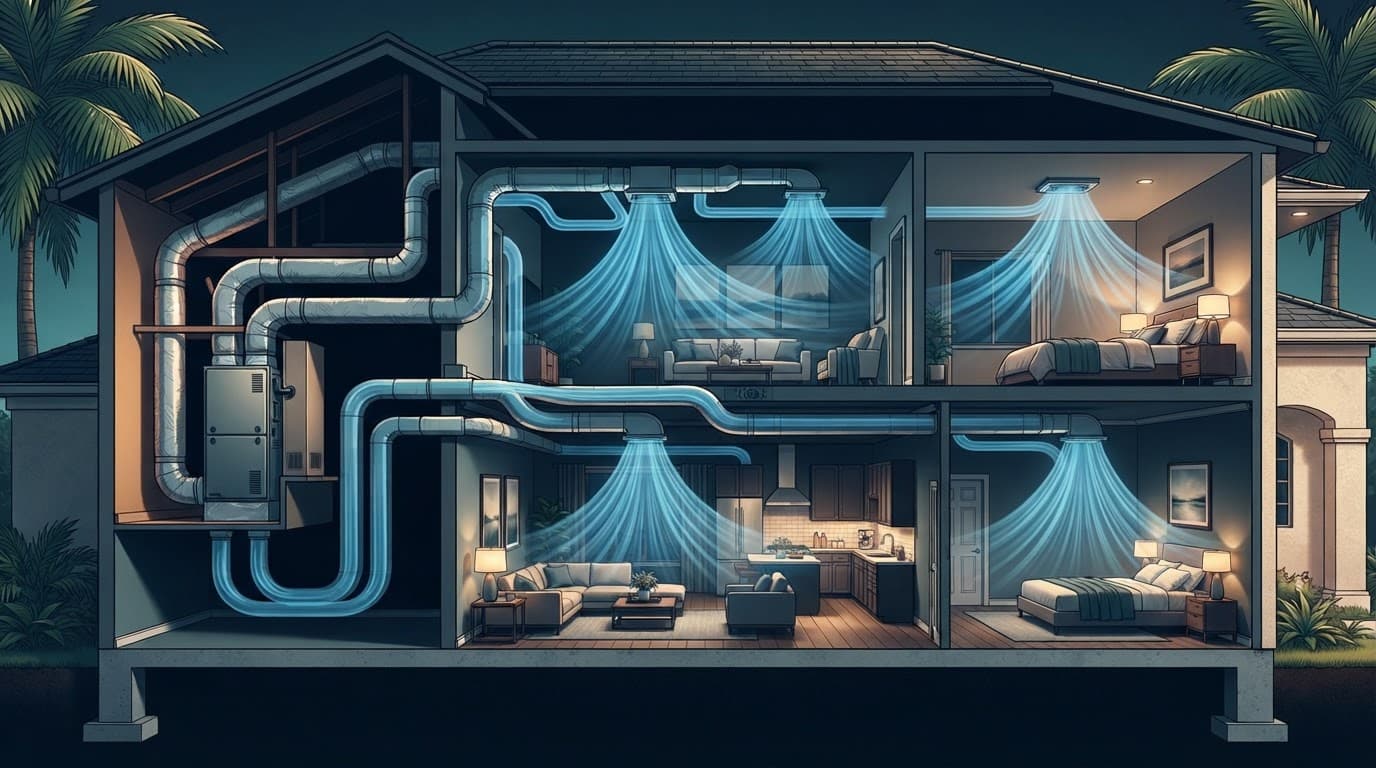
Hot rooms can result from long duct runs, undersized branches, closed dampers, disconnected ducts, poor insulation, or a return grille that doesn't move enough air. Windows, exterior walls, and sun exposure also affect room temperature.
Balancing can identify whether the system is distributing available cooling unevenly. However, it cannot make an undersized AC unit or badly designed duct system perform like a properly sized system.
Property managers should track which rooms or units have recurring complaints. A pattern across multiple rooms may point to a design or duct issue. A single isolated complaint may need a register, damper, or local duct inspection.
Humidity complaints deserve separate attention
A balanced system should distribute air more evenly, but air balancing alone may not solve high indoor humidity. Moisture can enter through duct leaks, poor air sealing, drainage problems, coil issues, or an AC system that doesn't run long enough to remove moisture.
Many Cape Coral homeowners target indoor humidity around 45% to 55% for comfort. If the home still feels sticky after balancing, the technician should evaluate the cooling cycle, condensate drainage, duct leakage, and return-air path.
You can also review the common reasons for why your Cape Coral home feels humid before scheduling service.
When ductwork or equipment repairs raise the price
Air balancing works best when the equipment and duct system are in reasonable condition. If testing uncovers a restriction or mechanical fault, the repair becomes a separate part of the project.
Duct repairs and sealing
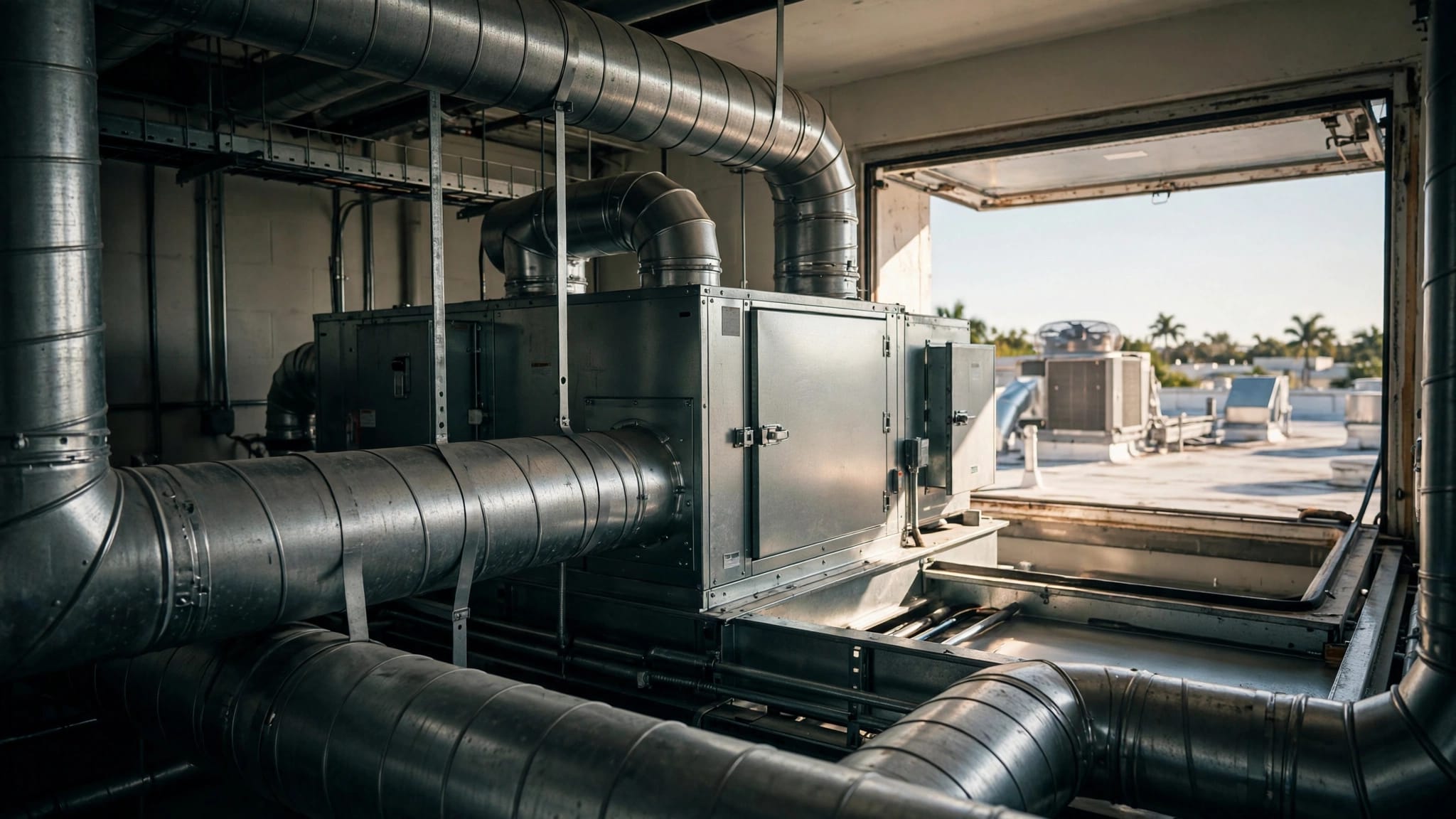
Leaky, disconnected, crushed, or undersized ductwork can prevent the system from delivering the expected CFM. Ducts located in a hot attic are especially important because leaks can waste cooled air and allow warm, humid air into the system.
A technician may recommend sealing joints with mastic or approved tape, replacing damaged flex duct, repairing insulation, correcting a disconnected branch, or modifying a restrictive transition. Access affects labor. Ductwork in an open attic is usually easier to reach than ductwork behind finished ceilings or walls.
Before approving extra work, ask for a written description of the affected duct section and the reason for the recommendation. You can also review local duct repair and replacement services when the balancing visit identifies a duct problem.
Learn the common signs of leaking ductwork, including weak airflow, dusty rooms, warm ceilings near duct runs, and humidity that remains high.
Equipment and airflow restrictions
A dirty filter, blocked return, dirty coil, incorrect blower speed, failing motor, or faulty zone damper can change airflow readings. High static pressure may indicate a restriction or duct undersizing rather than a simple imbalance.
The technician may need to correct the restriction before completing the balancing work. Blower performance checks can include fan speed, motor amperage, and static pressure at the supply and return sides of the air handler.
If the AC has refrigerant trouble, short cycling, unusual noises, or poor cooling across the entire home, an air balancing visit may turn into a broader diagnostic appointment. In that situation, review the scope of Cape Coral AC repair separately from the balancing price.
How to compare air balancing quotes
A useful quote tells you what the technician will measure, adjust, document, and repair. Two companies may use the same phrase, "air balancing," for very different services.
Before booking, ask these questions:
- Does the price cover every supply register and return grille, or only a few problem rooms?
- Will the technician measure CFM at the registers?
- Does the visit include supply and return static pressure readings?
- Are damper and register adjustments included?
- Will the technician check blower operation, filters, coils, and visible ductwork?
- Will you receive before-and-after readings or a written report?
- Does the price cover one air handler, one zone, or the entire property?
- What happens if the technician finds duct leaks, blocked ducts, or equipment problems?
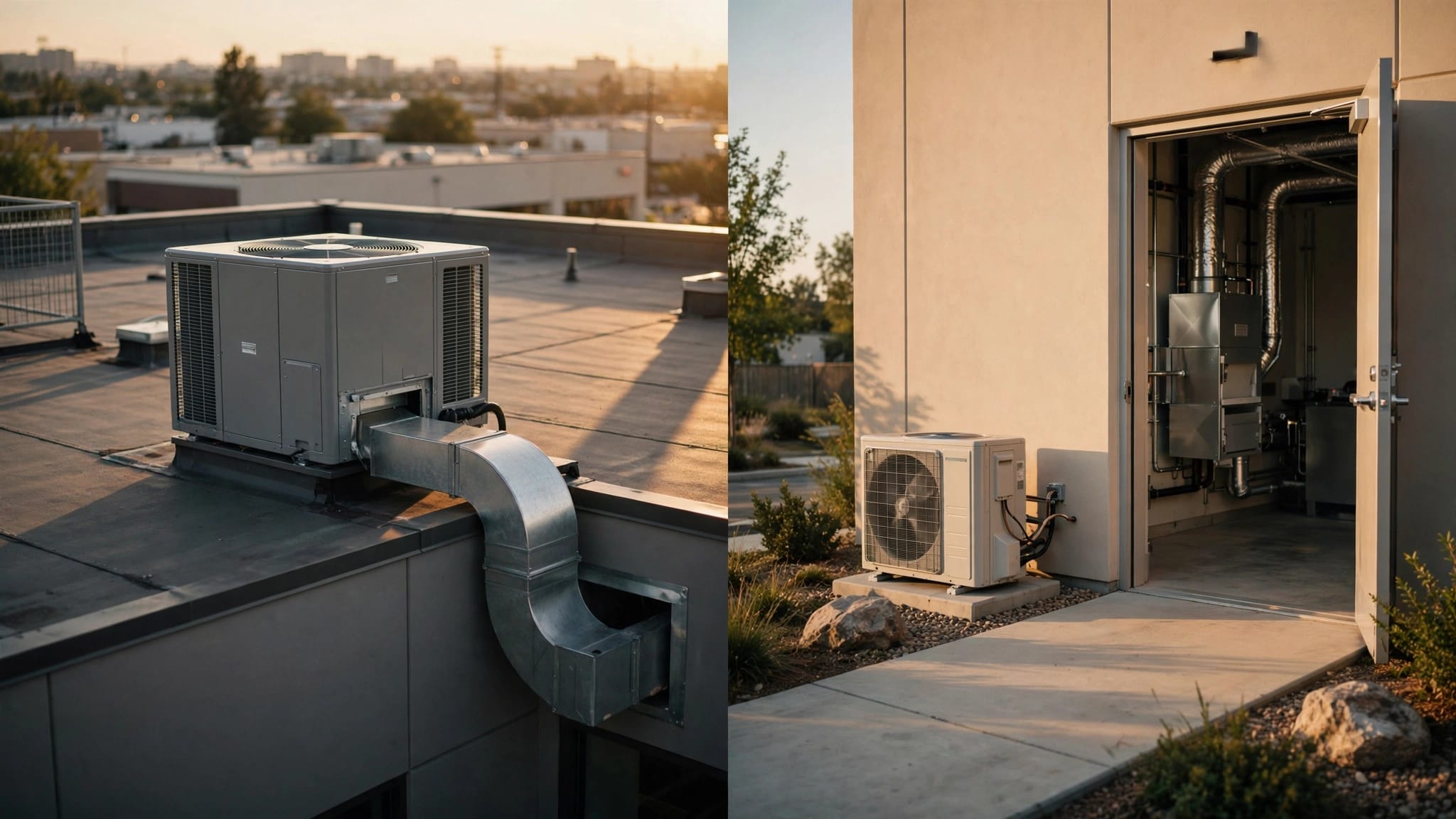
For a rental property or small commercial building, confirm the number of systems and zones covered. A quote priced for one residential air handler may not apply to a property with several separate units.
Also ask whether repairs require approval before work begins. A clear quote should separate the balancing service from optional ductwork or equipment corrections. That format makes it easier to compare value instead of choosing based only on the lowest starting price.
When to schedule an on-site evaluation
An on-site evaluation is the most reliable way to determine your HVAC air balancing cost. A technician needs to see the duct layout, count registers, test airflow, inspect access points, and review the equipment's condition before giving a precise recommendation.
Schedule an evaluation if one room stays hot, some vents have weak airflow, the AC runs continuously, humidity remains high, or different areas of the property have noticeably different temperatures. You should also schedule service after major duct changes, an addition, a system replacement, or a zoning installation.
Avoid accepting a firm price based only on square footage. Home size matters, but duct design, system capacity, access, register count, and equipment performance can change the job.
Conclusion
For Cape Coral homeowners, a realistic 2026 budget for HVAC air balancing is $300 to $650 for a standard whole-home visit , with limited services starting lower and complex zoned systems reaching $1,000 or more. Those figures are planning estimates, not guaranteed local prices.
Balancing can improve room-to-room comfort when the system has uneven distribution, but duct leaks, high static pressure, blower problems, and humidity issues may require additional work. Request measured readings, a defined scope, separate repair pricing, and an on-site evaluation before approving the job. When you're ready to discuss your system, Contact Us to schedule a service call.